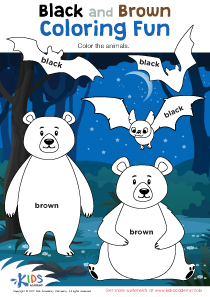
Letter recognition English for Beginners Worksheets for Ages 6-8
41 filtered results
-
From - To
Our engaging Letter Recognition Worksheets for Beginners are perfect for children ages 6-8 learning English. These colorful, fun worksheets help youngsters master the alphabet through interactive activities such as tracing, matching, and identifying letters. Each worksheet is designed to reinforce basic literacy skills, support language development, and build a strong foundation for reading and writing. Ideal for classroom use or home practice, these printables make learning both accessible and enjoyable. Get started today and watch your child's confidence and proficiency in English soar with our beginner-friendly resources!
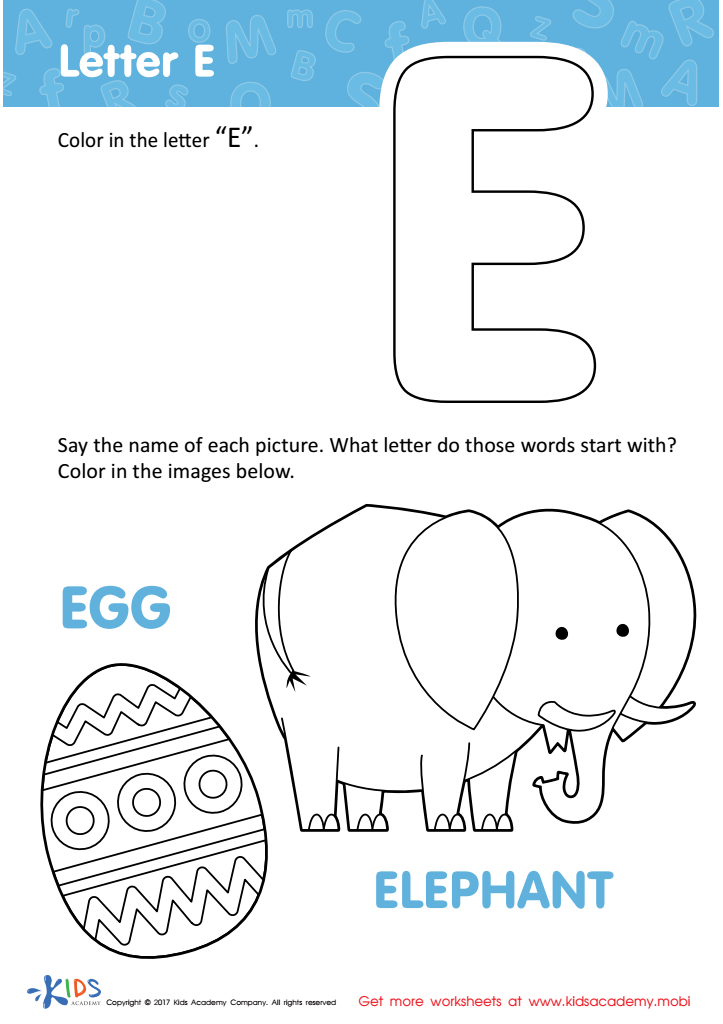
Letter E Coloring Sheet
 Assign to My Students
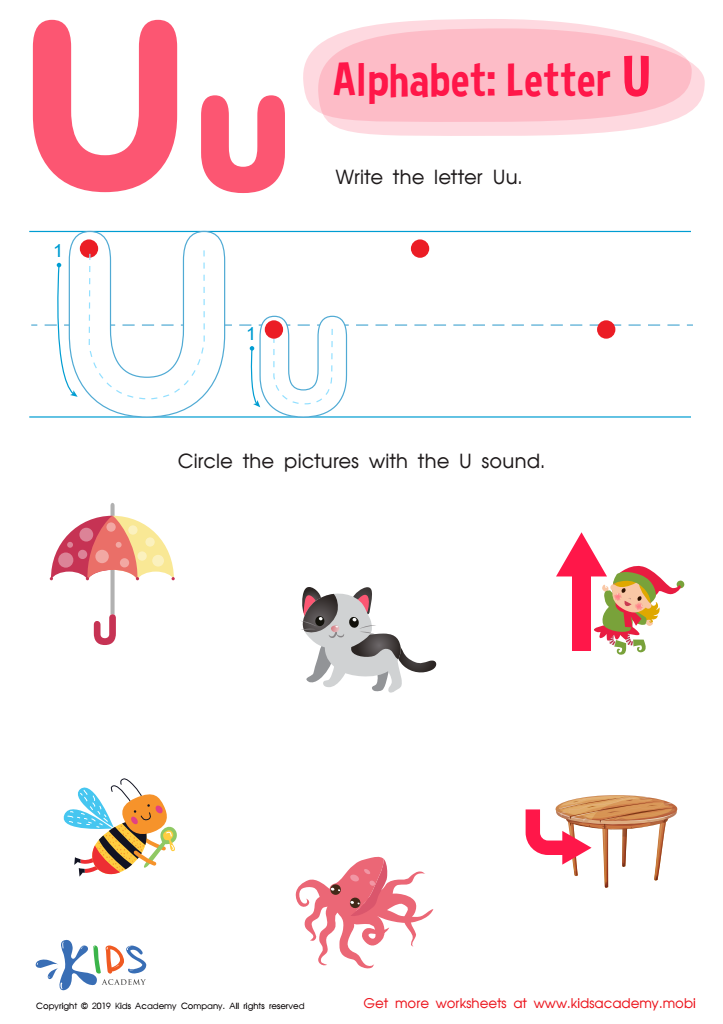
Letter U Tracing Worksheet
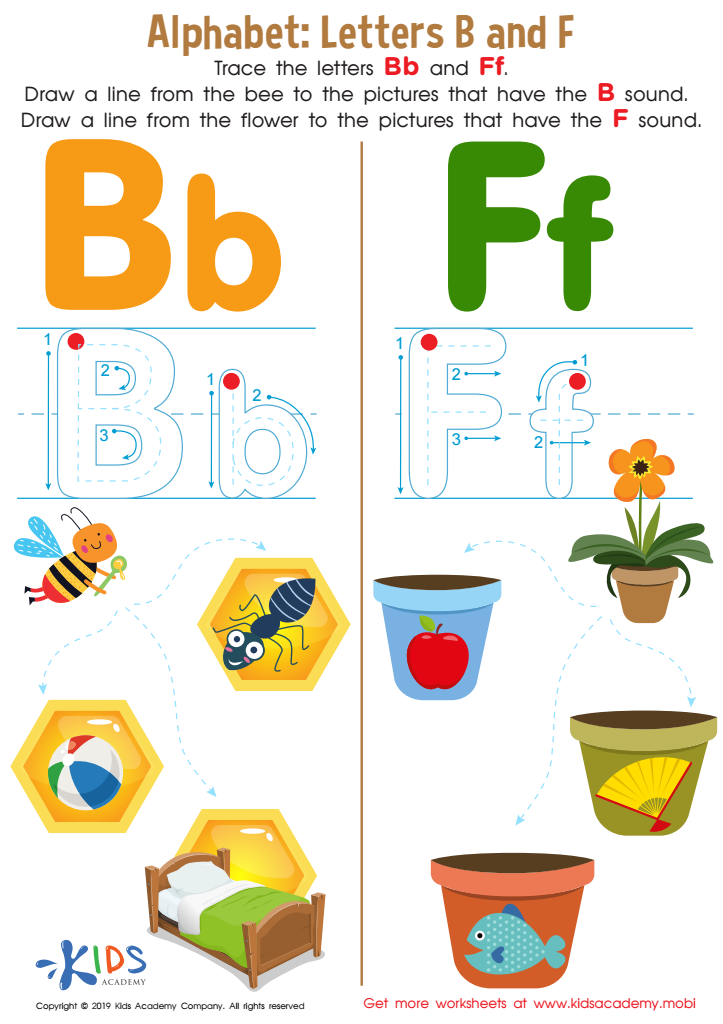
Letters B and F Tracing Worksheet
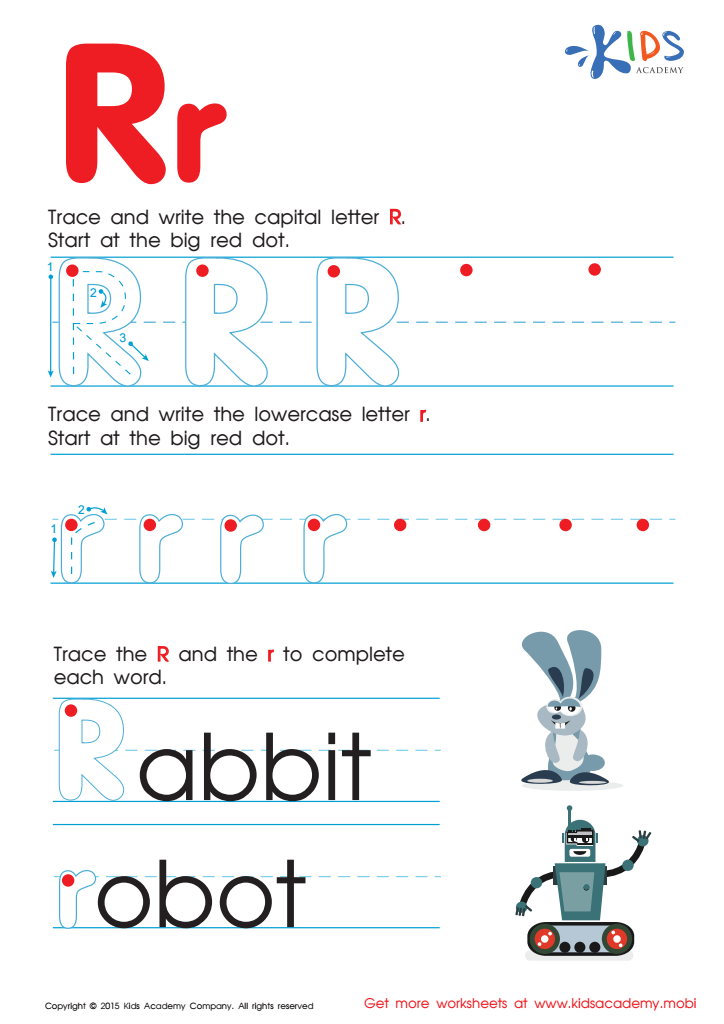
Letter R Tracing Page
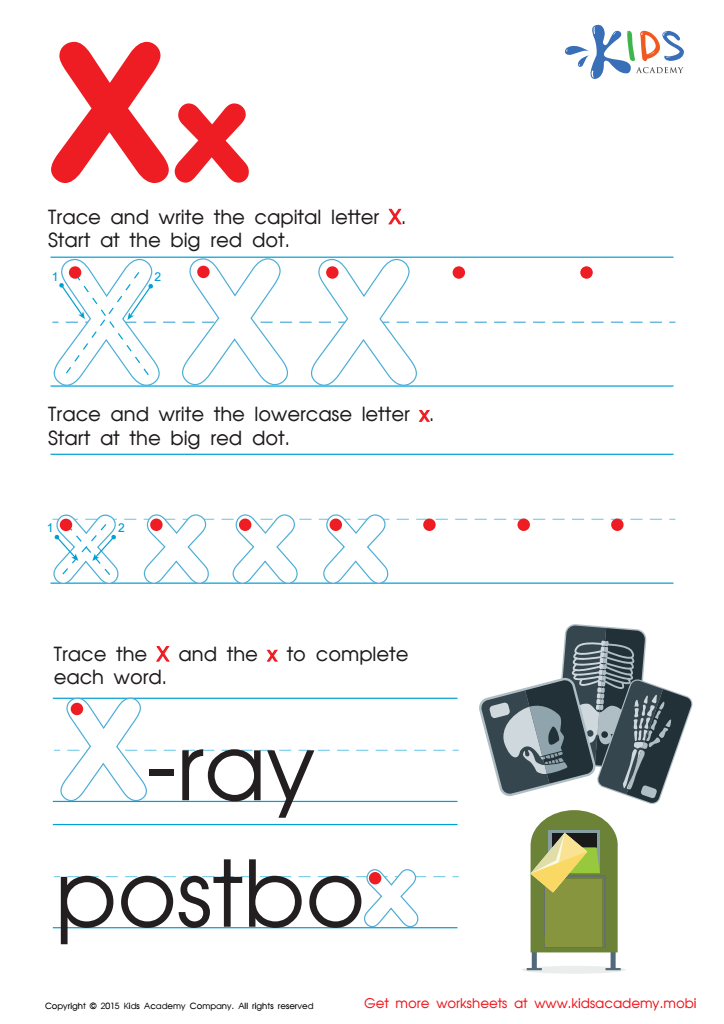
Letter X Tracing Page
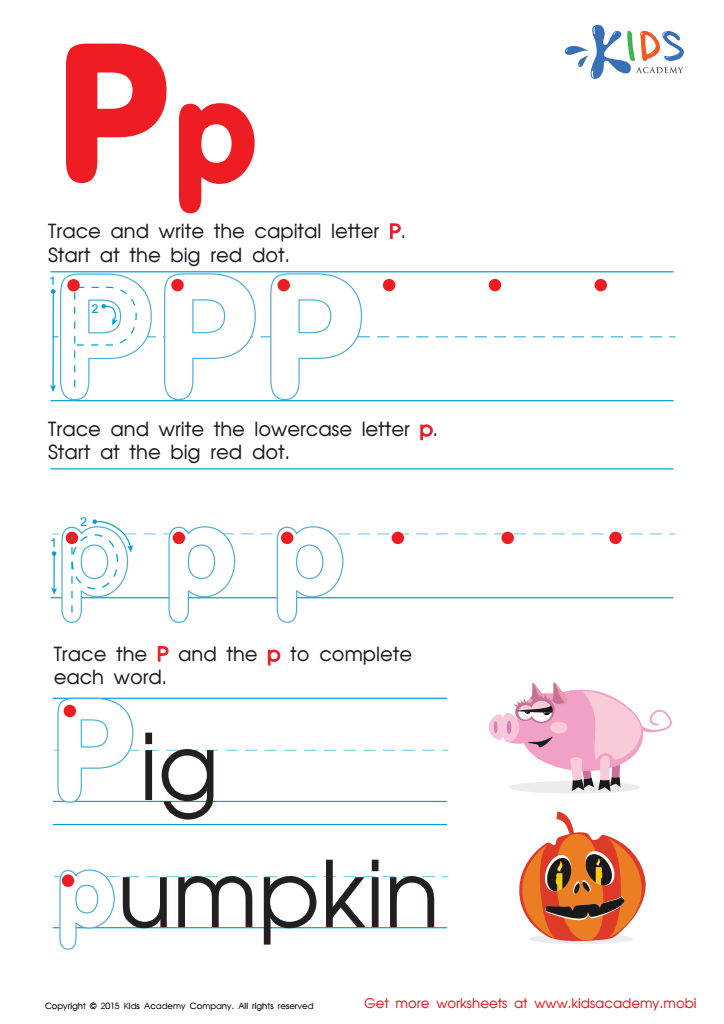
Letter P Tracing Page
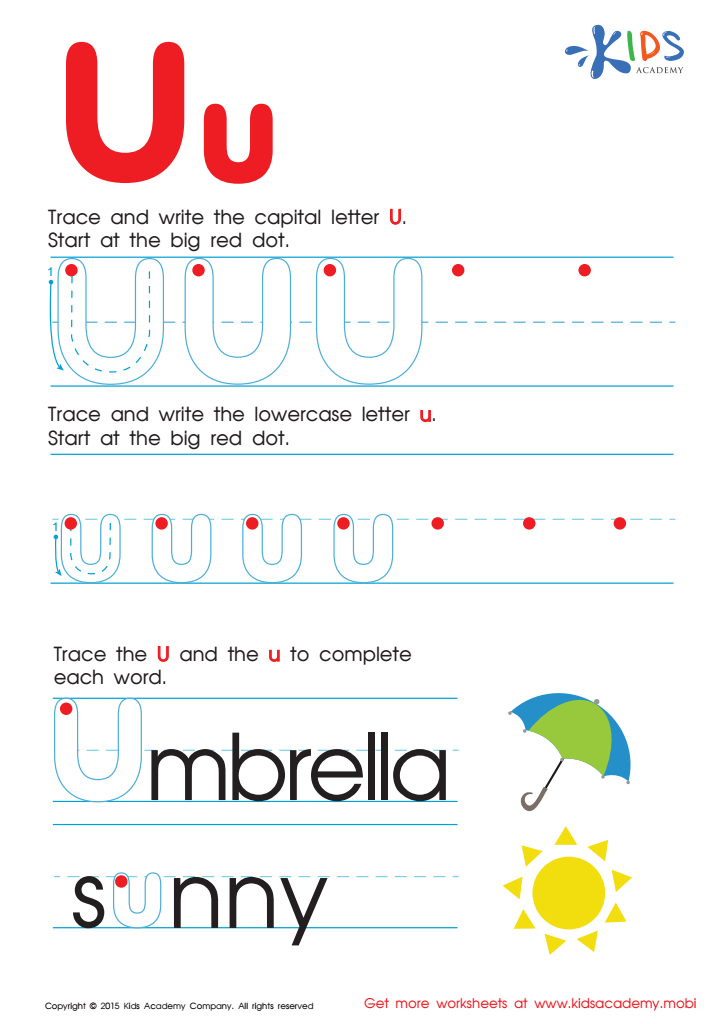
Letter U Tracing Page
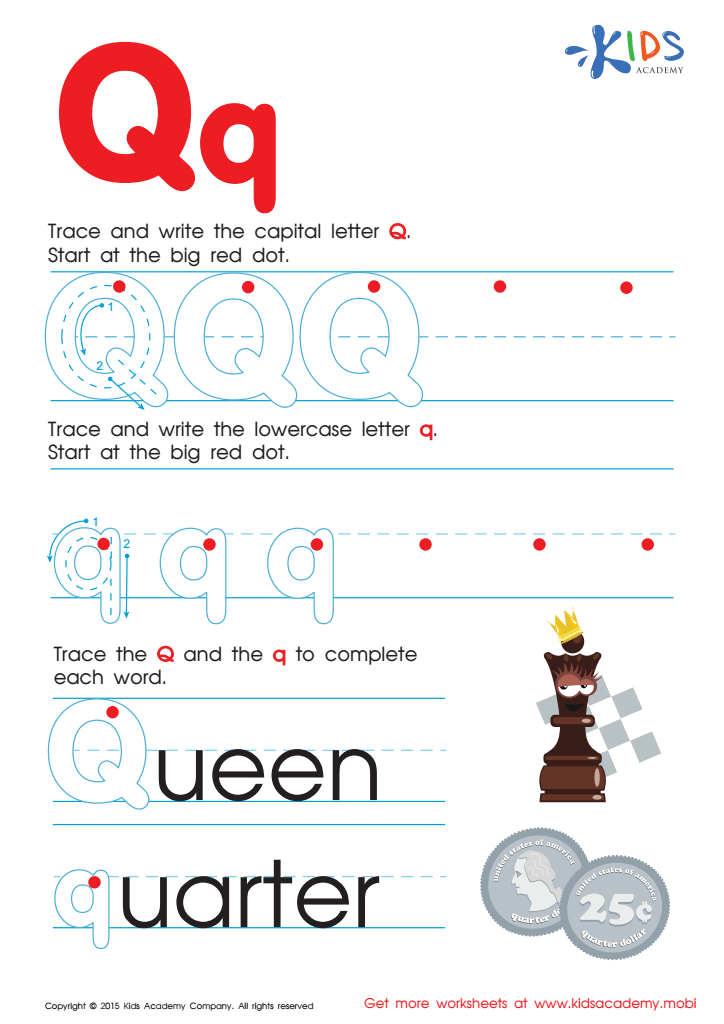
Letter Q Tracing Page
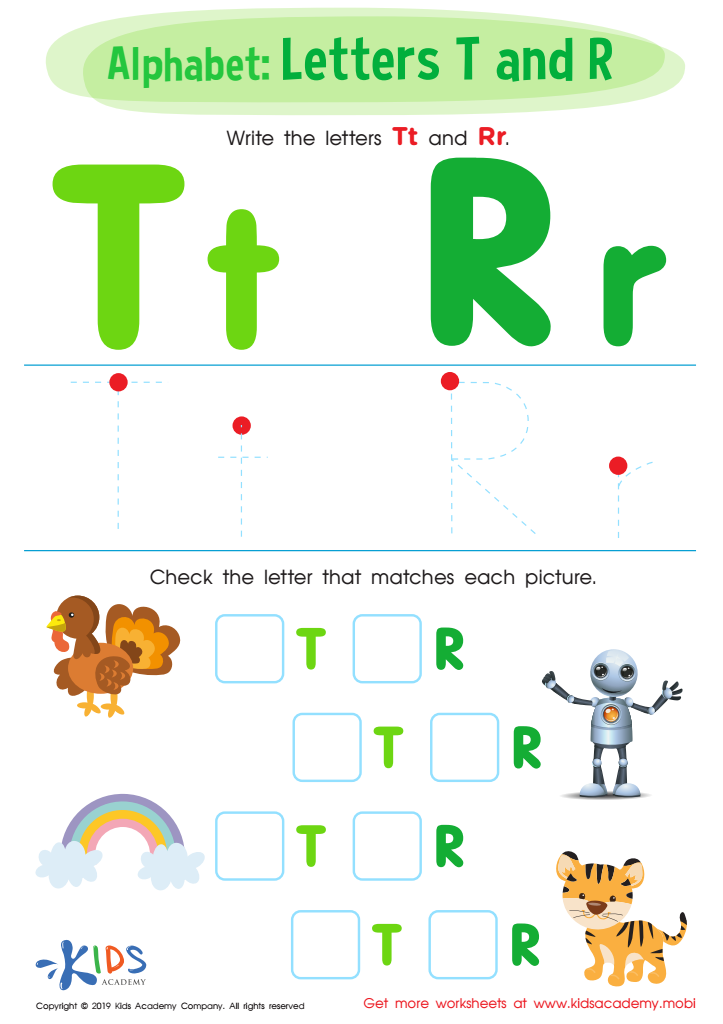
Letters T and R Worksheet
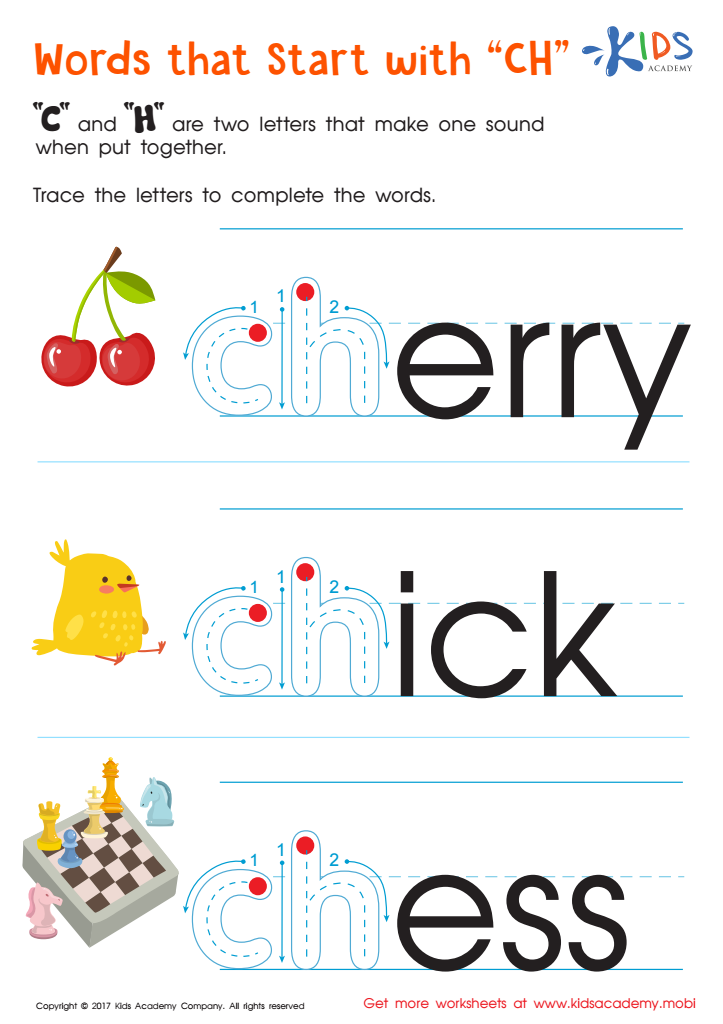
Words That Start with "ch" Spelling Worksheet
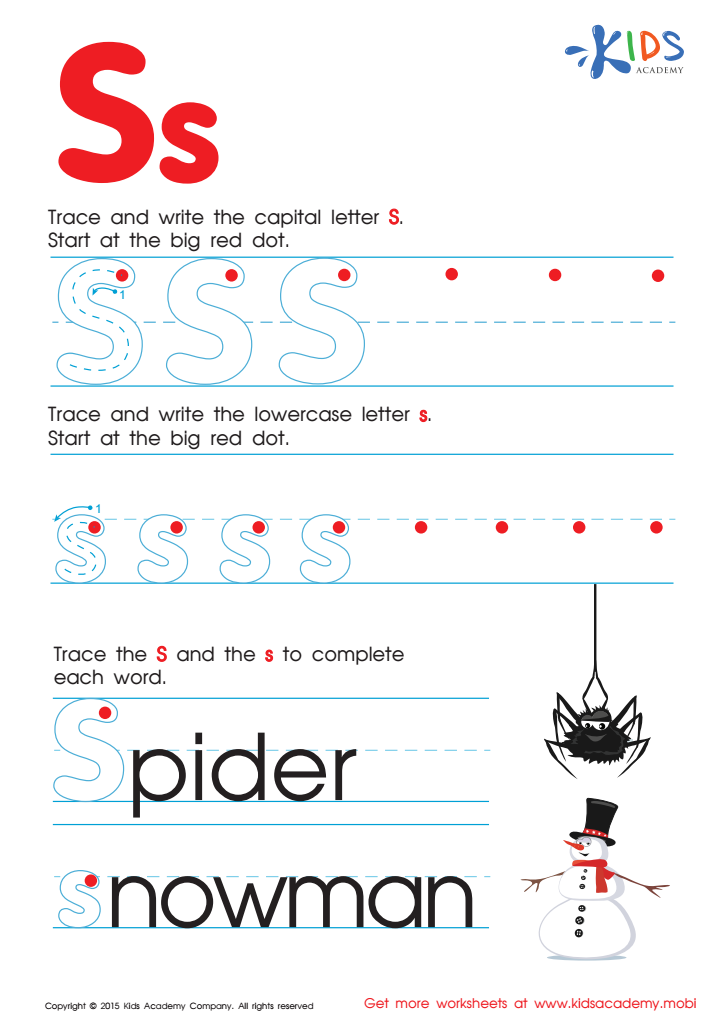
Letter S Tracing Page
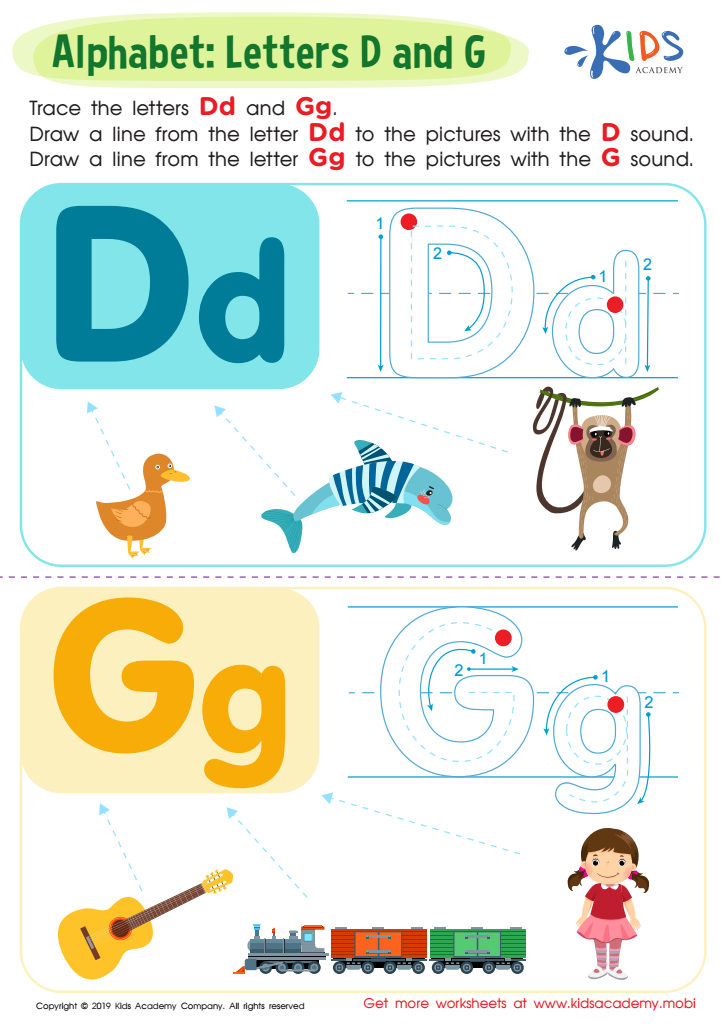
Letter D and G Tracing Worksheet
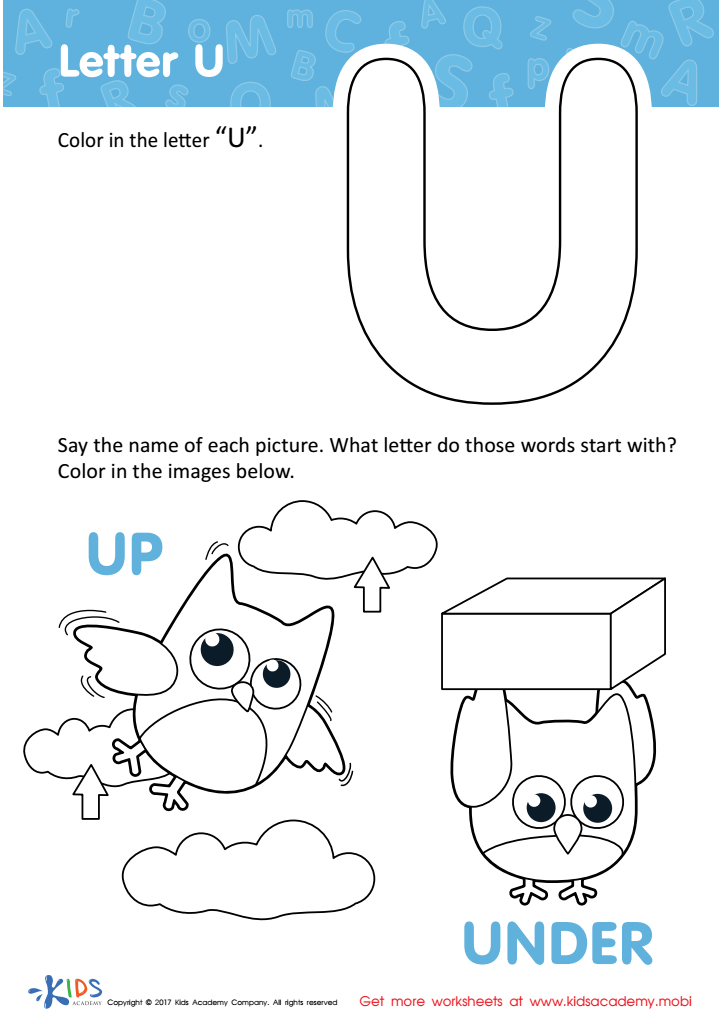
Letter U Coloring Sheet
Assign to My Students
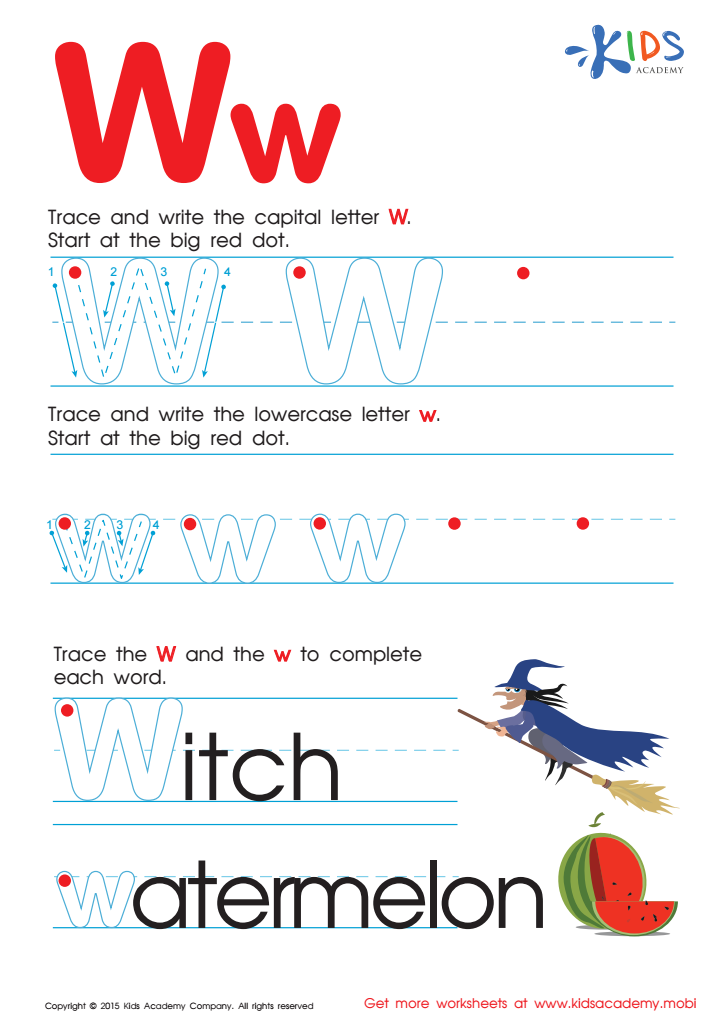
Letter W Tracing Page
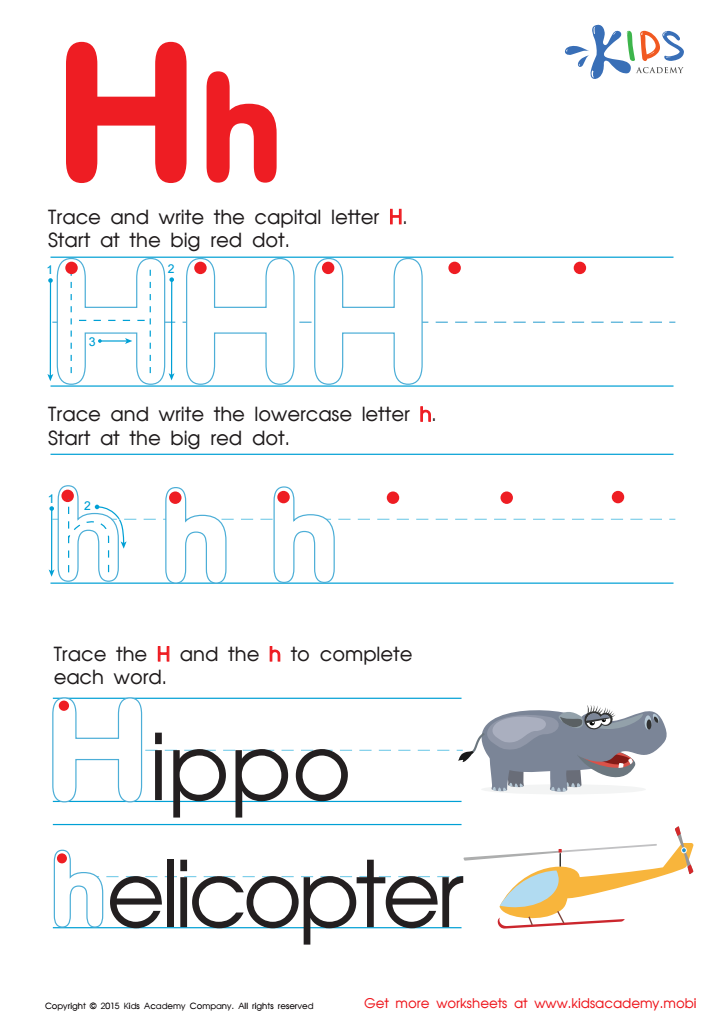
Letter H Tracing Page
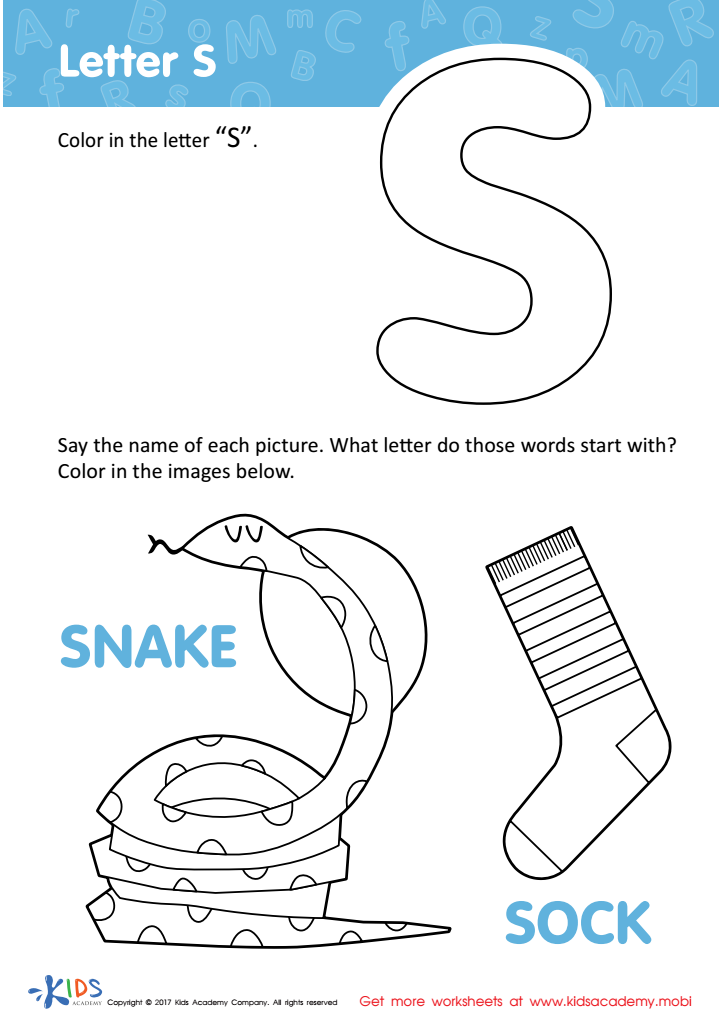
Letter S Coloring Sheet
Assign to My Students
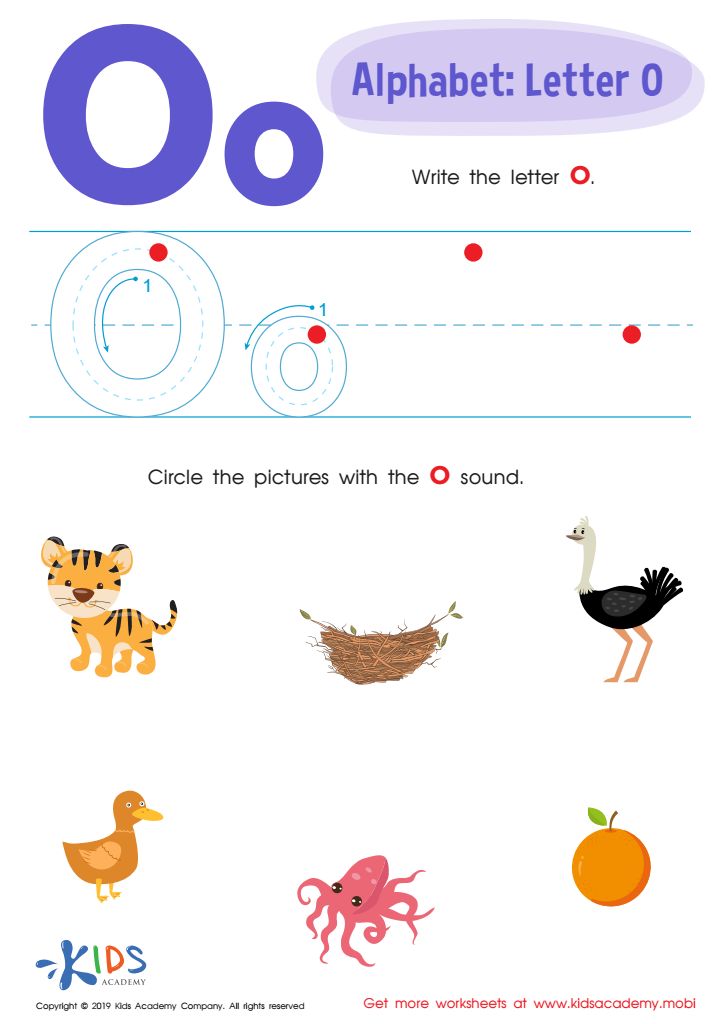
Letter O Tracing Worksheet
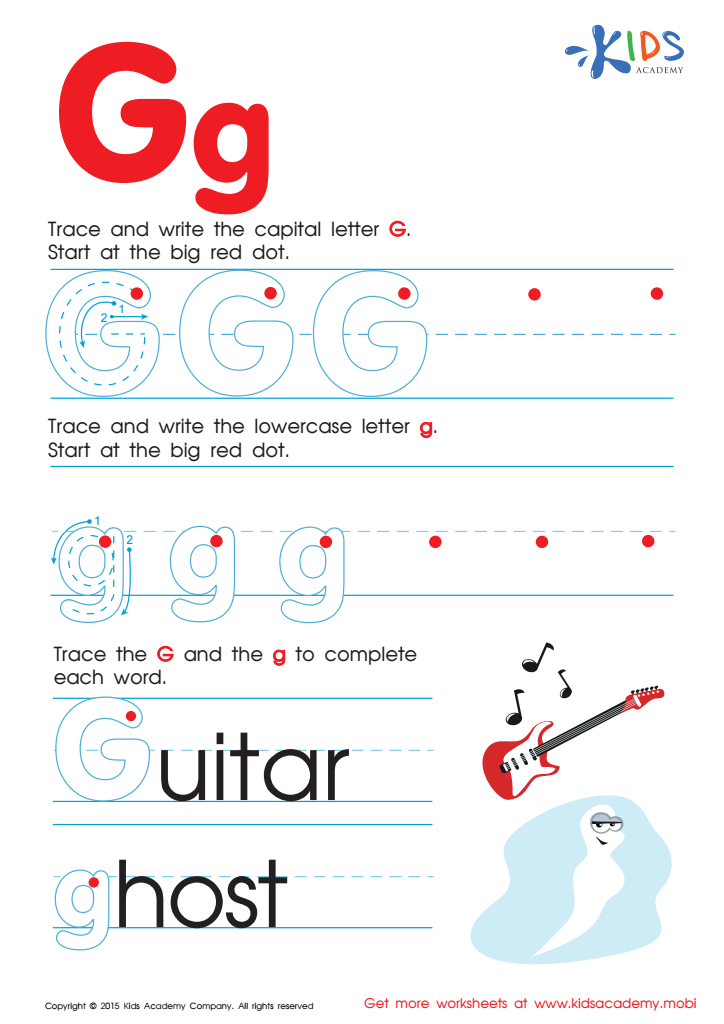
Letter G Tracing Page
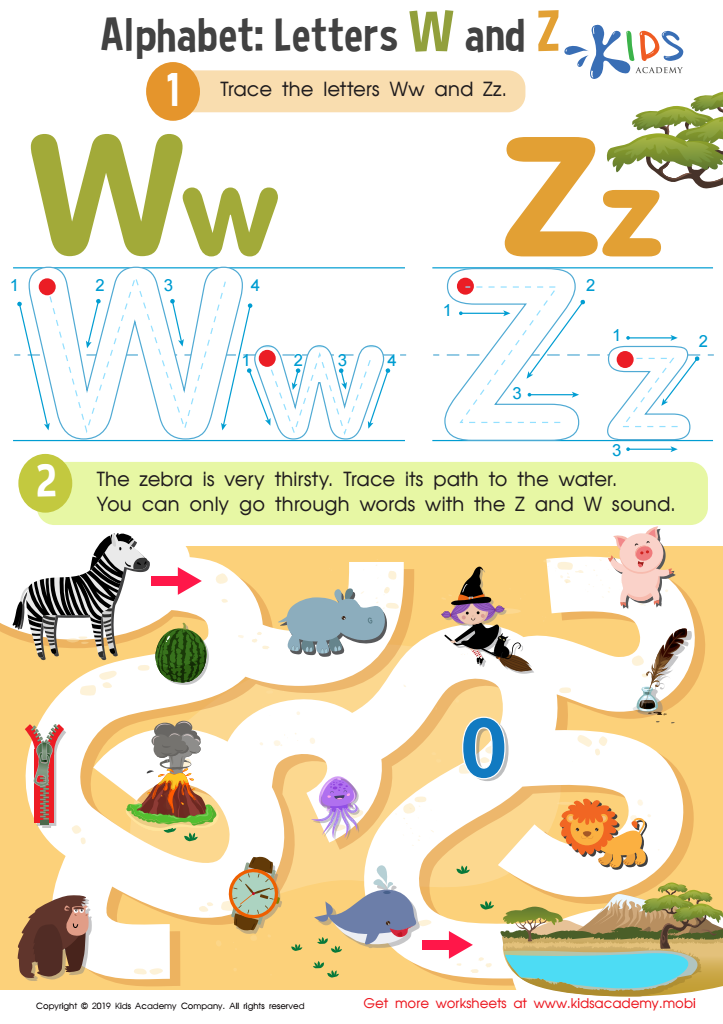
Letters W and Z Tracing Worksheet
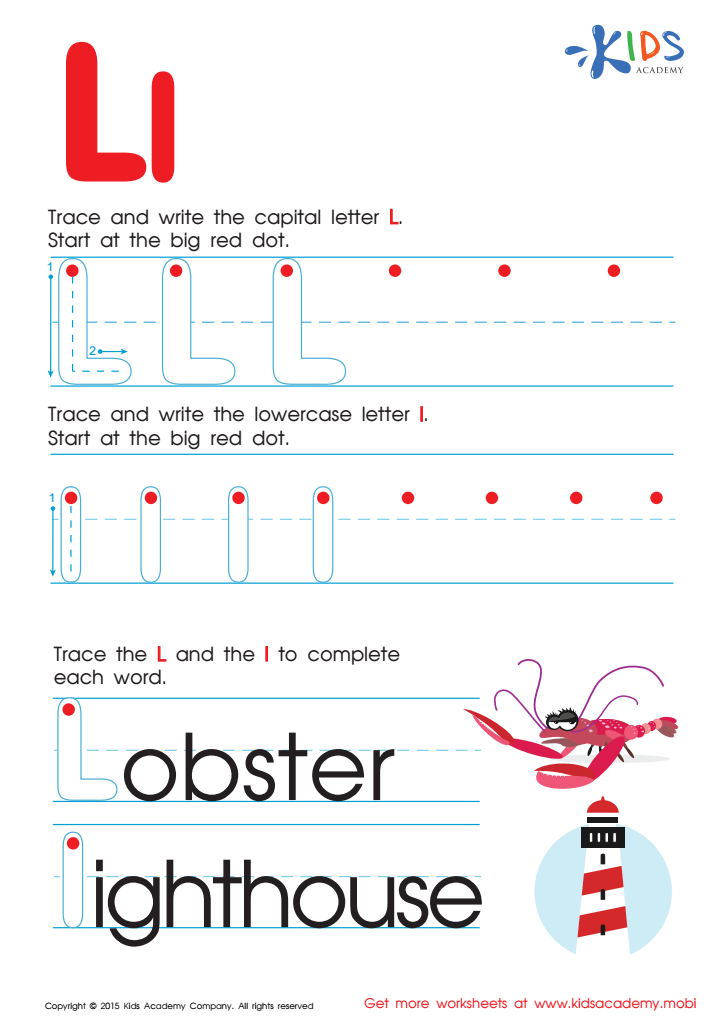
Letter L Tracing Page
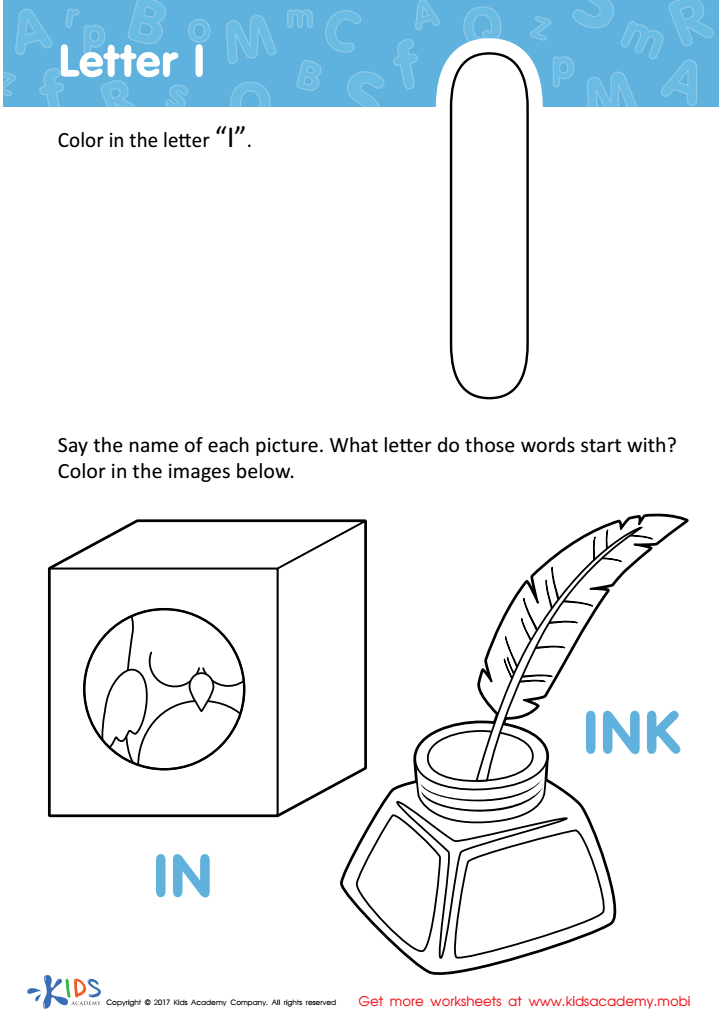
Letter I Coloring Sheet
Assign to My Students
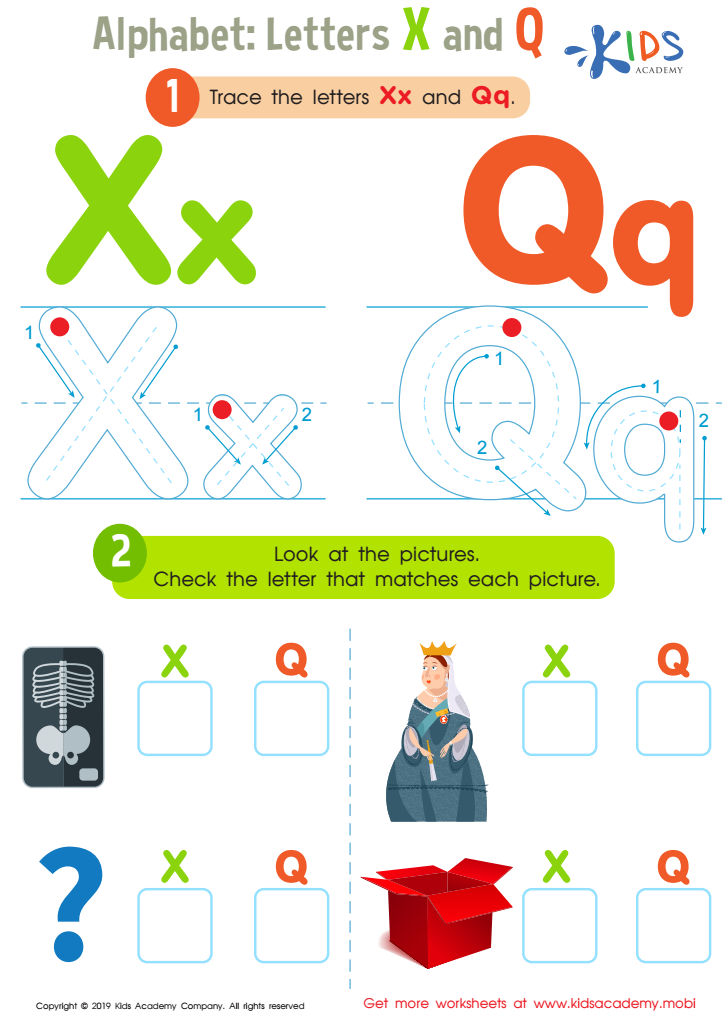
Letters X and Q Tracing Worksheet

Long and Short U Worksheet
Assign to My Students
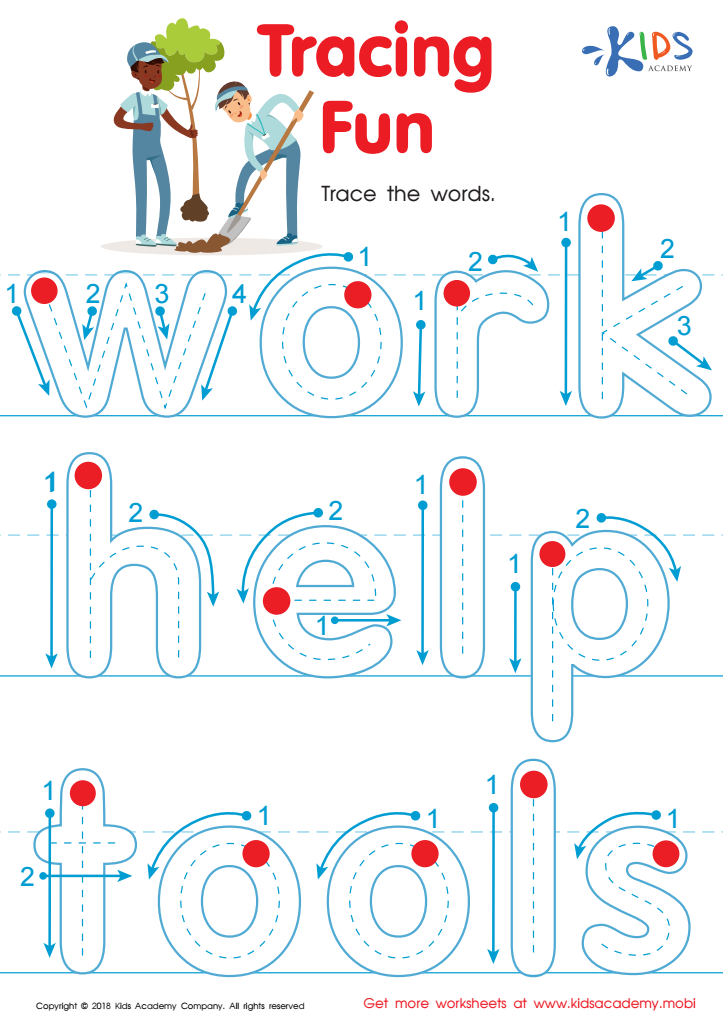
Tracing Fun Worksheet





Letter recognition is a foundational skill that is crucial for children ages 6-8 because it lays the groundwork for all future reading and writing abilities. At this critical developmental stage, children are transitioning from understanding language through listening and speaking to decoding written symbols. Proficiency in letter recognition enables children to differentiate between individual letters, understand their corresponding sounds, and eventually blend these sounds to form words. This skill set is the basis of phonics, which is essential for developing both fluency and comprehension in reading.
For parents and teachers, focusing on letter recognition means investing in a child's academic success and boosting their confidence. Children who can easily recognize letters tend to have a smoother and quicker journey in acquiring reading skills. This early proficiency reduces frustration and fosters a love for reading, which is pivotal for their overall academic trajectory. Additionally, strong letter recognition skills are linked to better performance in spelling and writing exercises, further supporting a well-rounded literacy education.
Moreover, early literacy skills, especially letter recognition, are predictors of school readiness and future academic achievements. Children who enter school able to recognize letters are better prepared for the complex tasks of learning to read and write, setting them up for long-term educational success. Therefore, both parents and teachers play a vital role in nurturing and enhancing this fundamental skill during early childhood education.