Alphabet Recognition Worksheets for Ages 6-8 - Page 3
70 filtered results
-
From - To
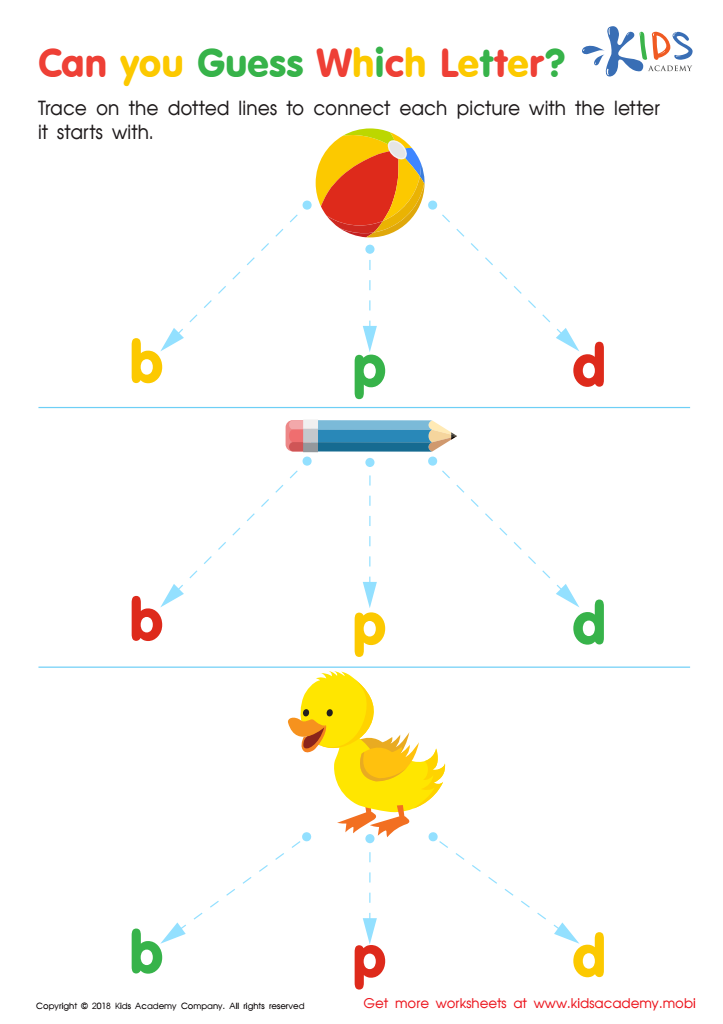
Can you Guess Which Letter? Worksheet
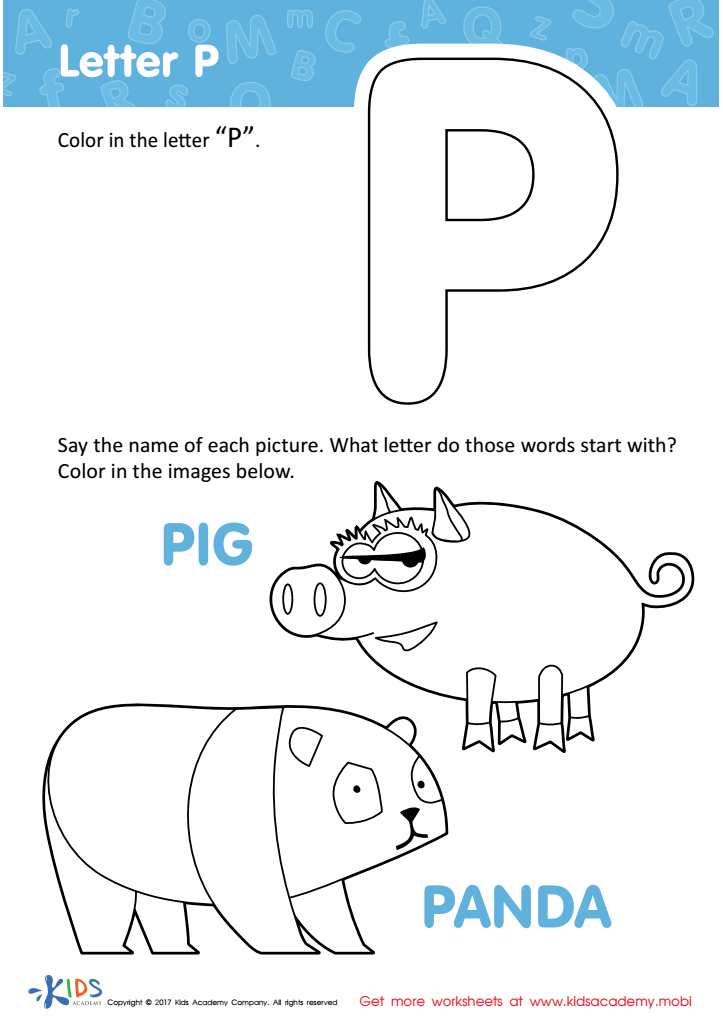
Letter P Coloring Sheet
 Assign to My Students
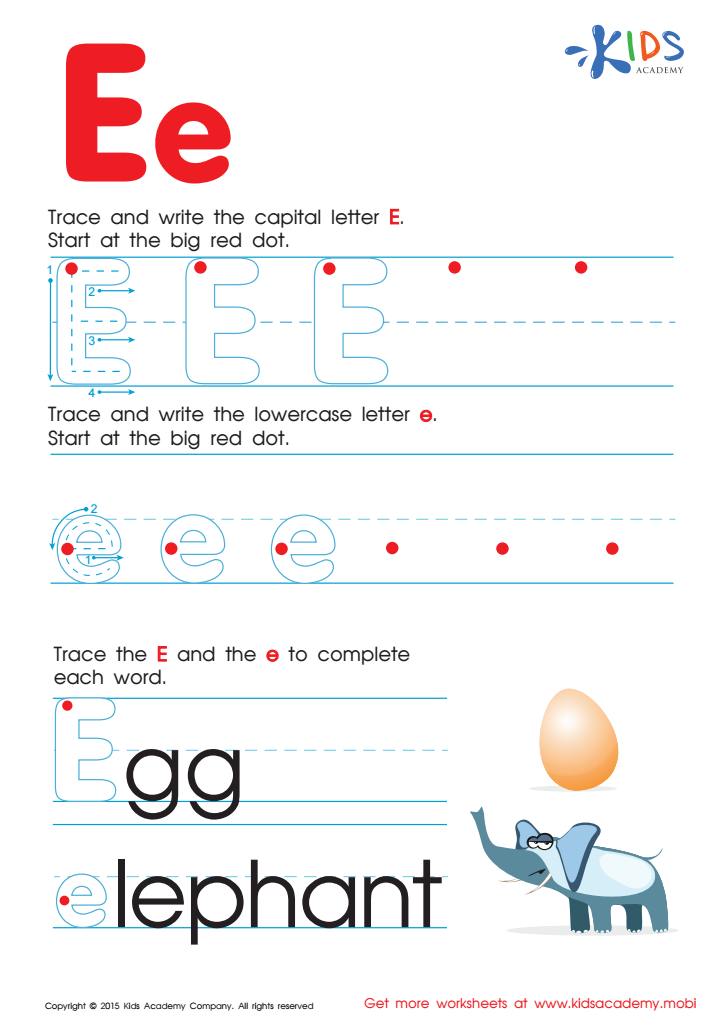
Letter E Tracing Page
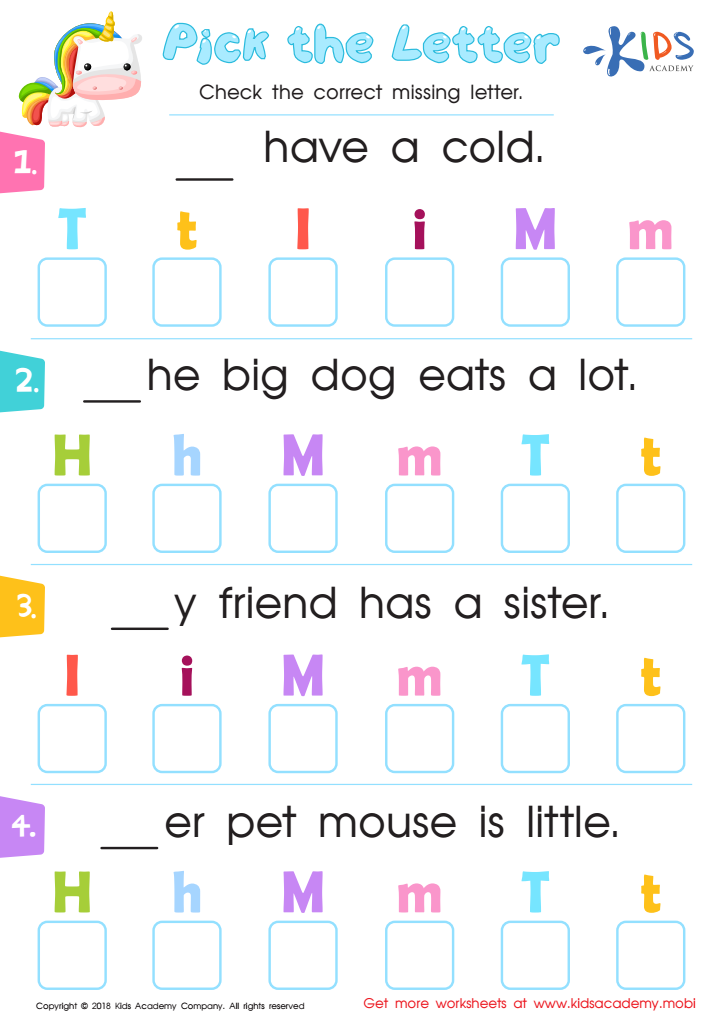
Pick the Letter Worksheet
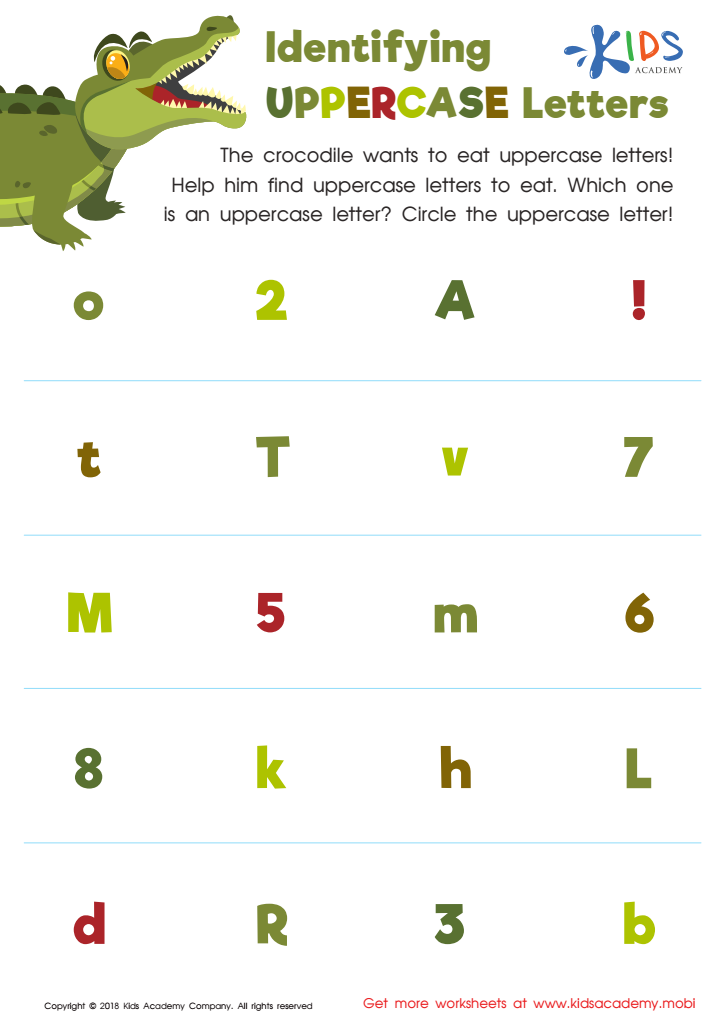
Identifying Uppercase Letters Worksheet
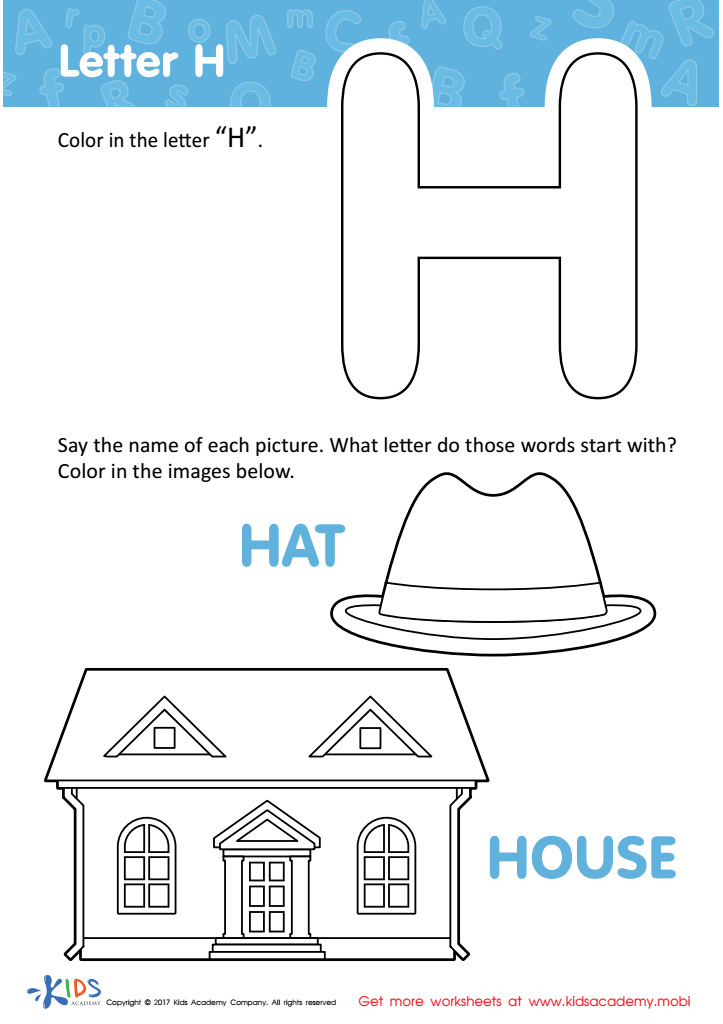
Letter H Coloring Sheet
Assign to My Students
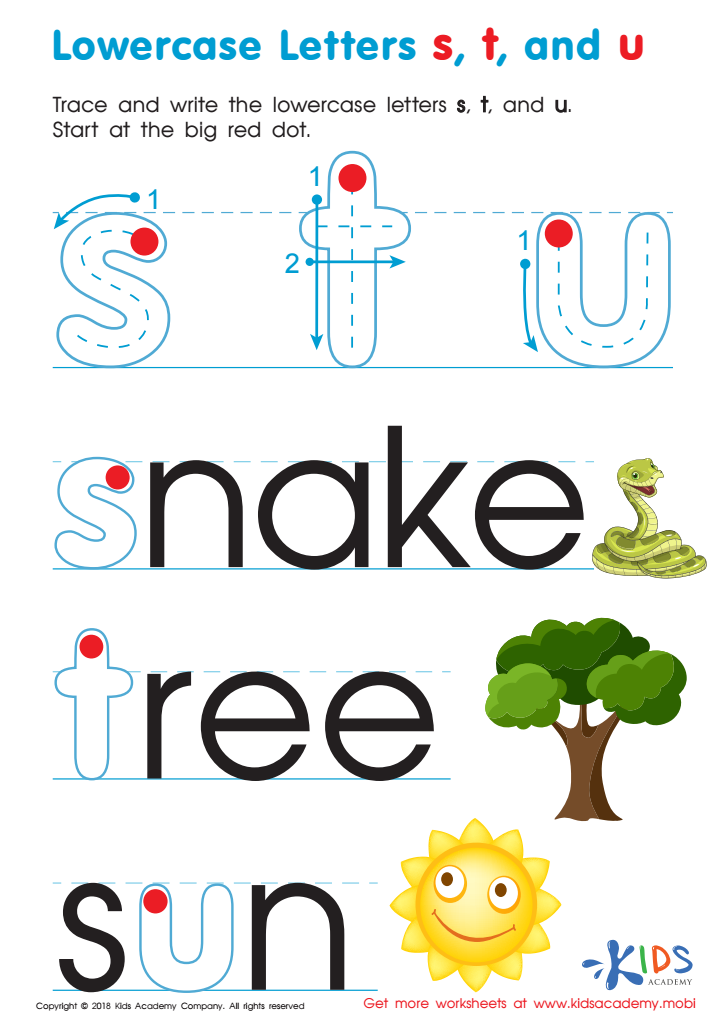
Lowercase Letters s t u Worksheet
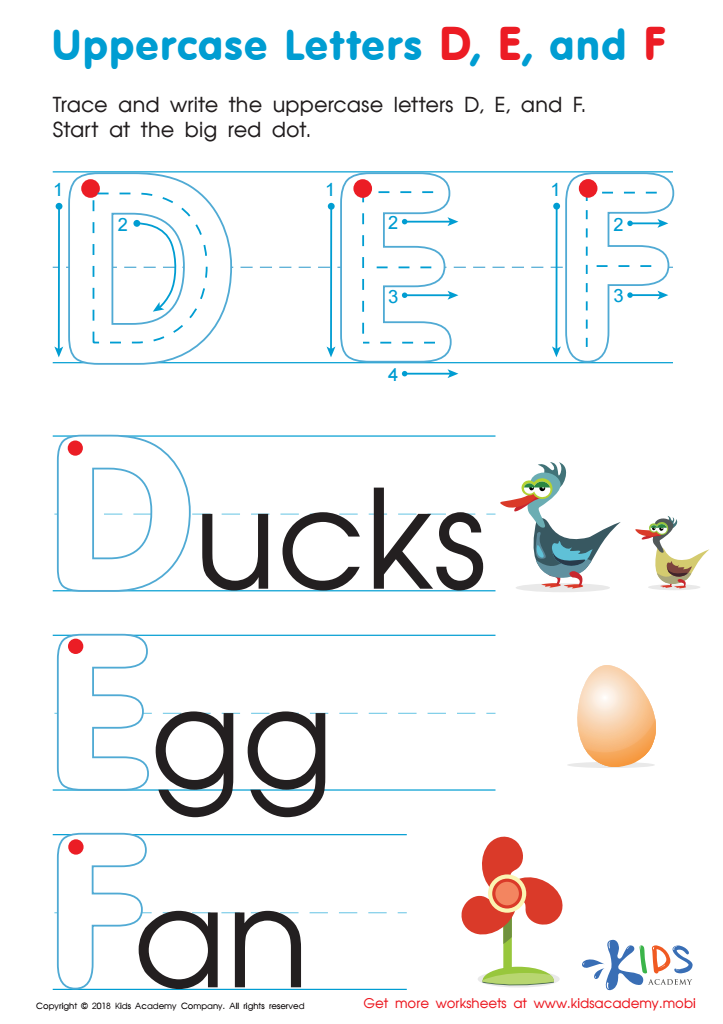
Uppercase Letters D, E, and F Worksheet
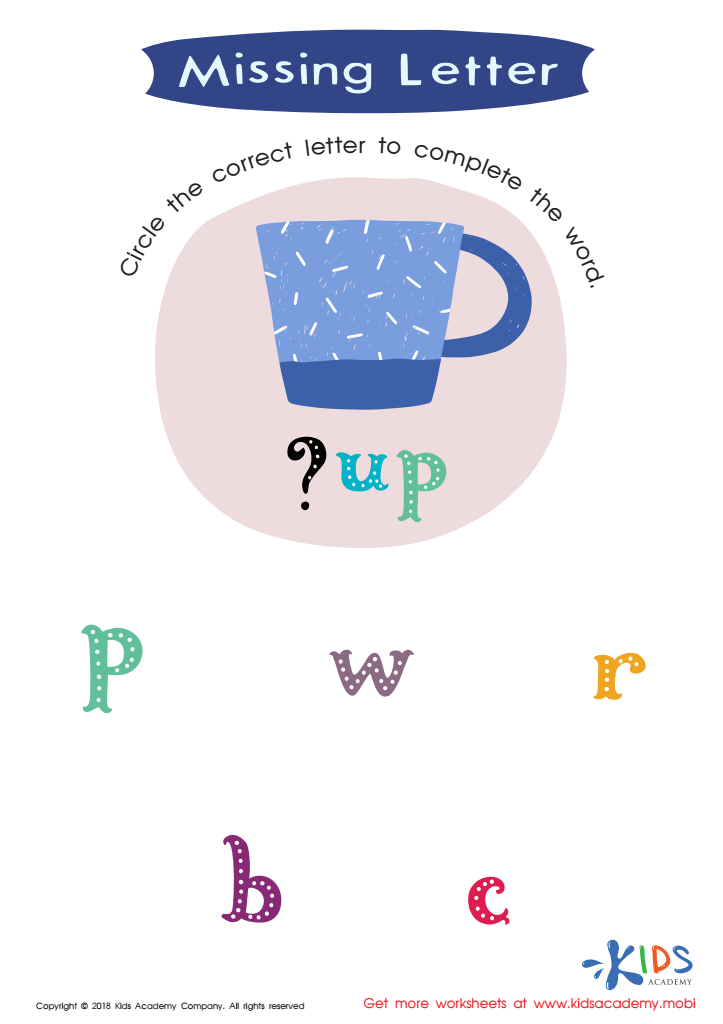
Missing Letter Worksheet
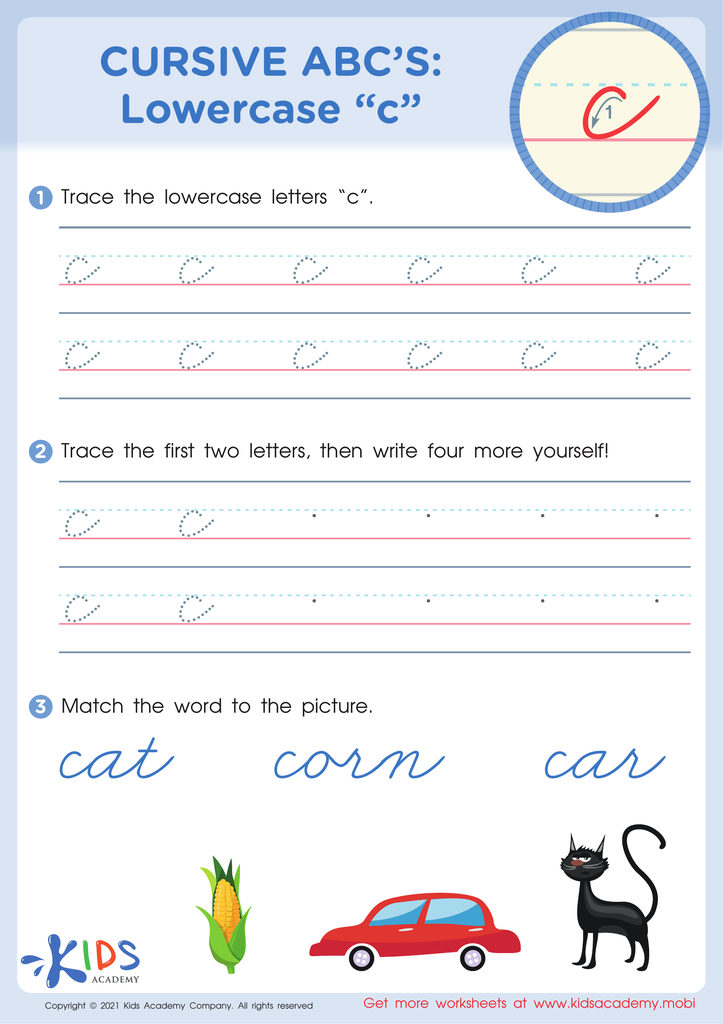
Cursive ABCs: Lowercase c
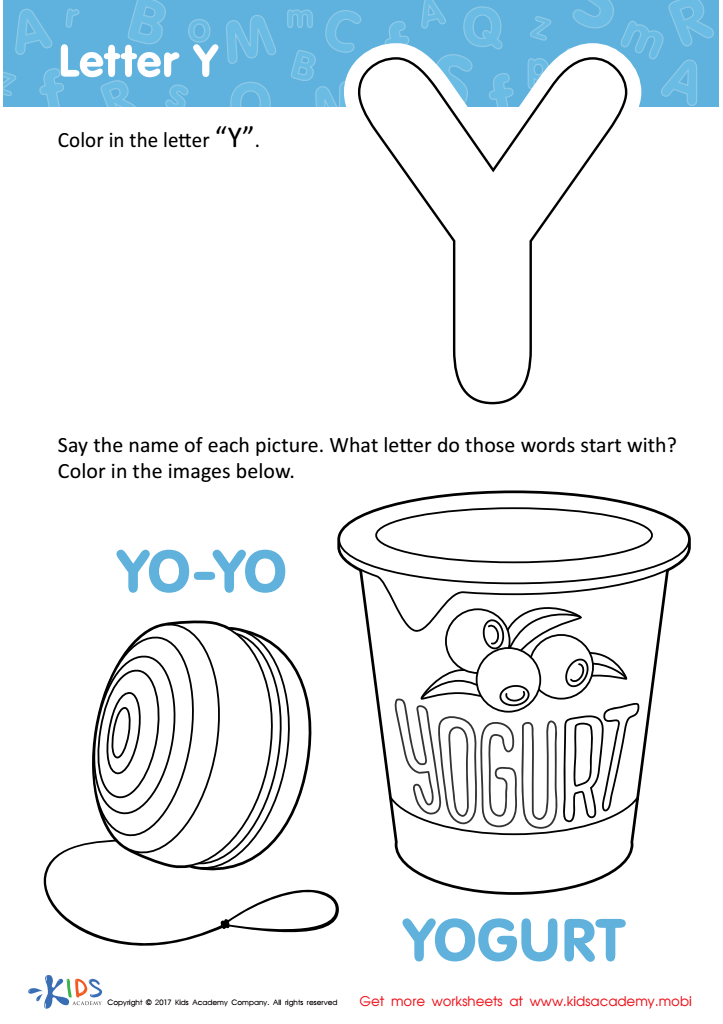
Letter Y Coloring Sheet
Assign to My Students
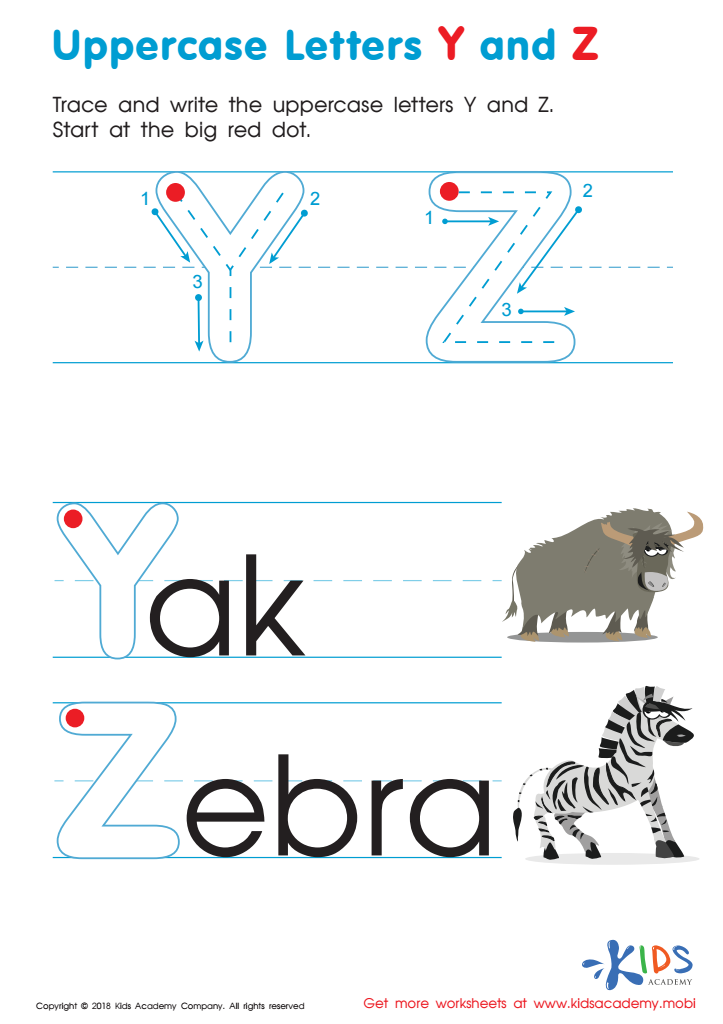
Uppercase Letters Y Z Worksheet
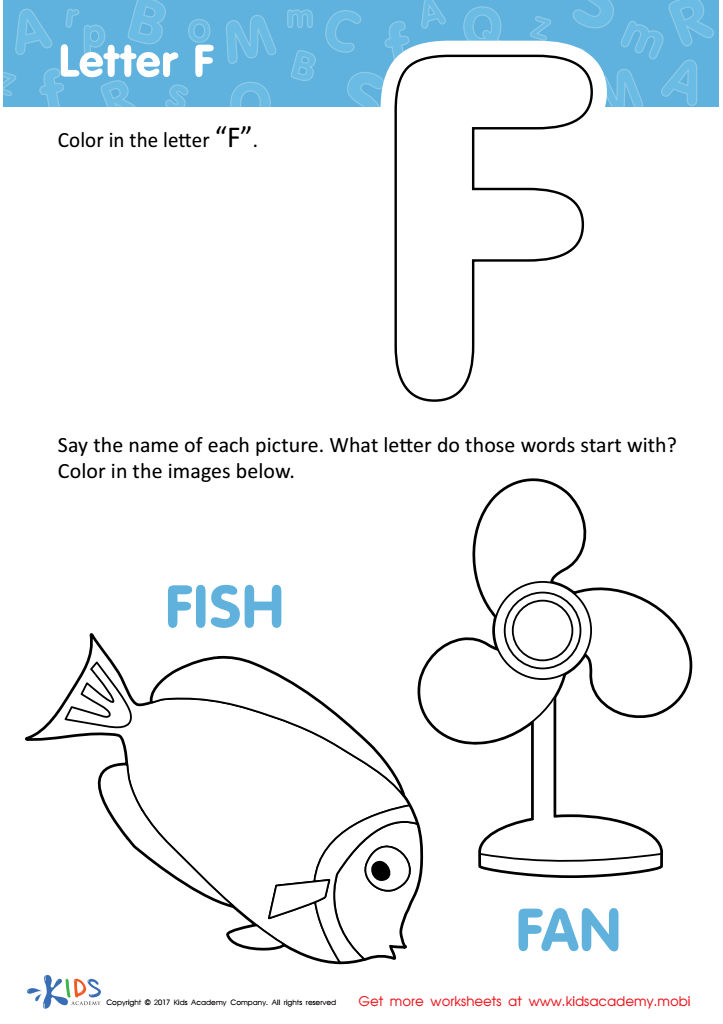
Letter F Coloring Sheet
Assign to My Students
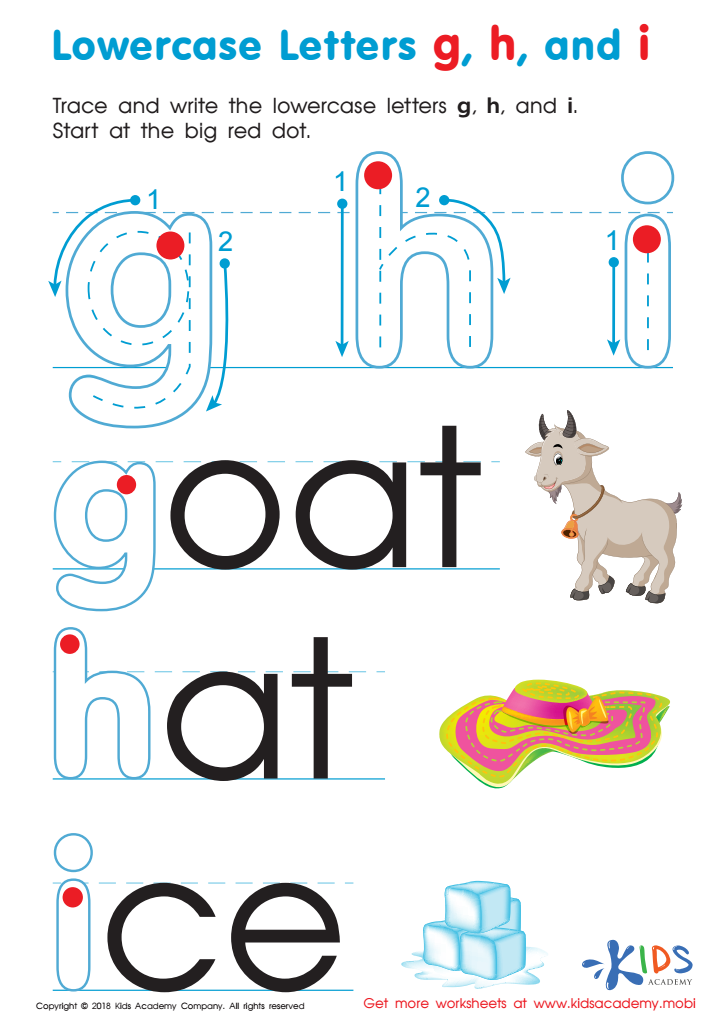
Lowercase Letters g h i Worksheet
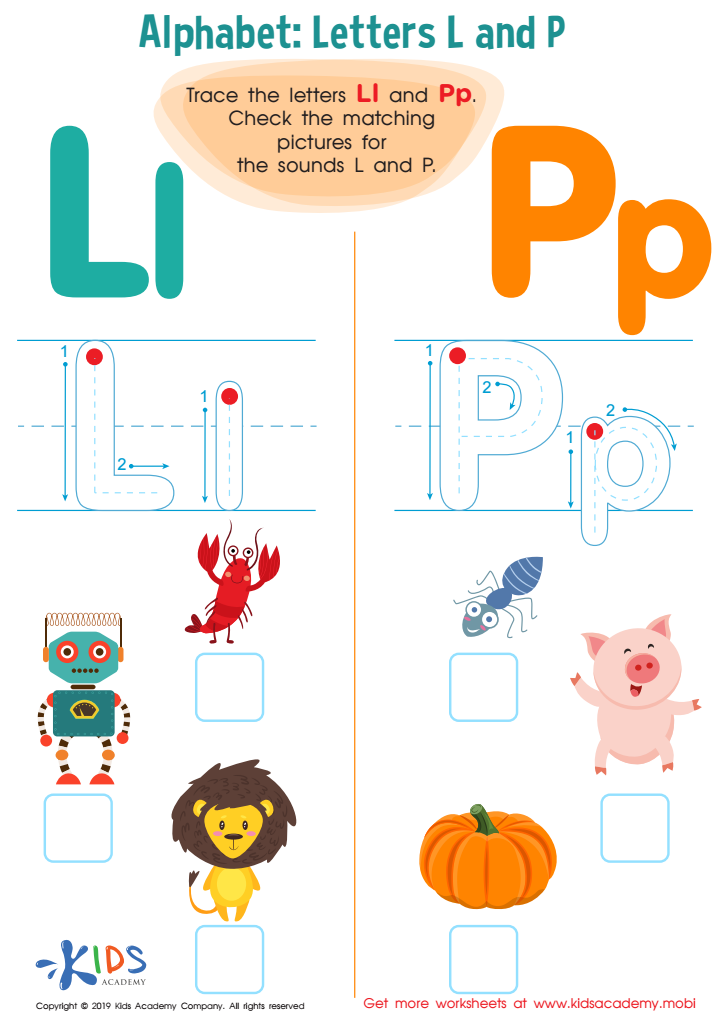
Letter L and P Tracing Worksheet
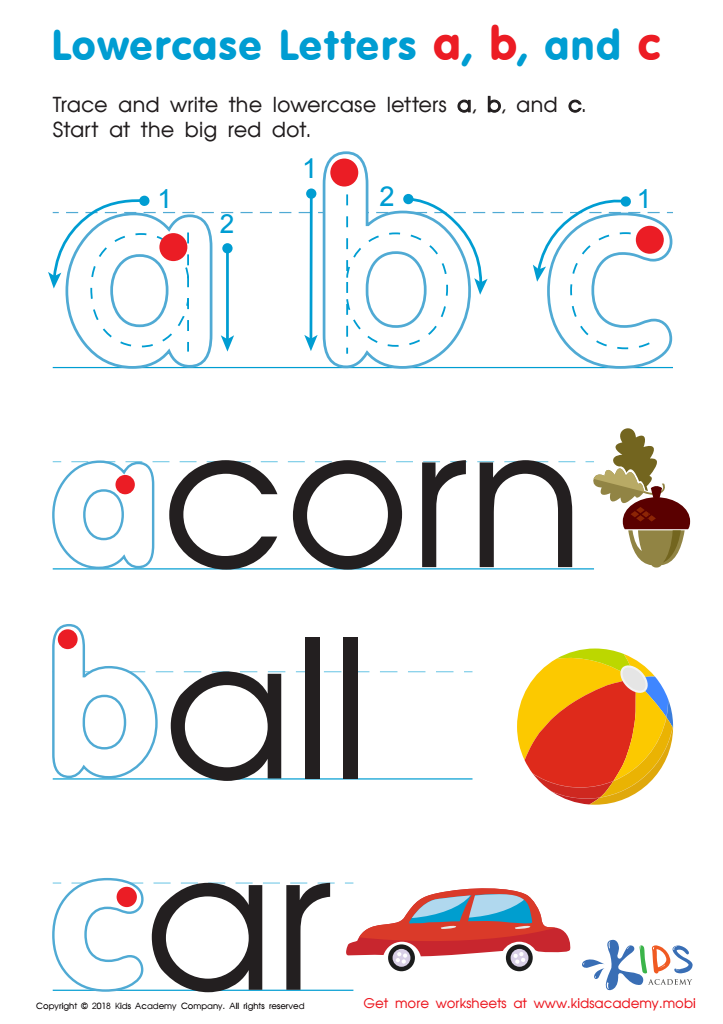
Lowercase Letters a b c Worksheet
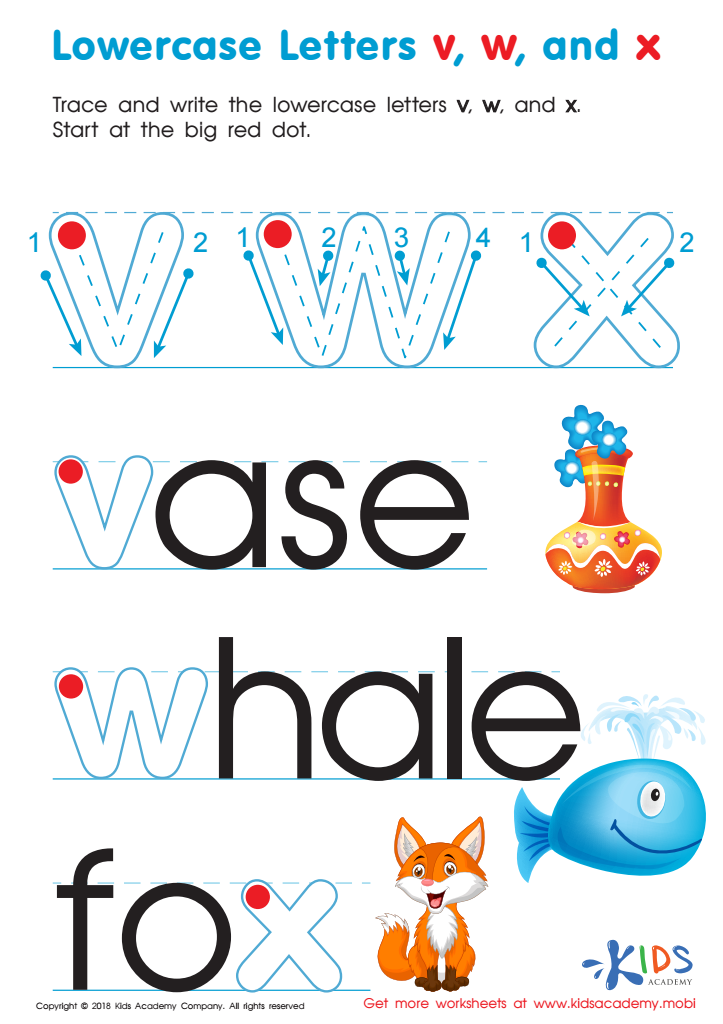
Lowercase Letters v w x Worksheet
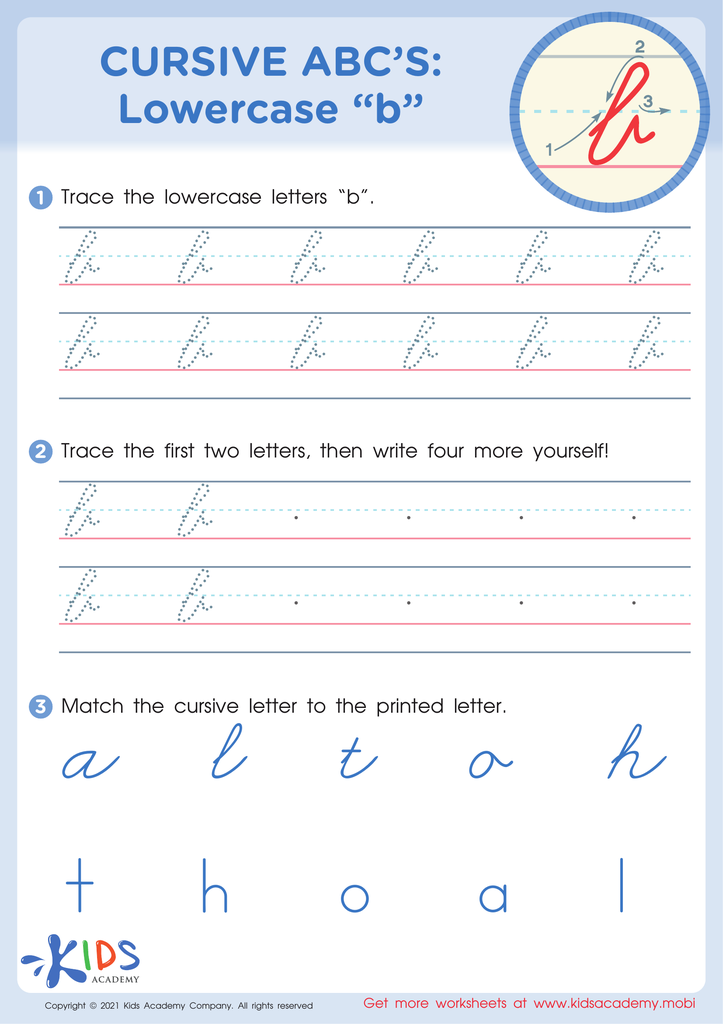
Cursive ABCs: Lowercase b

Uppercase Letters V, W, and X Worksheet
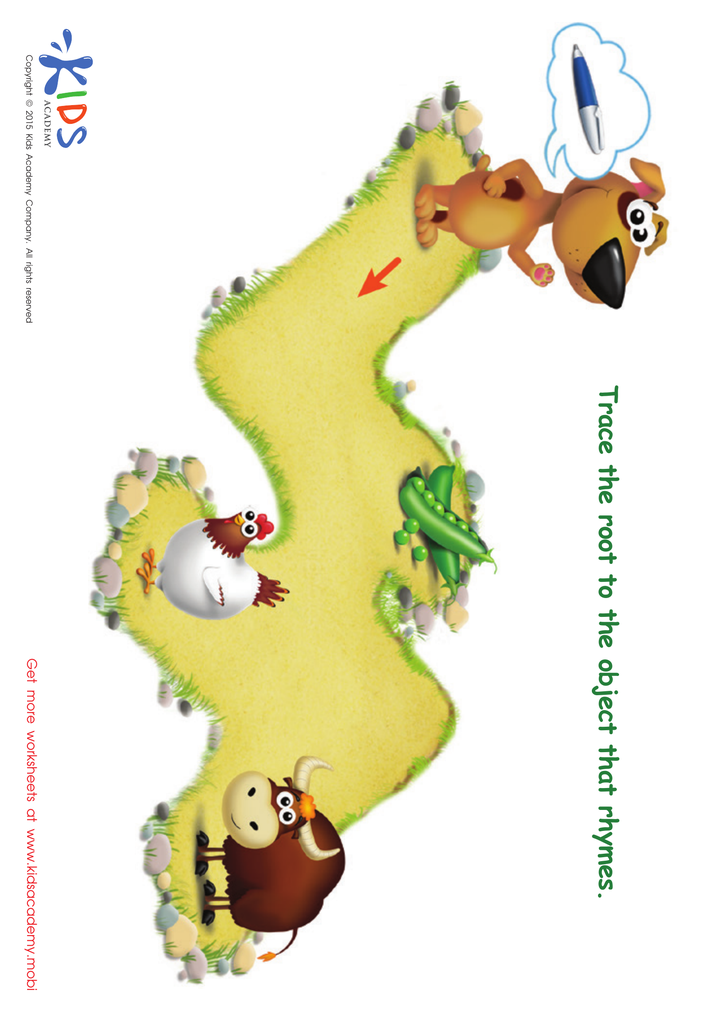
Pen Rhyming Words Worksheet
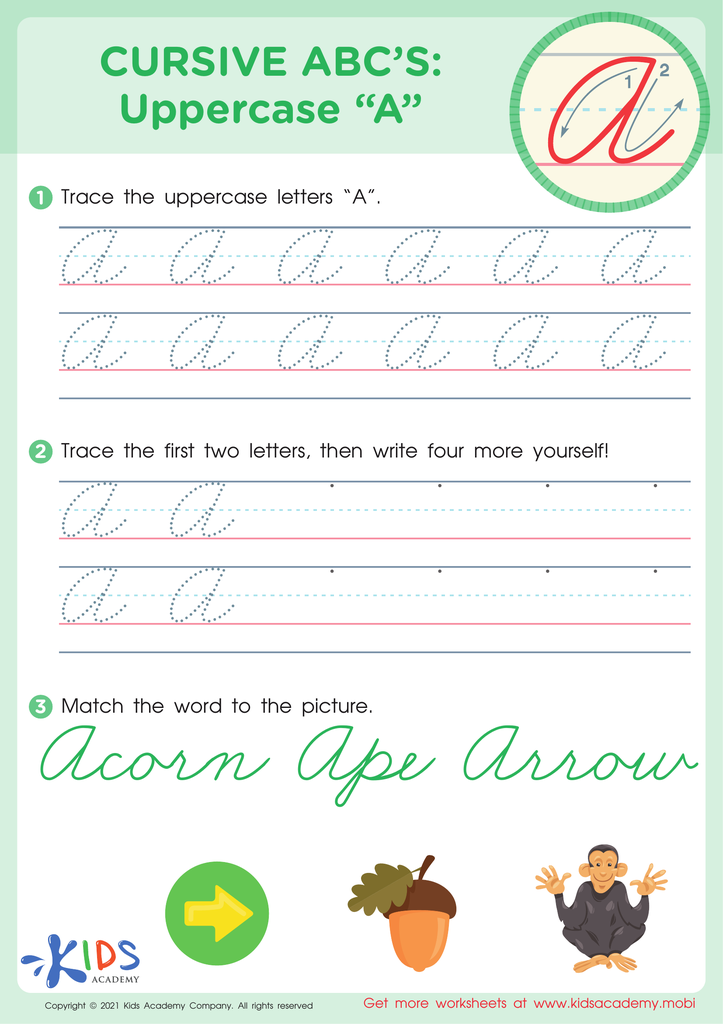
Cursive ABCs: Uppercase A
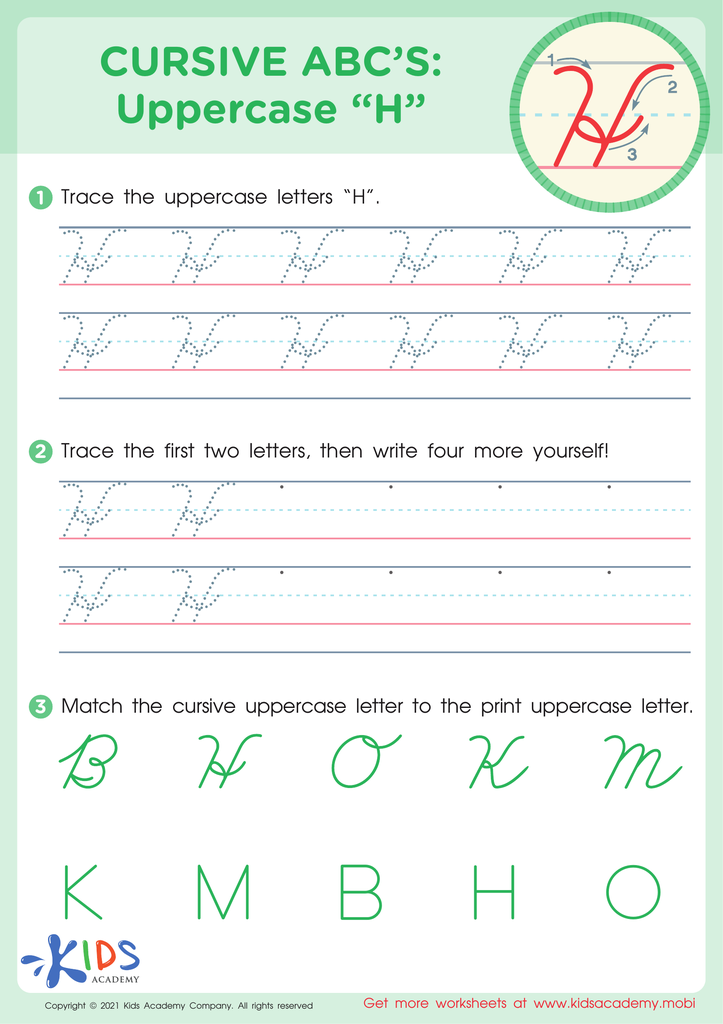
Cursive ABCs: Uppercase H







Alphabet recognition is a fundamental skill for children aged 6-8 that lays the groundwork for literacy and academic success. At this stage, children are often transitioning from learning letters to understanding that these symbols form words. Mastery of alphabet recognition enhances reading fluency, comprehension, and spelling, which are essential for overall language development.
Parents and teachers should care about this skill because it directly impacts children’s ability to communicate and express themselves. Recognizing letters and their corresponding sounds enables children to decode new words, fostering confidence in their reading skills. Furthermore, strong alphabet recognition paves the way for better writing skills, as students learn to formulate sentences and articulate their thoughts clearly.
In addition, this milestone is linked to broader cognitive development. Engaging with the alphabet encourages critical thinking and problem-solving skills as children learn to analyze and interact with text. Promoting alphabet recognition can also strengthen parent-child and teacher-student bonds through collaborative reading activities, making literacy an enjoyable part of a child's routine. Ultimately, fostering this skill during this crucial developmental stage positions children for future academic challenges, empowering them to achieve their full potential in school and beyond.








