Basic Addition Worksheets for Ages 6-8
73 filtered results
-
From - To
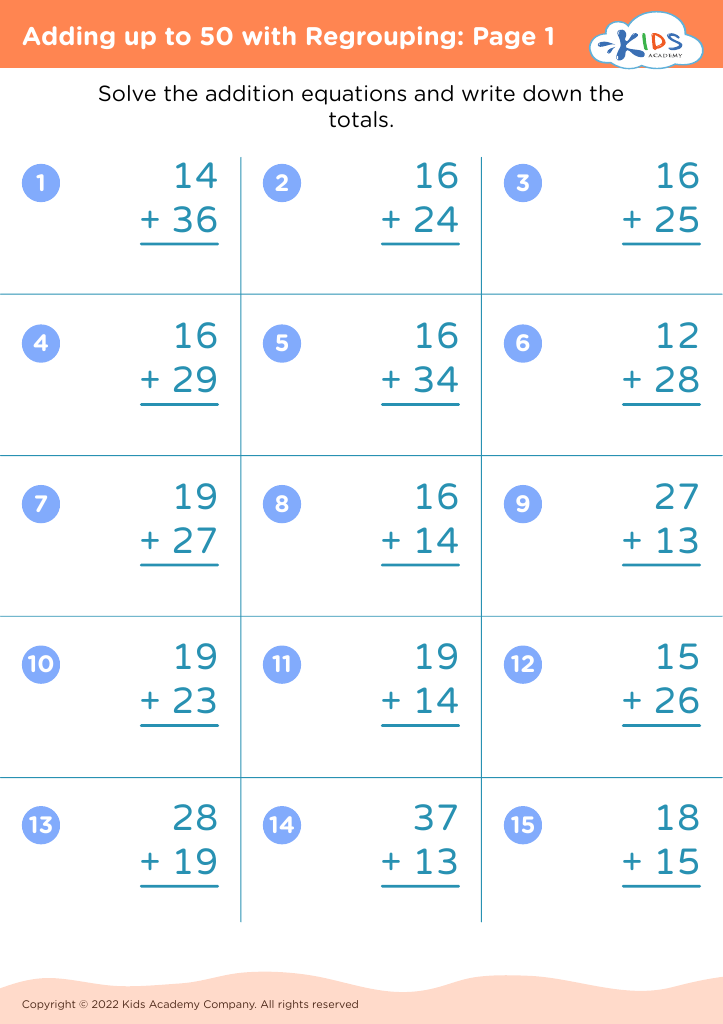
Welcome to our "Basic Addition Worksheets for Ages 6-8" page, where young learners can develop foundational math skills through engaging, interactive exercises! Designed specifically for children in early grades, these printable worksheets feature colorful visuals and playful themes to make learning addition enjoyable. Our curated activities cover essential concepts, helping students practice addition in a fun and effective way. With a variety of difficulties and formats—including fill-in-the-blank exercises and illustrated problems—these worksheets cater to diverse learning styles. Empower your child’s math confidence and accuracy while fostering a love for learning! Start exploring today and watch their skills grow!
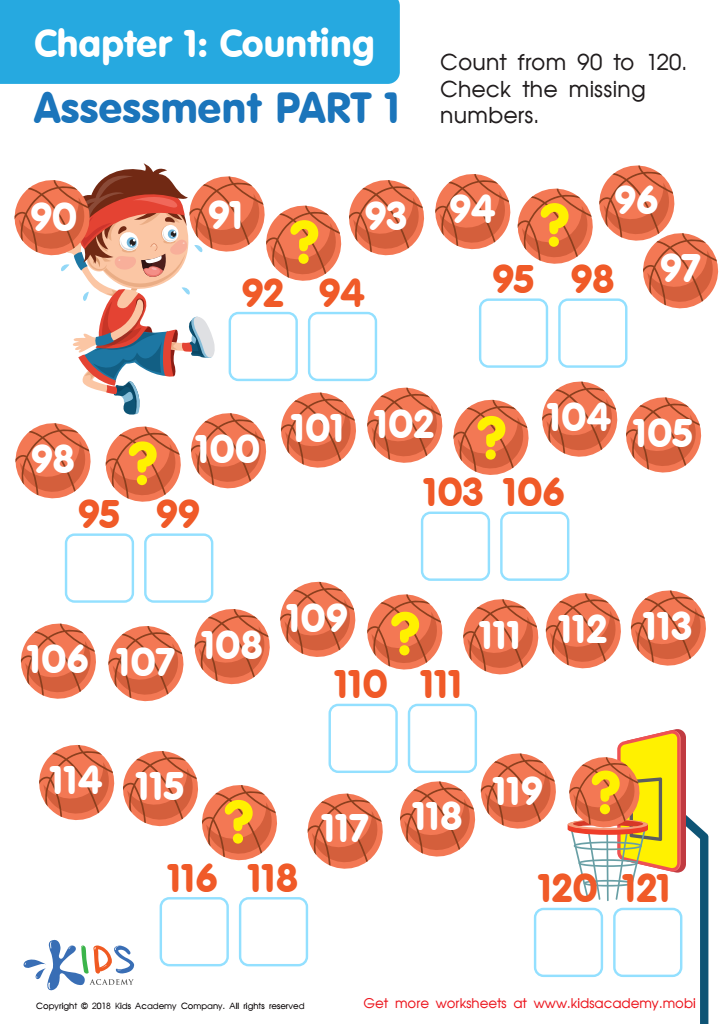
Counting Past 1: Assessment 1 Worksheet
 Assign to My Students
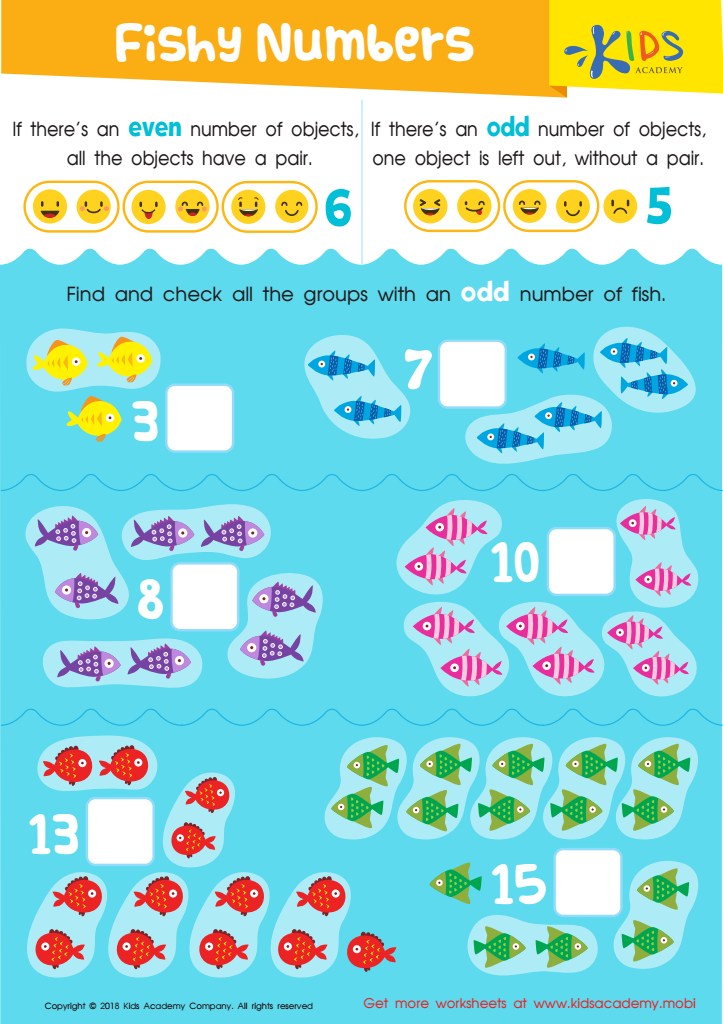
Fishy Numbers Worksheet
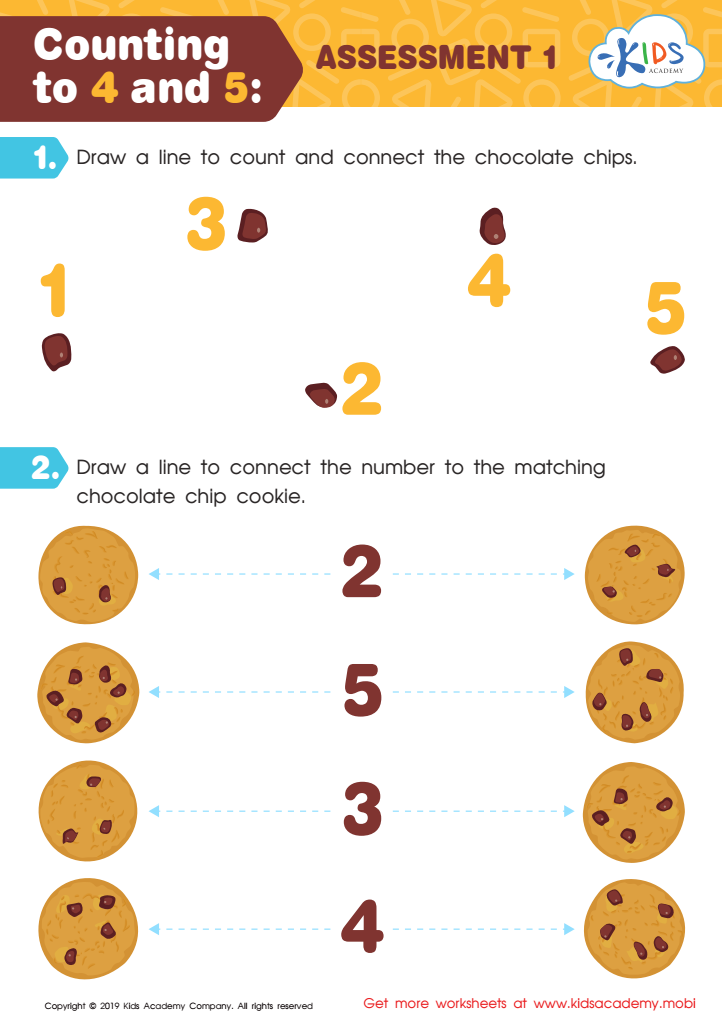
Counting to 4 and 5: Assessment 1 Worksheet
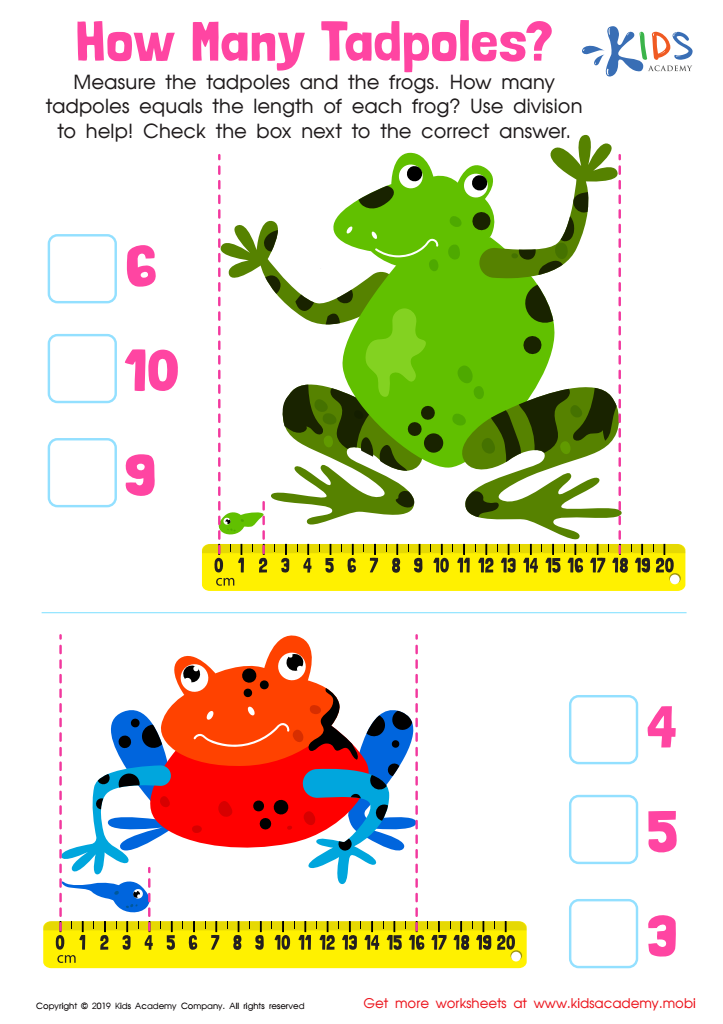
How Many Tadpoles Worksheet

African Wildlife: Giraffe Worksheet
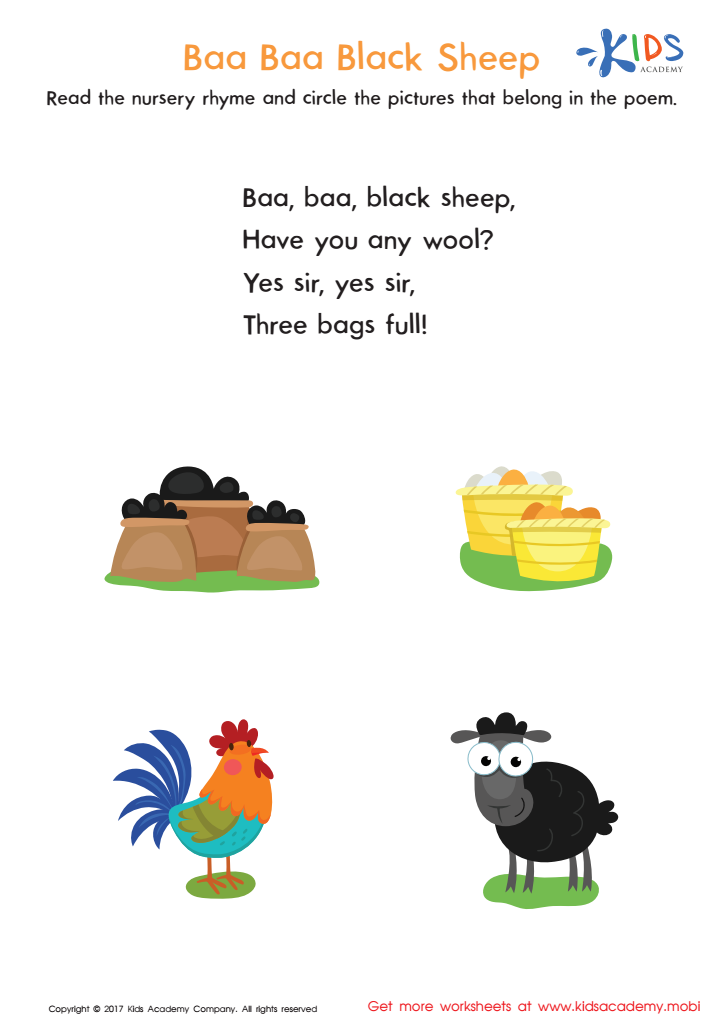
Baa Baa Black Sheep Printable
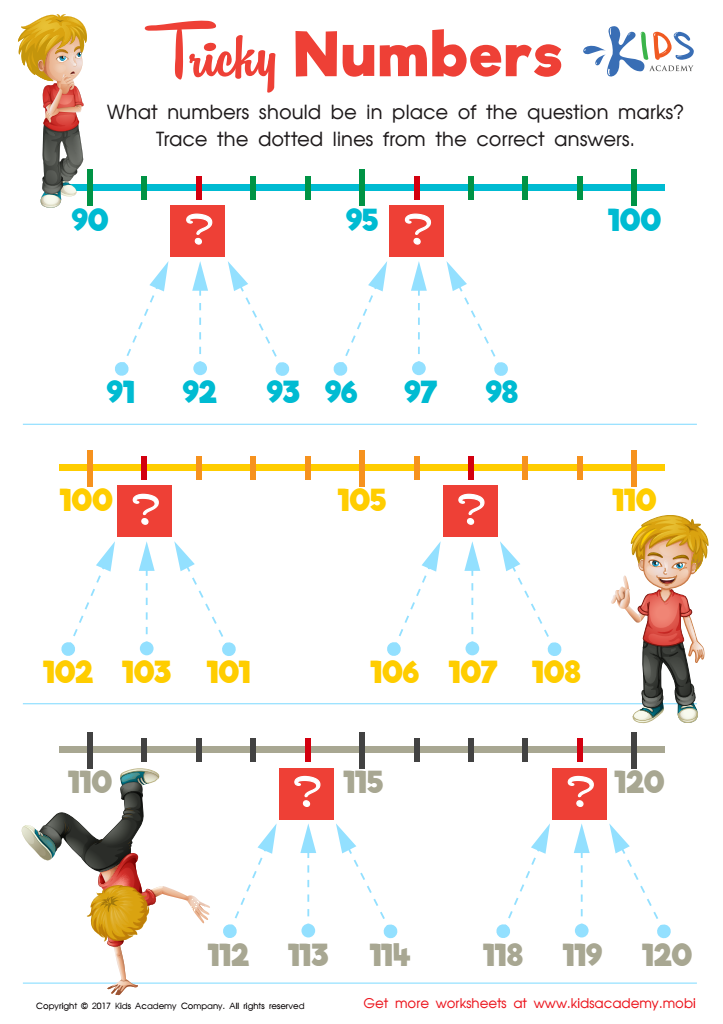
Tricky Numbers Worksheet
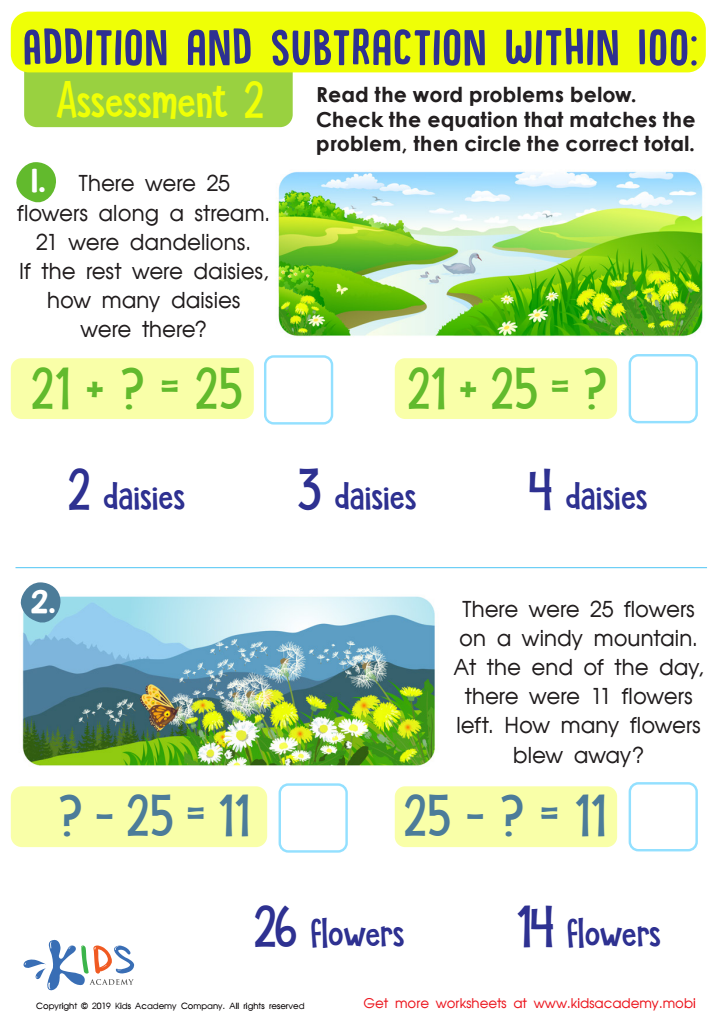
Assessment 2 Math Worksheet
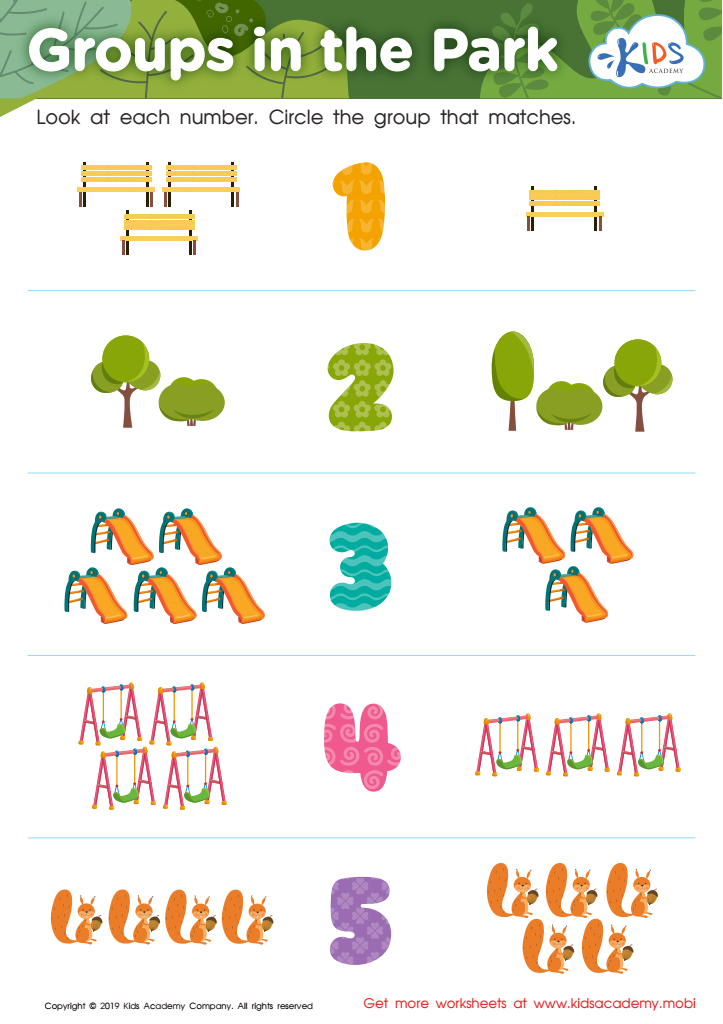
Groups in the Park Worksheet
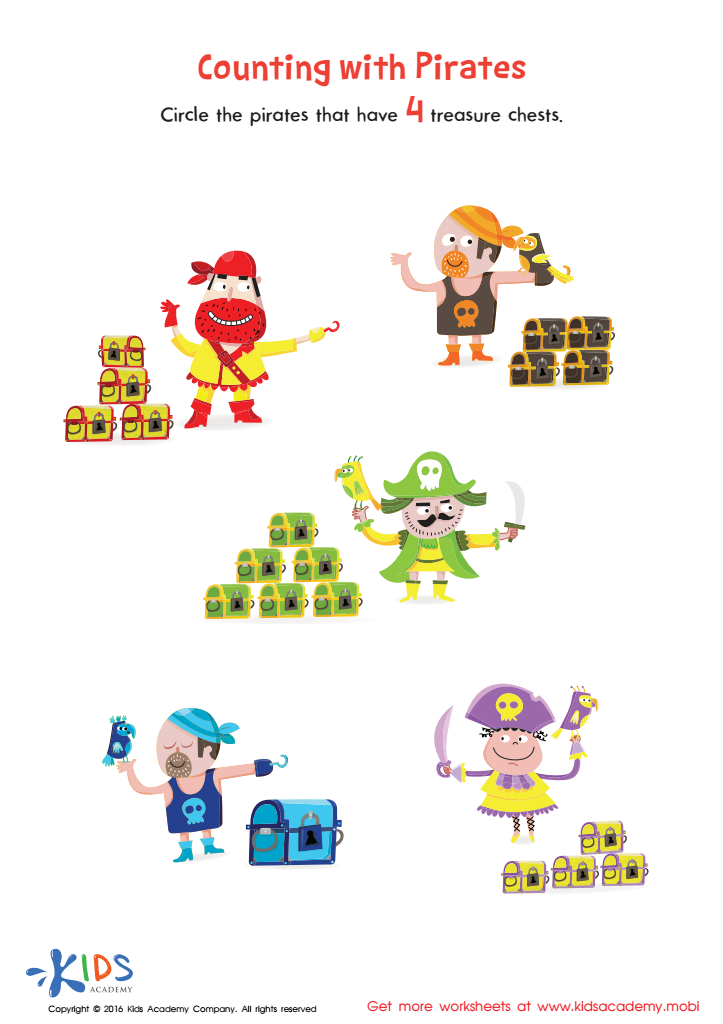
Counting With Pirates Worksheet
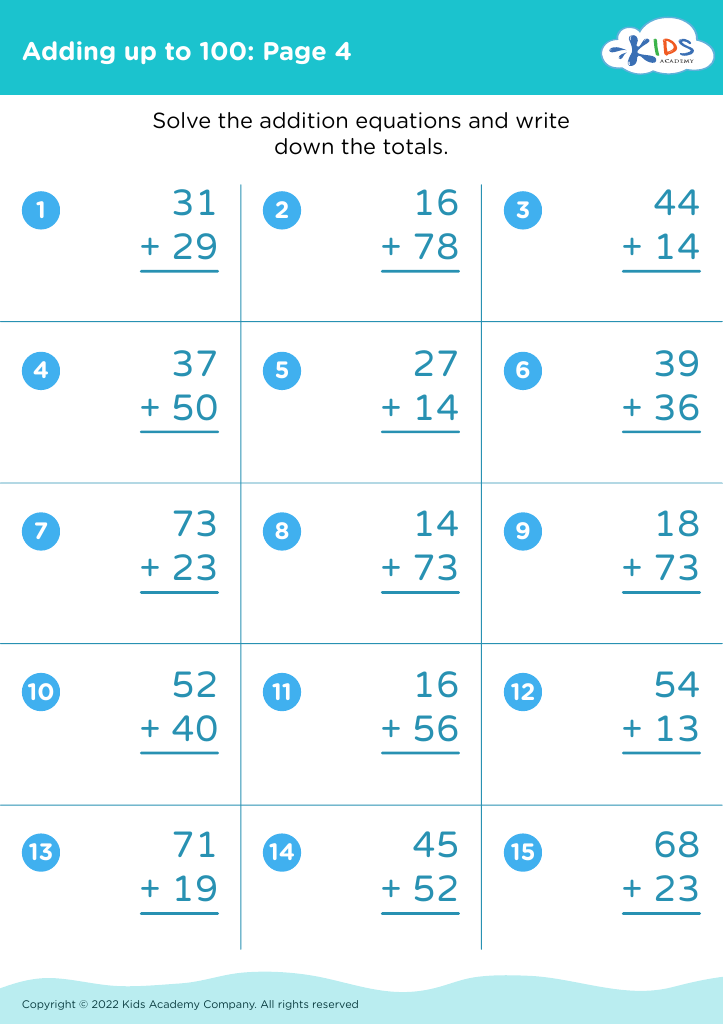
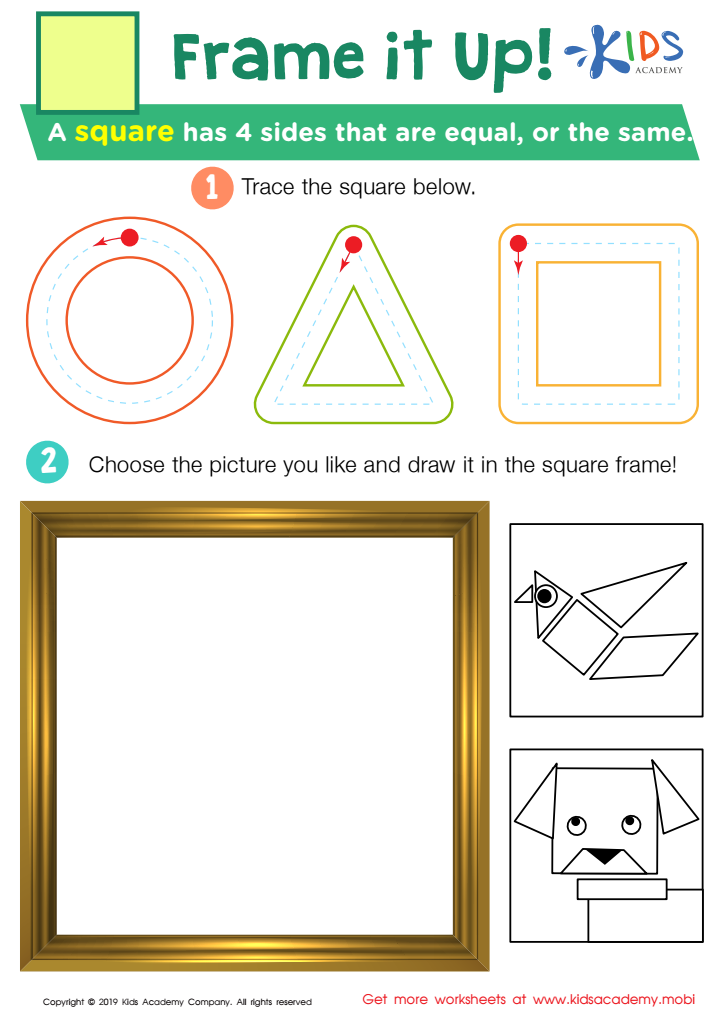
Frame it Up Worksheet
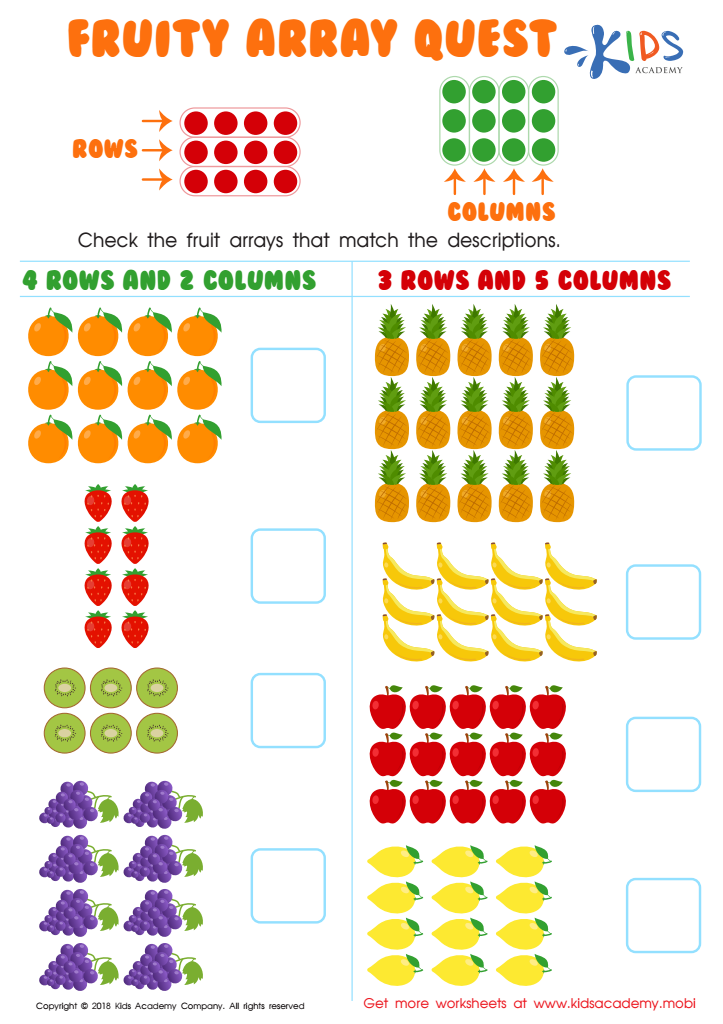
Fruity Array Quest Worksheet
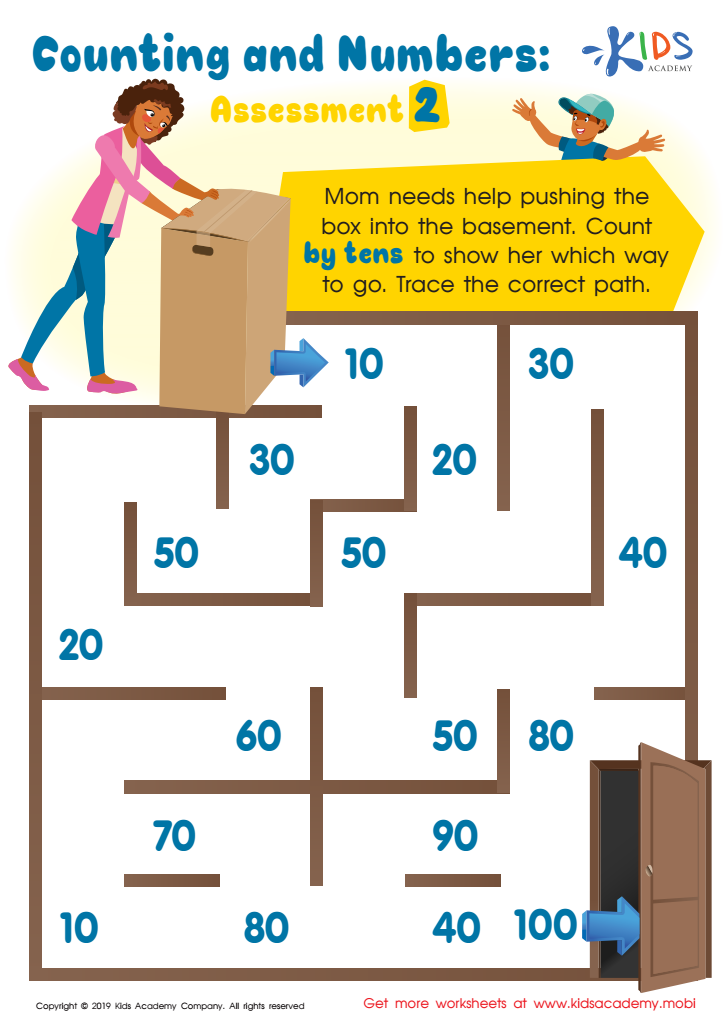
Counting and Numbers: Assessment 2 Worksheet
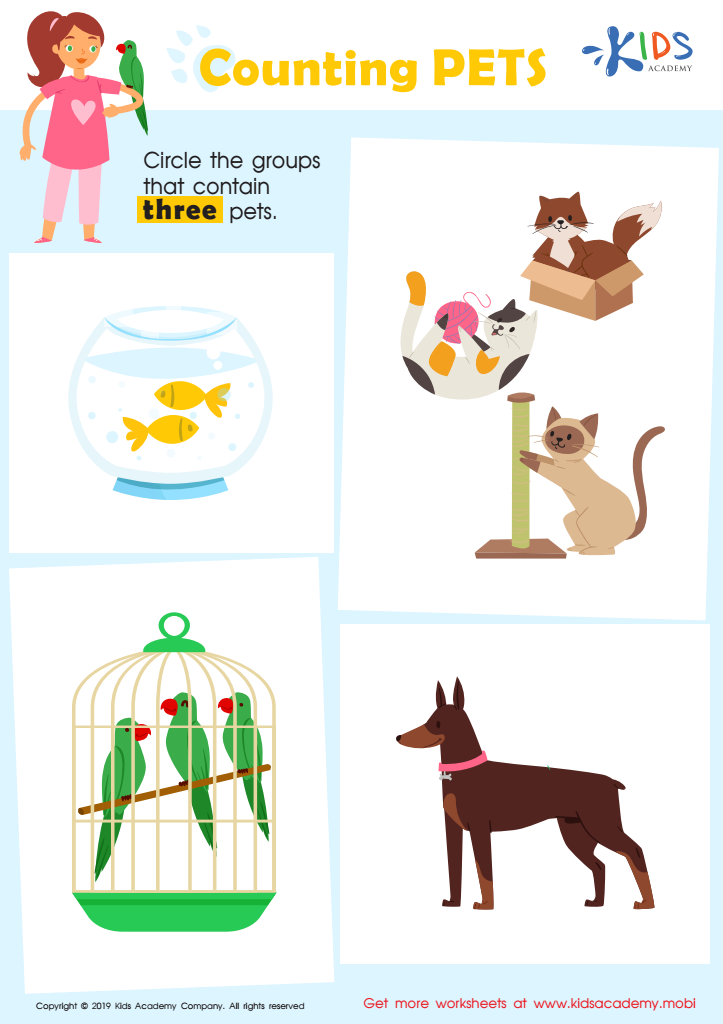
Counting Pets Worksheet
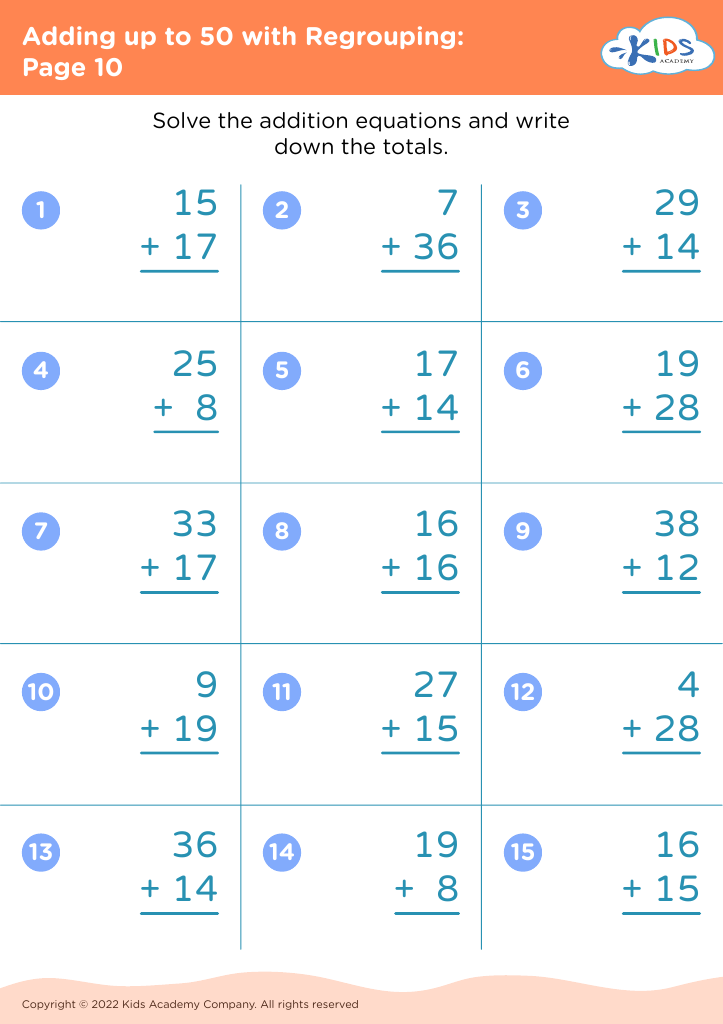
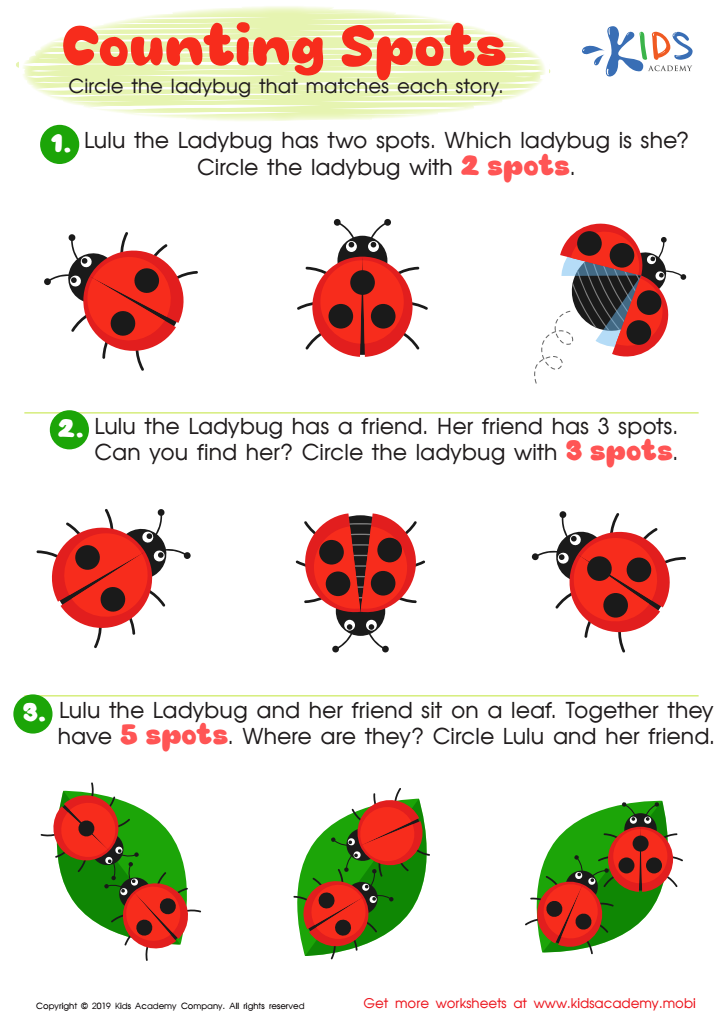
Counting Spots Worksheet
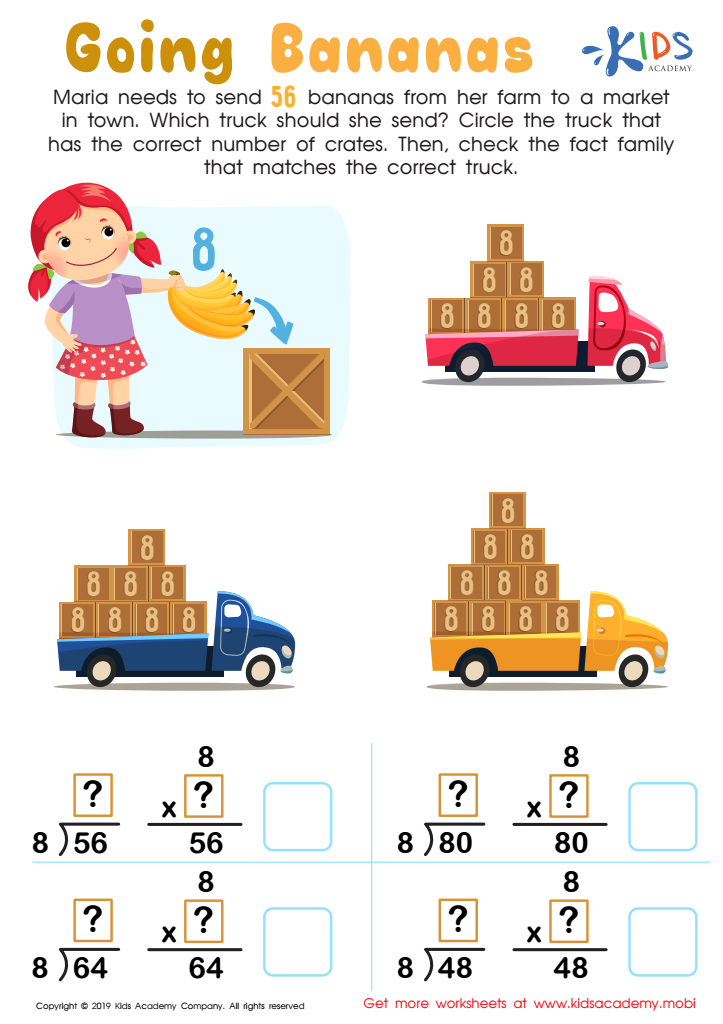
Going Bananas Worksheet
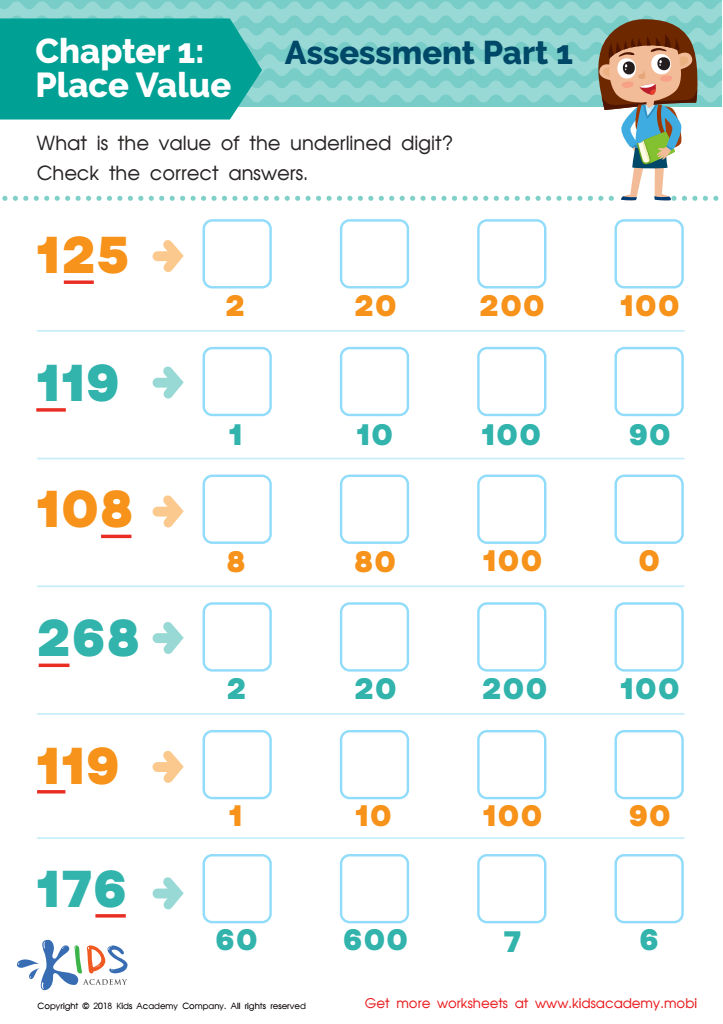
Place Value: Chapter 1 Worksheet
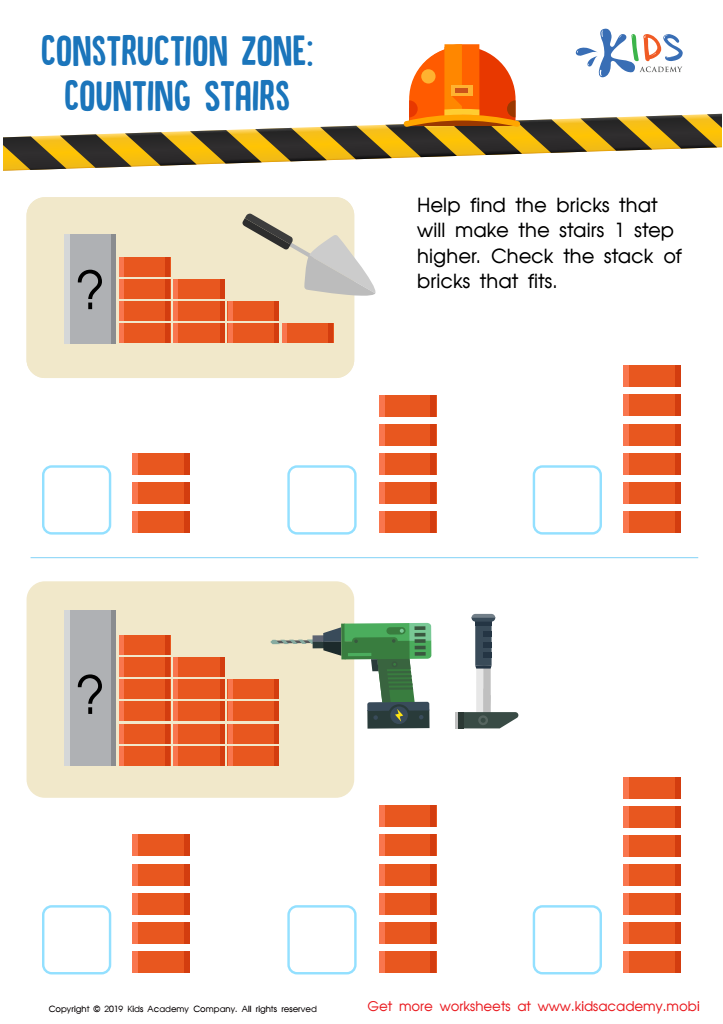
Construction Zone: Counting Stairs Worksheet


%20(1).jpg)




Basic addition is a foundational math skill that sets the stage for a child’s future learning and problem-solving abilities. For children aged 6 to 8, mastering addition helps develop critical cognitive skills. First, it enhances their number sense, enabling them to understand quantities, relationships, and patterns in numbers. As they learn to add, they also build confidence in handling math, which is essential for their academic journey.
Moreover, addition is not an isolated skill; it connects with various subjects such as science, finance, and even reading through word problems. Children engage in real-life scenarios that require addition, like budgeting for a school project or measuring ingredients in a recipe. When parents and teachers prioritize addition, they lay a solid foundation for future mathematical concepts such as subtraction, multiplication, and division, which are critical for proficient math competence.
Furthermore, learning addition in an engaging, supportive environment fosters a love for learning. Parents and teachers can work together to create fun learning experiences, such as games or stories that incorporate math. When basic addition is prioritized, children develop the necessary skills needed not just for academic success, but also for lifelong problem-solving capabilities. This early focus is essential for ensuring future confidence and competence in math.








