Comparative skills Worksheets for Ages 6-8
3 filtered results
-
From - To
Discover our engaging Comparative Skills Worksheets designed specifically for children ages 6-8! These educational resources help young learners grasp the concepts of comparing and contrasting through fun activities and exercises. Our worksheets cover essential skills like identifying similarities and differences, using comparative adjectives, and enhancing critical thinking. Perfect for both classroom settings and at-home learning, these printable worksheets foster creativity and boost language development. Each worksheet is tailored to meet the needs of early learners, making learning comparisons exciting and effective. Dive into our collection to enrich your child's understanding of comparative skills today!
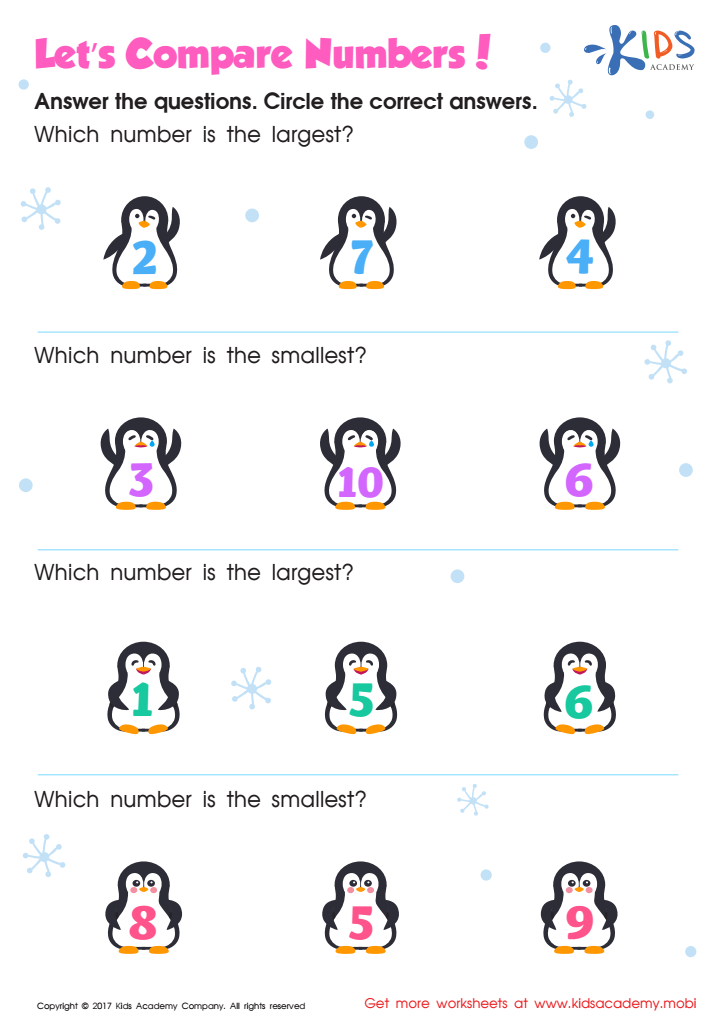
Comparing Numbers 1–10 Worksheet Kindergarten
 Assign to My Students
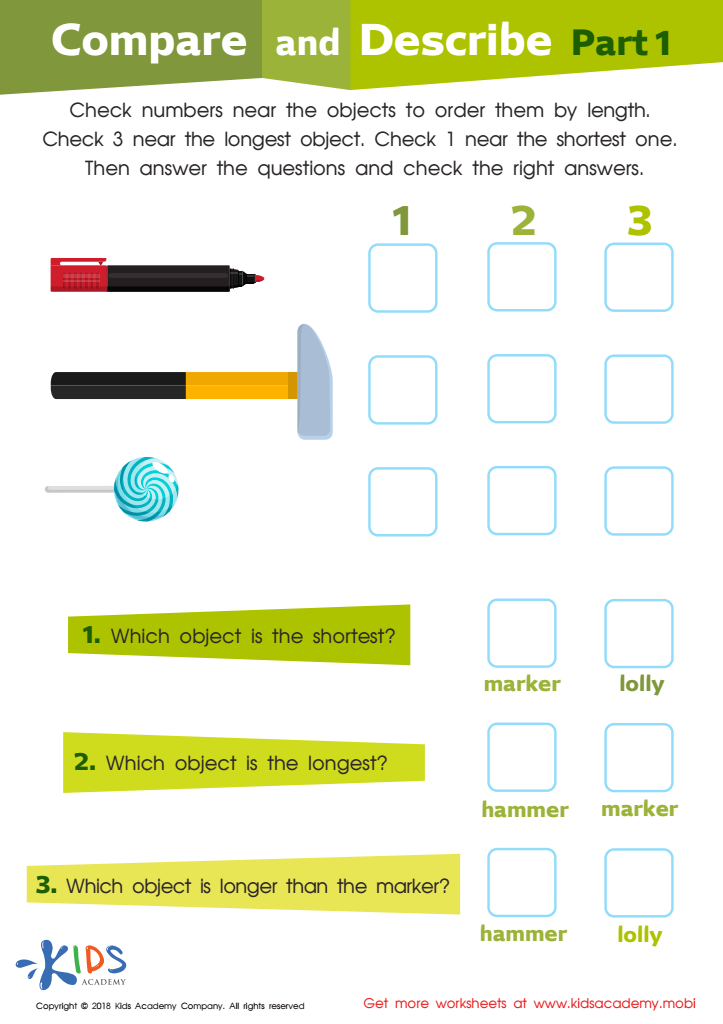
Compare and Describe: Part 1 Worksheet
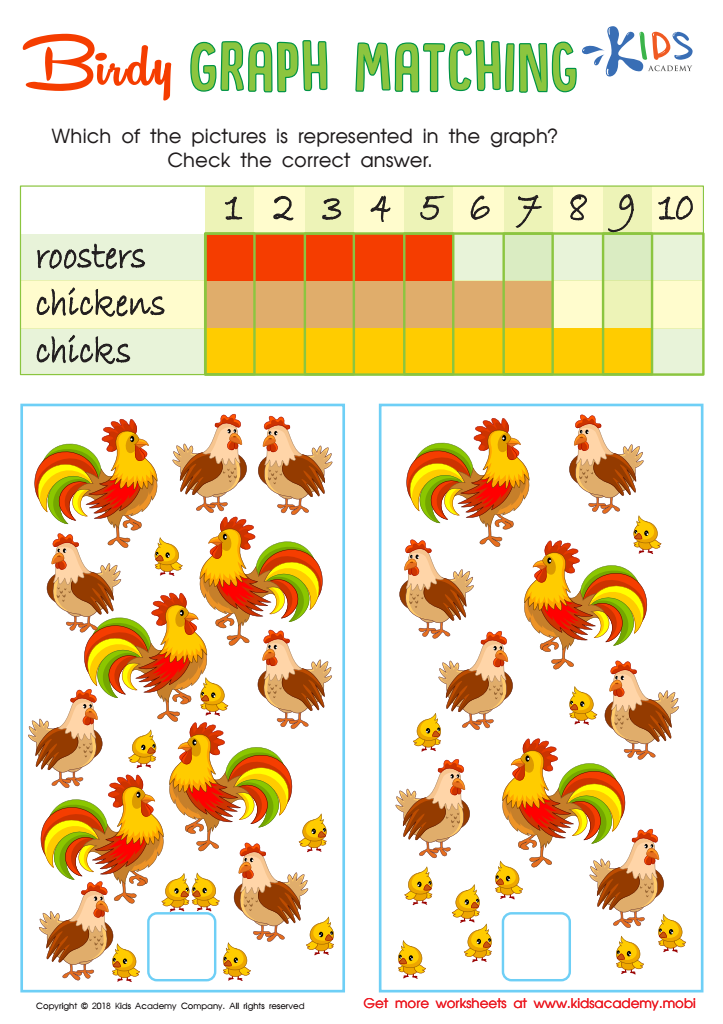
Birdy Graph Matching Worksheet







Comparative skills are essential for children aged 6-8 because they form the foundation of critical thinking and problem-solving abilities. At this developmental stage, children begin to understand the world around them in more complex ways, and comparative skills help them analyze and evaluate information effectively. By learning to compare and contrast different objects, ideas, or experiences, children cultivate the ability to make informed decisions.
Parents and teachers should care about these skills because they encourage deeper engagement with learning. When children compare sizes, quantities, or attributes—such as different animals, shapes, or stories—they develop cognitive flexibility and reasoning abilities. This engagement not only enhances their understanding of concepts in subjects like math, science, and literacy, but it also fosters interpersonal skills as they learn to articulate their thoughts and listen to different perspectives.
Moreover, comparative skills help children navigate social situations, enabling them to understand relationships and similarities between their peers. By integrating these skills into everyday activities—like discussing the differences between two stories or comparing the qualities of various fruits—educators and parents can bolster critical thinking while making learning enjoyable and interactive, setting a strong foundation for future academic success.








