Counting proficiency Worksheets for Ages 6-8
4 filtered results
-
From - To
Boost your child's numerical skills with our Counting Proficiency Worksheets, designed specifically for ages 6-8. These engaging, printable resources help young learners master counting, number recognition, and basic arithmetic operations. Each worksheet combines fun illustrations with educational exercises to keep kids intrigued and motivated. Focusing on core counting skills, these worksheets support the development of accuracy and confidence in handling numbers. Ideal for both classroom and at-home learning, our Counting Proficiency Worksheets provide the perfect blend of learning and enjoyment. Empower your child to excel in math with these expertly crafted tools. Start today and watch their counting proficiency soar!
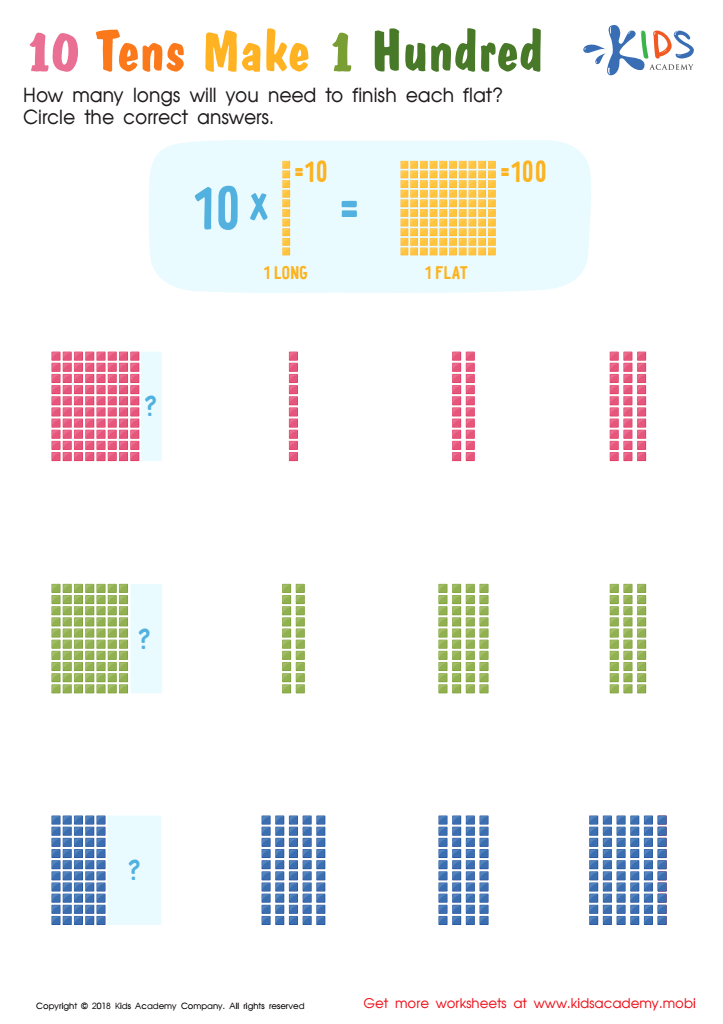
10 Tens Make 1 Hundred Worksheet
 Assign to My Students
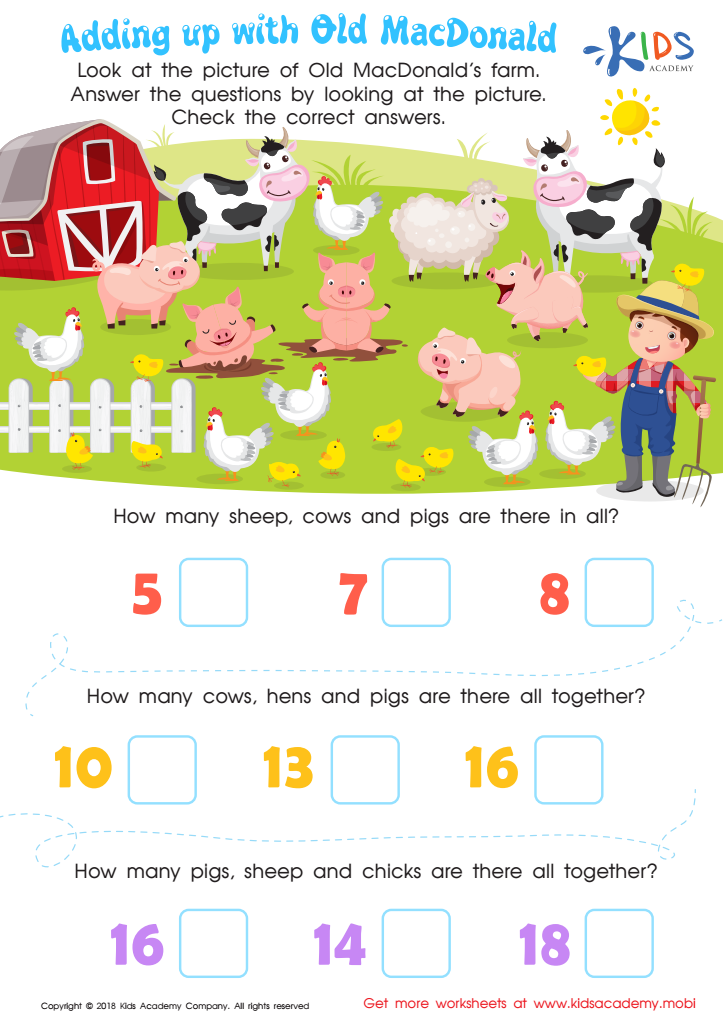
Adding Up with Old MacDonald Worksheet
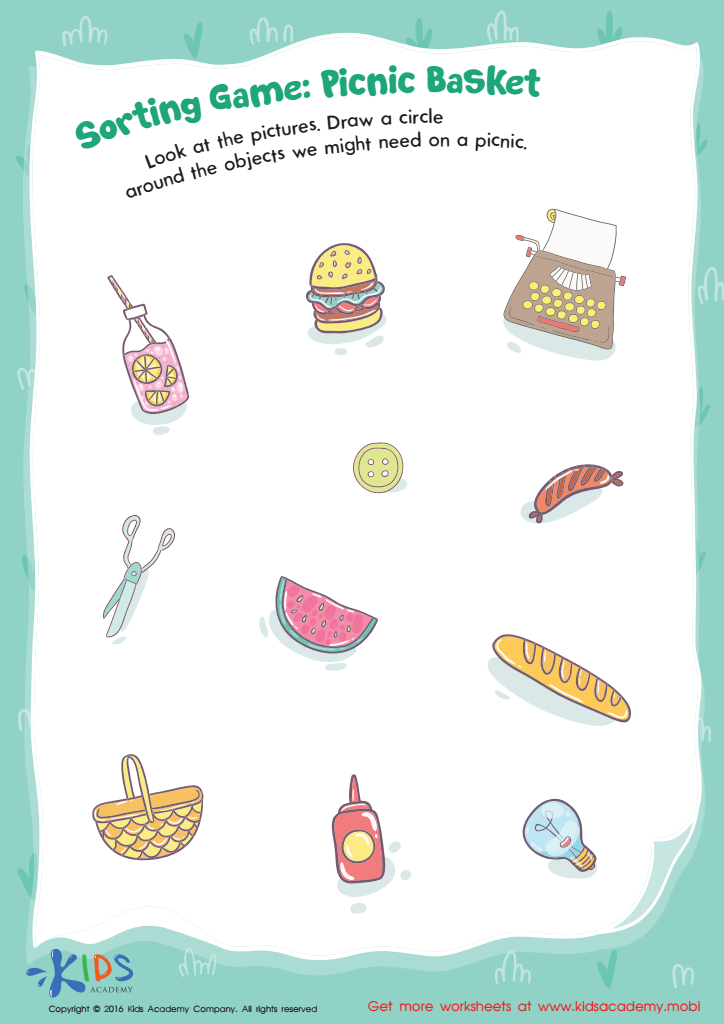
Picnic Basket Sorting Worksheet
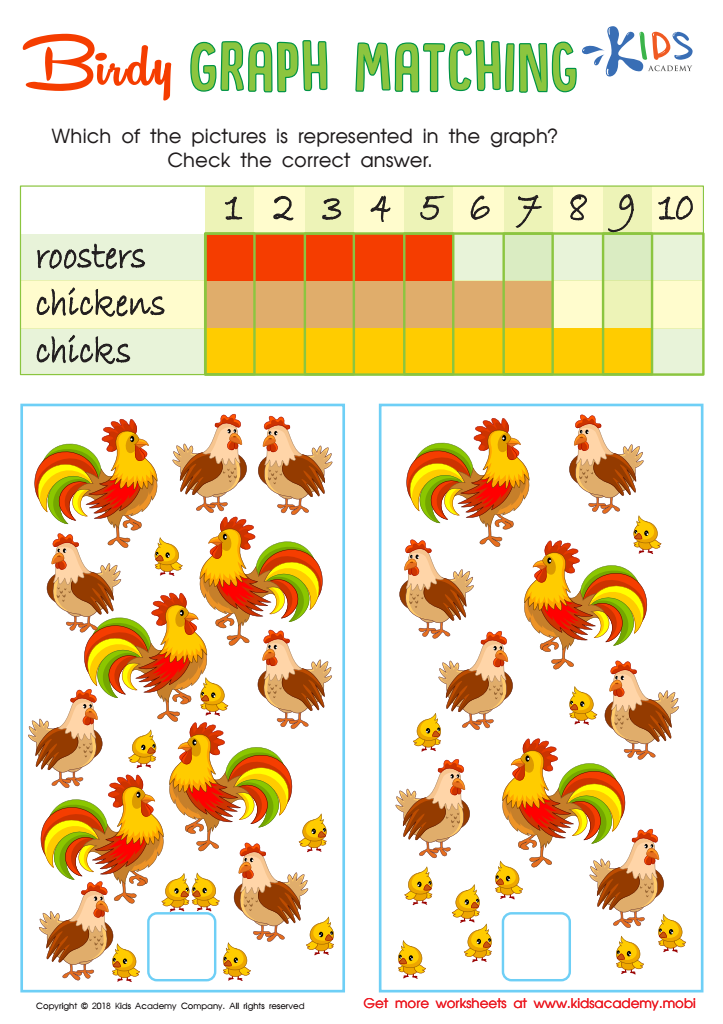
Birdy Graph Matching Worksheet








Counting proficiency is a crucial foundational skill for children aged 6-8, laying the groundwork for their future success in mathematics and everyday problem-solving. At this age, counting goes beyond mere recitation of numbers; it encompasses understanding numerical value, recognizing patterns, and establishing a sense of order and sequence. Mastery in counting is linked to more advanced mathematical skills, including operations like addition, subtraction, multiplication, and division.
For parents and teachers, fostering counting proficiency is essential because it empowers children to tackle more complex mathematical concepts confidently. Early counting skills are predictive of later math achievement, meaning early deficiencies can lead to long-term educational disparities. Additionally, counting is not just a math skill but also aids cognitive development, improving memory, attention span, and logical reasoning.
In everyday life, numbers are everywhere—from telling time to handling money, recognizing prices, and measuring ingredients for cooking. A strong grasp of counting helps children navigate these real-world scenarios more effectively and independently. Therefore, parents and teachers should prioritize counting proficiency to set children on a path toward academic success and competence in their daily lives. Encouraging fun, hands-on learning experiences, and using practical counting scenarios can make math engaging and relevant for young learners.








