Data interpretation Worksheets for Ages 6-8
23 filtered results
-
From - To
Discover our engaging Data Interpretation Worksheets for ages 6-8, carefully crafted to make learning fun and effective! Our worksheets help young learners develop essential skills such as analyzing charts, graphs, and tables. Brightly designed and easy to understand, these activities keep kids motivated while building proficiency in mathematical thinking and critical analysis. Perfect for home or classroom use, our resources support Common Core standards and cater to different learning styles. Whether children are just beginning to explore data or reinforcing existing knowledge, these worksheets are a valuable tool for nurturing young mathematicians. Get started today!
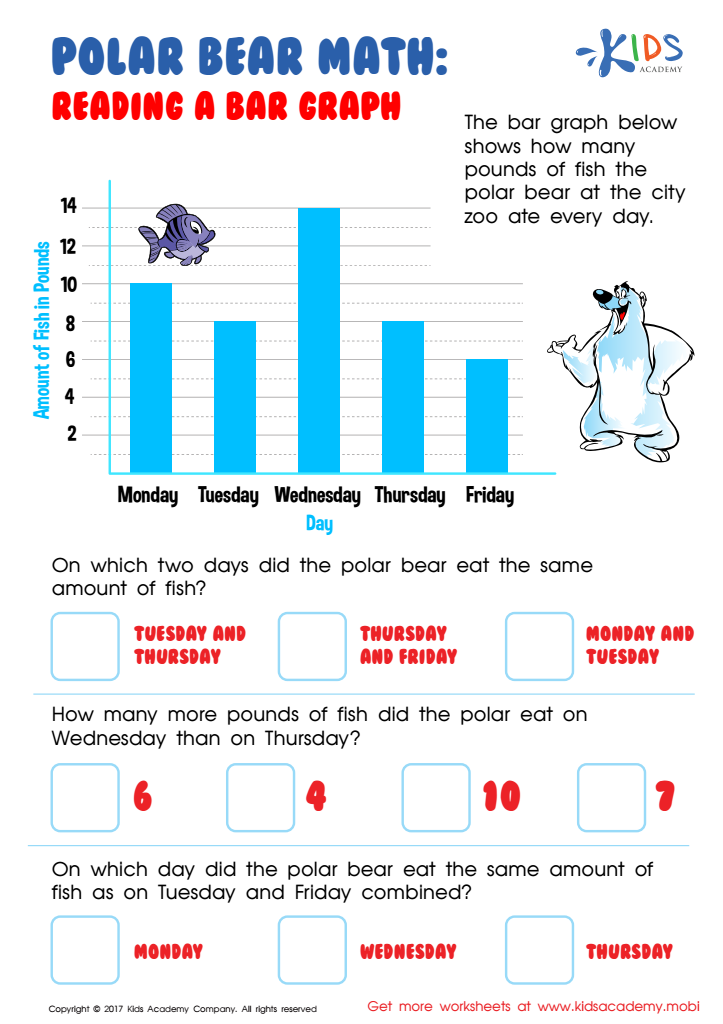
Reading Bar Graph Worksheet
 Assign to My Students
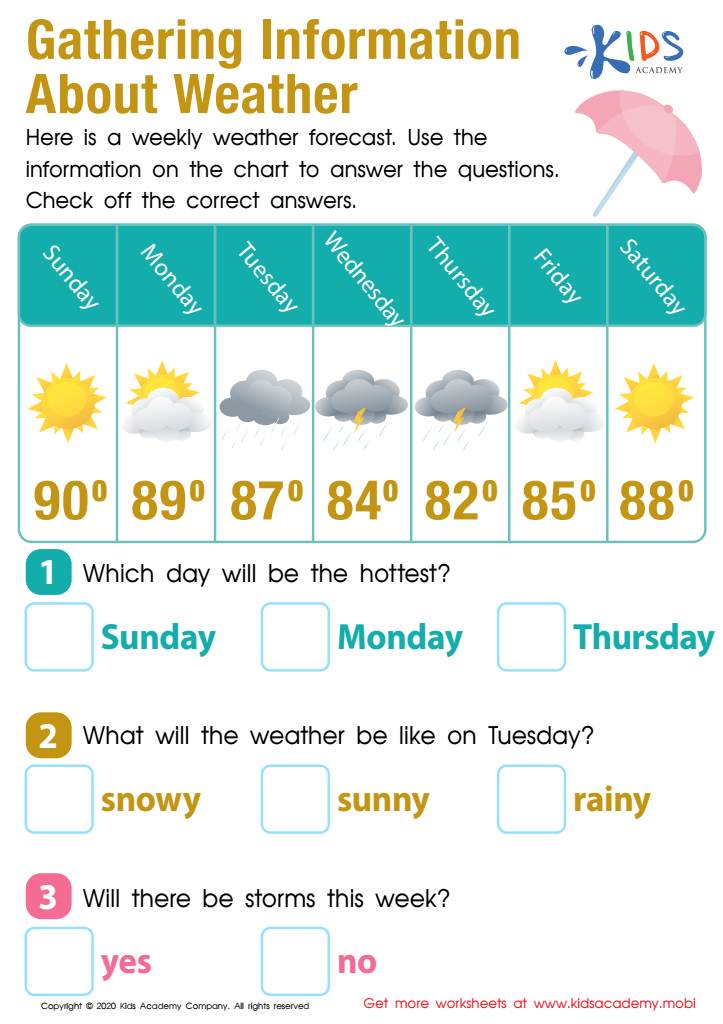
Gathering Information About the Weather Worksheet
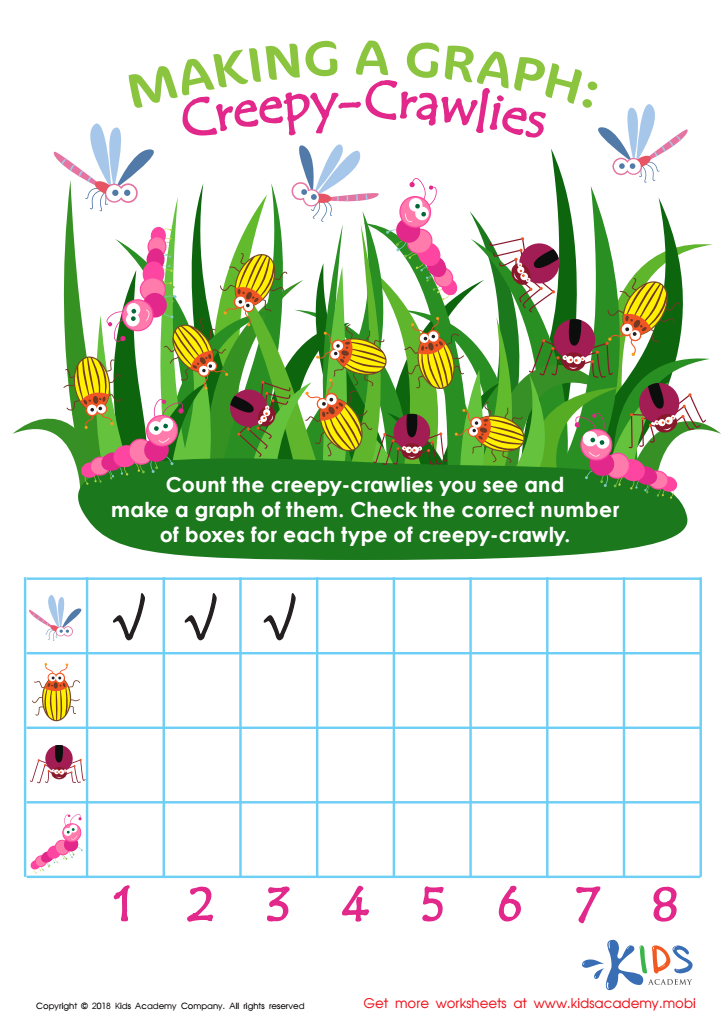
Making a Graph: Creepy Crawlies Worksheet
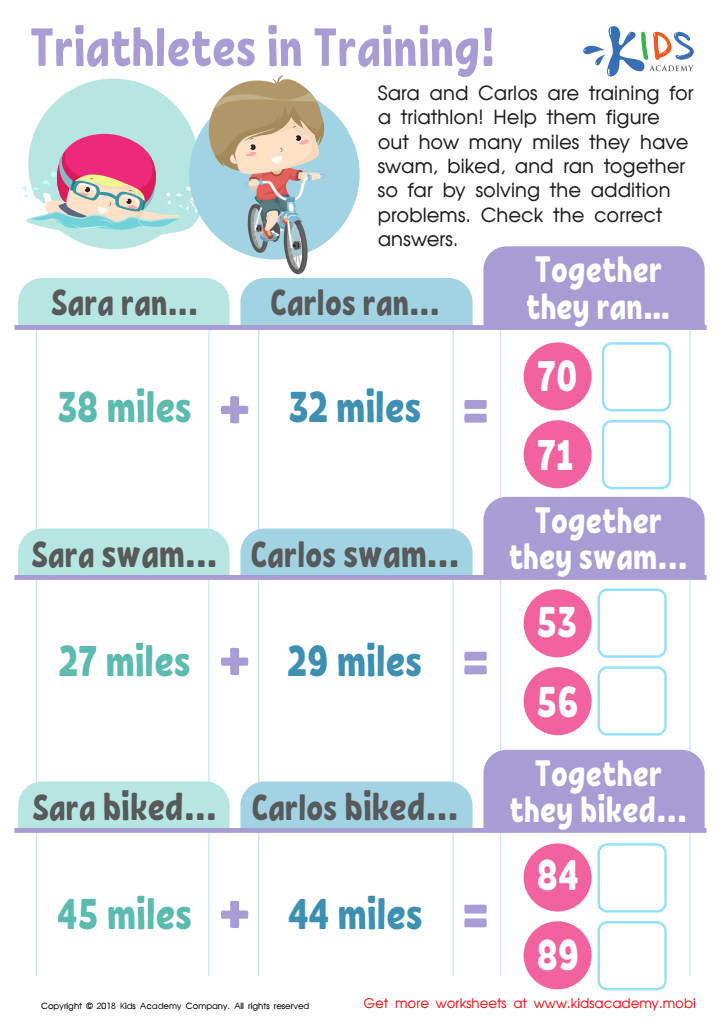
Triathletes in Training Worksheet
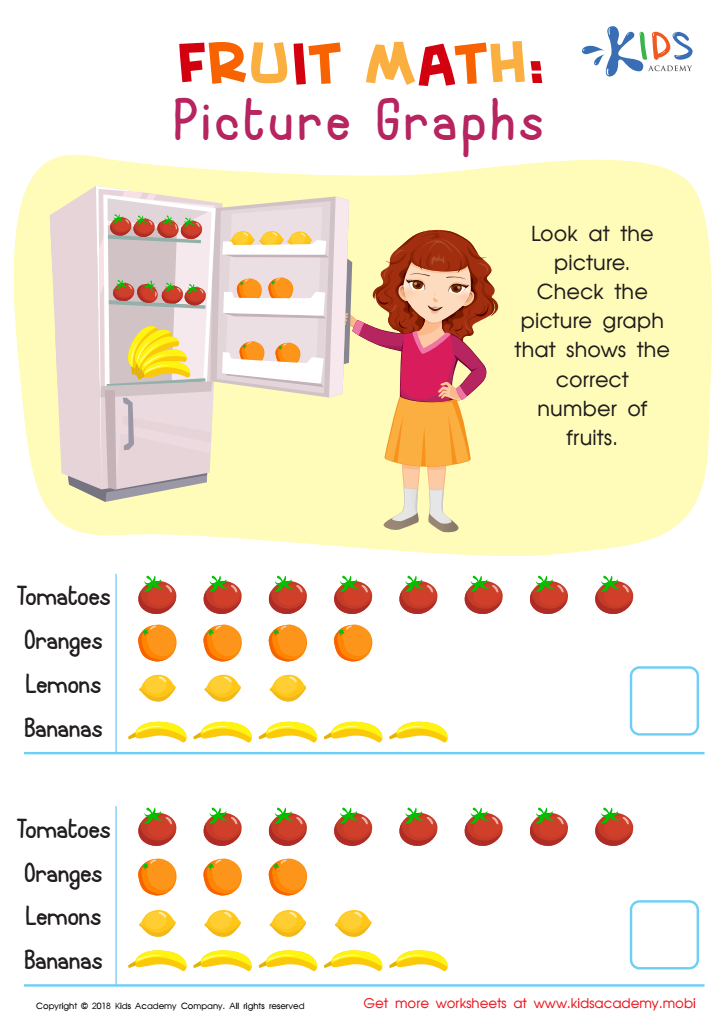
Fruit Math: Picture Graphs Worksheet
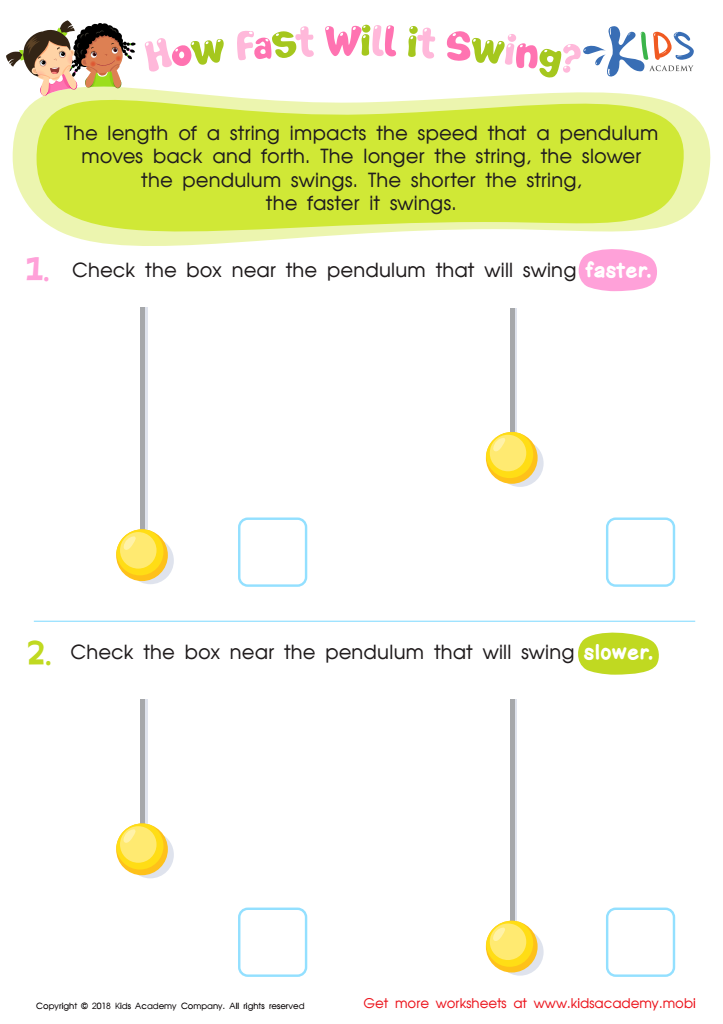
Pendulum Experiment Worksheet For 3rd Grade
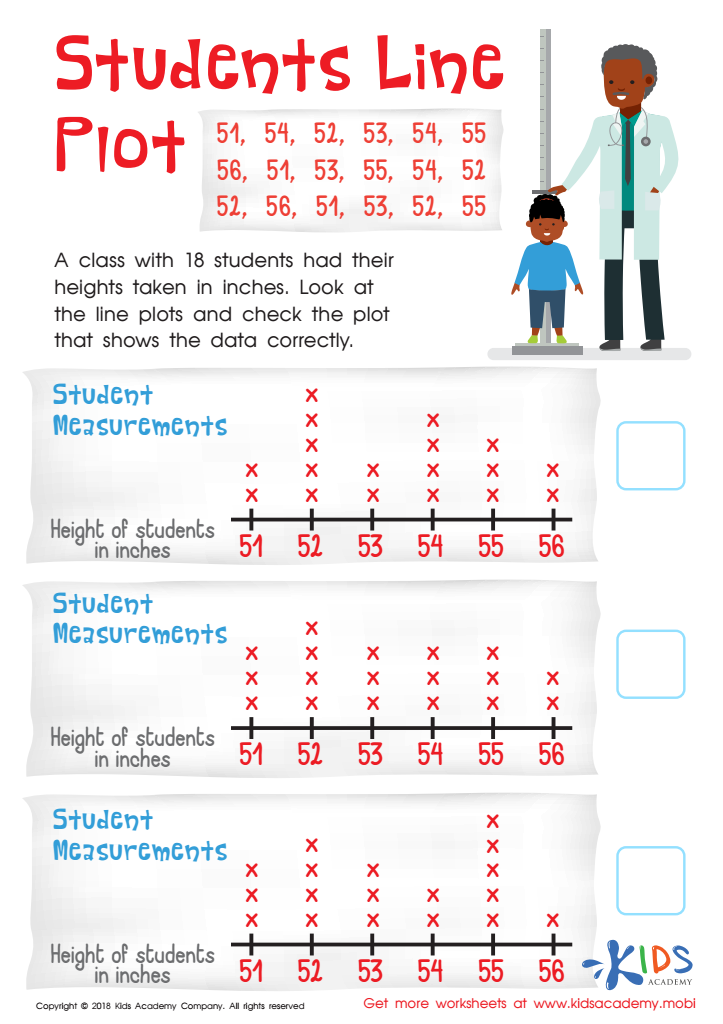
Students Line Plot Worksheet
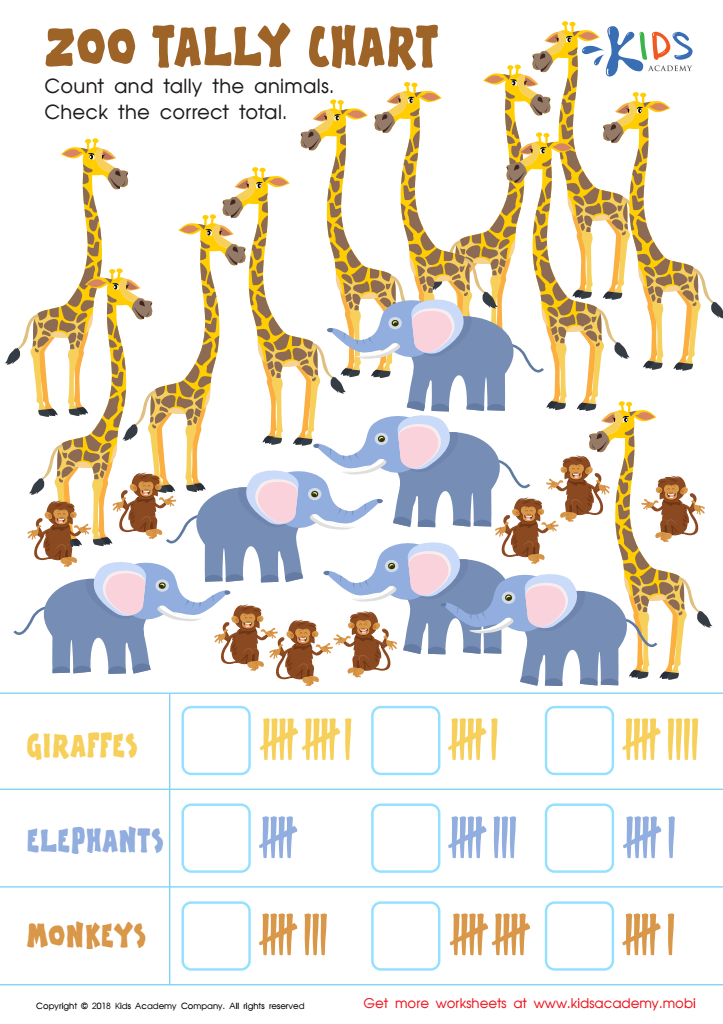
Zoo Tally Chart Worksheet
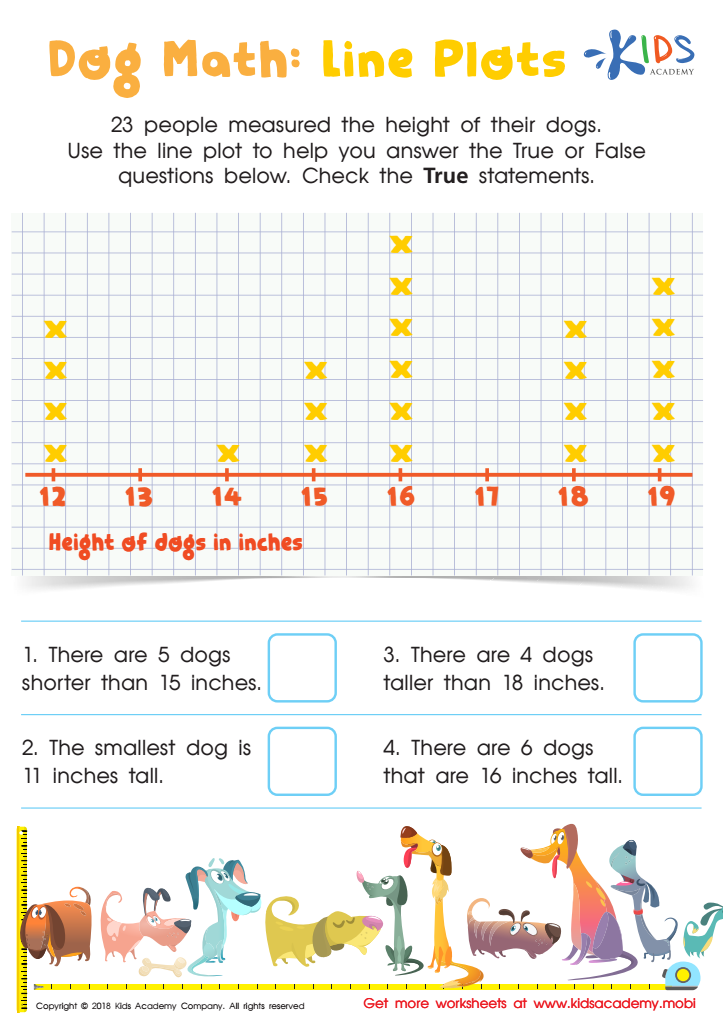
Dog Math: Line Plots Worksheet
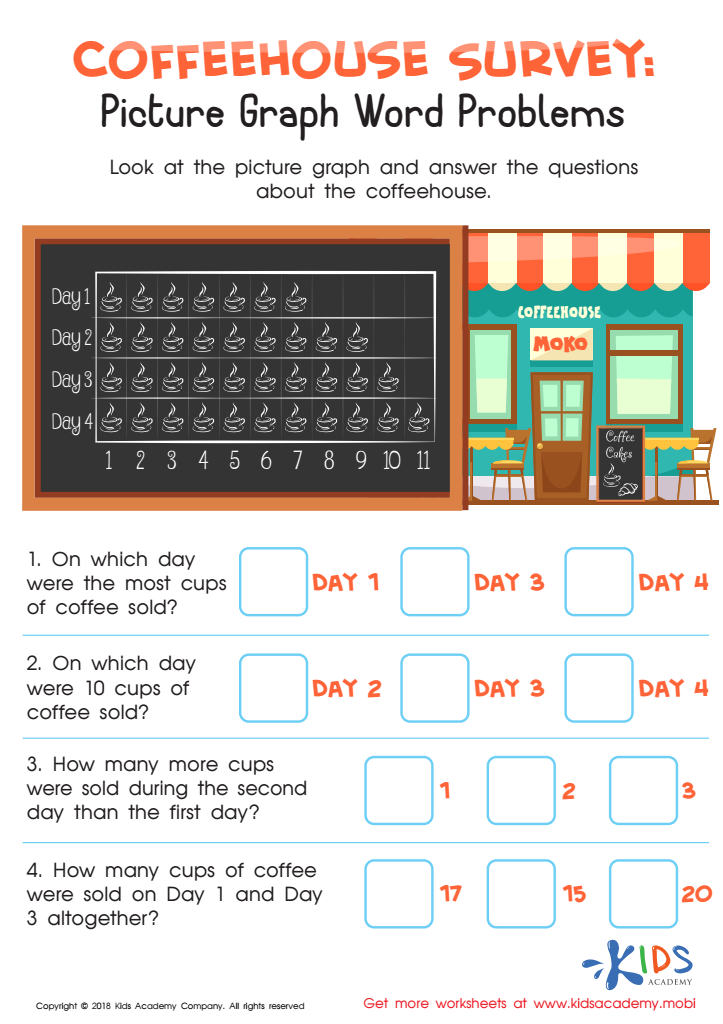
Coffeehouse Survey: Picture Graph Word Problems Worksheet
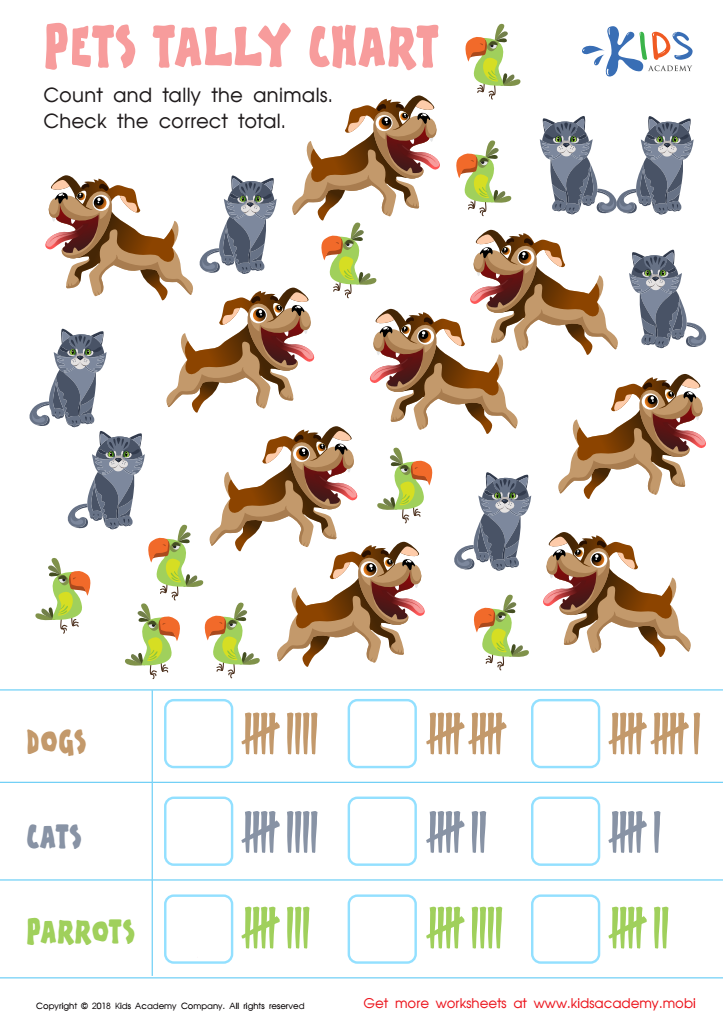
Pets Tally Chart Worksheet
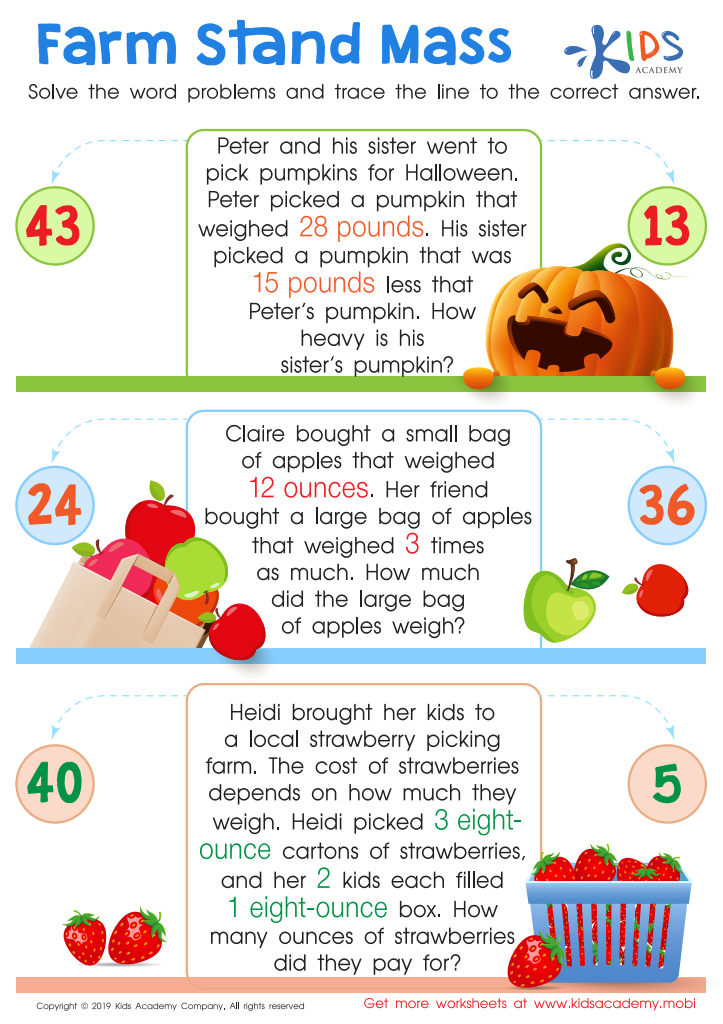
Farm Stand Mass Worksheet
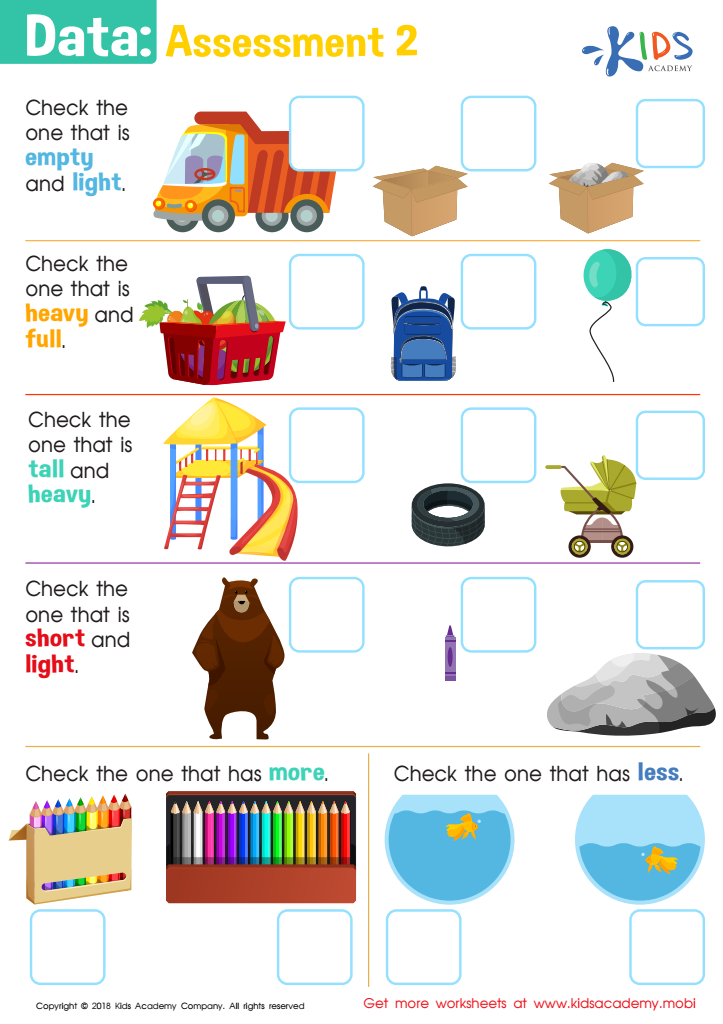
Data: Assessment 2 Worksheet
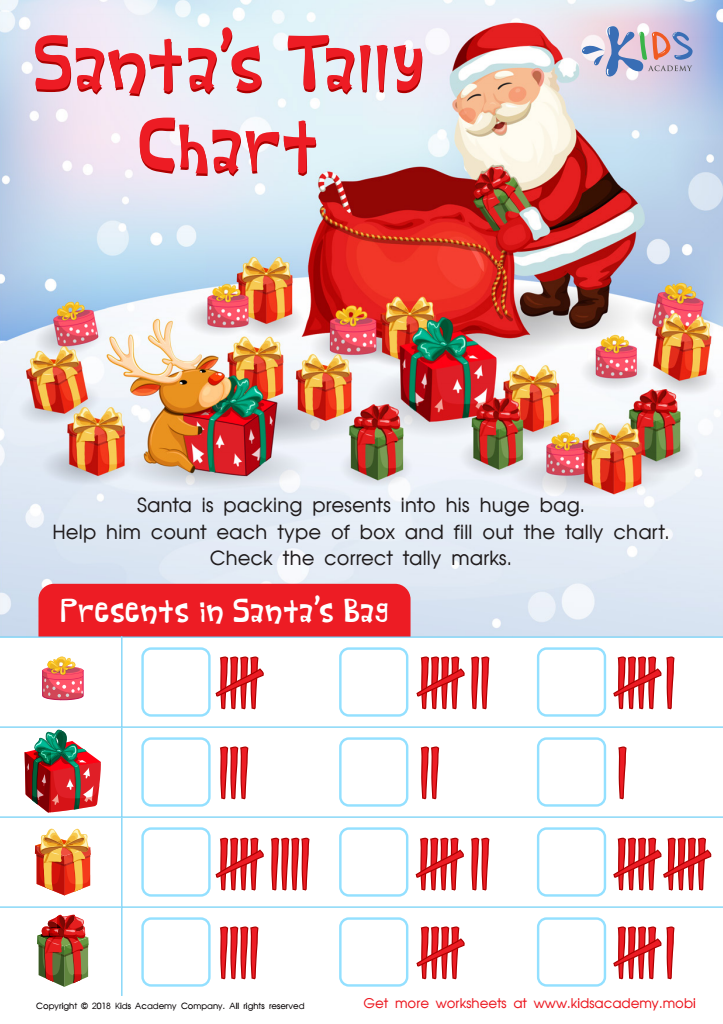
Santa Tally Chart Worksheet
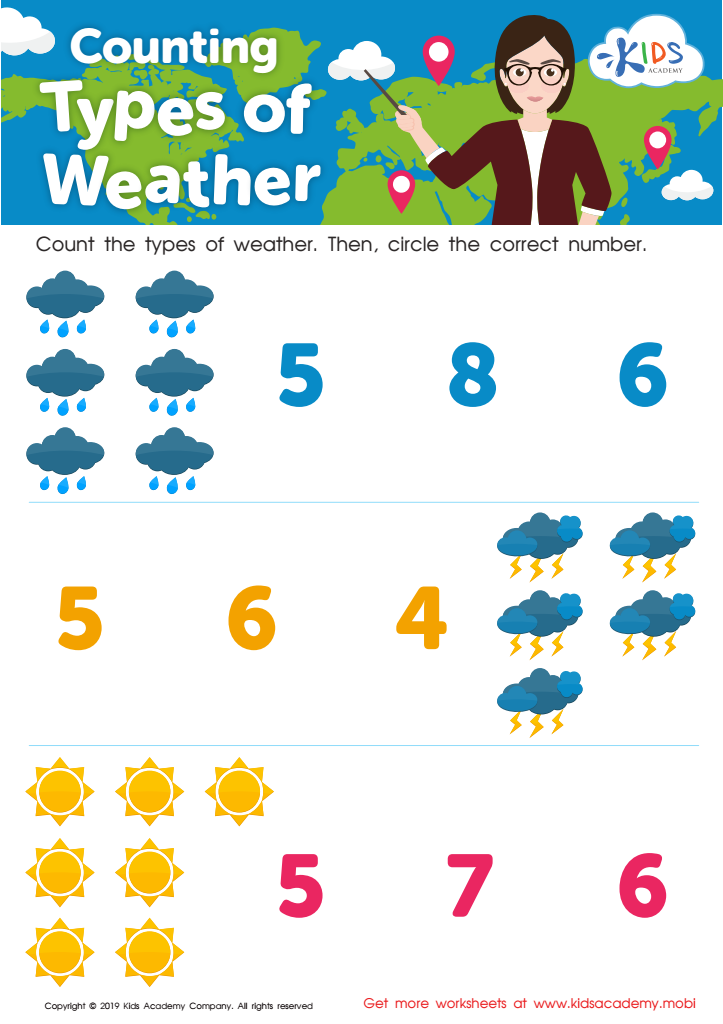
Counting Types of Weather Worksheet
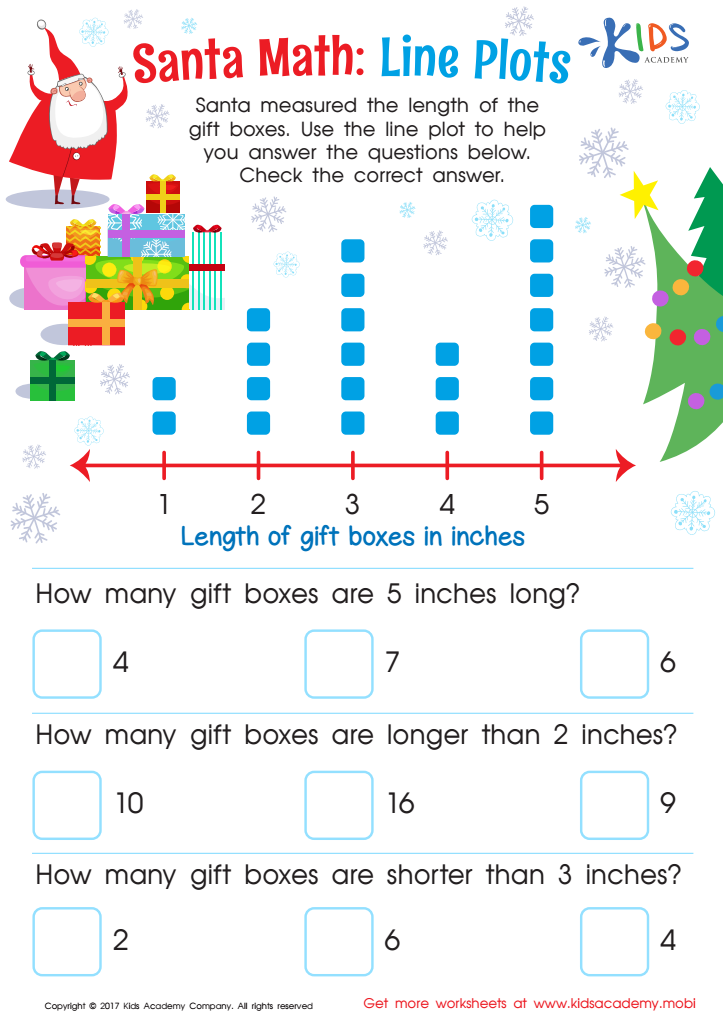
Line Plot Worksheet

Aircraft Carrier Picture Graphs Worksheet
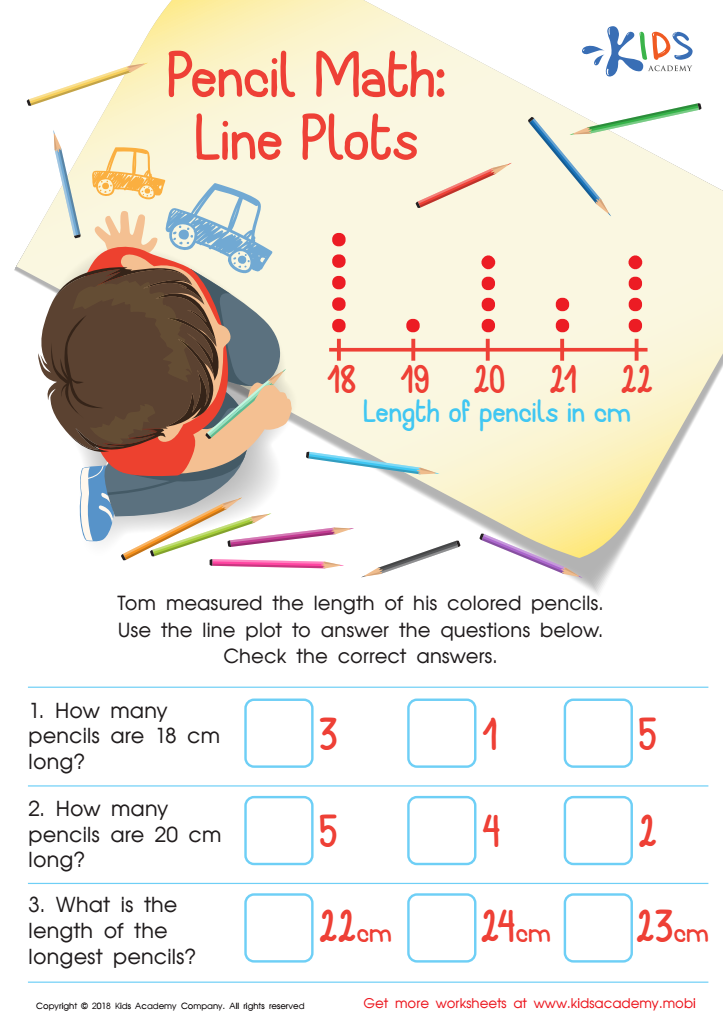
Pencil Math: Line Plots Worksheet
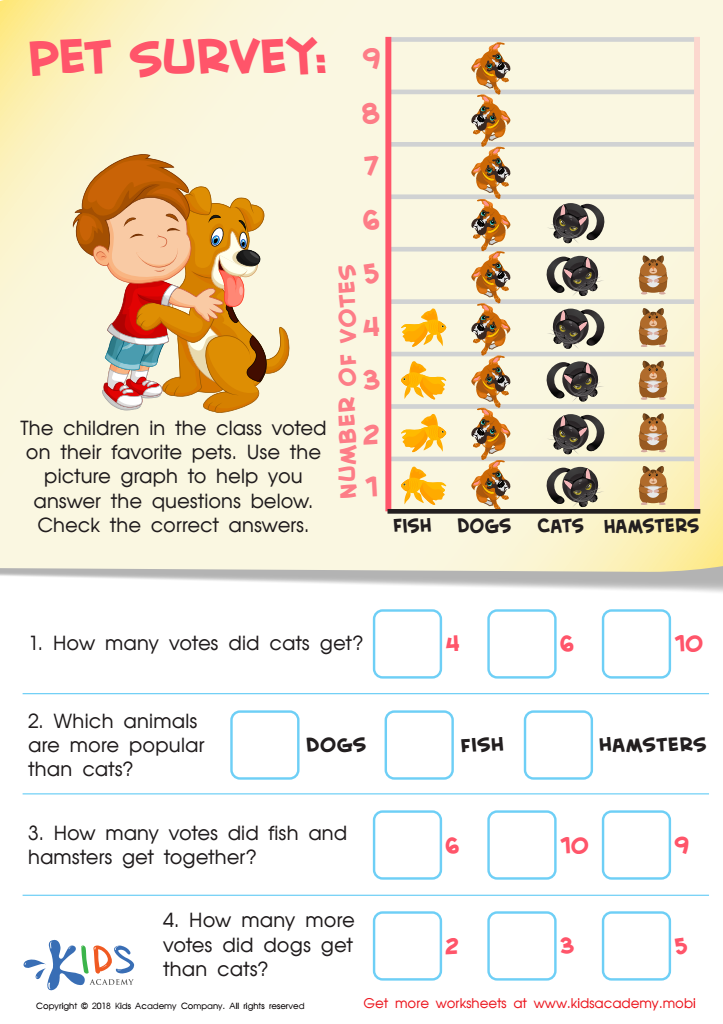
Pet Survey Worksheet
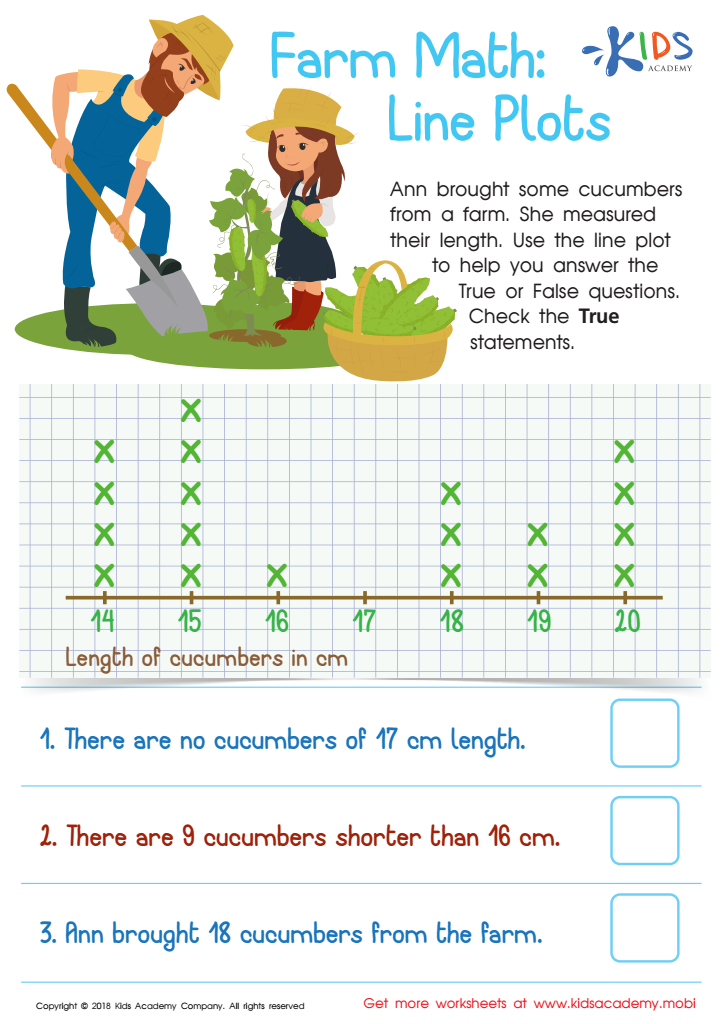
Farm Math: Line Plots Worksheet
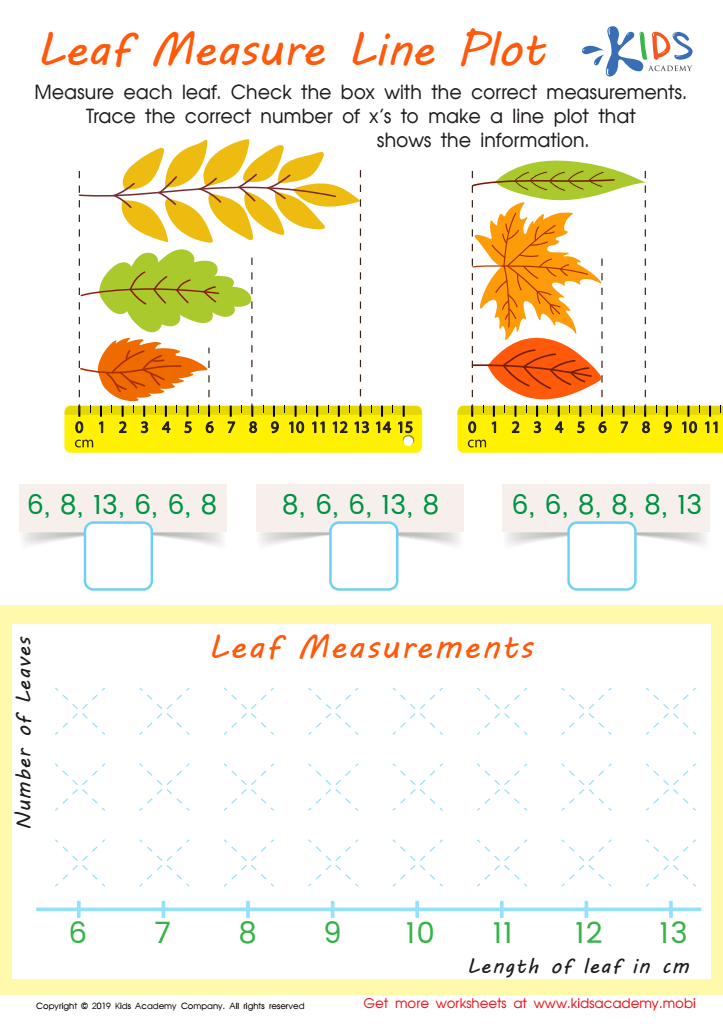
Leaf Measure Line Plot Worksheet








Data interpretation is a crucial skill for young children, ages 6-8, and parents or teachers should give it the importance it deserves for several reasons. At this formative stage, kids are like sponges, absorbing the foundational skills that will support their academic and personal growth. Understanding data helps enhance their critical thinking and problem-solving skills.
Firstly, early exposure to data interpretation nurtures a child's mathematical and analytical abilities. When children learn to collect, organize, and analyze data, they grasp essential math concepts like counting, sorting, and recognizing patterns. This paves the way for more complex mathematical reasoning necessary for future learning.
Secondly, data interpretation fosters a child’s ability to make sense of the world. They start understanding concepts like weather patterns, results from simple class surveys, or even outcomes in their day-to-day activities. This logical comprehension bolsters their confidence in interpreting their surroundings, stimulating curiosity and promoting information literacy.
Moreover, these skills are increasingly vital in our data-driven world. Familiarity with data from an early age will prepare children for future academic subjects and everyday decision-making processes. Knowing how to interpret data responsibly ensures they grow up to be informed, discerning individuals. Thus, encouraging and facilitating data interpretation at these ages sets a vital stage for lifelong learning and practical life skills.








