Enhancing logical thinking Worksheets for Ages 6-8
11 filtered results
-
From - To
Discover a collection of engaging worksheets designed to enhance logical thinking skills for children aged 6-8. Our resources encourage young learners to develop critical thinking through fun and interactive activities. Each worksheet is crafted to challenge students with puzzles, pattern recognition, and problem-solving tasks that promote cognitive development. Ideal for teachers and parents alike, these worksheets provide a comprehensive approach to learning that aligns with educational standards. Foster curiosity and analytical skills in your child while they enjoy exploring numbers, shapes, and logical sequences. Start your child's journey towards becoming a confident thinker today!
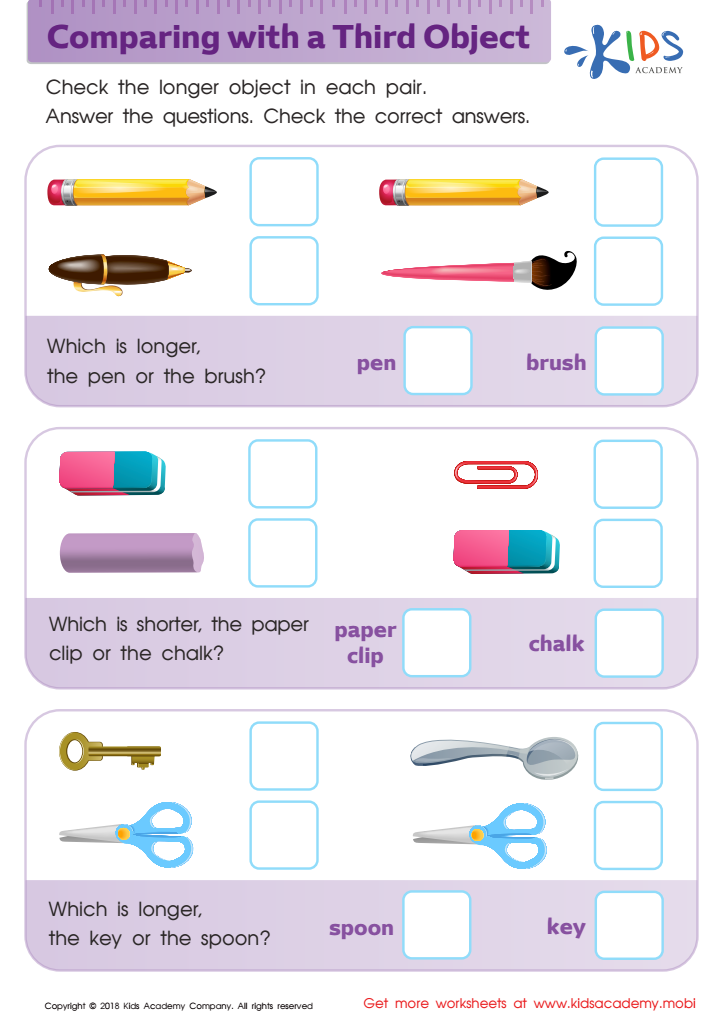
Comparing with a Third Object Worksheet
 Assign to My Students
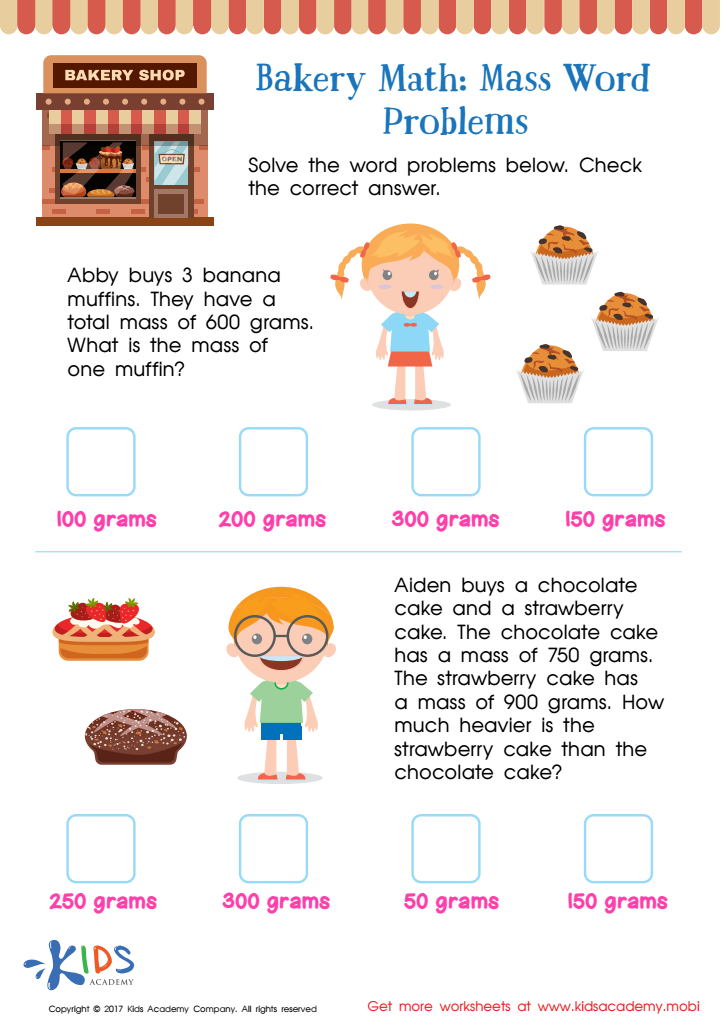
Mass Word Problems Worksheet
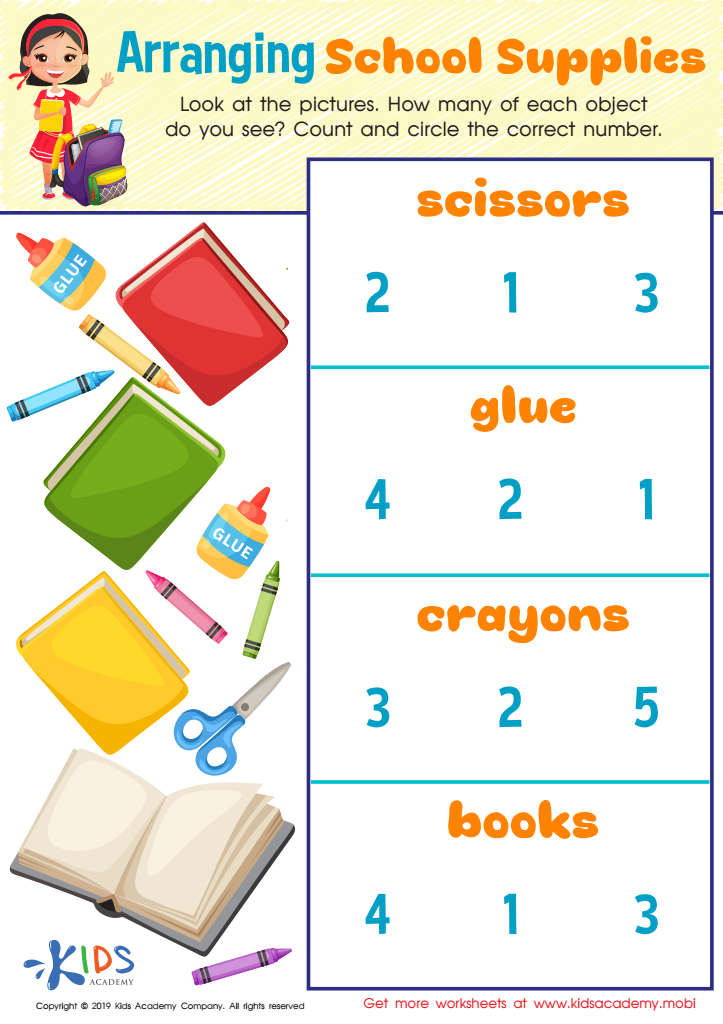
Arranging School Supplies Worksheet
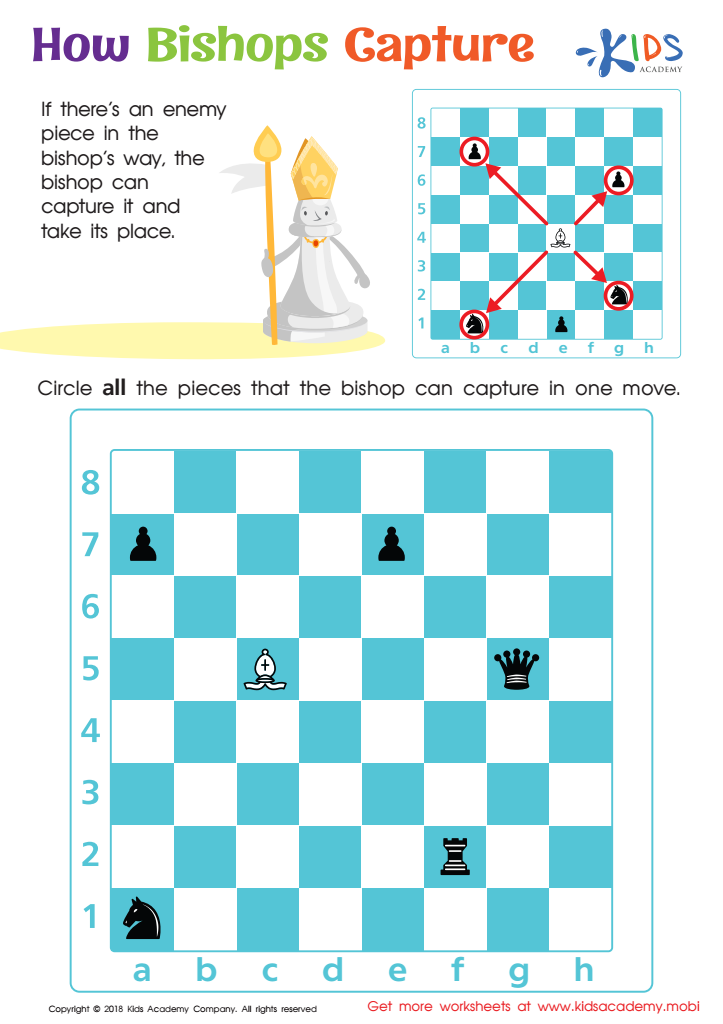
How Bishops Capture Worksheet
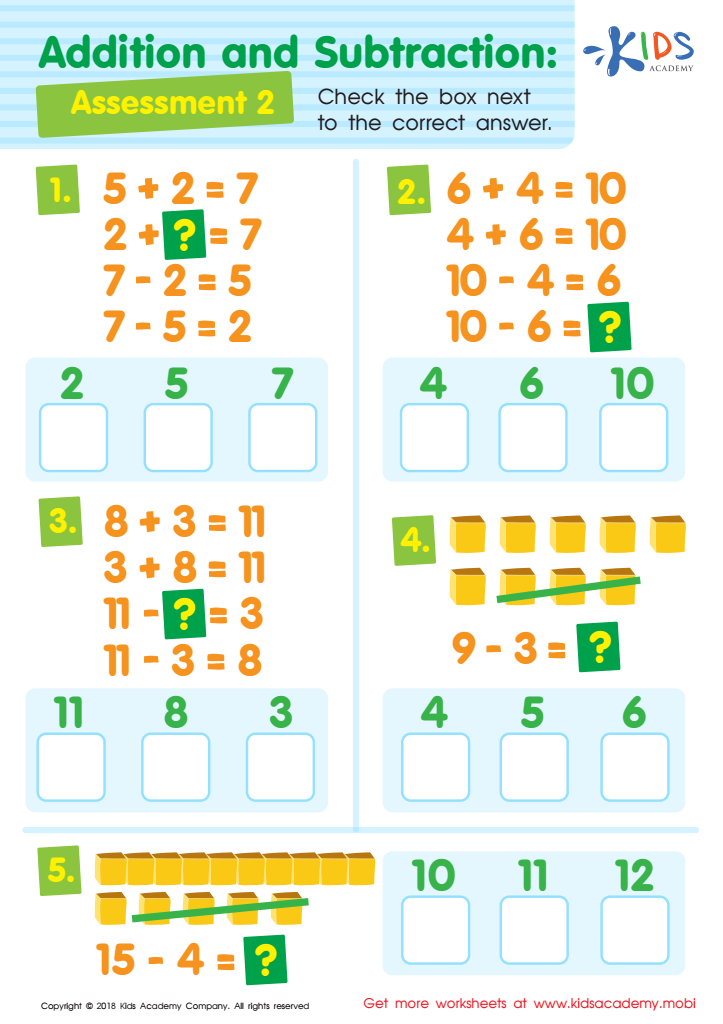
Addition and Subtraction Assessment 2 Worksheet
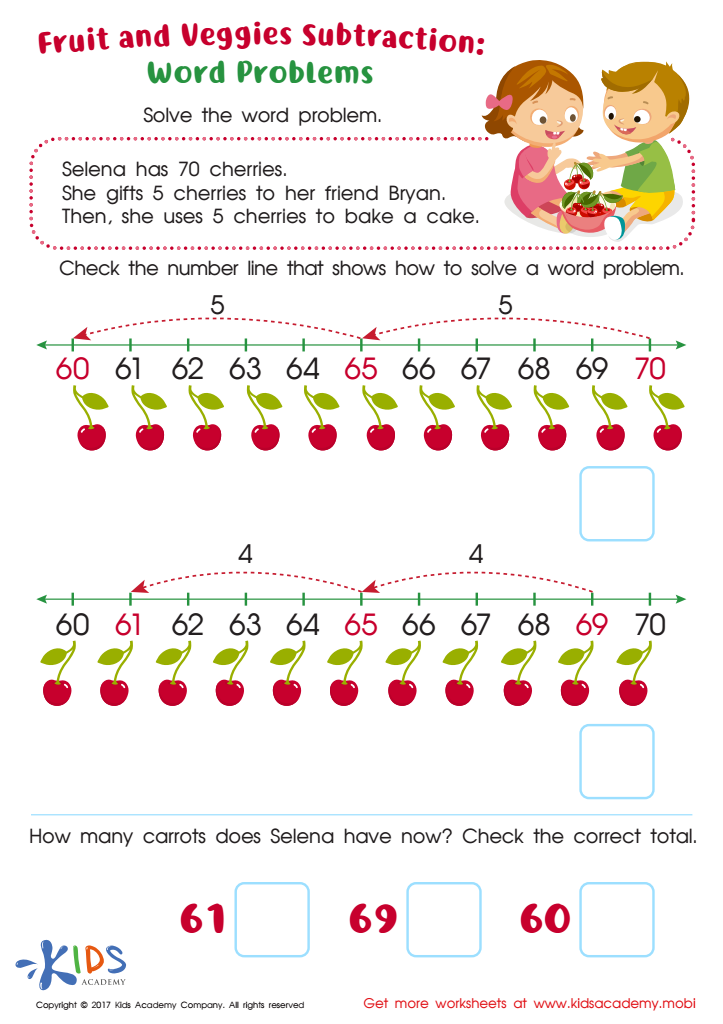
Subtraction Word Problems Free Printable
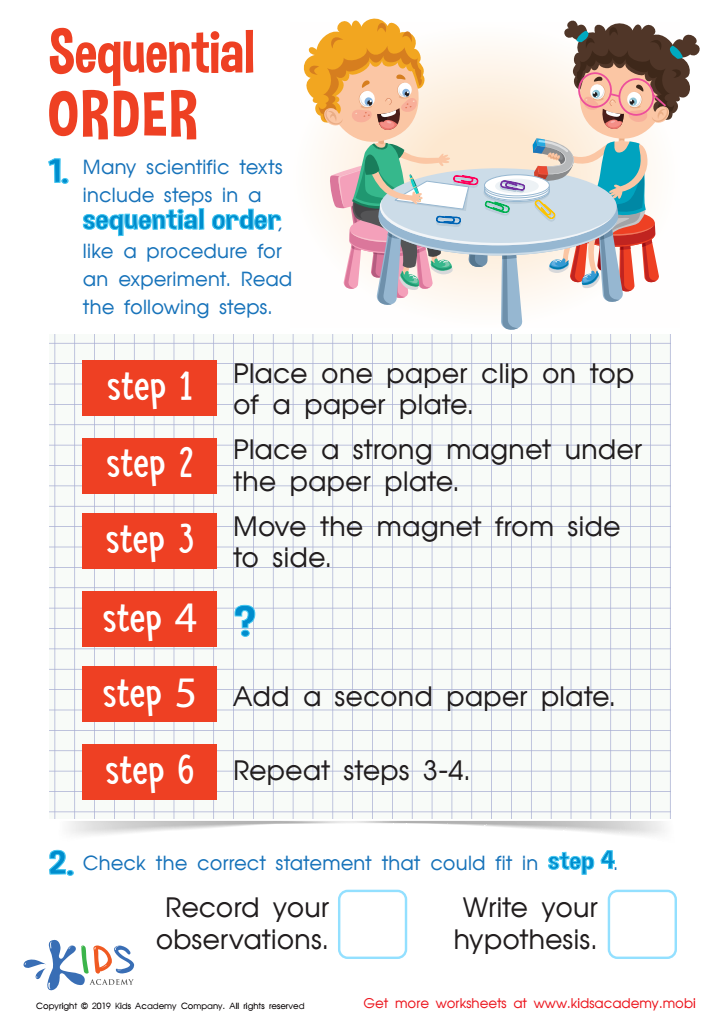
Sequencential Order Worksheet
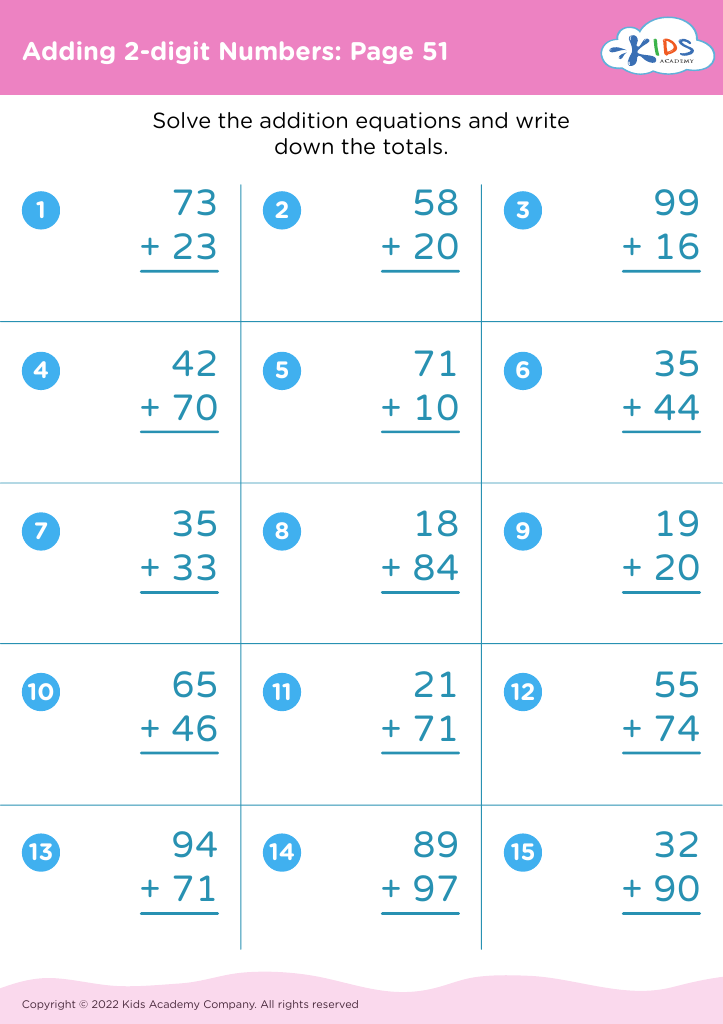
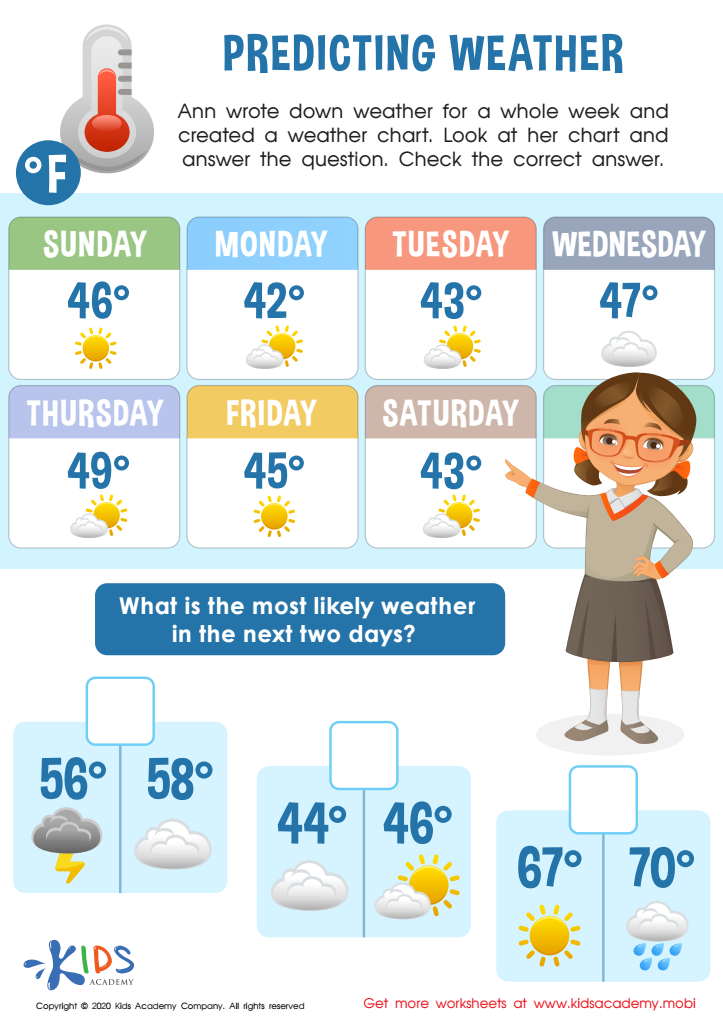
Predicting Weather Worksheet
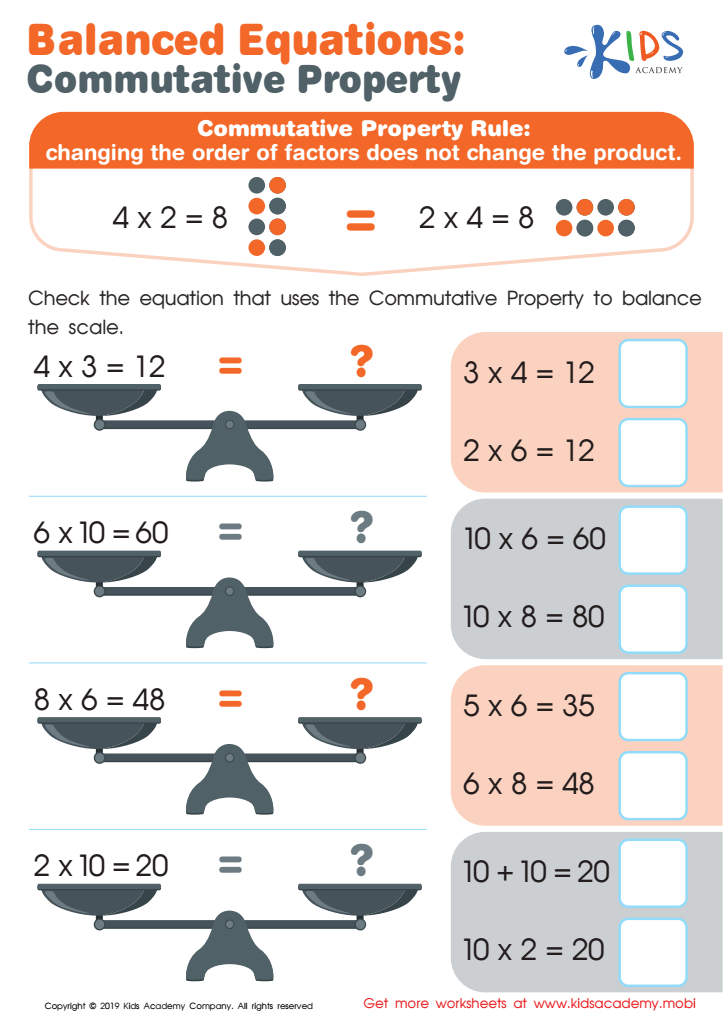
Balanced Equations: Commutative Property Worksheet
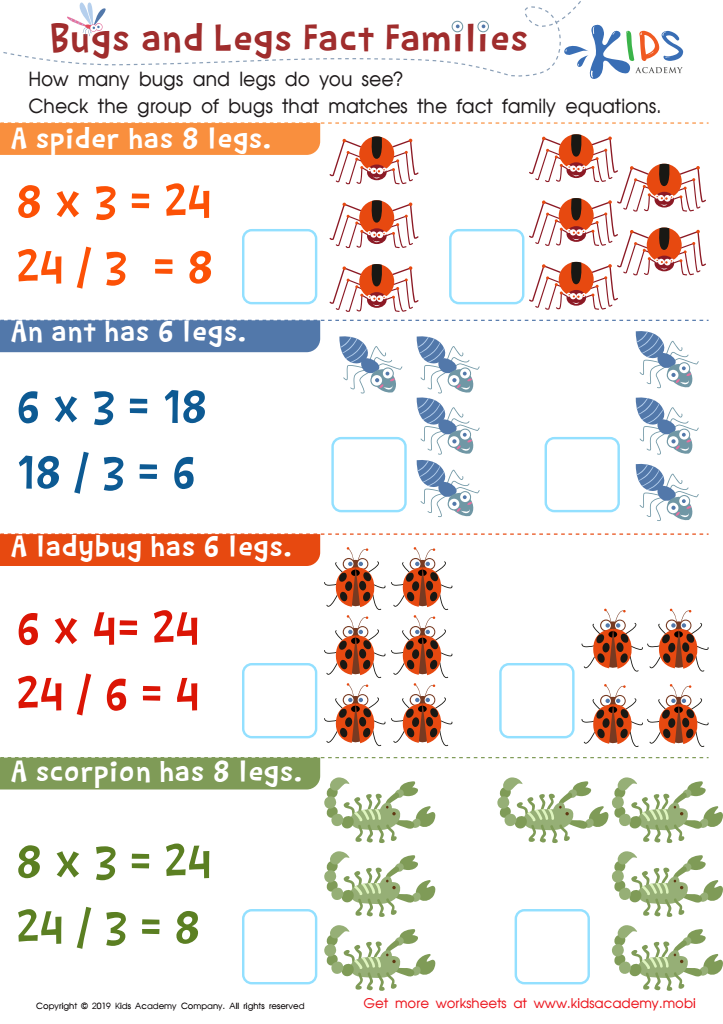
Bugs and Legs Fact Families Worksheet








Enhancing logical thinking in children ages 6 to 8 is crucial, as this developmental stage lays the foundation for their cognitive abilities and problem-solving skills. At this age, children begin to transition from concrete to more abstract thinking, making it an opportune time for adults to nurture their logical reasoning. By promoting logical thinking, parents and teachers equip children with the tools to organize thoughts, recognize patterns, and draw conclusions, which are essential skills not only in academics but in everyday life.
Engaging in activities such as puzzles, games, and structured discussions fosters an environment where children learn to analyze situations, evaluate options, and make informed decisions. These skills contribute to enhanced critical thinking, enabling children to approach problems methodically rather than impulsively.
Furthermore, developing logical thinking nurtures curiosity and creativity, encouraging children to ask questions and explore the world around them. This early exposure aids in building resilience, as children learn that mistakes are part of the learning process. Ultimately, enhancing logical thinking in young learners ensures they grow into capable adults who can tackle complex challenges, communicate effectively, and contribute meaningfully to society. Parents and teachers play a pivotal role in cultivating these abilities, making their involvement vital for children's long-term success.








