Fine Motor Skills Worksheets for Ages 6-8 - Page 4
347 filtered results
-
From - To
Twinkle Little Star Coloring Worksheet
Number 4 Printable
 Assign to My Students
Fish Worksheet
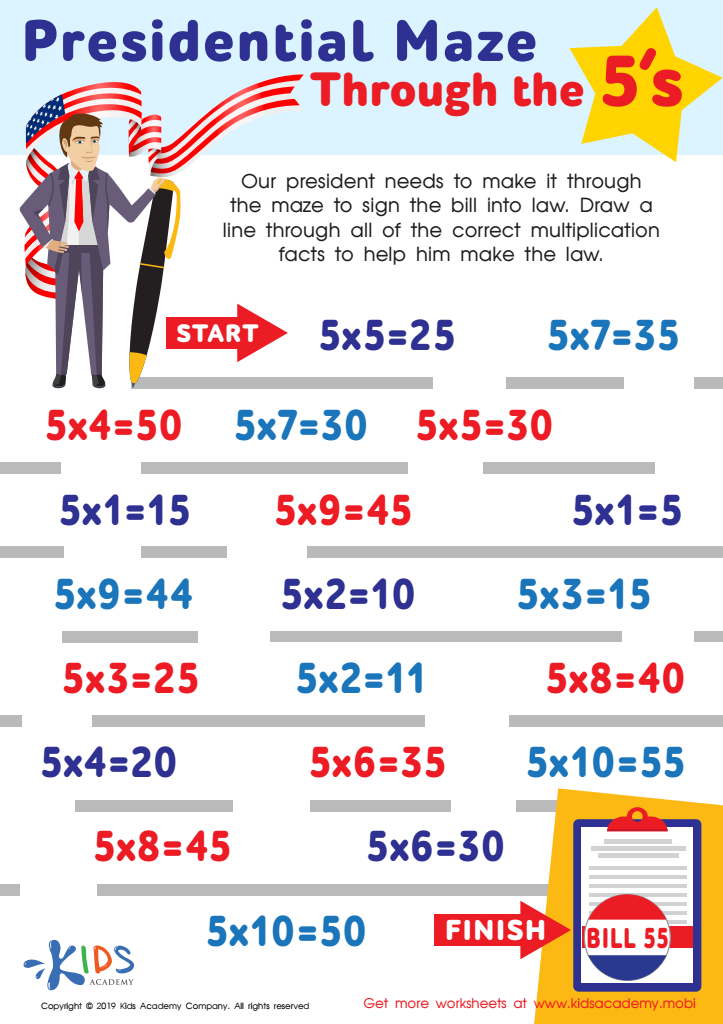
Presidential Maze Through the 5’s Worksheet

Color the Sheep in the Field Coloring Pages
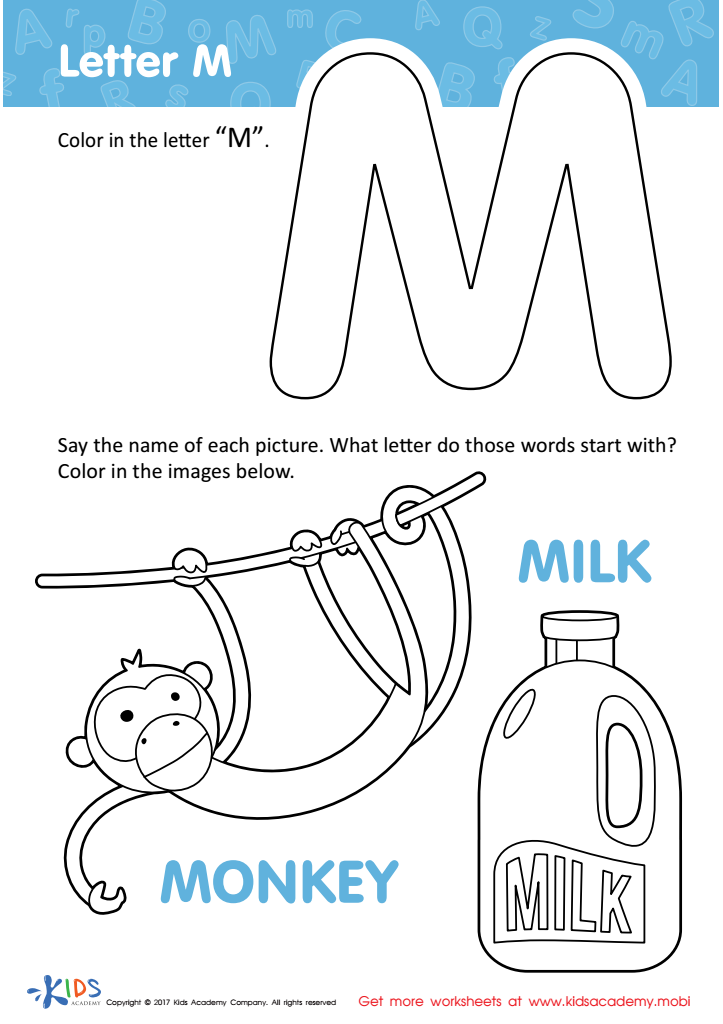
Letter M Coloring Sheet
Assign to My Students

Twinkle Twinkle Little Star Coloring Page
Assign to My Students

Ten Spots Worksheet
Matching: Shapes and Colors Worksheet

The Dog and His Bone Worksheet

Find 7 Eggs Worksheet
Spacemen Coloring Page
Assign to My Students
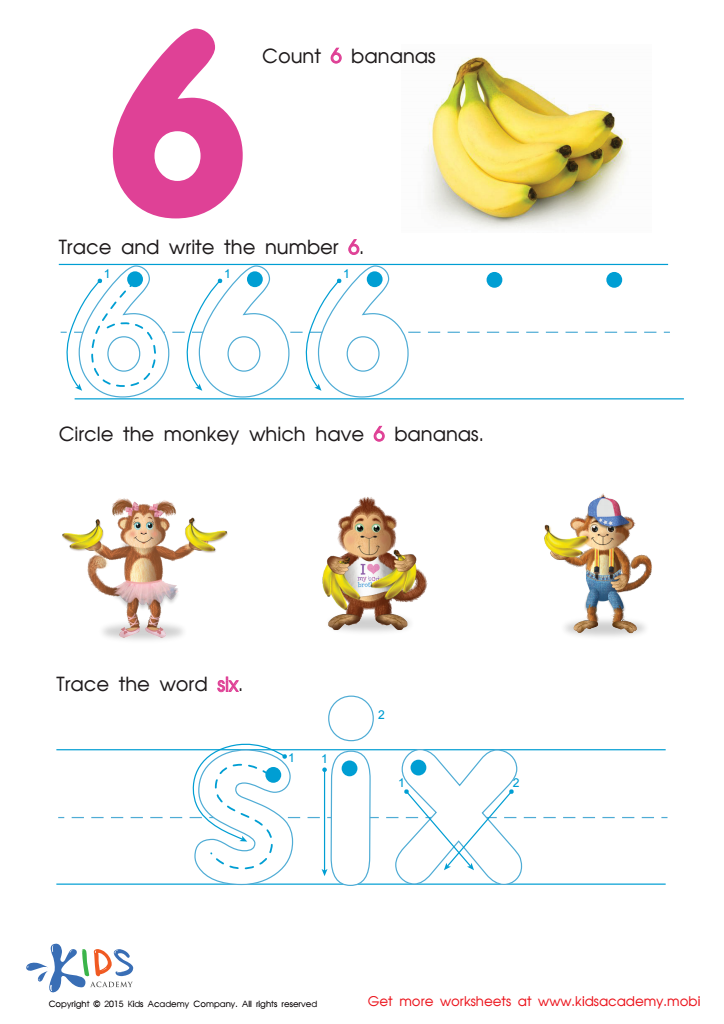
Tracing And Writing Number 6 Worksheet

The Three Little Pigs Coloring Worksheet
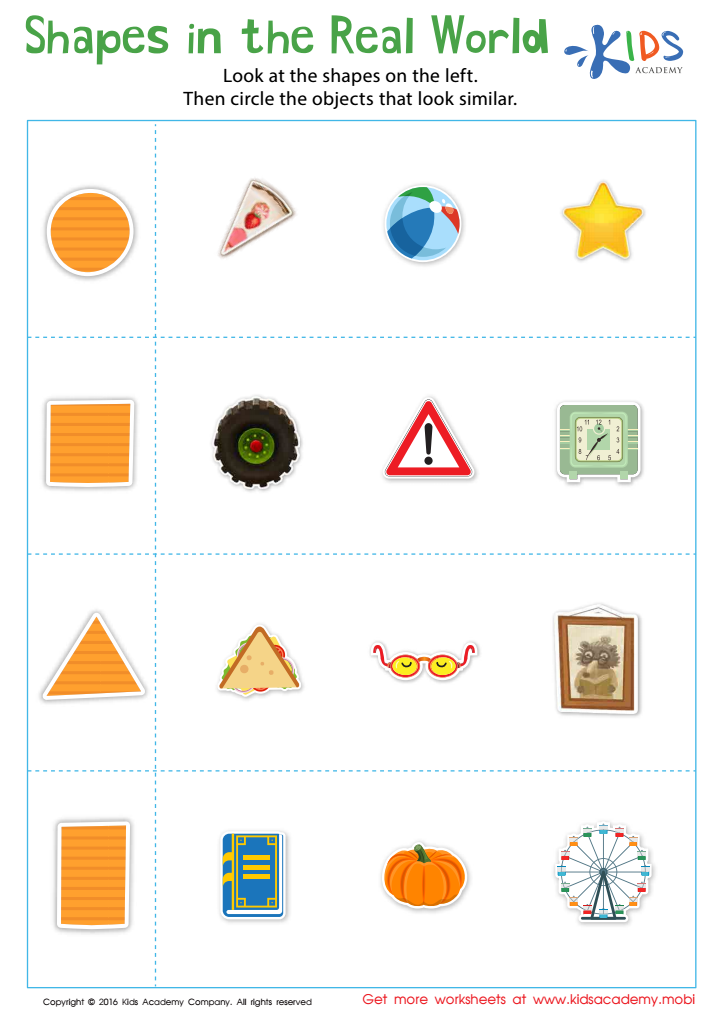
Shapes in the Real World Worksheet
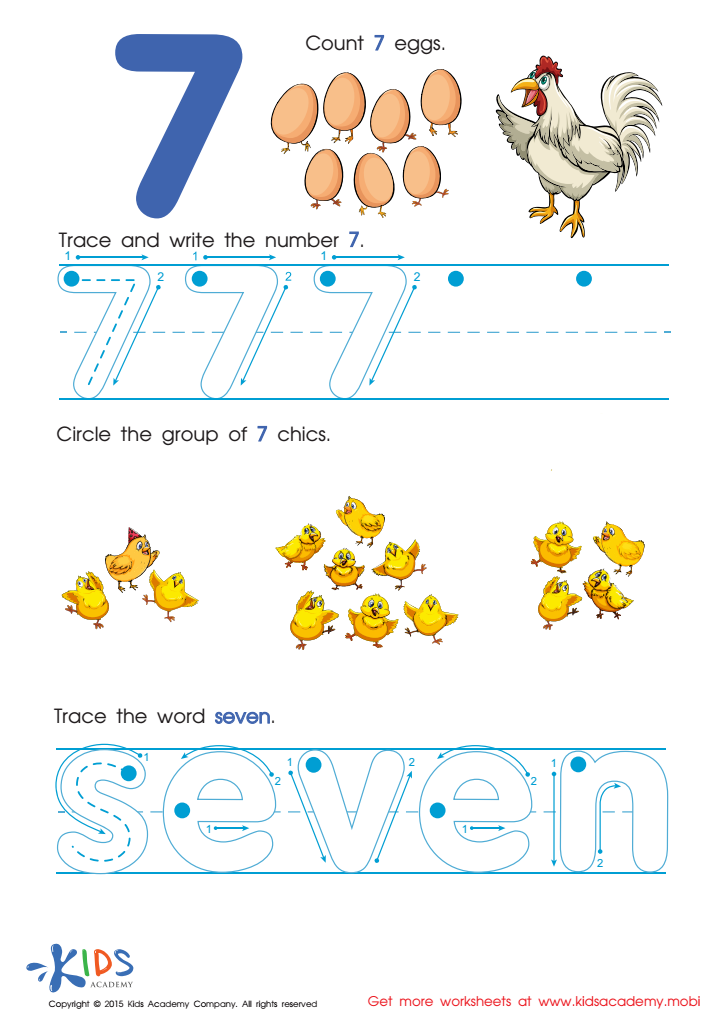
Trace And Write Number 7 with Fun Worksheet
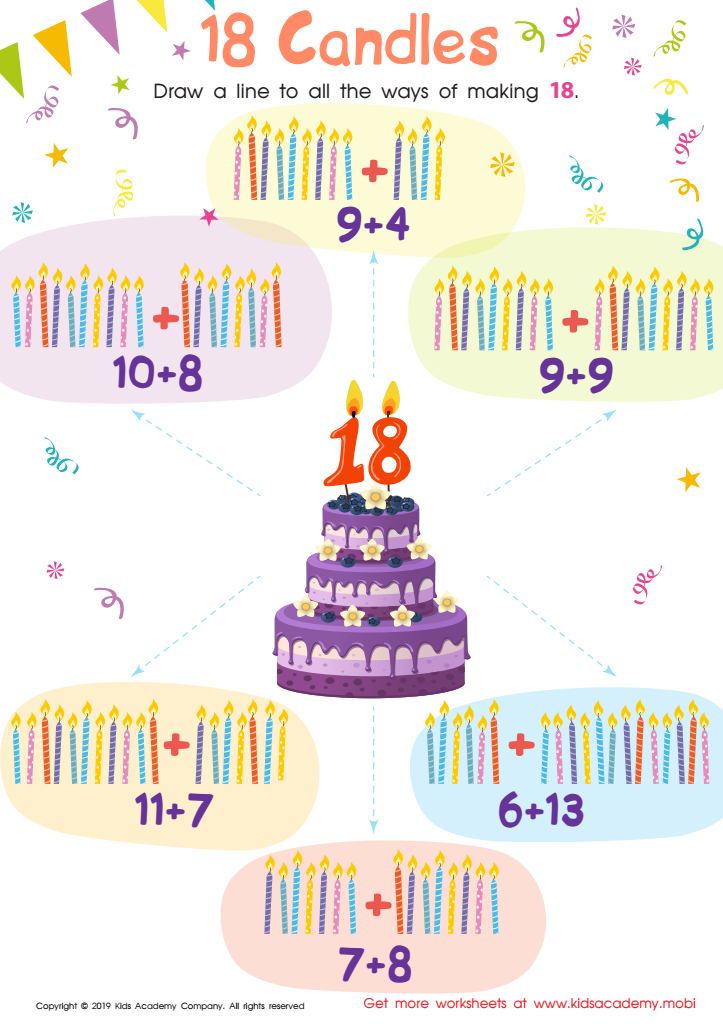
18 Candles Worksheet
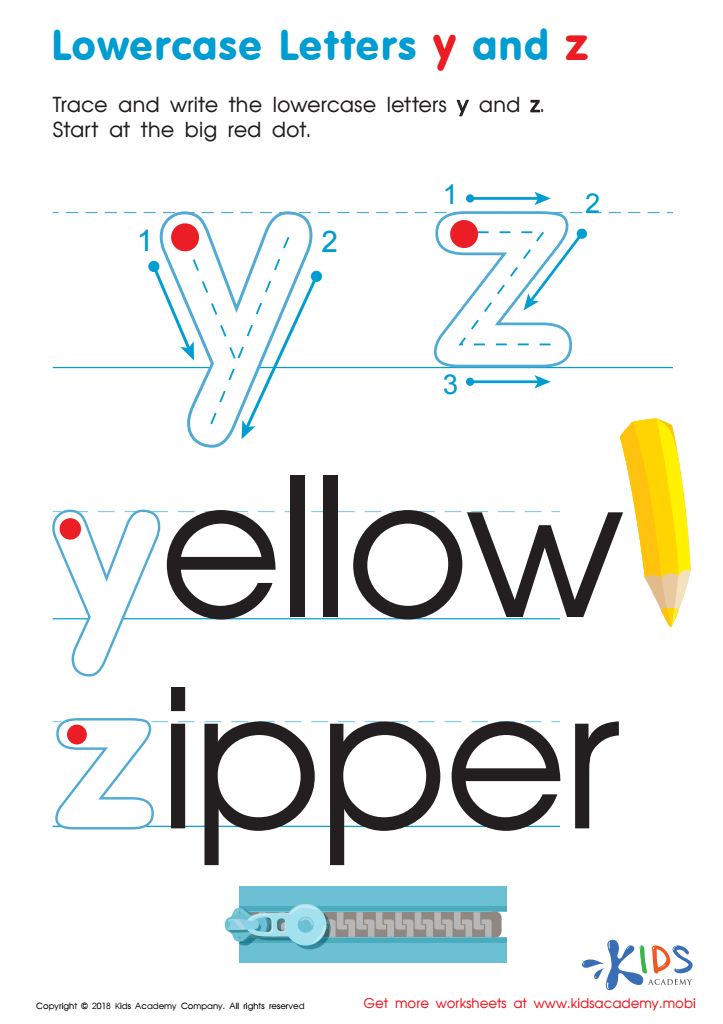
Lowercase Letters y z Worksheet

Snowman Tracing Winter Words Worksheet








Fine motor skills are crucial for children aged 6-8 and play a significant role in their overall development, both academically and in daily life. These skills involve the coordination of small muscles, particularly in the hands and fingers, enabling children to perform precise movements essential for various tasks.
Academically, fine motor skills are fundamental for handwriting, an important aspect of early education. Children with well-developed fine motor skills can hold a pencil properly, form letters clearly, and write more legibly, directly impacting their ability to complete assignments and participate in classroom activities. Mastery of these skills also enhances children's confidence and facilitates learning in other subjects, such as math and art, where precision and dexterity are often required.
In daily life, fine motor skills allow children to perform self-care tasks independently, such as buttoning clothes, tying shoelaces, and using utensils while eating. These competencies foster independence and build self-esteem.
Moreover, engaging in activities that involve fine motor skills, like drawing, cutting with scissors, or manipulating small objects, also aids in cognitive development. These actions encourage problem-solving, hand-eye coordination, and concentration.
Thus, parents and teachers should prioritize fine motor skill development to support children’s academic success, boost self-confidence, and lay a strong foundation for daily life skills.








