Hand-eye Coordination Worksheets for Ages 6-8 - Page 2
91 filtered results
-
From - To
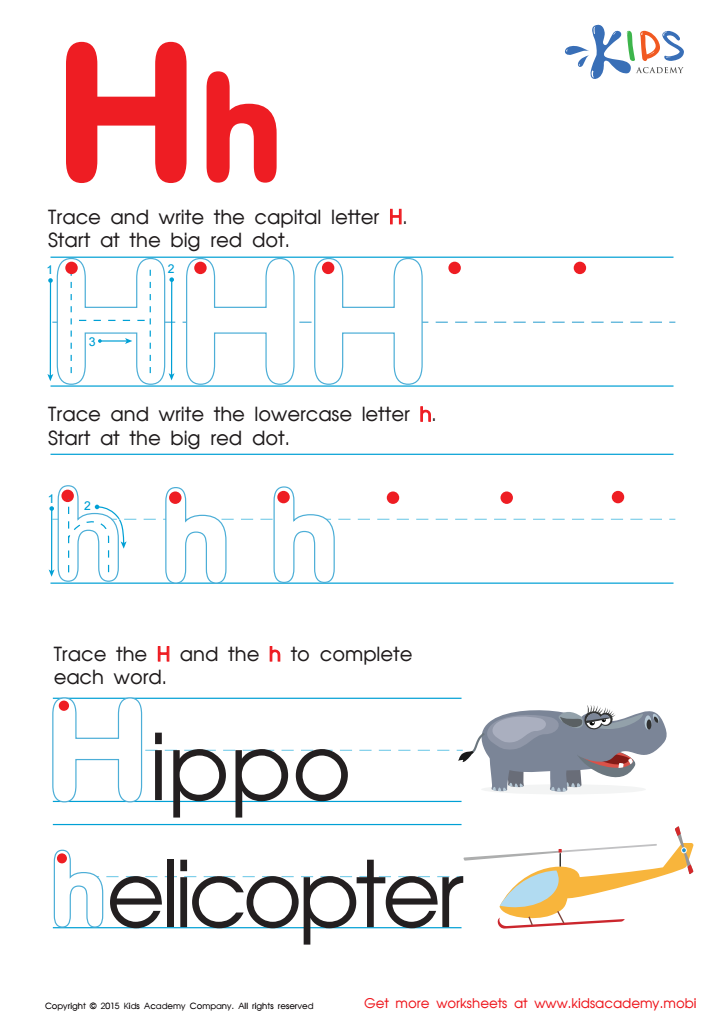
Letter H Tracing Page
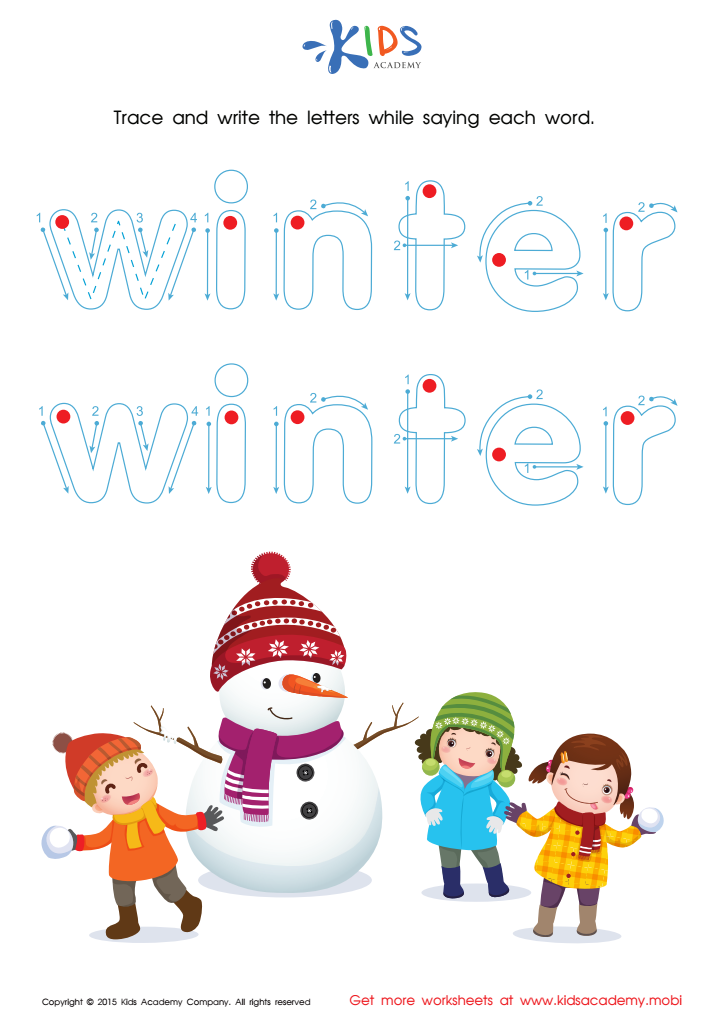
Snowman Tracing Winter Words Worksheet
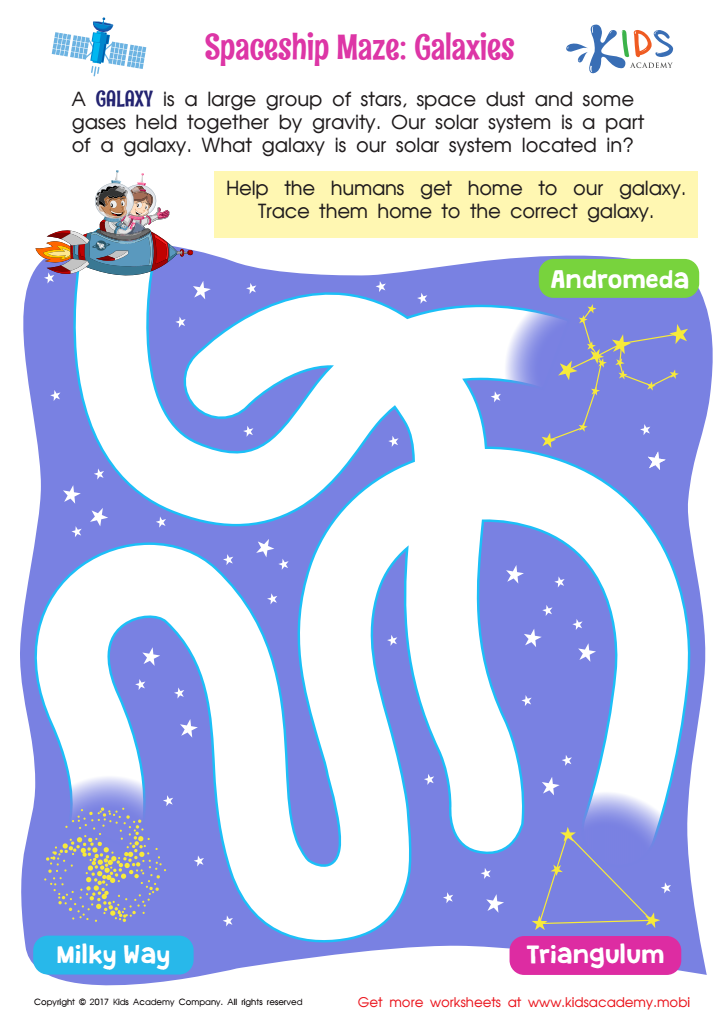
Spaceship Maze: Galaxies Worksheet
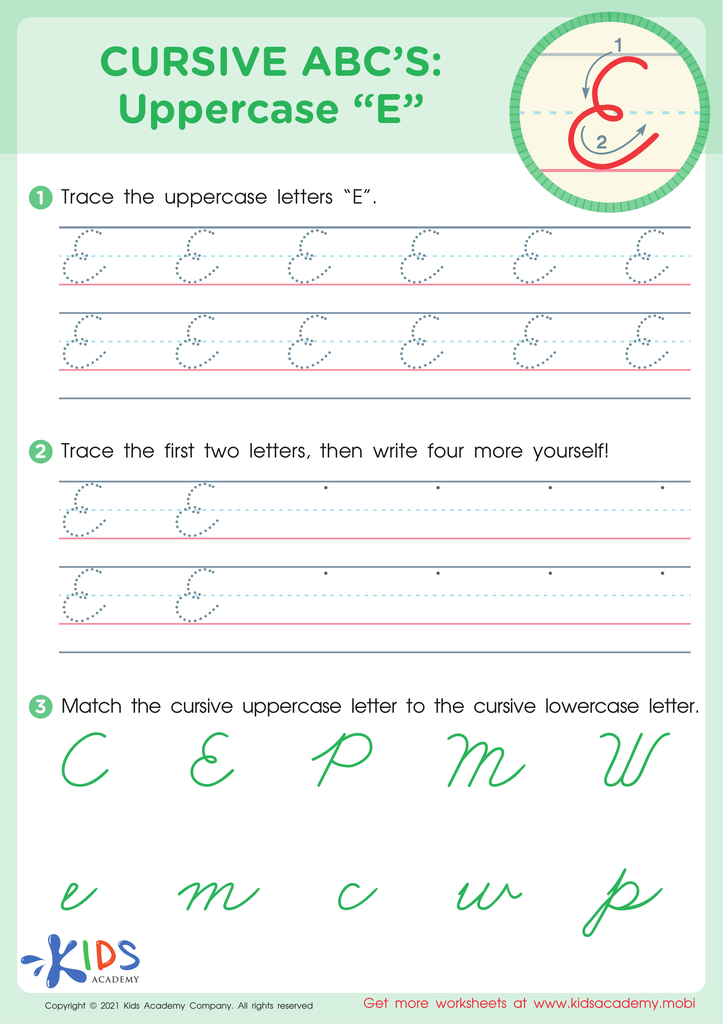
Cursive ABCs: Uppercase E
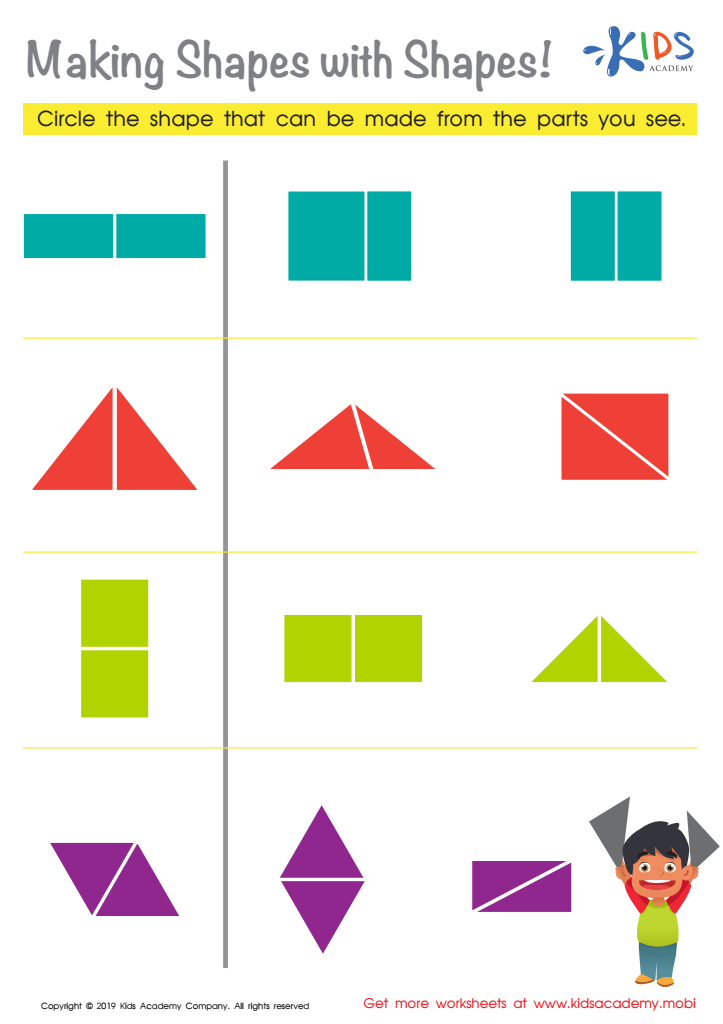
Making Shapes with Shapes Worksheet
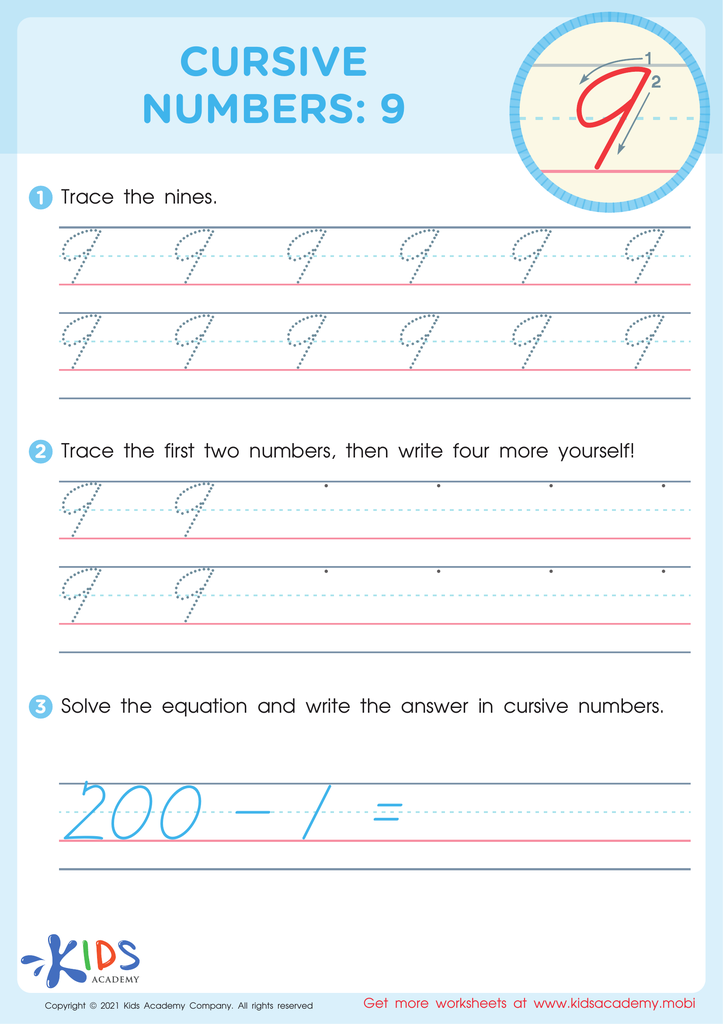
Cursive Numbers: 9 Worksheet
Moon Landing Coloring Page Printable
 Assign to My Students
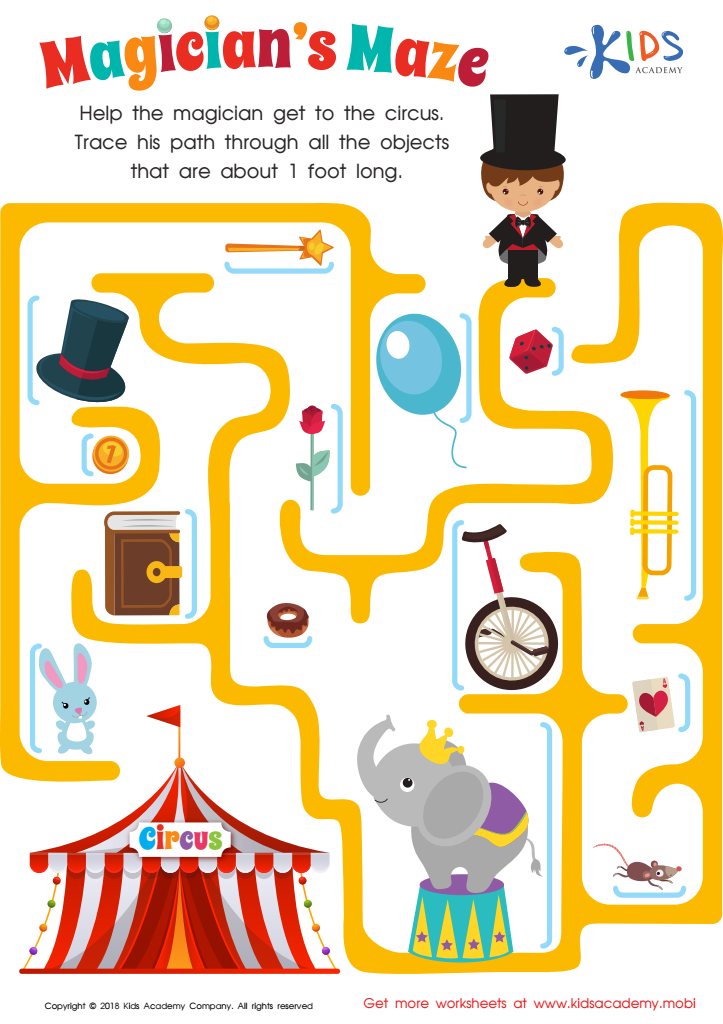
Estimating Length: Magician's Maze Worksheet
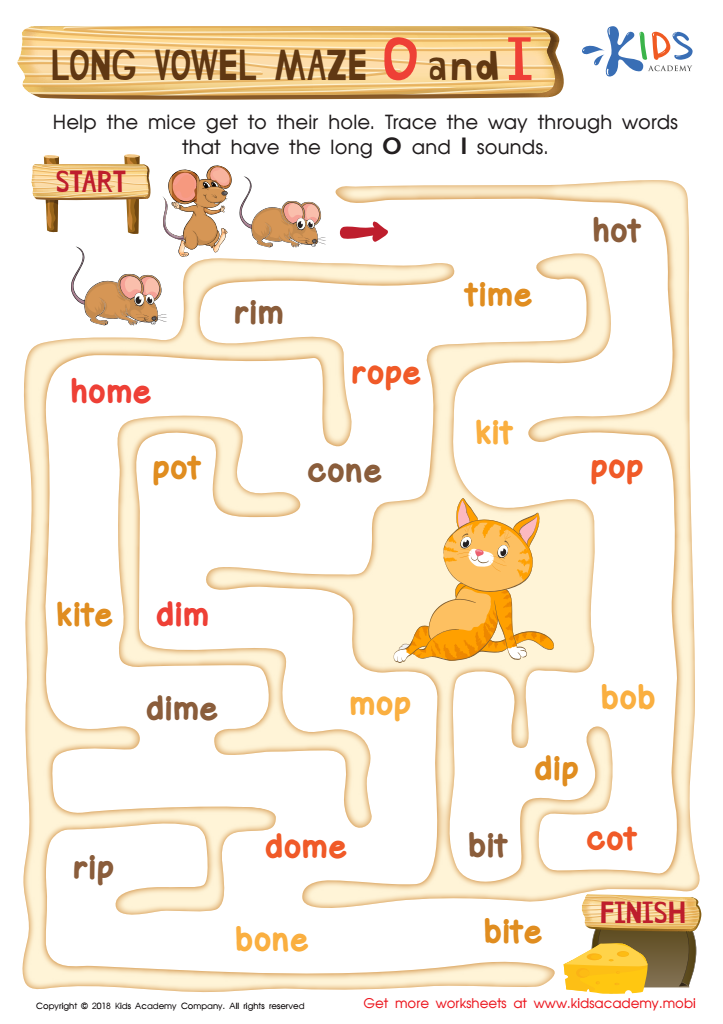
Long Vowel Maze /o/ and /i/ Worksheet
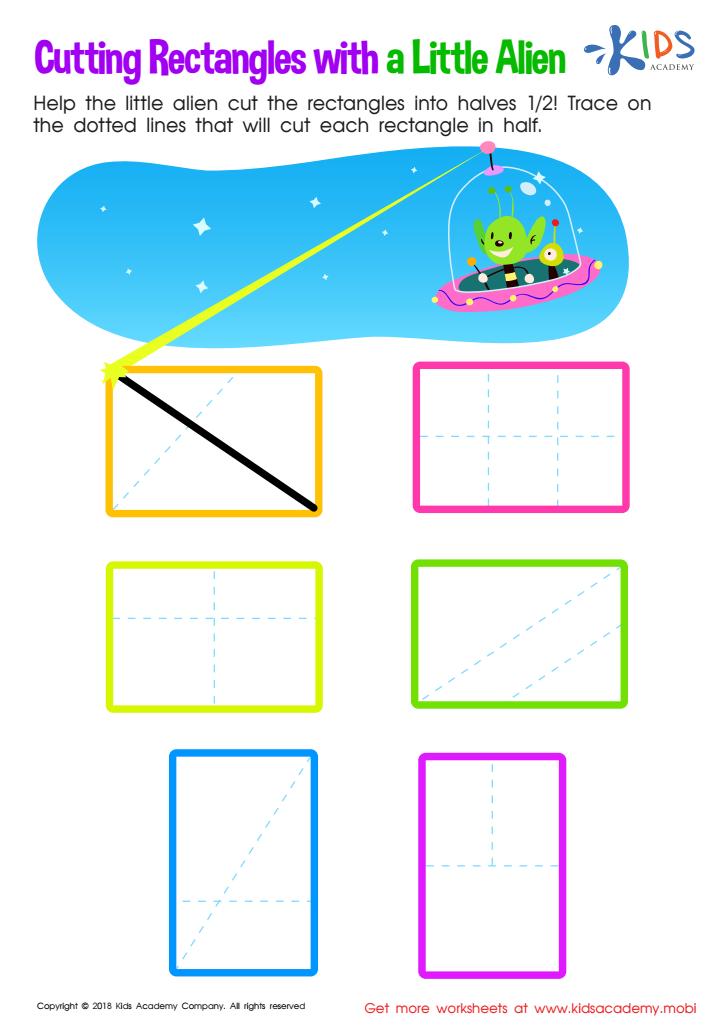
Cutting Rectangles with Alien Worksheet
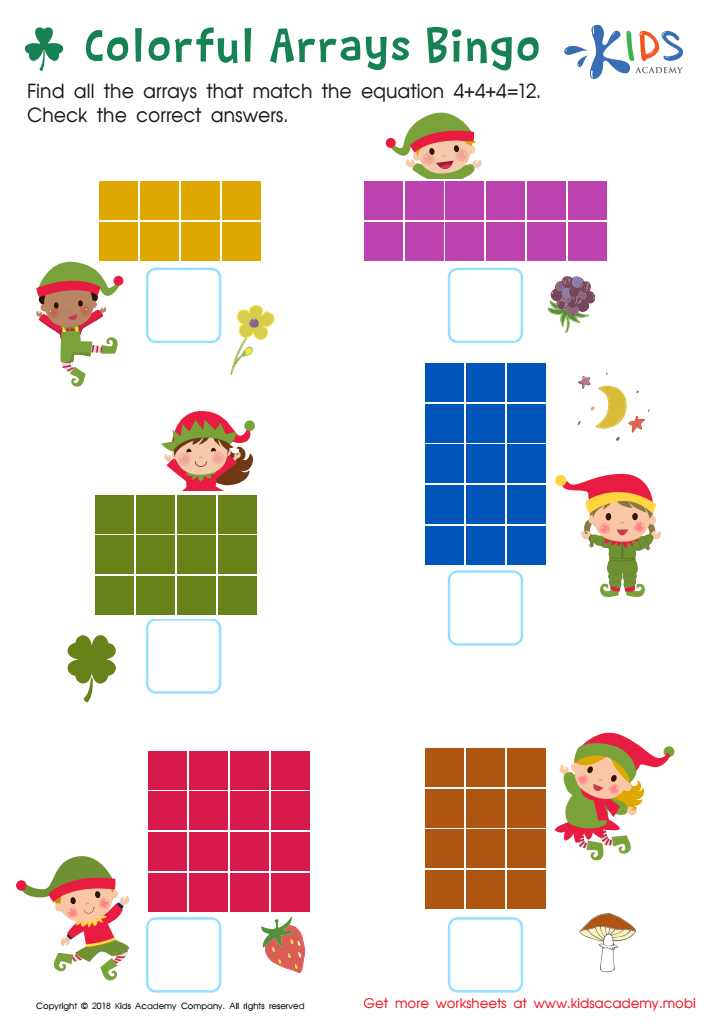
Colorful Arrays Bingo Worksheet
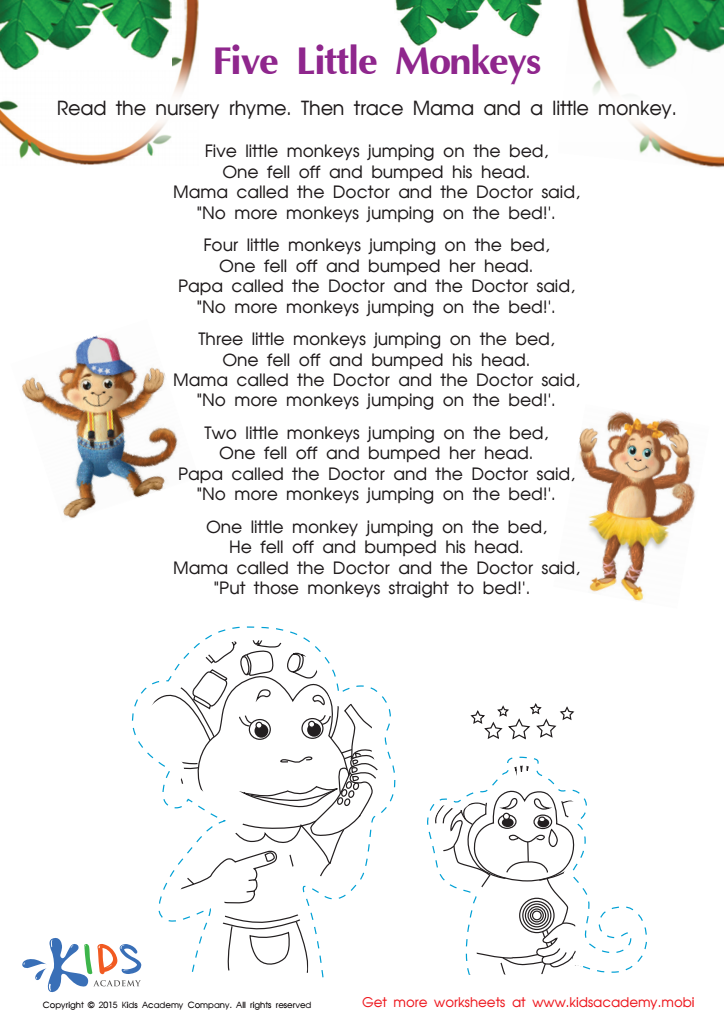
The Five Little Monkeys Nursery Rhyme Worksheet
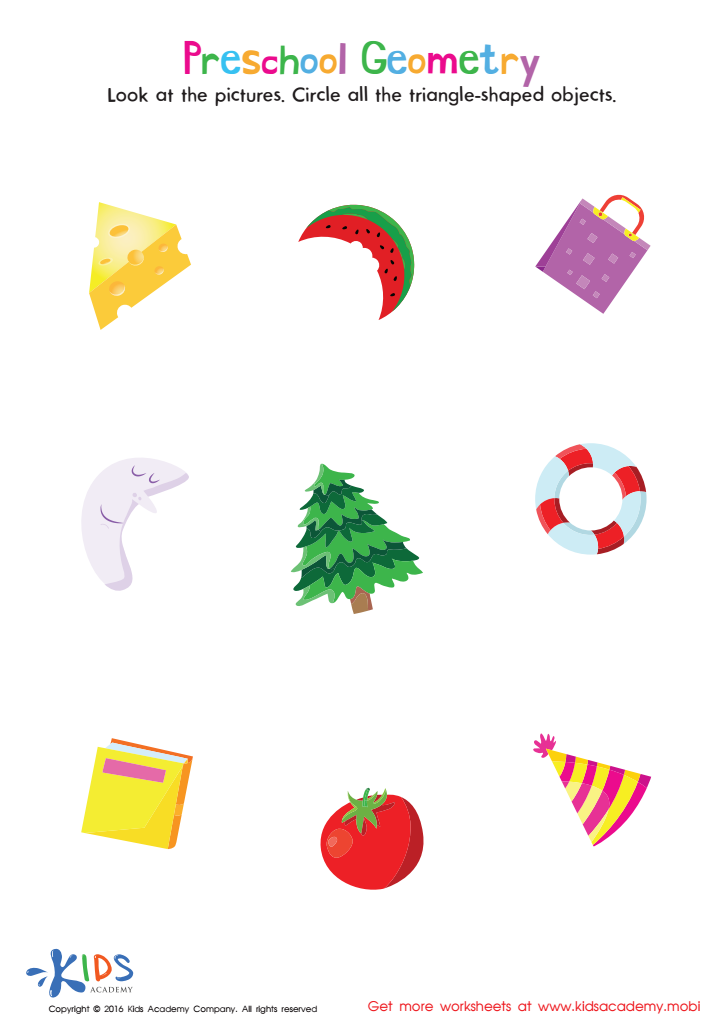
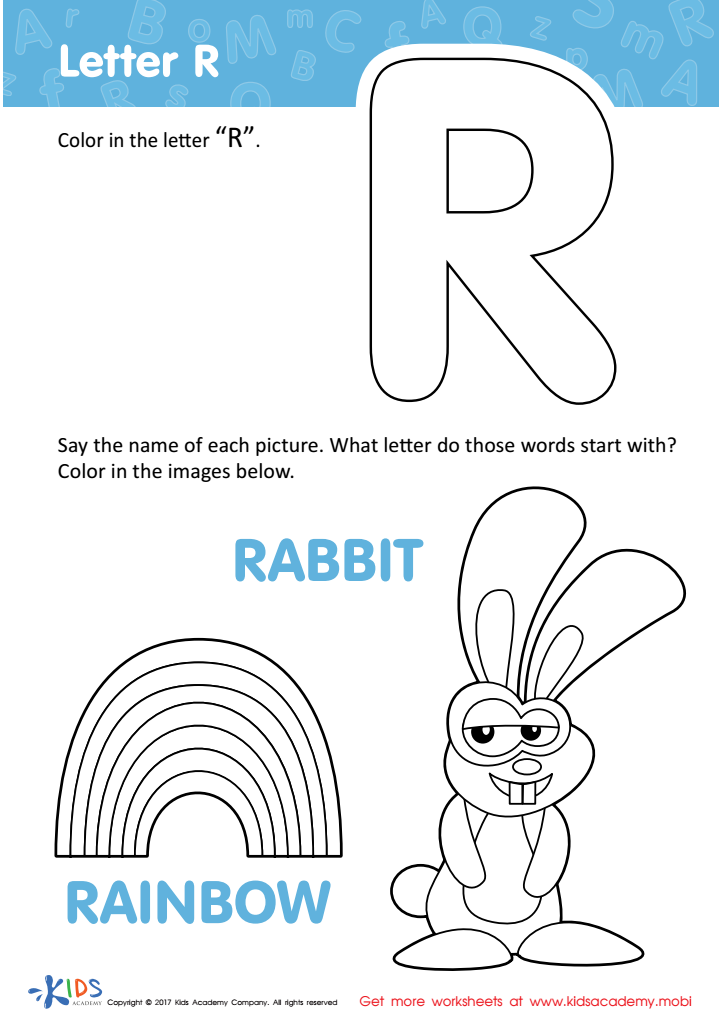
Letter R Coloring Sheet
Assign to My Students
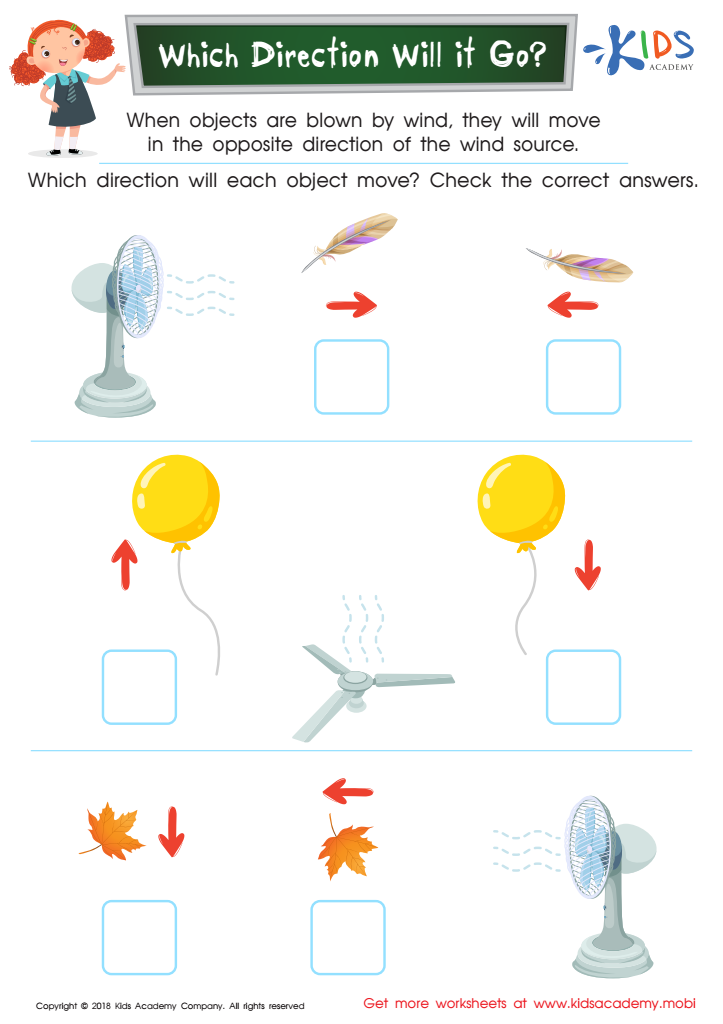
Which Direction Will it Go? Worksheet
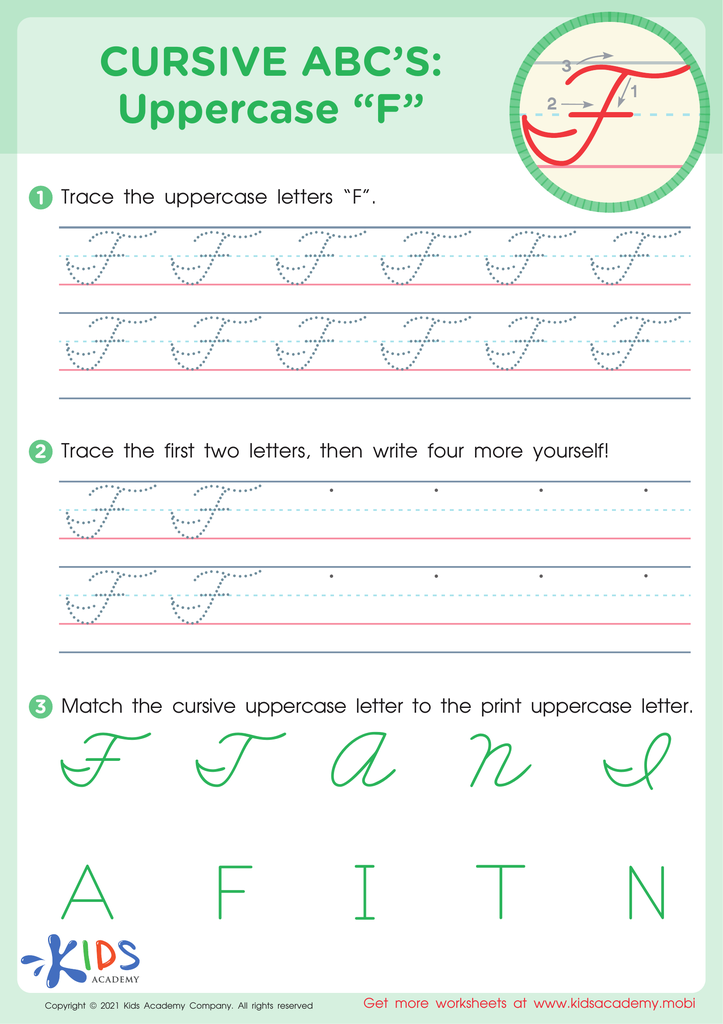
Cursive ABCs: Uppercase F
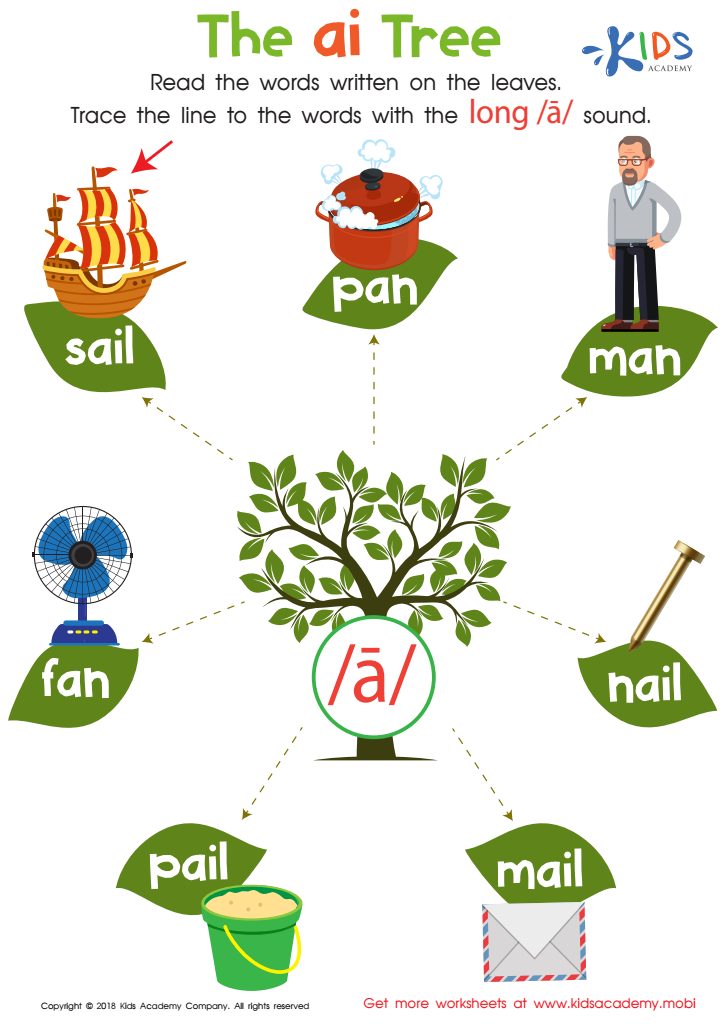
The AI Tree Worksheet
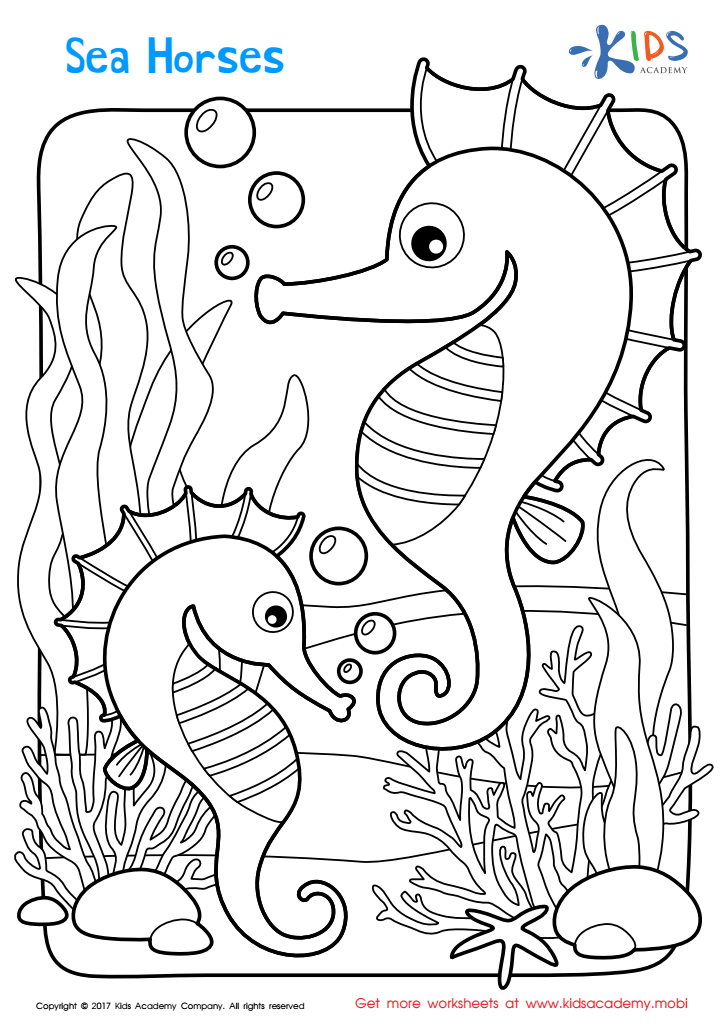
Sea Horses Printable
Assign to My Students
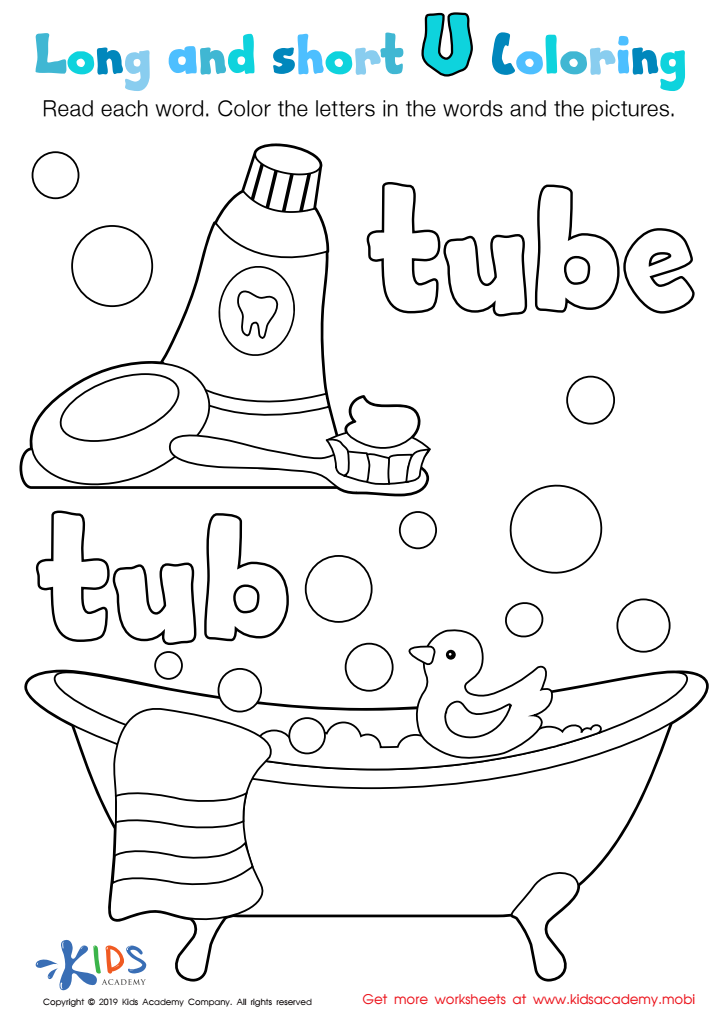
Long and Short U Worksheet
Assign to My Students
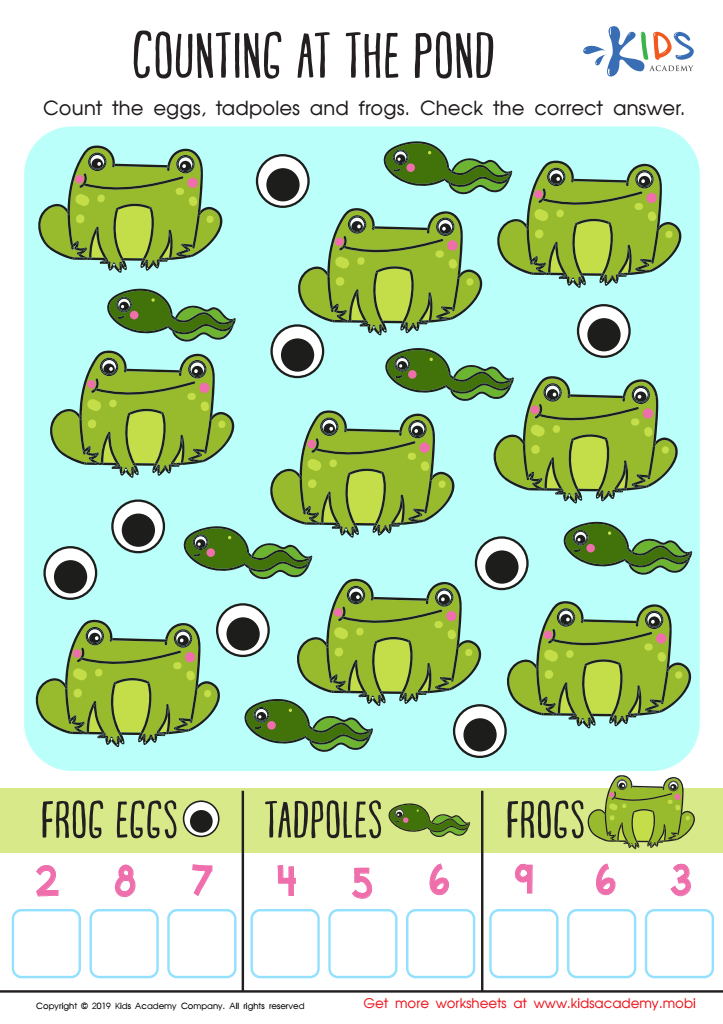
Counting at the Pond Worksheet
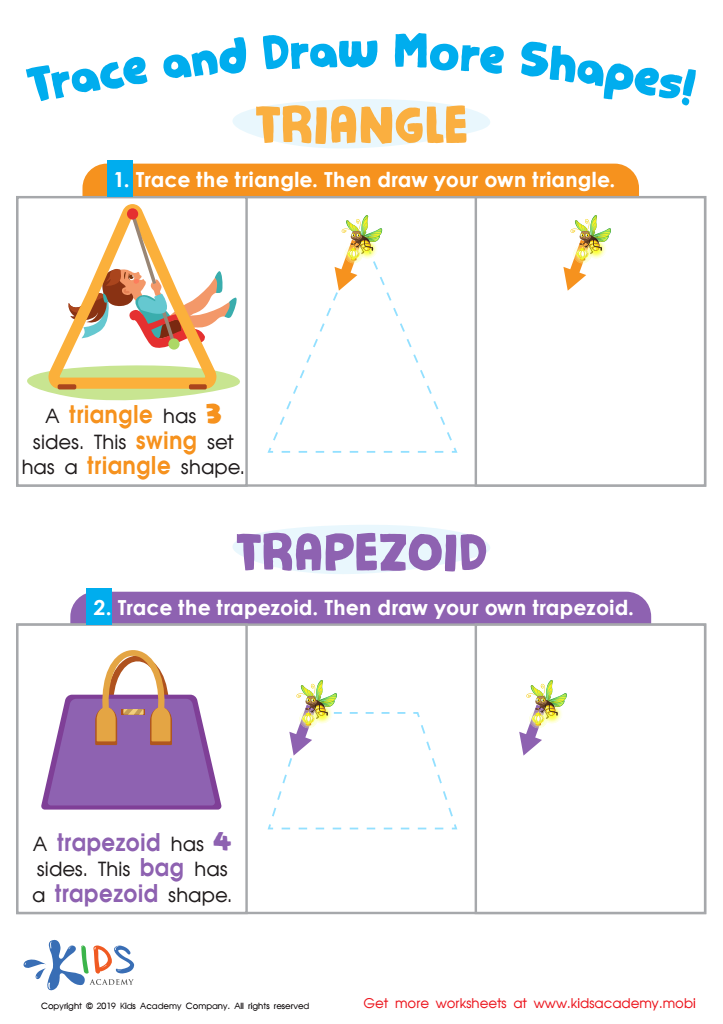
Trace and Draw More Shapes Worksheet


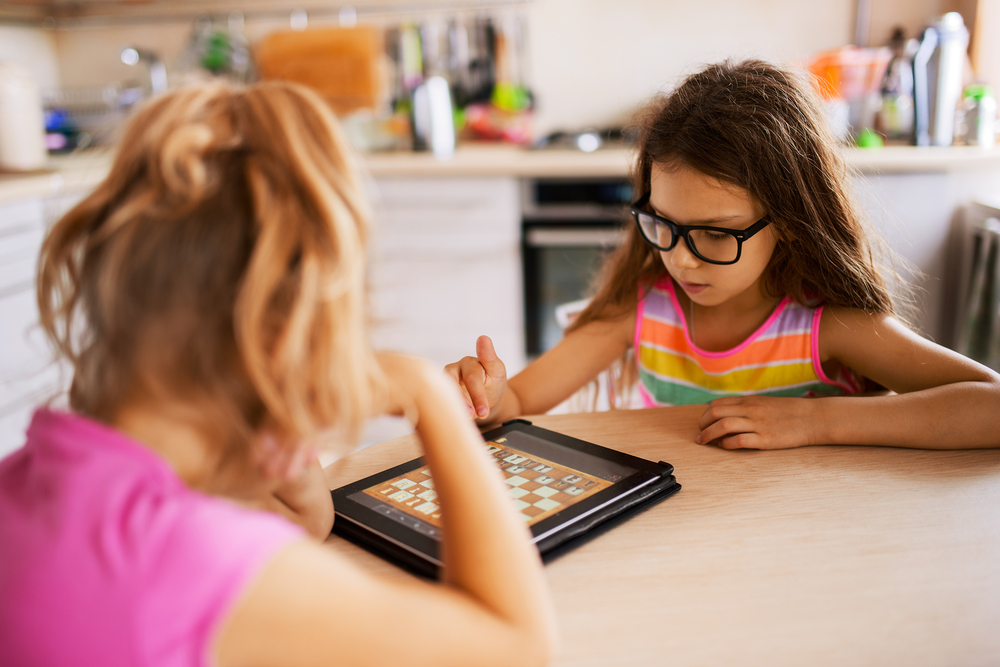





Hand-eye coordination is a critical skill that develops during ages 6-8, laying the foundation for various academic and physical activities. Parents and teachers should prioritize fostering this skill as it significantly impacts children's learning and development. Enhanced hand-eye coordination is essential for tasks like writing, drawing, and using classroom tools—activities that can directly affect a child's academic performance and confidence.
Moreover, hand-eye coordination is vital for participating in sports and physical activities. Children with well-developed coordination are more likely to engage in play, which helps them build social skills and a sense of teamwork. This physical engagement promotes overall health and reduces the likelihood of obesity.
Additionally, the development of these motor skills can improve children’s ability to follow instructions, focus, and enhance their cognitive abilities as they learn to control their body movements in relation to visual input. Incorporating fun, interactive activities and games—like ball games, puzzles, and arts and crafts—can further enliven skill development during this critical period. Ultimately, recognizing and nurturing hand-eye coordination during these formative years helps prepare children for future challenges both academically and socially.








