Handwriting practice Worksheets for Ages 6-8 - Page 3
88 filtered results
-
From - To
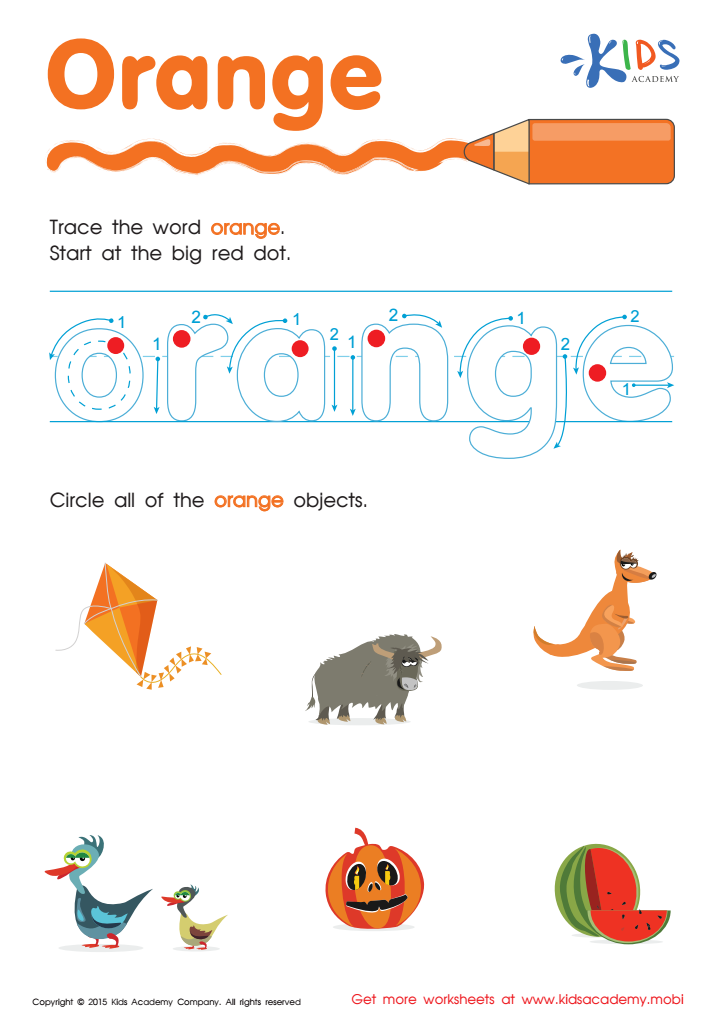
Orange Tracing Color Words Worksheet
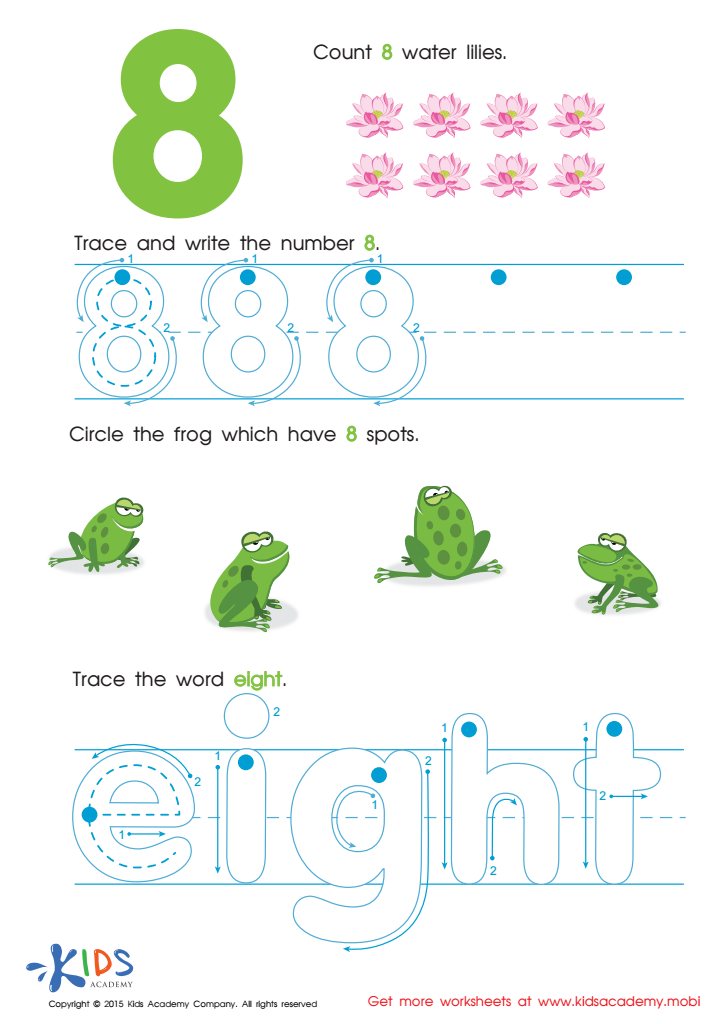
Learn Number 8 Easily Worksheet
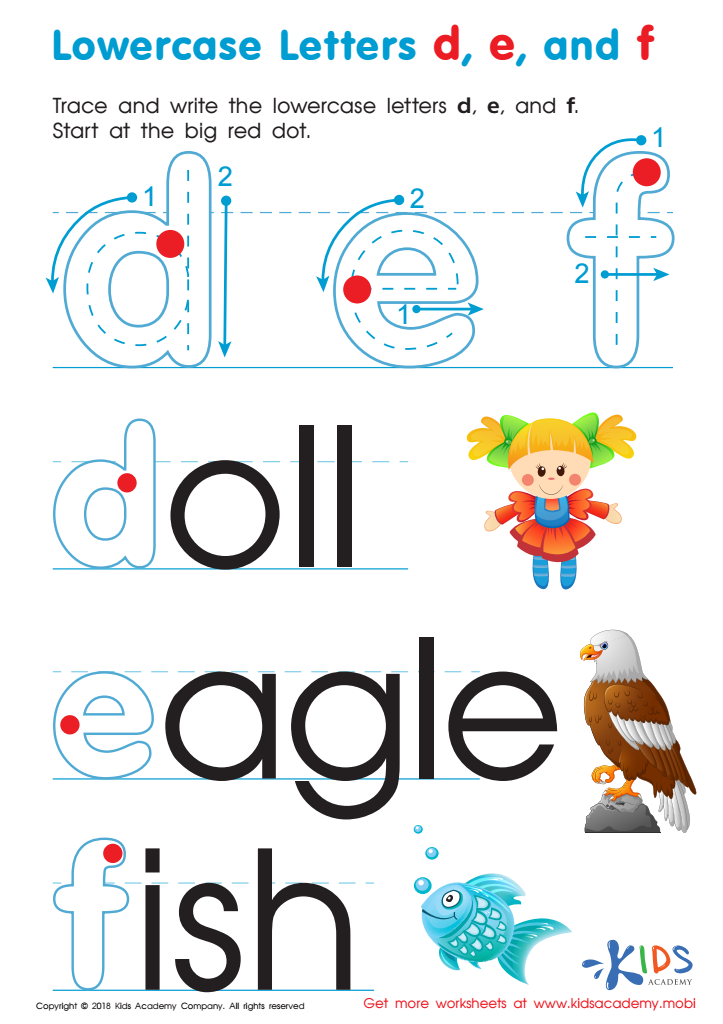
Lowercase Letters d e f Worksheet

Count the Carrots and Trace the Number 7 Printable

Letter V Tracing Page
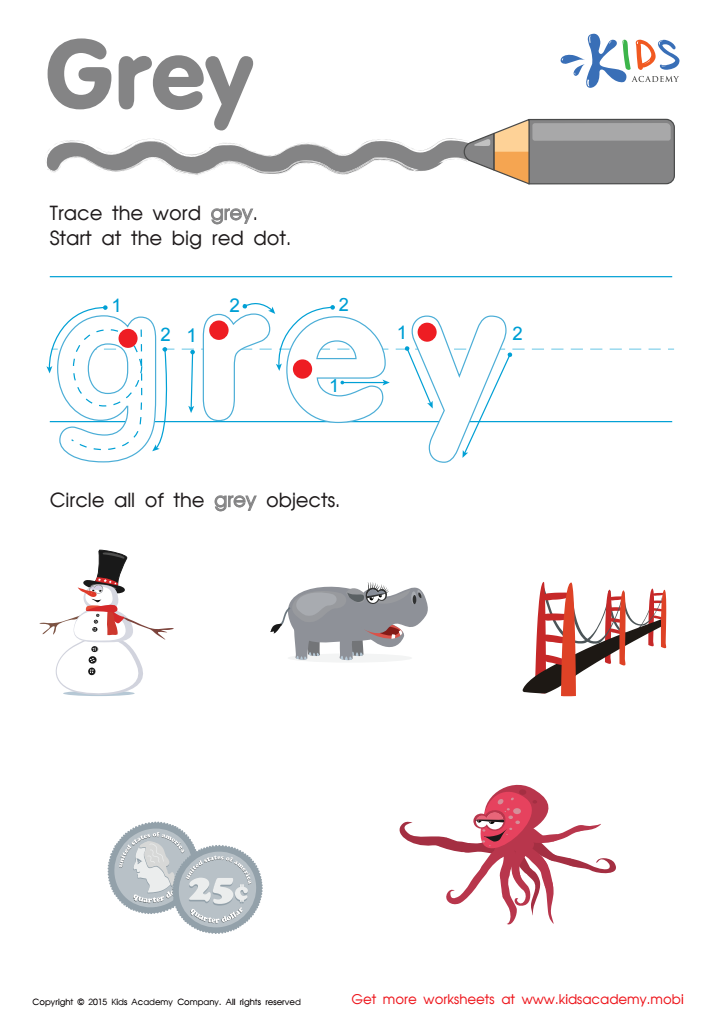
Grey Tracing Color Words Worksheet
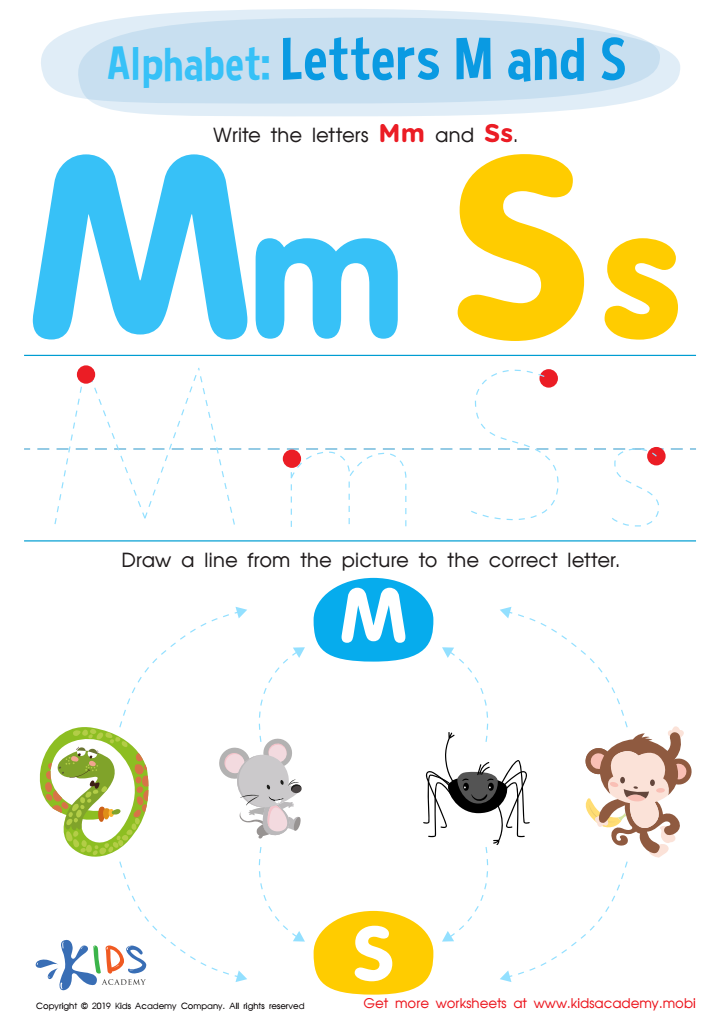
Letters M and S Tracing Worksheet
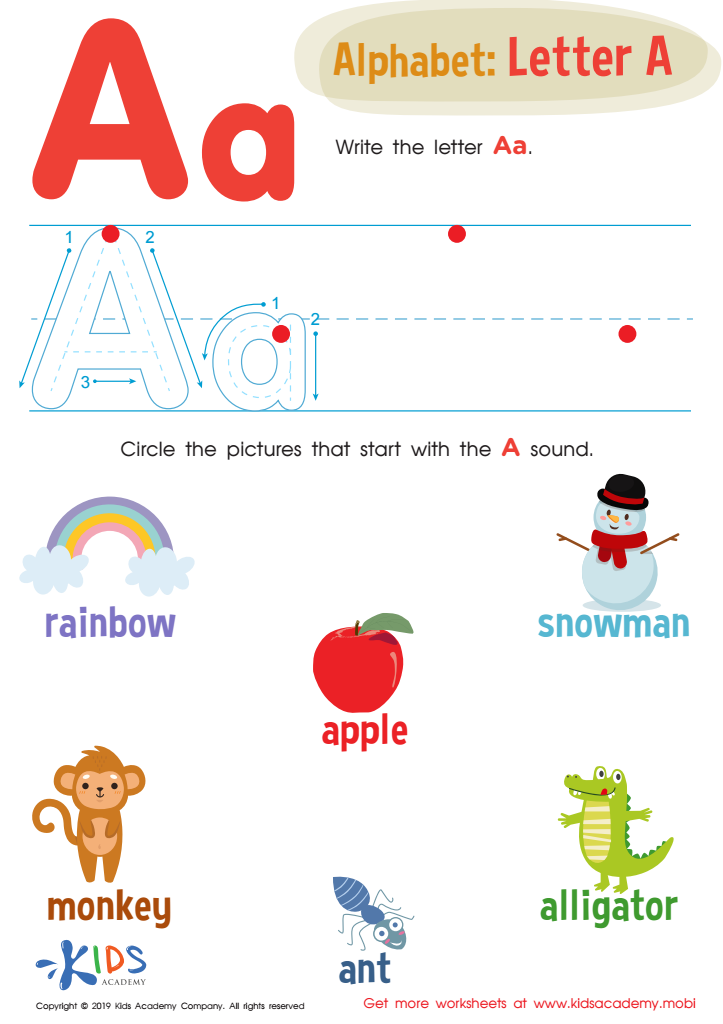
Letter A Tracing Worksheet
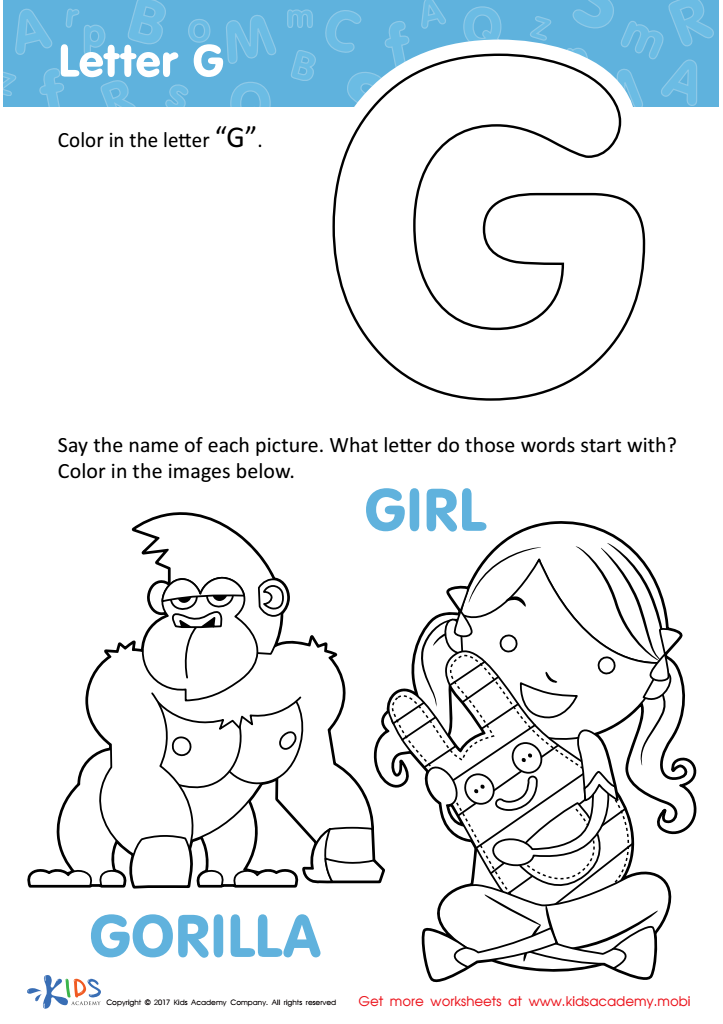
Letter G Coloring Sheet
 Assign to My Students
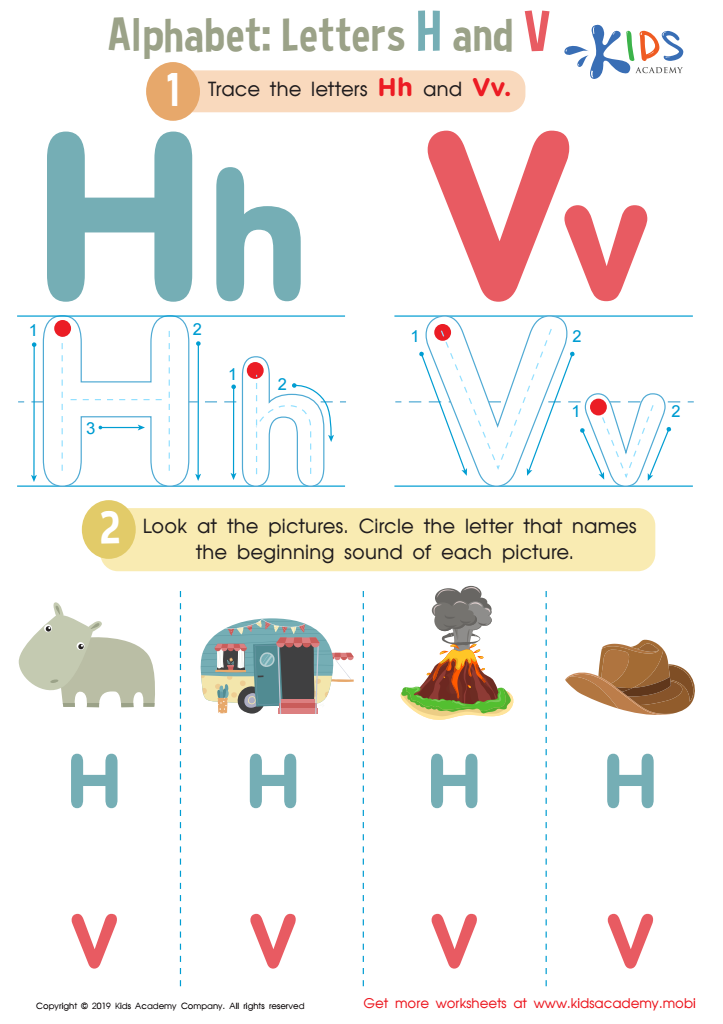
Letters H and V Tracing Worksheet
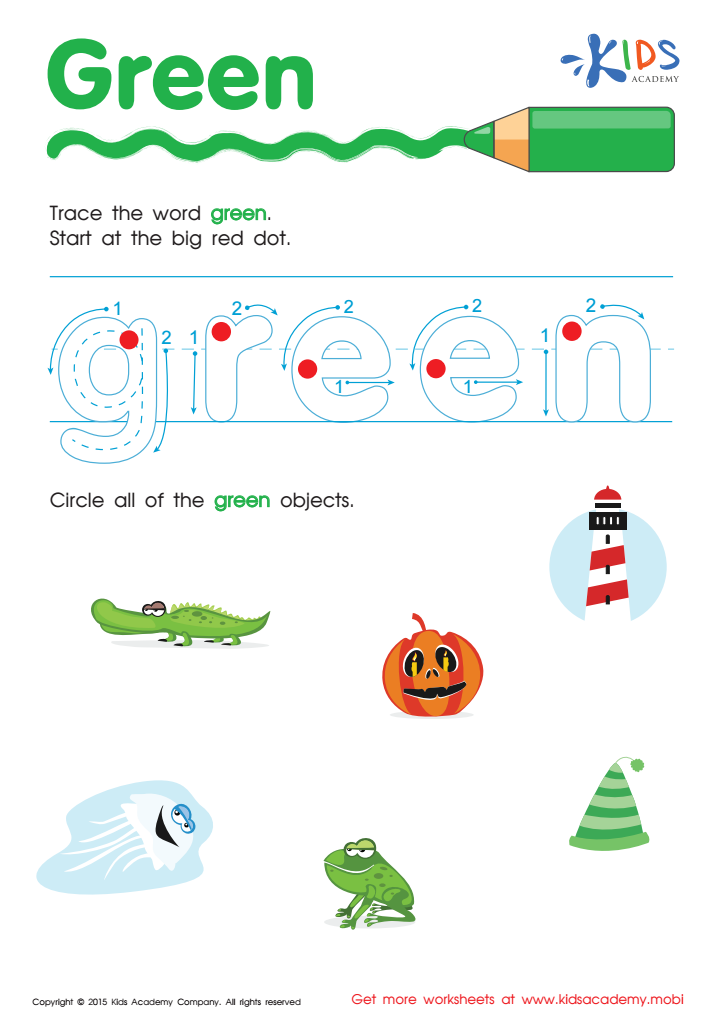
Green Tracing Color Words Worksheet
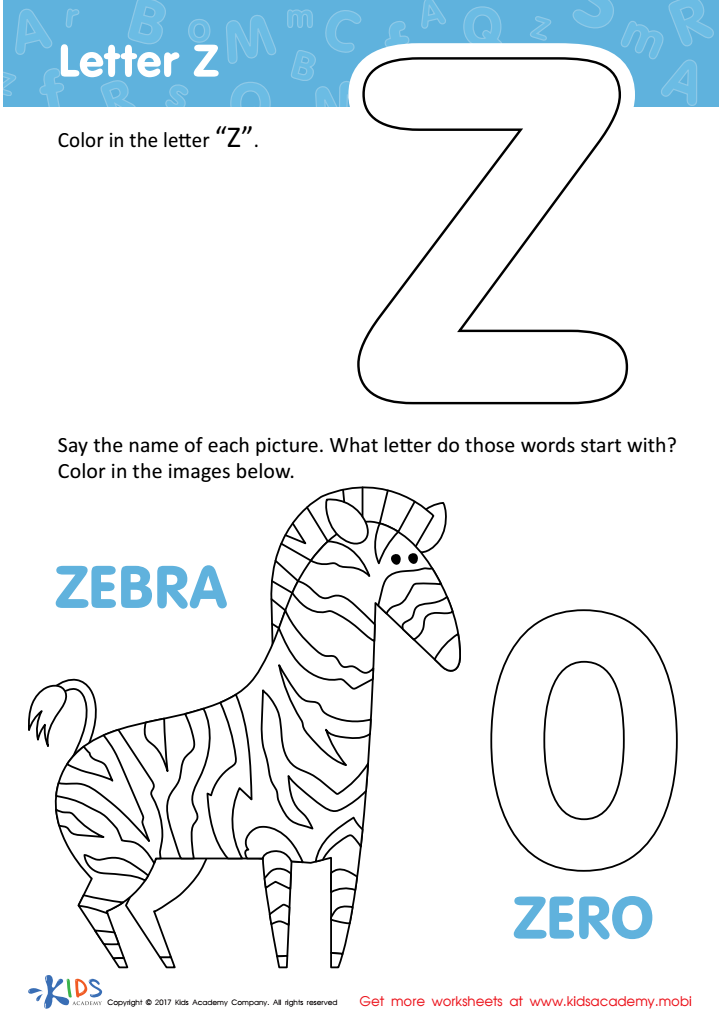
Letter Z Coloring Sheet
Assign to My Students
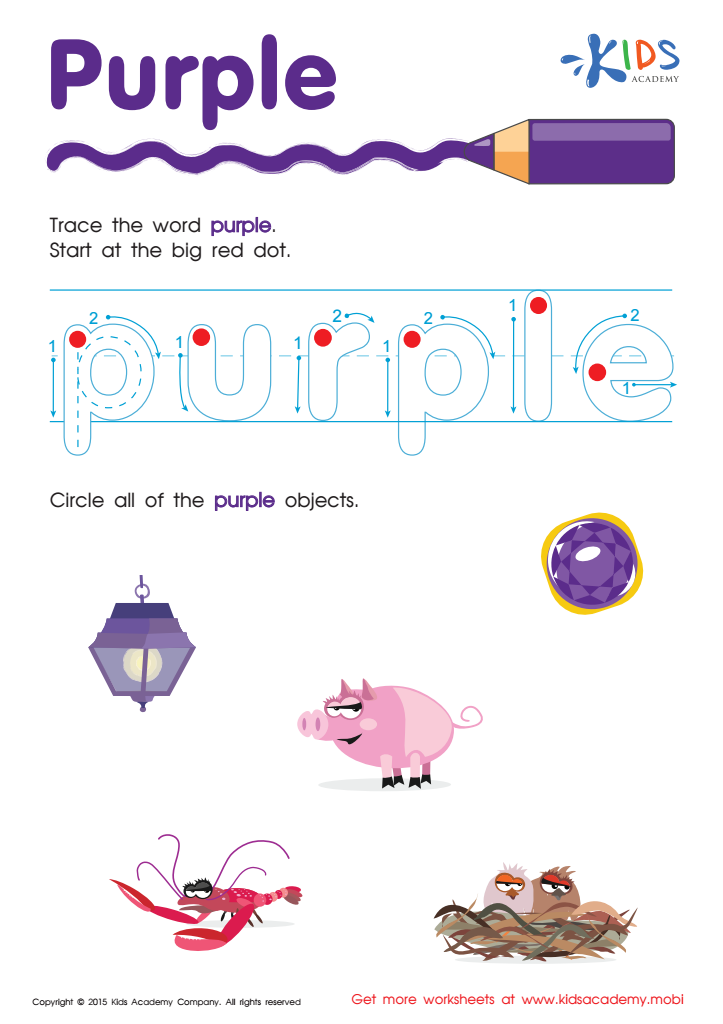
Purple Tracing Color Words Worksheet
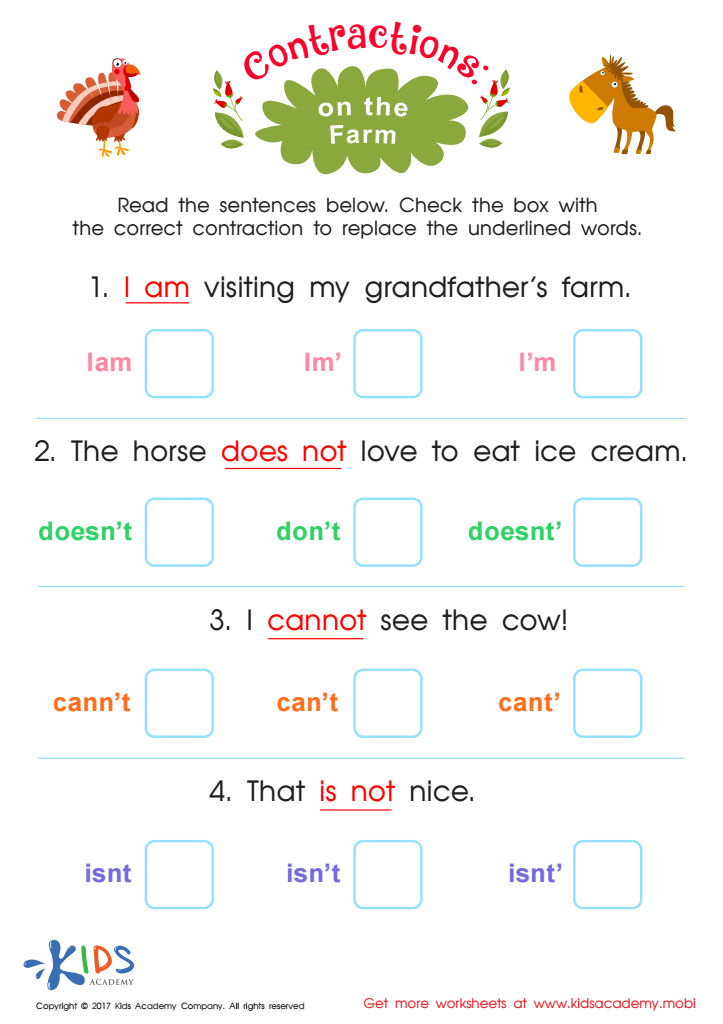
Contractions: On the Farm Printable
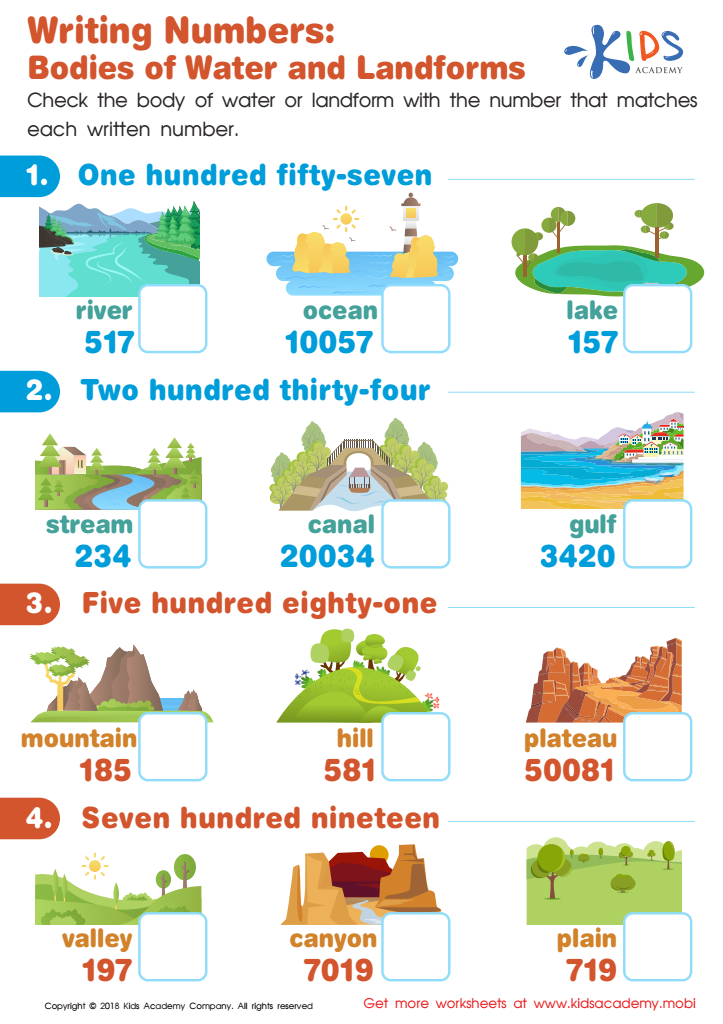
Bodies of Water and Landforms Writing Numbers Worksheet
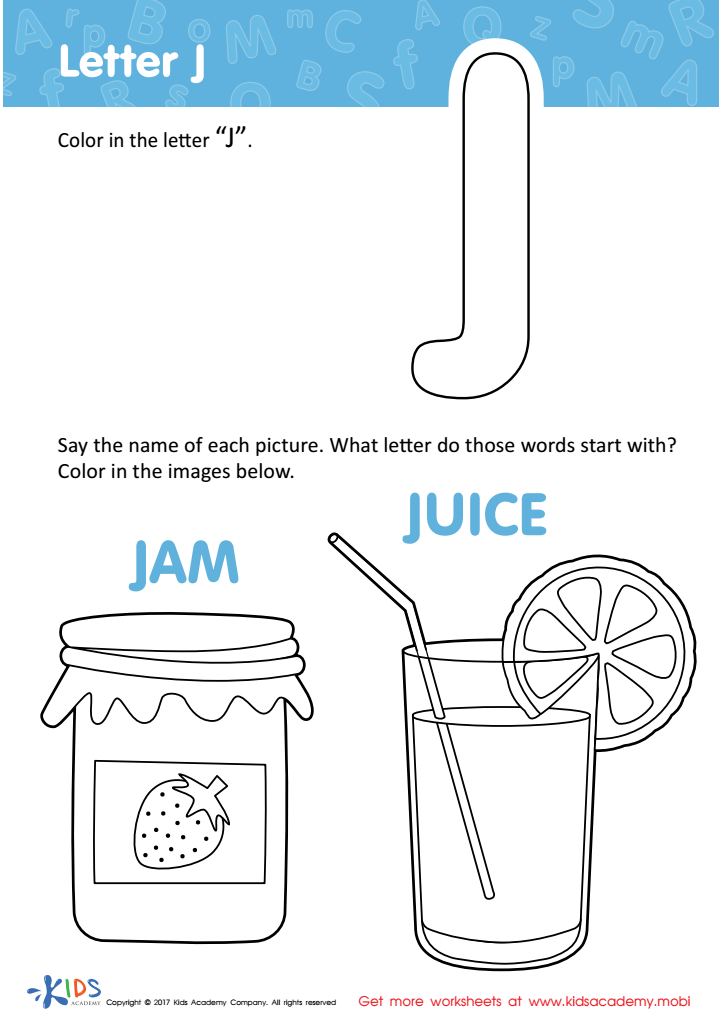
Letter J Coloring Sheet
Assign to My Students
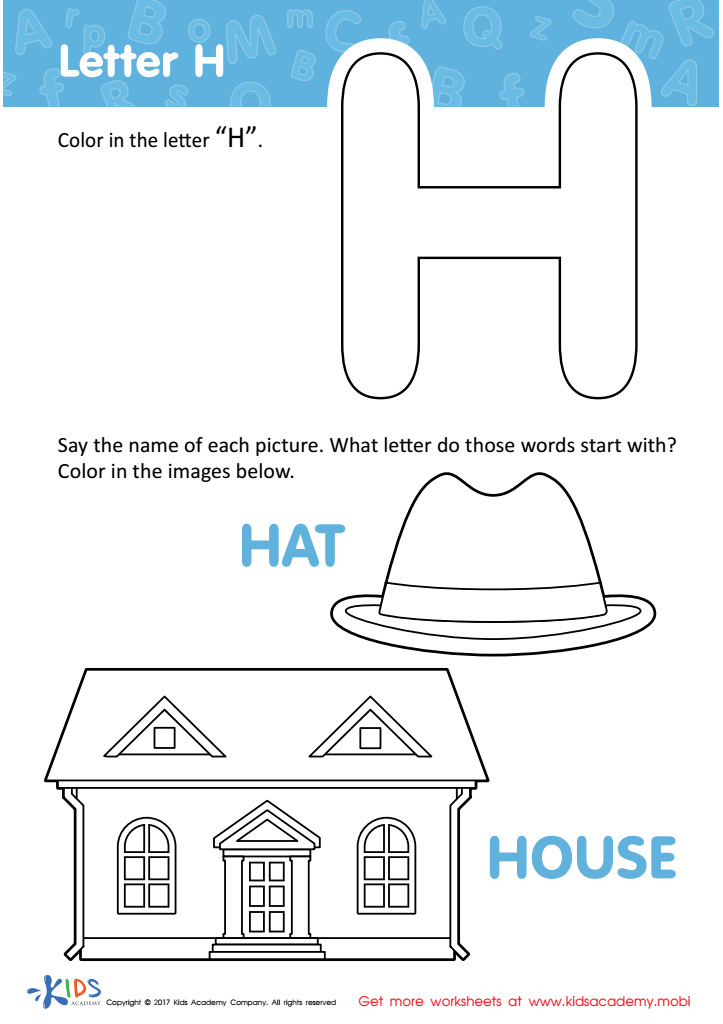
Letter H Coloring Sheet
Assign to My Students
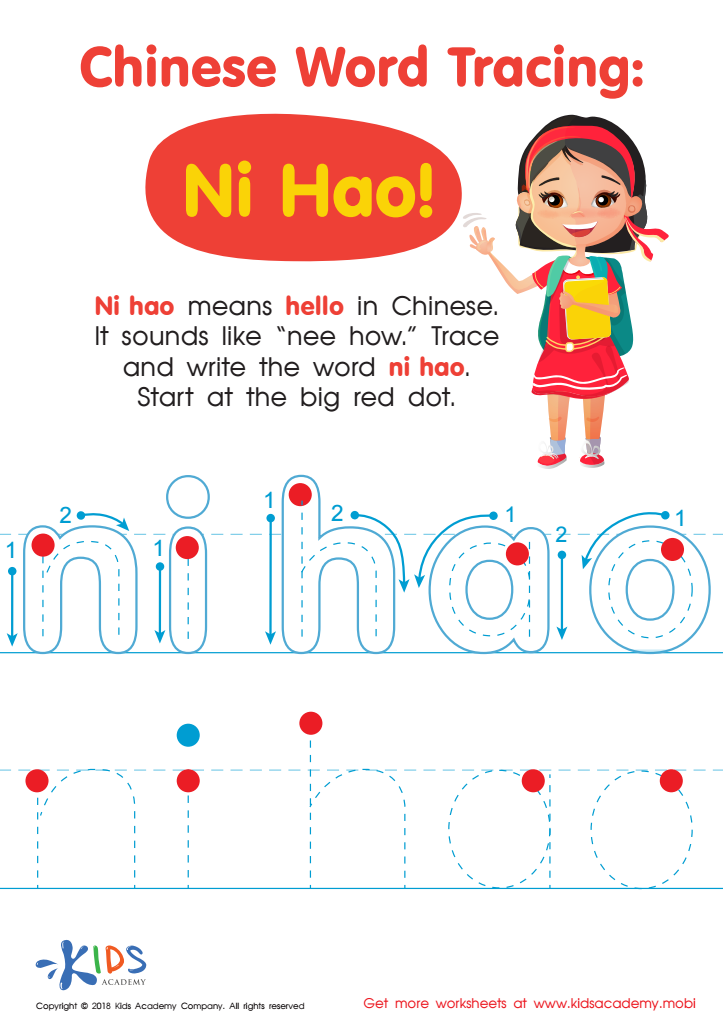
Chinese Word Tracing: Ni Hao Worksheet
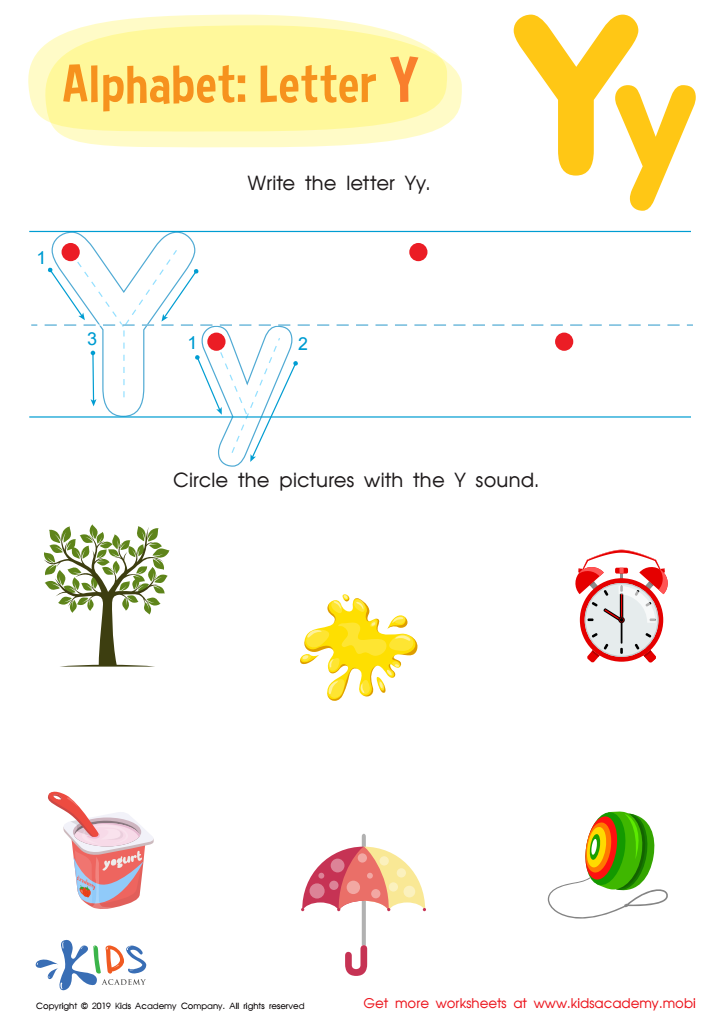
Letter Y Tracing Worksheet
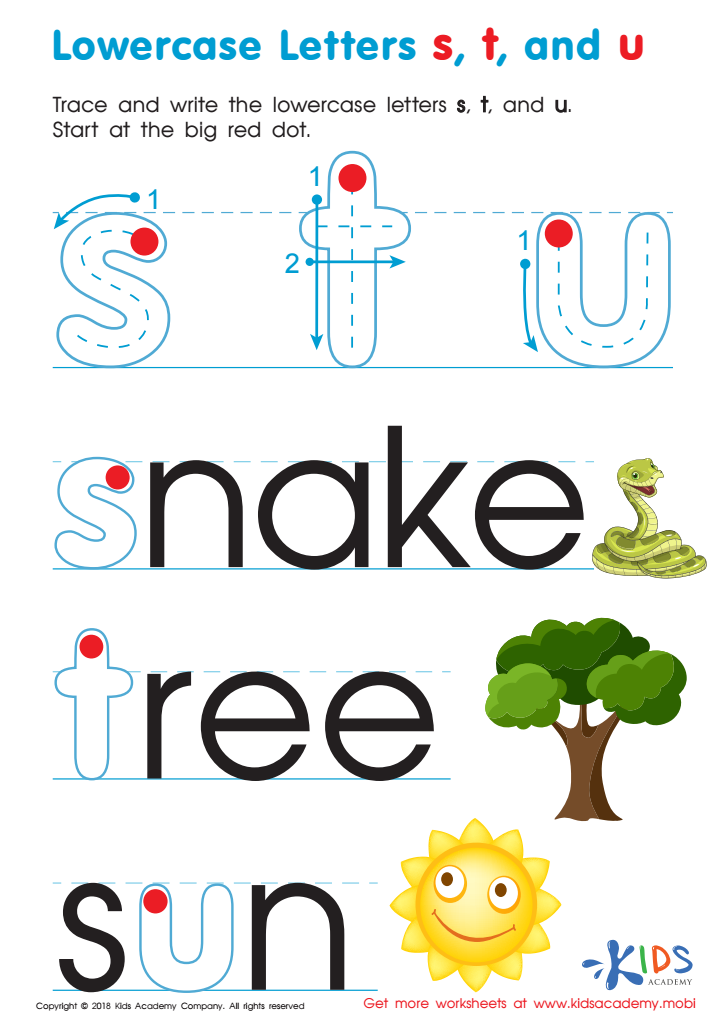
Lowercase Letters s t u Worksheet
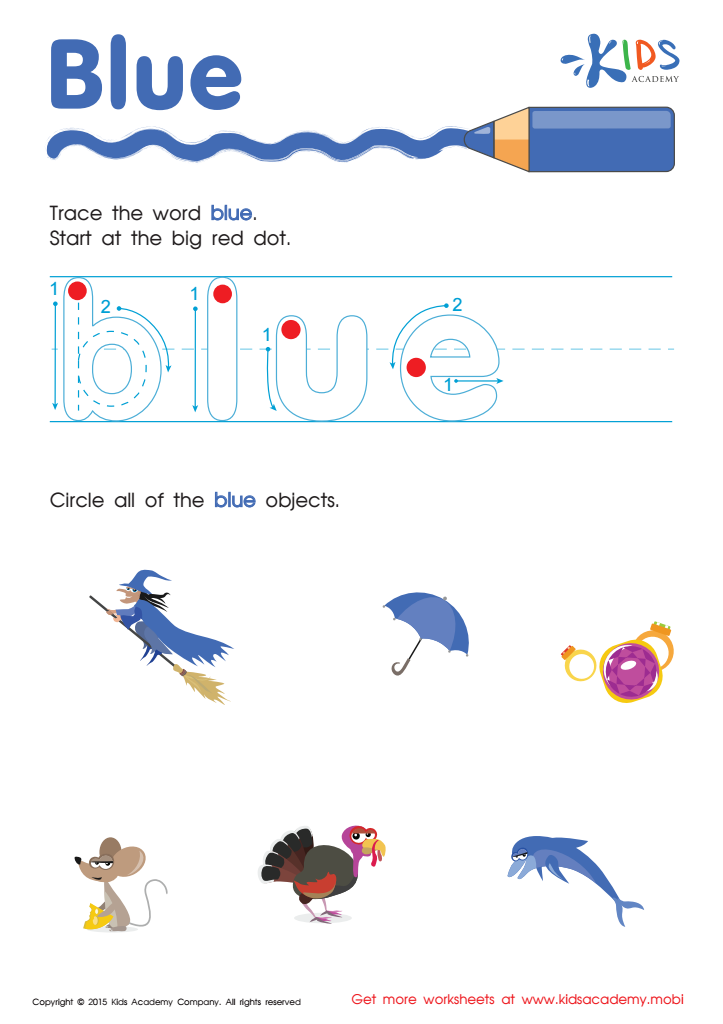
Blue Tracing Color Words Printable
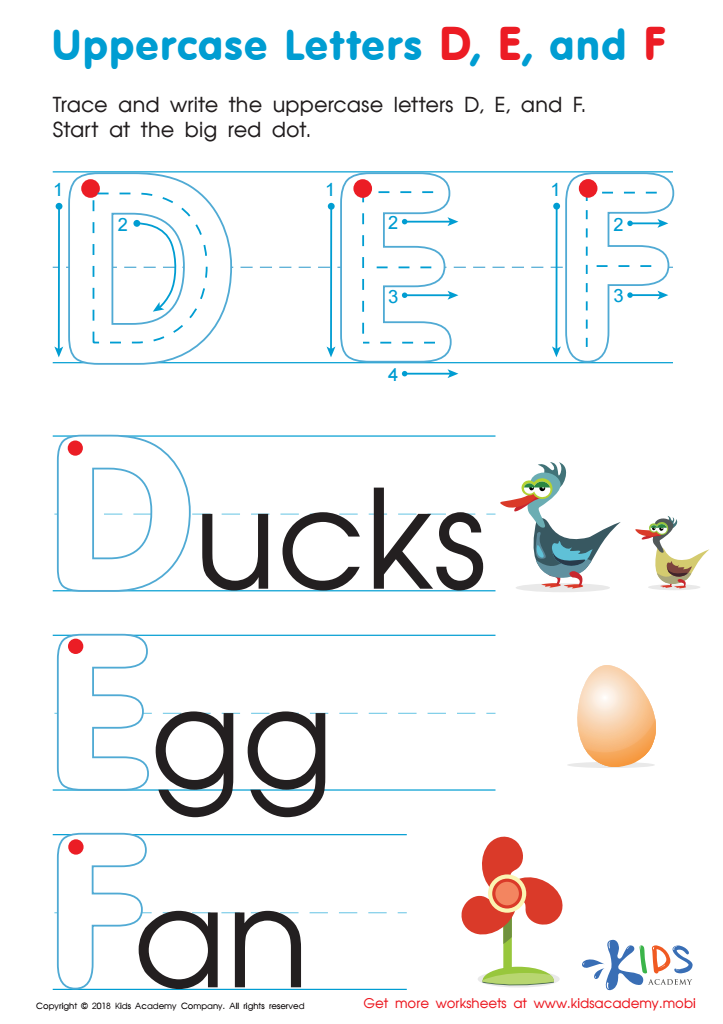
Uppercase Letters D, E, and F Worksheet

Brown Tracing Color Words Worksheet
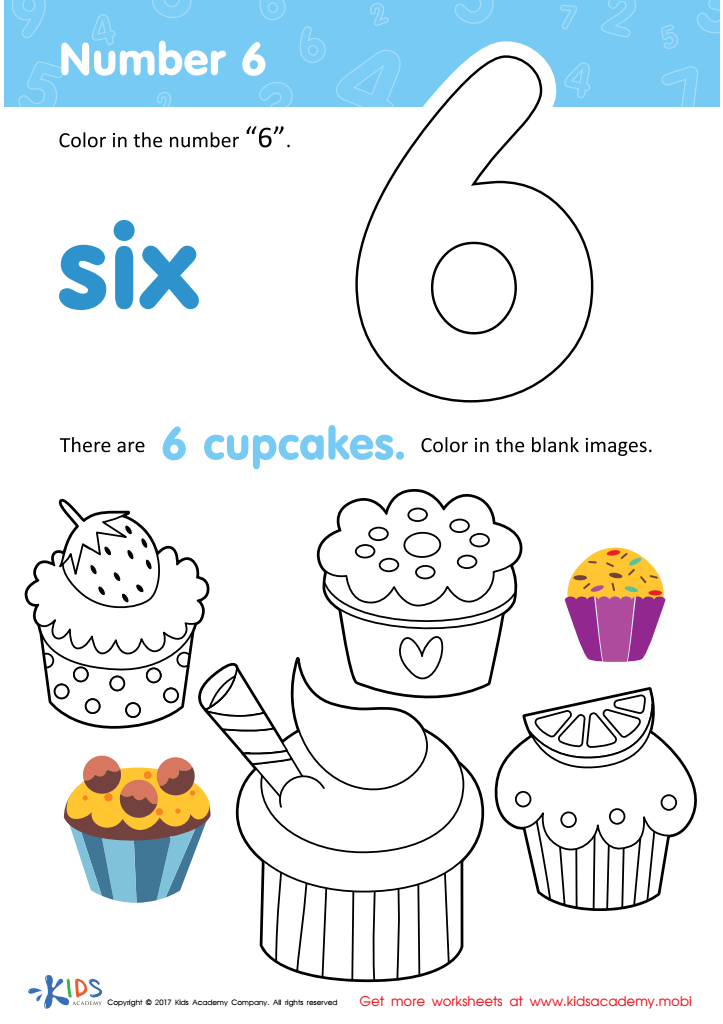
Number 6 Worksheet
Assign to My Students



%20(1).jpg)




Handwriting practice is crucial for children ages 6-8 for several reasons. During this developmental stage, children refine their fine motor skills, which are essential not only for writing but also for everyday tasks like buttoning clothes and using utensils. Practicing handwriting helps strengthen these skills, enhancing hand-eye coordination and muscle memory.
Moreover, handwriting promotes cognitive development. As children learn to form letters and words, they engage in critical thinking and problem-solving as they connect sounds with symbols. This process supports literacy, as studies show that children who practice handwriting tend to improve their spelling and reading skills.
Additionally, handwriting has social-emotional benefits. The act of writing provides children with a means to express their thoughts and feelings, fostering creativity and building their confidence. When they see their progress, whether through improved neatness or speed, they'll feel a sense of accomplishment.
Lastly, in an increasingly digital world, the ability to write legibly remains essential. Many tasks still require handwritten communication, making handwriting practice an important part of preparing children for their future academic and personal lives. By prioritizing handwriting, parents and teachers equip children with valuable skills that benefit their overall development and learning journey.








