Improving analytical skills Worksheets for Ages 6-8
5 filtered results
-
From - To
Boost your child's critical thinking with our "Improving Analytical Skills Worksheets for Ages 6-8". Designed specifically for young learners, these engaging worksheets will help enhance logical reasoning, problem-solving, and cognitive abilities. Each activity is carefully crafted to challenge kids while making learning enjoyable. Our printable resources cover a variety of topics and formats to keep children interested and motivated. Whether used in the classroom or at home, these worksheets will support your child's development in a fun and interactive way. Start your child's journey towards becoming a confident and analytical thinker today.
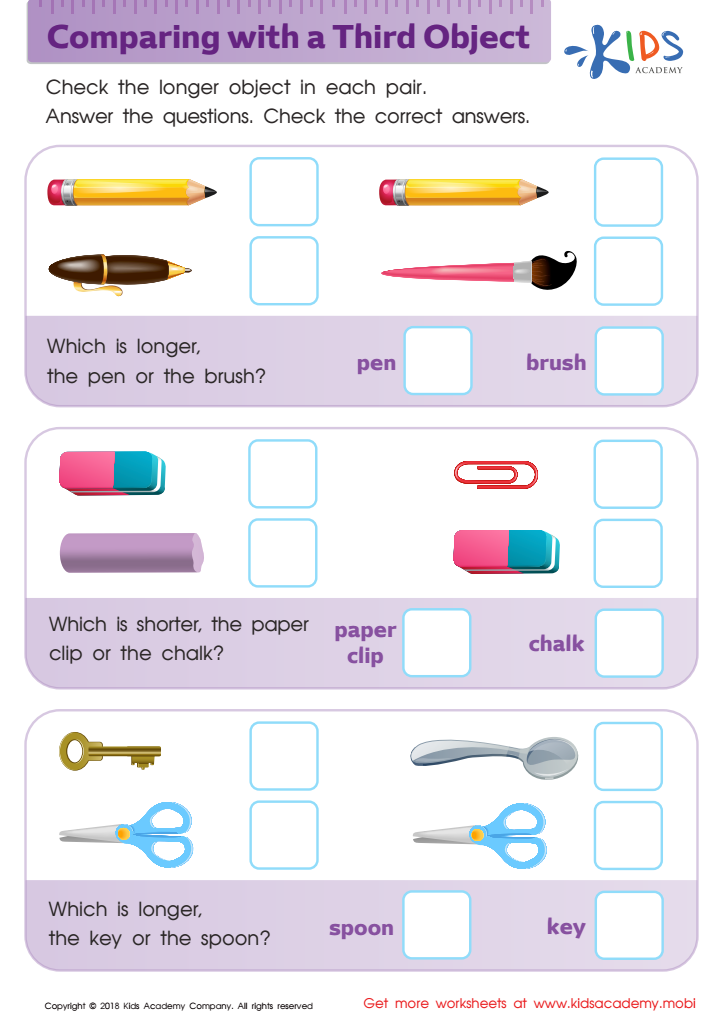
Comparing with a Third Object Worksheet
 Assign to My Students
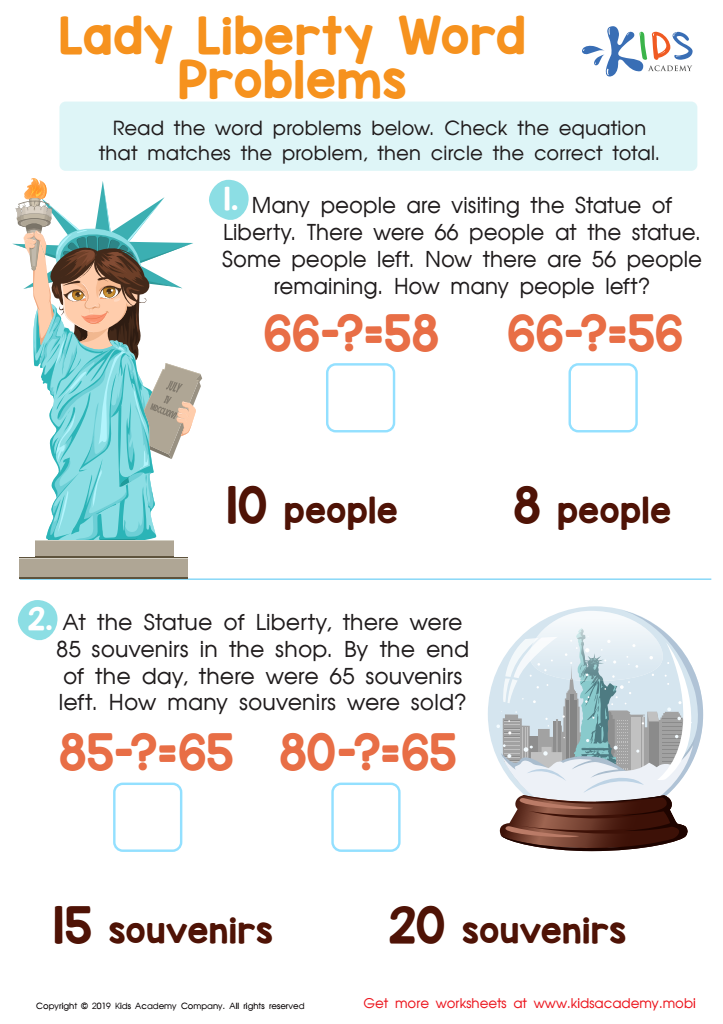
Lady Liberty Worksheet
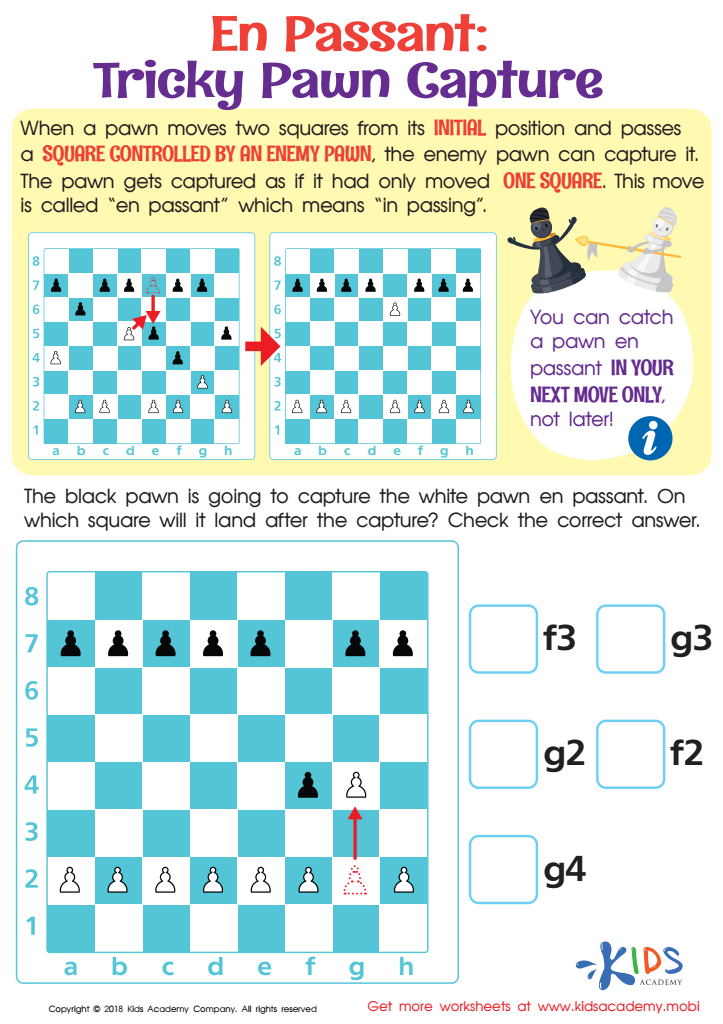
En Passant: Tricky Pawn Capture Worksheet

Horse Race Worksheet








Improving analytical skills in children aged 6-8 is crucial for their overall cognitive development and academic success. At this formative stage, kids’ brains are remarkably receptive and adaptable, making it an ideal period to introduce activities that promote analytical thinking. Parents and teachers are instrumental in nurturing these skills, which are essential for solving problems, making decisions, and understanding complex concepts later in life.
Analytical skills enable children to break down information, identify patterns, and make connections between different pieces of knowledge. This is not only beneficial for subjects like math and science but also enhances reading comprehension and critical thinking in all areas of learning. When children engage in analytical tasks, they learn to approach problems methodically rather than memorizing facts, fostering a deeper understanding.
Moreover, strong analytical skills contribute to better social and emotional development. They help children understand perspectives, resolve conflicts, and navigate social interactions with empathy and insight. Encouraging activities like puzzles, open-ended questions, and exploratory play lays a foundation for lifelong learning and curiosity.
In essence, focusing on enhancing analytical skills during these early years sets children up for future academic success, effective problem-solving, and continuous personal growth. Therefore, parents and teachers should be invested in fostering these skills to ensure well-rounded development.








