Improving math skills Worksheets for Ages 6-8 - Page 2
47 filtered results
-
From - To
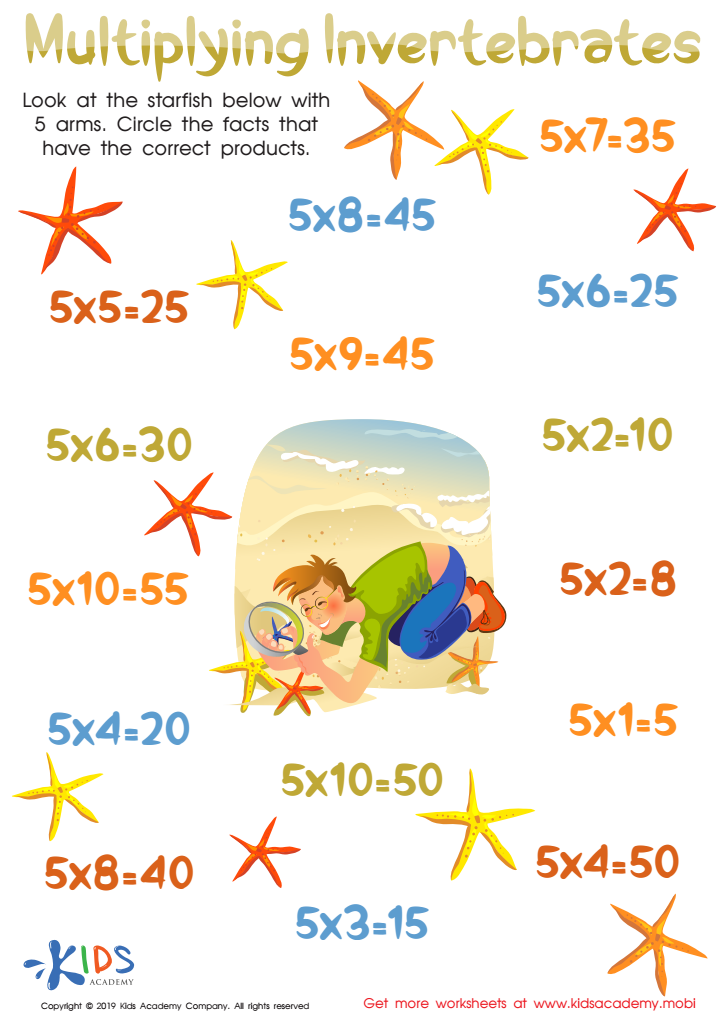
Multiplying Invertebrates Worksheet
 Assign to My Students
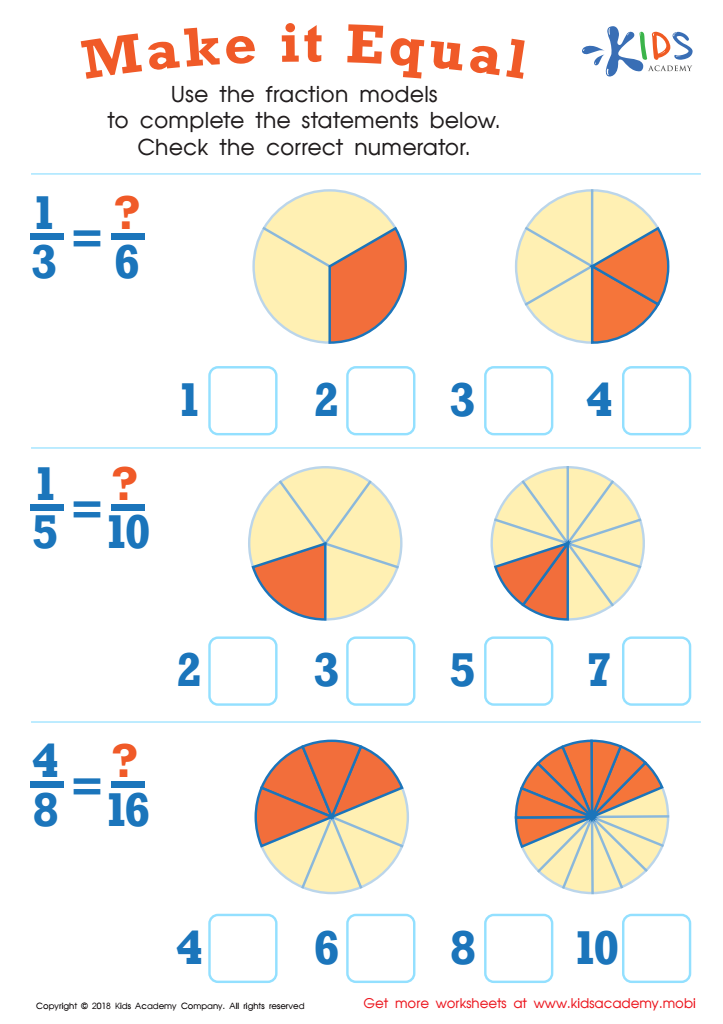
Make It Equal Worksheet
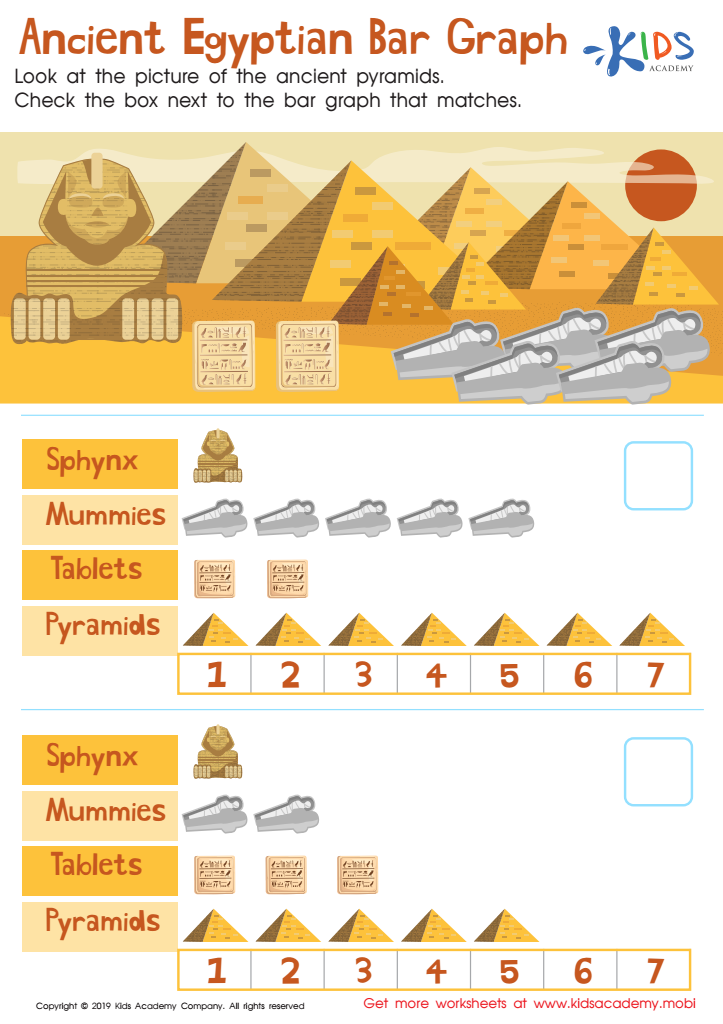
Egyptian Bar Graph Worksheet
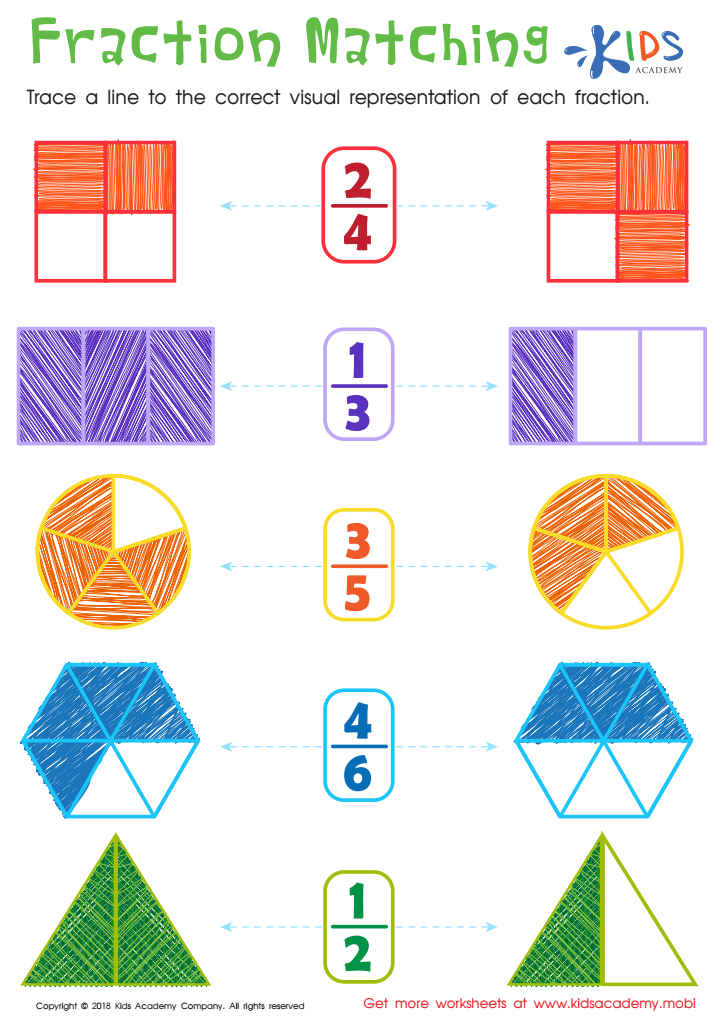
Fraction Matching Worksheet
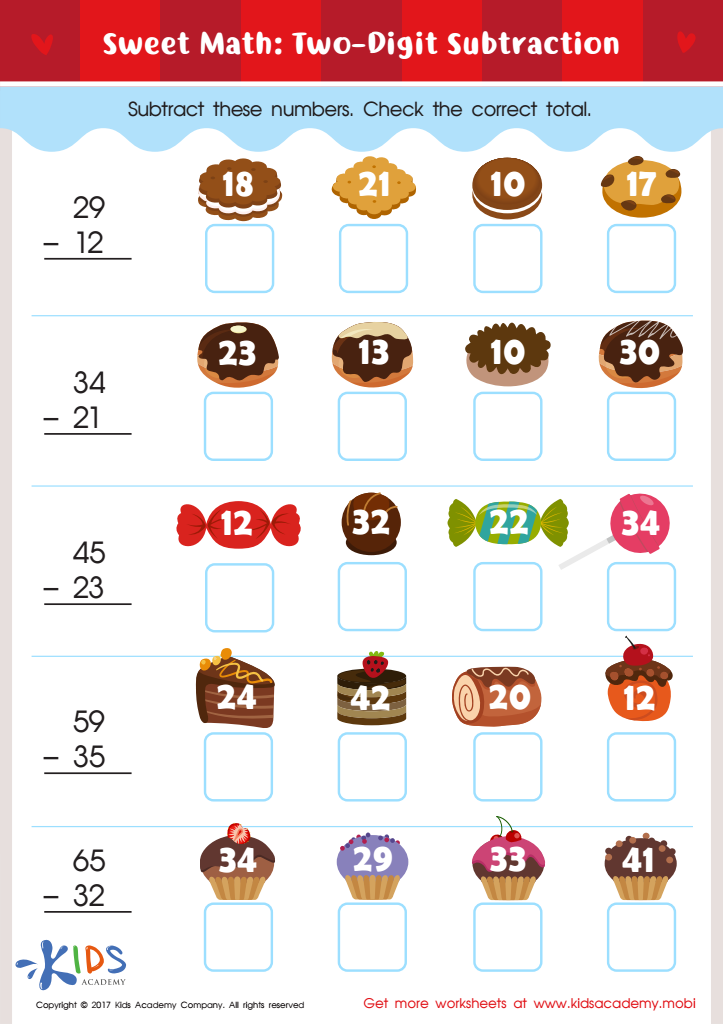
Two Digit Subtraction Worksheet
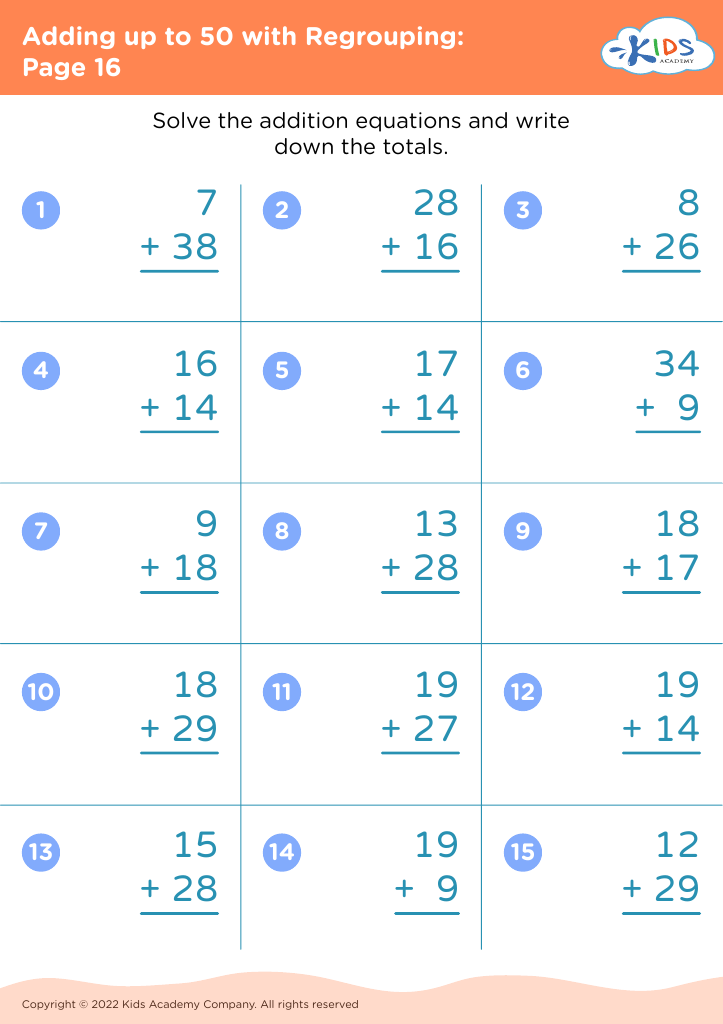
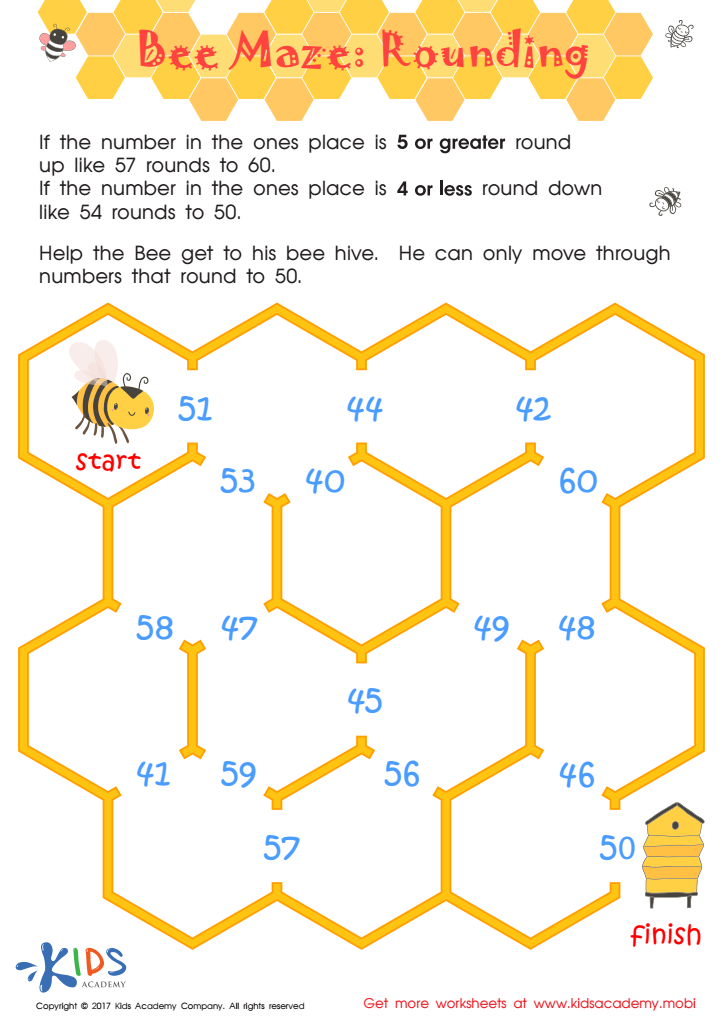
Bee Maze Worksheet
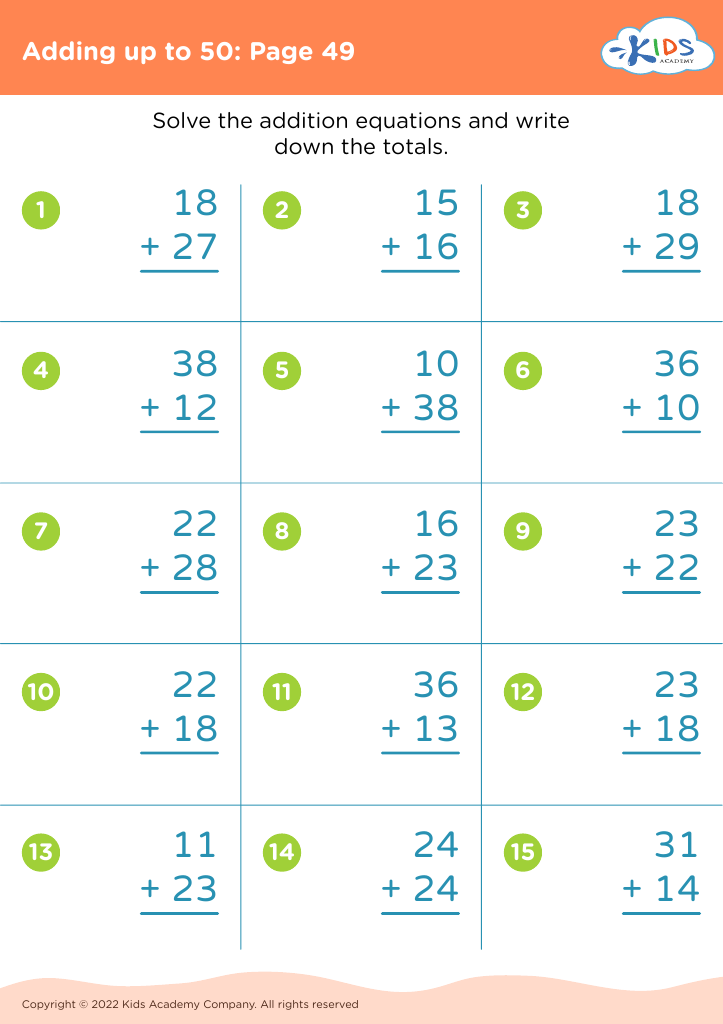
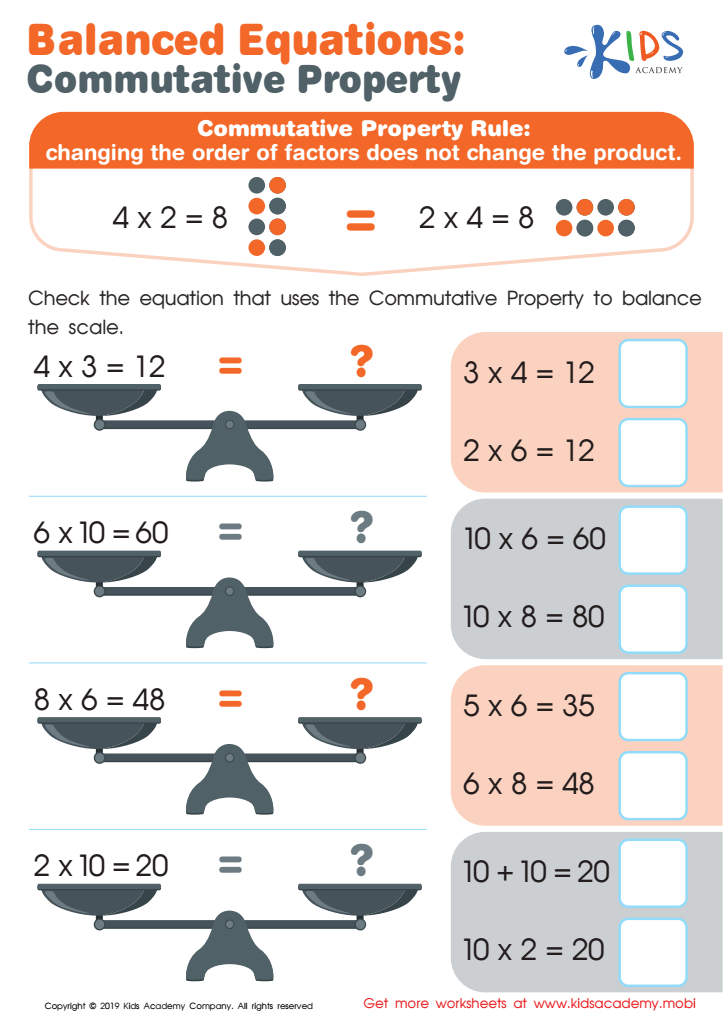
Balanced Equations: Commutative Property Worksheet
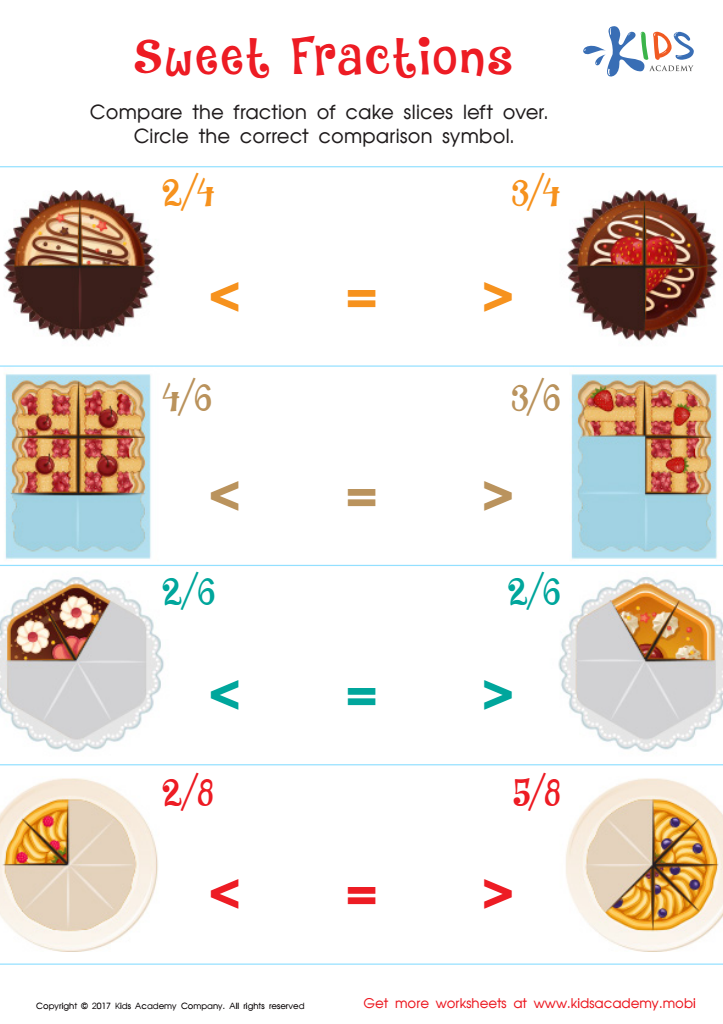
Compare Fractions Worksheet
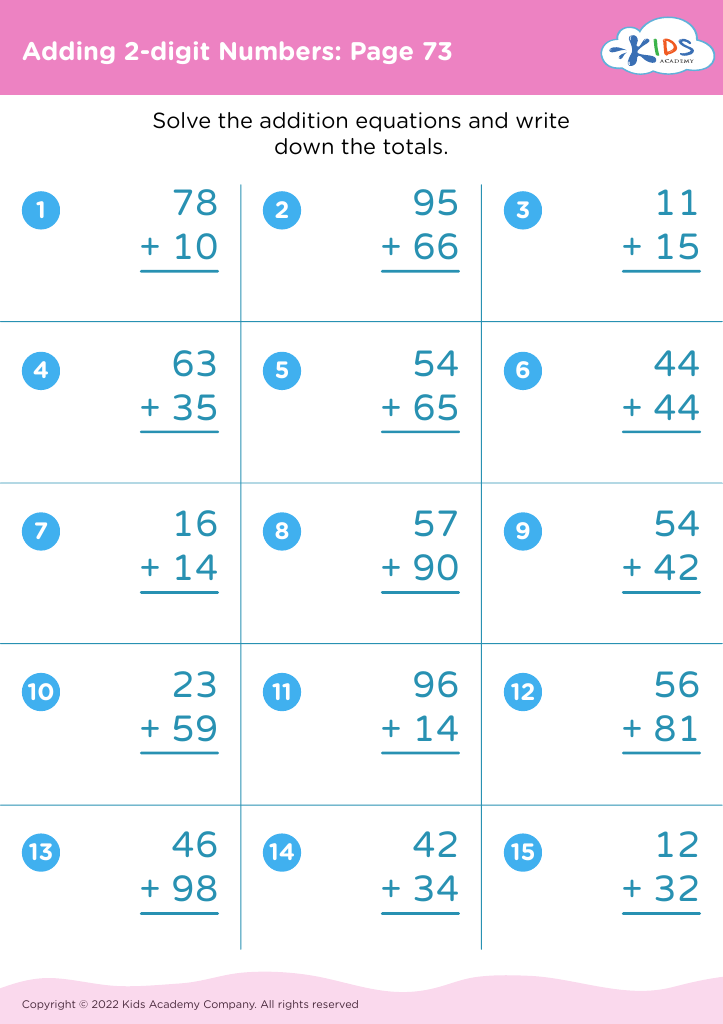
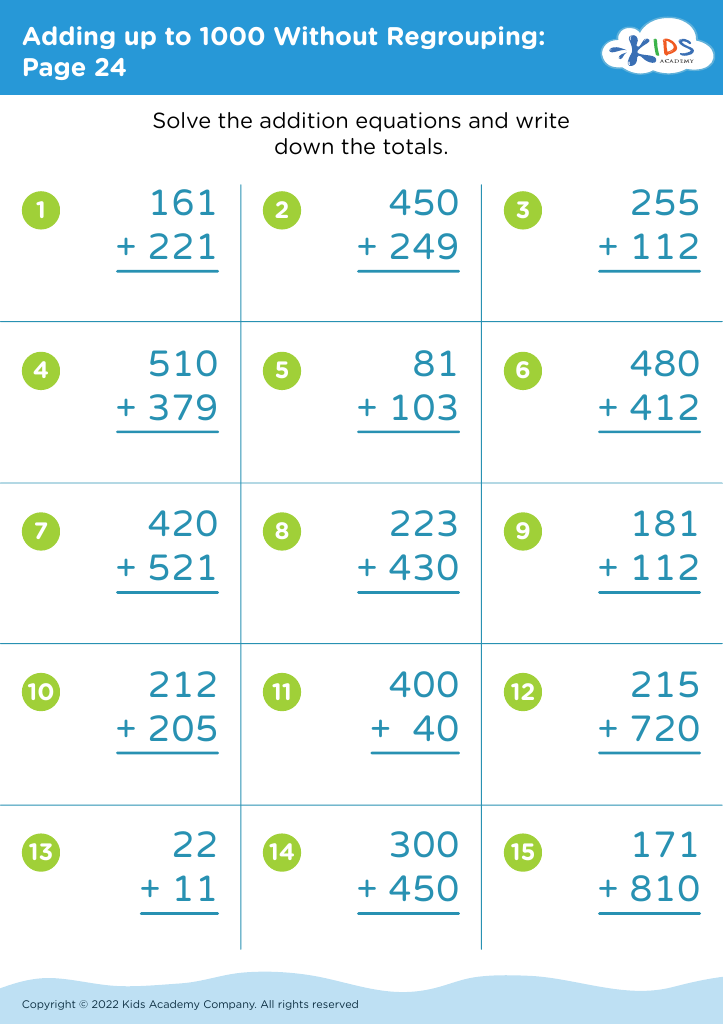







Improving math skills in children aged 6-8 is crucial for several reasons. Firstly, this developmental stage is foundational; children's early experiences with math foster their understanding of more complex concepts later on. Mastering basic arithmetic skills, such as addition and subtraction, sets the groundwork for future learning in mathematics, enhancing their confidence and enjoyment in the subject.
Secondly, math skills are vital for everyday life. Learning to quantify, compare, and analyze helps children develop problem-solving abilities that are essential in daily decision-making. These skills cultivate critical thinking, enabling children to navigate challenges both inside and outside the classroom.
Additionally, early math proficiency can positively influence overall academic success. Students who grasp math concepts early are more likely to excel in later grades, leading to better educational outcomes.
Moreover, with an ever-evolving job market increasingly focused on STEM (science, technology, engineering, and mathematics) fields, early math skills can spark interest and open doors to future career paths.
Parents and teachers, therefore, play a crucial role in nurturing math abilities—using games, interactive lessons, and real-life situations to create a supportive environment for children to thrive mathematically. Investing time and resources in mathematics now will yield lifelong benefits.








