Pronoun identification Worksheets for Ages 6-8
4 filtered results
-
From - To
Enhance your child's grammar skills with our engaging Pronoun Identification Worksheets for ages 6-8. Designed to make learning fun, these printable worksheets from Kids Academy help young learners effortlessly identify and use pronouns in sentences. With a variety of interactive activities that reinforce proper usage, children will gain confidence in their language abilities. Ideal for both classroom use and home practice, our worksheets cater to the unique learning needs of kids in this age group, making grammar lessons enjoyable and effective. Visit Kids Academy and start improving your child's pronoun skills today!
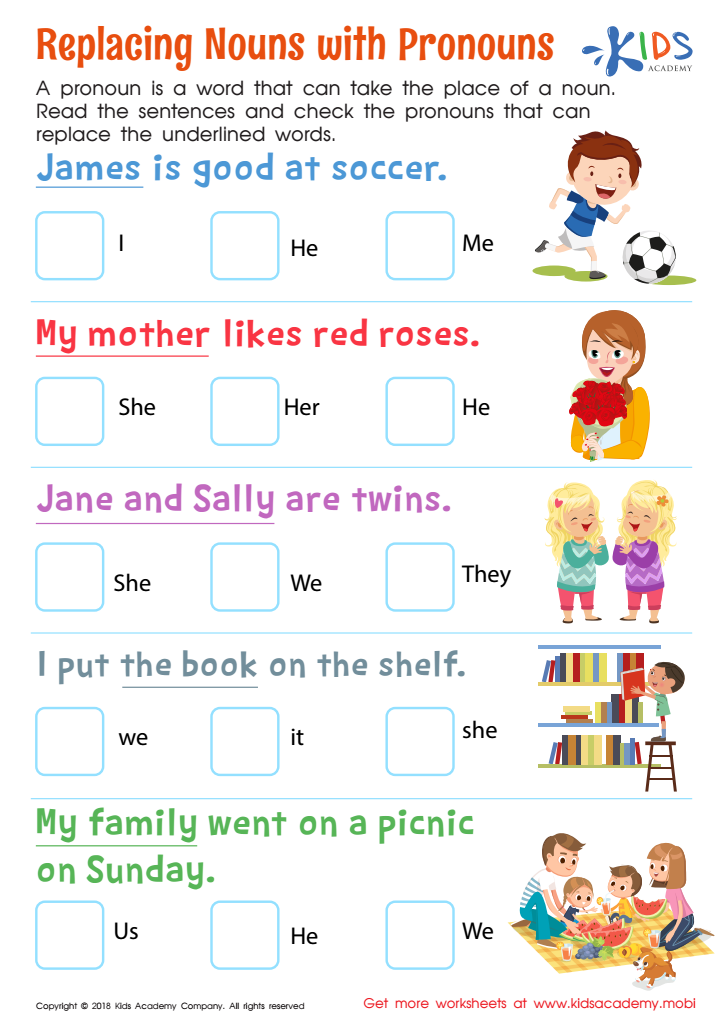
Replacing Nouns with Pronouns Worksheet
 Assign to My Students
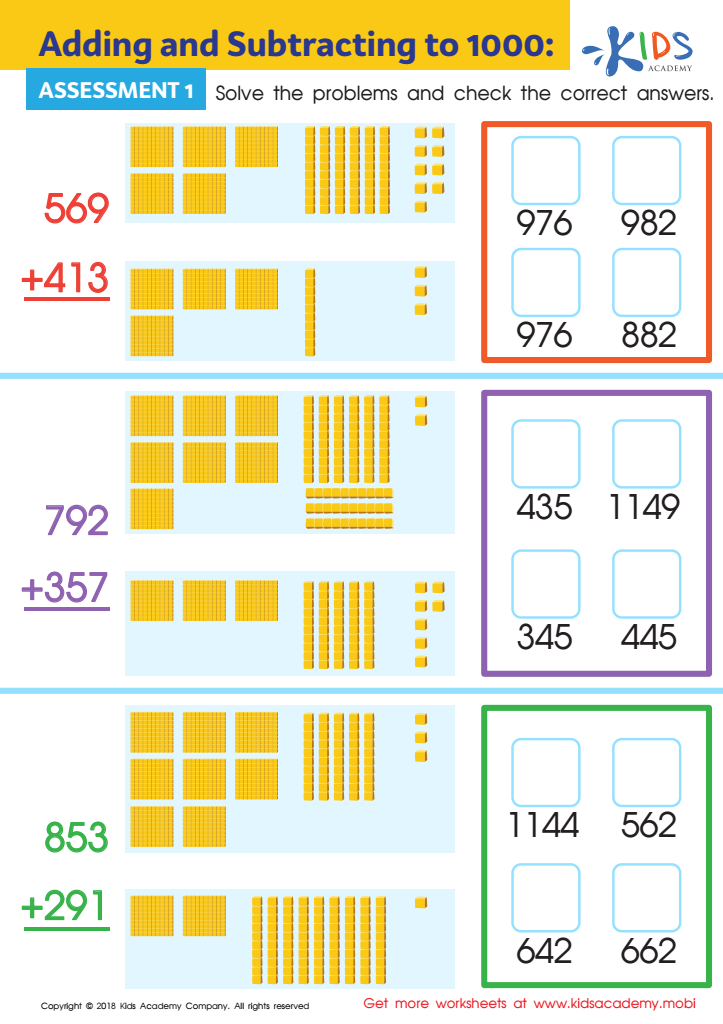
Adding and Subtracting to 1 Worksheet: Assessment 1
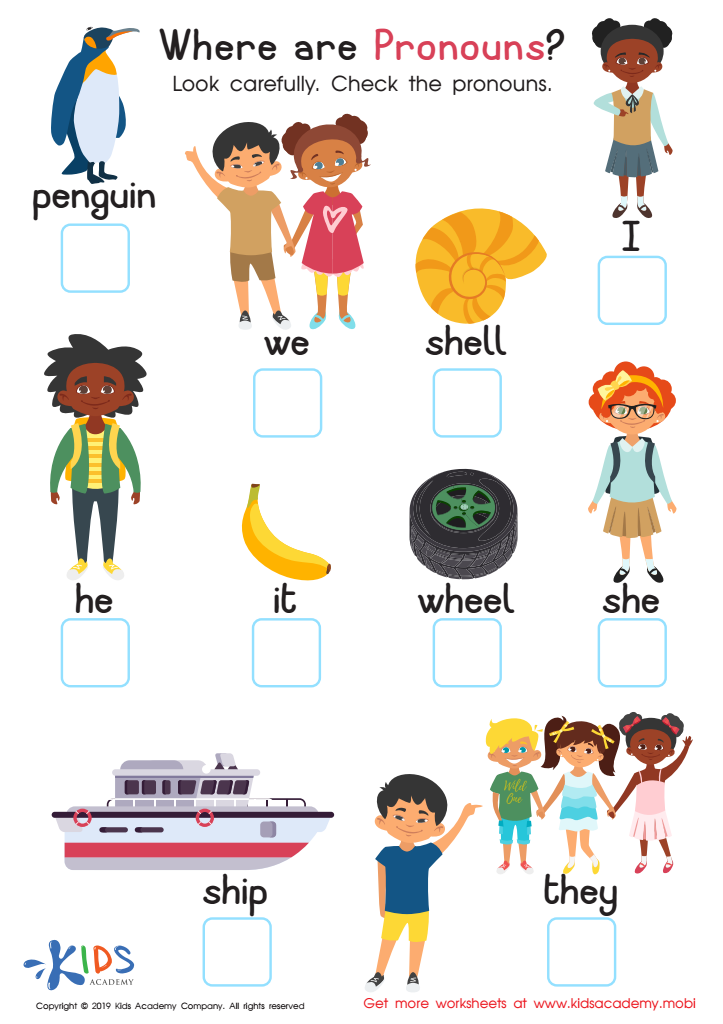
Where Are Pronouns? Worksheet
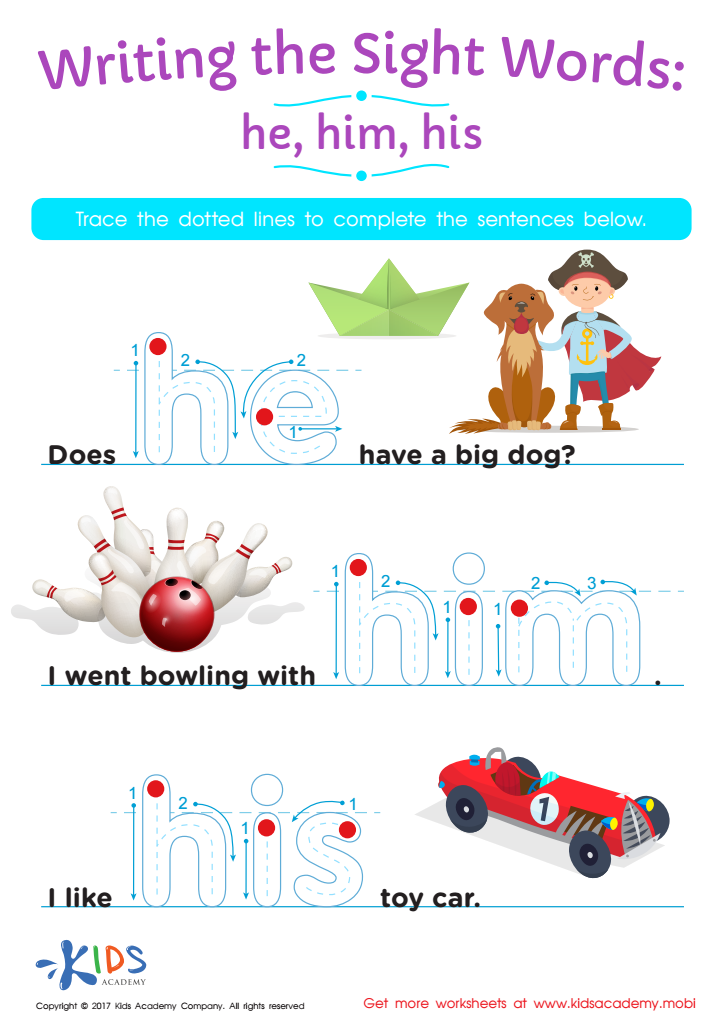
He, Him, His Printable Sight Words Worksheet








Understanding and correctly using pronouns is a fundamental aspect of language development for children aged 6-8. During these early years, children are rapidly building their vocabulary and grammatical skills, setting the foundation for effective communication. Pronouns like "he," "she," "it," "they," and "we" are essential for children to express themselves clearly and understand others.
For children, mastering pronoun identification enhances their reading and writing abilities. It aids in comprehension by allowing them to follow narratives more easily and understand who or what is being referred to in sentences. This skill becomes particularly important as texts and stories become more complex in higher grades.
For parents and teachers, focusing on pronoun usage also supports social development. Pronouns are closely linked to identity and respectful communication. Proper use of pronouns teaches children about gender and diversity, promoting inclusivity from a young age. Additionally, it helps children build empathy and respect by understanding and appropriately referring to others.
Incorporating activities that teach pronouns can be fun and engaging, using stories, games, and conversation practice. Emphasizing this aspect of language arts creates a robust educational framework, ensuring children become proficient communicators, ready for future academic and personal interactions. Therefore, prioritizing pronoun identification for children aged 6-8 is both educationally and socially significant.








