Recognize patterns Worksheets for Ages 6-8
11 filtered results
-
From - To
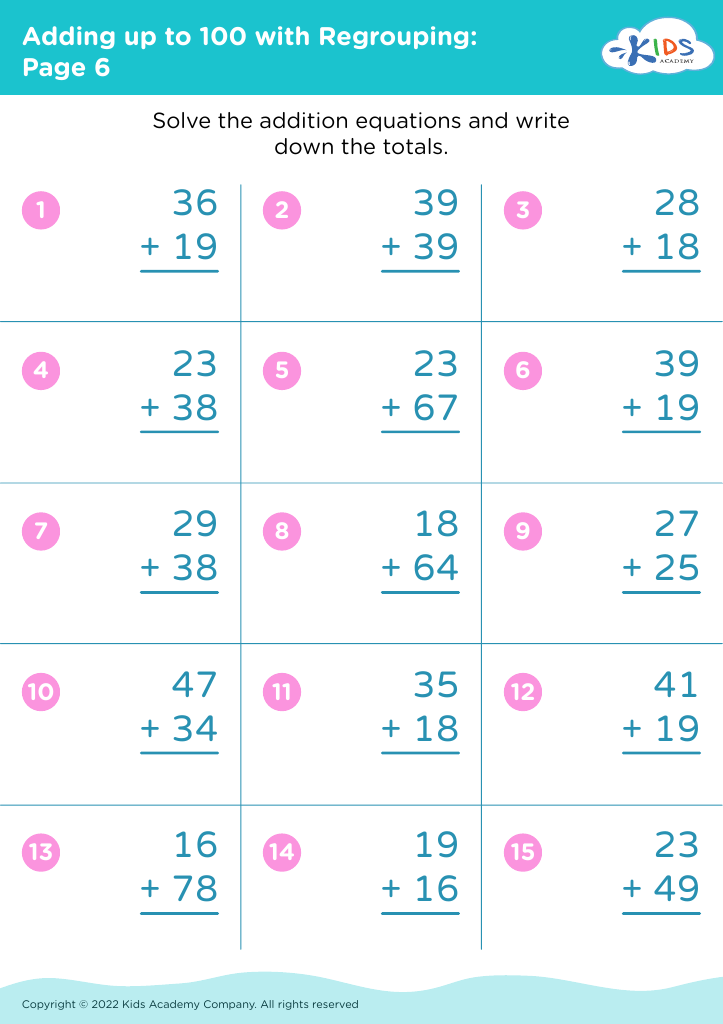
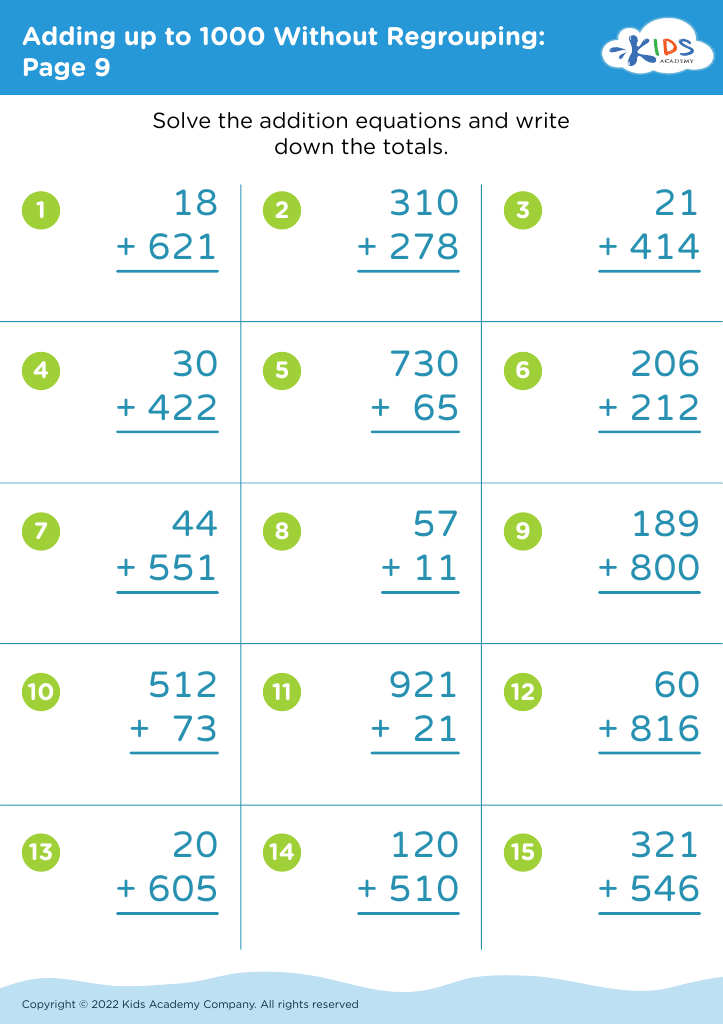
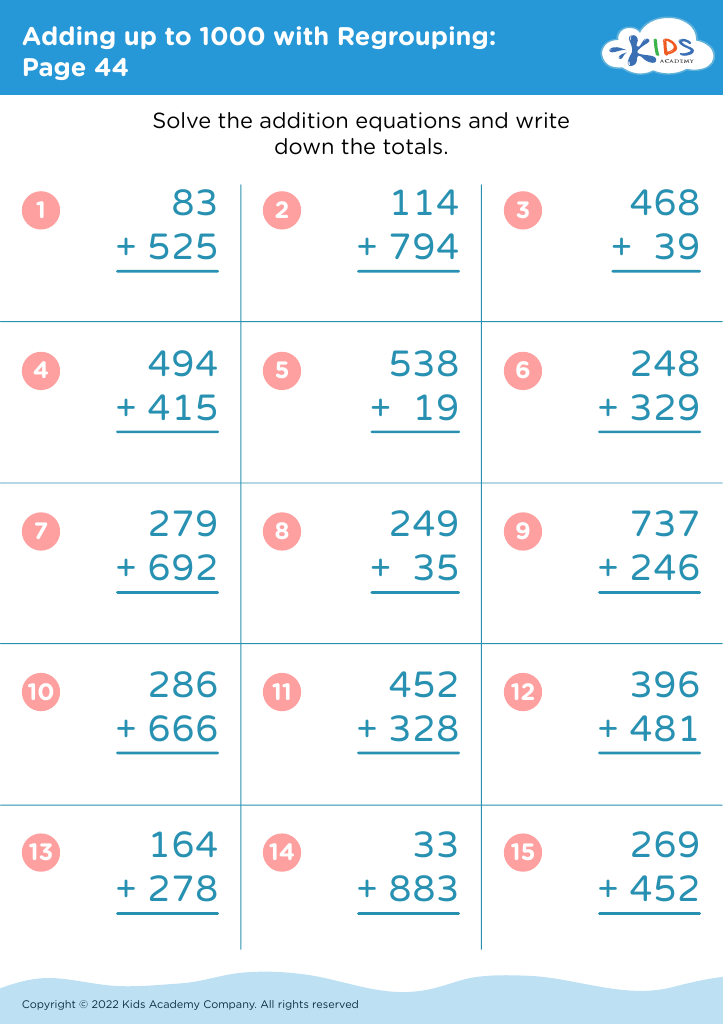
Discover our engaging "Recognize Patterns Worksheets" designed for children ages 6-8! Our interactive worksheets help young learners identify and understand patterns through fun activities tailored to enhance their critical thinking and analytical skills. These resources cover a variety of topics, including shapes, colors, numbers, and sequences, to make learning enjoyable and effective. With colorful illustrations and creative exercises, children will improve their pattern recognition abilities while developing essential math and reasoning skills. Perfect for classroom use or at-home practice, these worksheets offer a valuable educational experience that fosters cognitive development and makes learning a joyous adventure! Explore and download today!
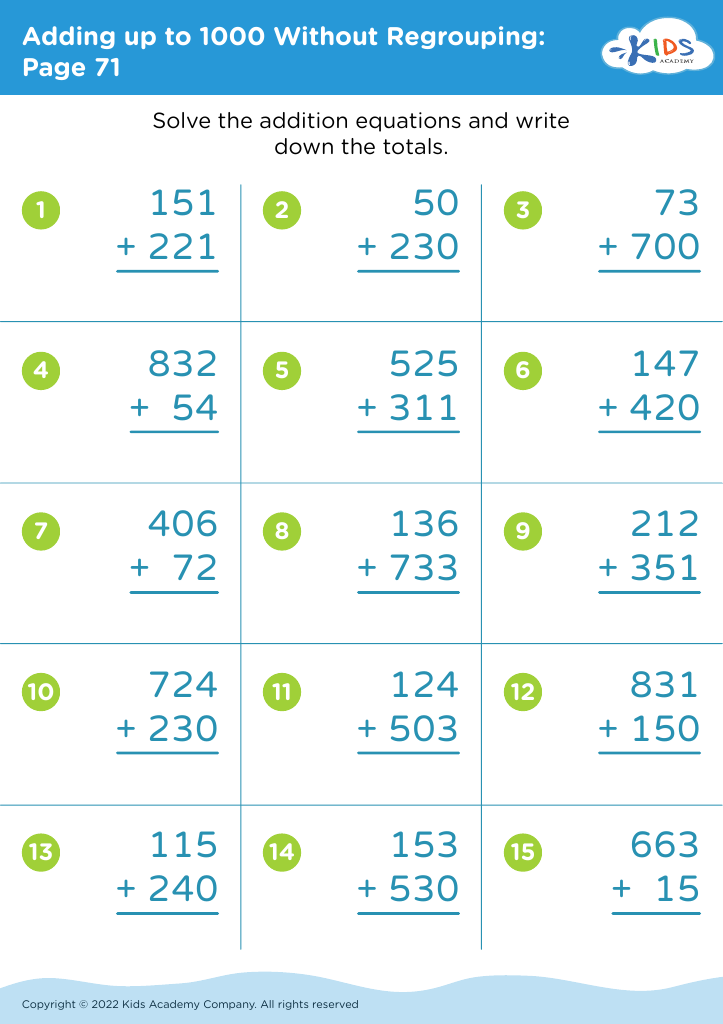
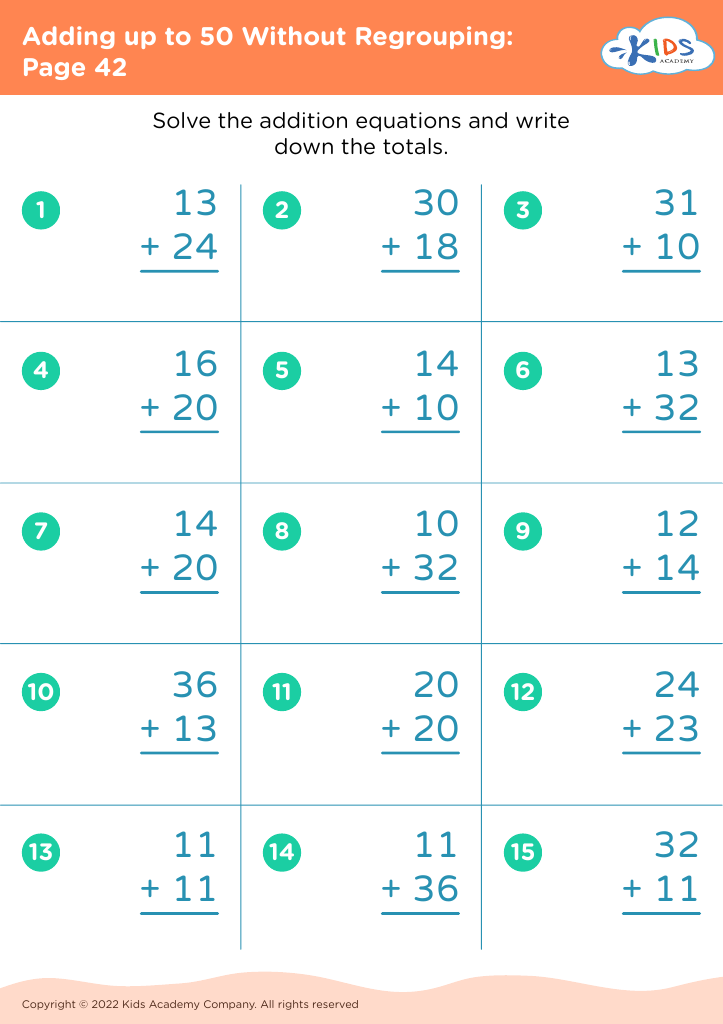
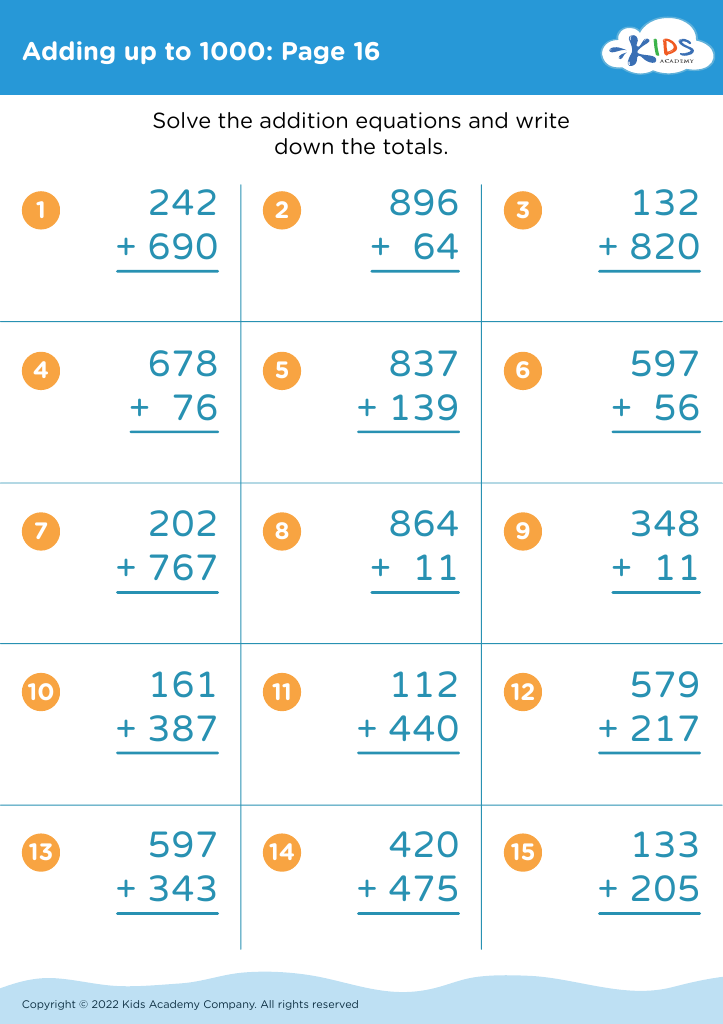
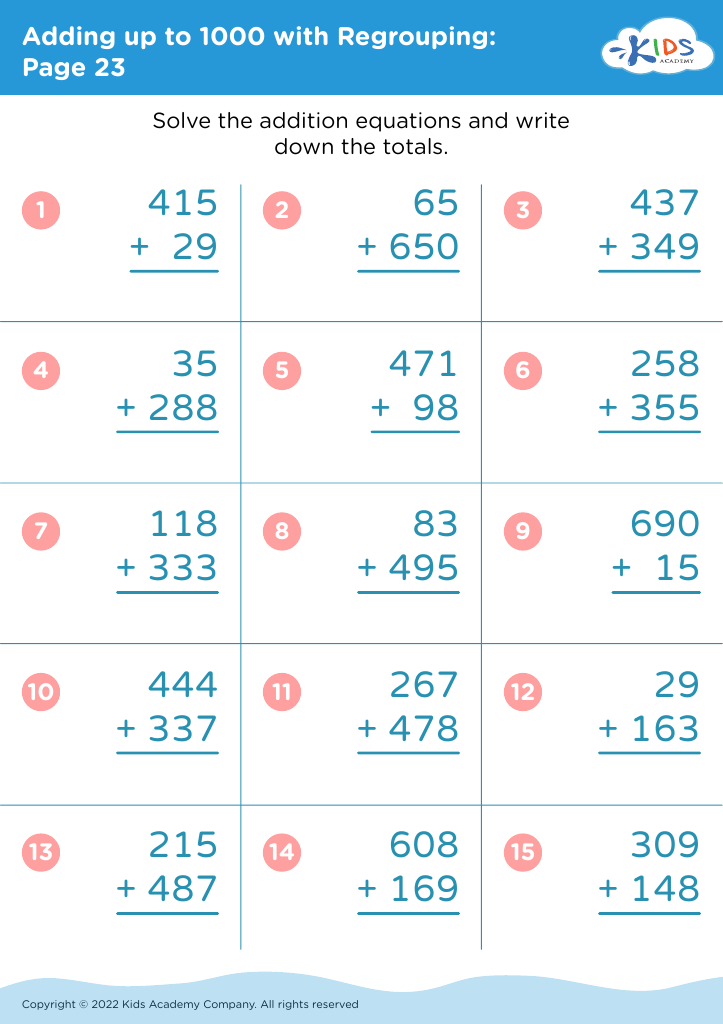



.jpg)


Recognizing patterns is a fundamental skill that lays the groundwork for early math and critical thinking in children aged 6 to 8. Parents and teachers should prioritize this skill because it fosters cognitive development and problem-solving abilities. Recognizing patterns helps children make connections between concepts, enabling them to predict future events and categorize information effectively.
From an early age, children encounter patterns in various forms, such as sorting objects, understanding number sequences, or even identifying routines in their everyday activities. By honing their ability to identify and create patterns, children are better prepared for more complex mathematical concepts, including multiplication, division, and algebra later in their education.
Moreover, pattern recognition enhances children's observation skills and attention to detail, which are crucial for success across academic subjects. Engaging children in activities like puzzles, rhythm exercises, and pattern-based games can be both fun and educational, making learning enjoyable. Ultimately, supporting pattern recognition contributes to a child's overall cognitive, social, and emotional development, equipping them with essential skills for lifelong learning and problem-solving. Parents and teachers, therefore, play a vital role in nurturing this ability during these formative years.








