Welcome to our engaging "Recognizing Shapes Worksheets" designed specifically for ages 6-8! These interactive resources help young learners identify and understand various shapes through fun activities and colorful visuals. Students will enhance their shape recognition skills as they explore exercises that include tracing, sorting, and matching different shapes. Our worksheets encourage creativity and critical thinking while reinforcing essential math concepts. Ideal for classroom use or at-home learning, these resources support developmental growth in a playful manner. Start your child's journey to mastering shapes today with our variety of worksheets that make learning enjoyable and effective!
Check out this FREE "Recognizing shapes" Trial Lesson for age 6-8!

D

Favorites
With answer key
Interactive
  • 6-8
  • Recognizing shapes
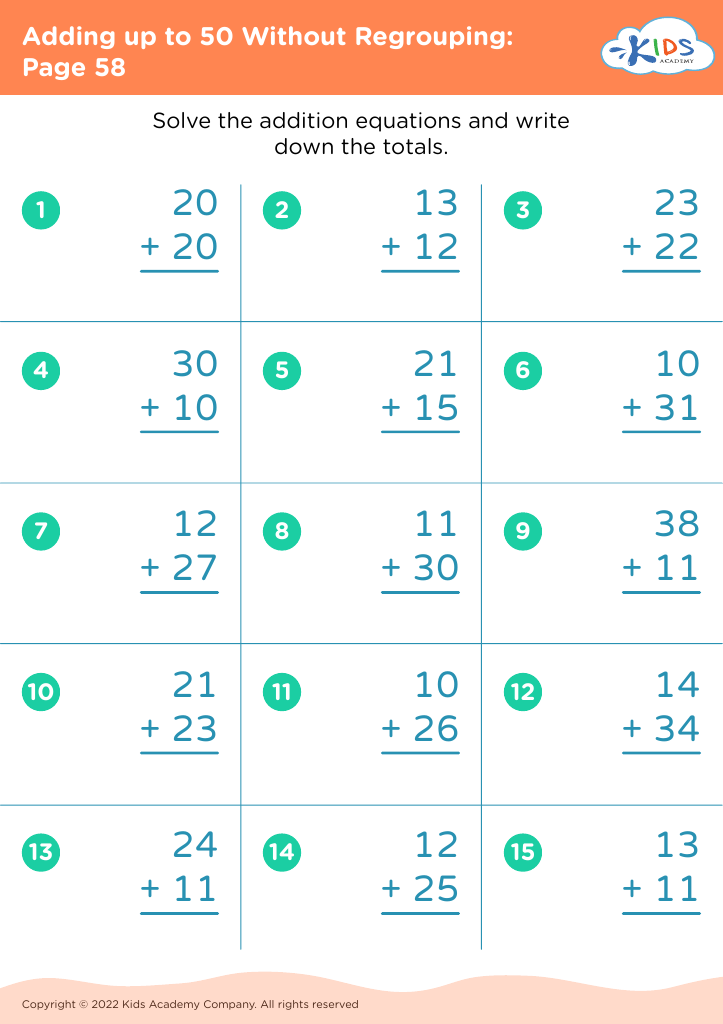
Adding up to 50 Without Regrouping: Page 58
Worksheet
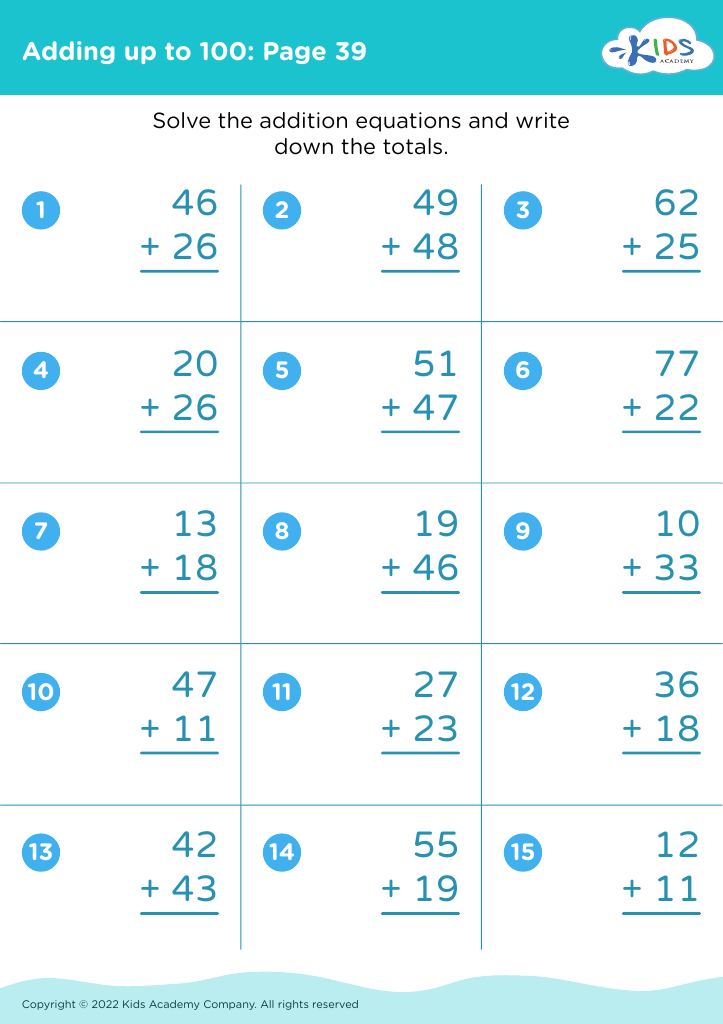
Adding up to 100: Page 39

Adding up to 100: Page 39

Adding up to 100: Page 39
Worksheet
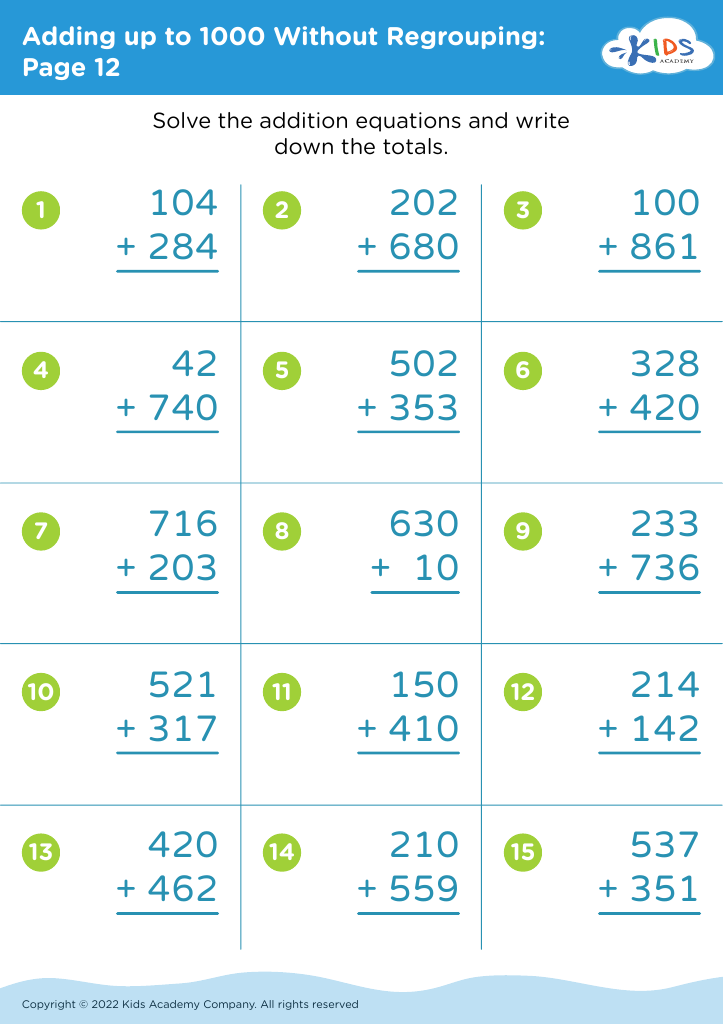
Adding up to 1000 Without Regrouping: Page 12
Worksheet
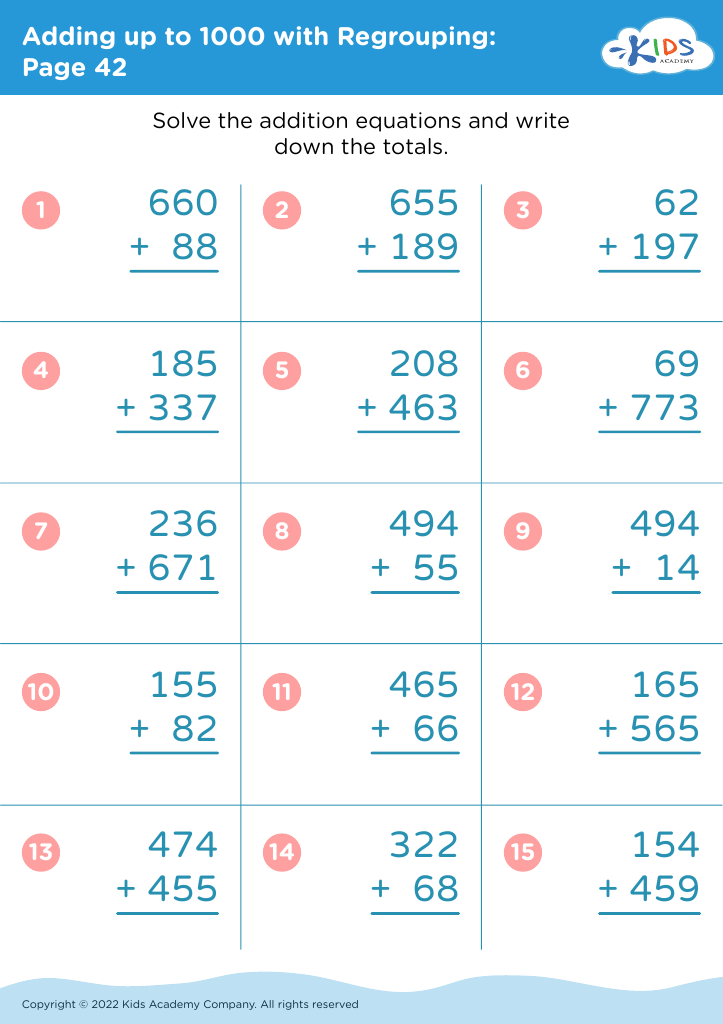
Adding up to 1000 with Regrouping: Page 42
Worksheet
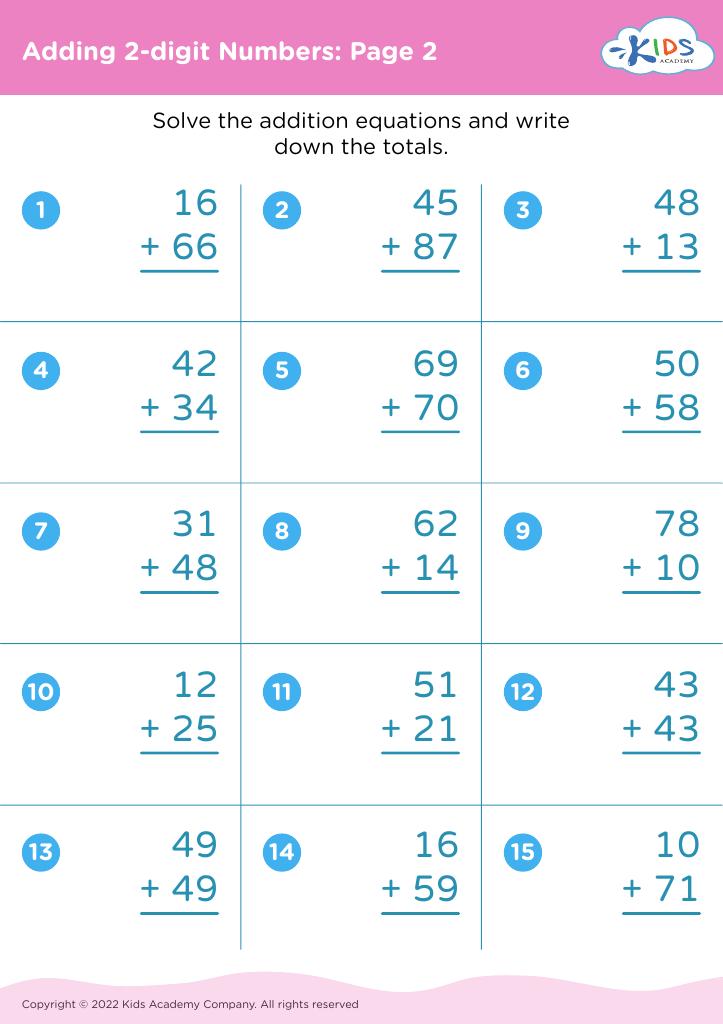
Adding 2-digit Numbers: Page 2

Adding 2-digit Numbers: Page 2

Adding 2-digit Numbers: Page 2
Worksheet
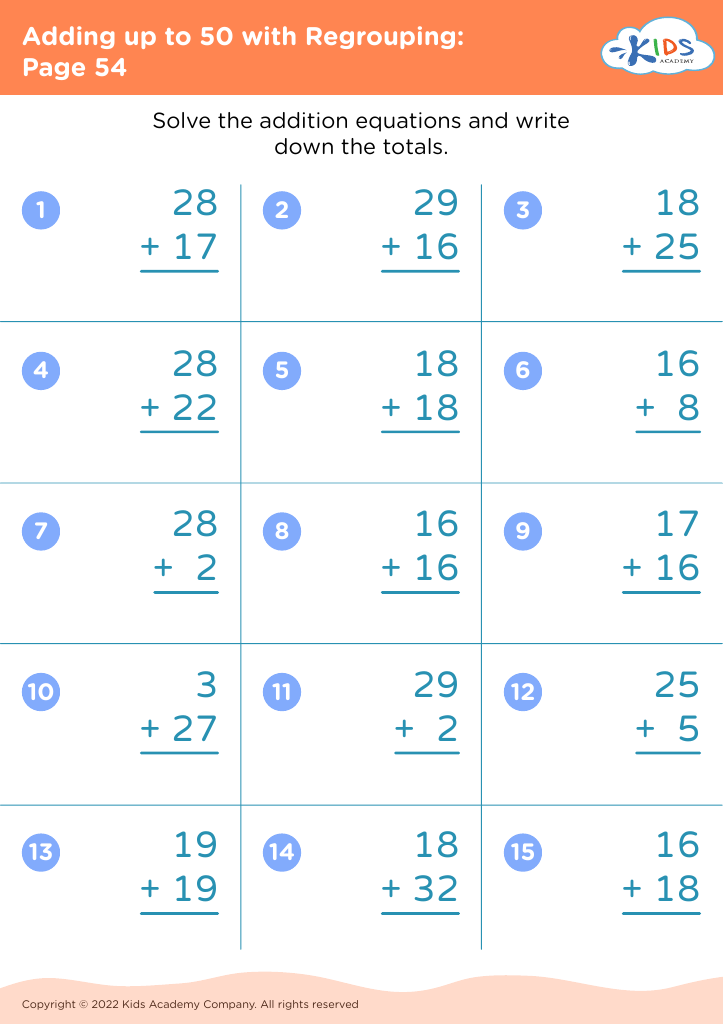
Adding up to 50 with Regrouping: Page 54
Worksheet
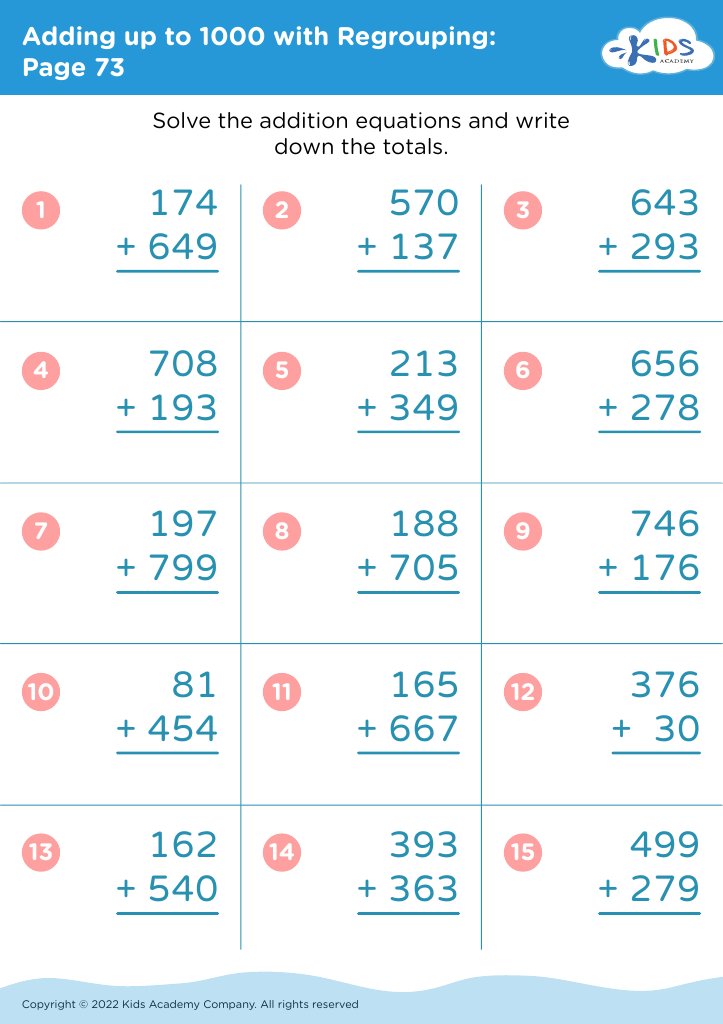
Adding up to 1000 with Regrouping: Page 73
Worksheet
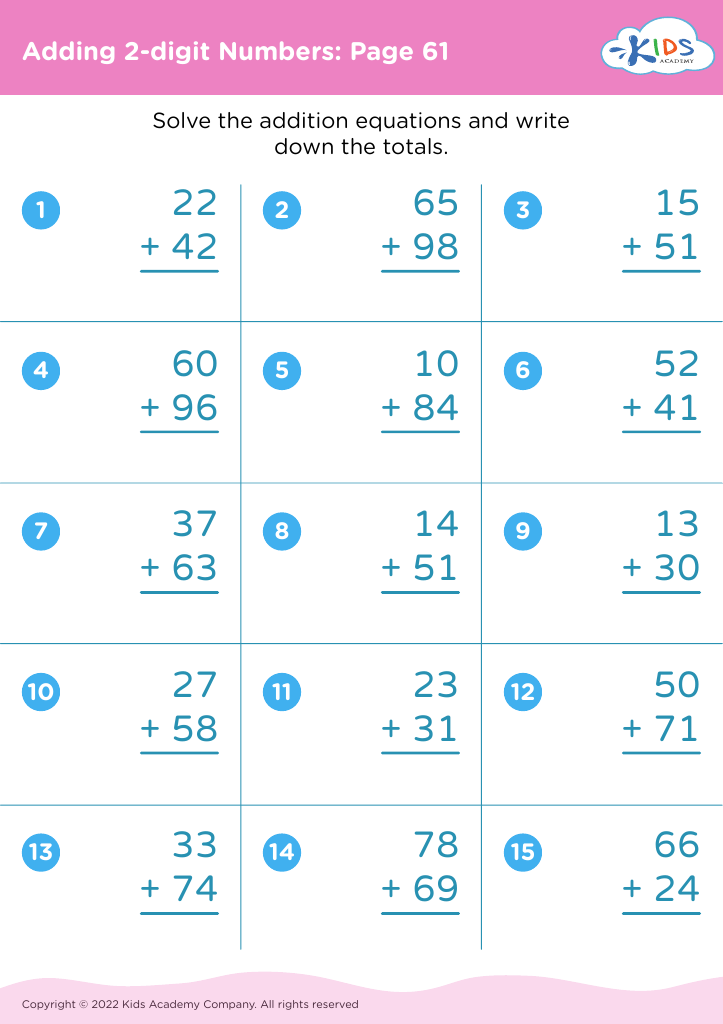
Adding 2-digit Numbers: Page 61

Adding 2-digit Numbers: Page 61

Adding 2-digit Numbers: Page 61
Worksheet
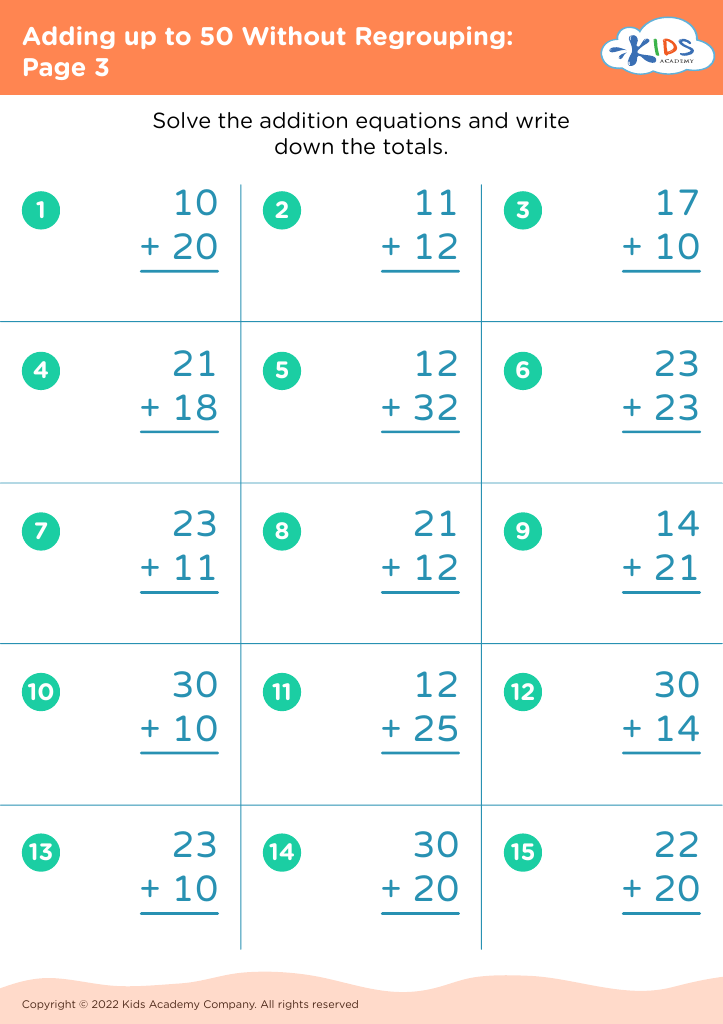
Adding up to 50 Without Regrouping: Page 3
Worksheet
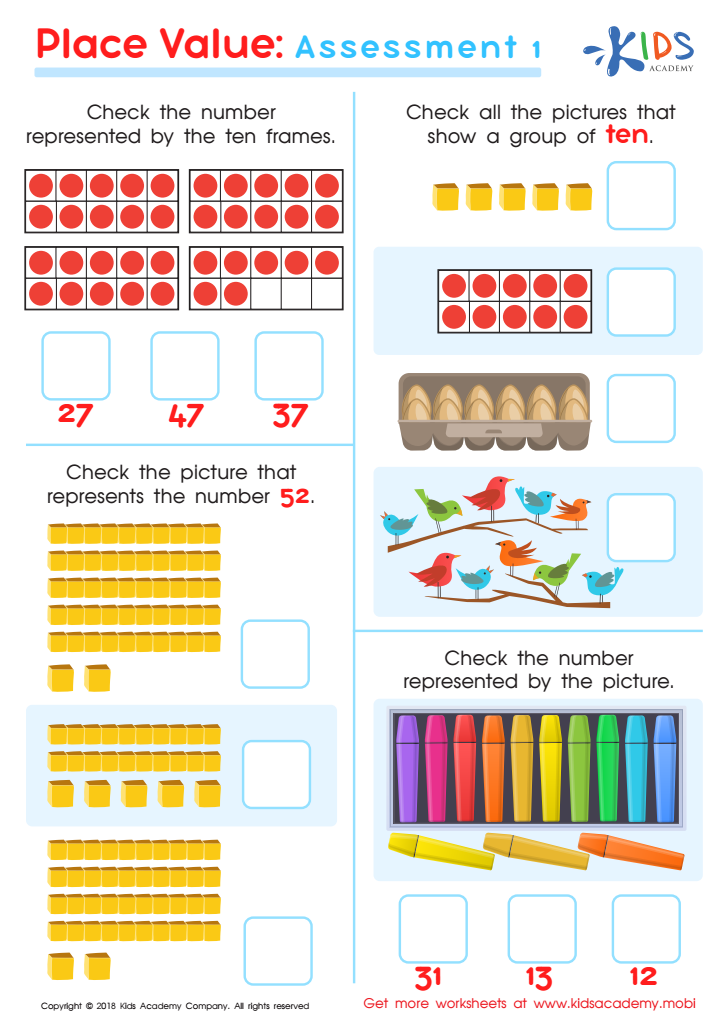
Place Value: Assessment 1 Worksheet

Place Value: Assessment 1 Worksheet

Assess your child's place value and number representation with this PDF worksheet. It lets them count and compare numbers and practice chiseling numbers into groups of ten. It's a great way to identify any concepts that need to be reinforced.
Place Value: Assessment 1 Worksheet
Worksheet
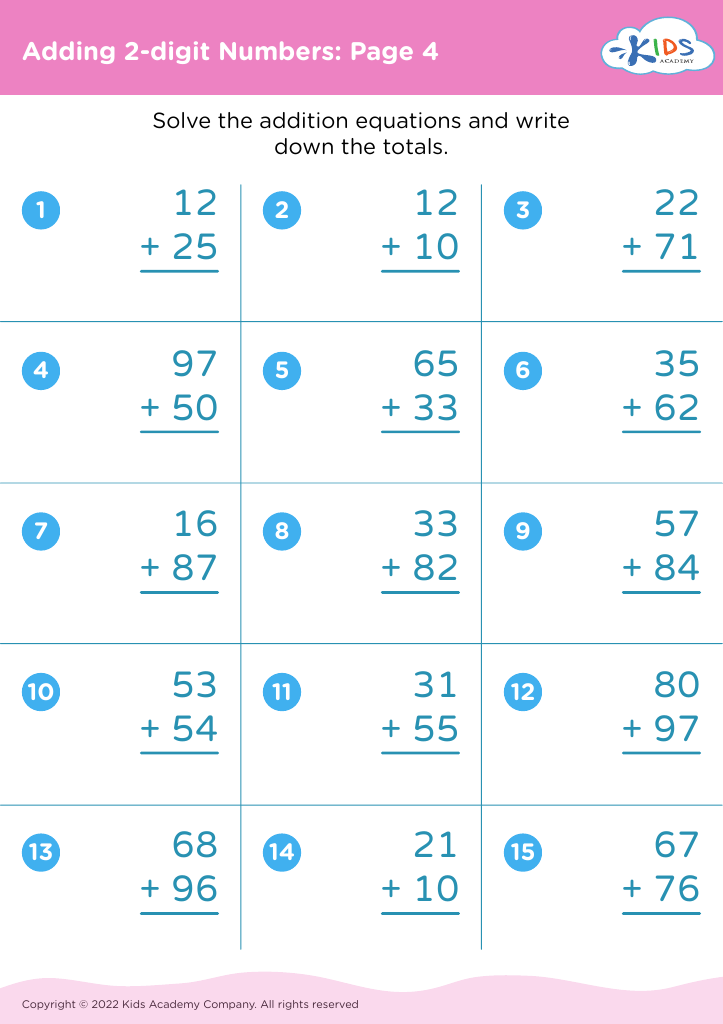
Adding 2-digit Numbers: Page 4

Adding 2-digit Numbers: Page 4

Adding 2-digit Numbers: Page 4
Worksheet
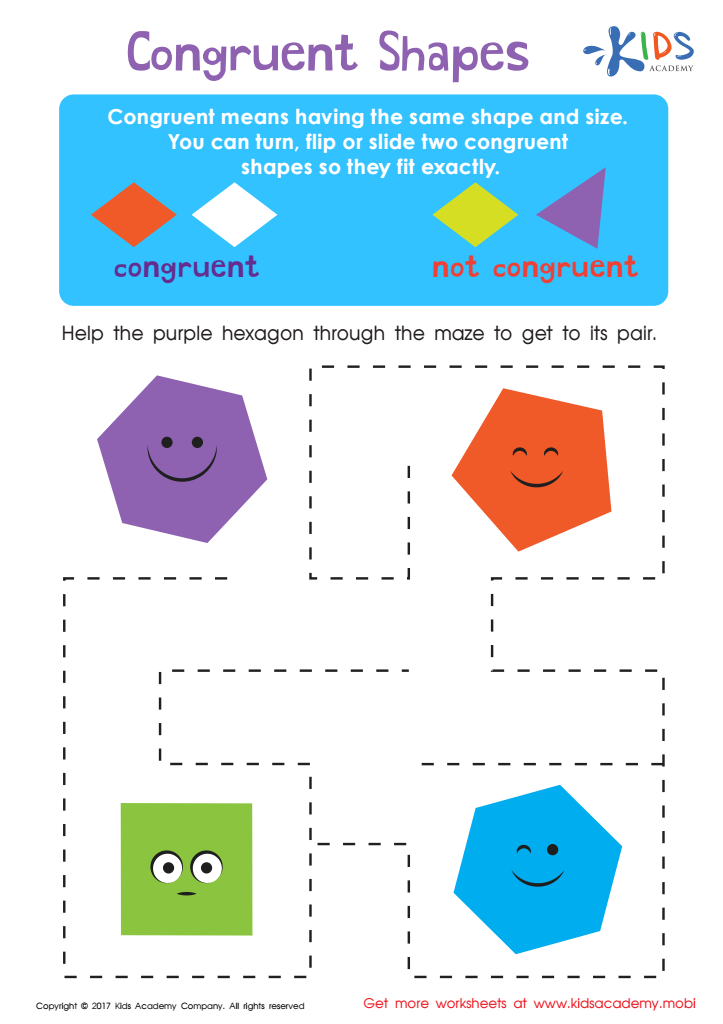
Congruent shapes worksheet

Congruent Shapes Worksheet

Help your child find the twin of the purple hexagon! This congruent shapes worksheet is great for increasing vocabulary while challenging mental rotation skills.
Congruent Shapes Worksheet
Worksheet
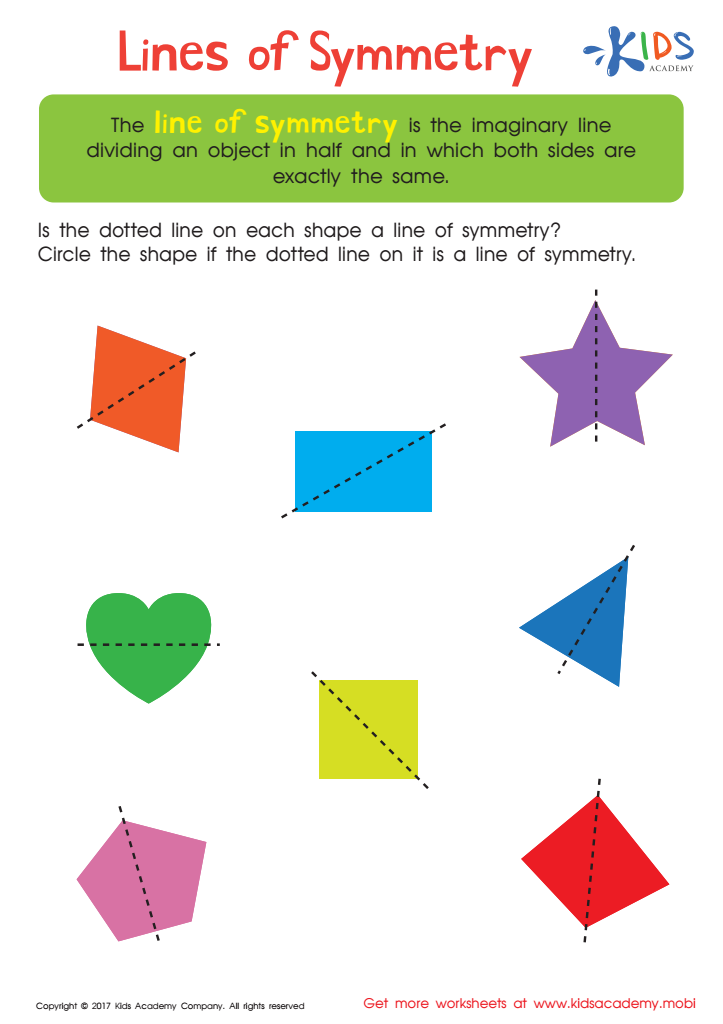
Lines of symmetry worksheet

Lines of Symmetry Printable
Symmetry is a key math concept that kids must learn to develop their geometry skills. This fun worksheet helps build this skill, by encouraging kids to recognize symmetrical shapes and find equal parts.
Lines of Symmetry Printable
Worksheet
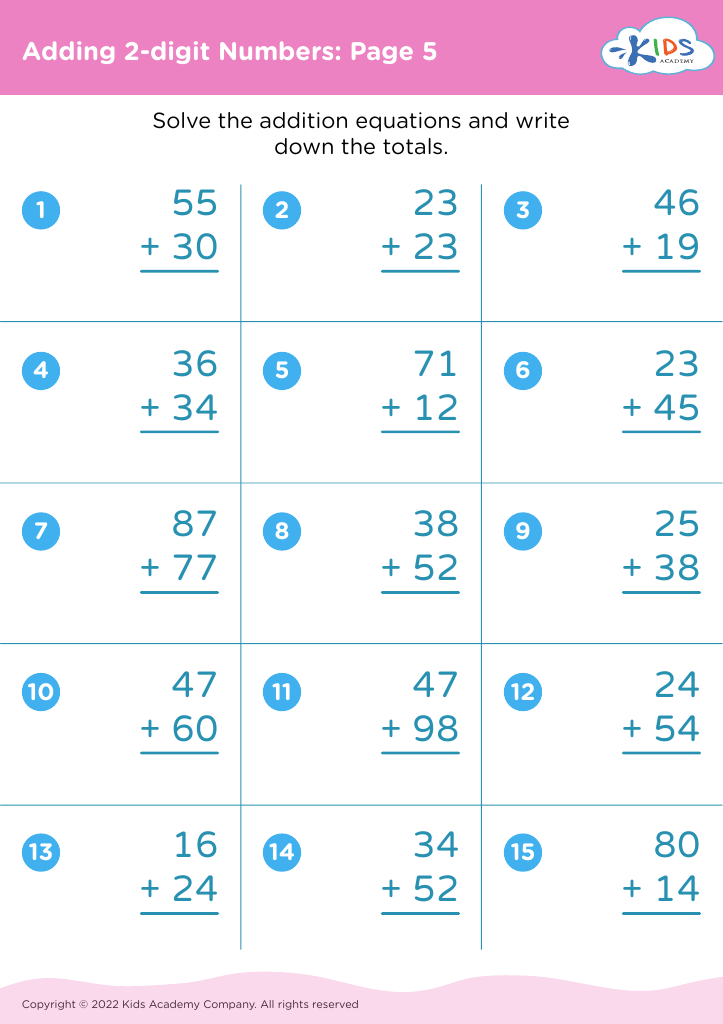
Adding 2-digit Numbers: Page 5

Adding 2-digit Numbers: Page 5

Adding 2-digit Numbers: Page 5
Worksheet
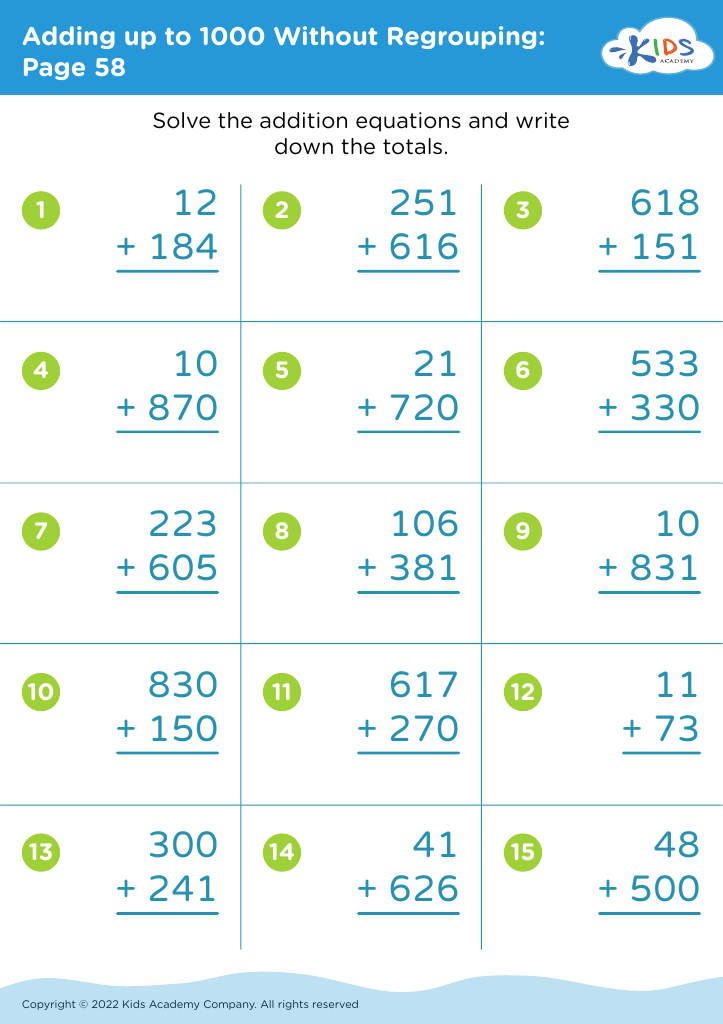
Adding up to 1000 Without Regrouping: Page 58
Worksheet
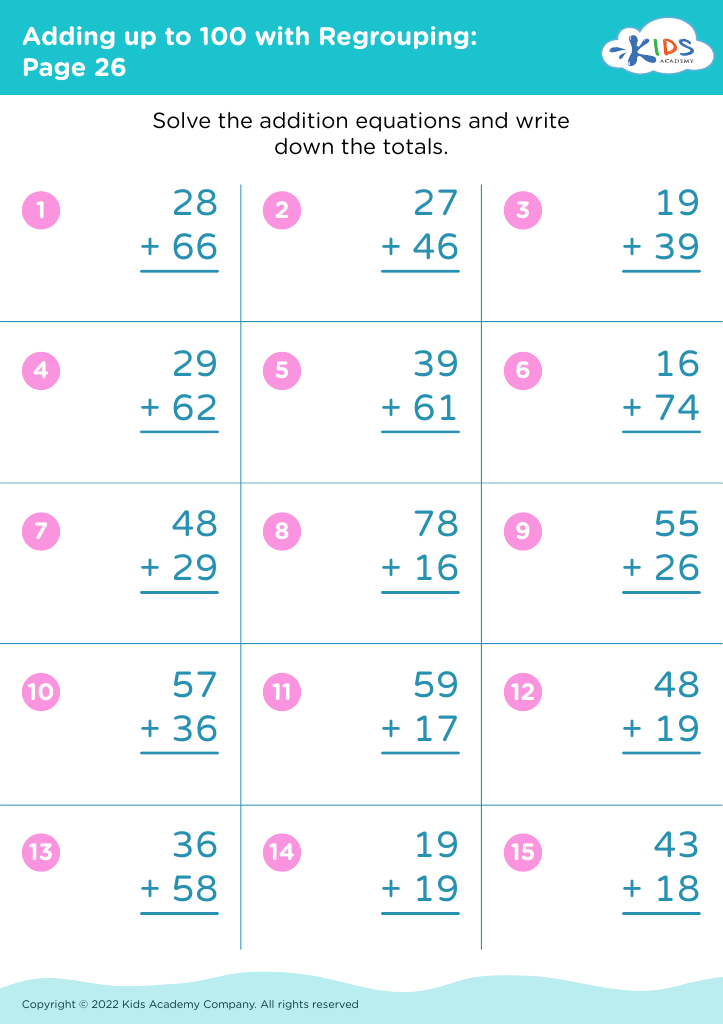
Adding up to 100 with Regrouping: Page 26
Worksheet
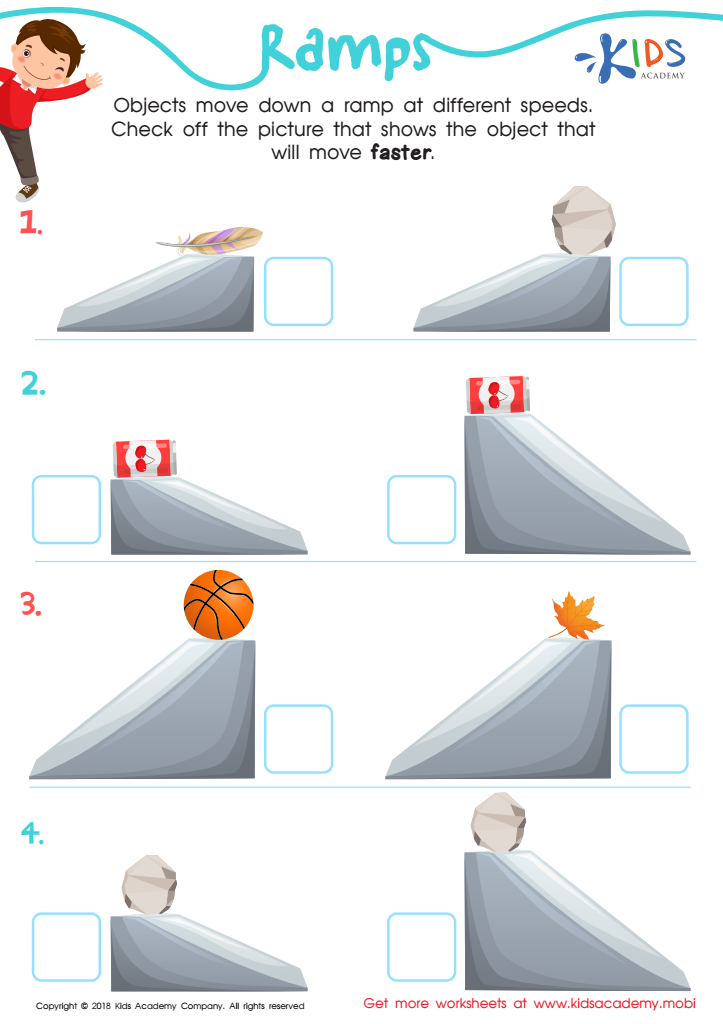
Ramps Worksheet
Ramps Worksheet

Ramps Worksheet

If your child has seen a ramp, they'll find this worksheet easy. A ramp is sloped for objects to move quickly downwards. The printout has images of objects on different ramps. Ask your child to identify which object will move faster.
Ramps Worksheet
Worksheet
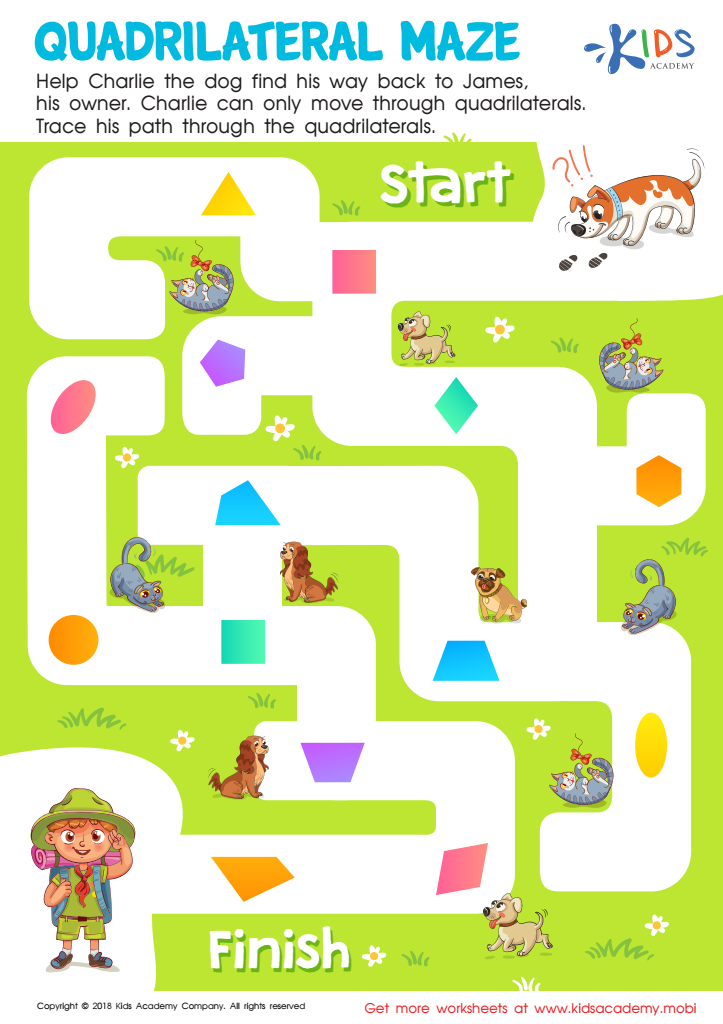
Quadrilateral Maze Worksheet

Quadrilateral Maze Worksheet

Does your kid love dogs? If so, this exercise is ideal for them! Help Charlie the pup find his way back to his owner, James, in the quadrilateral maze worksheet. Your child must trace Charlie's path only through squares and rhombuses in order to solve it. Careful planning is key!
Quadrilateral Maze Worksheet
Worksheet
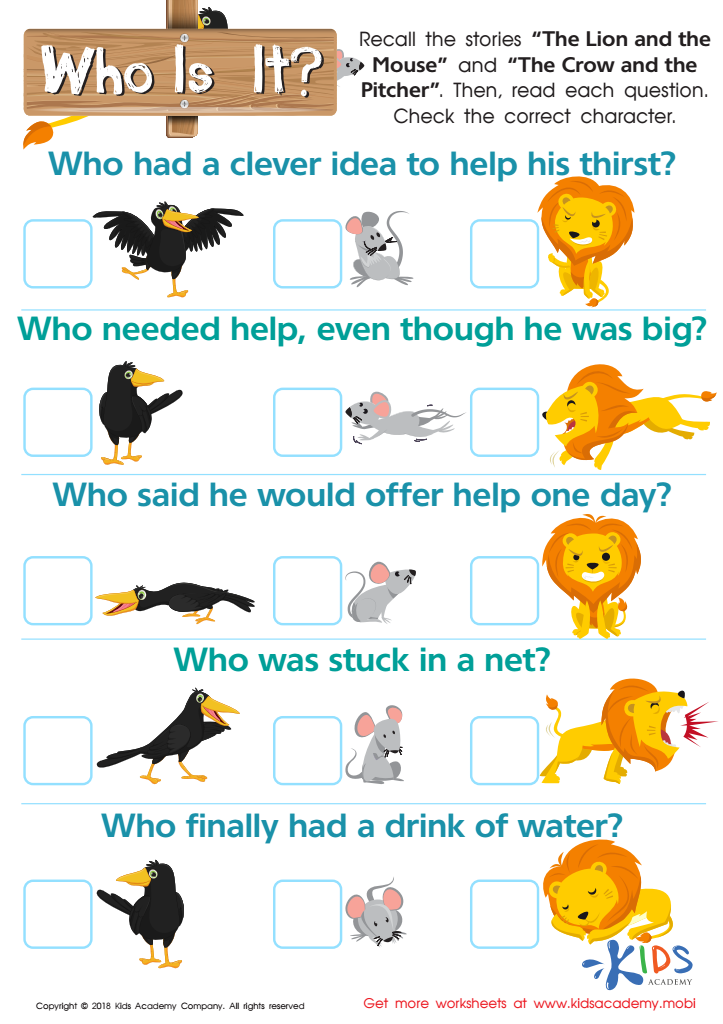
Who Is It? Worksheet


Who Is It? Worksheet

This worksheet helps students recall details from The Crow and the Pitcher and The Lion and the Mouse stories. Students will answer questions about the characters' actions. Use it to assess their understanding of both stories, as this is a key comprehension skill.
Who Is It? Worksheet
Worksheet
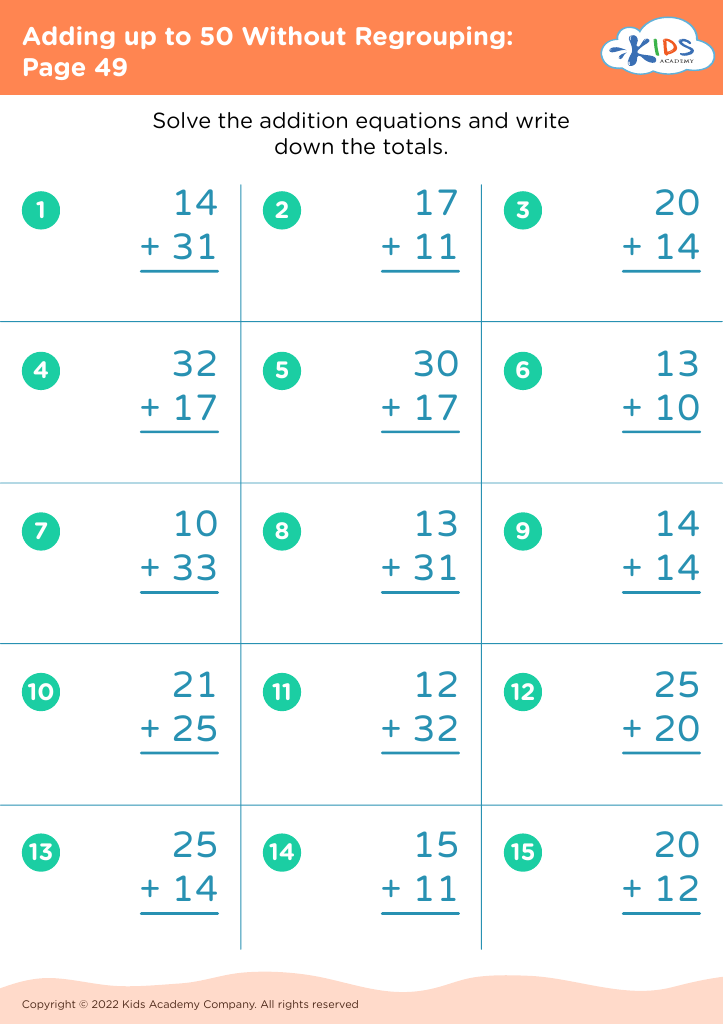
Adding up to 50 Without Regrouping: Page 49
Worksheet
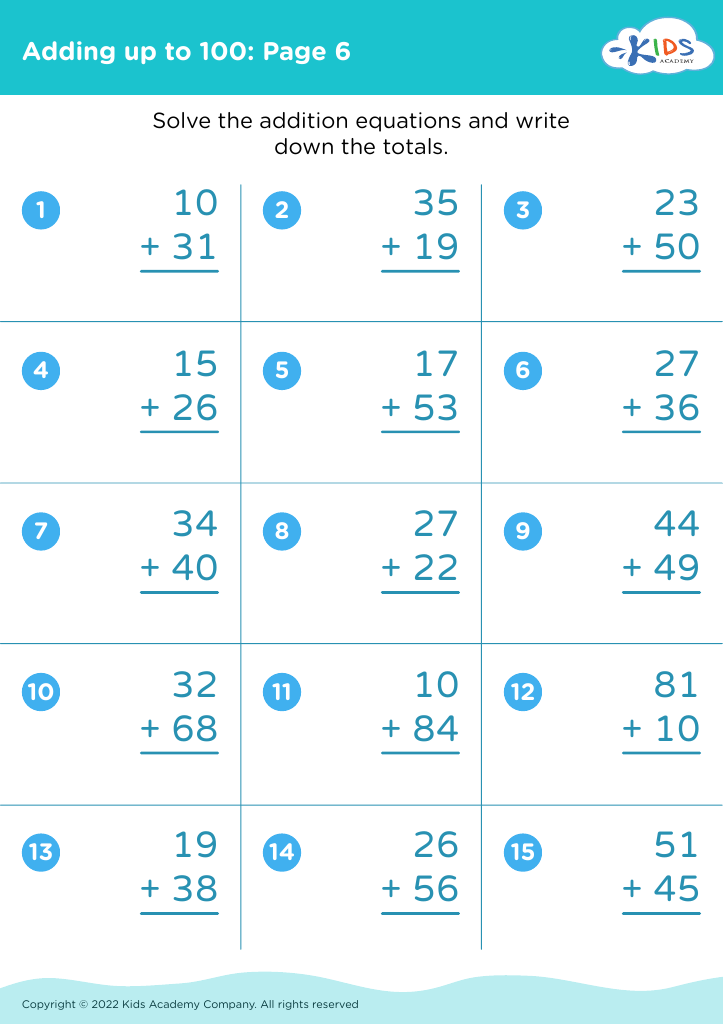
Adding up to 100: Page 6

Adding up to 100: Page 6

Adding up to 100: Page 6
Worksheet
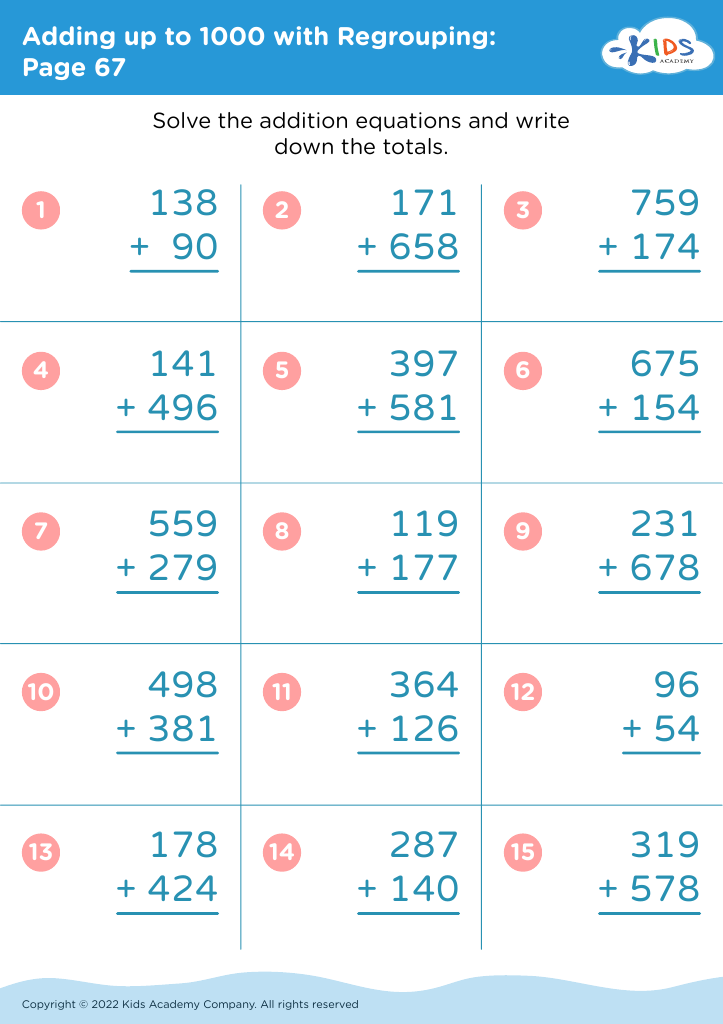
Adding up to 1000 with Regrouping: Page 67
Worksheet
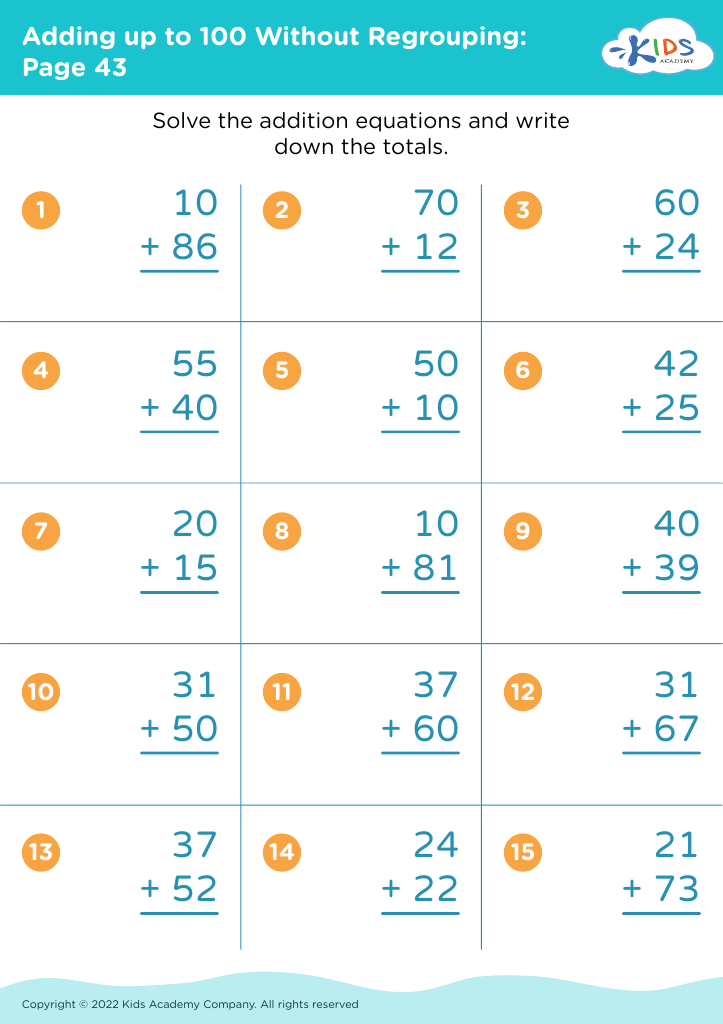
Adding up to 100 Without Regrouping: Page 43
Worksheet
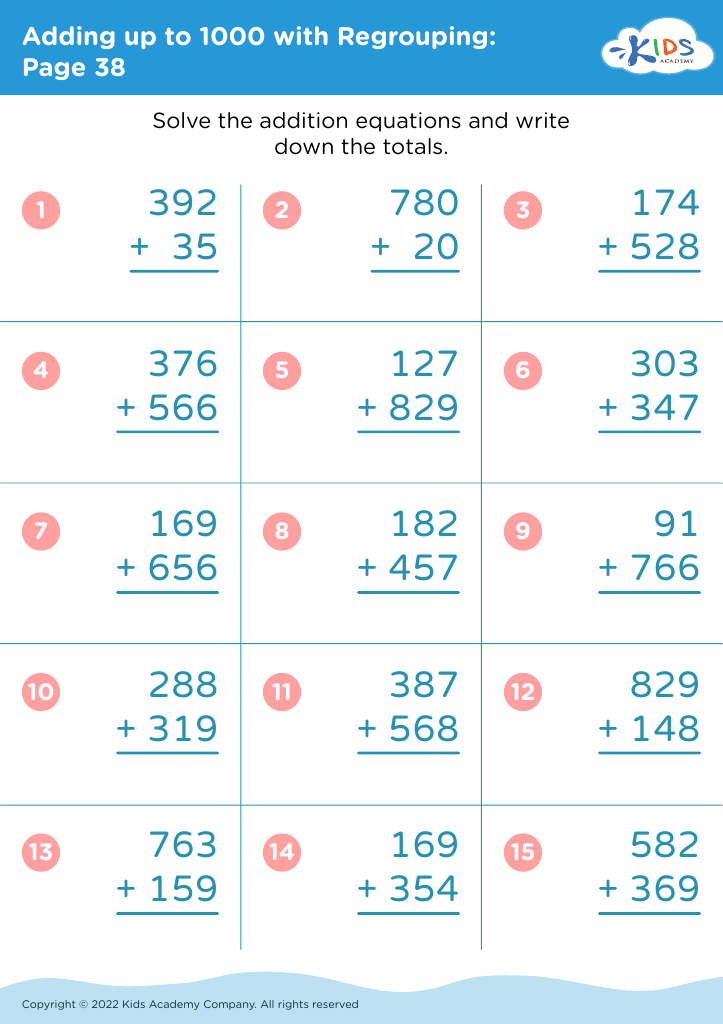
Adding up to 1000 with Regrouping: Page 38
Worksheet


Recognizing shapes is a fundamental skill that plays a crucial role in the cognitive development of children aged 6 to 8. At this stage, children are expanding their understanding of the world, and shapes serve as a key element in that exploration. By learning to identify and categorize shapes, children develop critical thinking skills that help them make sense of more complex concepts later in life, such as geometry, architecture, and art.

Furthermore, recognizing shapes enhances spatial awareness, supporting skills in both mathematics and physical activities. Parents and teachers can provide enriching experiences by incorporating shape-related activities, such as art projects, games, and puzzles. This makes learning engaging and fun, ultimately fostering a positive attitude toward education.

Moreover, shape recognition has practical applications in everyday life. It aids in problem-solving and decision-making—skills necessary for navigating diverse environments. For instance, recognizing shapes is helpful in activities ranging from organizing play spaces to following instructions in crafting projects. By nurturing shape recognition, parents and teachers equip children with essential tools for academic success and everyday living, reinforcing the importance of shapes in reinforcing curiosity, creativity, and analytical skills that will benefit them throughout their lives.