
Visual perception improvement Worksheets for Ages 6-8
15 filtered results
Difficulty Level
Grade
Age
-
From - To
Subject
Activity
Standards
Unlock your child's potential with our Visual Perception Improvement Worksheets for ages 6-8 at Kids Academy! Specially crafted to enhance essential visual discrimination, spatial awareness, and hand-eye coordination skills, these engaging activities make learning fun and effective. Our worksheets incorporate puzzles, pattern recognition, and matching exercises to support cognitive development and fine motor skills vital for academic success. Designed by experts, each worksheet nurtures crucial skills through playful challenges, ensuring your child stays motivated and confident. Help your child see and succeed with our carefully designed visual perception worksheets. Visit Kids Academy and start your adventure today!
Favorites
With answer key
Interactive
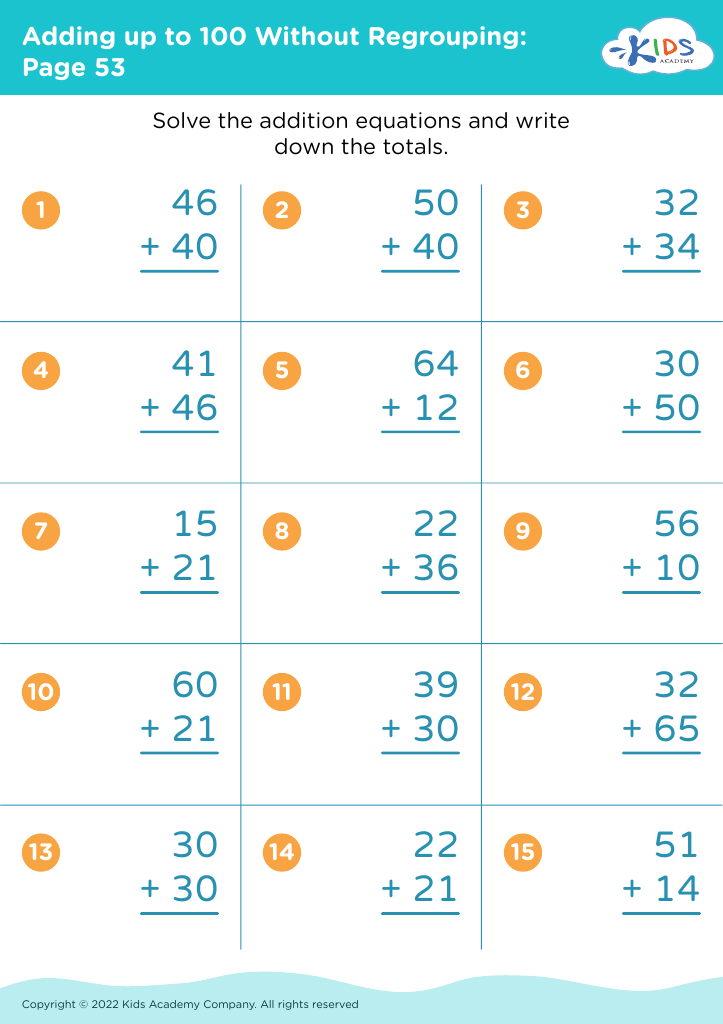
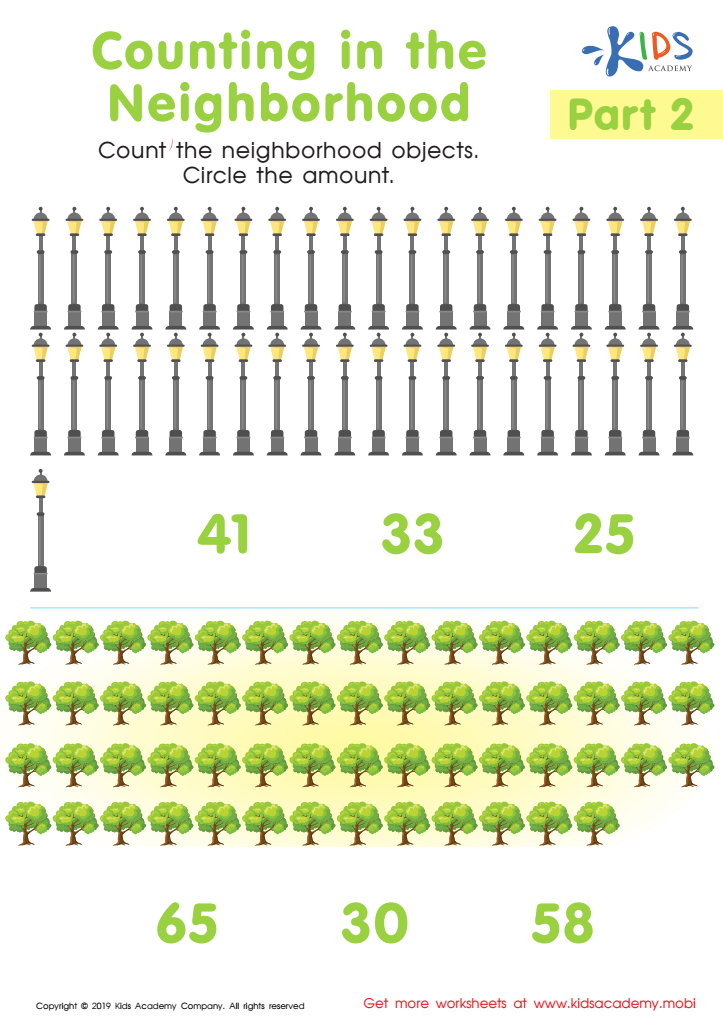
Counting In The Neighborhood Part 2 Worksheet
Download this free worksheet to help your child build number sense and math reasoning skills! It uses pictures of objects they know, letting your child count and match the right numeral to the objects to count past 10. Let them feel successful in mastering numbers.
 Assign to My Students
Counting In The Neighborhood Part 2 Worksheet
Worksheet
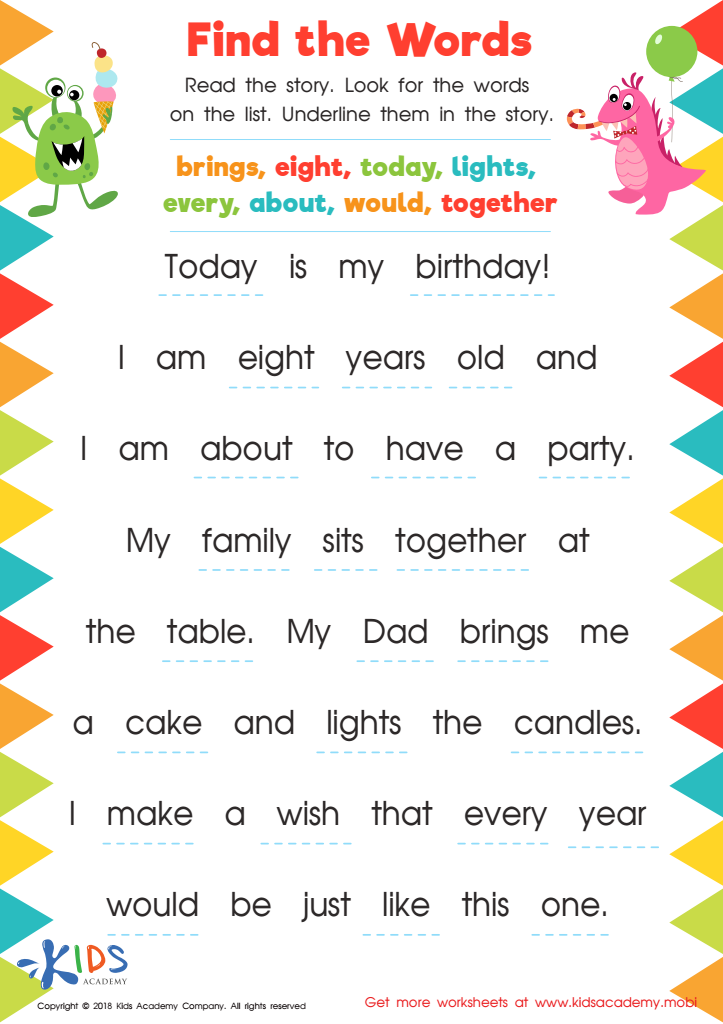
Find The Words Printable Worksheet
Hunt for words while reading this birthday story! This printable worksheet will help your child practice early reading skills as they search for words in the text. Enjoy the story and find the words!
Find The Words Printable Worksheet
Worksheet
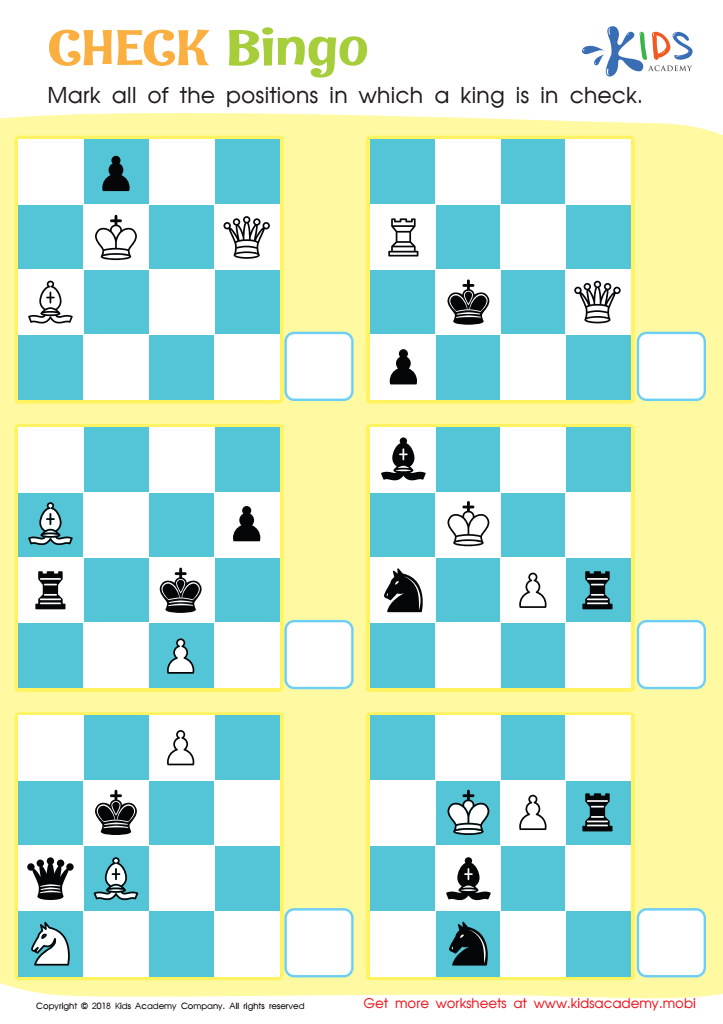
Check Bingo Worksheet
Chess helps young minds build critical thinking, problem-solving and logical reasoning skills. This free PDF worksheet is a fun way to teach these skills. It explains the concept of check and includes gameboards with kings in various positions. Students mark off the boards where a king isn't in check, and they're ready to move onto checkmate!
Check Bingo Worksheet
Worksheet
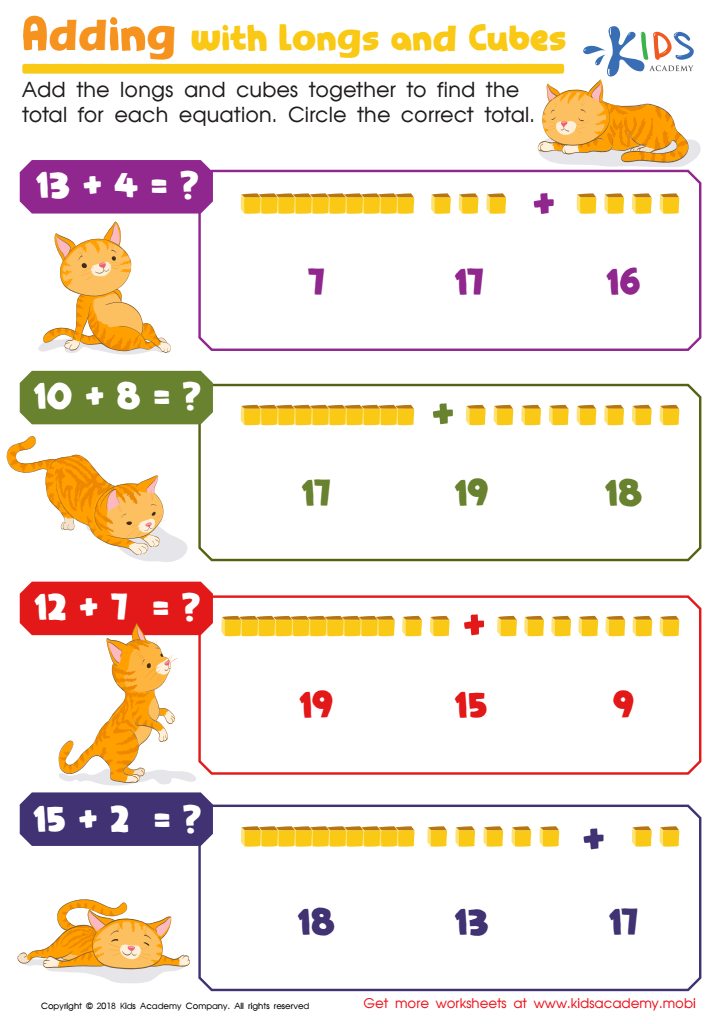
Adding With Longs and Cubes Worksheet
Math might not be your child's favorite, but they must master it to advance. If they're having difficulties or don't like it, use this worksheet to make it easier. Have them add longs and cubes together to find the total for each question, then circle the correct answer. This exercise can help make math experiences better.
Adding With Longs and Cubes Worksheet
Worksheet
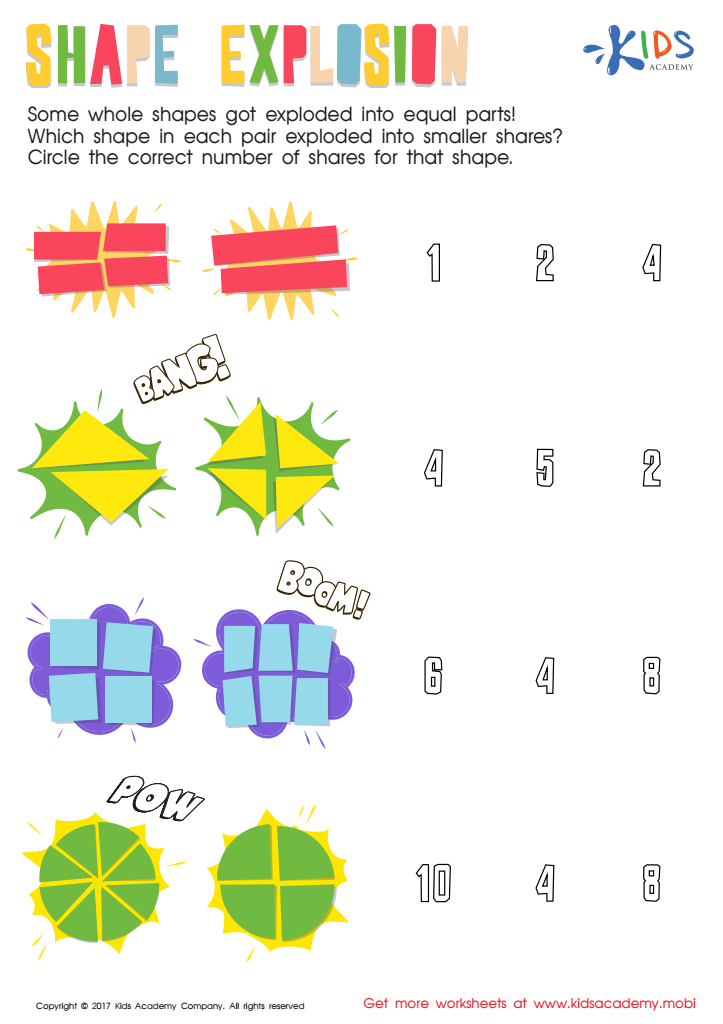
Shape Explosion Worksheet
This worksheet shows students how some shapes explode into two or more equal parts. On the left side are four shapes, each splitting into two or more parts. Ask your child to point out which shape has the smaller share, and help them circle the correct number of shares.
Shape Explosion Worksheet
Worksheet
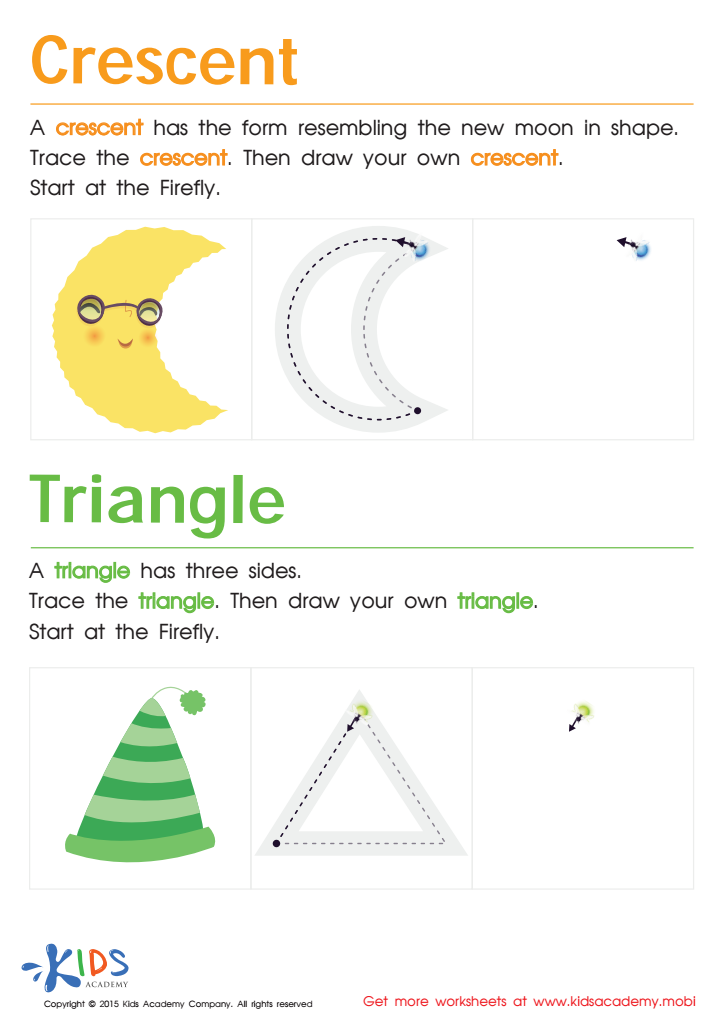
Learning to Draw Crescents And Triangles Worksheet
Help your kids draw a crescent and triangle with this free printable worksheet! Start by tracing a crescent in the form of the new moon, and then teach them that a triangle has three sides and looks like a hat. Find more geometry practice worksheets at Kids Academy!
Learning to Draw Crescents And Triangles Worksheet
Worksheet
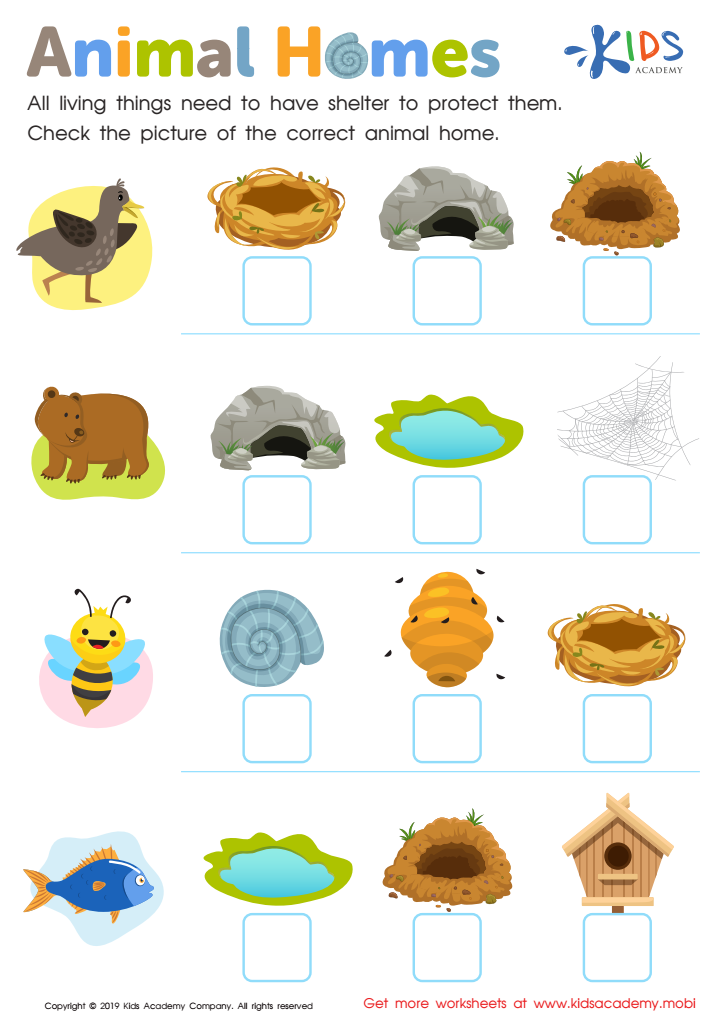
Animal Homes Worksheet
Students have homes where they can do things they love, sleep and stay safe from bad weather. Check the worksheet for animals and their shelters. Ask your kids to identify each and match the animal home to the picture. (80 words)
Animal Homes Worksheet
Worksheet
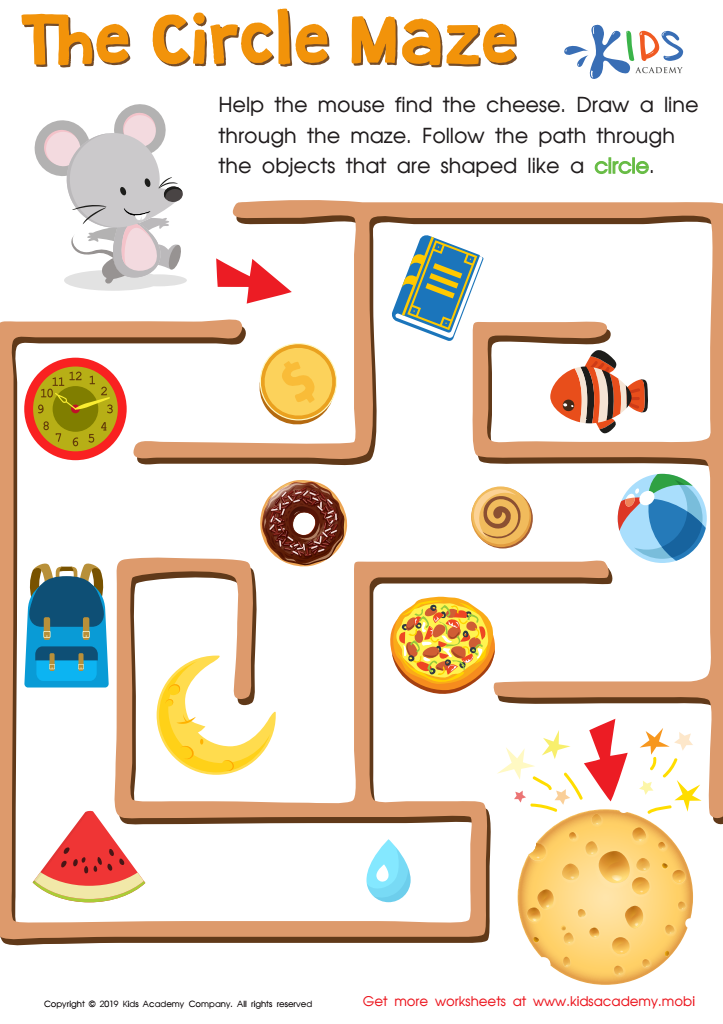
The Circle Maze Worksheet
Kids can have fun learning shapes with this maze worksheet. They can help the mouse find its cheese by tracing the path of a circle through the maze. This printable is great for classroom learning or as an activity at home.
The Circle Maze Worksheet
Worksheet
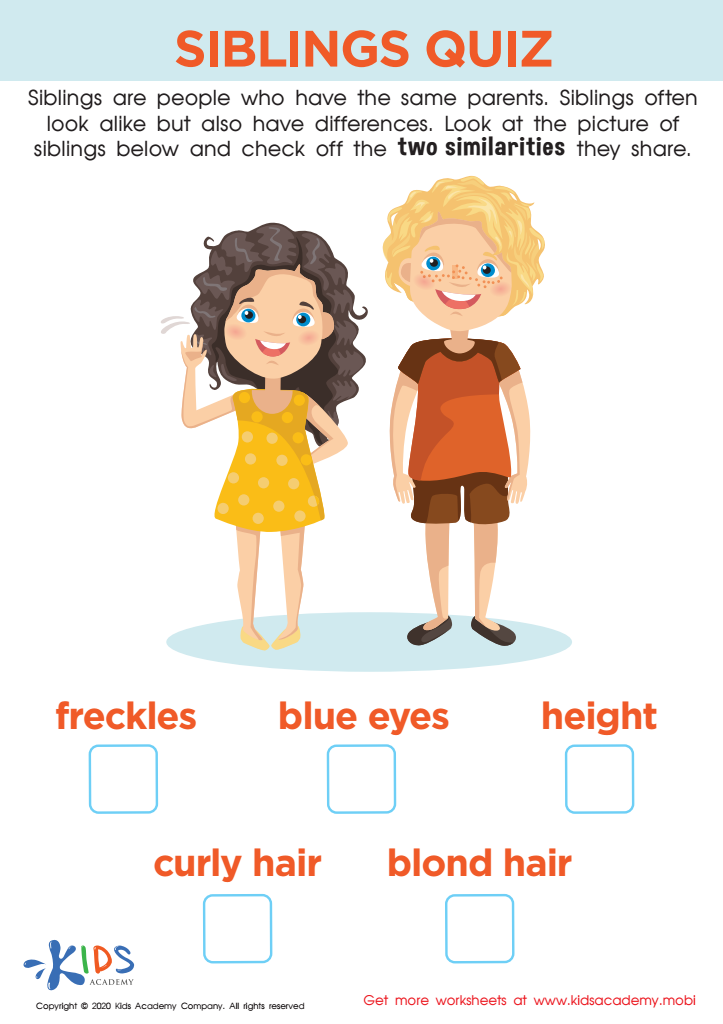
Siblings Quiz Worksheet
Your children may know a sibling is a sister or brother, but not realize what it means to be one. Siblings share the same parents, which means they share many genes. They are alike in many ways, but also have their own unique traits. Help your future scientist understand this early biology concept with this fun worksheet. They'll be tasked with finding similarities between two siblings on the page.
Siblings Quiz Worksheet
Worksheet
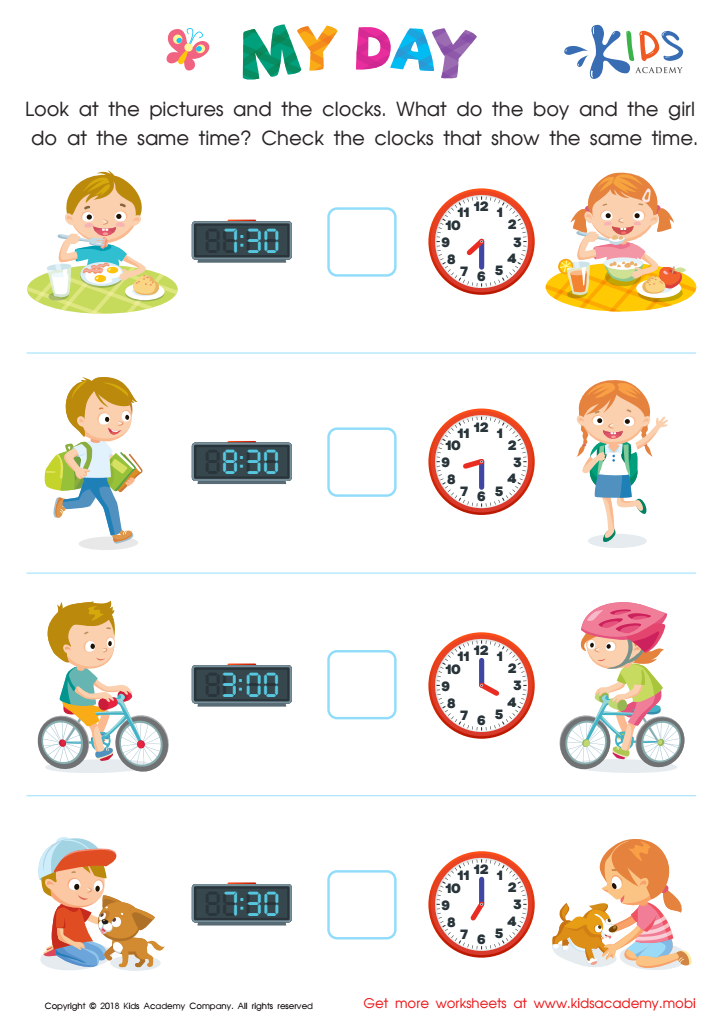
My Day Worksheet
Show your students the pictures and clocks in the colorful worksheet. Ask what the boy and girl are doing in each, then what time the clocks show. Finally, ask what activities they both do at the same time. Help them check the clocks showing the same time in both pictures.
My Day Worksheet
Worksheet
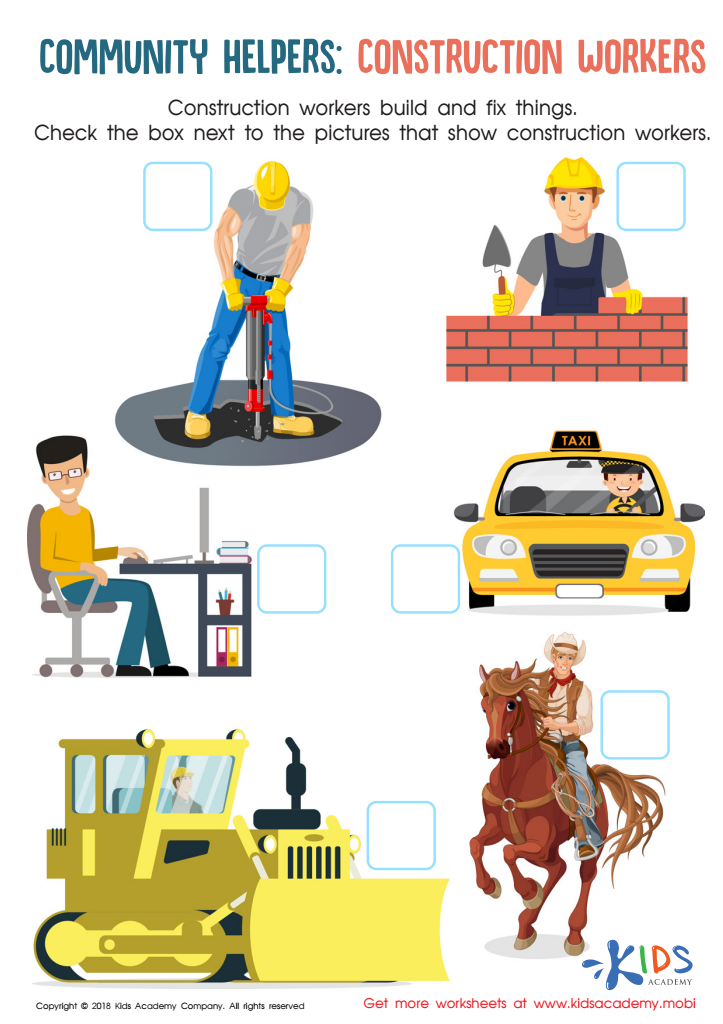
Construction Workers Community Helpers Worksheet
Construction workers build and repair roads, keeping them accessible for the community. Ask your child if they've ever seen one at work, and talk about what they do. Go through the worksheet together and check the pictures that show construction workers in action.
Construction Workers Community Helpers Worksheet
Worksheet
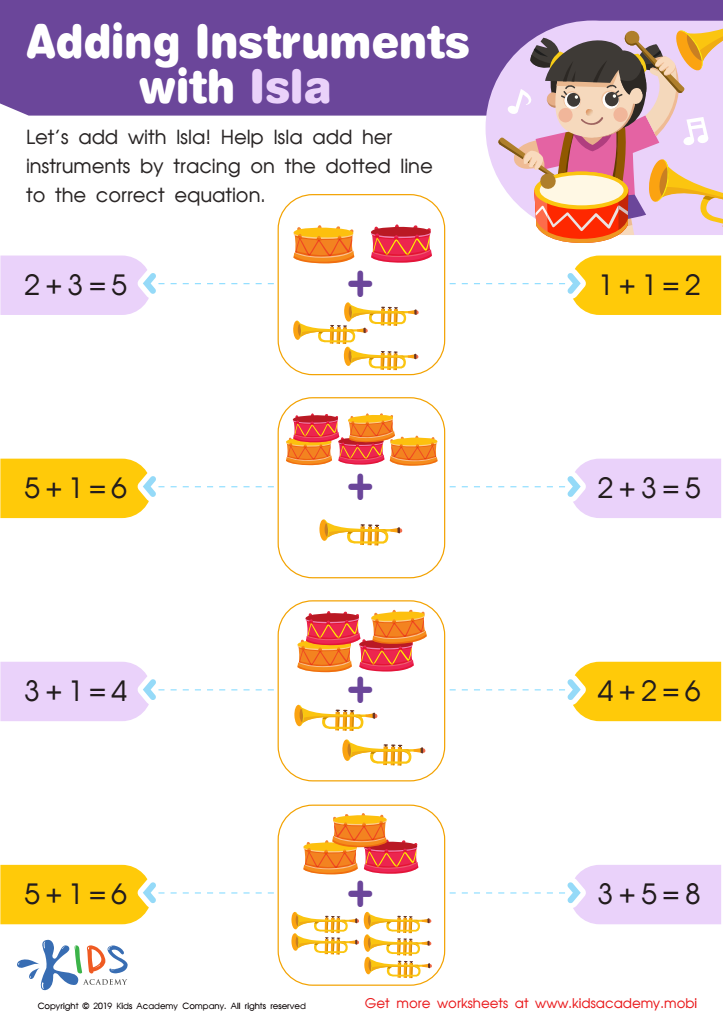
Adding Instruments with Isla Worksheet
Your kids can have fun helping Isla add her musical instruments. With colorful pics and one-to-one representation, they can pick the correct addition sentence. They can connect each pic with traceable lines and get to the right sum up to 10.
Adding Instruments with Isla Worksheet
Worksheet
Join Kids Academy for Free
Who is primarily going to use this learning content?





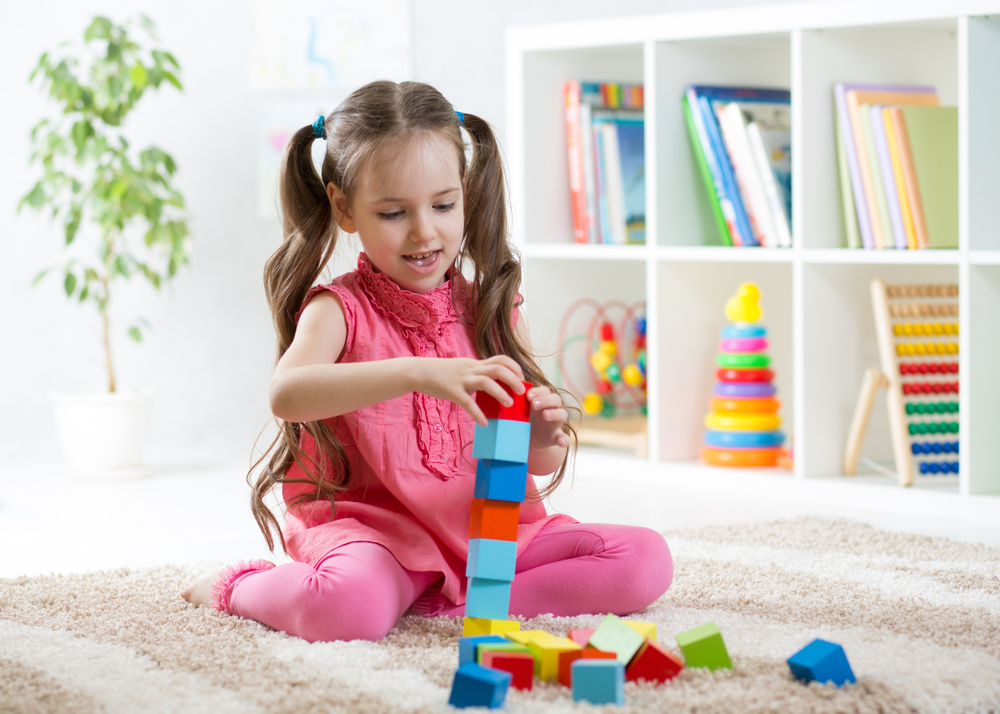
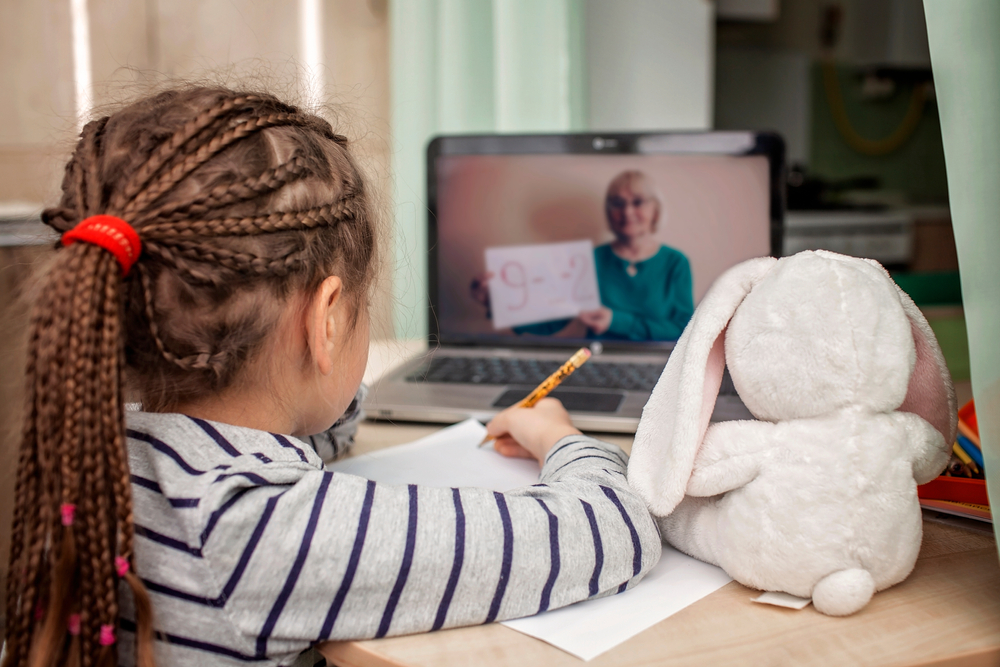
Visual perception refers to the ability of the brain to interpret and make sense of visual stimuli from the environment. For children ages 6-8, this skill is incredibly important as it lays the foundation for various academic and everyday activities. Parents and teachers should be particularly attentive to improving visual perception for several reasons.
Firstly, visual perception is closely linked to reading skills. Recognizing letters, understanding spacing, and decoding words require strong visual discrimination. Children who struggle with visual perception may find it challenging to keep up with peers in reading comprehension, potentially leading to frustration and a lack of confidence.
Secondly, visual perception impacts handwriting. Proper letter formation, alignment, spacing, and general legibility all hinge on how well a child can interpret visual cues. Without well-developed visual-perceptual skills, children might produce writing that is difficult to read and experience a decrease in academic performance.
Moreover, visual perception plays a critical role in math. Tasks such as understanding shapes, recognizing patterns, and spatial reasoning in geometry are dependent on a child's ability to analyze visual information.
Finally, beyond academics, good visual perception is vital for everyday activities, such as tying shoelaces, catching a ball, or even navigating spaces safely. Engaging in activities like puzzles, drawing, and memory games can greatly enhance these skills, benefitting children in numerous aspects of their lives.








