Visual perception Worksheets for Ages 6-8 - Page 2
48 filtered results
-
From - To
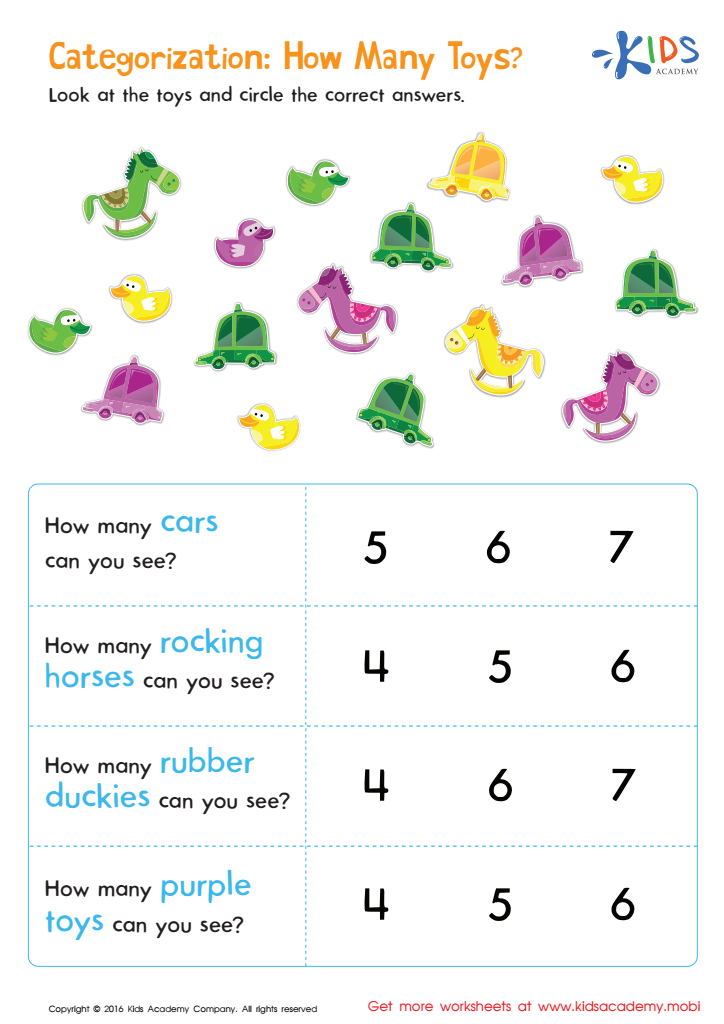
Classifying Toys by Type and Color Sorting Worksheet
 Assign to My Students
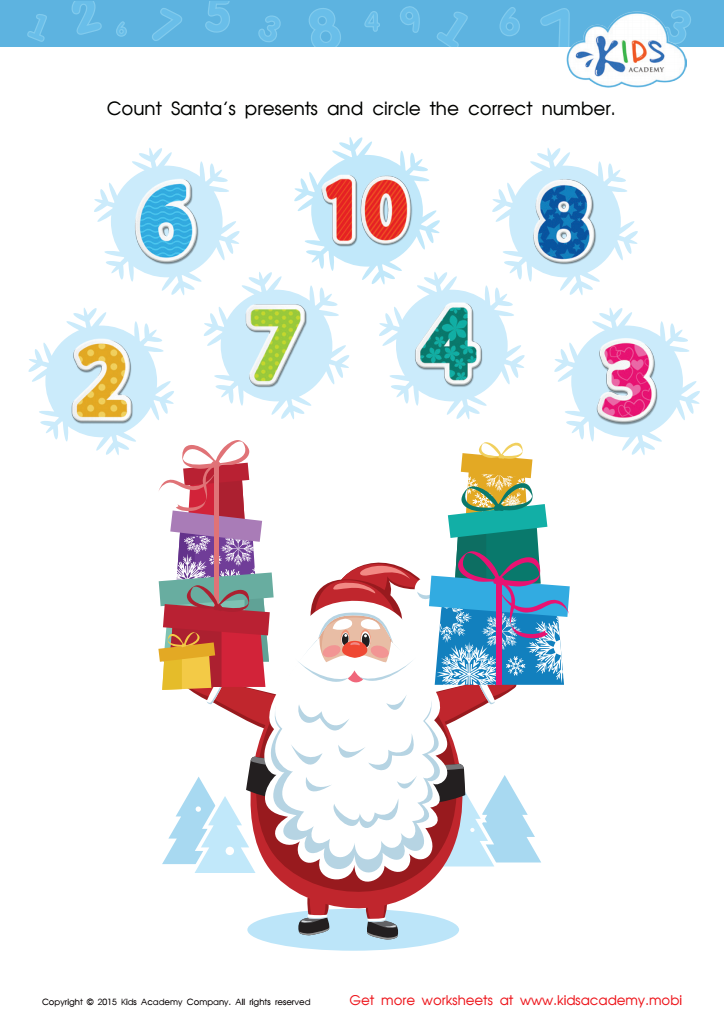
Count Santa's Presents Worksheet
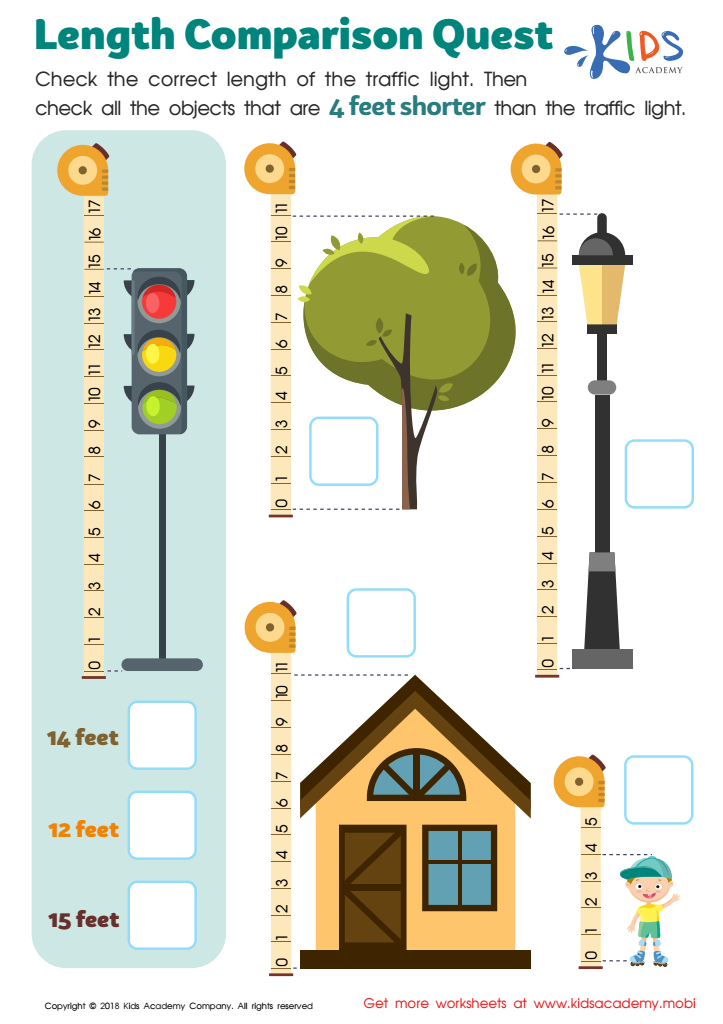
Length Comparison Quest Worksheet
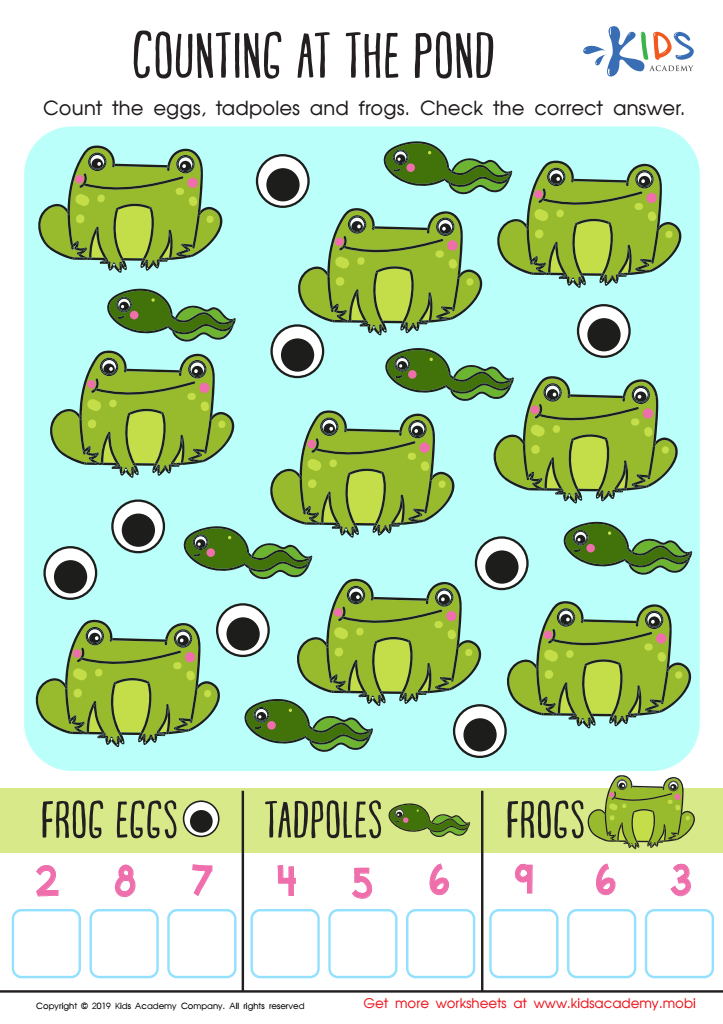
Counting at the Pond Worksheet
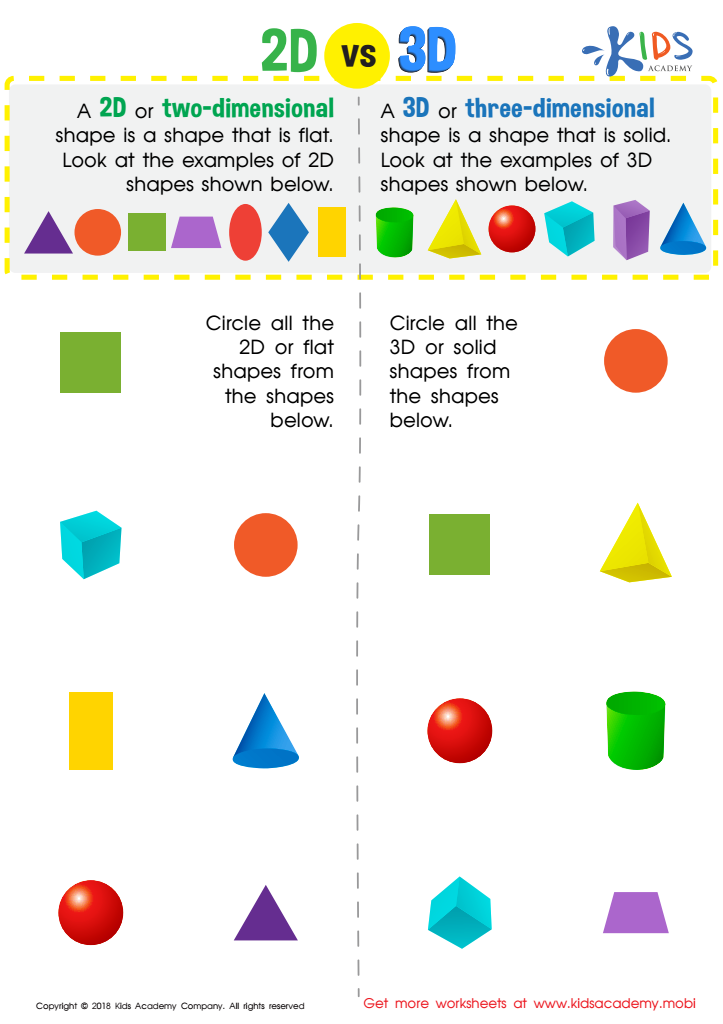
2D vs 3D Shapes Worksheet
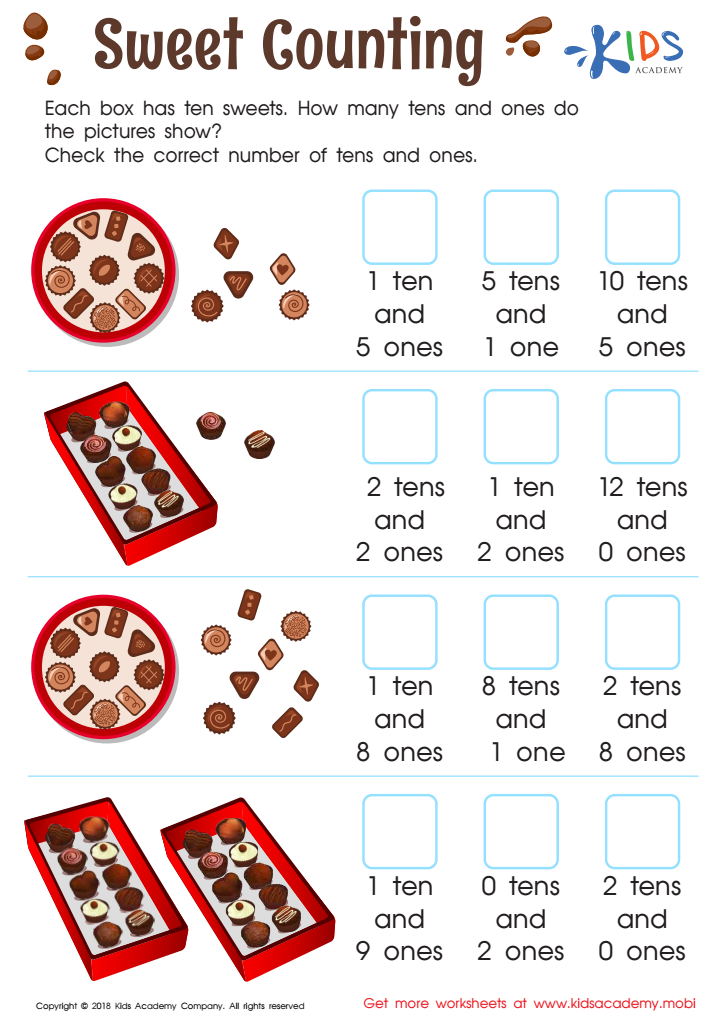
Sweet Counting - Part 2 Worksheet
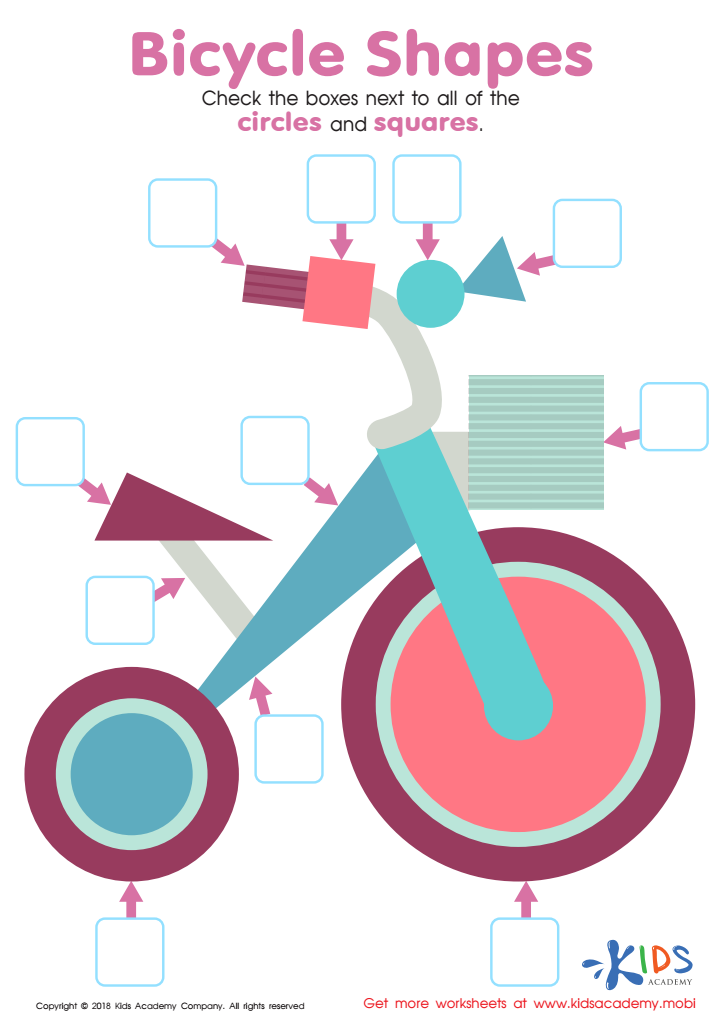
Bicycle Shapes Worksheet
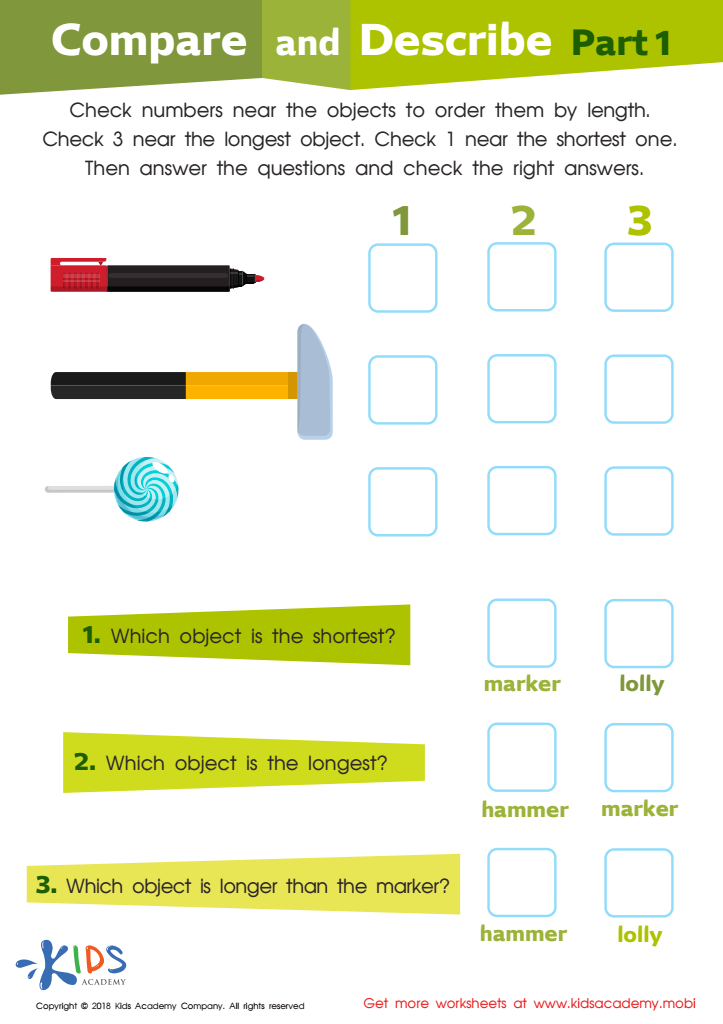
Compare and Describe: Part 1 Worksheet
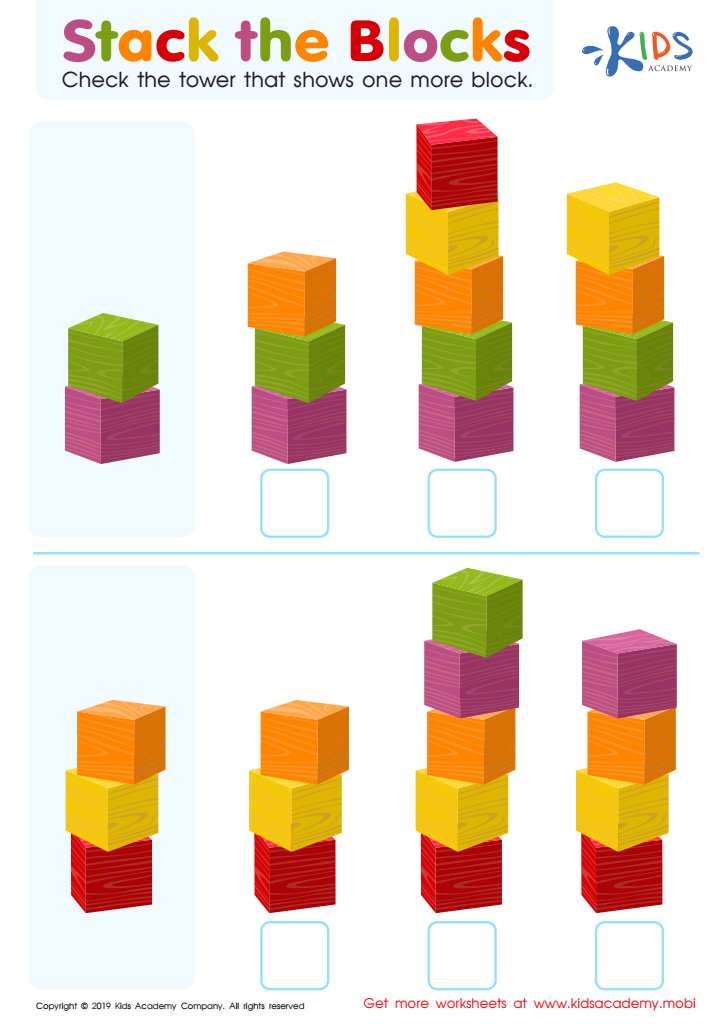
Stack the Blocks Worksheet
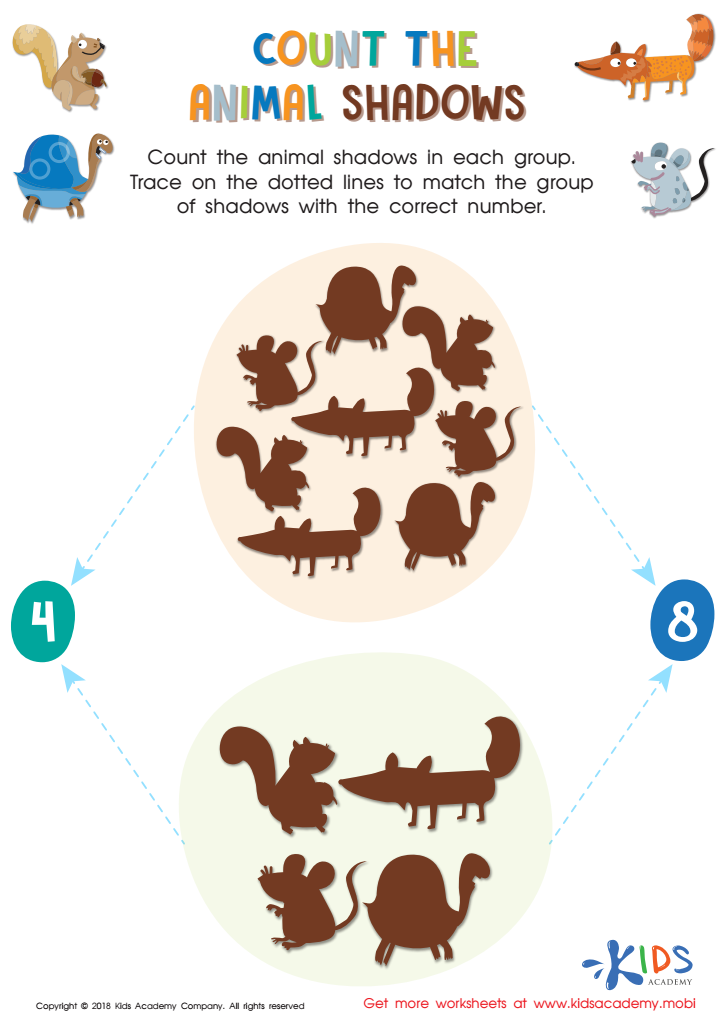
Count the Animal Shadows Worksheet
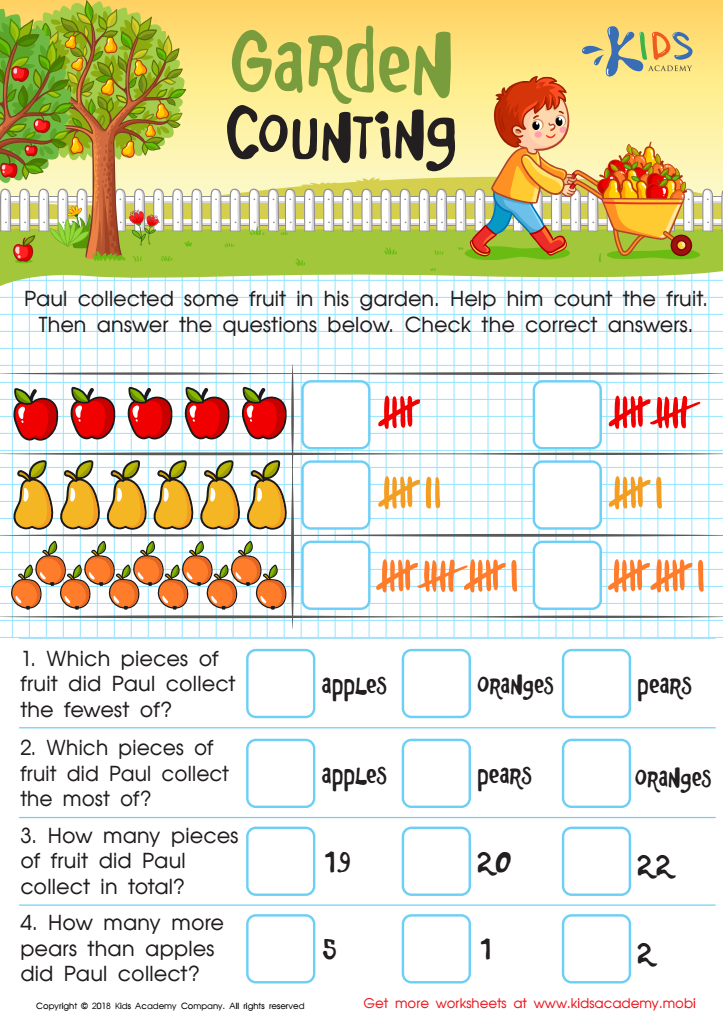
Garden Counting Worksheet
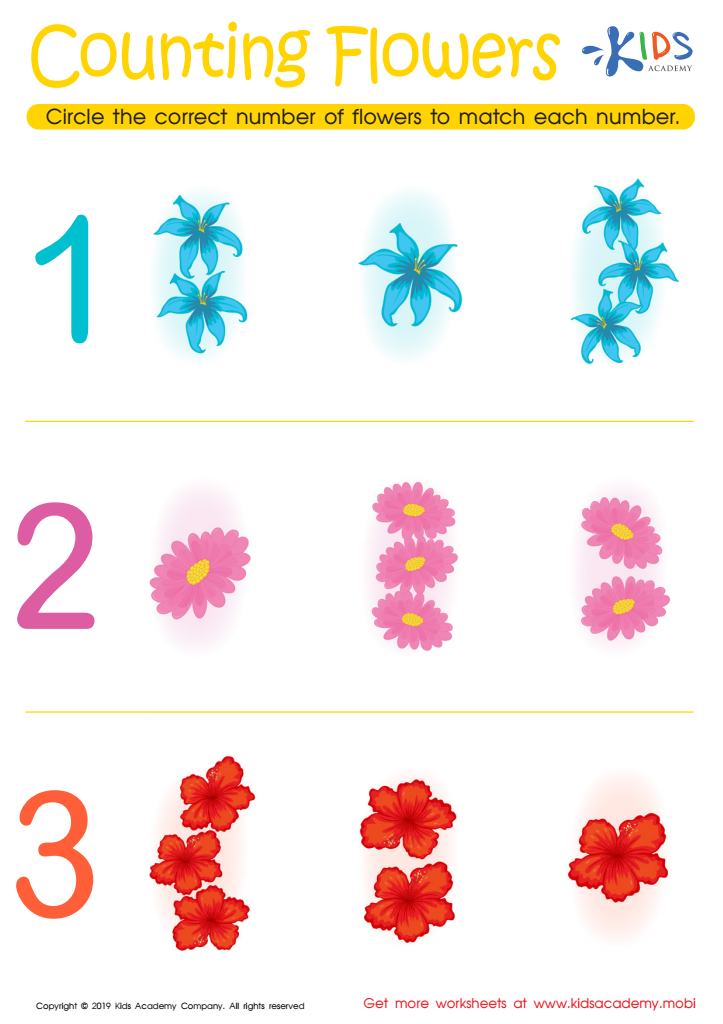
Counting Flowers Worksheet
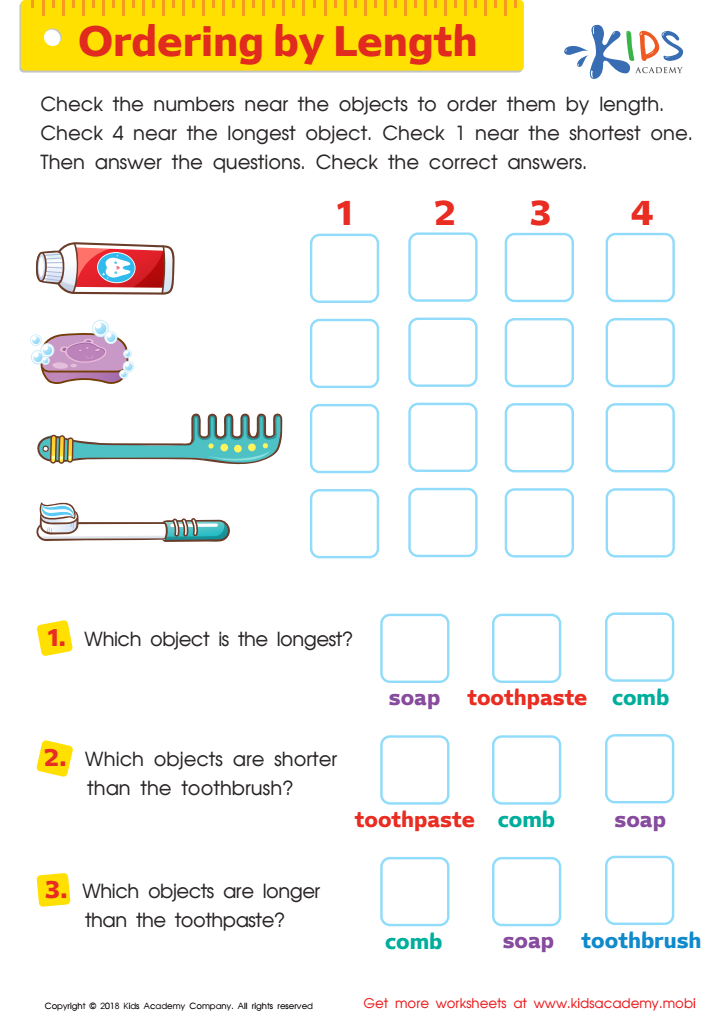
Ordering by Length Worksheet
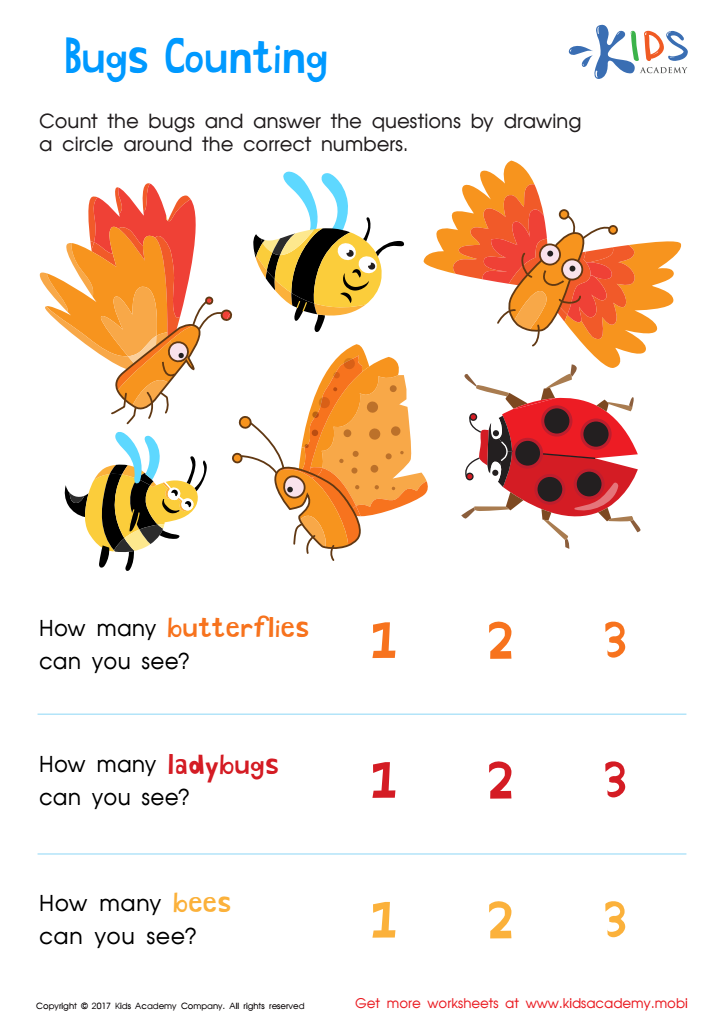
Bugs Counting Worksheet
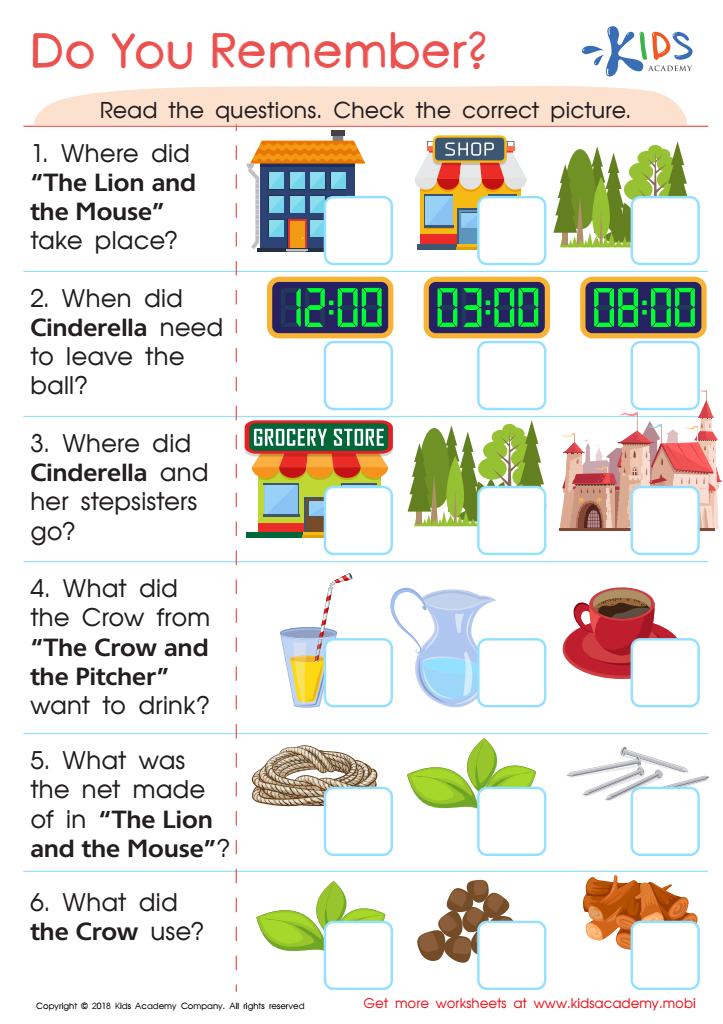
Do You Remember? Worksheet
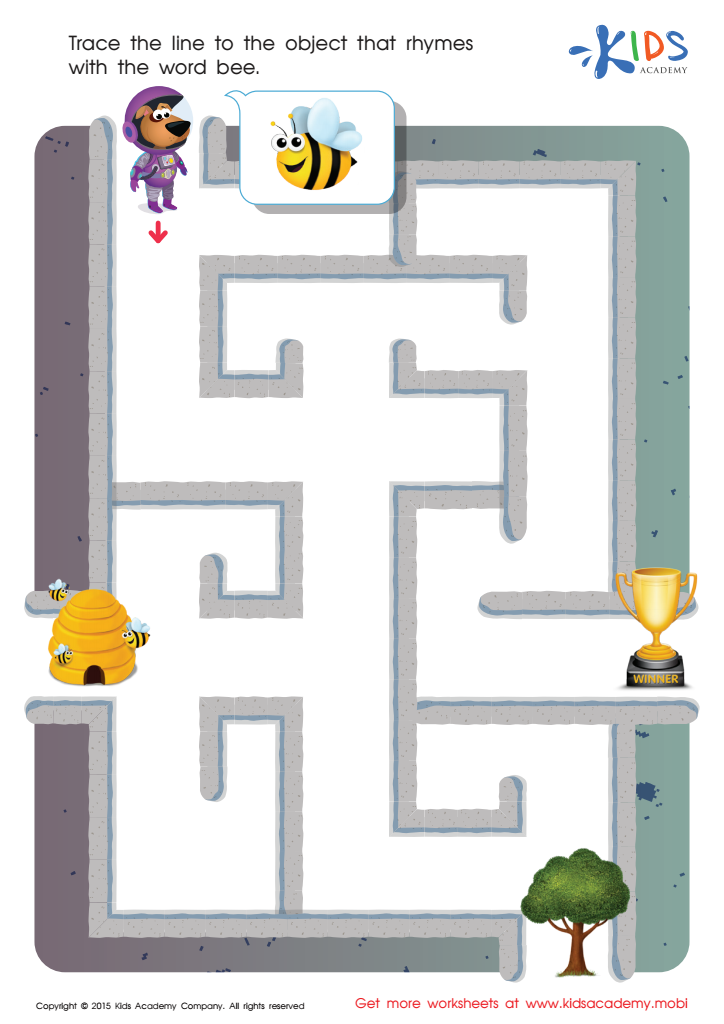
Bee Rhyming Words Worksheet
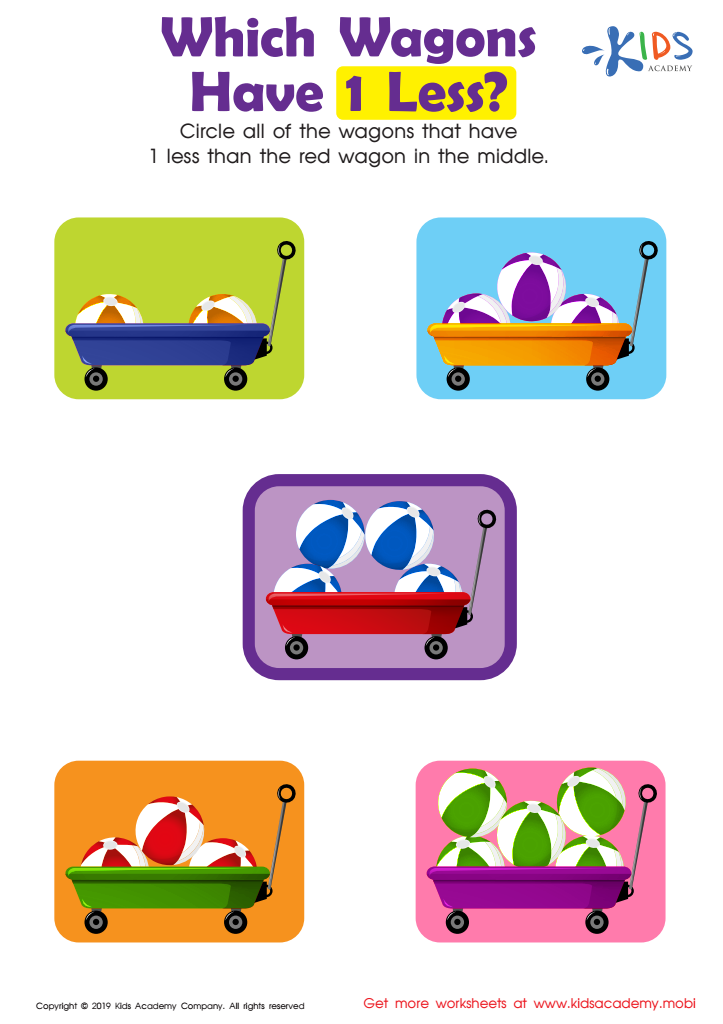
Which Wagons Have 1 Less? Worksheet
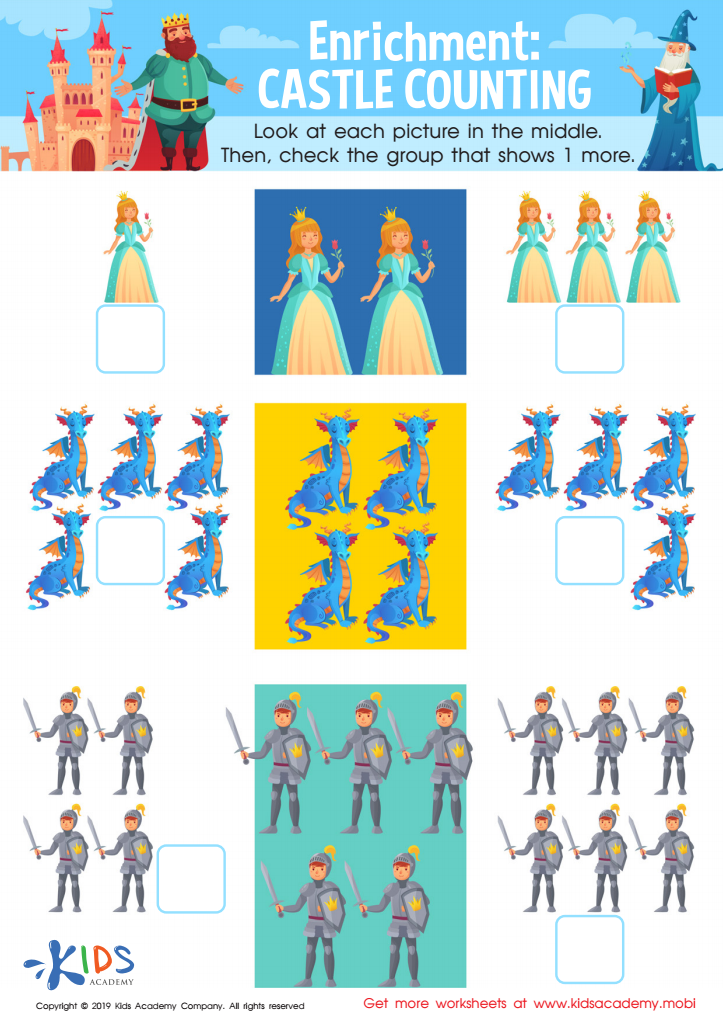
Enrichment: Castle Counting Worksheet

Count and Match Vegetables 1 – 5 Math Worksheet
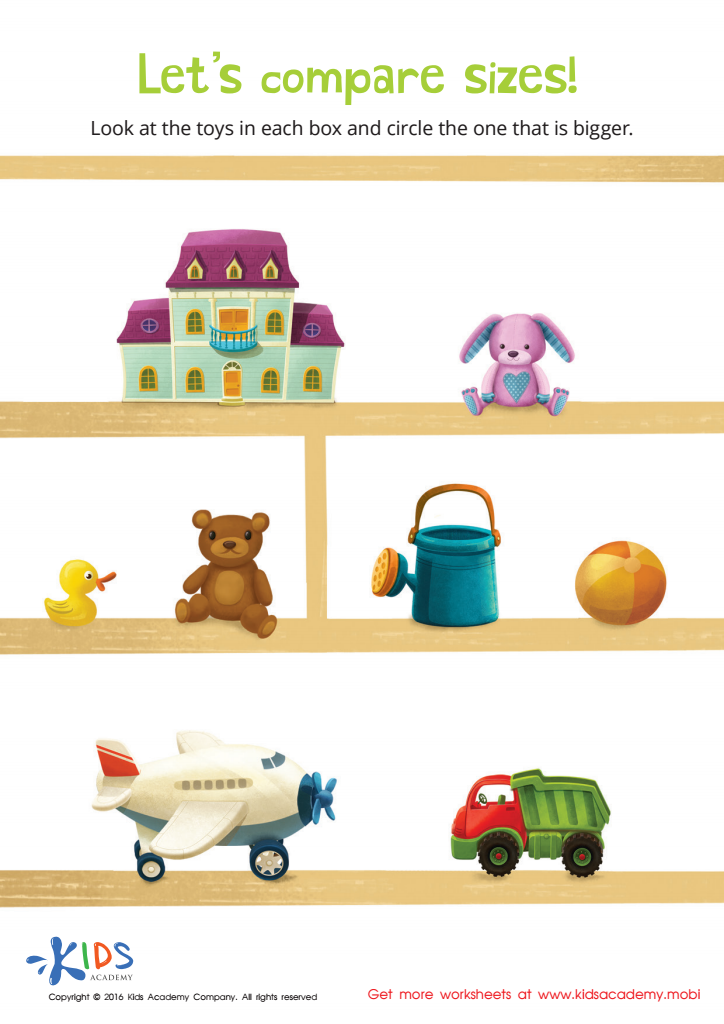
Classifying by Size Sorting Worksheet
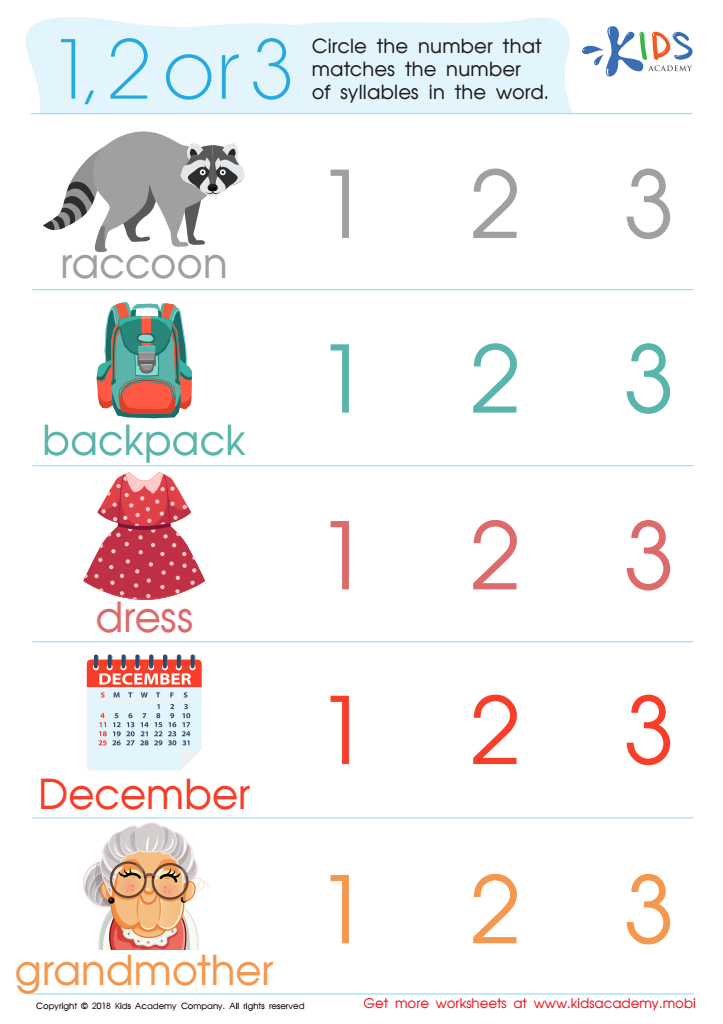
1, 2 or 3? Worksheet








Visual perception is a crucial aspect of cognitive development in children aged 6-8, fundamentally influencing their ability to interpret and engage with the world. For parents and teachers, fostering strong visual perception skills is essential for several reasons.
Firstly, visual perception underpins reading and writing abilities. Children need to recognize and differentiate between letters, words, and numbers. Any delays in these skills can lead to struggles in literacy and numeracy, impacting overall academic progress.
Secondly, visual perception affects coordination and motor skills. Activities such as drawing, playing sports, and even simple tasks like dressing require a well-developed ability to judge distance, spatial relationships, and movement.
Thirdly, social interactions can be enriched by strong visual perception. Children read facial expressions, gestures, and non-verbal cues to communicate effectively and build relationships with peers. Those who struggle with visual cues might find it harder to develop friendships and may feel isolated.
Lastly, self-esteem and confidence are positively associated with adept visual perception. Success in academic, physical, and social activities boosts a child’s sense of achievement and self-worth.
In sum, developing visual perception is key to ensuring that children navigate their learning environments effectively, perform well academically, interact successfully with peers, and build a strong foundation for lifelong skills.








