Visual Perception Skills 2D Shapes Worksheets for Ages 6-8
3 filtered results
-
From - To
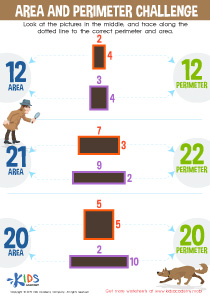
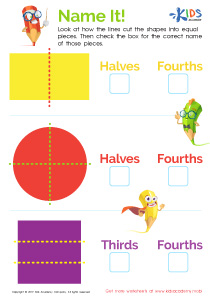
Enhance your child's visual perception skills with our engaging 2D shapes worksheets, specifically designed for ages 6-8. These printable resources provide a fun and interactive way for young learners to identify, differentiate, and categorize various shapes. Activities focus on crucial skills such as visual discrimination, pattern recognition, and spatial awareness, laying a strong foundation for future math concepts. Each worksheet features vibrant illustrations and age-appropriate challenges, ensuring that learning remains enjoyable and effective. Use these worksheets at home or in the classroom to support your child's cognitive development while they explore the exciting world of 2D shapes!
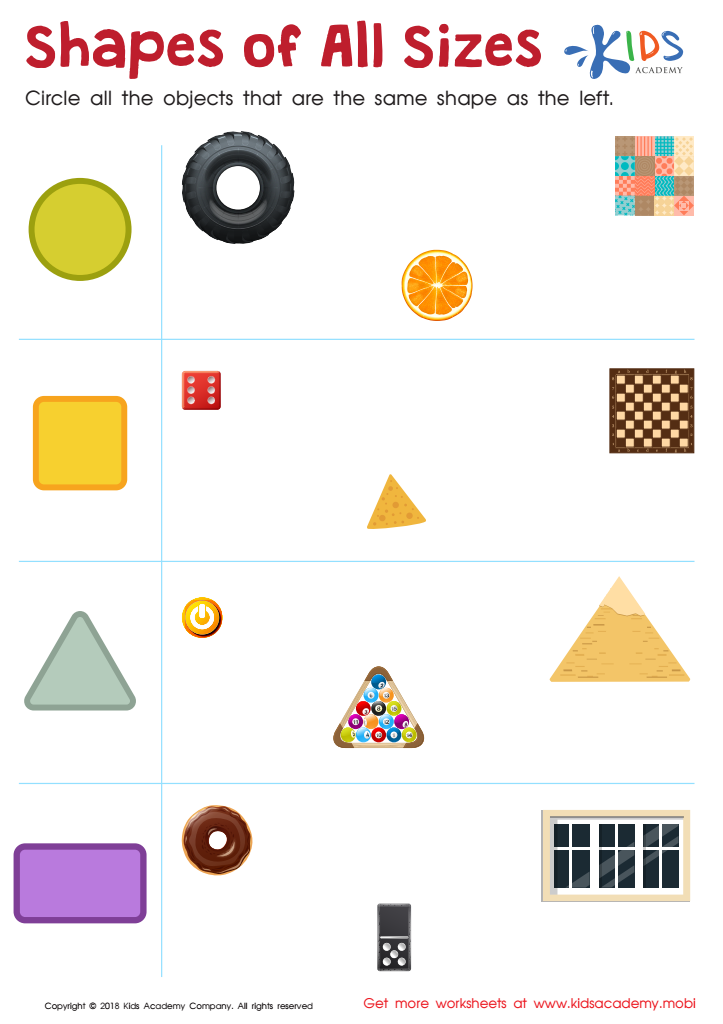
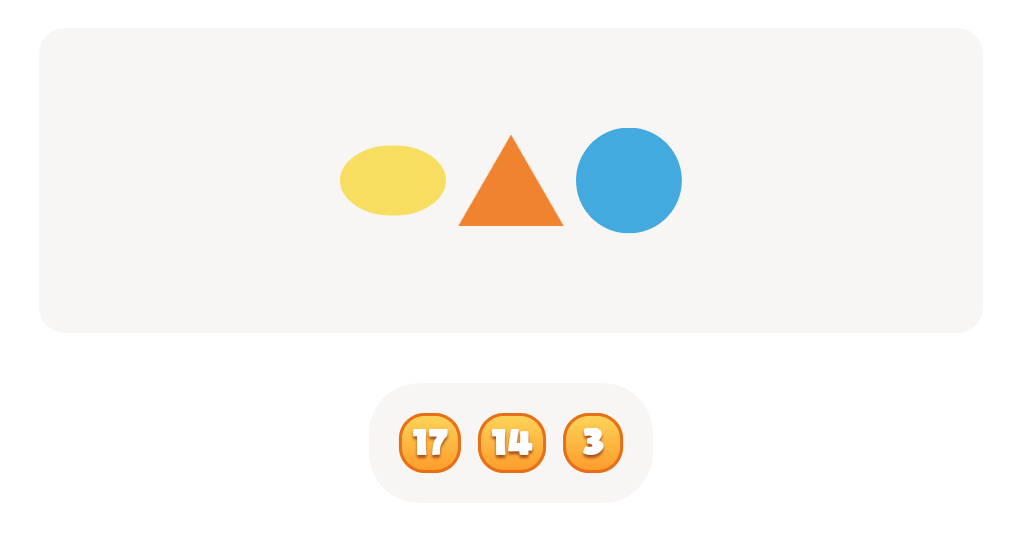
Shapes of All Sizes Worksheet
 Assign to My Students










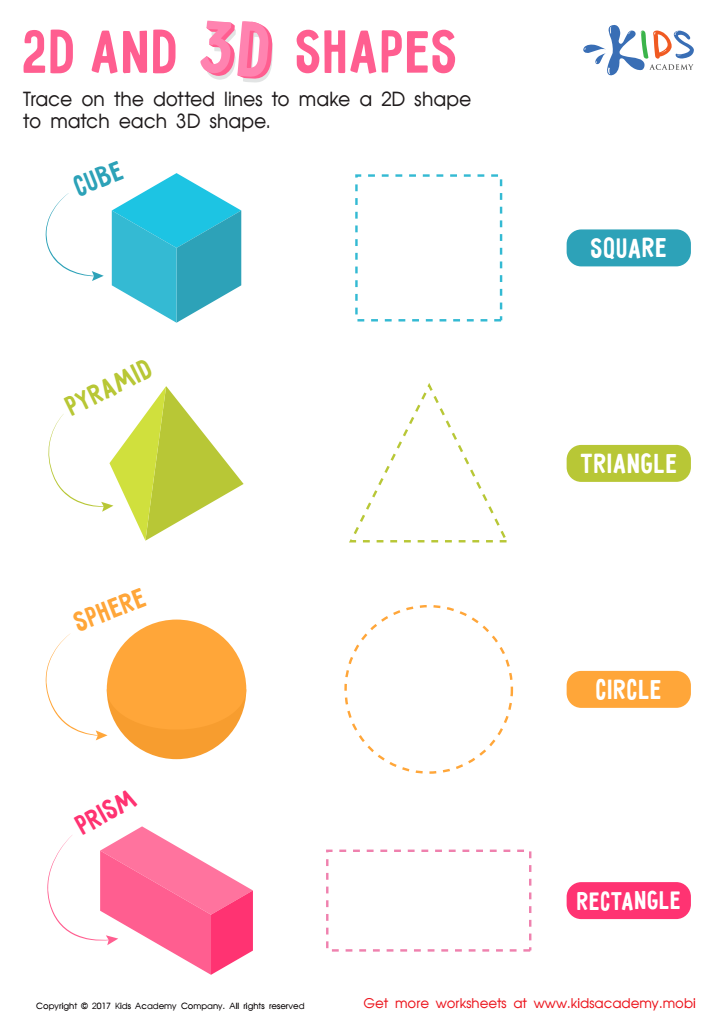
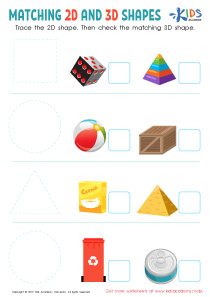
2D and 3D Shapes Worksheet
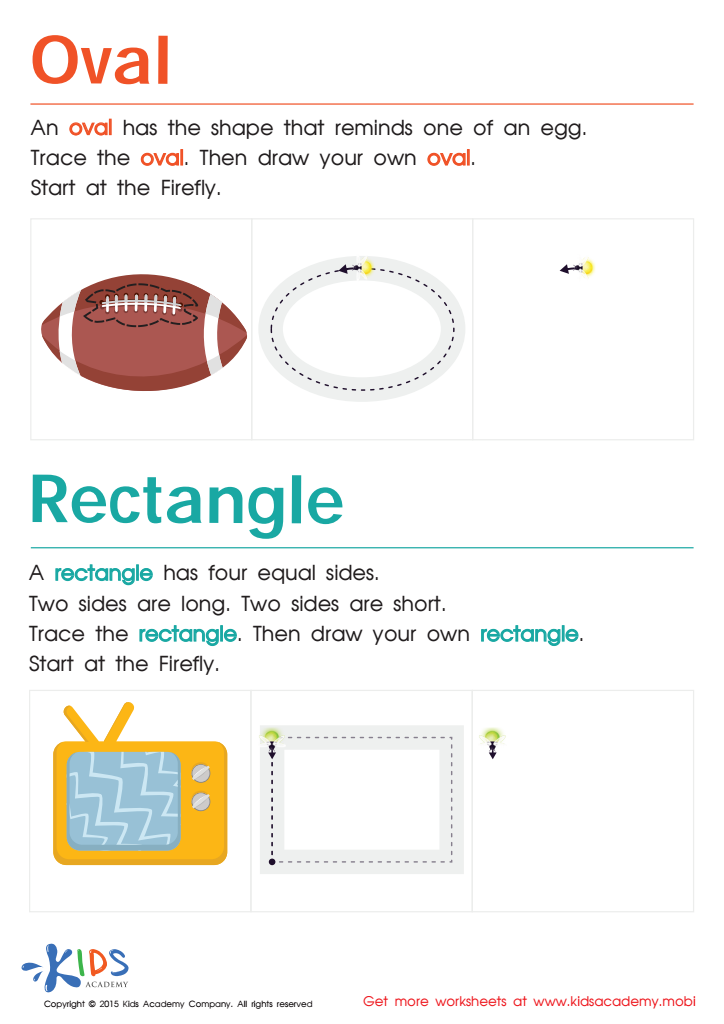
Easy Drawing of Ovals And Rectangles Worksheet








Visual perception skills, particularly regarding 2D shapes, play a crucial role in the cognitive and developmental growth of children aged 6-8. During this formative stage, children are not only learning essential academic concepts but also developing foundational skills that support their overall learning processes. Proficiency in visual perception helps children recognize, differentiate, and manipulate shapes, which are critical skills in subjects like math, art, and geometry.
Teachers and parents should prioritize improving these skills, as they contribute to children's problem-solving abilities and spatial awareness. For instance, the ability to identify shapes aids in understanding mathematical concepts such as addition, subtraction, and geometry, thereby enhancing performance in mathematics. Furthermore, strong visual perception skills can facilitate better reading abilities as children learn to recognize letters and words that have similar shapes.
Additionally, these skills promote creativity by allowing children to explore different forms and structures in art and design activities. Overall, nurturing visual perception skills in children aged 6-8 lays the groundwork for academic success, boosts confidence, and fosters a lifelong love of learning as they interact with the world around them. Therefore, encouraging these skills is vital for a child’s holistic development and future readiness.