Basic arithmetic understanding Addition & Subtraction Worksheets for Ages 6-8
4 filtered results
-
From - To
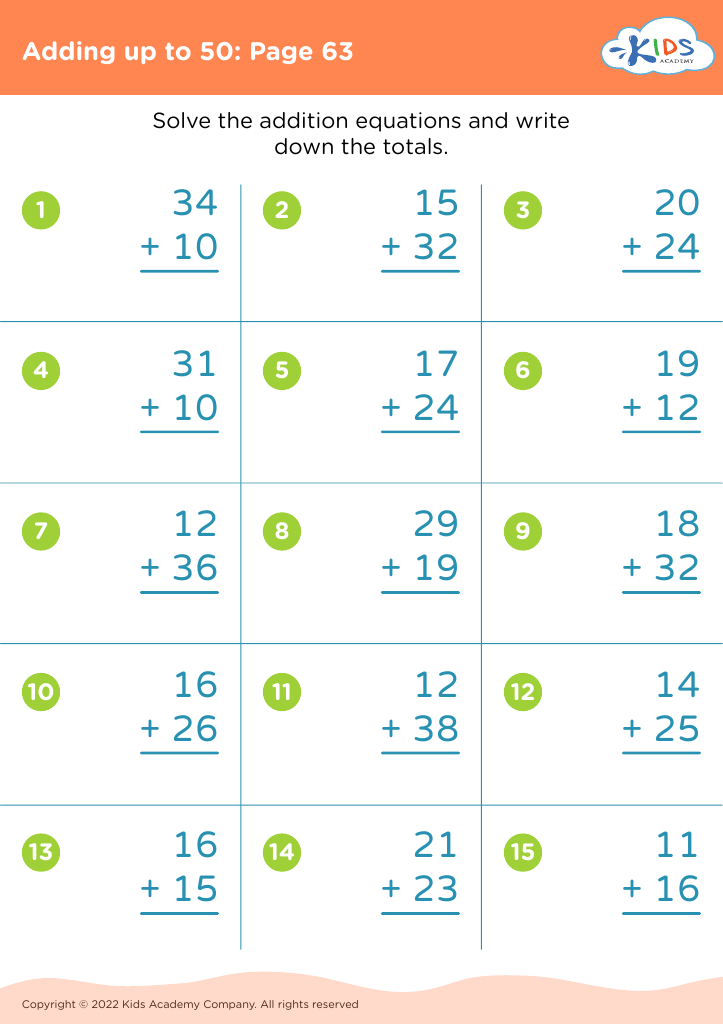
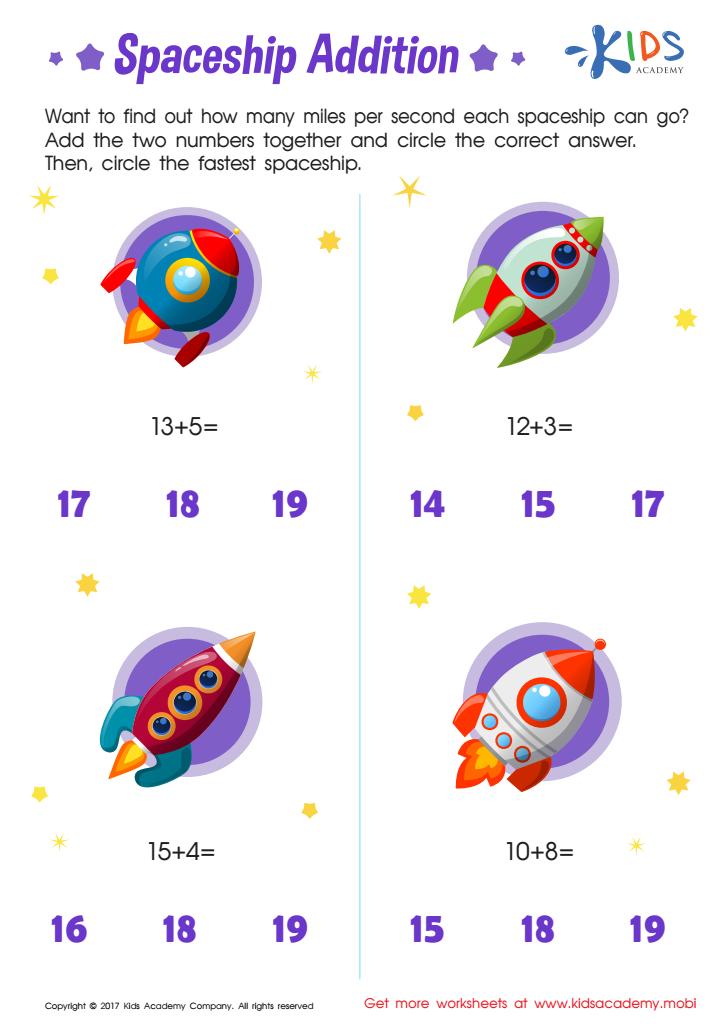
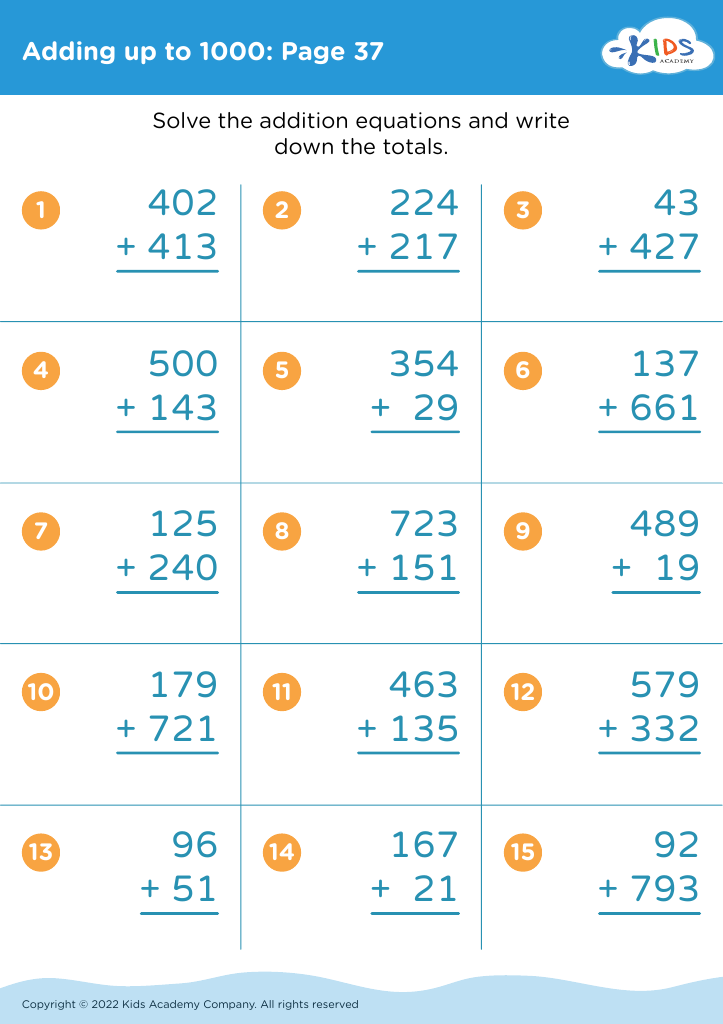
Welcome to our Basic Arithmetic Understanding Worksheets for Addition and Subtraction, designed specifically for children ages 6-8! These engaging and colorful worksheets provide young learners with a foundational understanding of essential math concepts. Packed with fun exercises that encourage exploration of adding and subtracting, these activities help students develop critical thinking and problem-solving skills in a supportive environment. By practicing with these worksheets, children will enhance their number sense, build confidence, and prepare for more complex math challenges ahead. Explore our collection to ignite a love for math and set the stage for lifelong learning!
 Assign to My Students
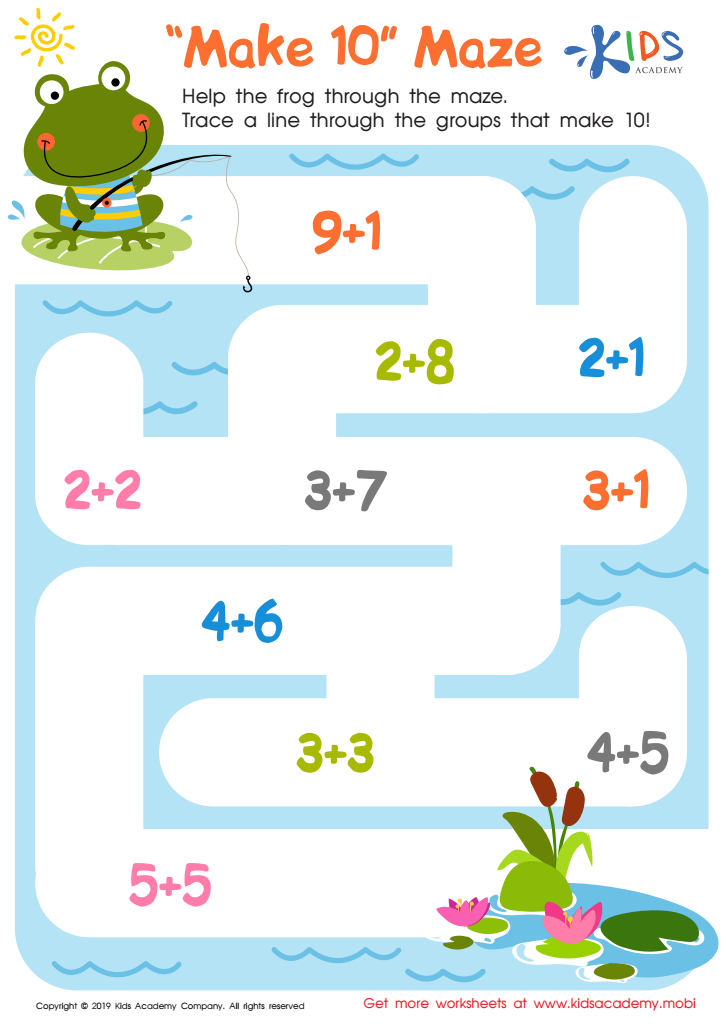
Make 10 Maze Worksheet








Understanding basic arithmetic, particularly addition and subtraction, is crucial for children aged 6-8, as it forms the foundation for all future mathematical learning. At this age, children are not just memorizing facts; they are beginning to grasp the concept of numbers and how they interact. Mastery of these operations enhances critical thinking and problem-solving skills.
When parents and teachers emphasize arithmetic understanding, they help children develop number sense — the ability to appreciate the magnitude of numbers and the relationships between them. This understanding aids in everyday situations, from managing pocket money to basic budgeting as children grow.
Furthermore, proficient addition and subtraction skills are often necessary for success in more complex math concepts such as multiplication, division, fractions, and even algebra. If a child struggles with the foundational arithmetic skills, they may face challenges in later grades, leading to frustration and a lack of confidence in their mathematical abilities.
Encouraging engagement through games, real-life applications, and hands-on activities can make learning these concepts enjoyable, fostering a positive attitude toward math. Therefore, parents and teachers play a vital role in ensuring young learners grasp and excel in these essential skills, setting them up for academic success.








