Enhance comprehension Addition & Subtraction Worksheets for Ages 6-8
17 filtered results
-
From - To
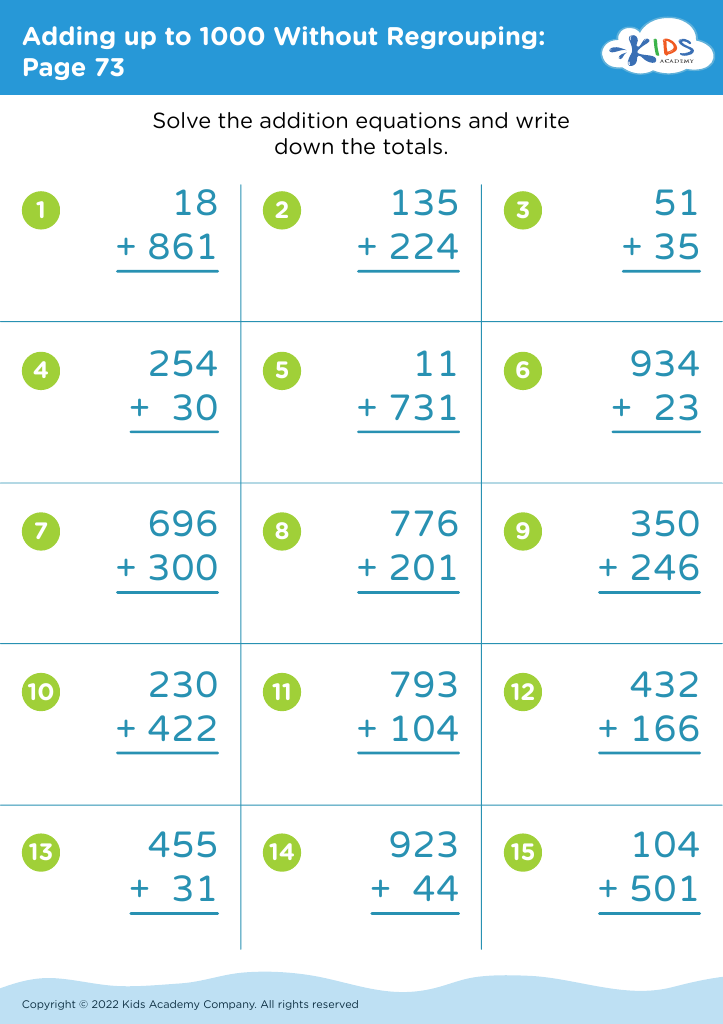
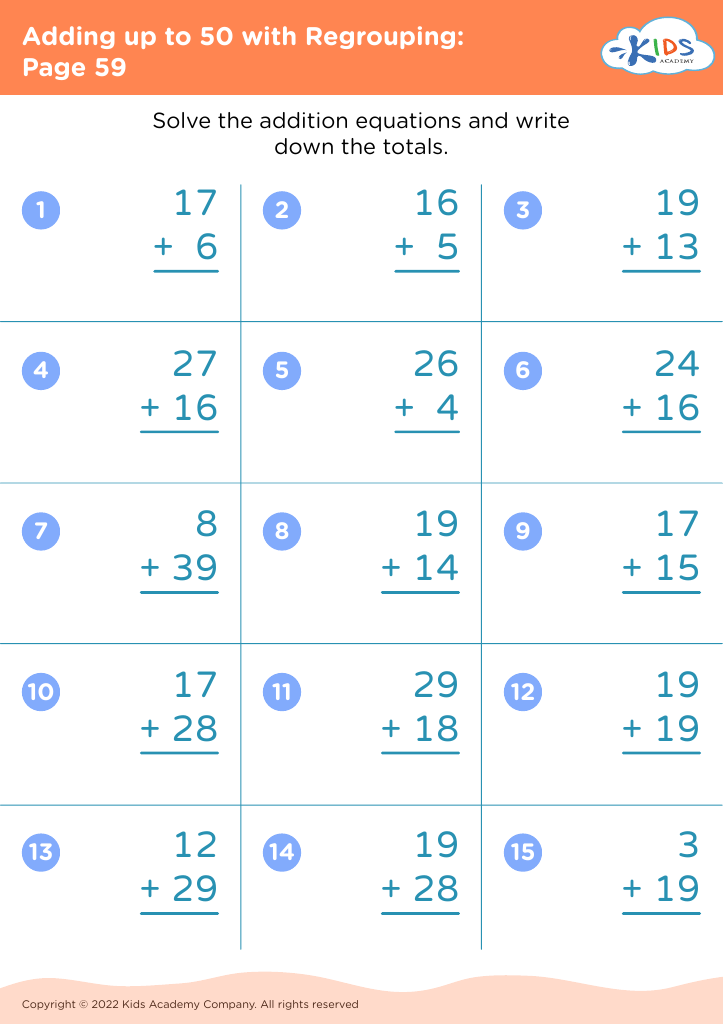
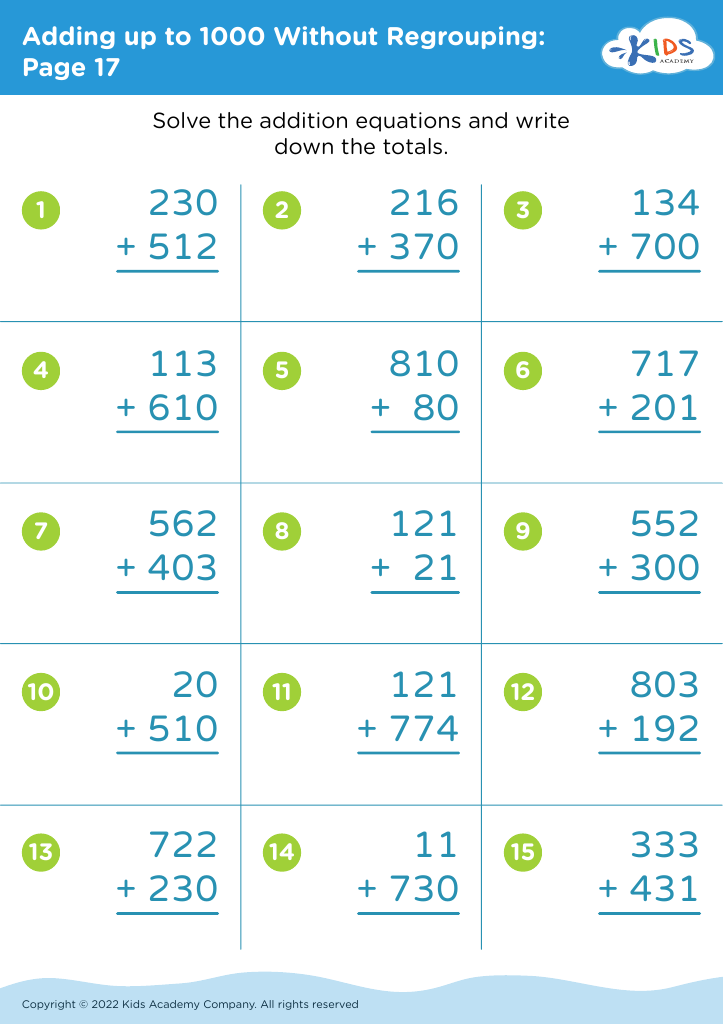
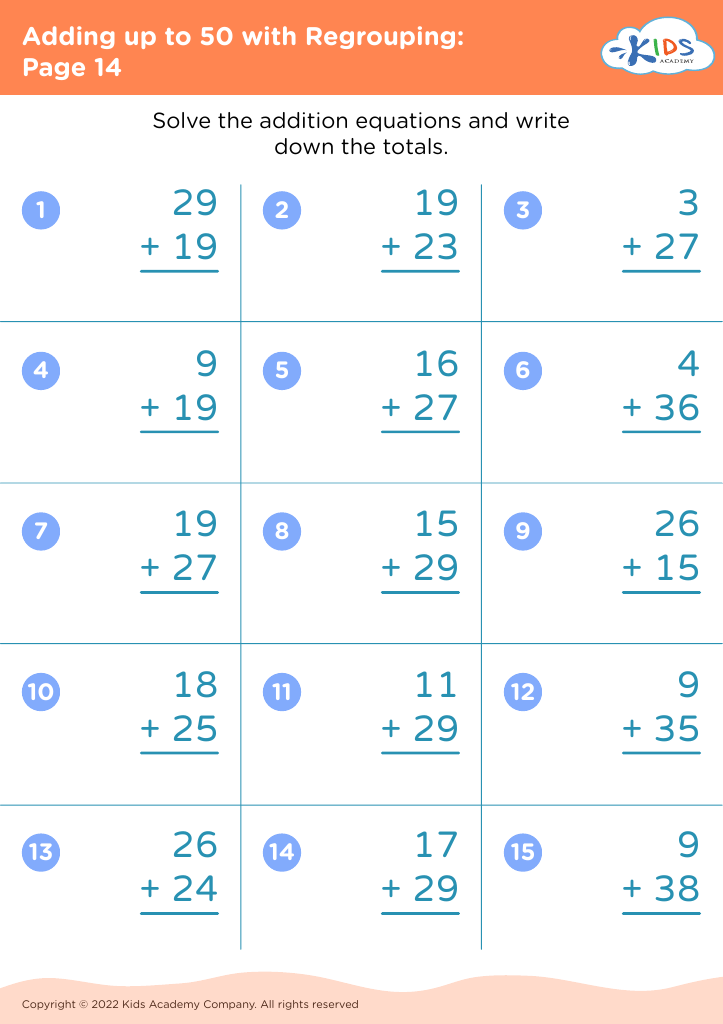
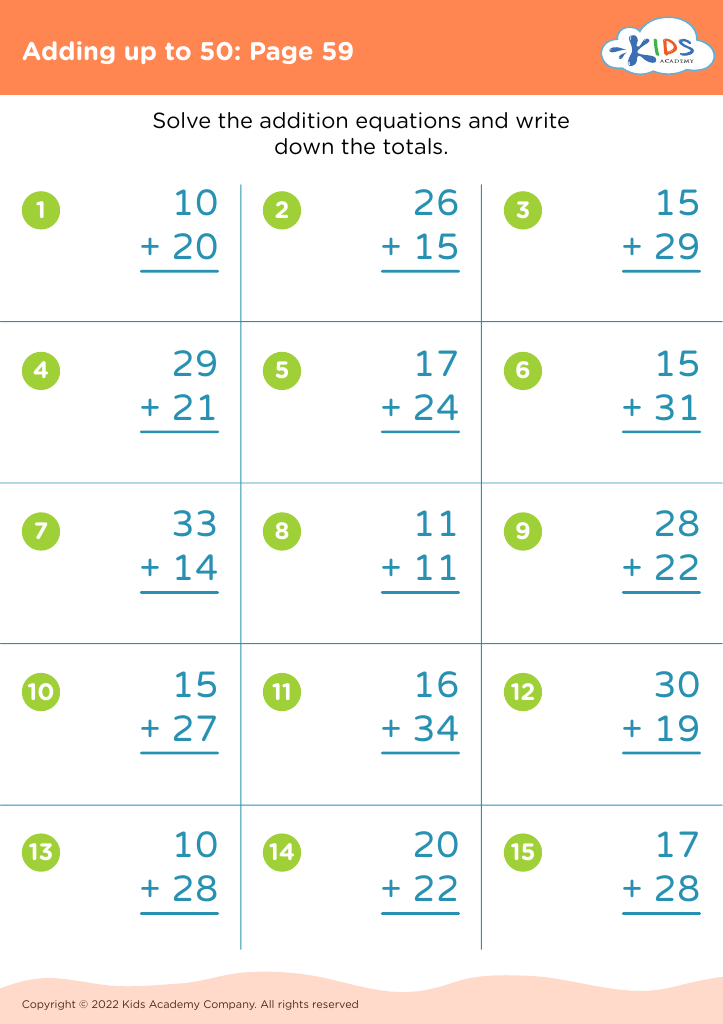
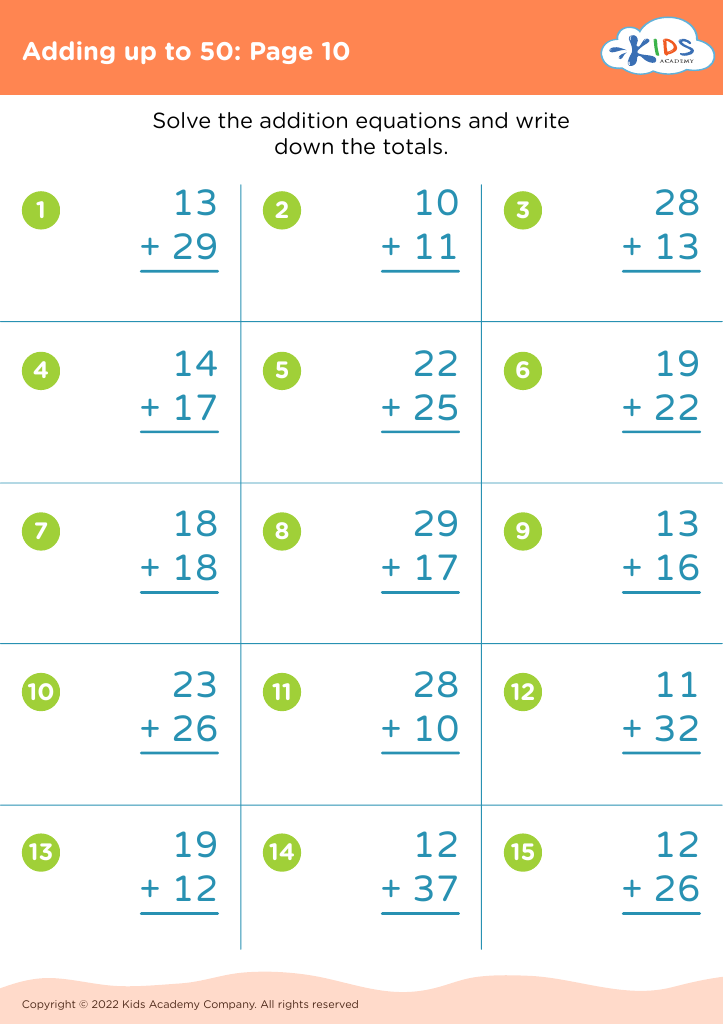
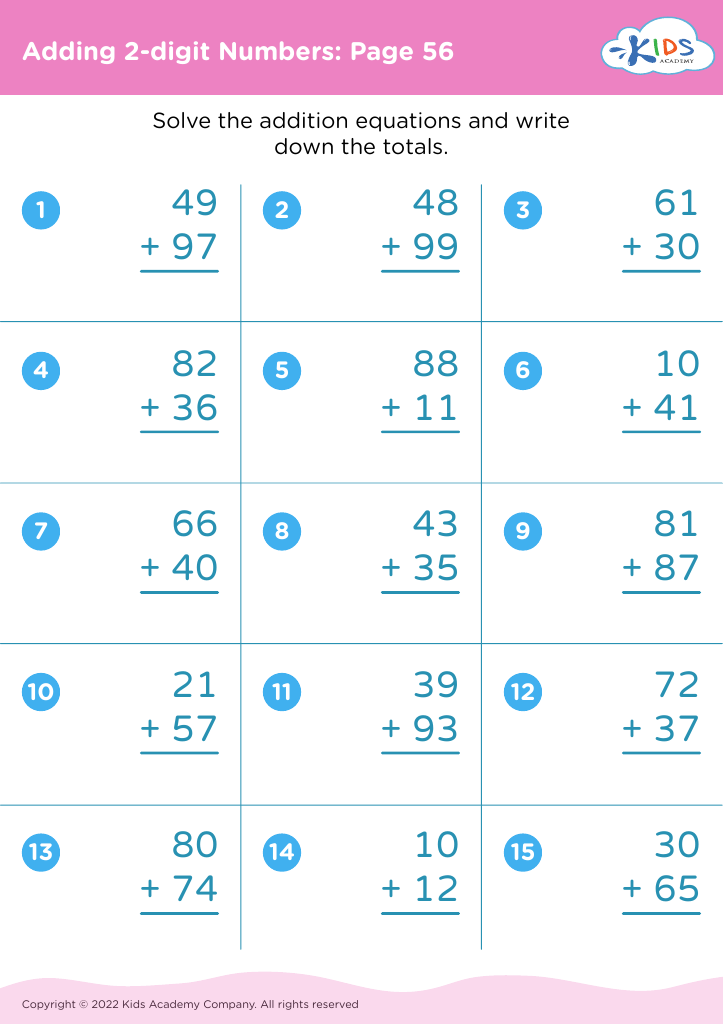
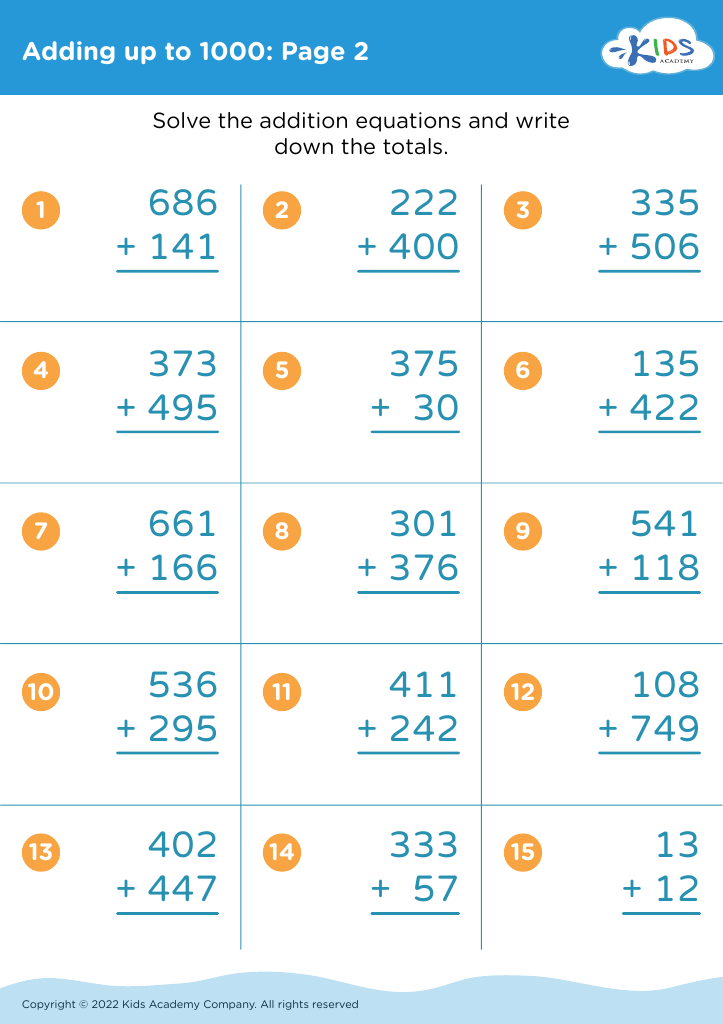
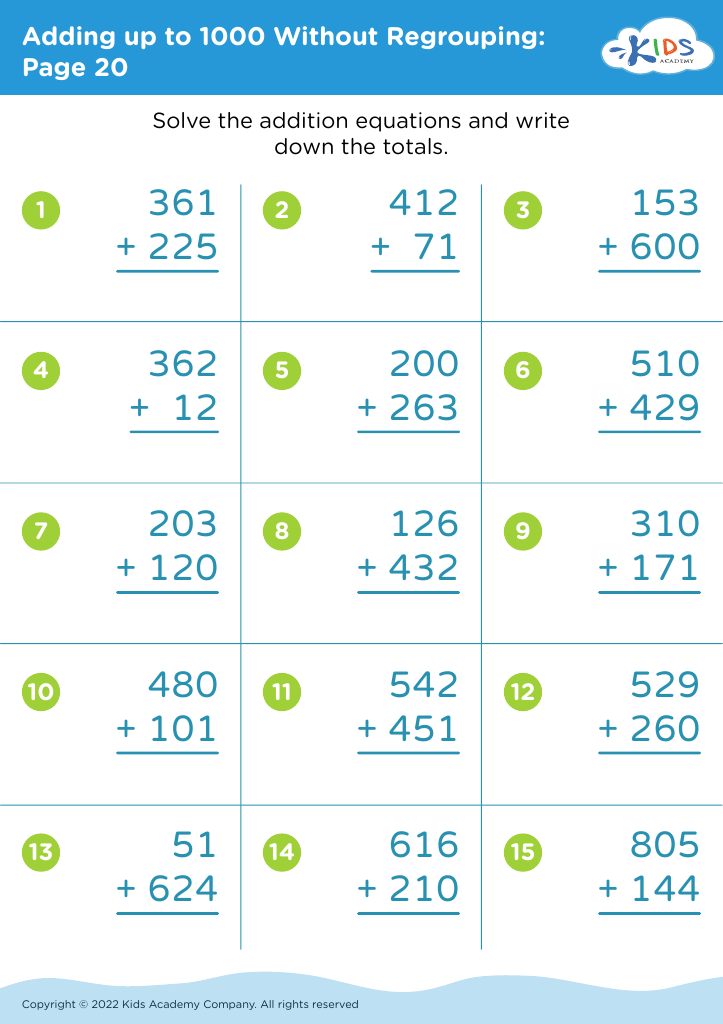
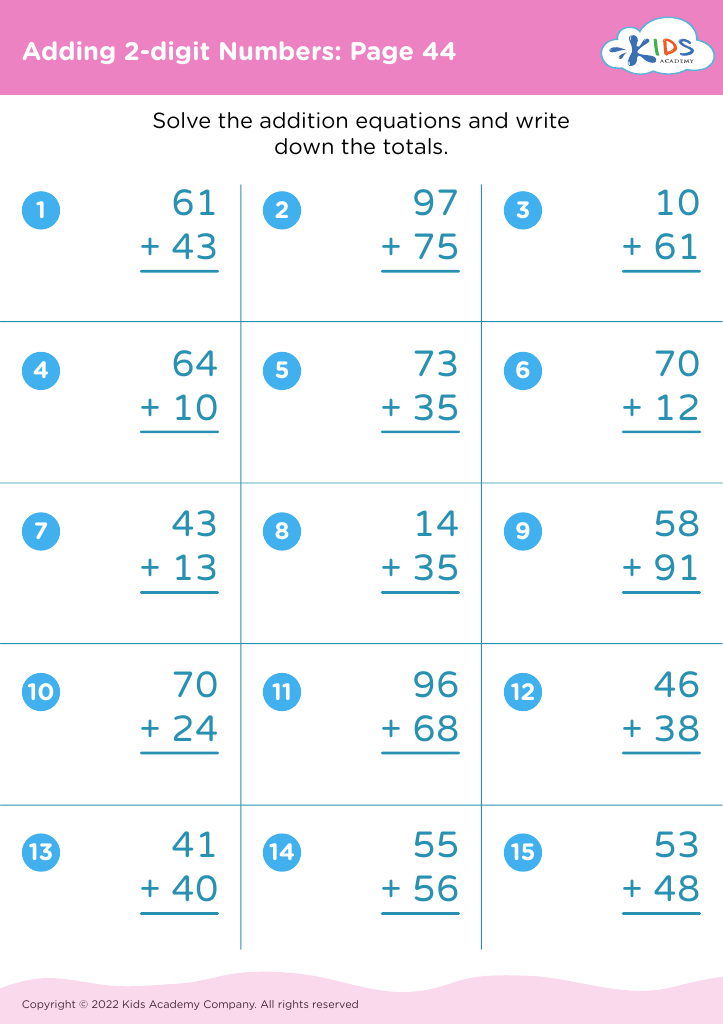
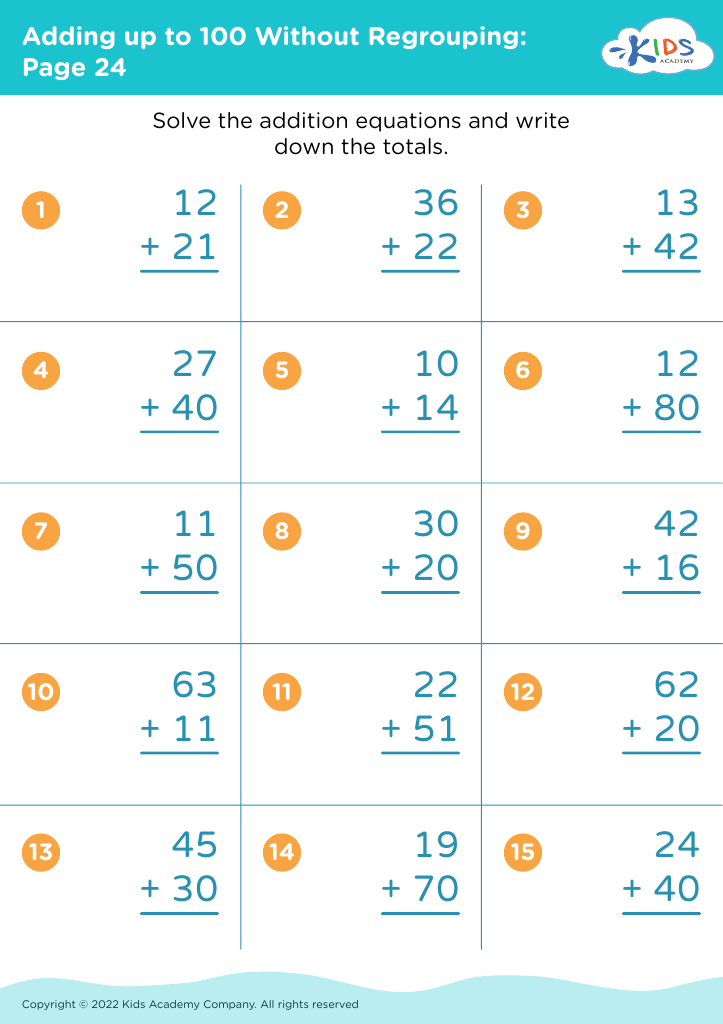
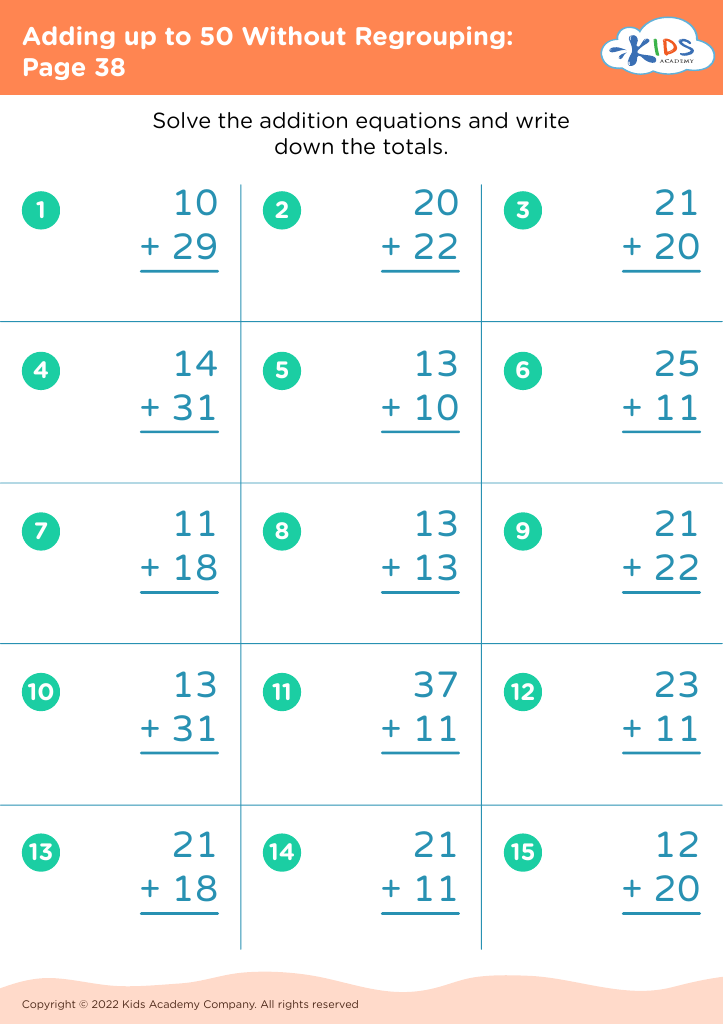
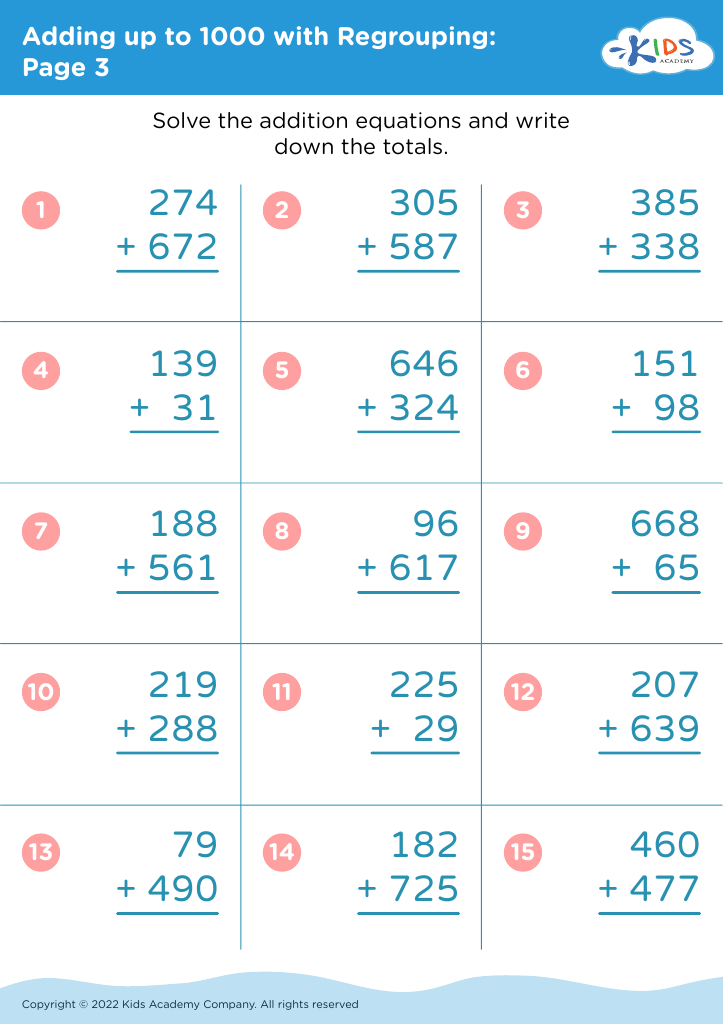
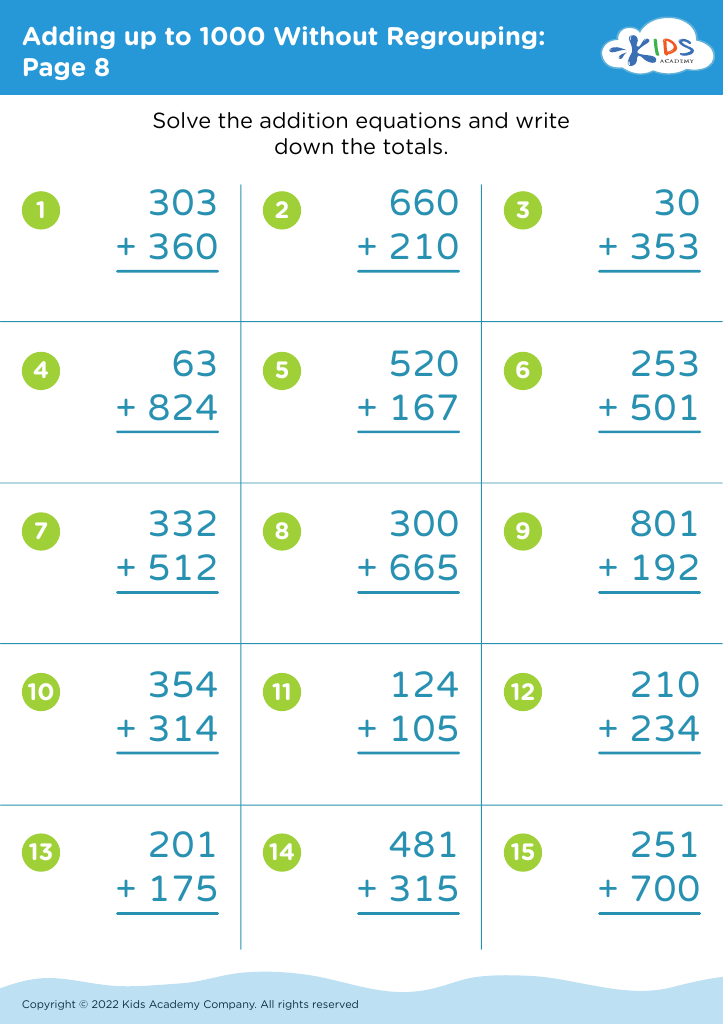
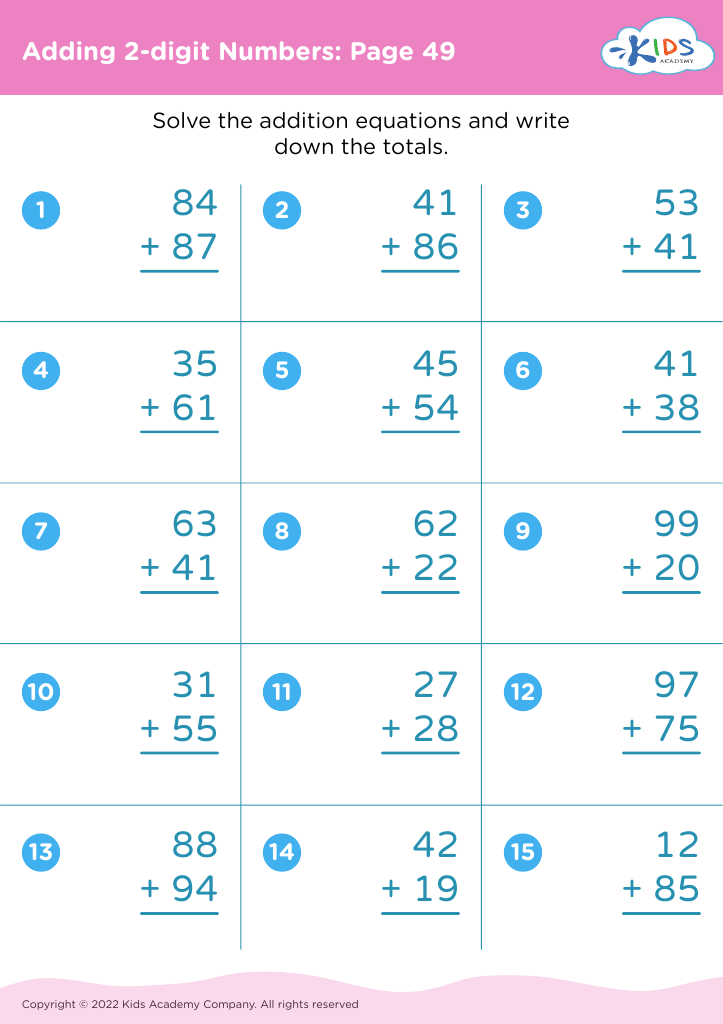
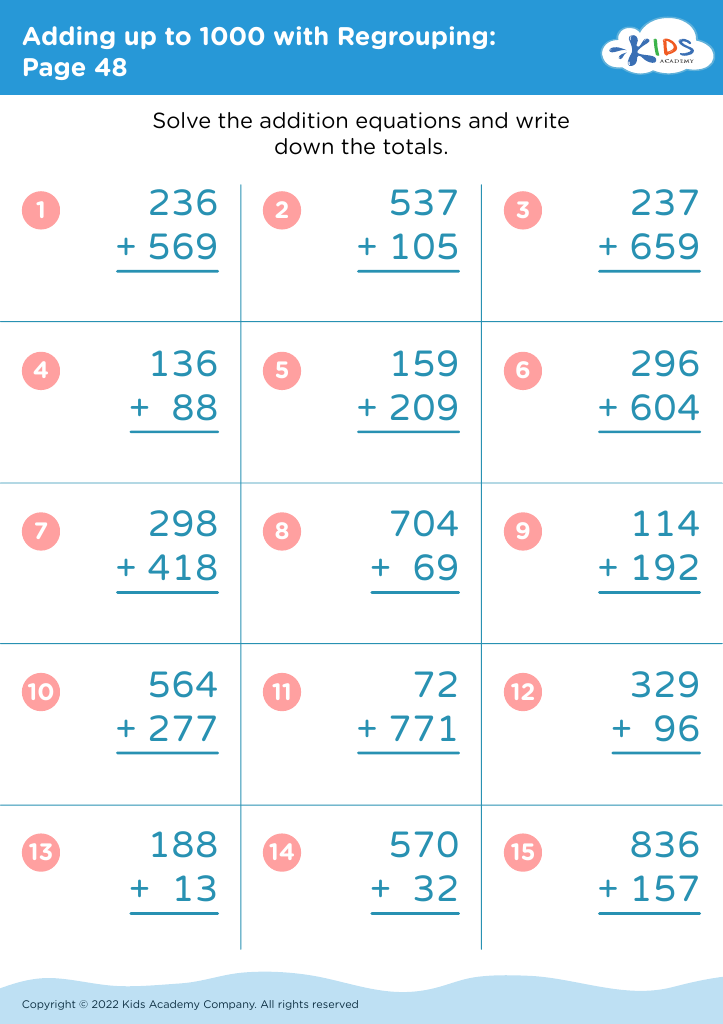
Boost your child's math skills with our expertly crafted "Enhance Comprehension Addition & Subtraction Worksheets" designed for ages 6-8. Dive into a variety of engaging activities that promote conceptual understanding and fluency in both addition and subtraction. Tailored to meet educational standards, these worksheets make learning fun and interactive, keeping young minds eager to explore math. Each sheet includes colorful visuals and practical problems that nurture critical thinking and problem-solving abilities. Perfect for home or classroom use, these resources are essential for building a strong mathematical foundation in early learners. Download and print to start your educational adventure today!
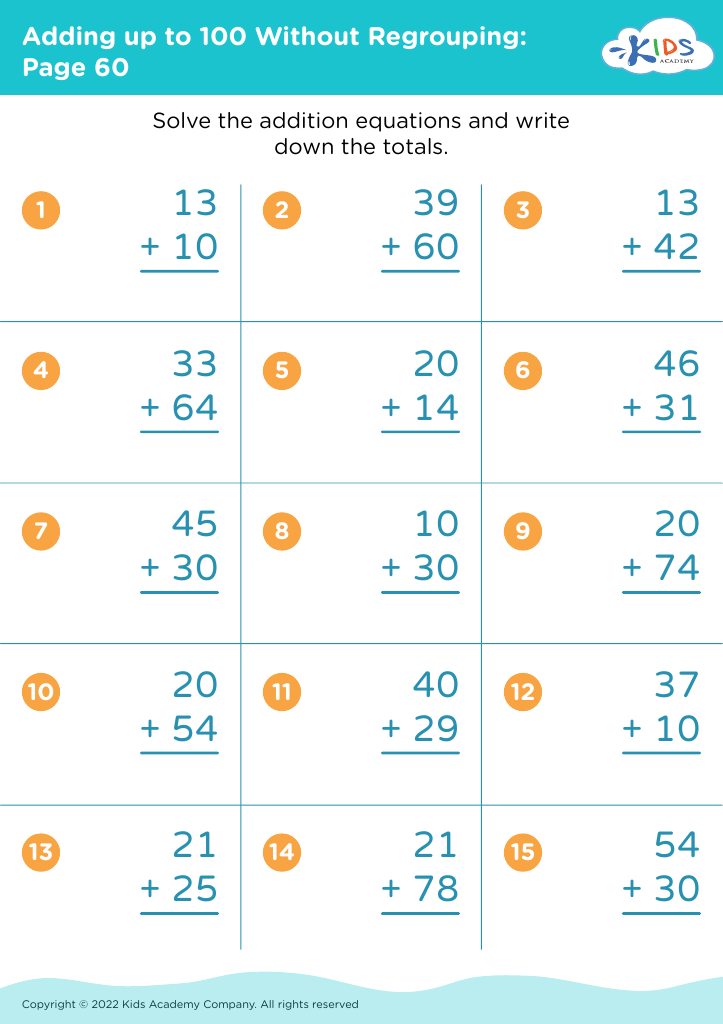








As children enter the ages of 6-8, they are at a crucial developmental stage where foundational math skills, like addition and subtraction, become pivotal. It's essential for parents and teachers to prioritize enhancing comprehension in these areas to ensure long-term academic success and cognitive development.
First, addition and subtraction form the building blocks of math. Understanding these concepts prepares children for more complex math topics such as multiplication, division, and fractions. Early comprehension fosters a strong mathematical foundation, reducing the likelihood of struggle as the curriculum advances.
Second, math skills are integral to everyday life. Proficiency in basic arithmetic promotes problem-solving and critical thinking, skills applicable in various real-world scenarios, from managing money to following a recipe. Early positive experiences with math can build confidence and an intrinsic motivation to tackle challenges, fostering a growth mindset.
Additionally, early math proficiency has been linked to academic achievement in broader subjects. Research suggests that strong early math skills correlate with higher literacy rates and improved cognitive development, illustrating a deeper impact beyond numerical fluency.
By emphasizing the enhancement of addition and subtraction comprehension, parents and teachers invest in children's academic and life-long success. Activities that are engaging, relatable, and supportive can make learning math enjoyable and productive, laying a solid groundwork for future achievements.








