Vocabulary Building Addition & Subtraction Worksheets for Ages 6-8
6 filtered results
-
From - To
Enhance your child's math vocabulary and arithmetic skills with our engaging "Vocabulary Building Addition & Subtraction Worksheets for Ages 6-8." Designed to suit young learners in their formative years, these worksheets seamlessly integrate language development with fundamental math concepts. Kids will strengthen their understanding of math terminology while practicing essential addition and subtraction problems. Our colorful, easy-to-follow worksheets promote both cognitive skills and a love for learning. Ideal for classroom use or at-home practice, these resources are perfect for helping your child achieve math success in a fun and interactive way. Download today and start building a solid math foundation!
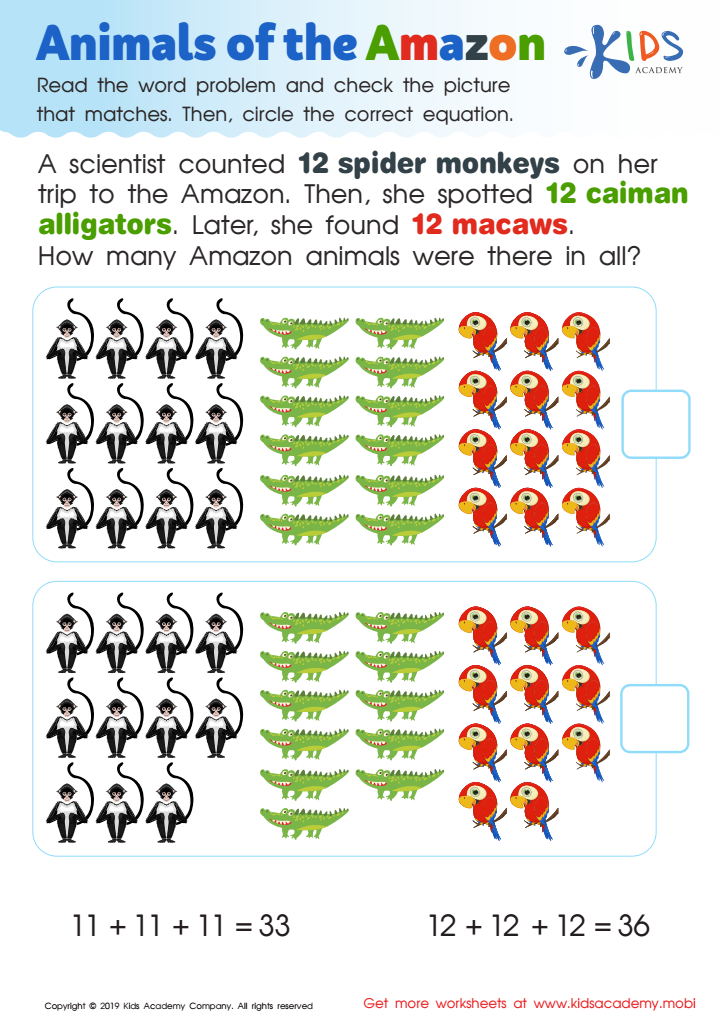
Animals of Amazon Worksheet
 Assign to My Students
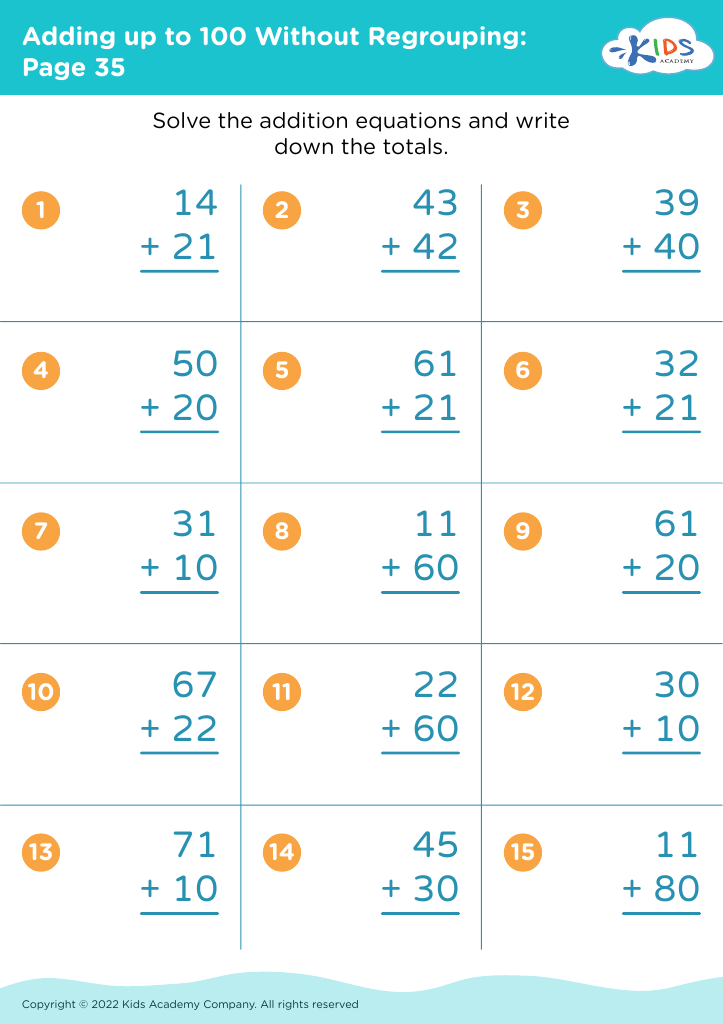
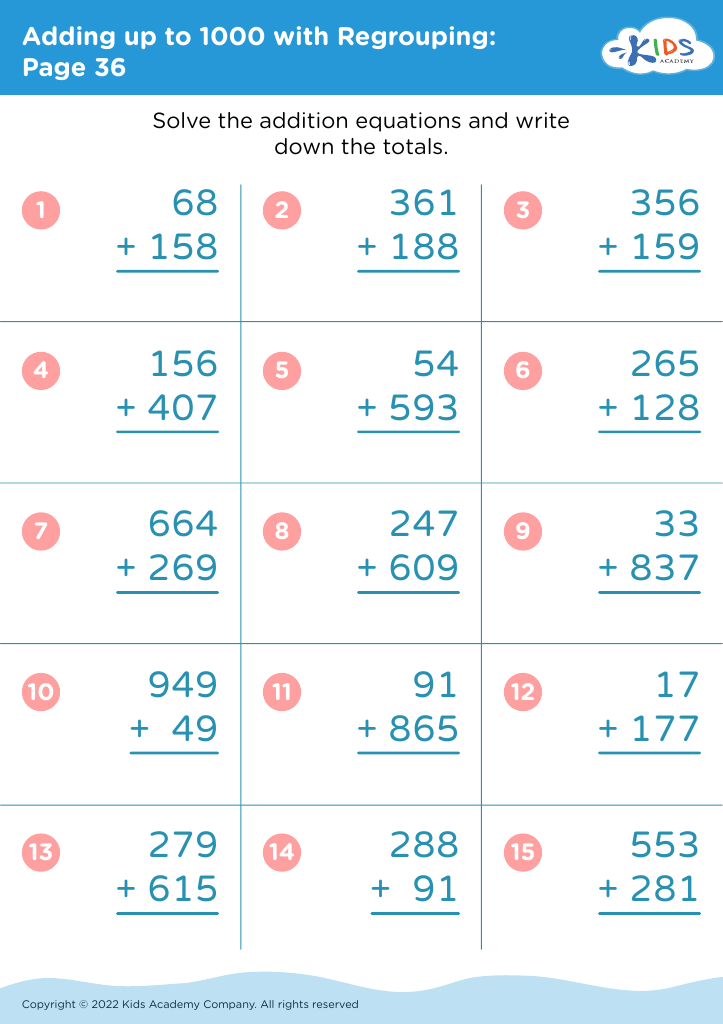








Vocabulary building and foundational math concepts like addition and subtraction are crucial for children aged 6-8 because they set the stage for future academic success. At this age, children's cognitive and linguistic abilities are rapidly developing, making it an optimal time to enrich their vocabulary and establish a strong math foundation.
A robust vocabulary enhances reading comprehension, communication skills, and cognitive development. Children who can understand and use a wider variety of words are better equipped to grasp complex concepts later in their education. This isn't just about language arts – vocabulary development can improve problem-solving and critical thinking across subjects, including math and science.
Simultaneously, mastering basic math concepts such as addition and subtraction is essential. These skills form the basis for more advanced arithmetic and mathematical reasoning. Understanding addition and subtraction also helps children recognize patterns, measure and quantify objects, and develop logical thinking.
By focusing on vocabulary building and fundamental math skills, parents and teachers can foster a well-rounded educational foundation. This dual focus equips children with the tools they need to excel academically, think critically, and confidently explore more challenging concepts as they progress through their education. Investing in these key areas creates lifelong learners ready to adapt and succeed in various settings.








