
Enhance comprehension Addition Worksheets for Ages 6-8
17 filtered results
Difficulty Level
Grade
Age
-
From - To
Subject
Activity
Standards
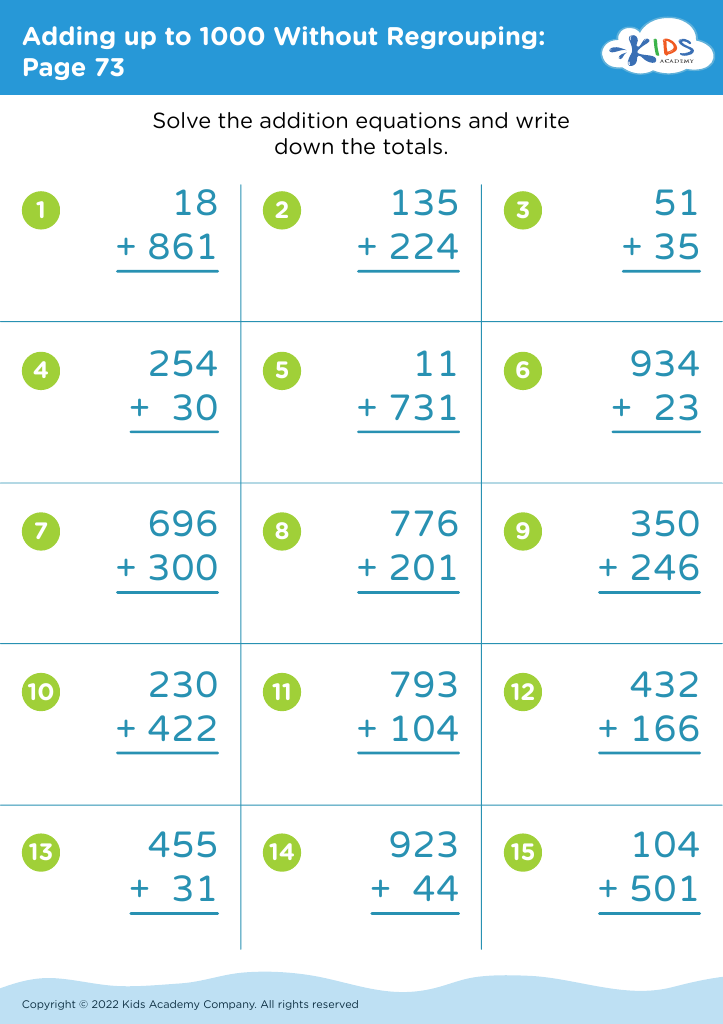
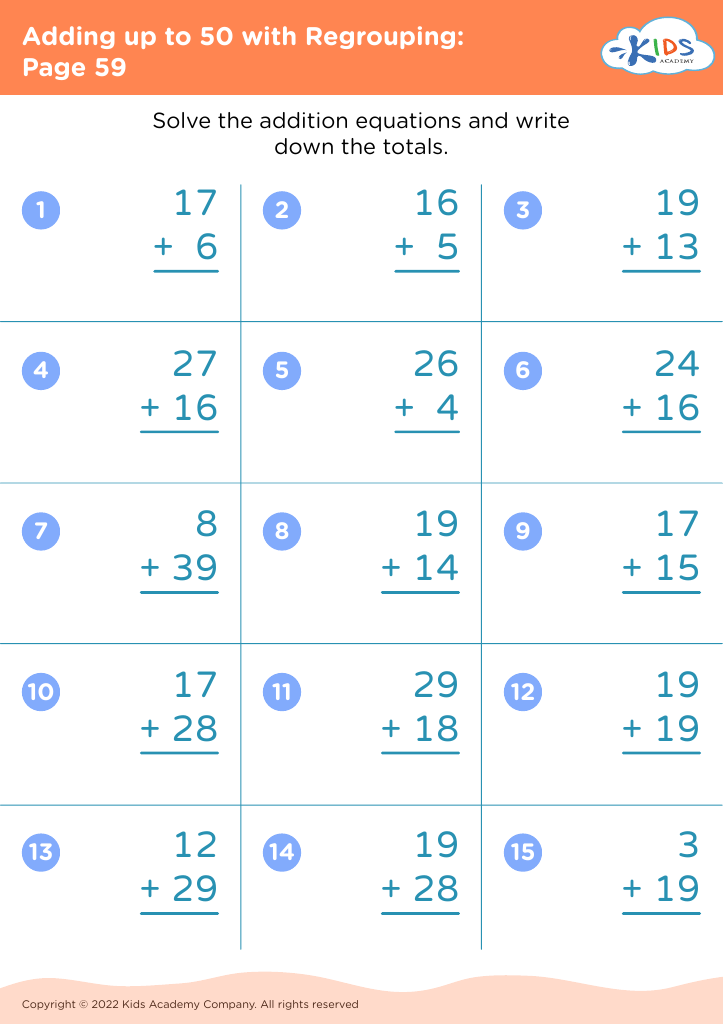
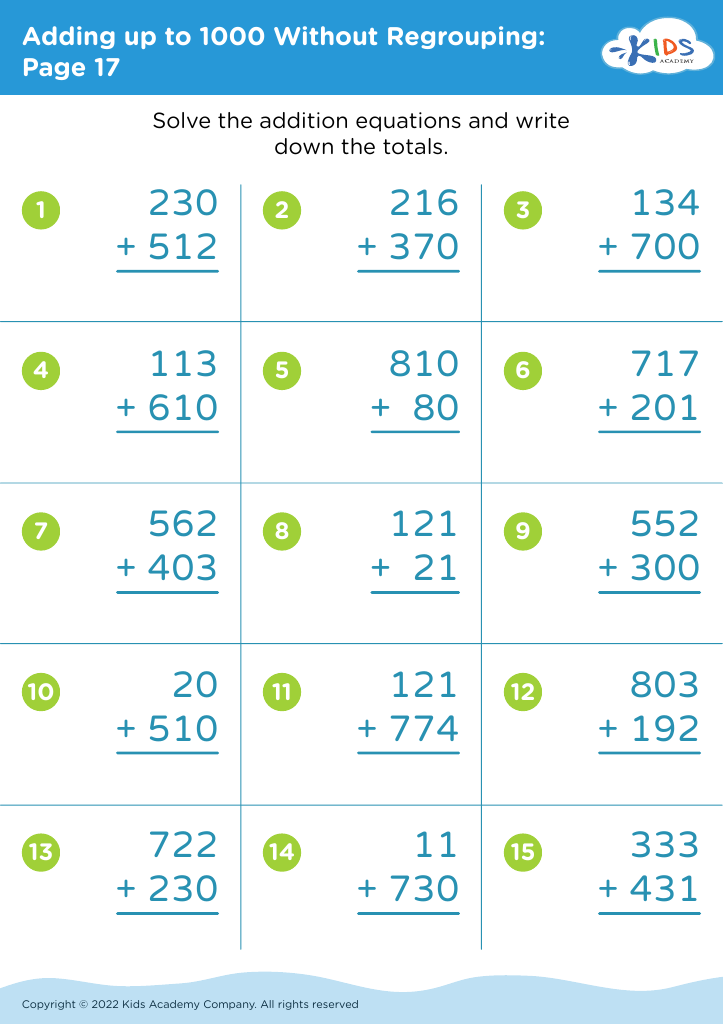
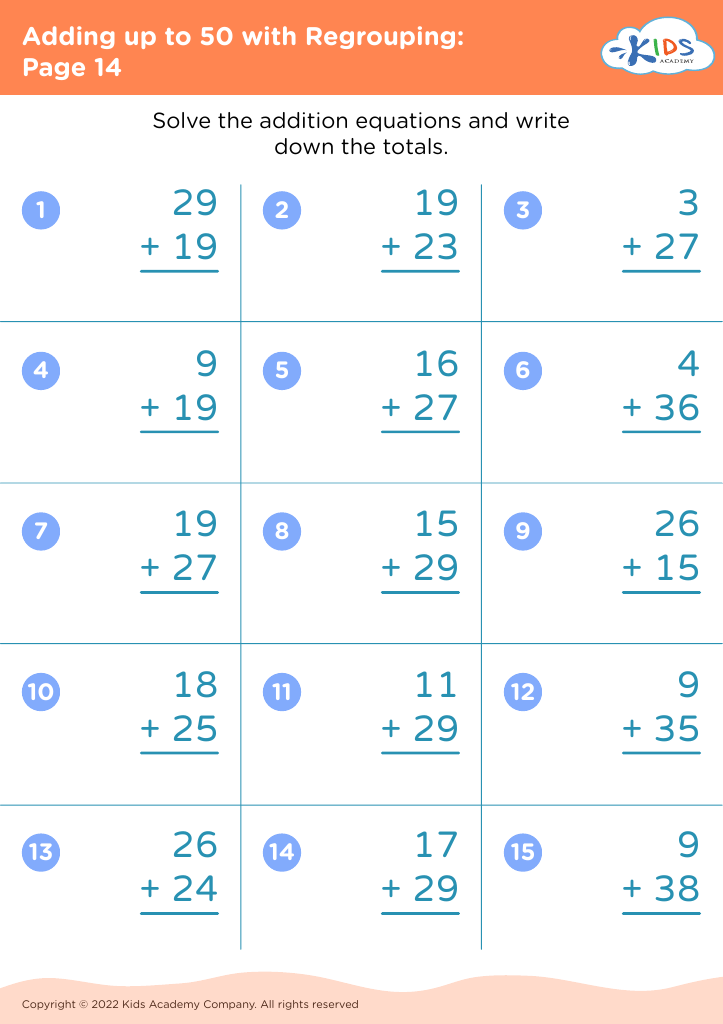
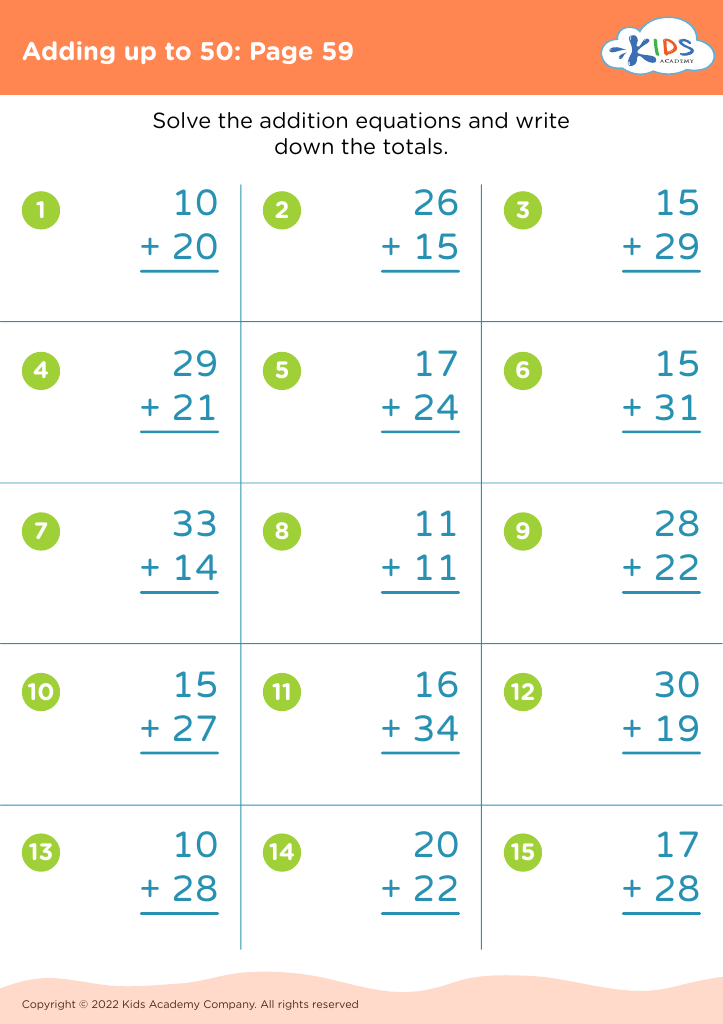
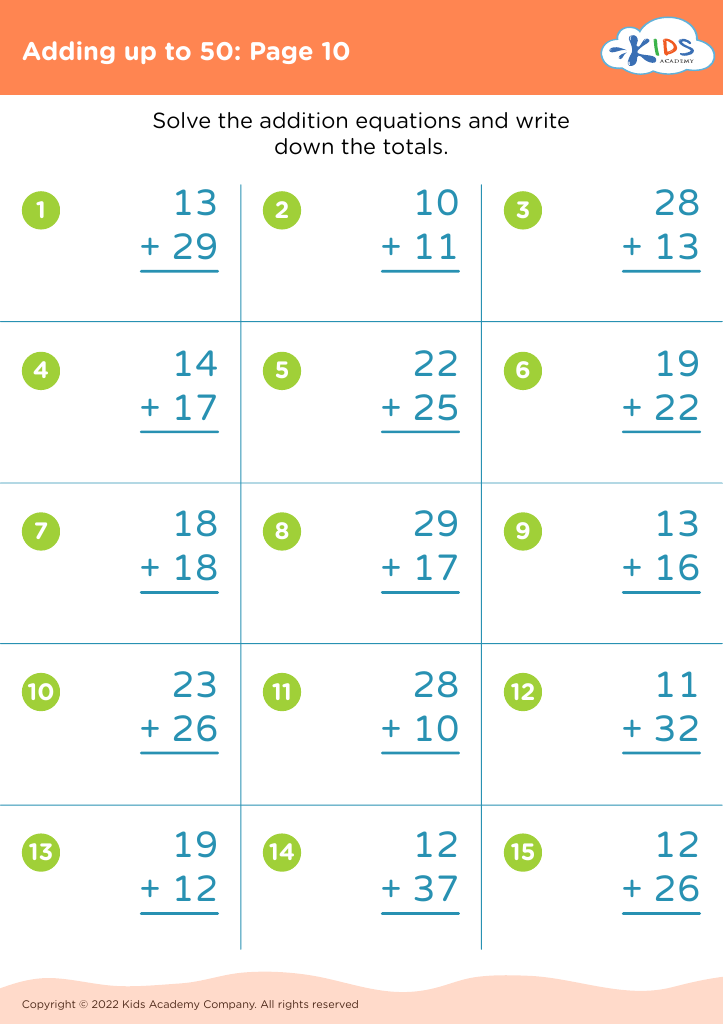
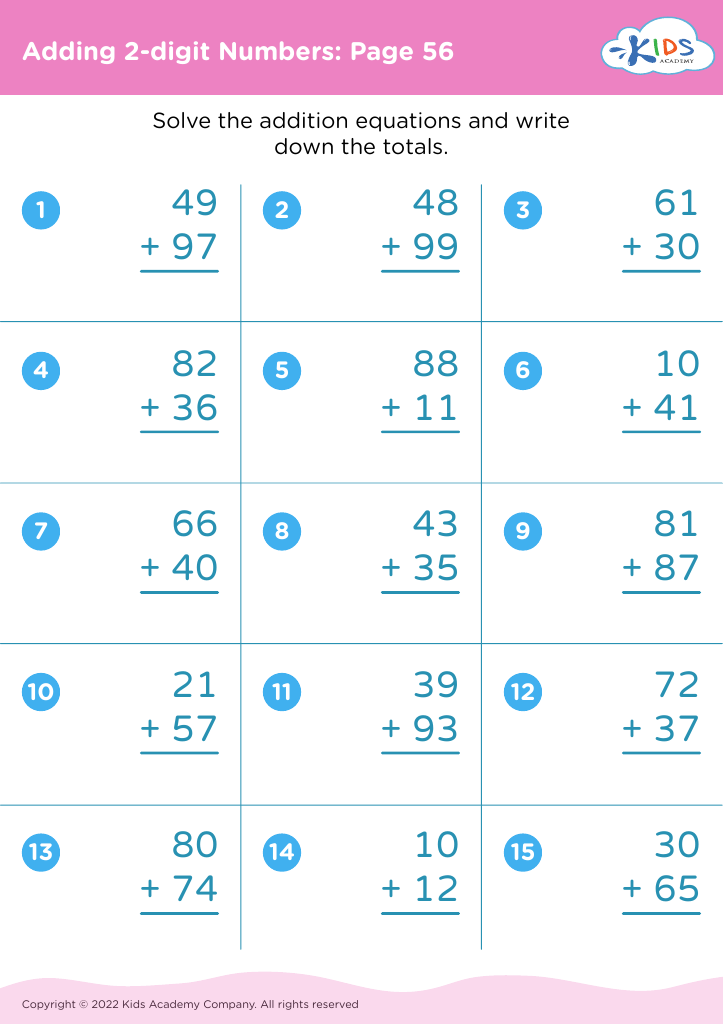
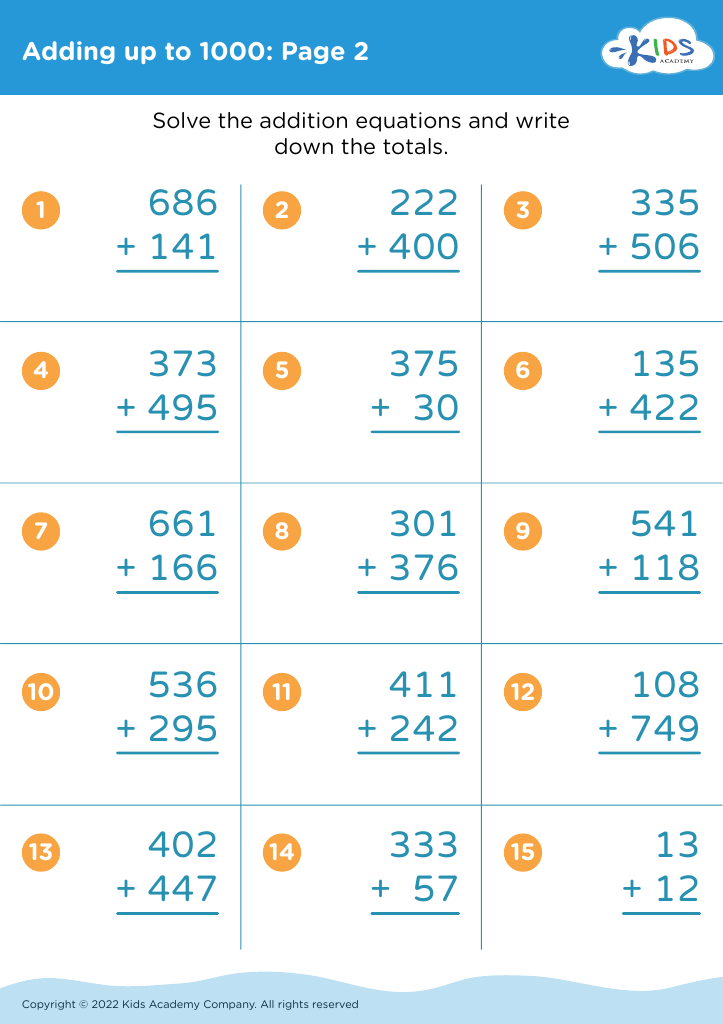
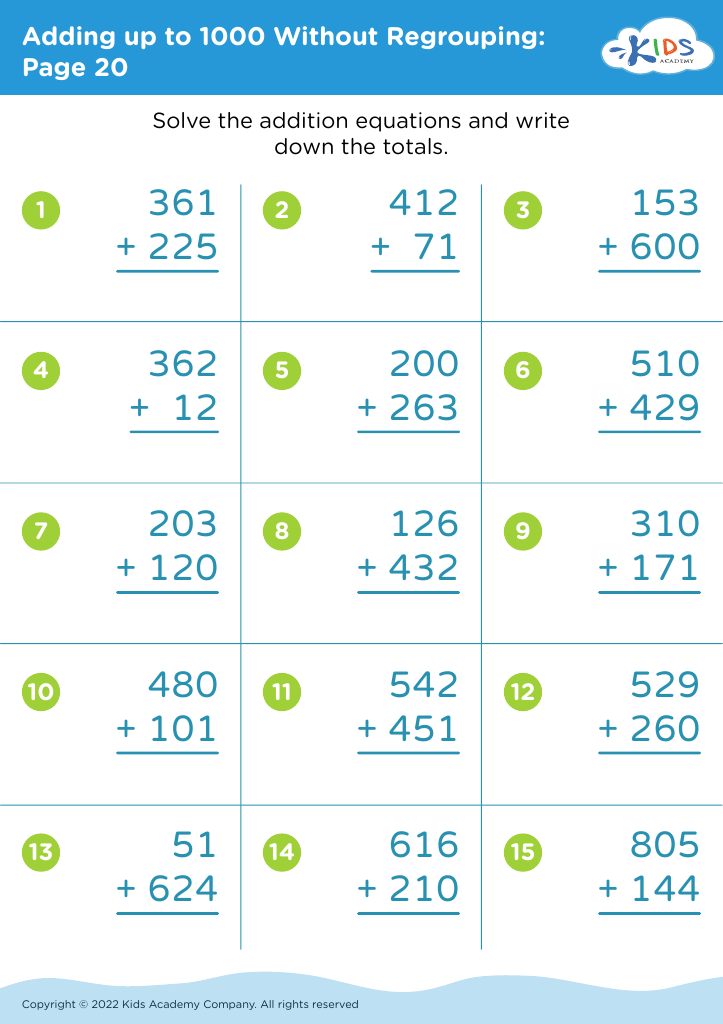
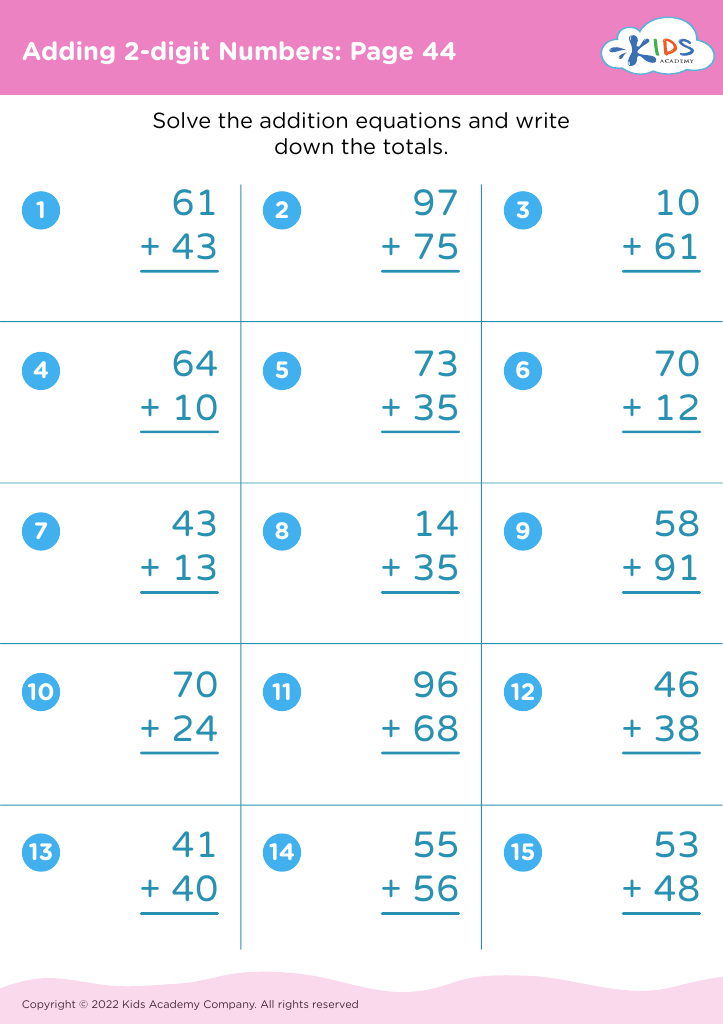
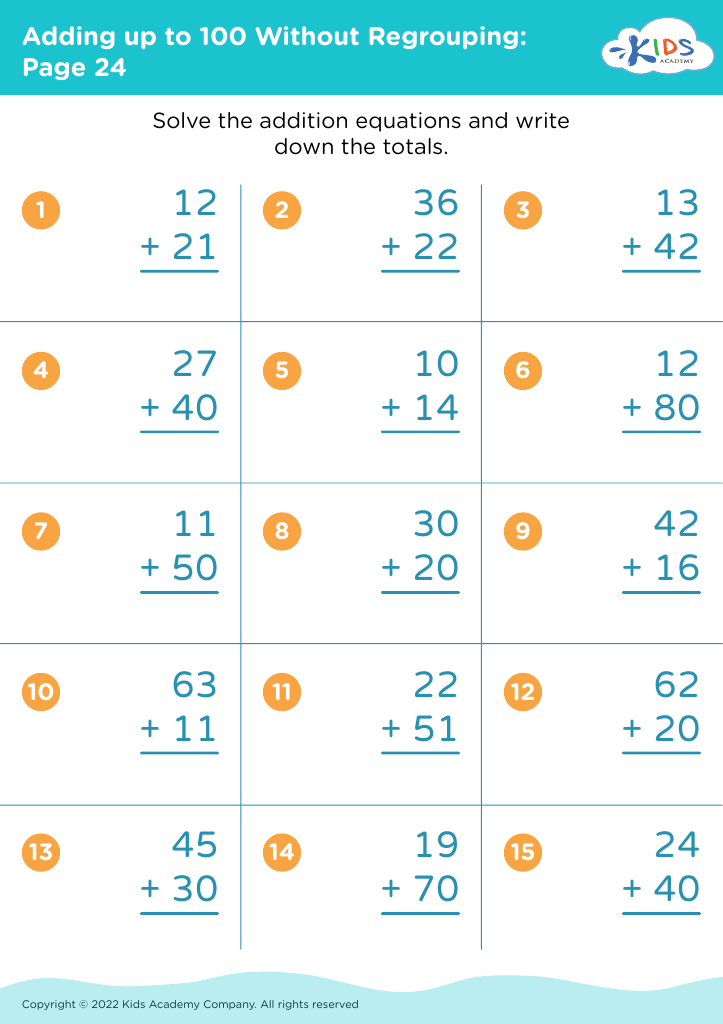
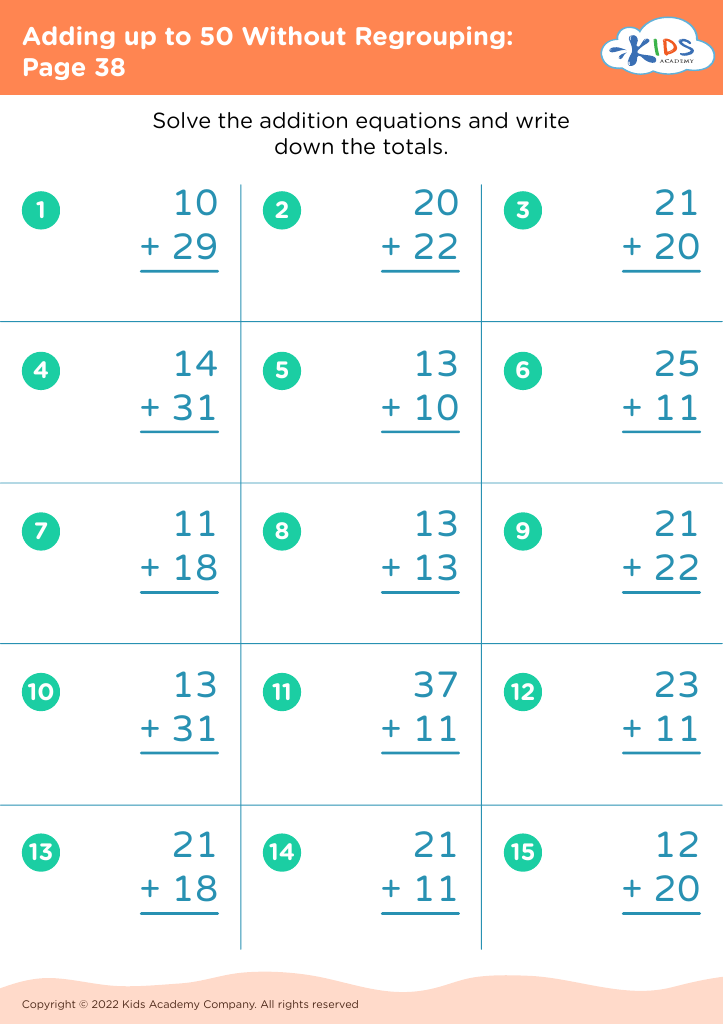
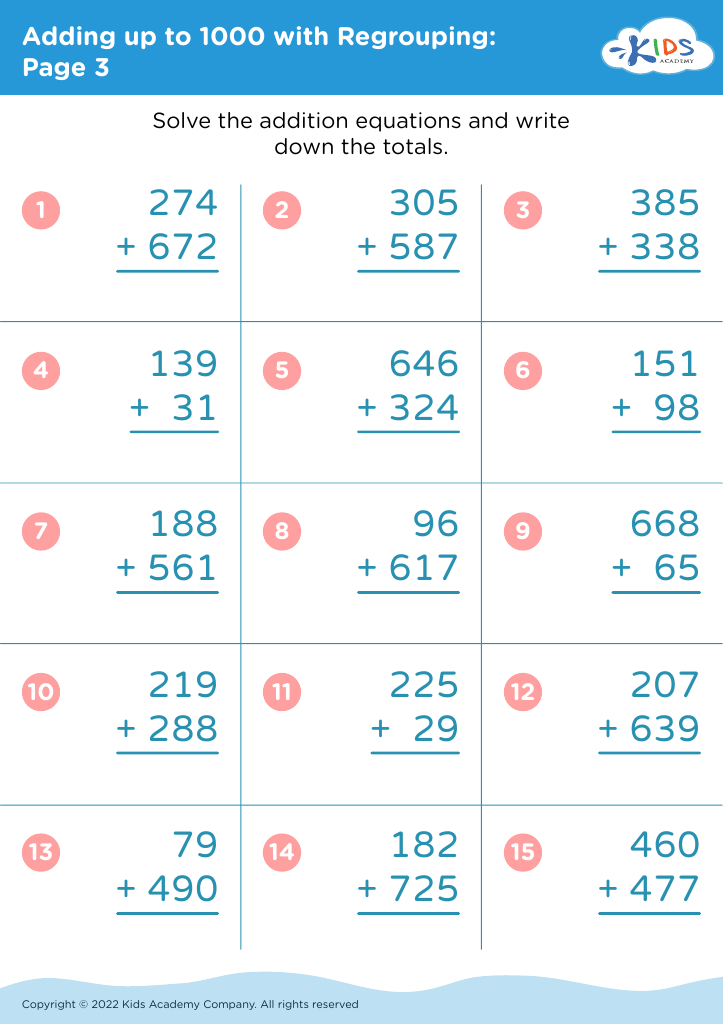
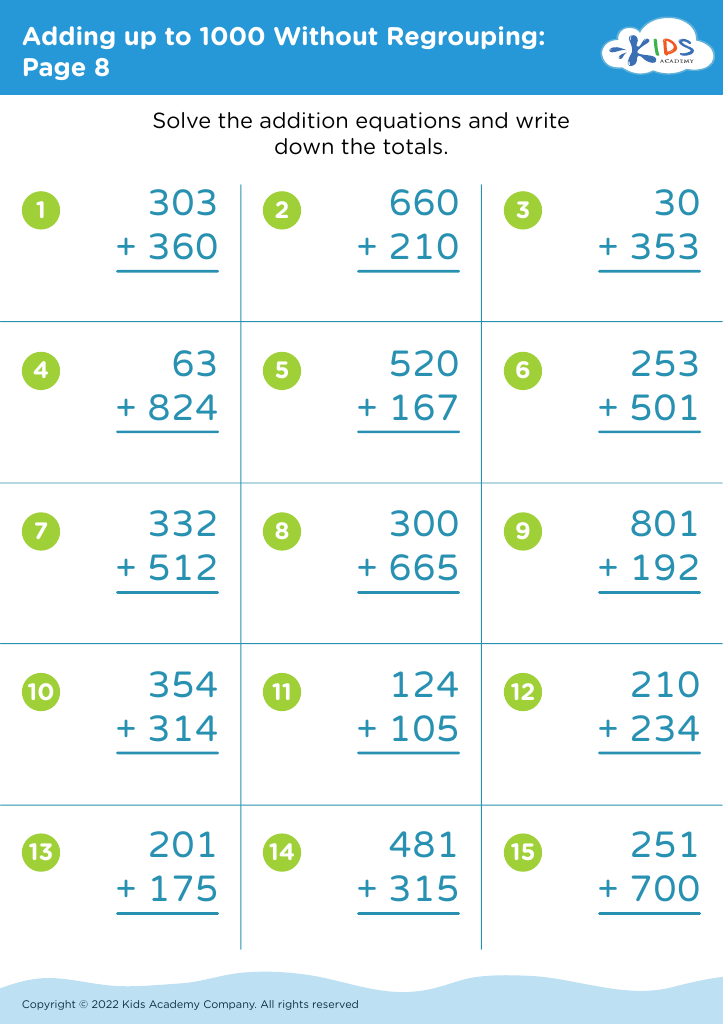
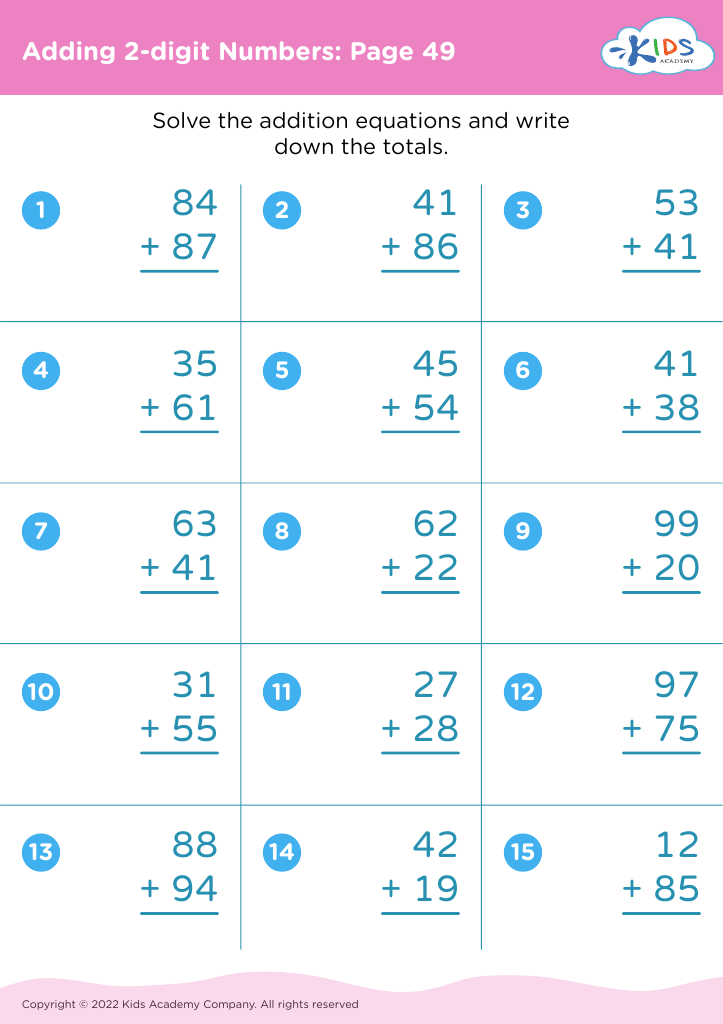
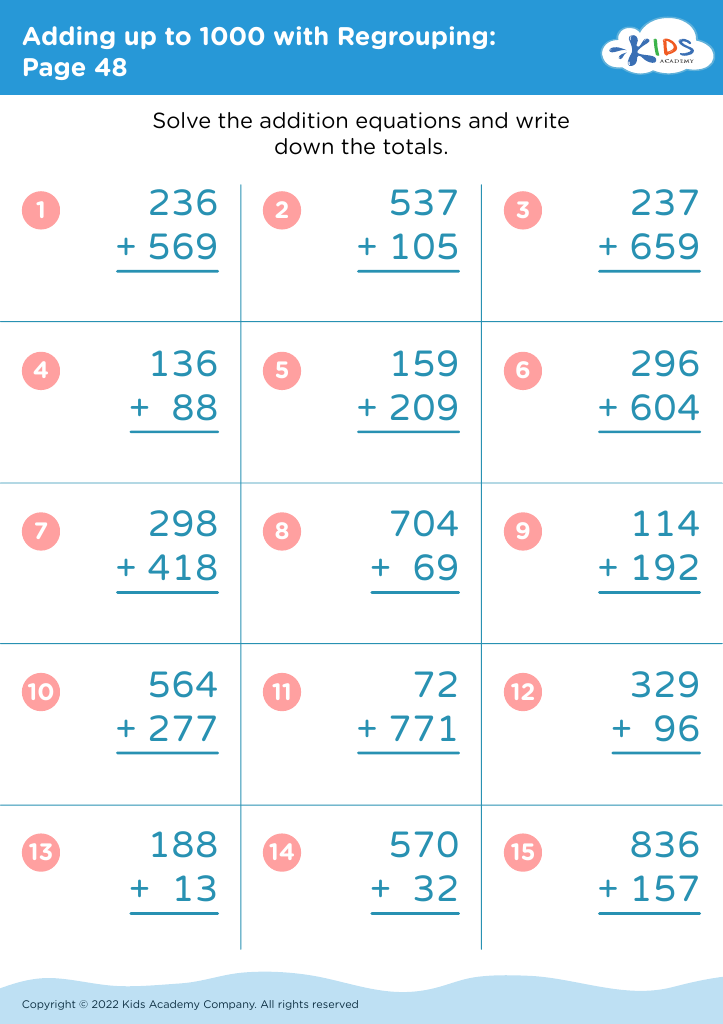
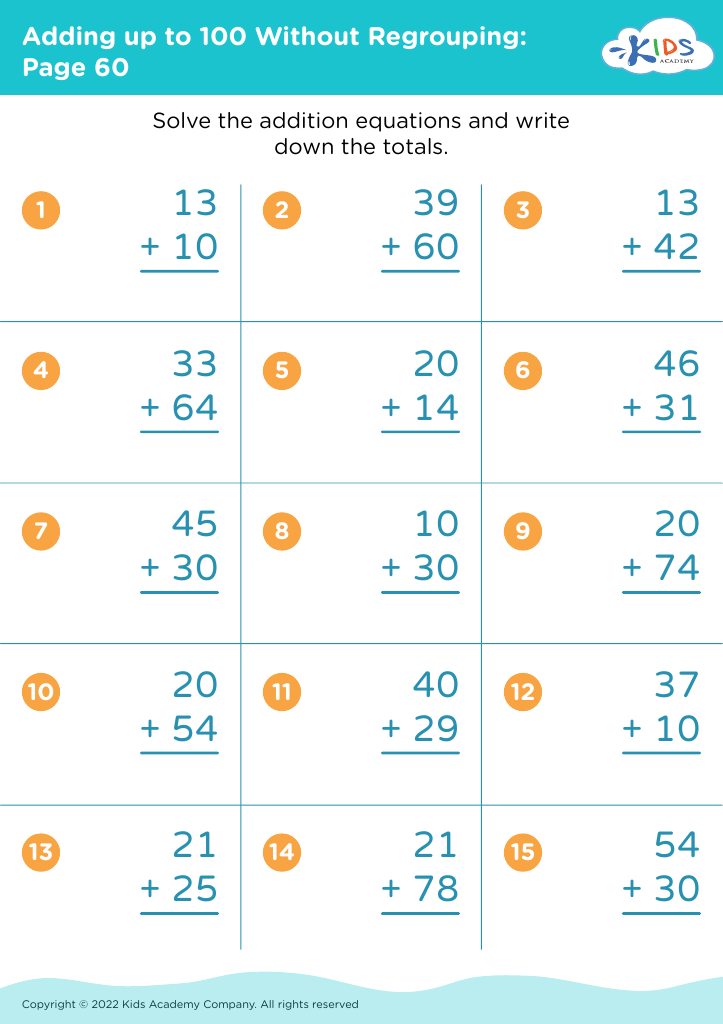
Boost young learners' math skills with our "Enhance Comprehension Addition Worksheets for Ages 6-8." Designed to make addition fun and engaging, these worksheets help students grasp basic math concepts through interactive and thought-provoking problems. Each worksheet is crafted to promote critical thinking, improve addition proficiency, and foster a love for learning. Ideal for classroom use or home practice, these resources accommodate various learning styles and keep children motivated. With eye-catching visuals and well-structured exercises, students build confidence and master addition. Help your child excel in math with our comprehensive addition worksheets tailored just for them!
Favorites
With answer key
Interactive
Join Kids Academy for Free
Who is primarily going to use this learning content?






.jpg)

Enhancing comprehension skills in addition for children aged 6-8 is foundational for their overall mathematical development. At this critical age, children are developing the basic building blocks of numeracy, and their ability to understand and manipulate numbers will significantly influence their future success in math and related fields.
Firstly, improving comprehension in addition helps build confidence. When children grasp addition, they feel more capable and positive toward math, reducing math anxiety and setting the stage for a more enthusiastic approach to learning.
Secondly, strong addition skills are essential for coping with the increasing complexity of math problems they will encounter as they progress through school. This foundation supports the learning of more advanced arithmetic, including subtraction, multiplication, and division, as well as concepts such as money, time, and measurement.
Moreover, math comprehension enhances problem-solving skills and logical thinking. These cognitive skills are not only vital in math but also in everyday life and across other academic subjects. Lastly, integrating helpful addition strategies early on fosters independent learning and critical thinking. Activities like using manipulatives, visual aids, and real-world examples make addition tangible and relatable, aiding memory retention and practical application.
By prioritizing enhanced comprehension in addition for young learners, parents and teachers are investing in the child's academic growth and future ability to tackle complex problems with confidence and creativity.








