Problem-Solving Skills Addition Worksheets for Ages 6-8 - Page 4
110 filtered results
-
From - To
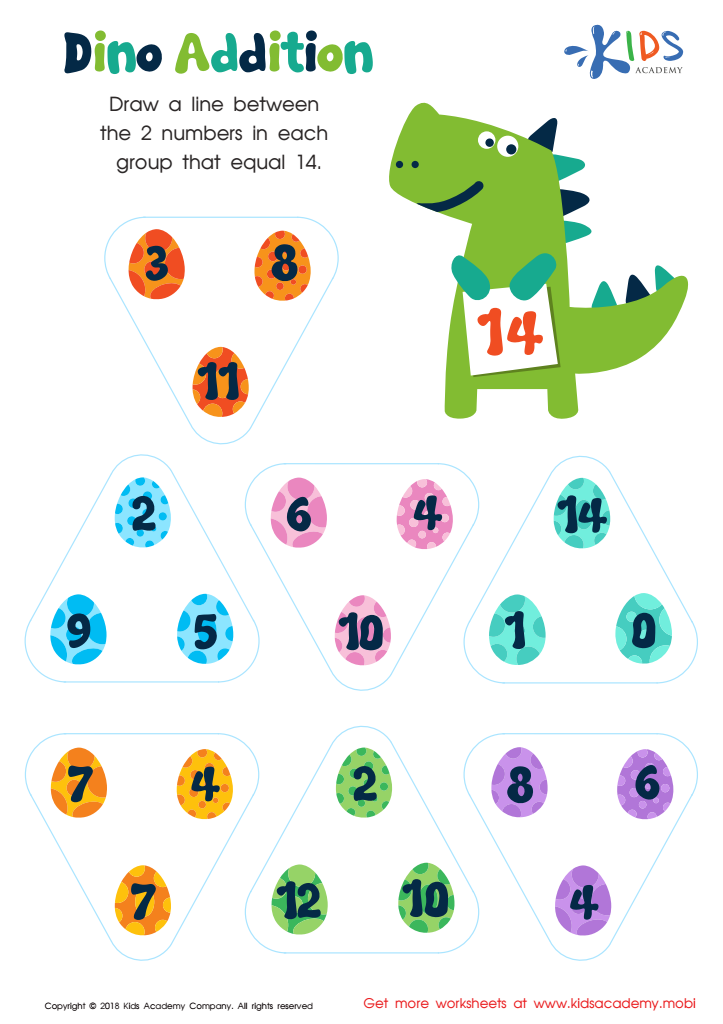
Dino Addition Worksheet
 Assign to My Students
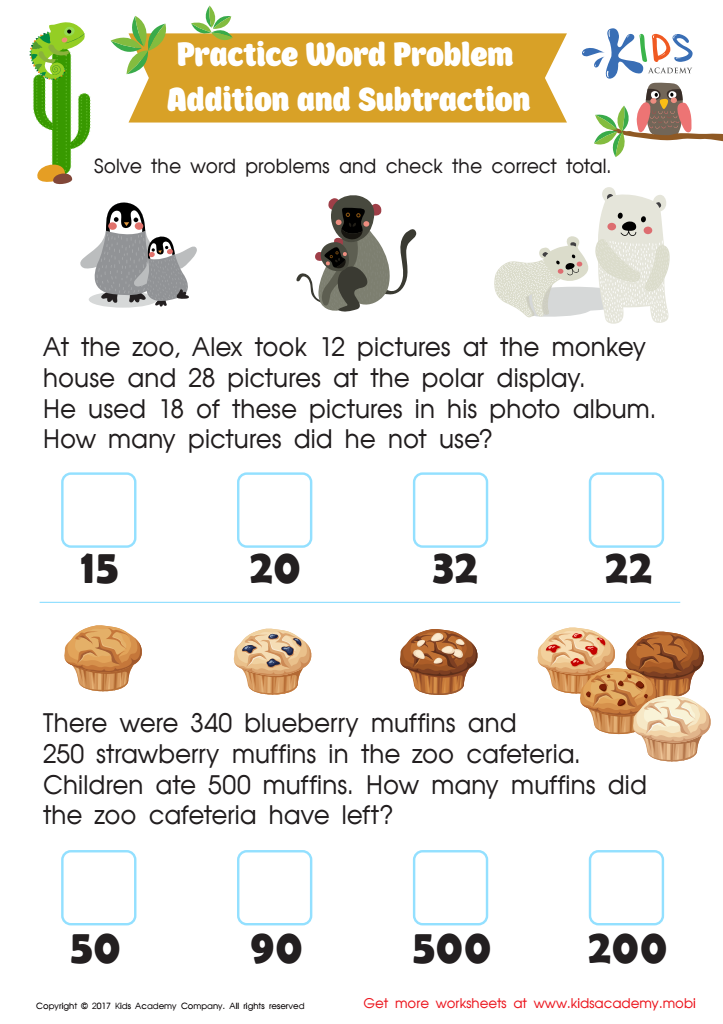
Addition and Subtraction: Word Problems Worksheet
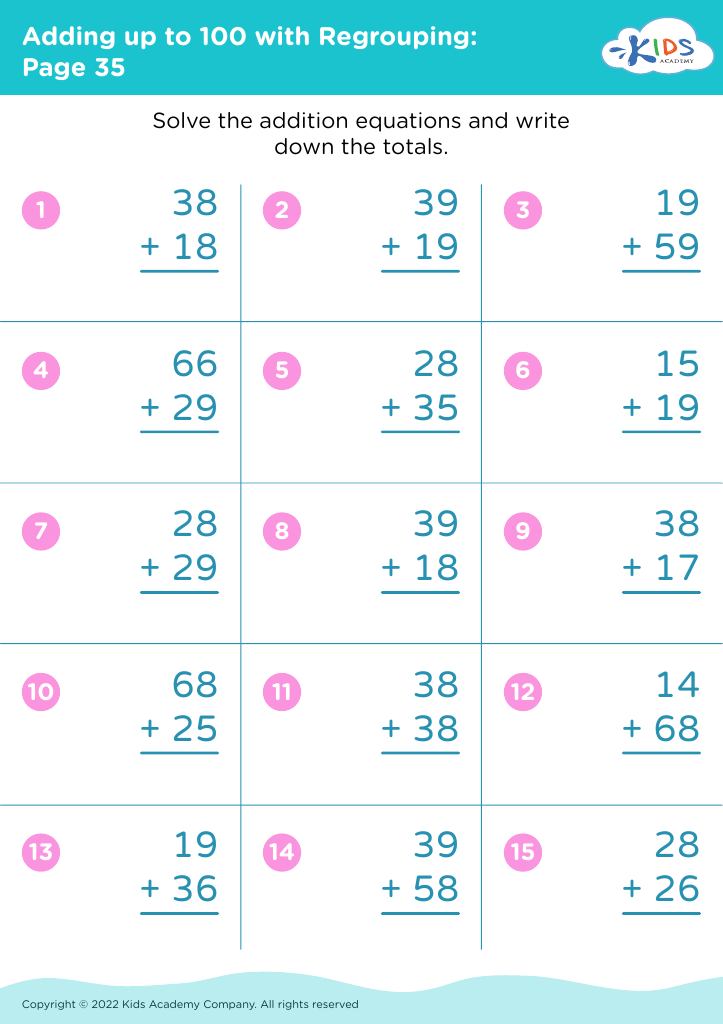
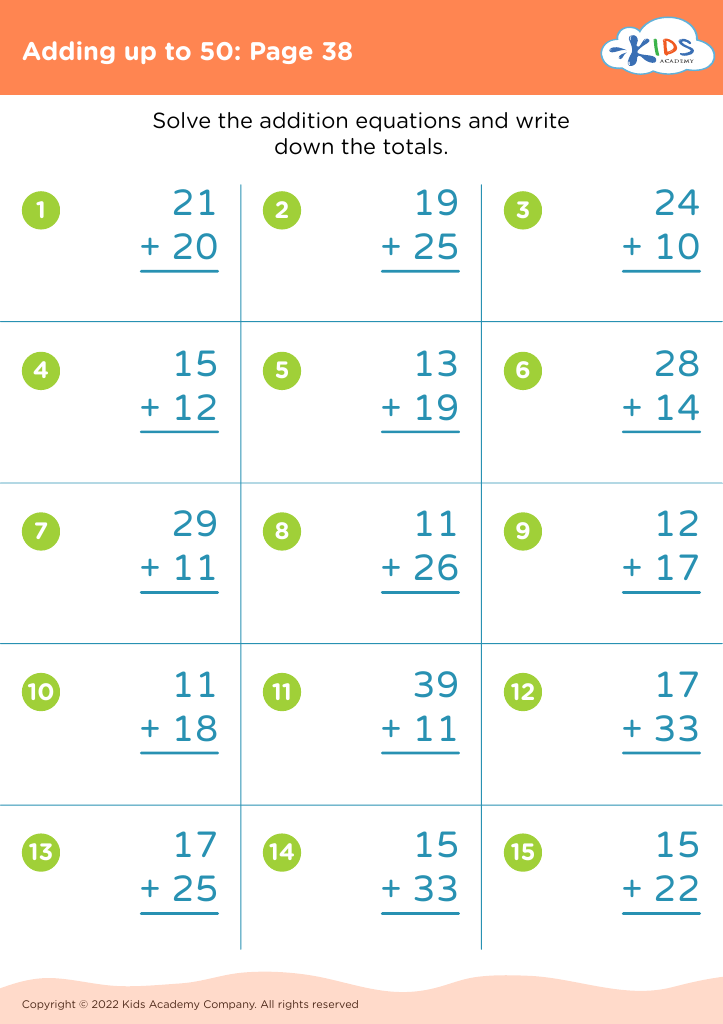
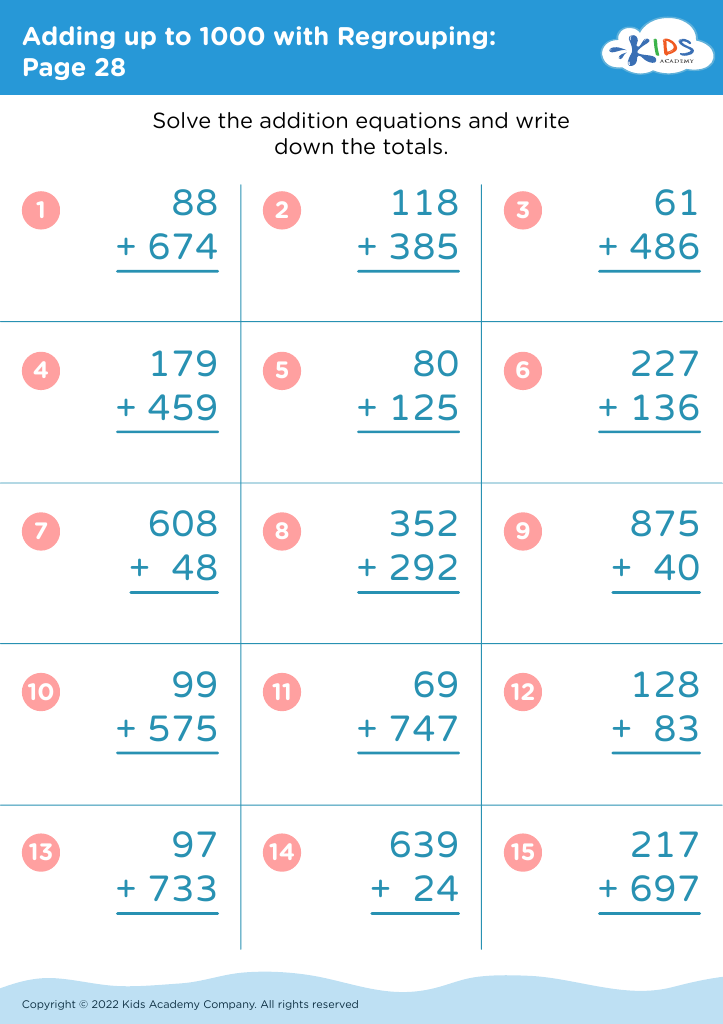
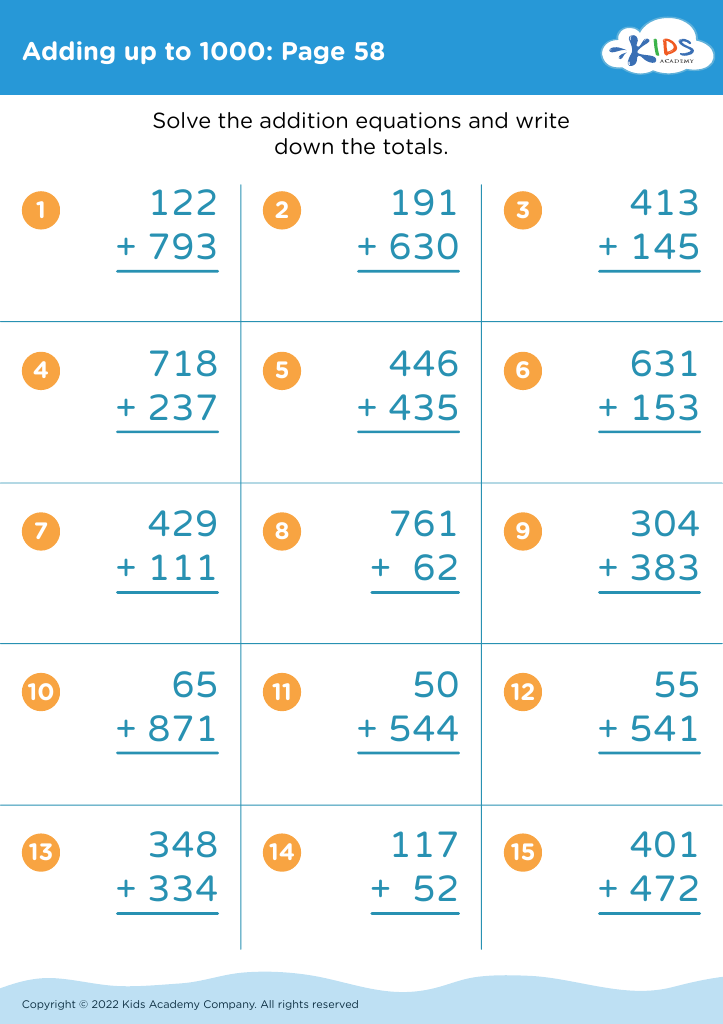
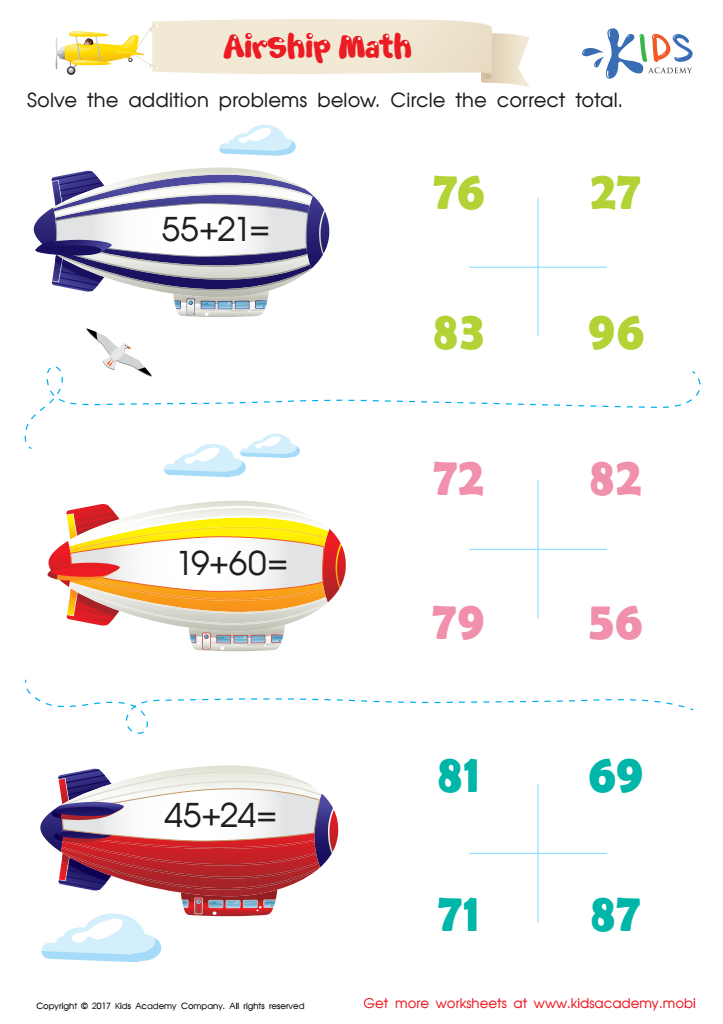
Airship Math Addition Printable
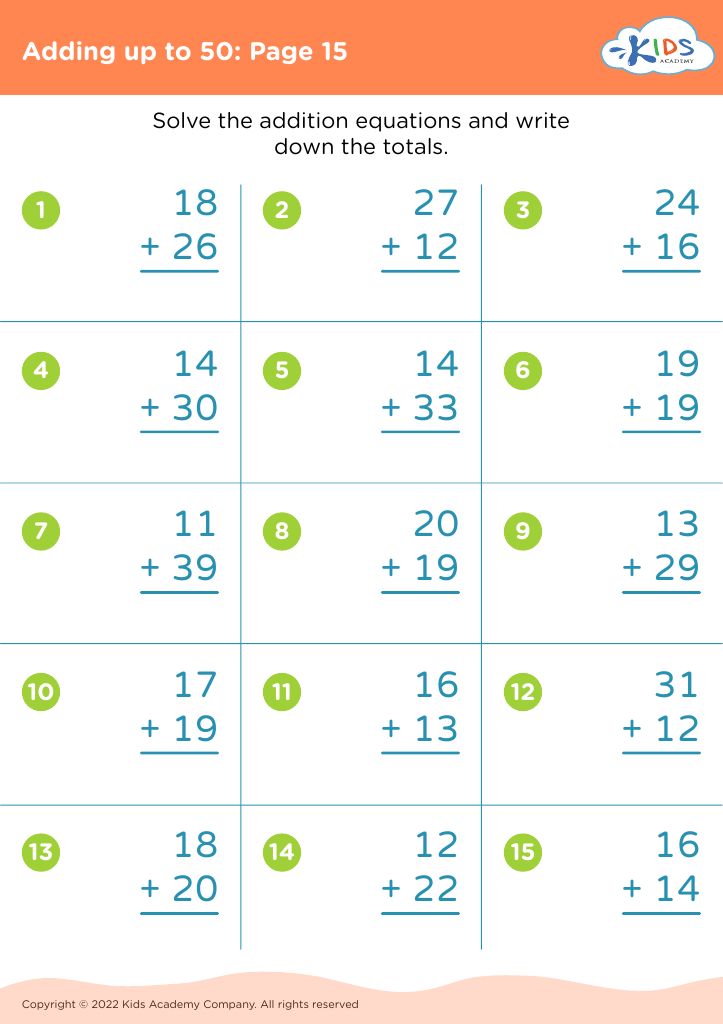

Haystack Steps Worksheet
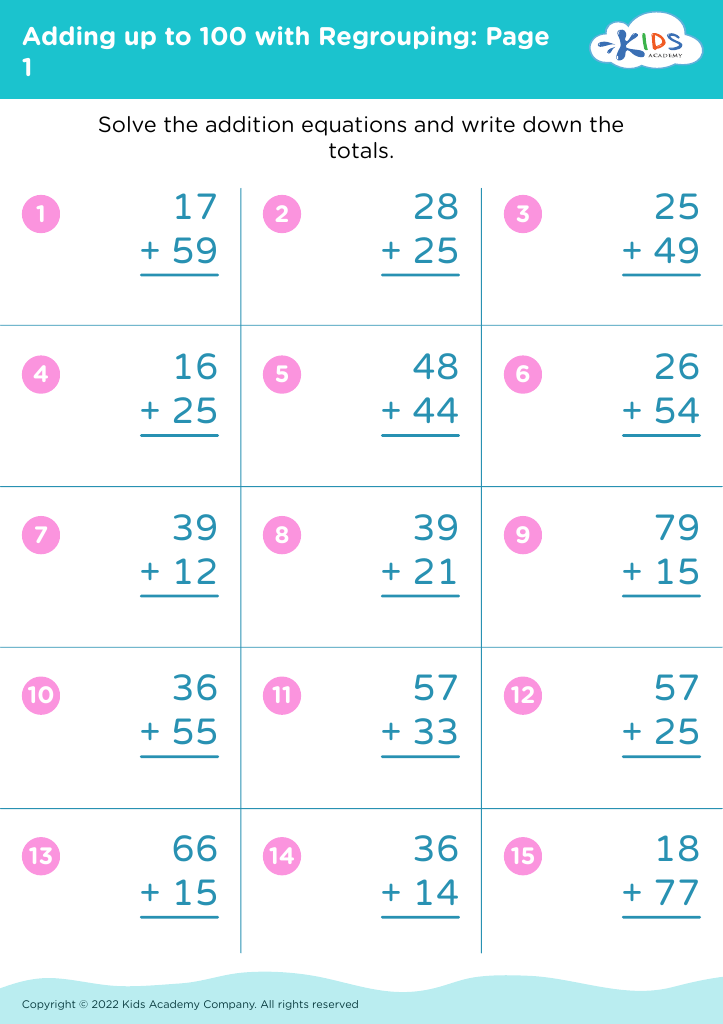
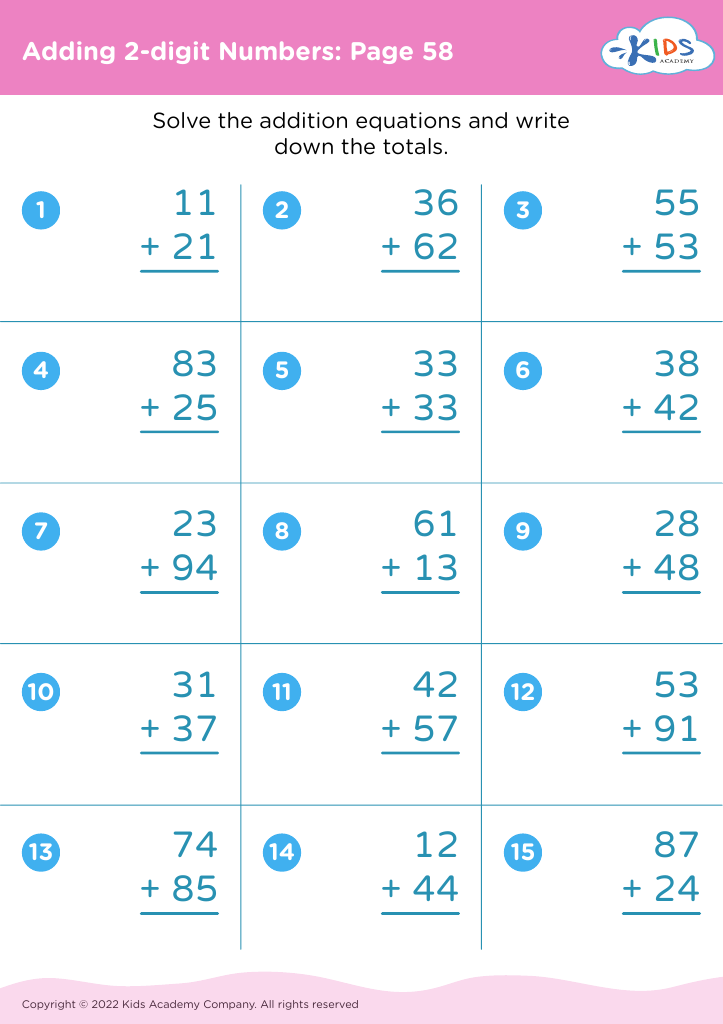
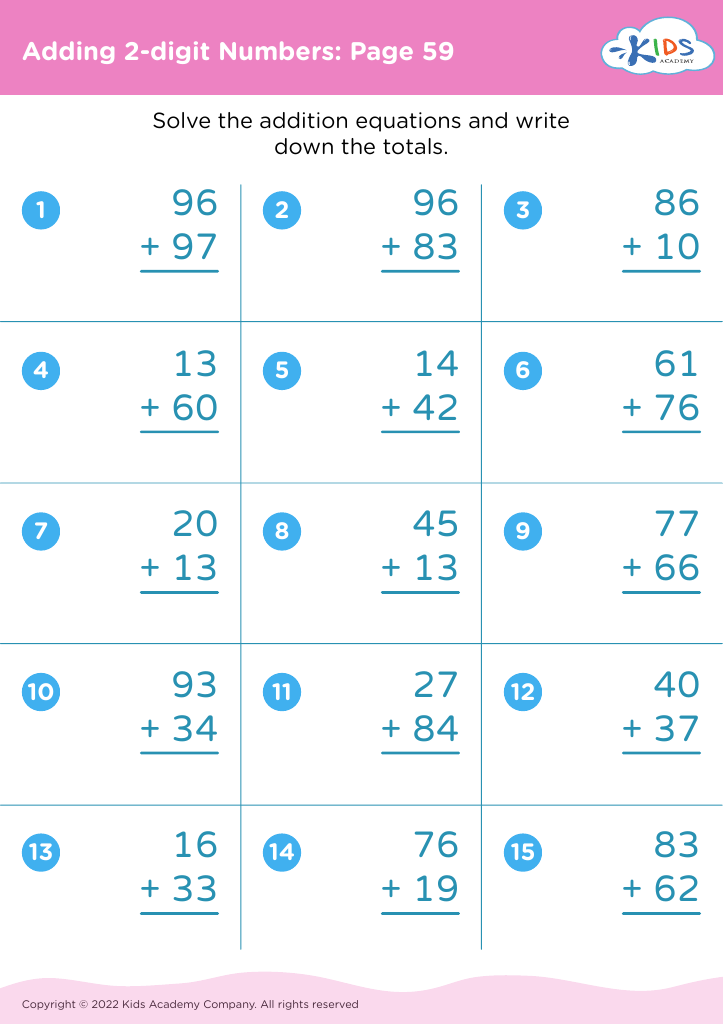








Problem-solving skills are essential for children aged 6-8 as they lay the foundation for academic success and everyday life. During these formative years, children begin to transition from concrete thinking to more abstract reasoning. By fostering problem-solving skills, parents and teachers equip students with the ability to approach challenges critically and creatively, boosting their confidence in math and other subjects.
Addition problem-solving not only teaches mathematical concepts but also enhances essential thinking skills, such as reasoning, decision-making, and perseverance. For example, when children tackle addition problems, they learn to break larger tasks into manageable steps, reflect on various strategies, and adapt their approaches when faced with difficulties.
Moreover, these skills are transferrable to real-life situations, such as sharing, budgeting, or planning activities, promoting resilience and resourcefulness. Engaging children in collaborative problem-solving activities also encourages teamwork, communication, and social-emotional development. Therefore, it's crucial for parents and teachers to actively support and nurture these skills, ensuring that children are well-prepared to tackle challenges both in and out of the classroom as they grow. By prioritizing problem-solving, caregivers can help foster a culture of curiosity and a love for lifelong learning.








