Analyzing data Numbers Worksheets for Ages 6-8
3 filtered results
-
From - To
Unlock the world of numbers with our "Analyzing Data Worksheets" designed specifically for children aged 6-8! These engaging printable worksheets help young learners develop essential skills in data analysis through fun activities. From sorting and classifying to interpreting simple graphs, our resources encourage critical thinking and boost mathematical understanding. With a range of colorful and interactive materials, students will enjoy exploring concepts like comparison, trends, and data interpretation in an age-appropriate manner. Perfect for classroom use or at-home practice, these worksheets make learning numbers exciting and effective. Equip your child with the tools to confidently analyze and understand data today!
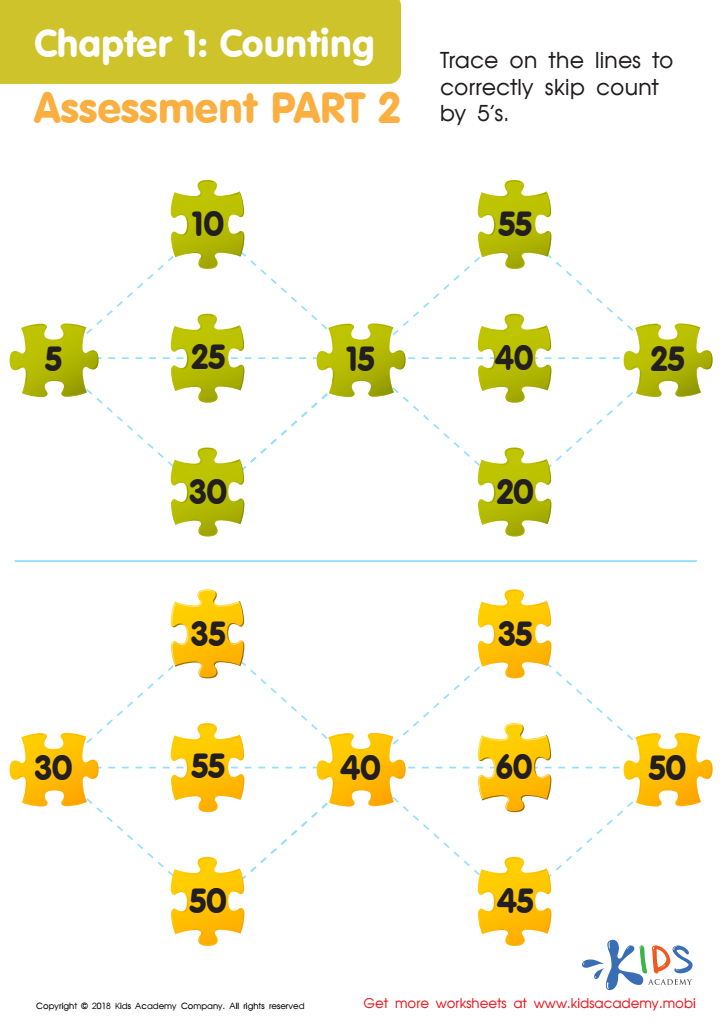
Counting: Assessment 2 Worksheet
 Assign to My Students
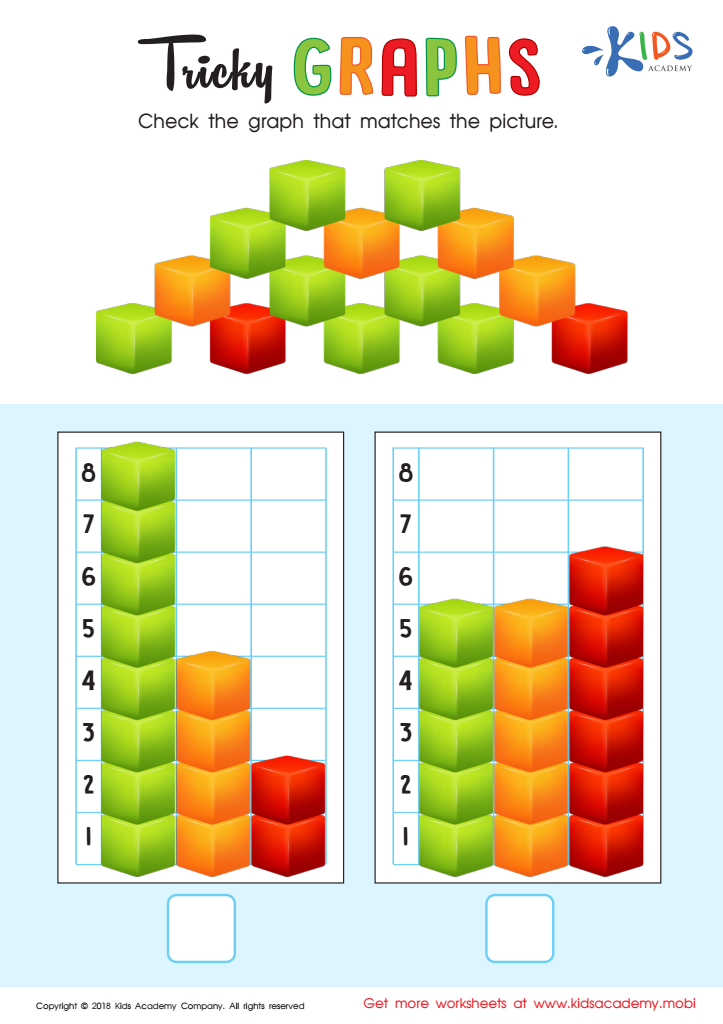
Tricky Graphs Worksheet
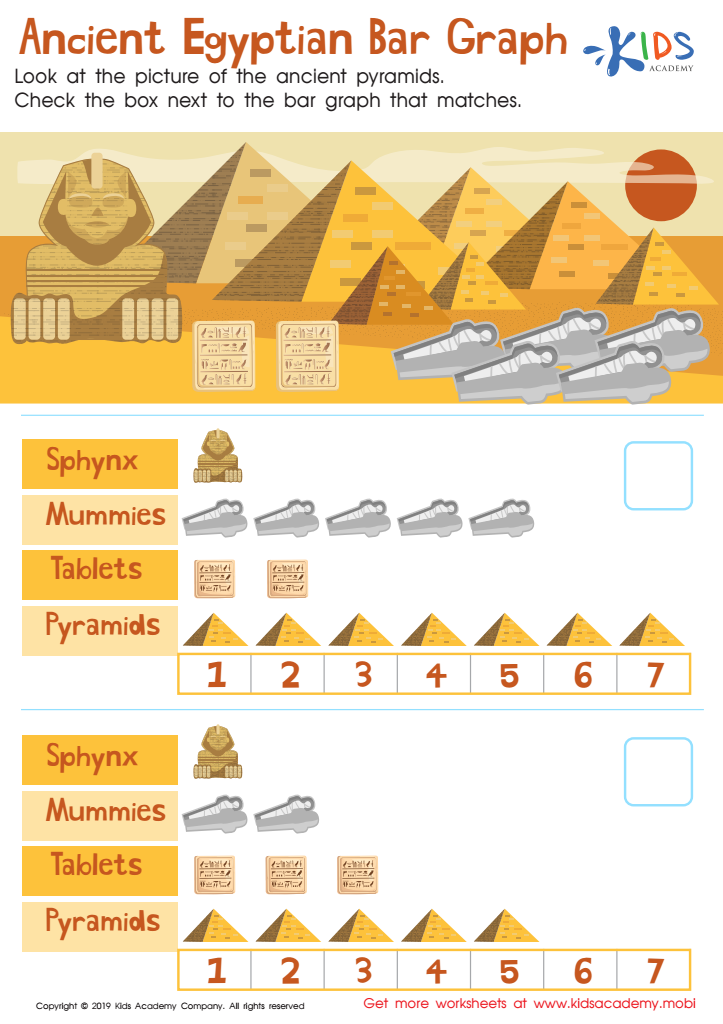
Egyptian Bar Graph Worksheet








Analyzing data is essential for parents and teachers of children ages 6-8 as it fosters critical thinking, problem-solving, and numeracy skills at this formative stage. At this age, students develop foundational abilities in mathematics, and understanding data helps them make connections between numbers and real-world applications. When caregivers and educators engage children in analyzing data, they cultivate curiosity and encourage children to ask questions, identify patterns, and draw conclusions.
Additionally, data analysis promotes collaborative learning. Group activities, such as charting class preferences or comparing test scores, enhance communication and teamwork skills. These activities can also highlight individual growth and areas needed for improvement, enabling tailored support for each child.
Furthermore, integrating data analysis into everyday life solidifies its relevance. Analysing sports statistics, budgets for family outings, or even weather forecasts helps children see the value of numeracy in their lives.
Ultimately, fostering the ability to analyze data at a young age equips students with skills that extend beyond math classes, preparing them for academic success and informed decision-making throughout their educational journey and in their future lives. It establishes a strong foundation for critical thinking, vital for personal and professional endeavors later on.








