Basic Addition Numbers Worksheets for Ages 6-8 - Page 2
40 filtered results
-
From - To
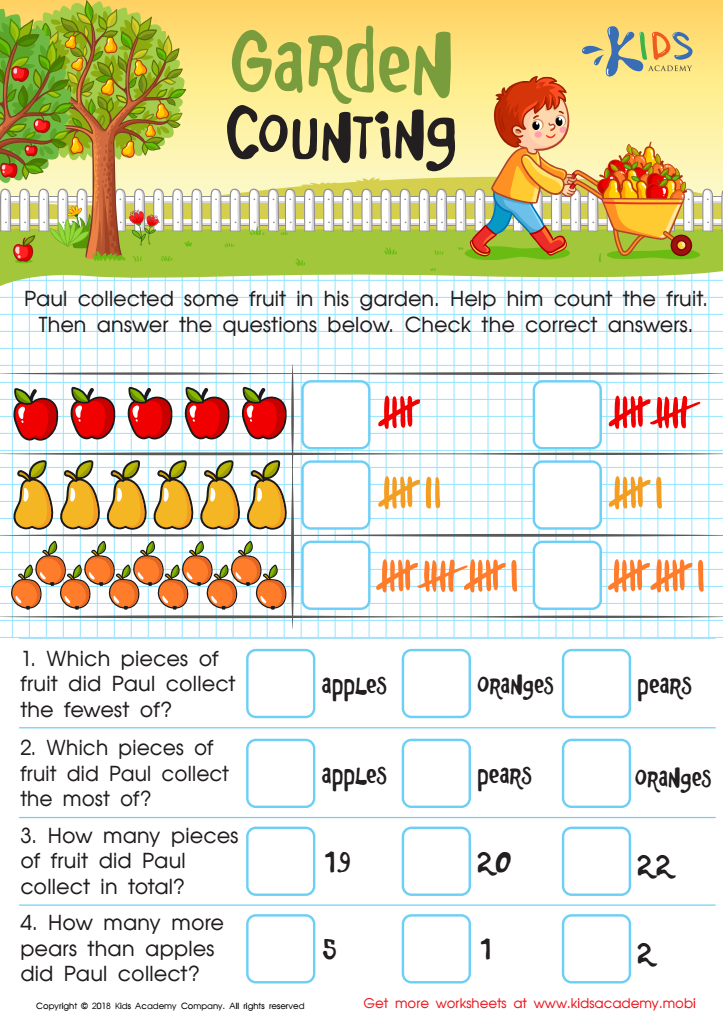
Garden Counting Worksheet
 Assign to My Students
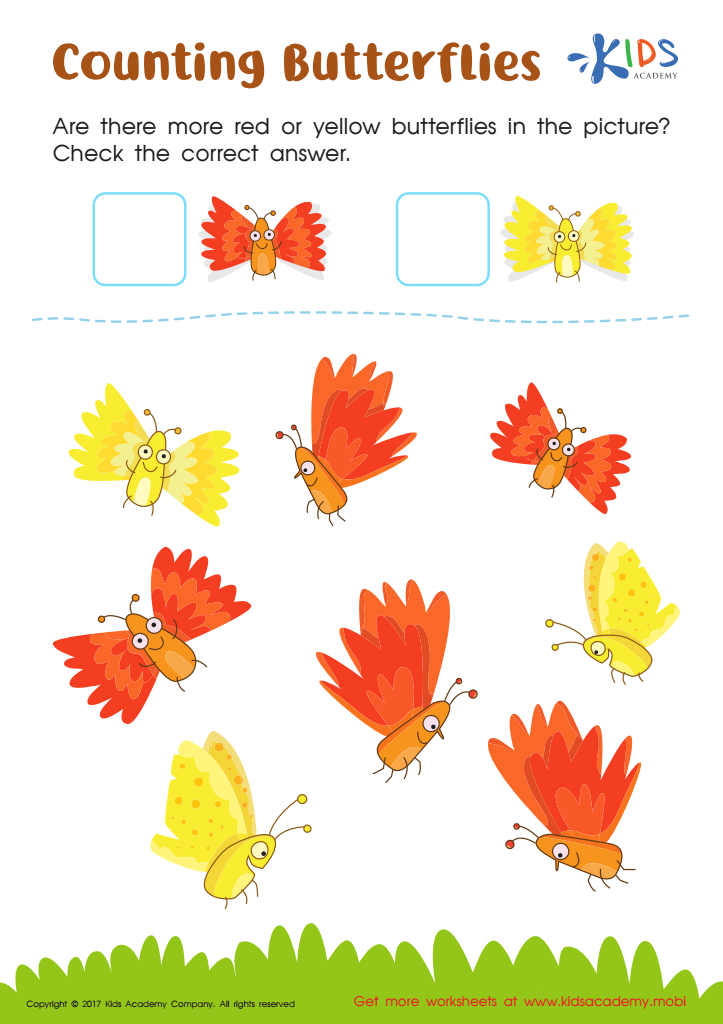
Counting Butterflies Worksheet
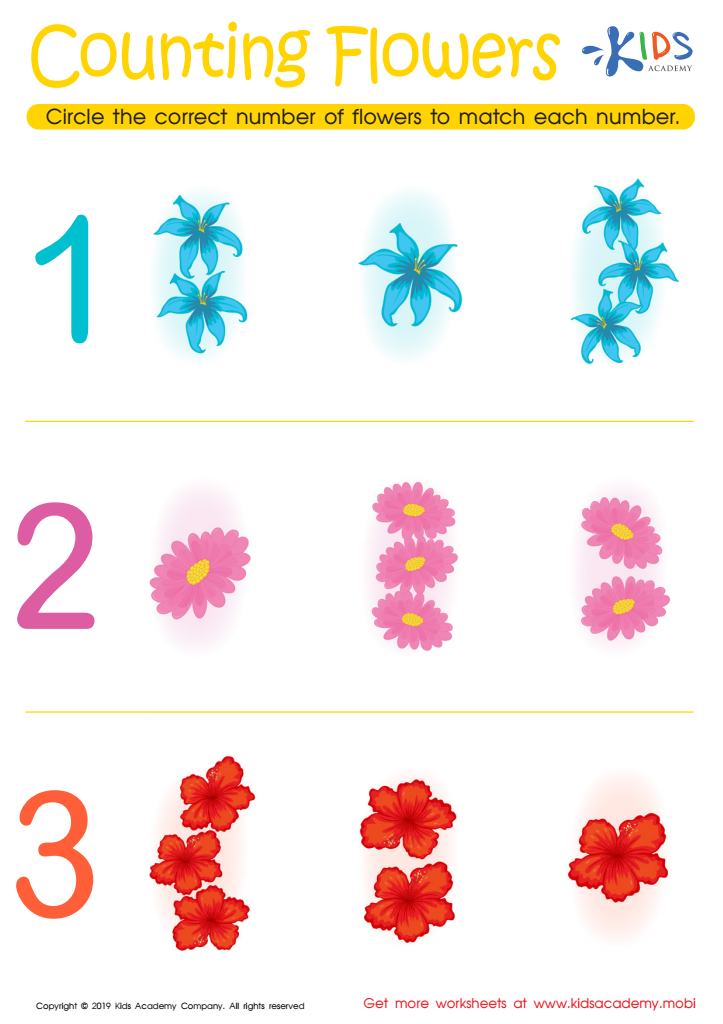
Counting Flowers Worksheet
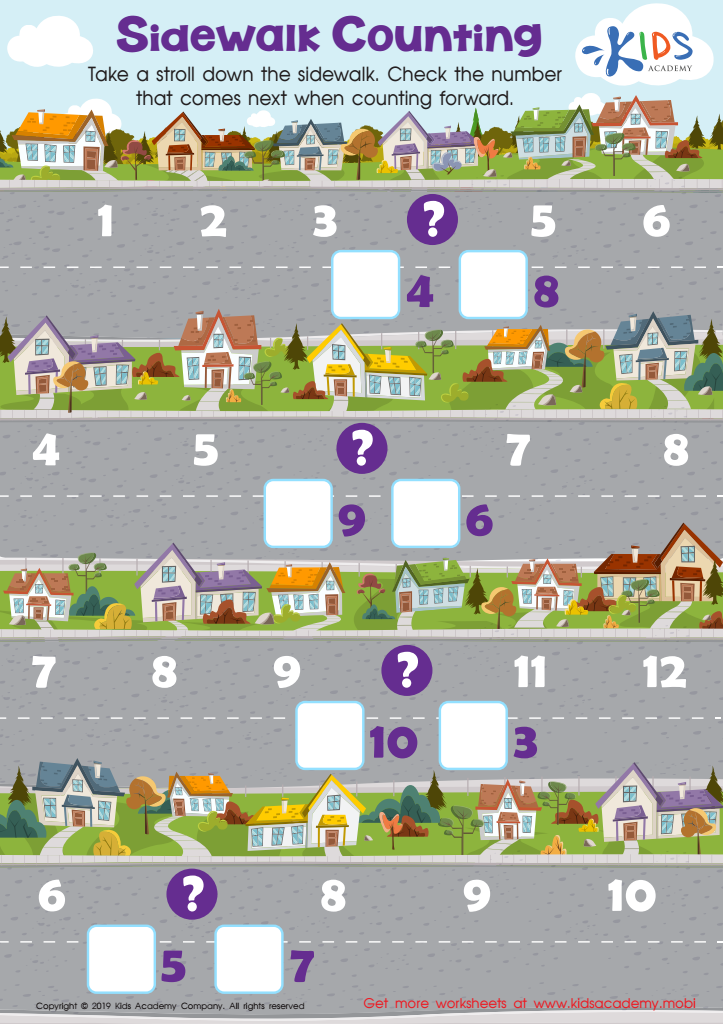
Sidewalk Counting Worksheet
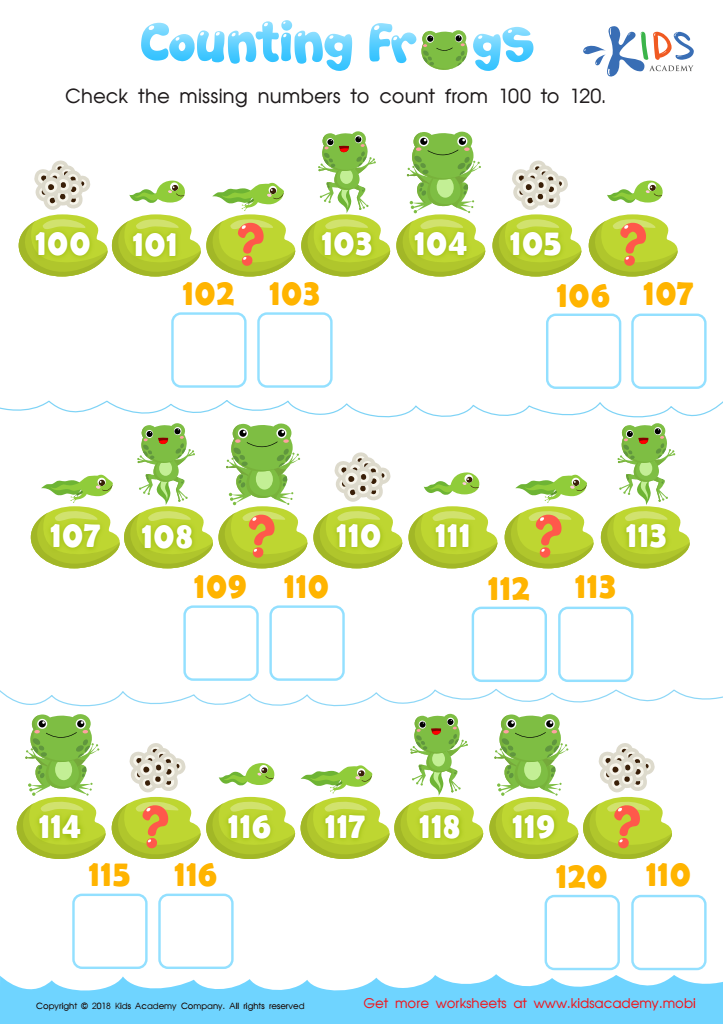
Counting Frogs Worksheet
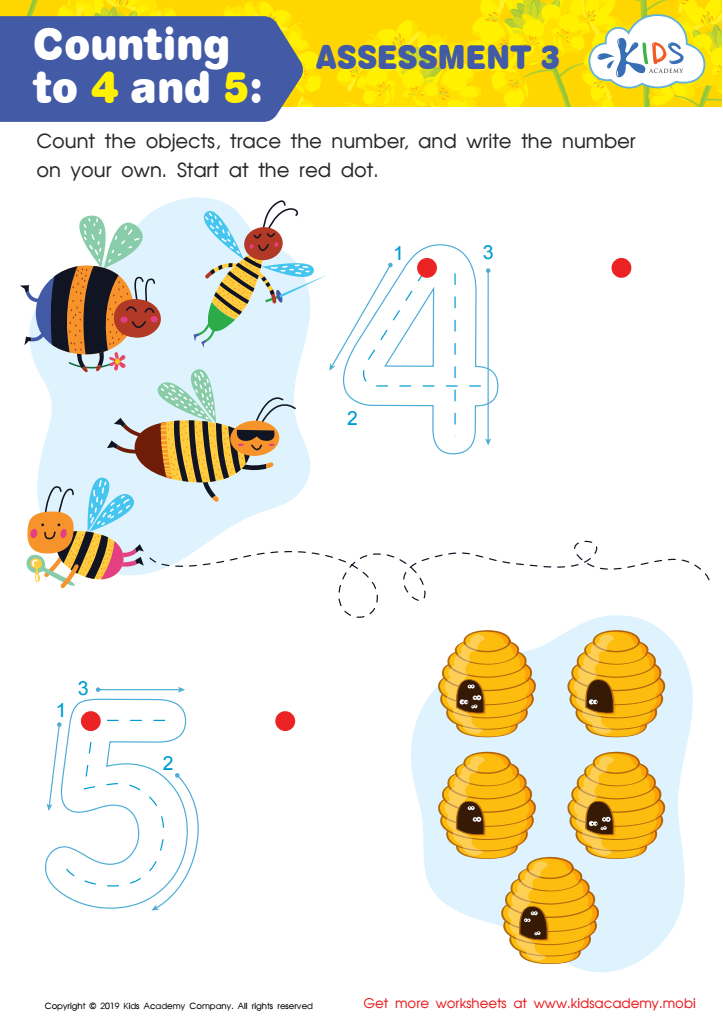
Counting to 4 and 5: Assessment 3 Worksheet
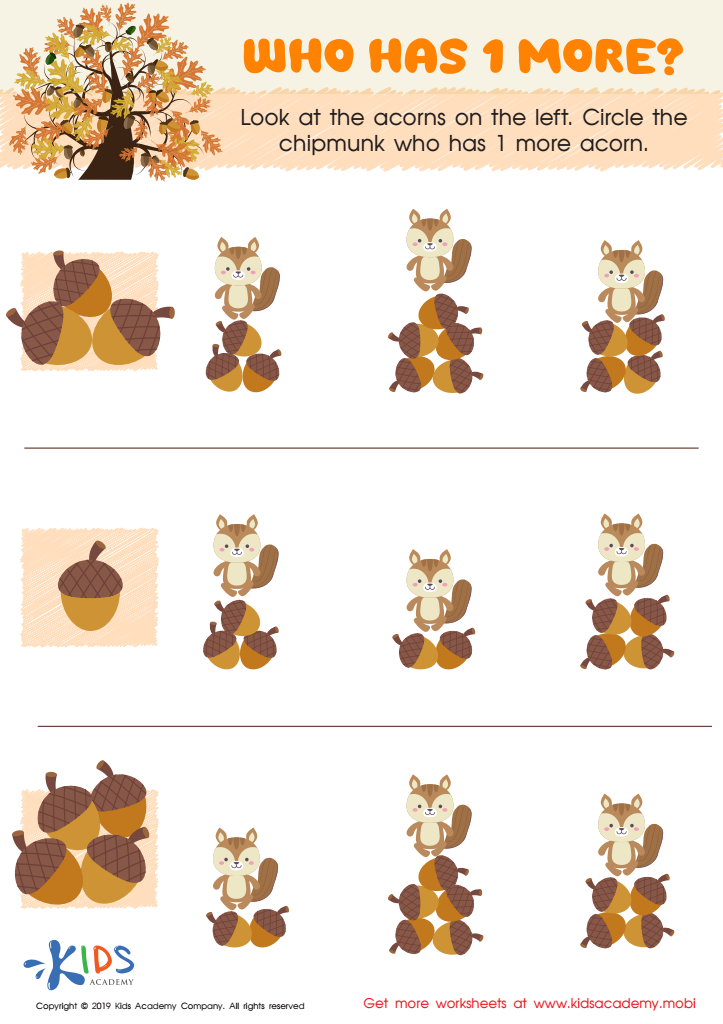
Who Has 1 More? Worksheet
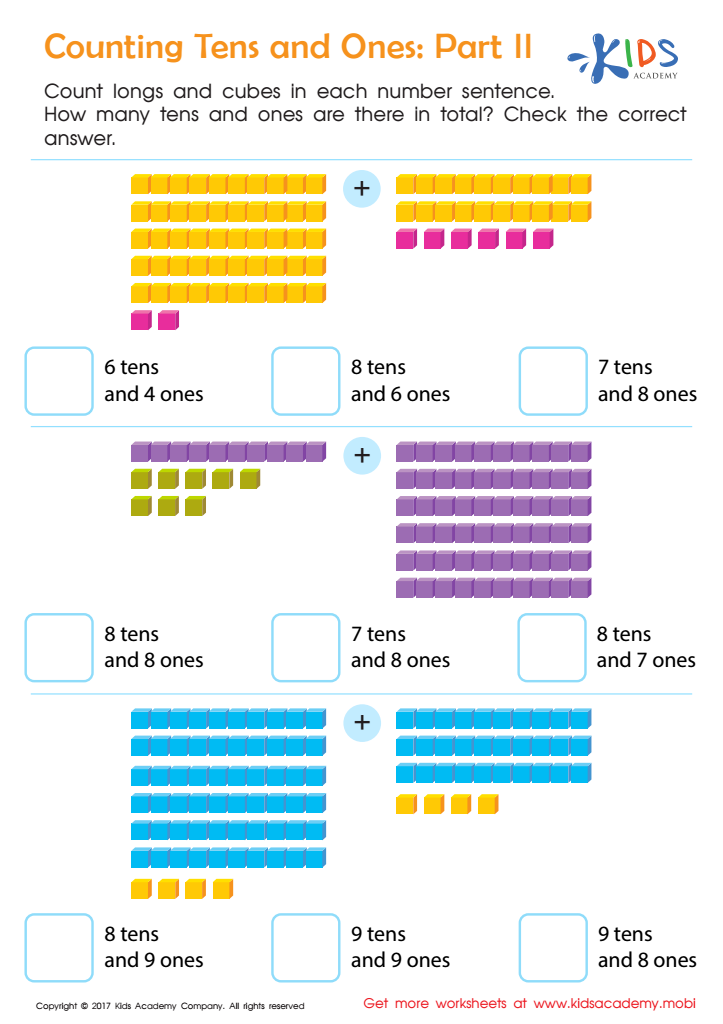
Counting Tens and Ones: Part 2 Worksheet
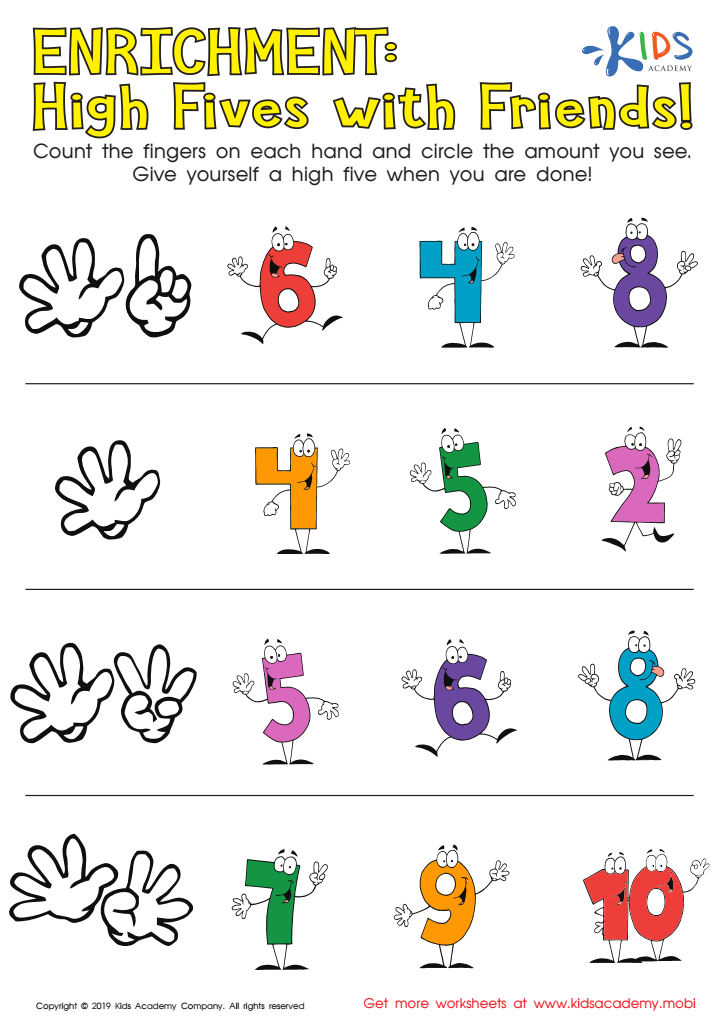
Enrichment: High Fives with Friends! Worksheet
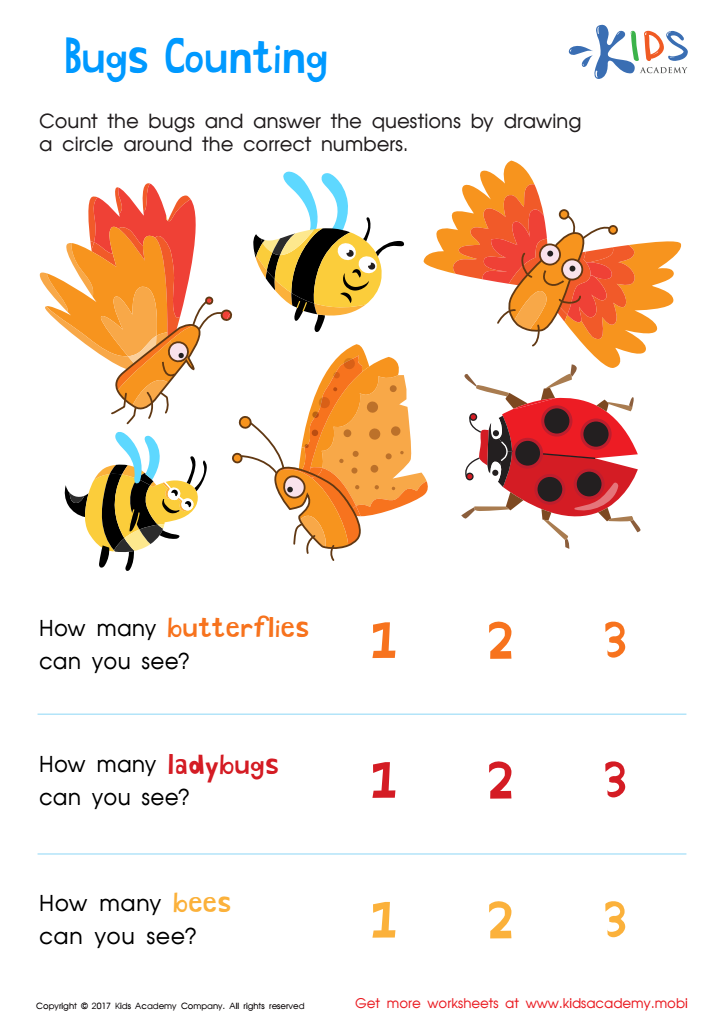
Bugs Counting Worksheet
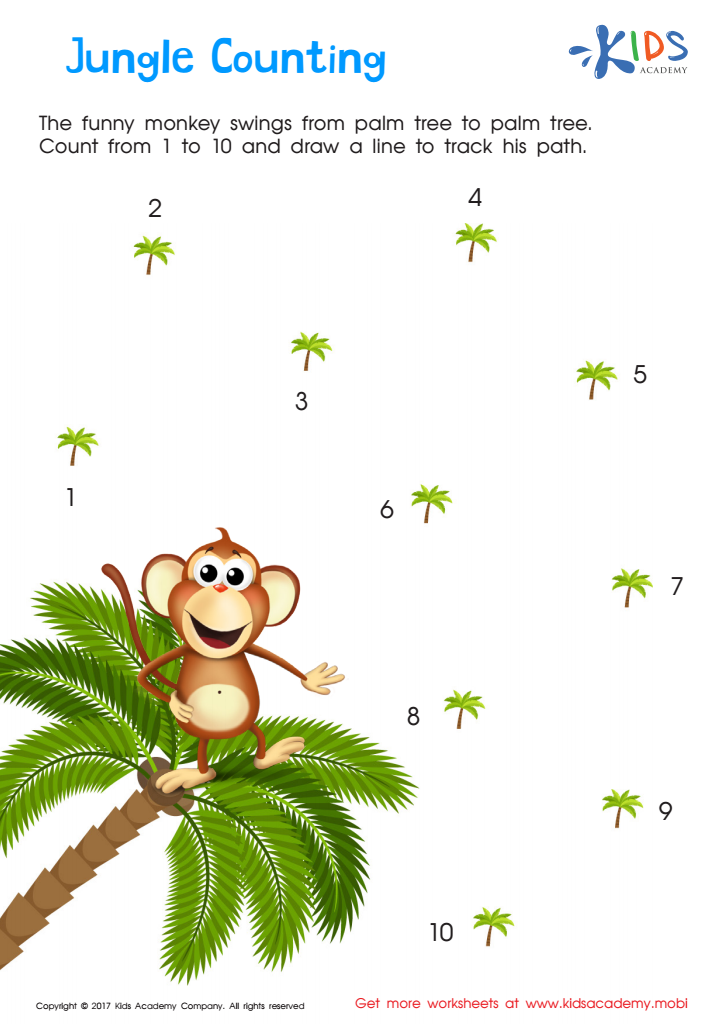
Jungle Counting Connect Dots Worksheet
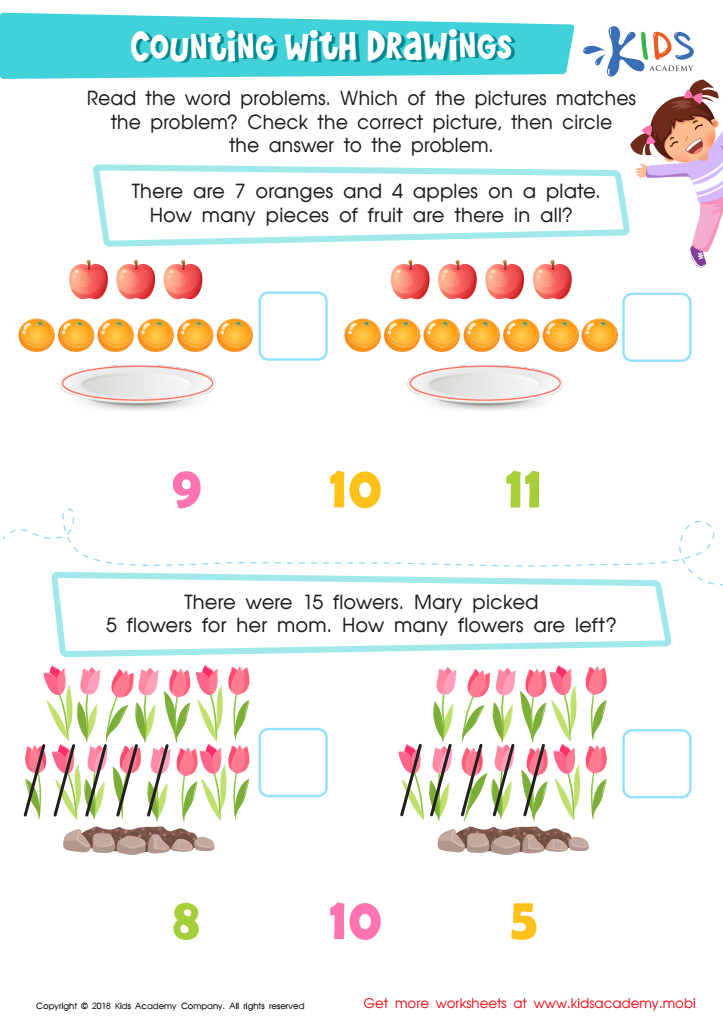
Counting with Drawings:Fruits & Flowers Worksheet
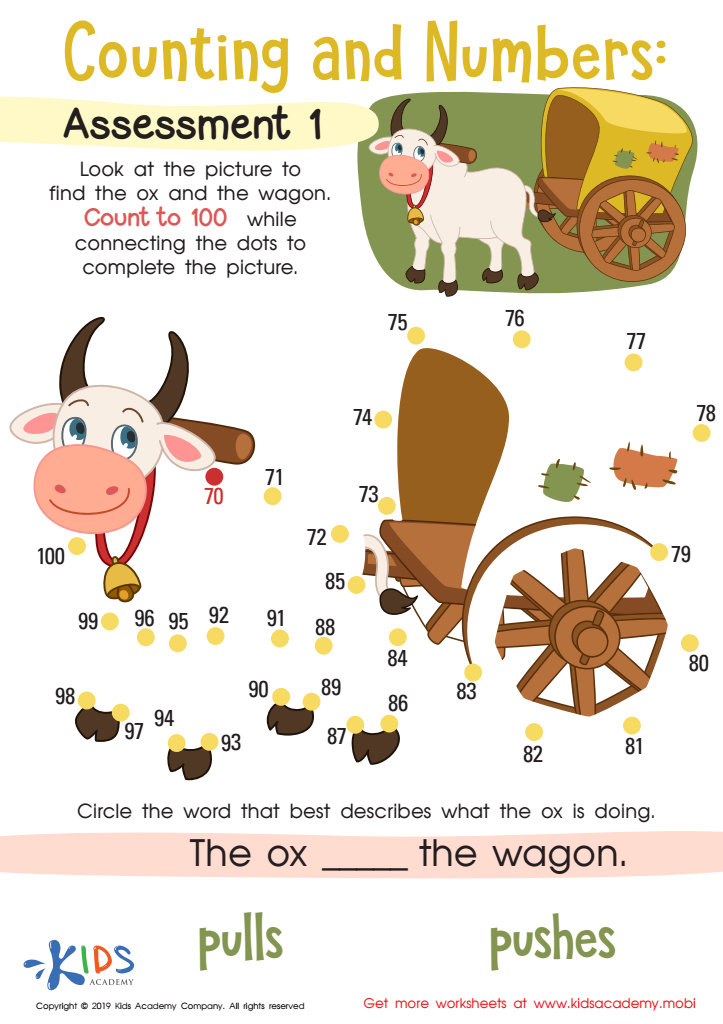
Counting and Numbers: Assessment 1 Worksheet
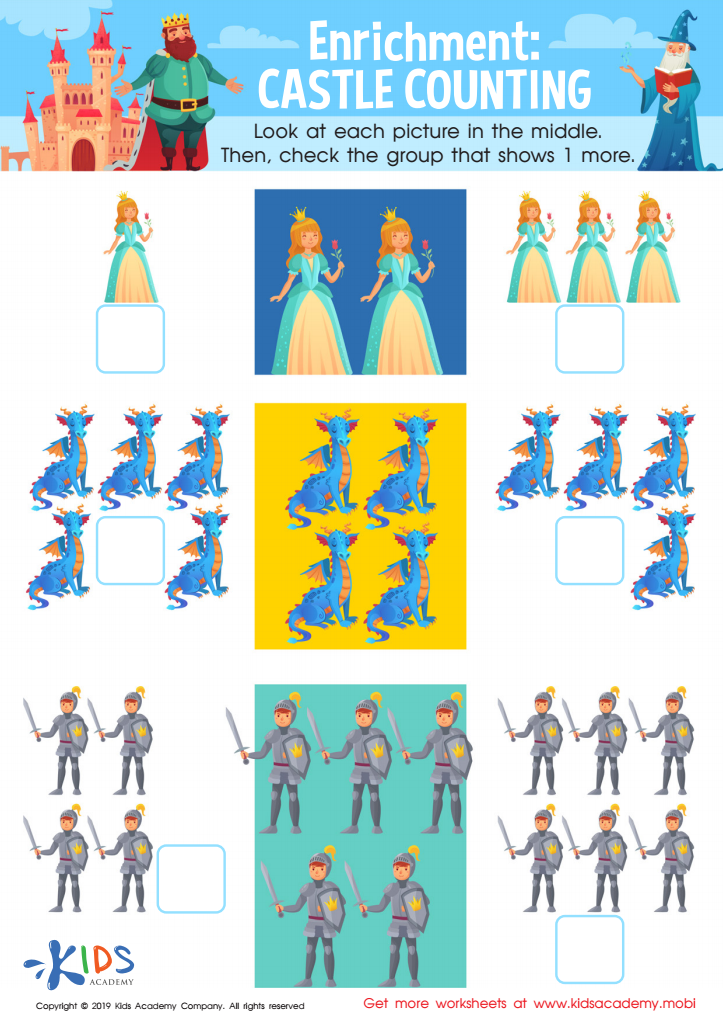
Enrichment: Castle Counting Worksheet
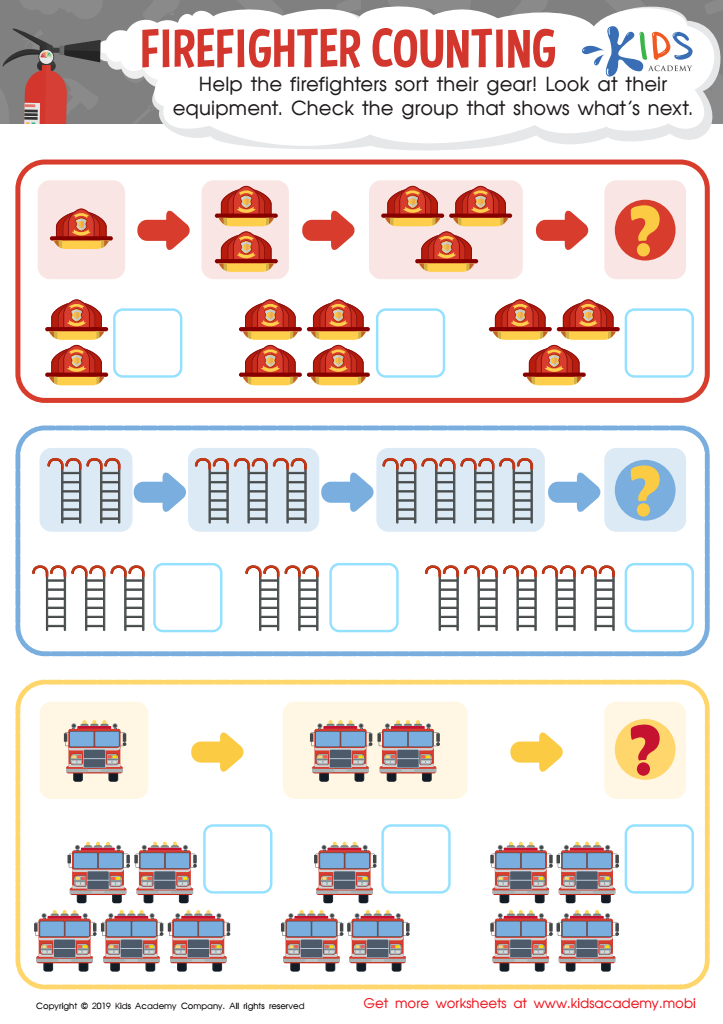
Firefighter Counting Worksheet
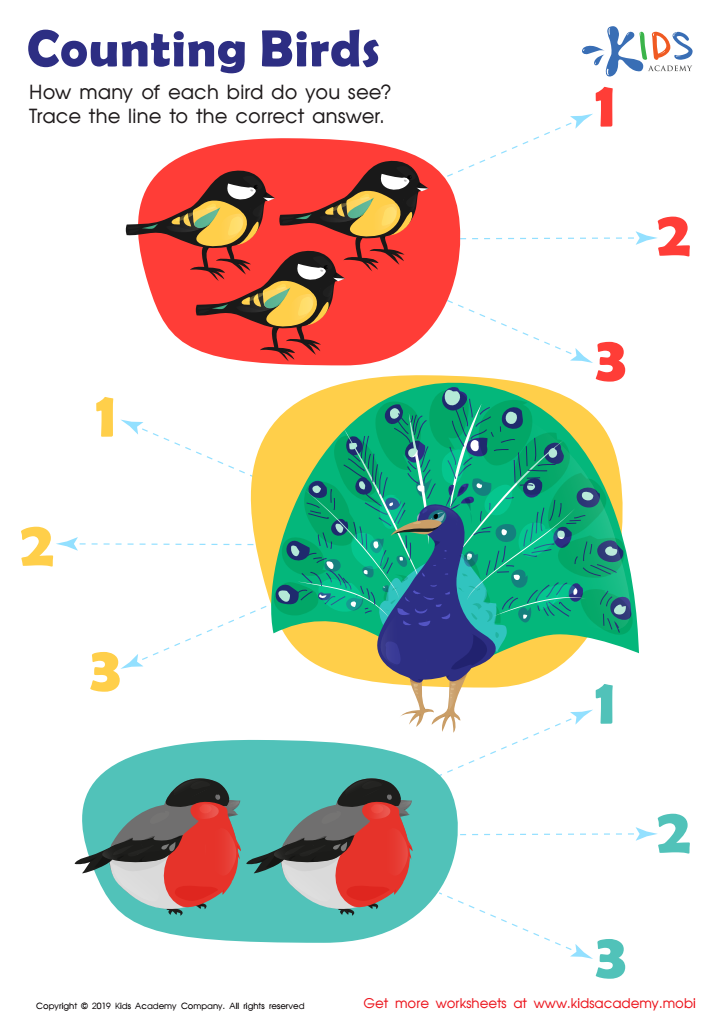
Counting Birds Worksheet








Basic addition is a fundamental skill that serves as the building block for a child’s mathematical understanding and overall academic success. For children ages 6 to 8, mastering addition lays the groundwork for more complex concepts in arithmetic and life skills. Parents and teachers should prioritize this foundational knowledge because it fosters critical thinking and problem-solving abilities.
At this age, children are developing cognitive skills that help them make sense of the world, and addition aids in understanding relationships and quantities. It enhances their ability to engage with everyday situations, such as budgeting, sharing, and planning. Furthermore, strong addition skills contribute to increased confidence in mathematics, reducing frustration and anxiety often associated with math tasks.
Additionally, emphasizing basic addition encourages a positive learning environment where mistakes are viewed as opportunities for growth. By incorporating games and real-life applications, parents and teachers can make learning fun and interactive, capturing children's interests.
Overall, basic addition skills are essential not just for academic achievements but for life. Strengthening these skills in young learners promotes long-term success and nurtures a generation that is better equipped to handle numerical challenges in the future.








