Pattern recognition Numbers Worksheets for Ages 6-8
5 filtered results
-
From - To
Unlock the fun of learning with our Pattern Recognition Numbers Worksheets for Ages 6-8! Tailored for young learners, these engaging worksheets help children develop essential math skills by identifying and completing number patterns. With vibrant visuals and interactive exercises, kids will improve their critical thinking and problem-solving abilities while enjoying the process. These worksheets are perfect for classroom use or home learning, ensuring children grasp the fundamentals of patterns in numbers through hands-on practice. As they work through each activity, students will build confidence in their math skills, setting a solid foundation for future learning. Start exploring today!
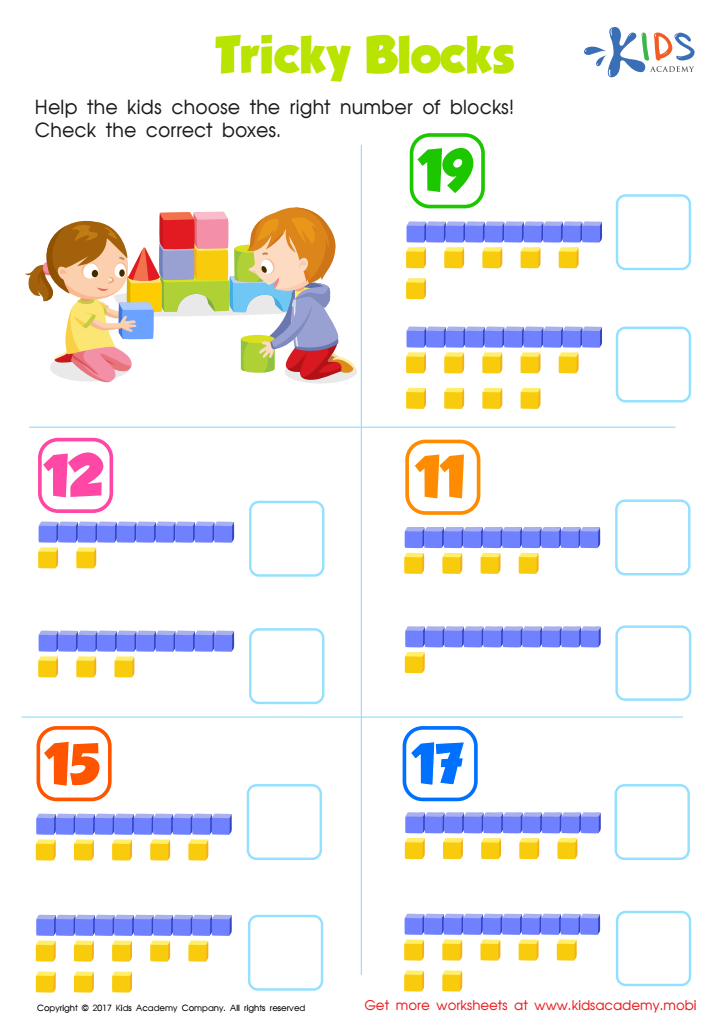
Tricky Blocks Worksheet
 Assign to My Students
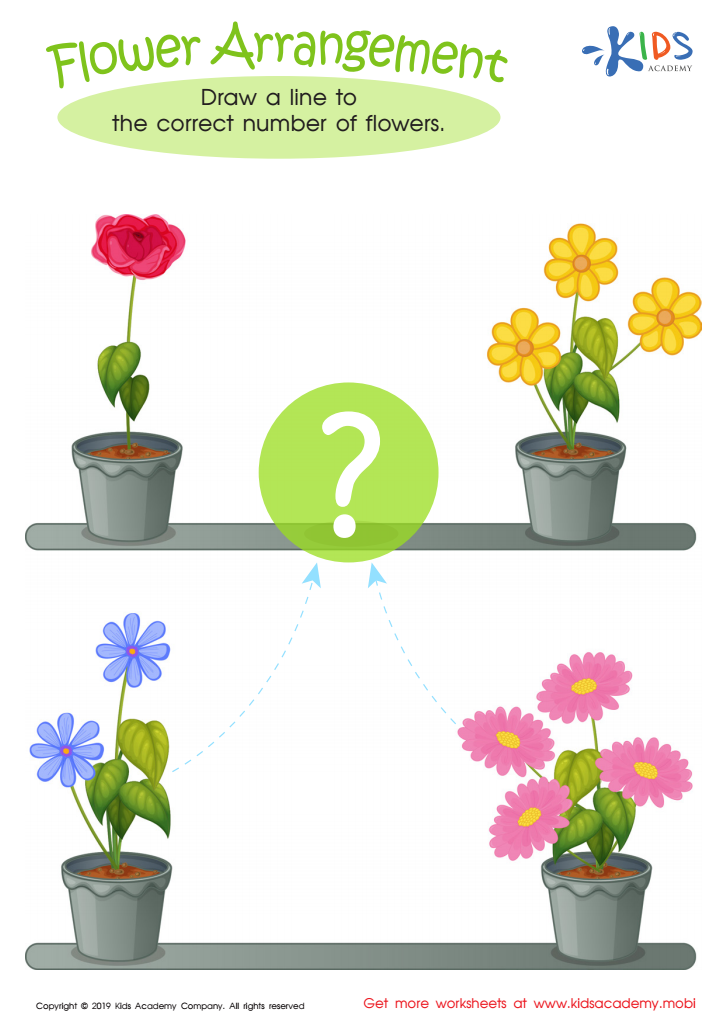
Flower Arrangement Worksheet
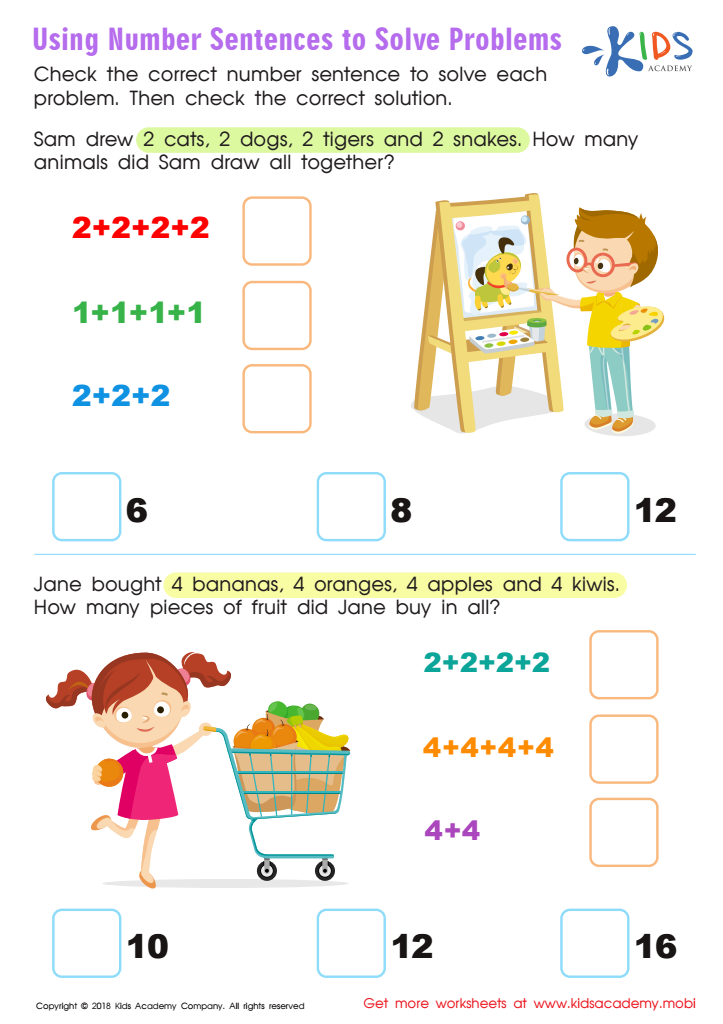
Using Number Sentences to Solve Problems Worksheet
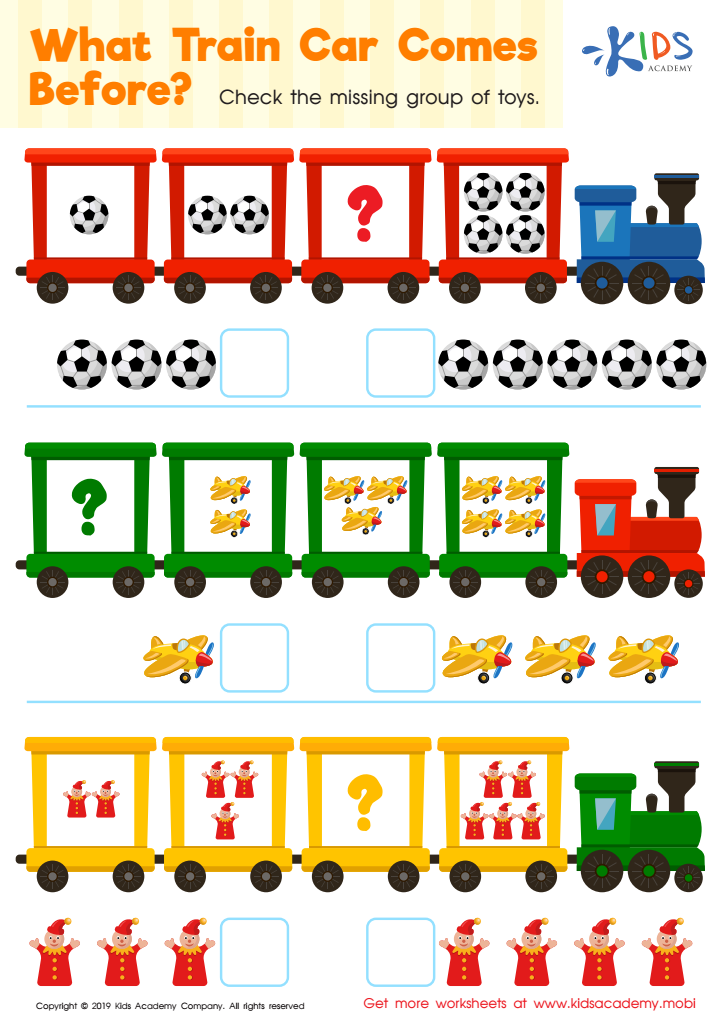
What Train Car Comes Before? Worksheet
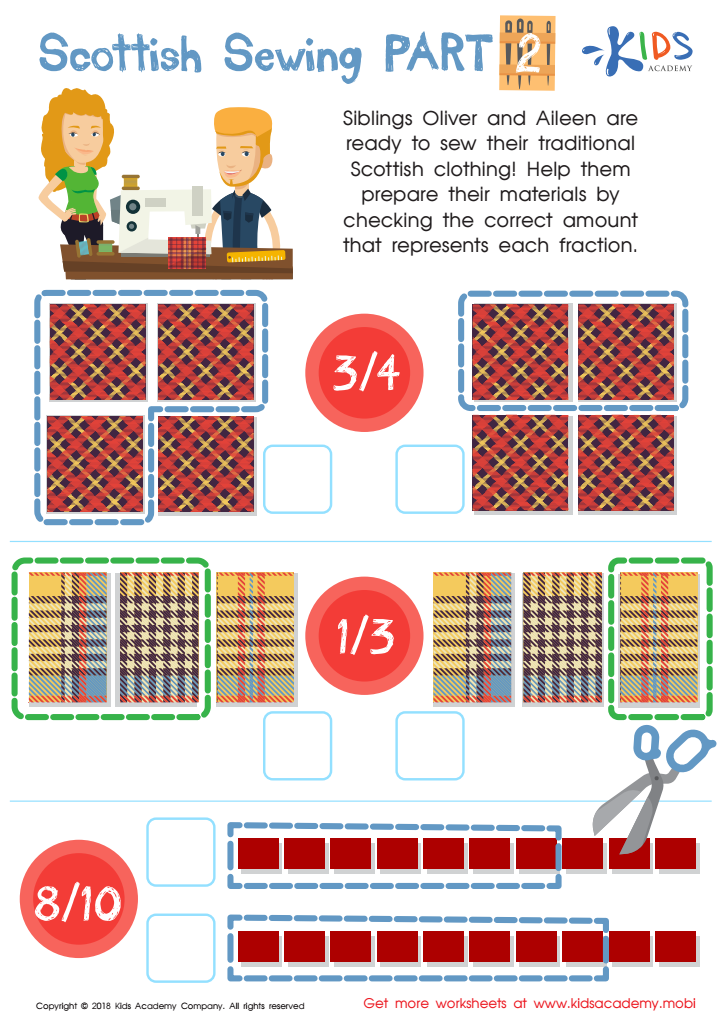
Scottish Sewing Part 2 Worksheet








Pattern recognition in numbers is a foundational skill critical for children ages 6-8. Understanding patterns enables young learners to identify relationships and structures in mathematics, which is essential for developing problem-solving and analytical skills. When children recognize patterns, they can simplify complex information into manageable parts, making math not only more accessible but also more enjoyable.
Parents and teachers should care about instilling pattern recognition because it lays the groundwork for more advanced mathematical concepts such as addition, subtraction, multiplication, and division. This understanding enhances children's ability to see connections among numbers and shapes, leading to a more profound comprehension of math as they progress through school.
Additionally, recognizing patterns helps foster critical thinking and cognitive flexibility, skills that are valuable beyond mathematics. Encouraging children to explore sequences, skip counting, or geometric arrangements can even enhance their creative and logical reasoning abilities.
In a rapidly changing world where problem-solving is essential, nurturing these skills during early education stages ensures that children are not just rote learners but confident thinkers who can tackle challenges in both math and everyday life. By prioritizing pattern recognition, educators and parents equip children with the tools necessary for lifelong learning and success.








