Categorization skills Math Worksheets for Ages 6-8
18 filtered results
-
From - To
Boost your child's math abilities with our "Categorization Skills Math Worksheets for Ages 6-8"! Designed by experienced educators, these worksheets help young learners develop crucial math categorization skills, including sorting, classifying, and grouping. Kids will practice identifying patterns, recognizing relationships between objects, and enhancing their problem-solving abilities in a fun and engaging way. Perfect for both classroom use and home learning, these activities are geared towards building a strong foundational understanding of essential math concepts, preparing your child for future academic success. Start your child on the path to math mastery today!
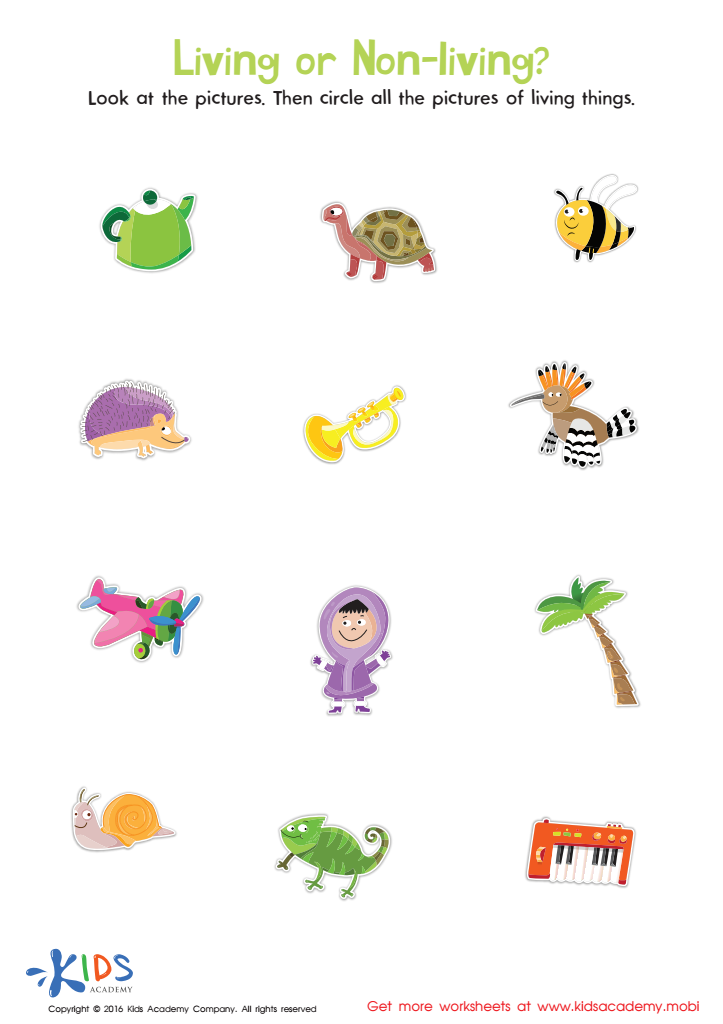
Identifying Living and Non–living Things Sorting Worksheet
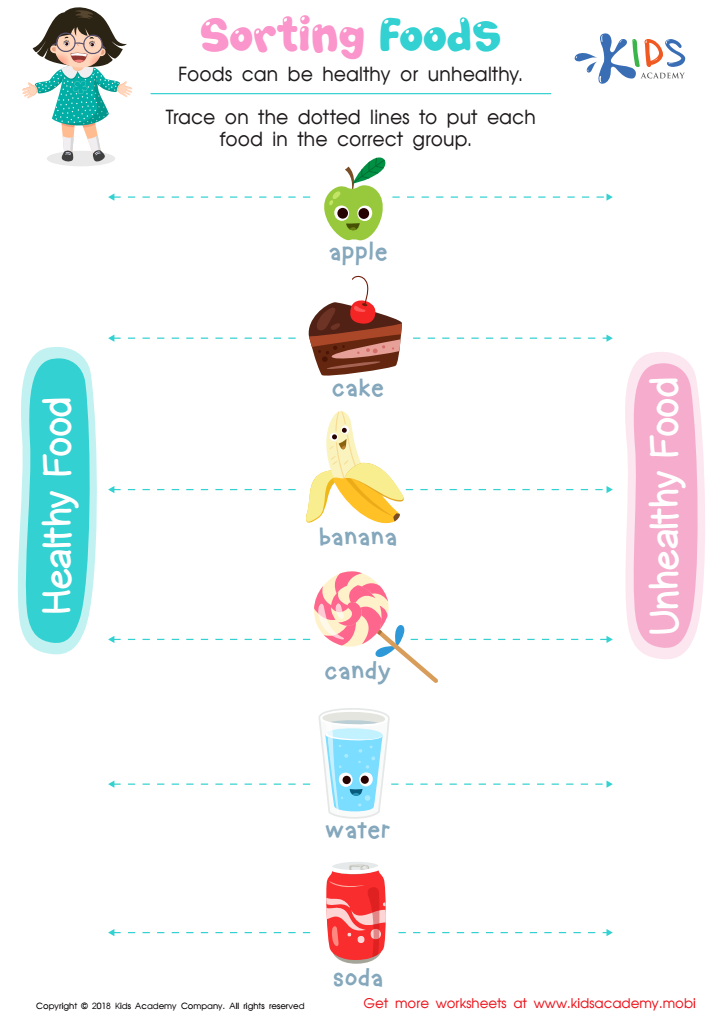
Sorting Food Worksheet
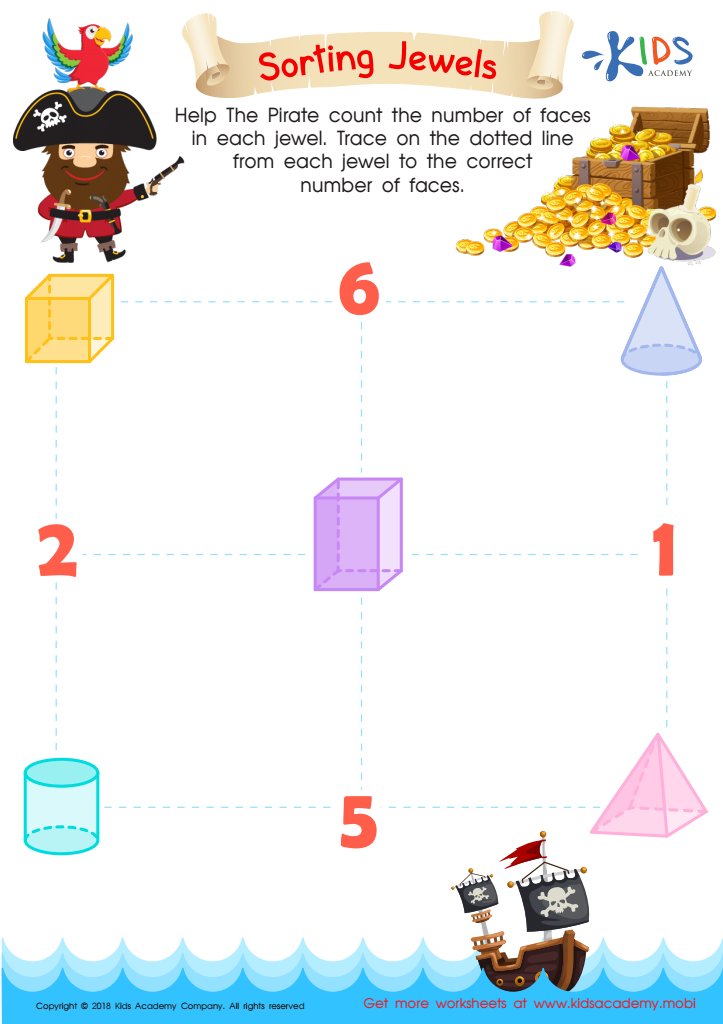
Sorting Jewels Worksheet
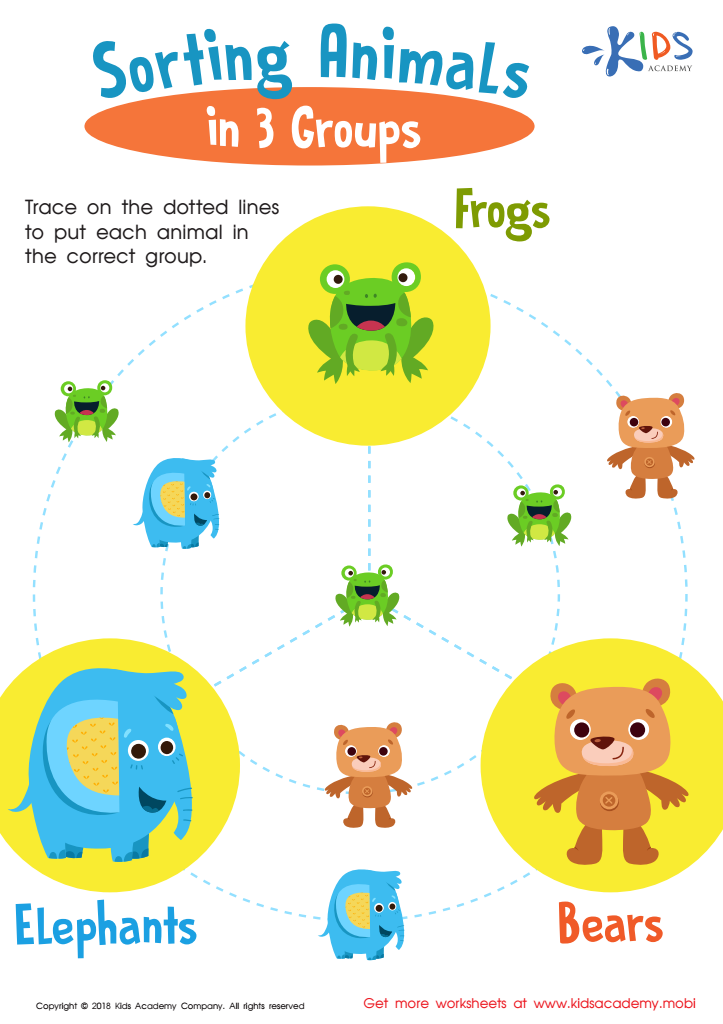
Sorting Animals in 3 Groups Worksheet
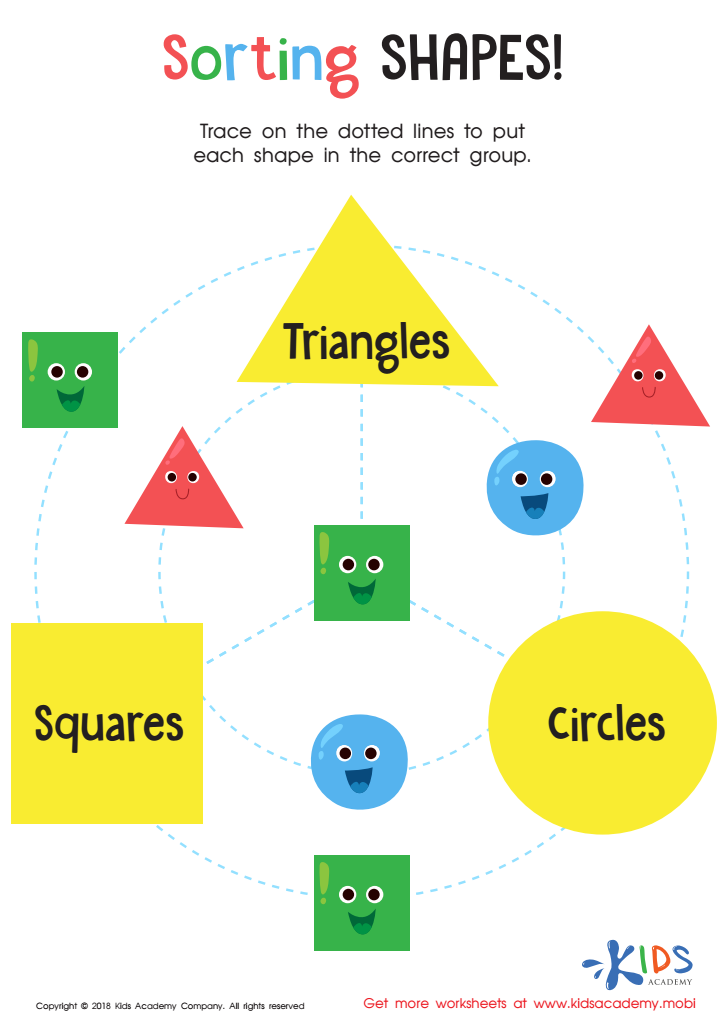
Sorting Shapes - Part 3 Worksheet
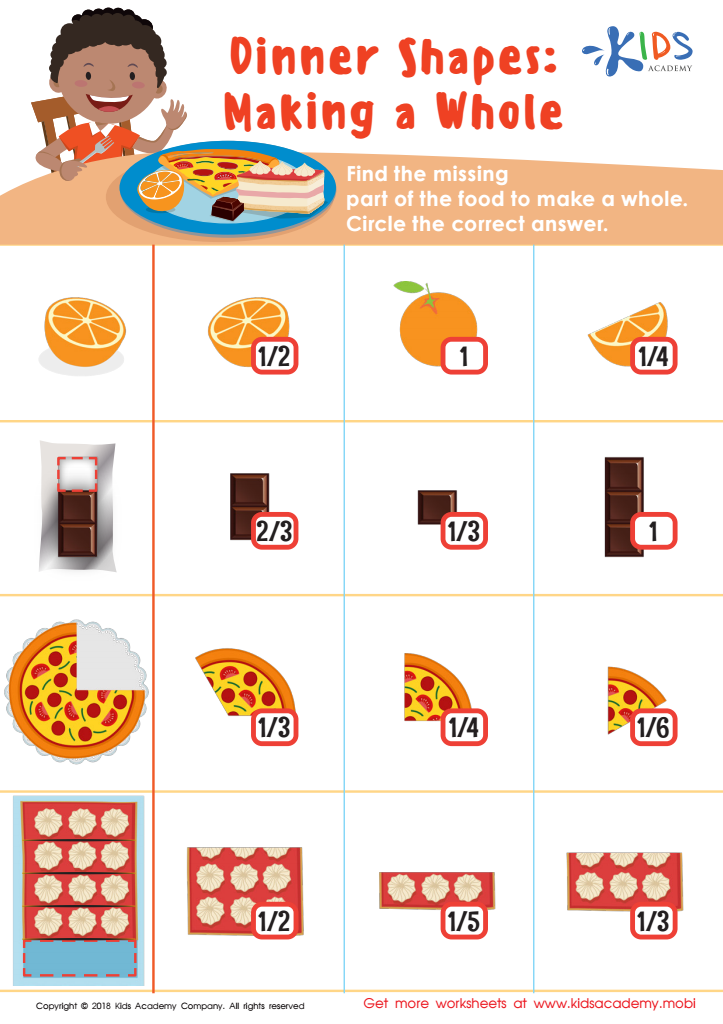
Dinner Shapes: Making a Whole Worksheet
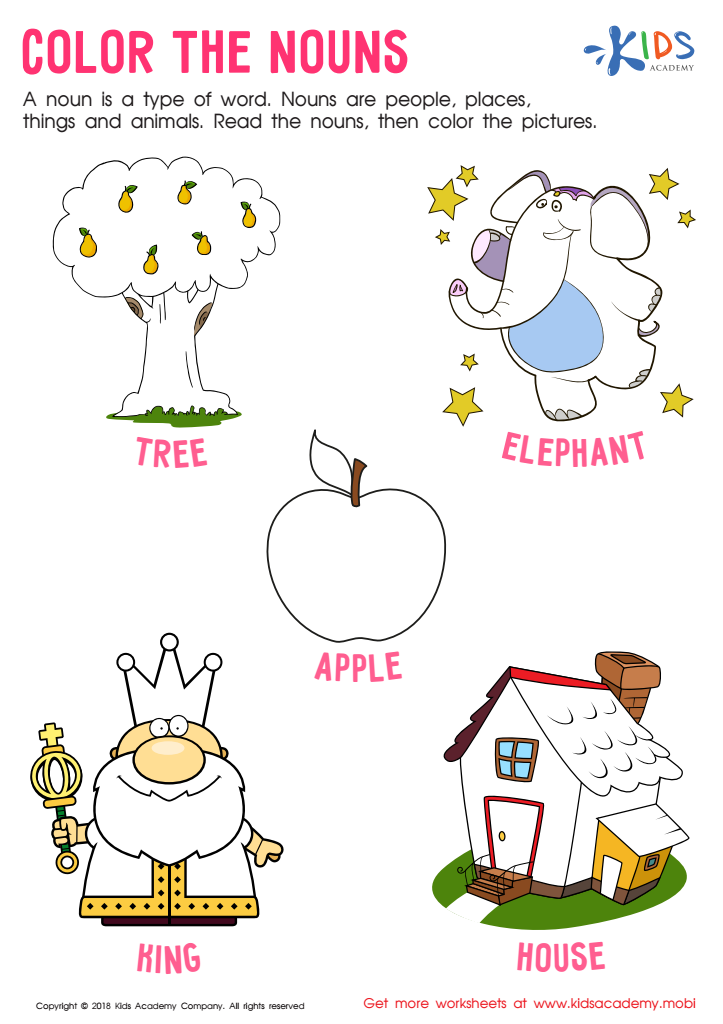
Color the Nouns Worksheet
 Assign to My Students
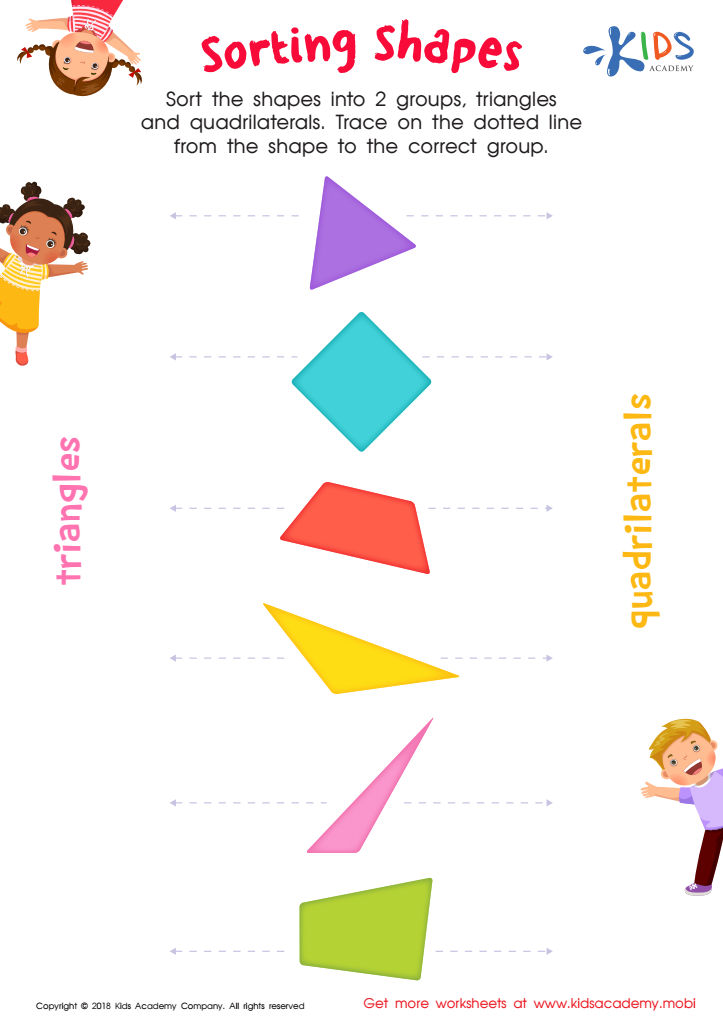
Sorting Shapes Worksheet
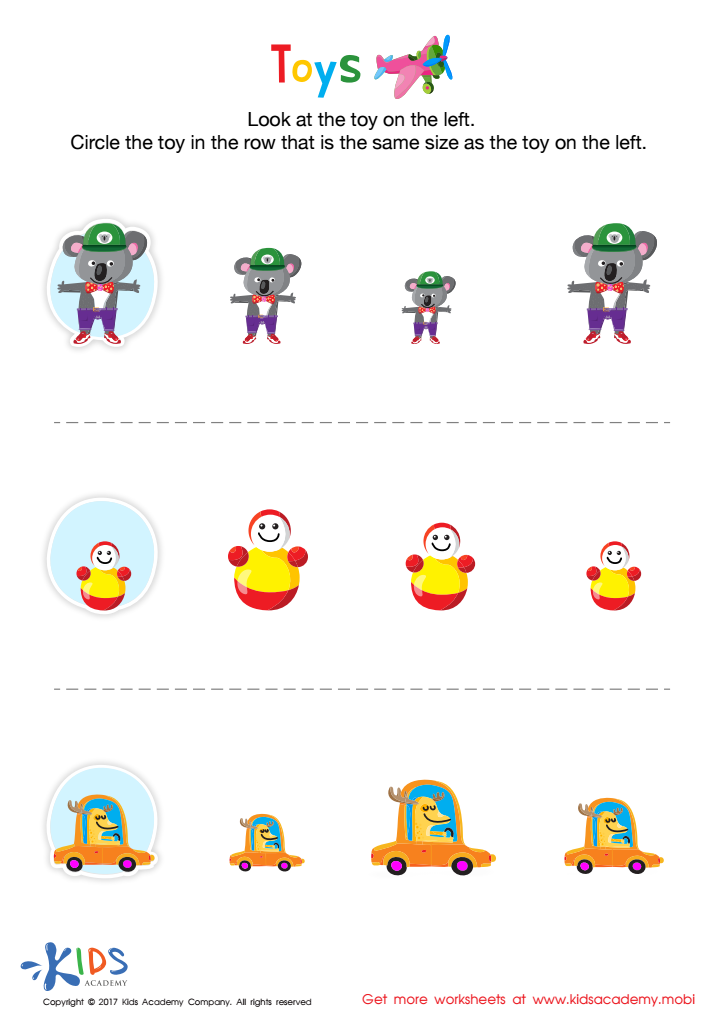
Matching: Classifying Toys by Size Worksheet
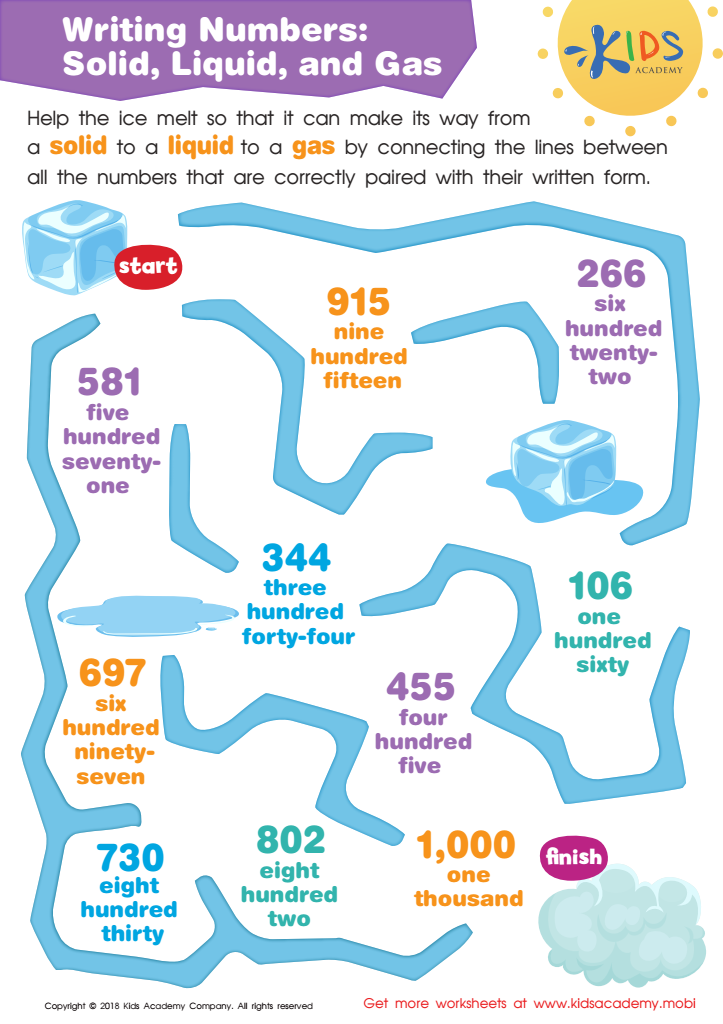
Solid, Liquid, and Gas Writing Numbers Worksheet
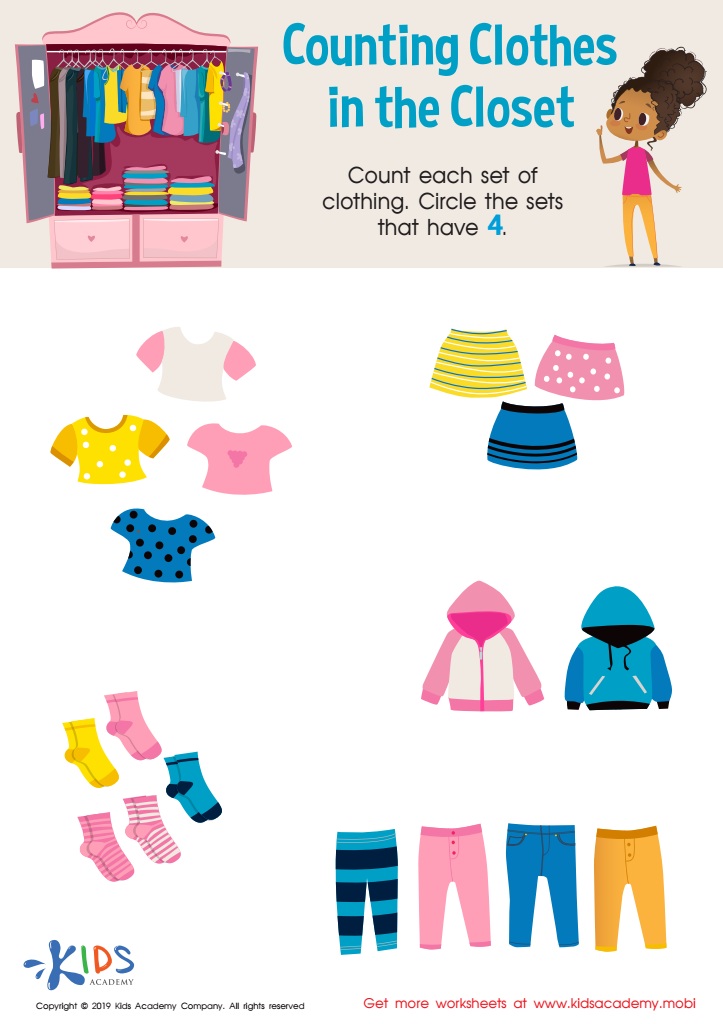
Counting Clothes Worksheet
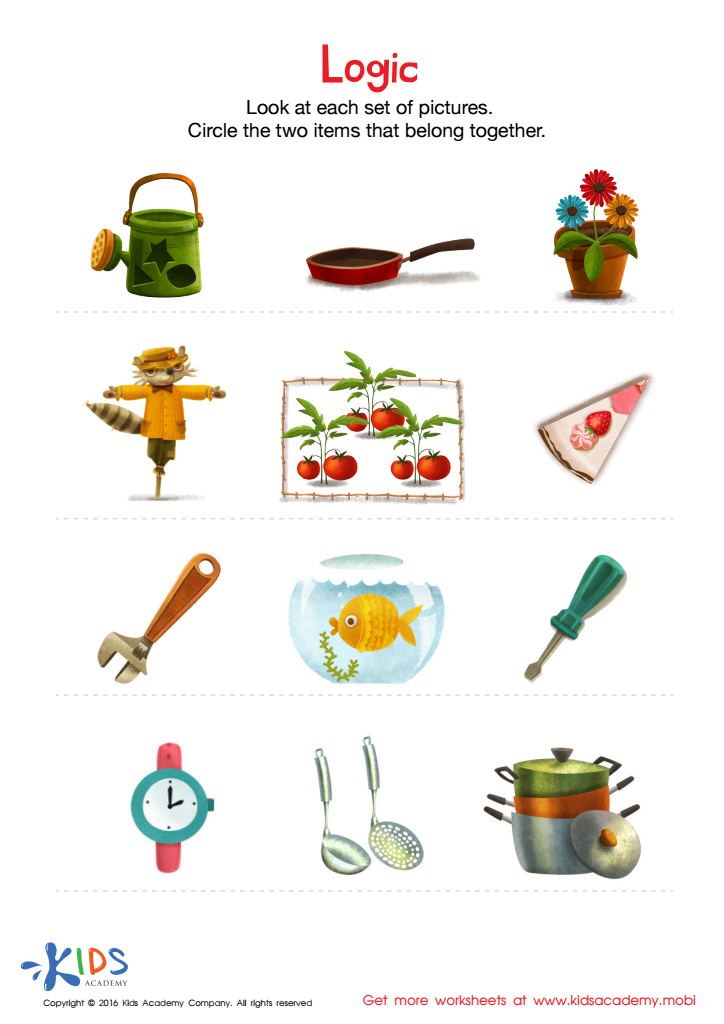
Logic Game Sorting Worksheet
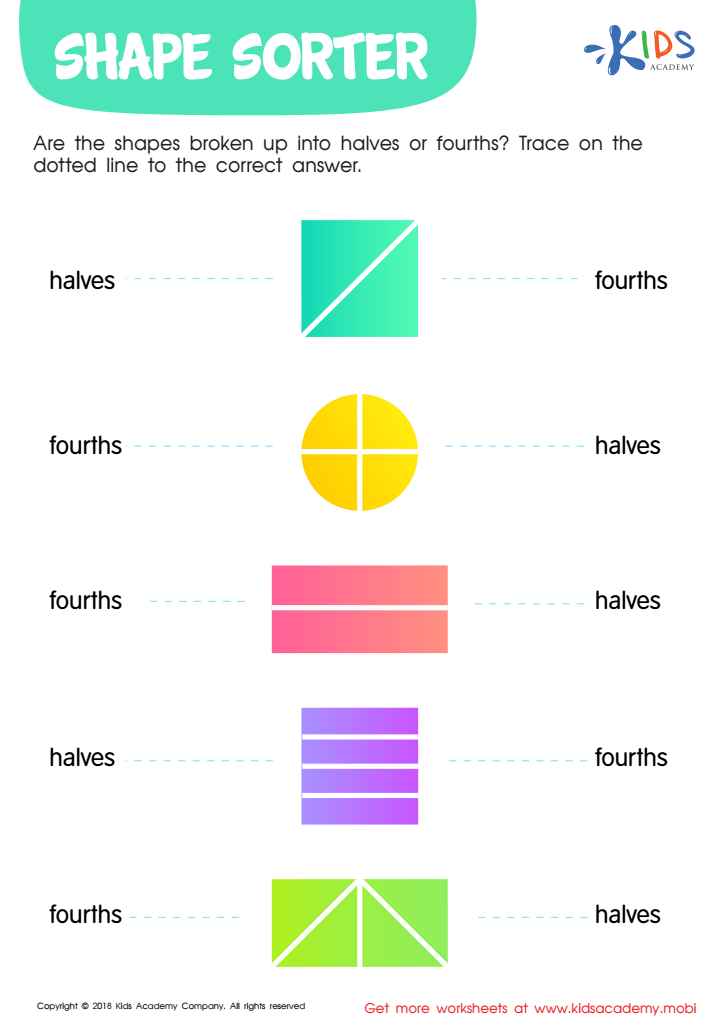
Shape Sorter Worksheet
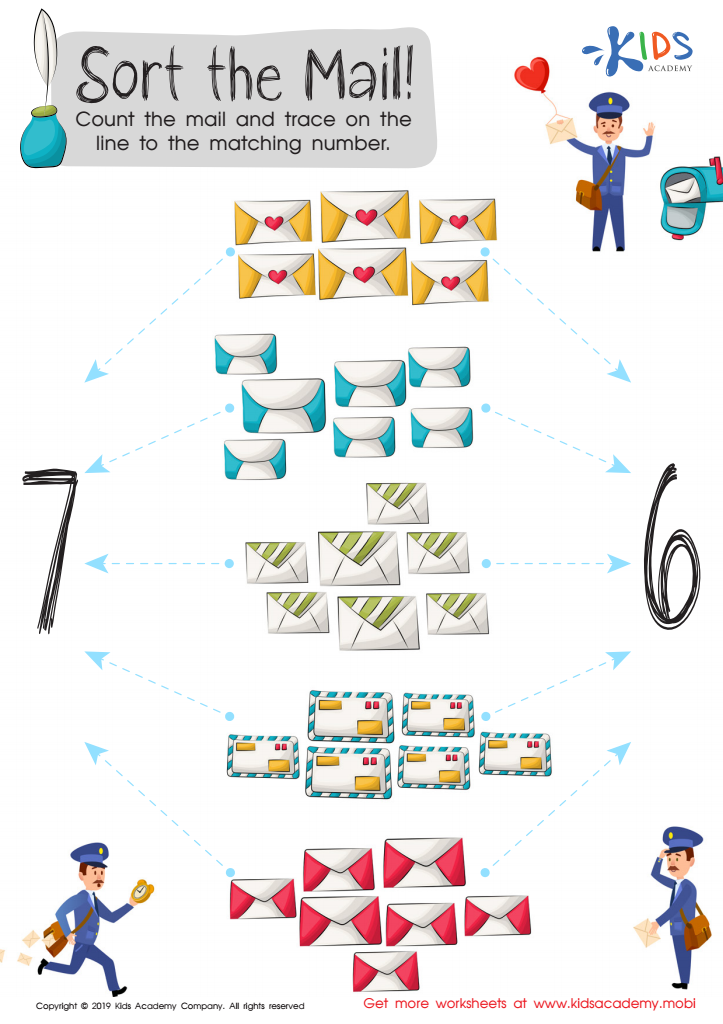
Sort the Mail Worksheet
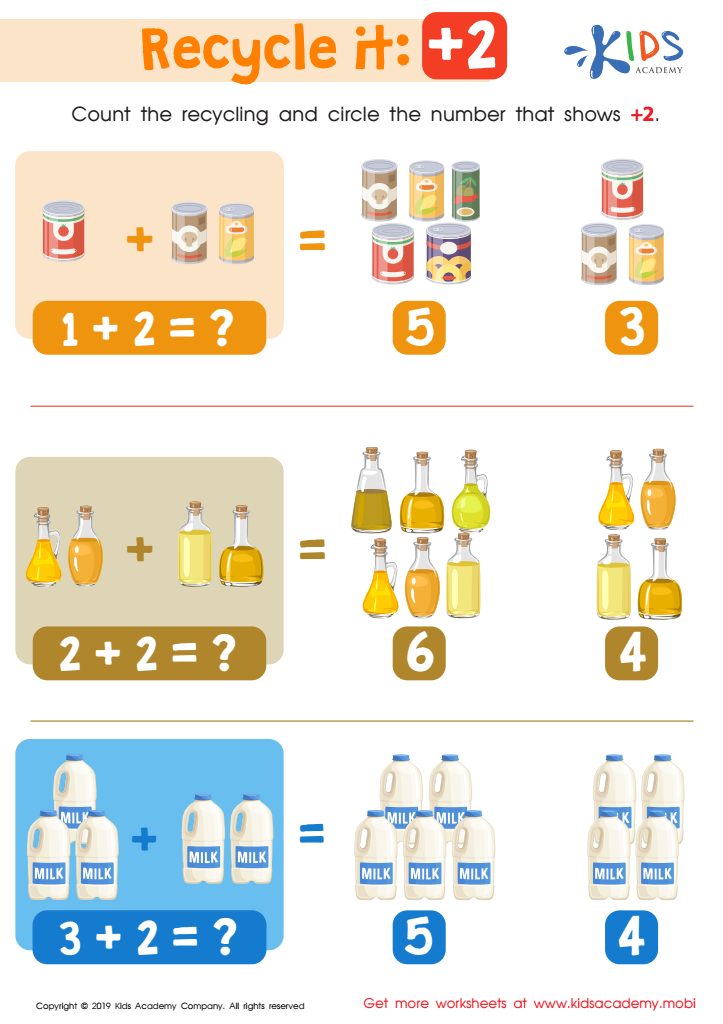
Recycle It: +2 Worksheet
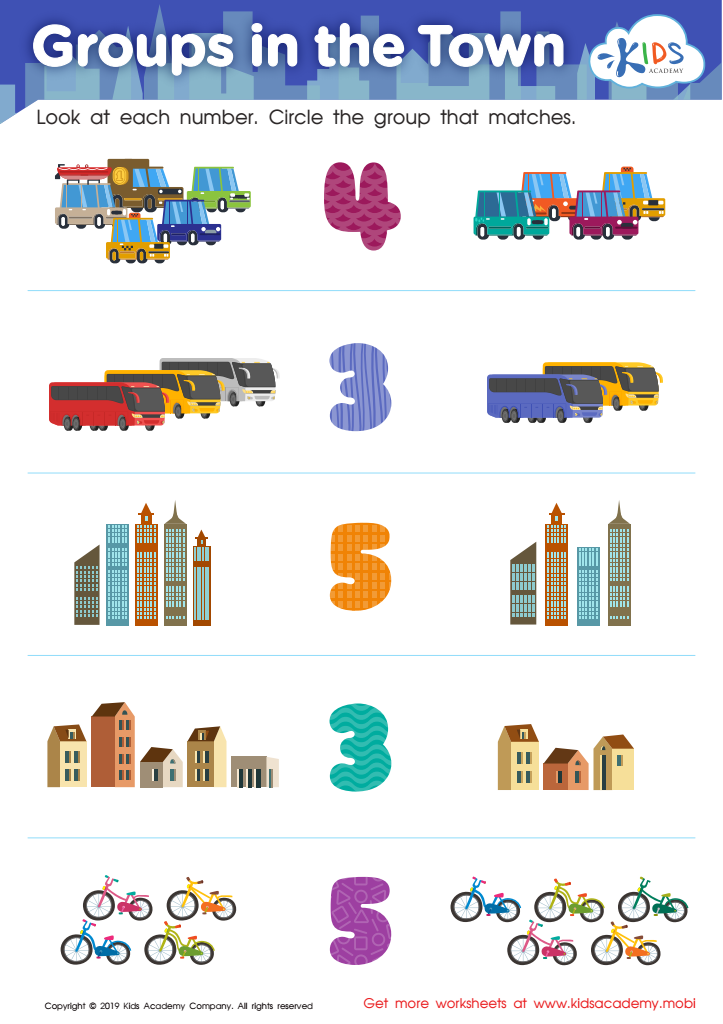
Groups in the Town Worksheet








Categorization skills in math are vital for young children, ages 6-8, as they form the foundation of more advanced logical and abstract thinking. At this developmental stage, children are learning to identify similarities and differences, classify objects, and recognize patterns. These skills are essential because they help children to organize their thinking and understand the world around them.
Firstly, categorization aids in problem-solving. When children can group objects or numbers based on attributes such as size, color, shape, or type, they develop the ability to break down complex problems into smaller, manageable parts. This logical approach is crucial in math and everyday life.
Furthermore, strong categorization skills are linked to language development and literacy. When children categorize, they often describe their reasoning, which enhances their vocabulary and their ability to articulate thoughts clearly.
In addition, categorization is foundational for more sophisticated math concepts such as geometry, algebra, and data analysis. For instance, recognizing geometric shapes relies on categorizing based on attributes such as the number of sides or angles.
Lastly, mastery of categorization can boost confidence in young learners. Success in understanding and organizing mathematical concepts can foster a positive attitude towards math and learning as a whole, creating a solid base for future academic achievement. Teaching these skills should be a priority for both parents and educators.








