Developing fine motor skills Math Worksheets for Ages 6-8
3 filtered results
-
From - To
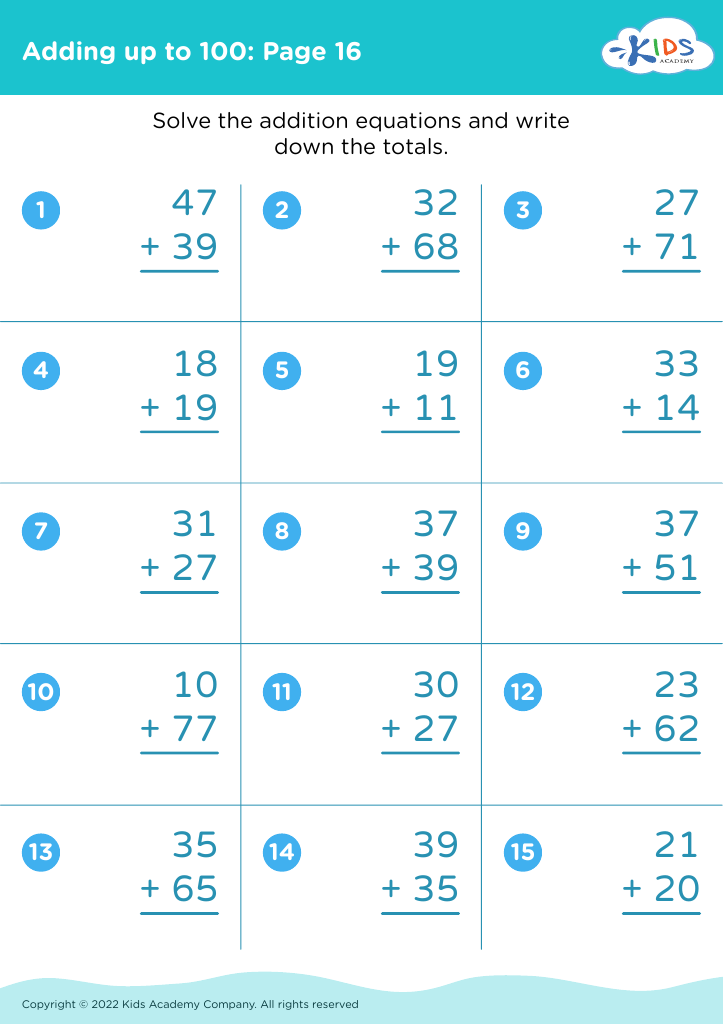
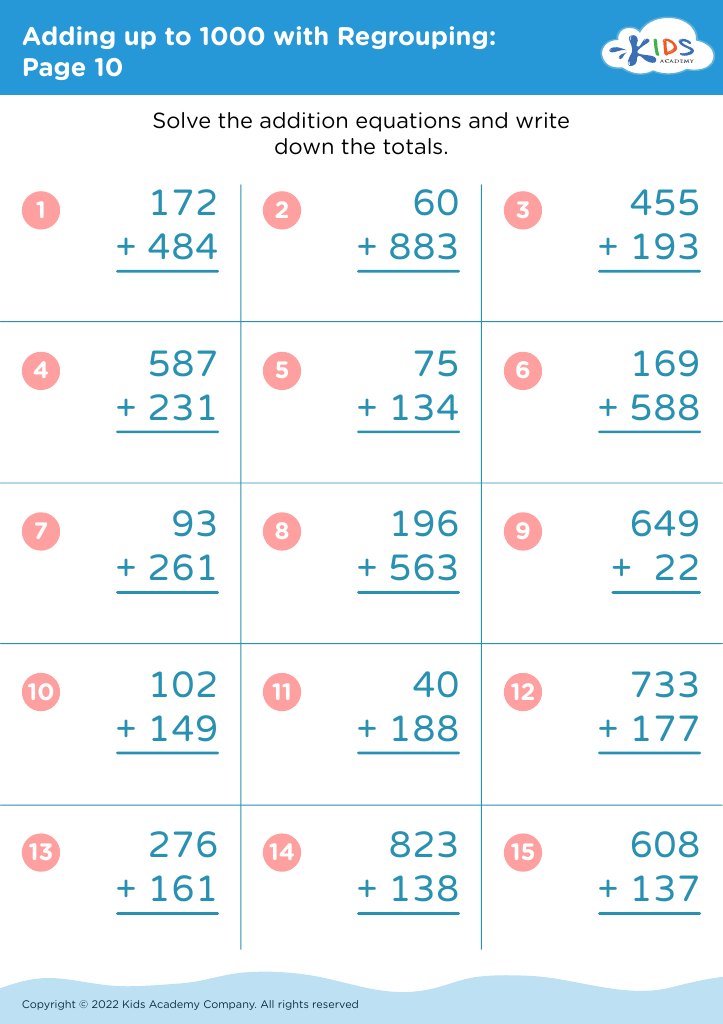
Boost your child's fine motor skills while reinforcing essential math concepts with our engaging math worksheets designed specifically for ages 6-8. These worksheets combine fun activities with academic learning, enhancing dexterity through tracing numbers, solving puzzles, and completing hands-on tasks. Our resources not only support math proficiency but also promote hand-eye coordination and precise movements—key components of fine motor development. Whether used at home or in the classroom, these worksheets cater to various learning styles, making math enjoyable and accessible. Explore our collection and watch as your child gains confidence in their abilities while mastering essential math skills!
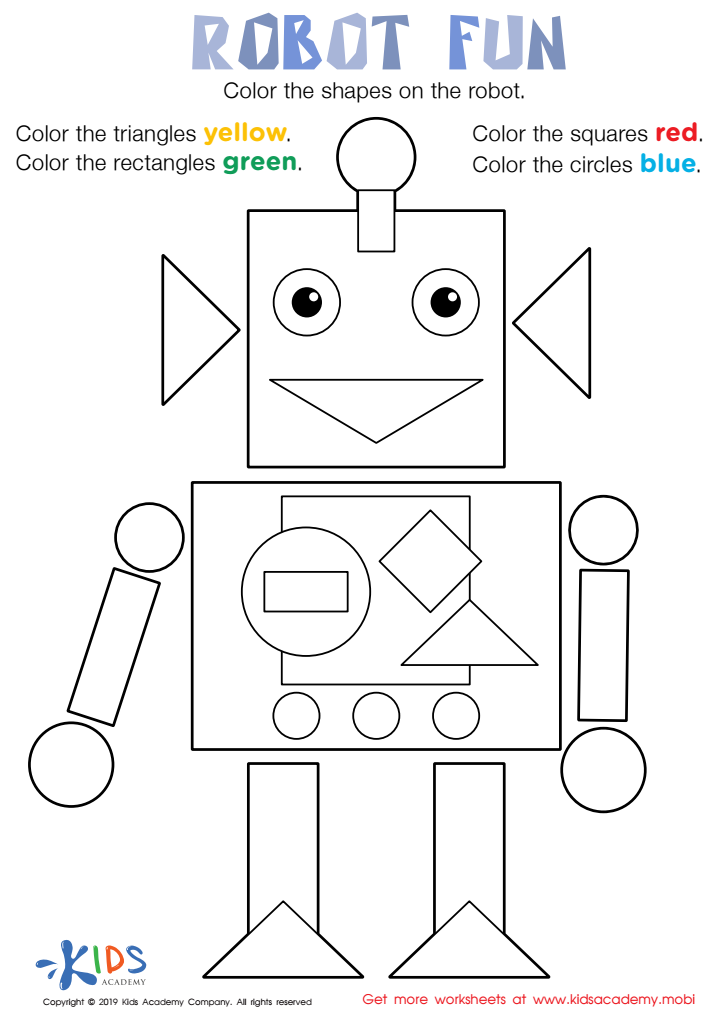
Robot Fun Worksheet
 Assign to My Students





.jpg)

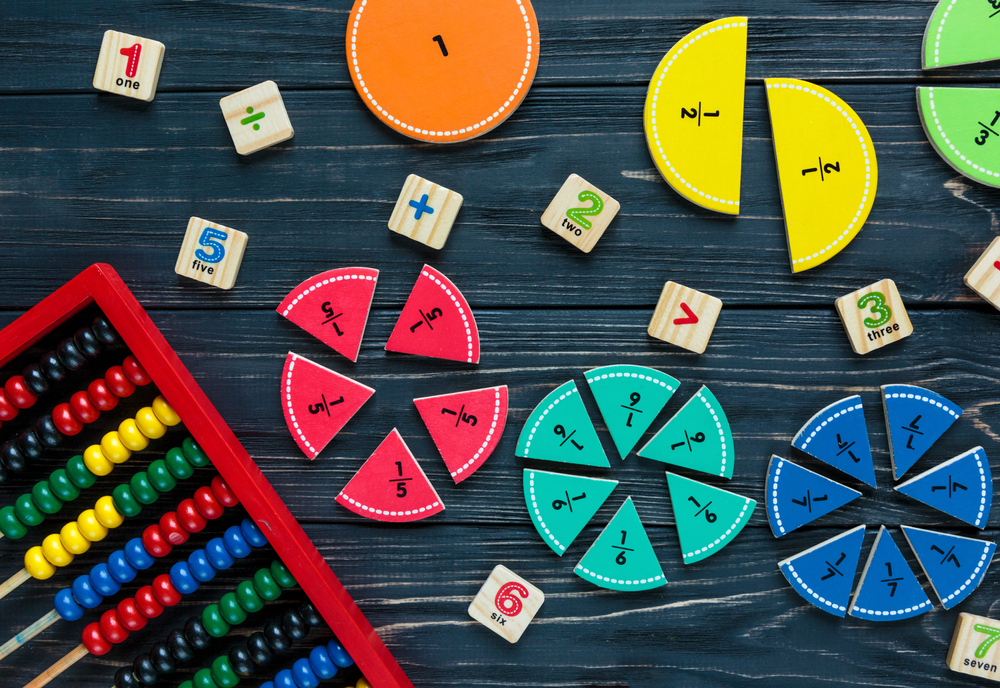
Developing fine motor skills in children aged 6-8 is crucial for their overall growth, particularly in the context of math. Fine motor skills involve the coordination of small muscles in the hands and fingers, which are essential for tasks such as writing, drawing, and manipulating objects. As children engage with math, the ability to accurately grip a pencil, cut paper, or use manipulatives like counters is vital for their learning experience.
In early math education, fine motor skills boost children's confidence and enhance their understanding of mathematical concepts. Manipulating objects helps children visualize numbers and relationships, making abstract ideas more concrete. Moreover, strong fine motor skills can significantly impact children’s classroom performance, allowing them to complete tasks with greater ease and precision.
Parents and teachers should care about this development because it directly correlates with children's learning outcomes and academic success. As children progress to more complex math skills, such as geometry and measurement, these foundational fine motor skills enable them to effectively engage with challenging activities. By fostering fine motor development, we promote not just math proficiency but also critical cognitive and emotional growth, laying the groundwork for lifelong learning.








