
Improve number recognition Math Worksheets for Ages 6-8
15 filtered results
Difficulty Level
Grade
Age
-
From - To
Subject
Activity
Standards
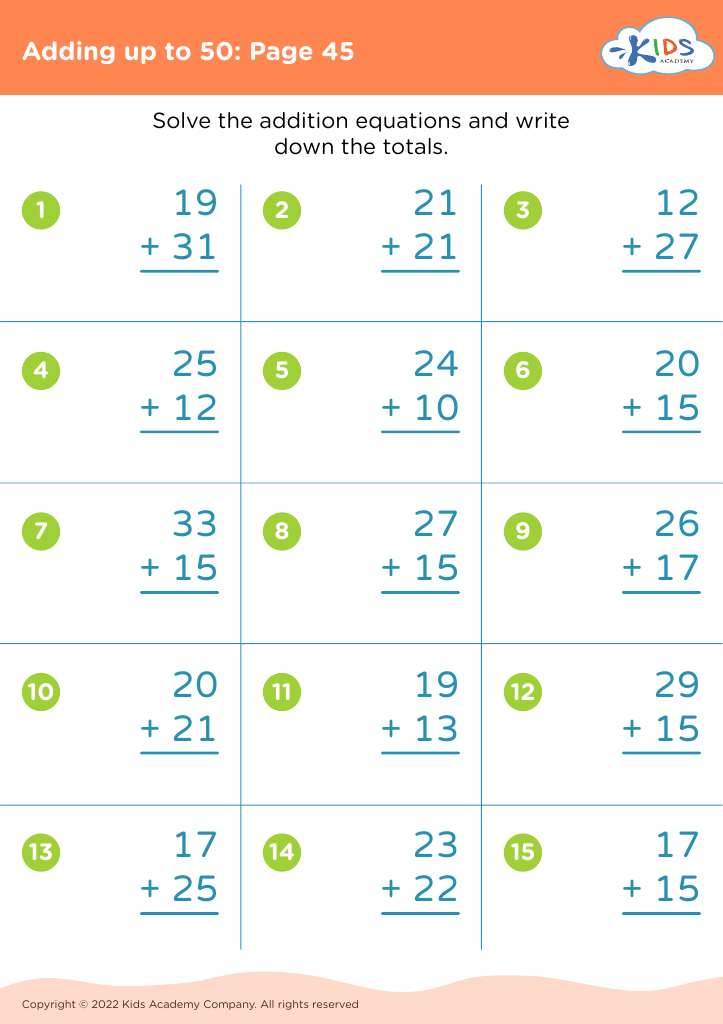
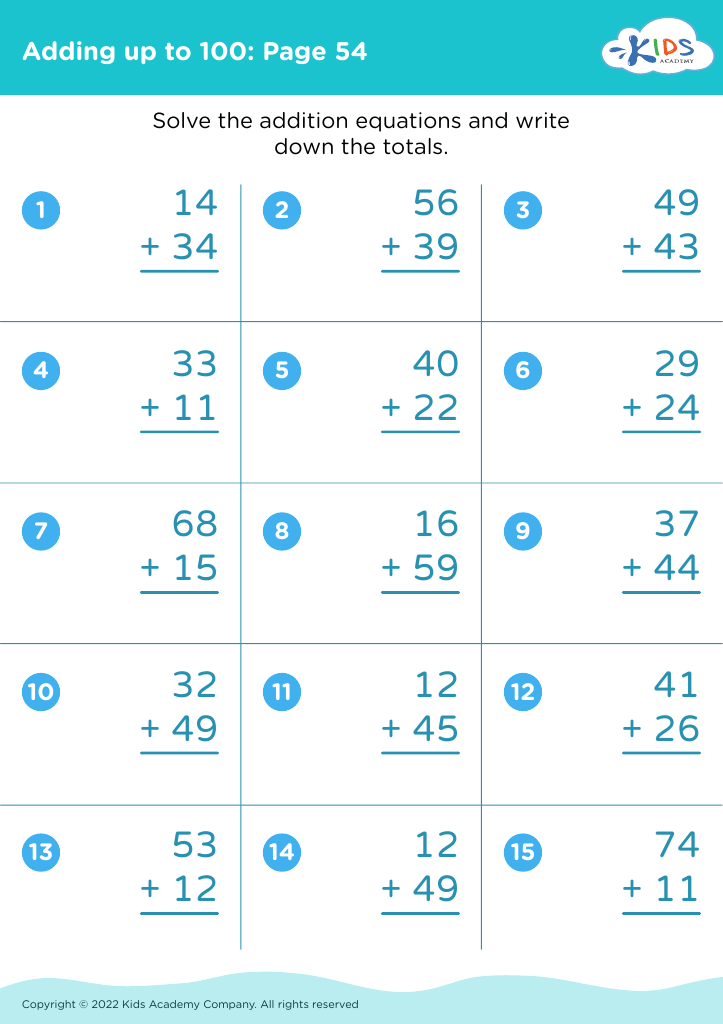
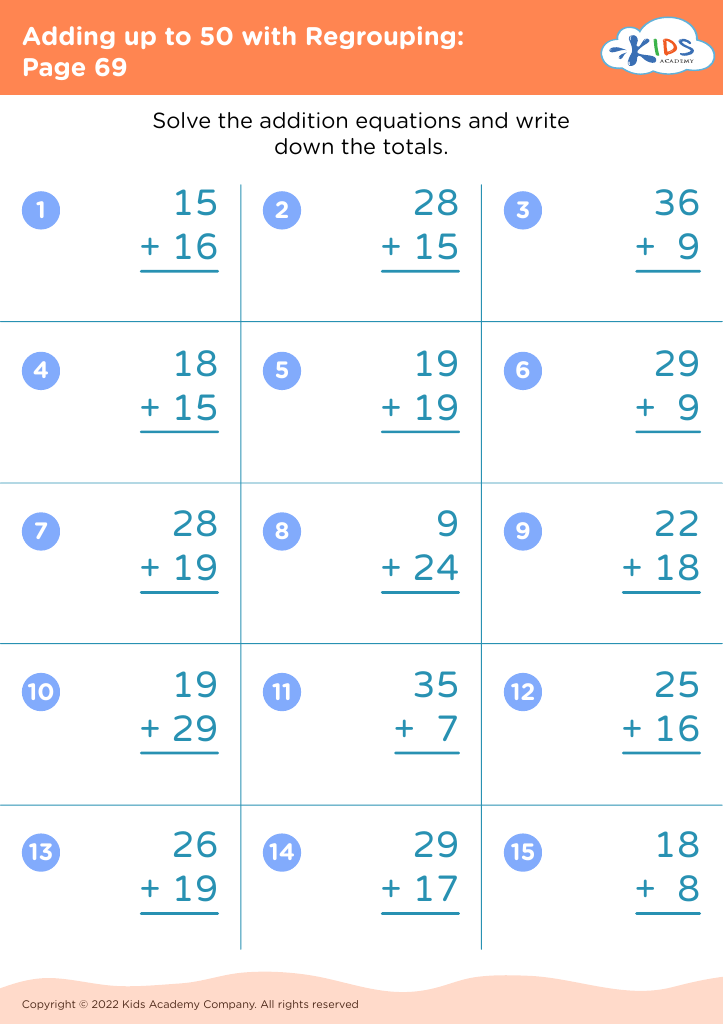
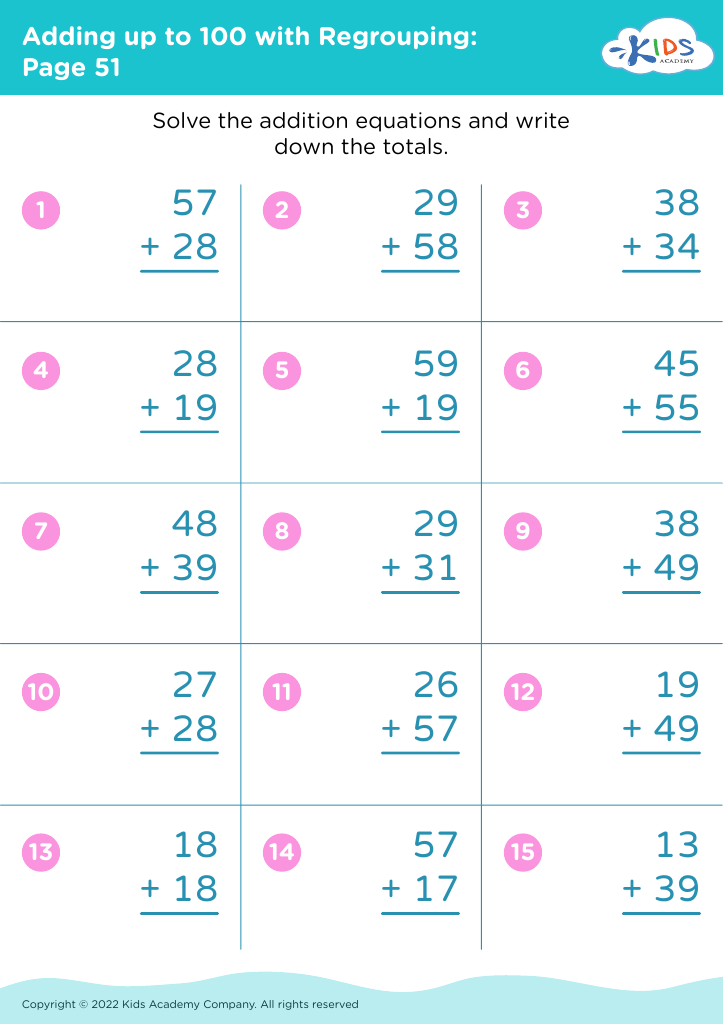
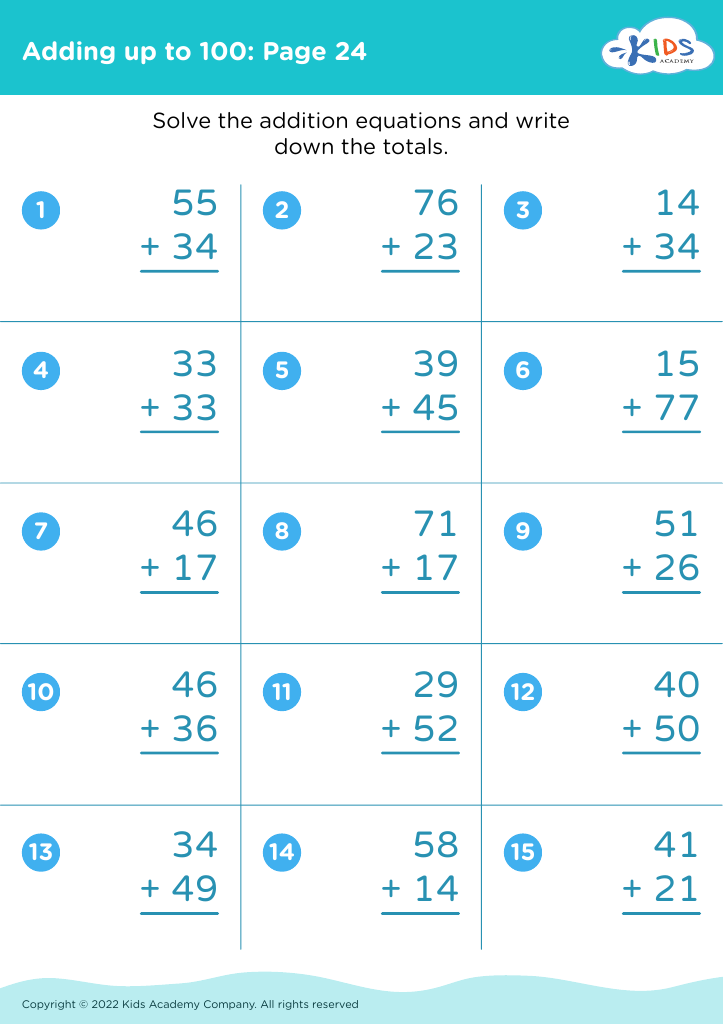
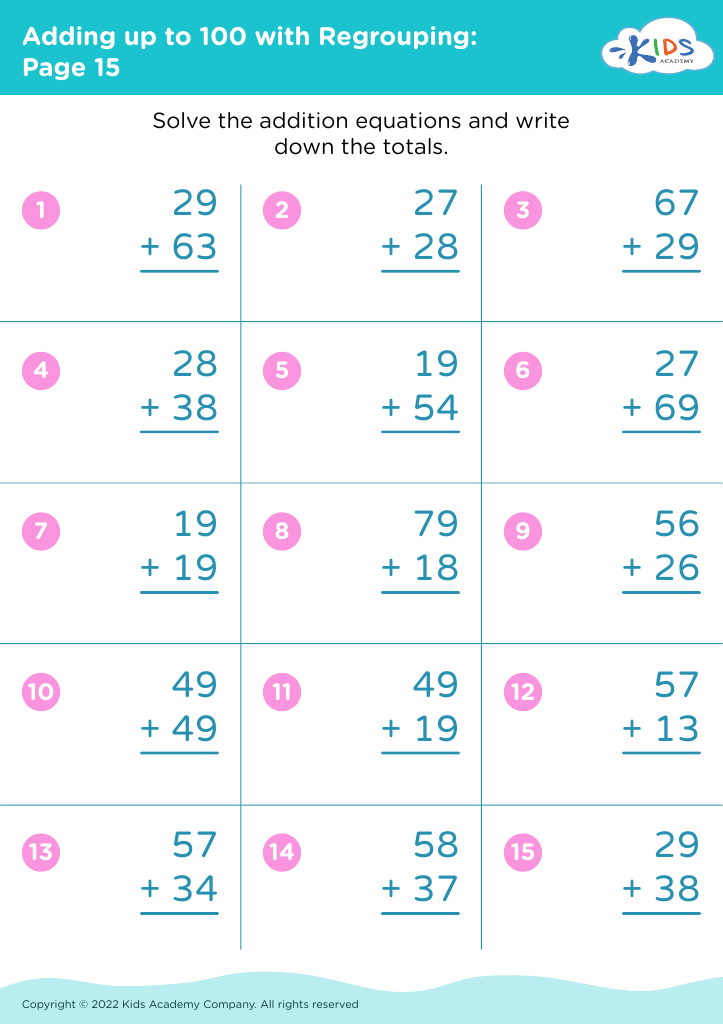
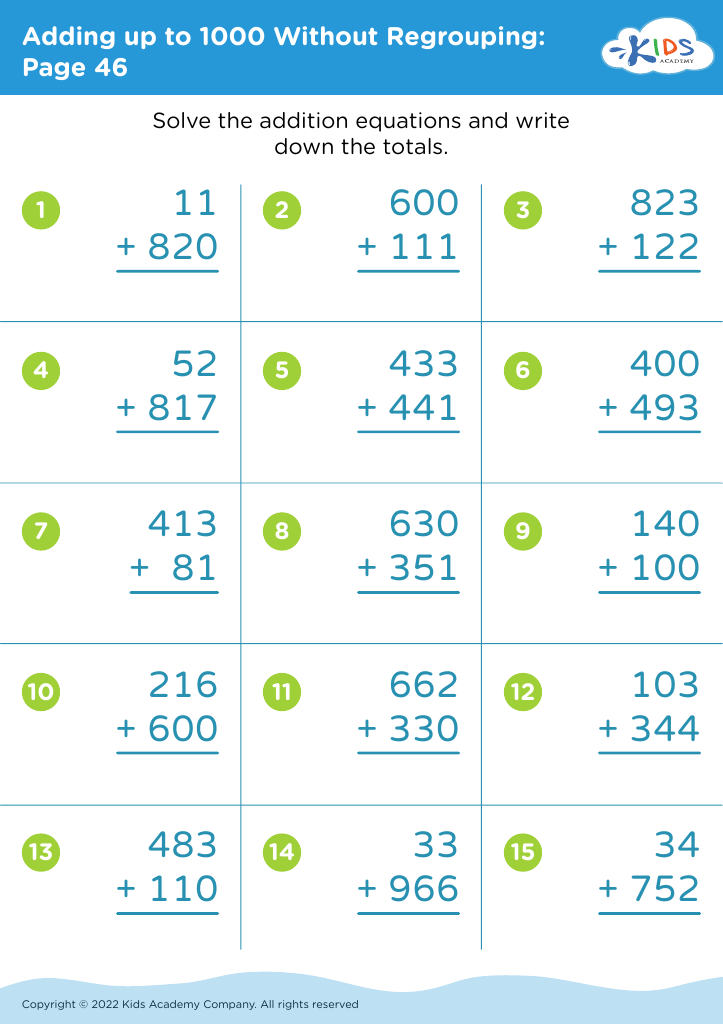
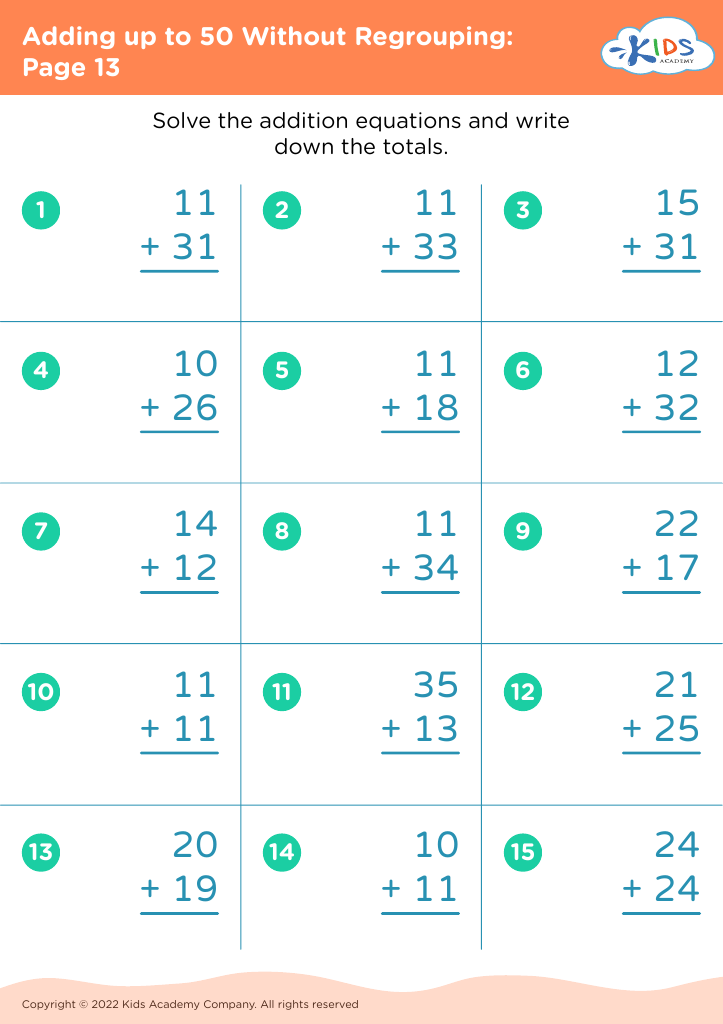
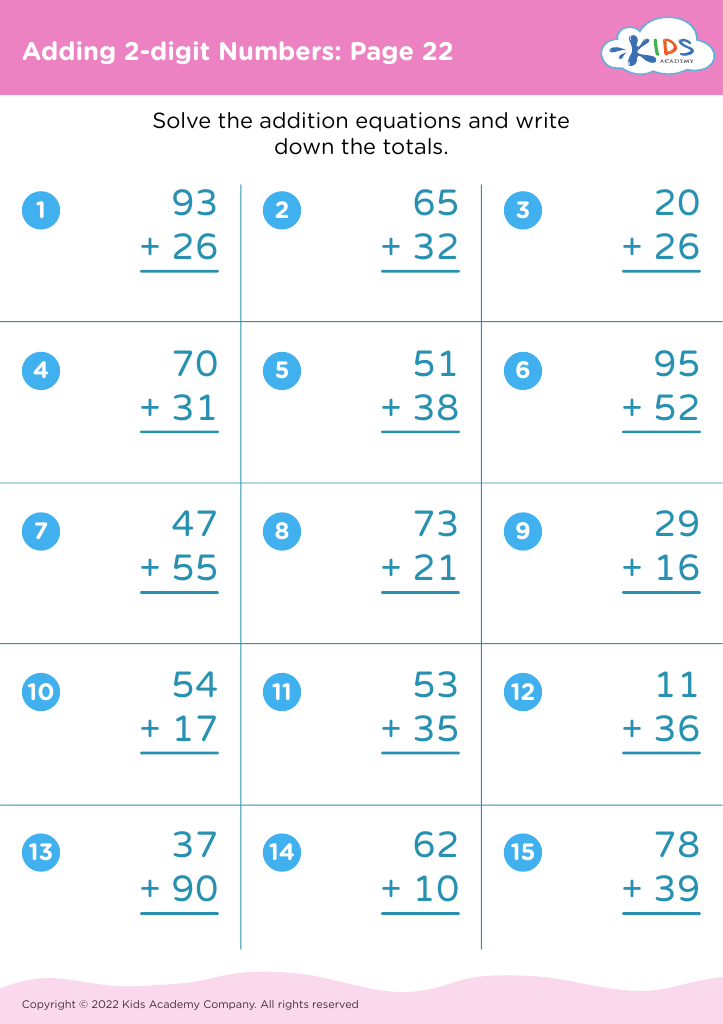
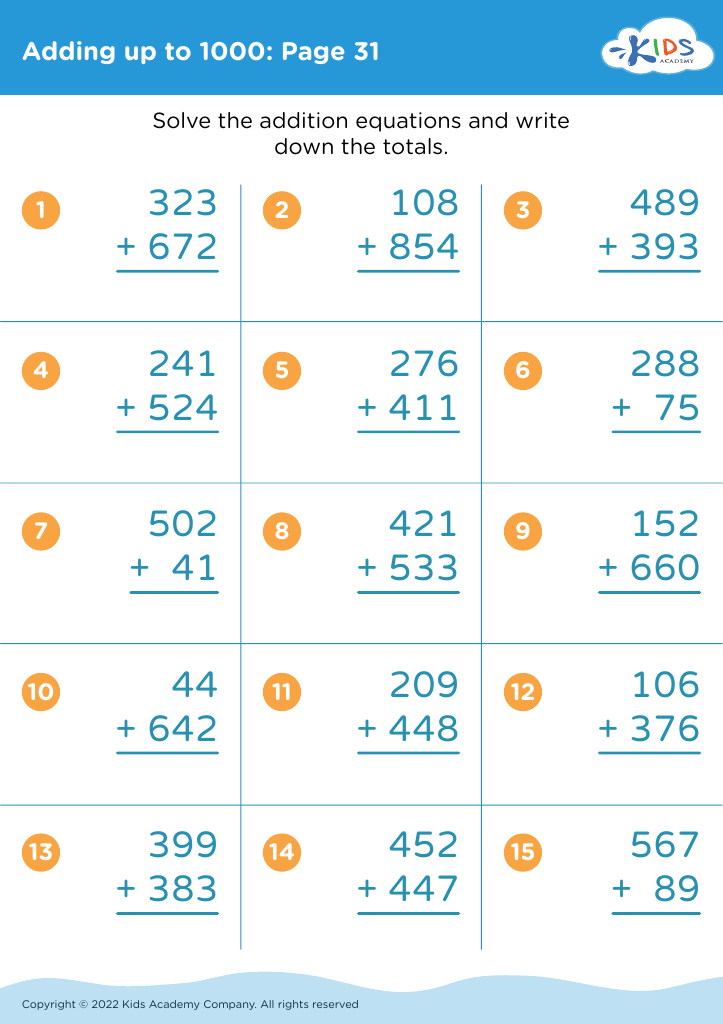
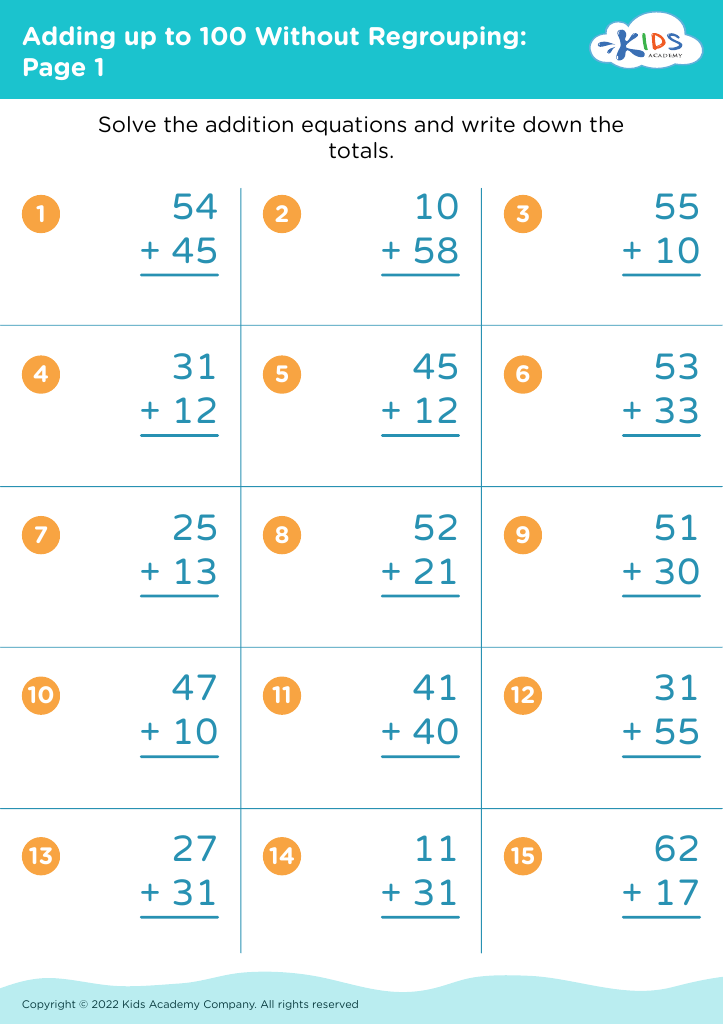
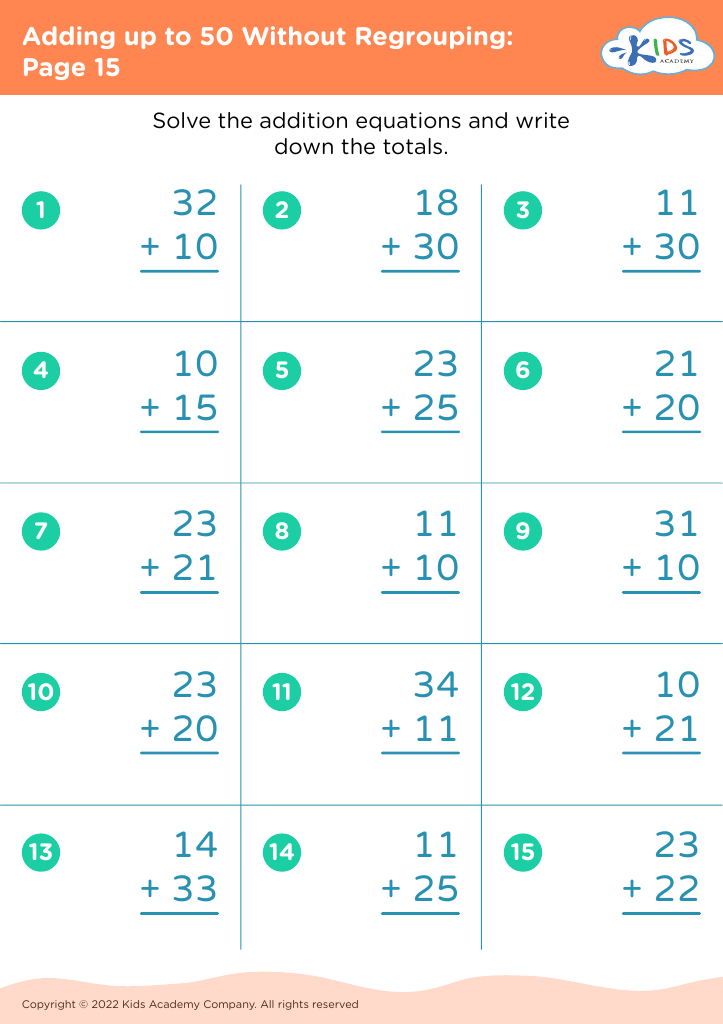
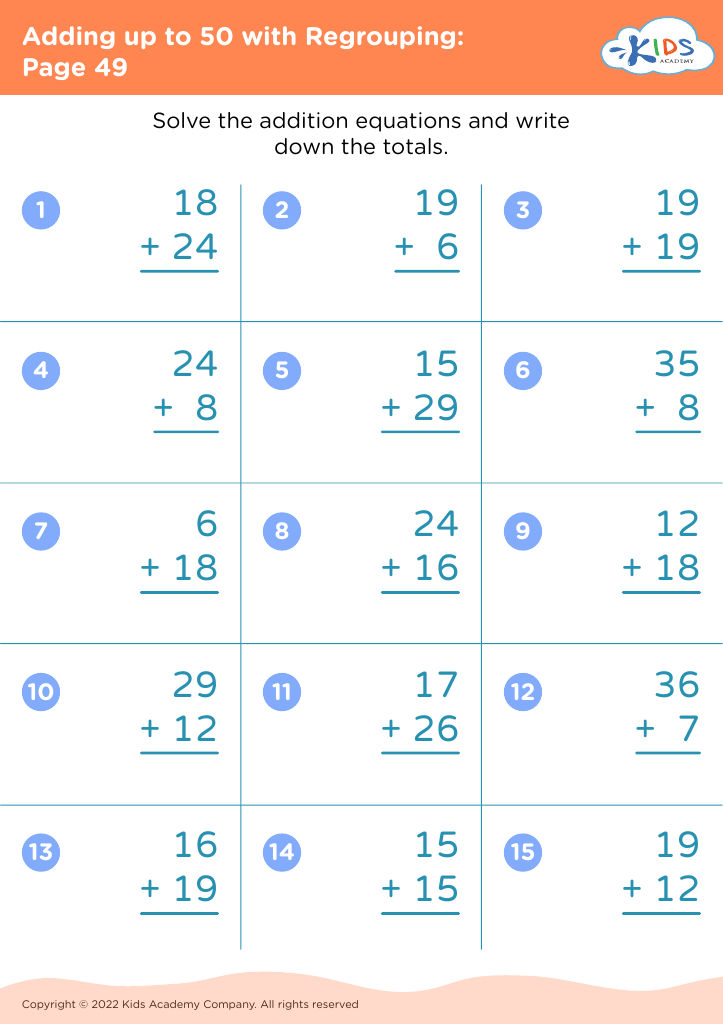
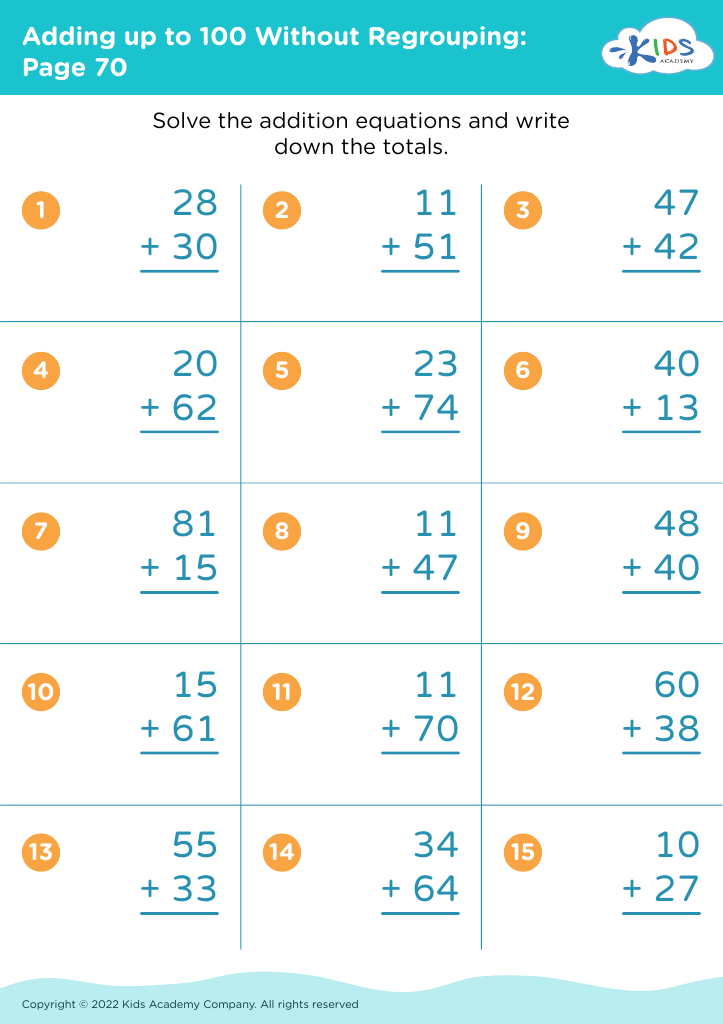
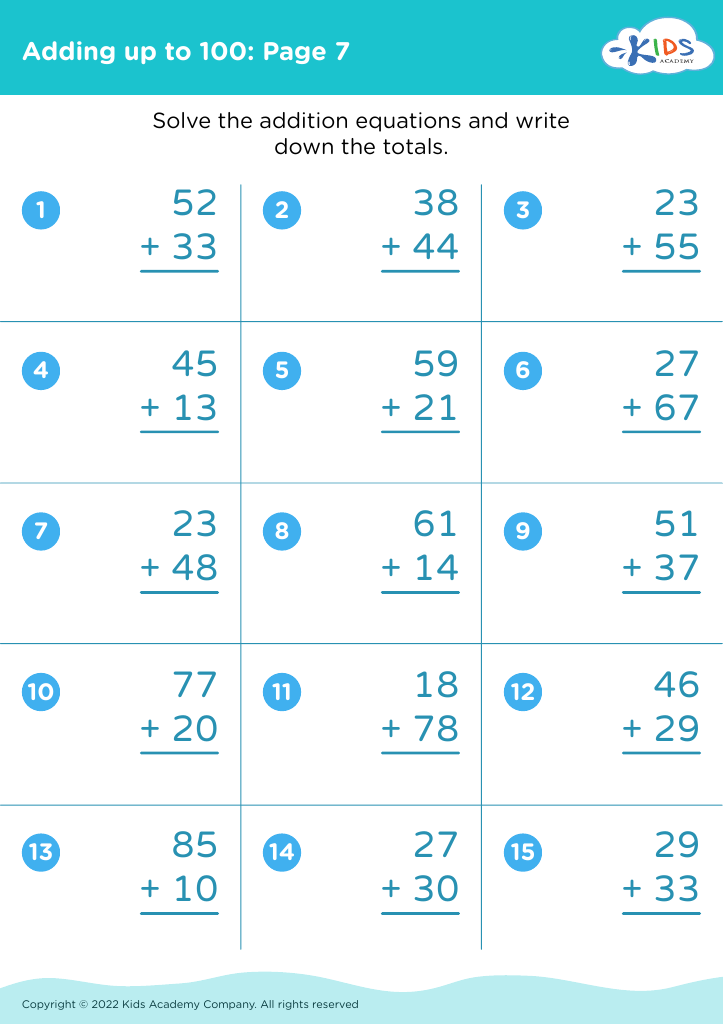
Boost your child's math skills with our engaging "Improve Number Recognition" worksheets for ages 6-8! Designed to enhance number identification and understanding, these printable activities provide fun exercises that cater to varying learning styles. Kids will enjoy exciting tasks that include tracing, coloring, and matching numbers. Each worksheet aims to develop confidence in number recognition through vibrant and interactive content. Perfect for home or classroom use, these resources align with early math standards and support essential skills for young learners. Help your child build a strong math foundation, ensuring they are well-prepared for future academic challenges! Download and start learning today!
Favorites
With answer key
Interactive
Join Kids Academy for Free
Who is primarily going to use this learning content?







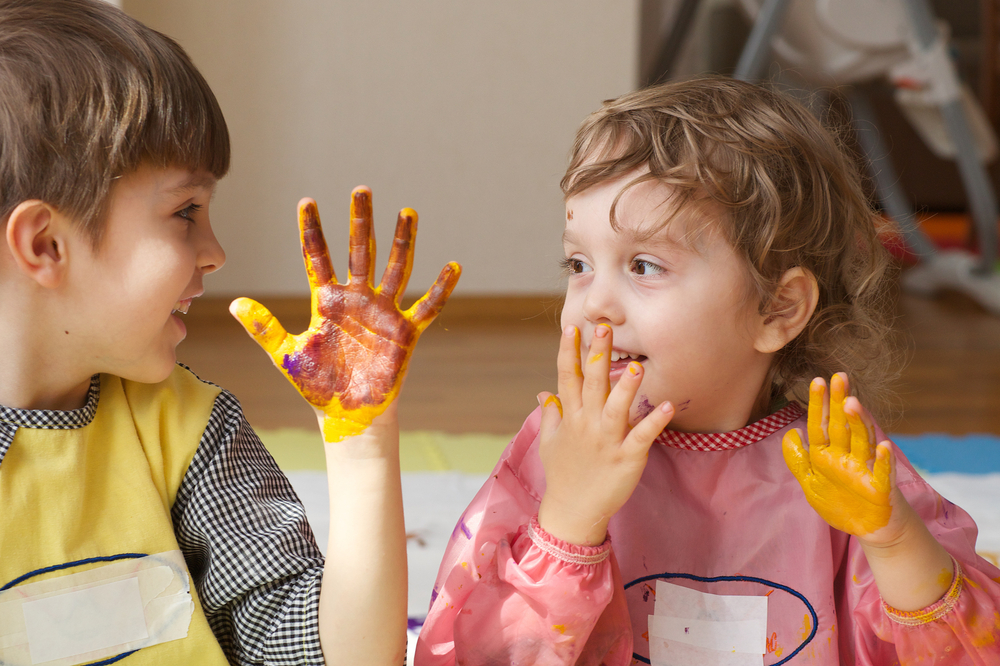
Number recognition is a foundational skill that is crucial for arithmetic and overall mathematical understanding. For children aged 6-8, mastering this skill can significantly impact their math proficiency and confidence. First, number recognition enables kids to identify and understand the value of numbers, allowing them to engage more effectively with addition, subtraction, and beyond.
Parents and teachers should prioritize this skill because early mathematical aptitude has been linked to later academic success. When children can recognize numbers easily, they are more likely to participate actively in math activities and enjoy solving problems, which fosters a positive attitude towards learning. Additionally, strong number recognition helps children develop critical thinking and logical reasoning skills, setting the stage for complex mathematics in later grades.
Furthermore, math is an essential part of everyday life—from telling time to understanding money—which emphasizes the need for solid number recognition. Early interventions can help identify and support children who struggle with this skill, preventing larger educational gaps in the future. Ultimately, by focusing on improving number recognition, parents and teachers can build a robust mathematical foundation that empowers children for lifelong learning.








