Learn new vocabulary Math Worksheets for Ages 6-8
4 filtered results
-
From - To
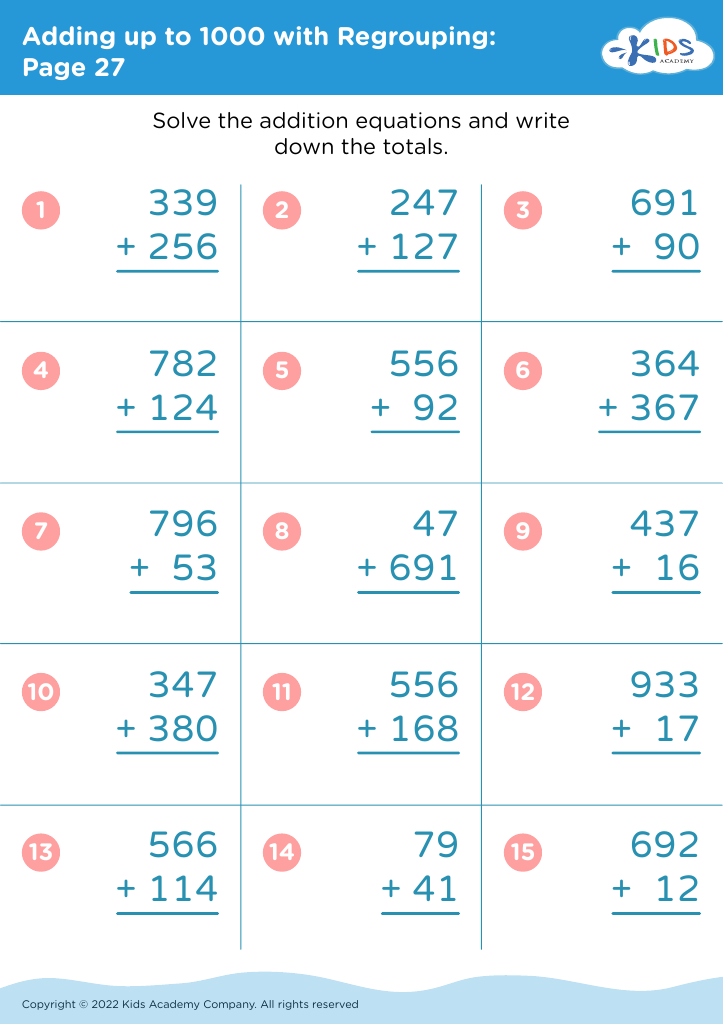
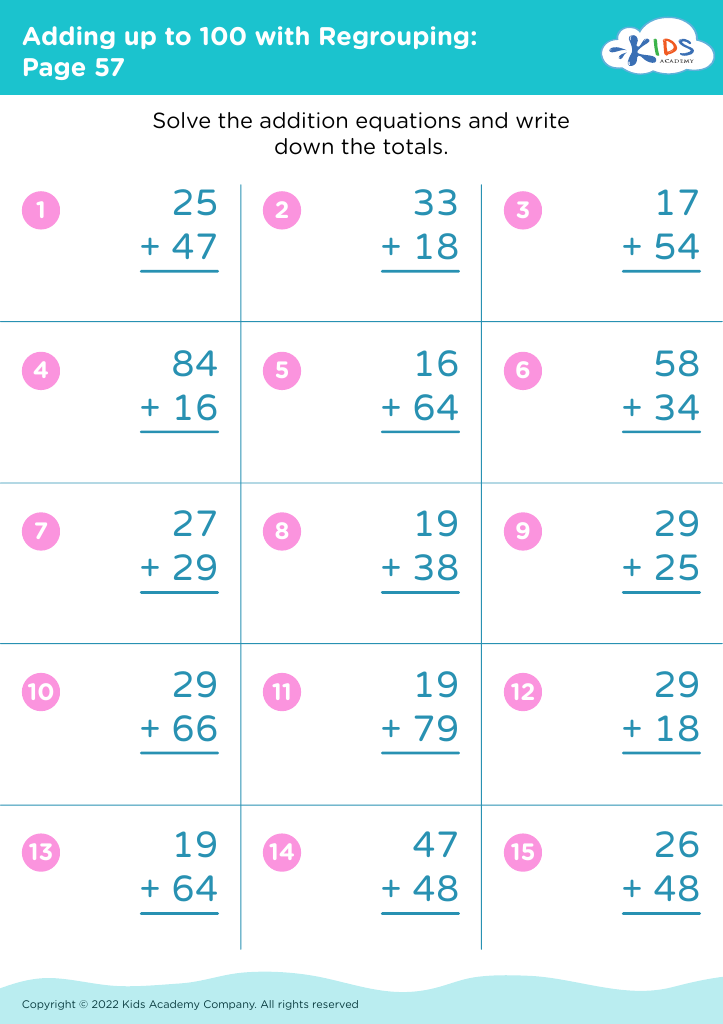
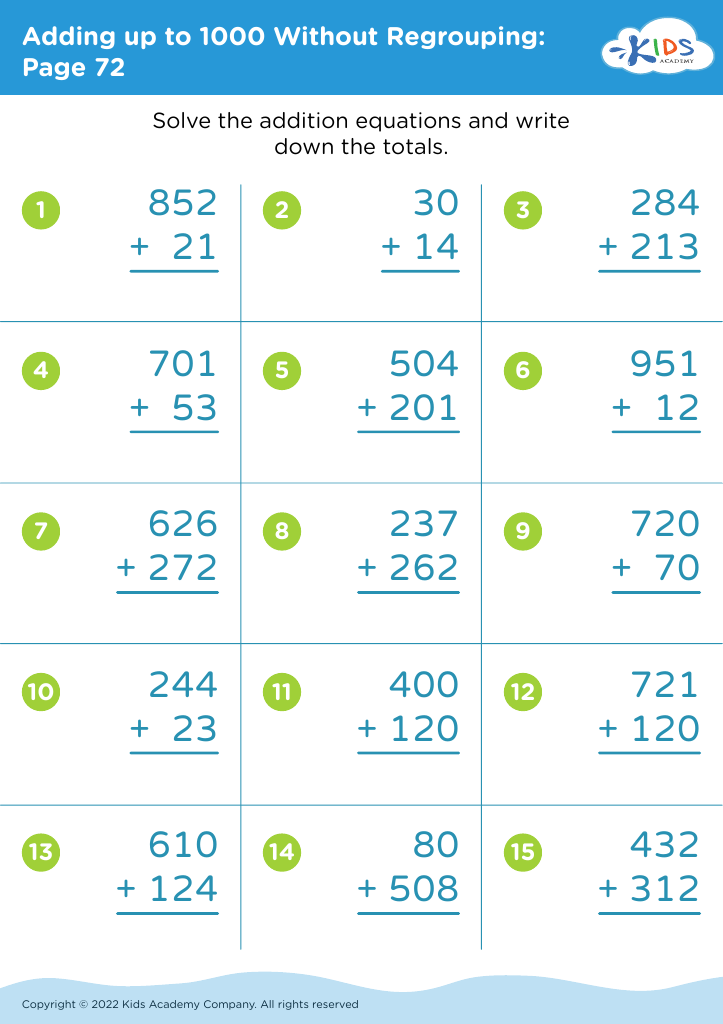
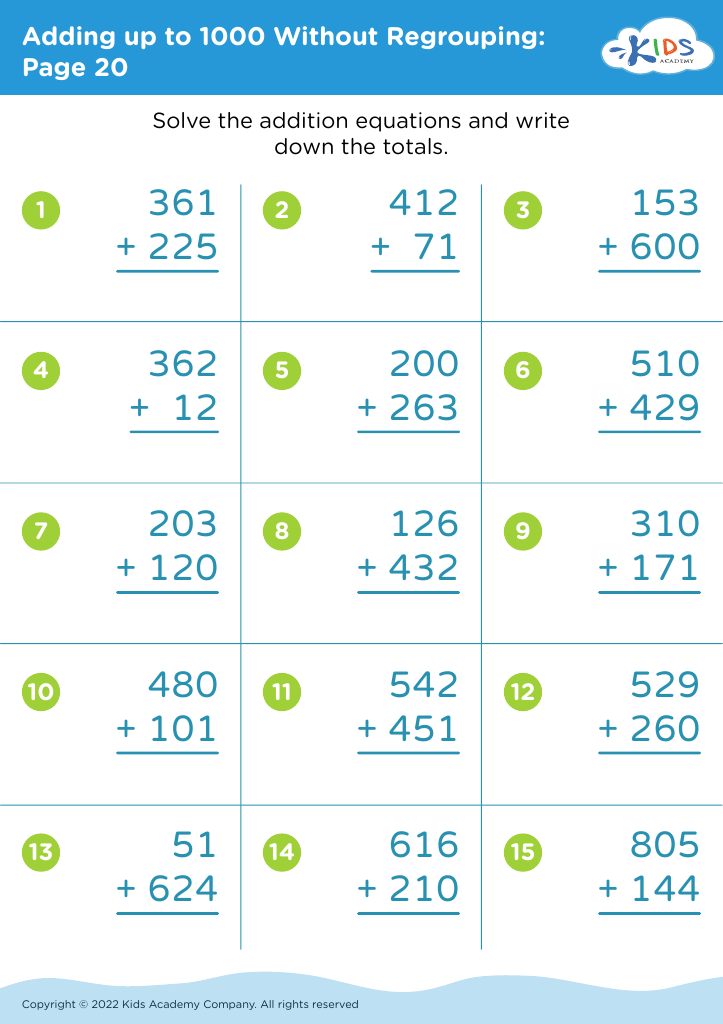
Welcome to our "Learn New Vocabulary Math Worksheets" page designed for children aged 6-8! Our engaging and interactive worksheets help young learners build essential math vocabulary, enhancing their understanding of mathematical concepts. Each worksheet features fun activities that make learning new terms exciting, from addition and subtraction to shapes and measurements. Perfect for home or classroom use, our resources encourage independent learning and reinforce classroom lessons. Explore our carefully crafted worksheets and set your child on the path to math fluency, boosting their confidence and skills in a critical subject. Start their vocabulary journey today with our enjoyable and effective resources!








Understanding and learning vocabulary in mathematics is essential for children aged 6-8, as it lays the foundation for their comprehension of mathematical concepts. First, possessing a strong math vocabulary enhances children's ability to communicate and express their ideas clearly. It enables them to articulate their thought processes, ask questions, and engage in problem-solving discussions with peers and teachers.
Moreover, many math problems are embedded in language: terms like "sum," "difference," "divide," and "greater than" convey specific meanings that directly relate to mathematical operations. Familiarity with these terms helps children decode and understand problems better, leading to increased confidence and competence in their abilities.
Parents and teachers also play a crucial role in nurturing this vocabulary. By incorporating math-oriented discussions in routines—whether through games, puzzles, or everyday scenarios—adults can reinforce learning in a fun and engaging way. Listening to children articulate their mathematical thinking offers valuable insight into their understanding and areas where they may need additional support.
In essence, promoting math vocabulary fosters essential skills like critical thinking, reasoning, and collaborative problem-solving. These foundational skills are not only vital for academic achievement but also for real-life application, giving children the tools they need to succeed in a numerically driven world.








