
Learn subtraction Math Worksheets for Ages 6-8
4 filtered results
Difficulty Level
Grade
Age
-
From - To
Subject
Activity
Standards
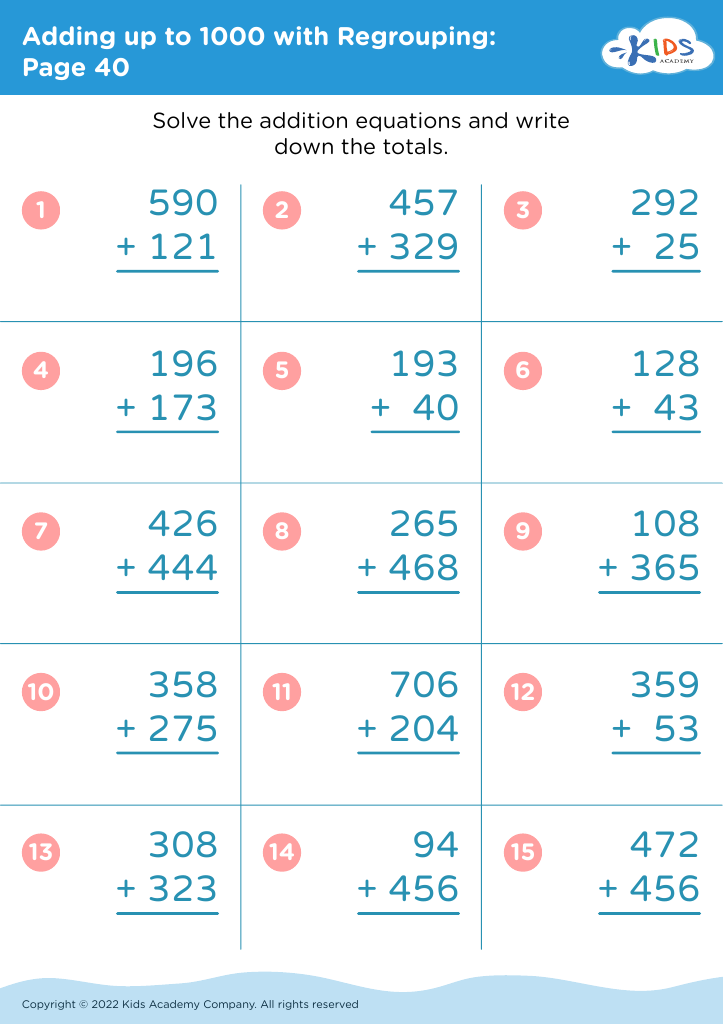
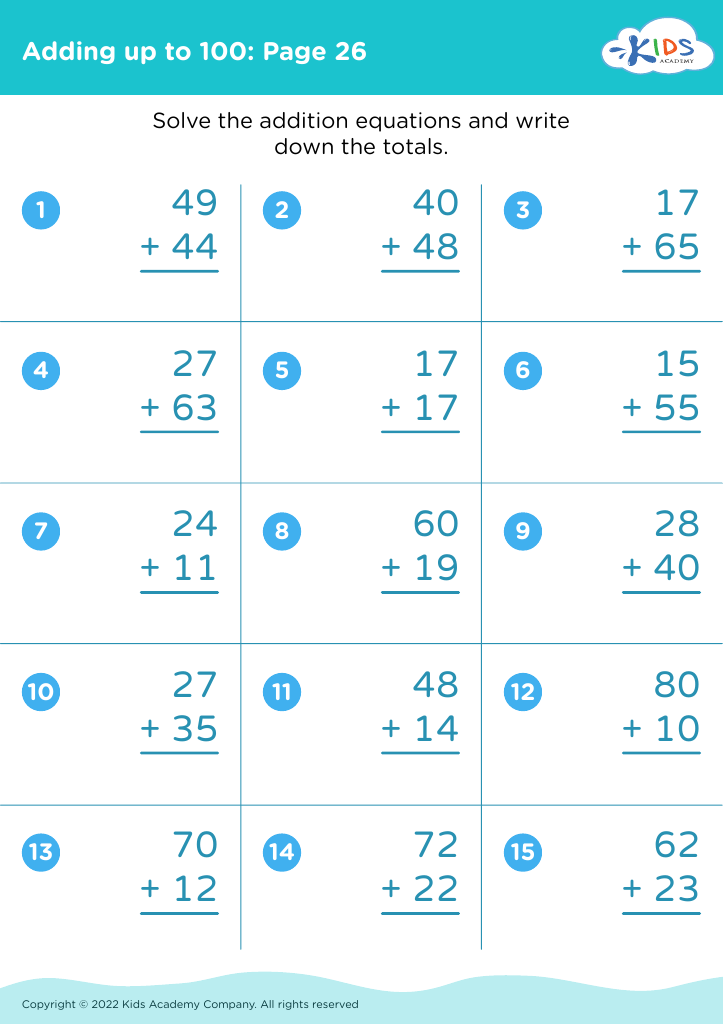
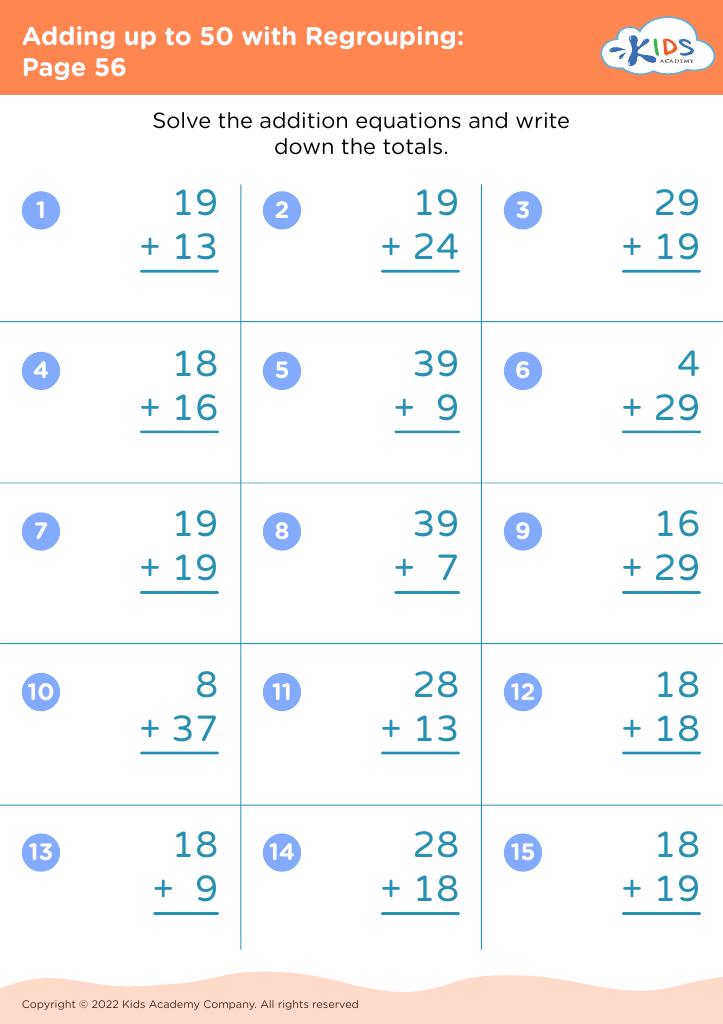
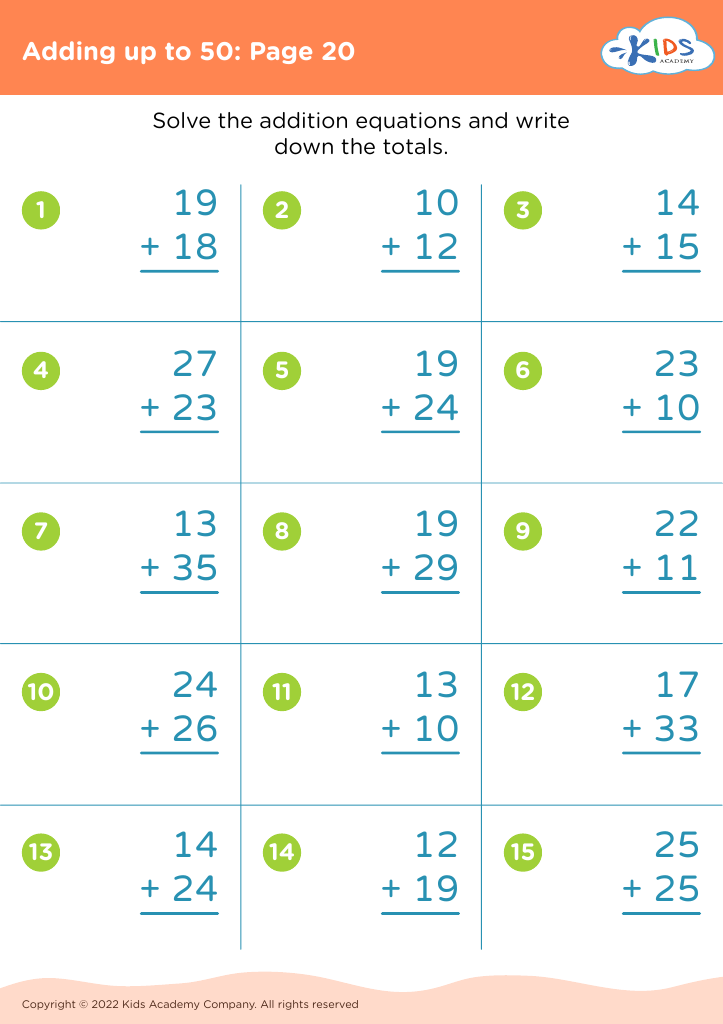
Dive into subtraction with our engaging Math Worksheets designed for kids ages 6-8! Our worksheets are tailored to build fundamental subtraction skills through fun and interactive exercises. Each page offers a variety of problems that focus on enhancing children's mathematic understanding and confidence. With colorful graphics and clear instructions, learning becomes an enjoyable experience. Perfect for both classroom and home use, these worksheets help develop critical thinking and problem-solving abilities. Watch your child's math journey flourish with our expertly crafted subtraction worksheets, created to make learning smooth and exciting. Start exploring today and unlock your child’s math potential!
Favorites
With answer key
Interactive
Join Kids Academy for Free
Who is primarily going to use this learning content?








Subtraction is a fundamental mathematical skill that forms the building blocks for more complex concepts in later academic years. For children aged 6-8, learning subtraction is not just about handling numbers; it's a vital cognitive development stage. Understanding subtraction helps children develop logical thinking and problem-solving abilities. It enables them to understand the concept of taking away, which is used not only in math but in day-to-day decision making.
For parents and teachers, ensuring that children grasp subtraction is essential. Proficiency in basic math operations like subtraction leads to stronger academic performance across subjects because math is interconnected with other disciplines such as science, economics, and technology. Early struggles with subtraction can hinder a child's confidence and interest in math, potentially creating long-term challenges.
Furthermore, subtraction skills are applicable to real-life situations like understanding money, measuring ingredients for a recipe, or even time management. By fostering a solid foundation in subtraction, parents and teachers equip children with tools for practical life skills and future learning. Providing engaging and supportive learning environments that emphasize these fundamental skills encourages a positive attitude toward mathematics, laying the groundwork for lifelong learning and success.








