Logical Reasoning Math Worksheets for Ages 6-8
27 filtered results
-
From - To
Enhance your child's critical thinking with our engaging Logical Reasoning Math Worksheets designed specifically for ages 6-8. These worksheets focus on developing essential problem-solving skills through a variety of activities, including puzzles, patterns, and reasoning challenges that make learning fun. Aligned with educational standards, they encourage children to think outside the box, improving both their logical reasoning and math proficiency. Ideal for classroom use or at-home practice, our worksheets are perfect for reinforcing key concepts while sparking curiosity. Explore our diverse selection and watch your young learners thrive as they master reasoning in math!
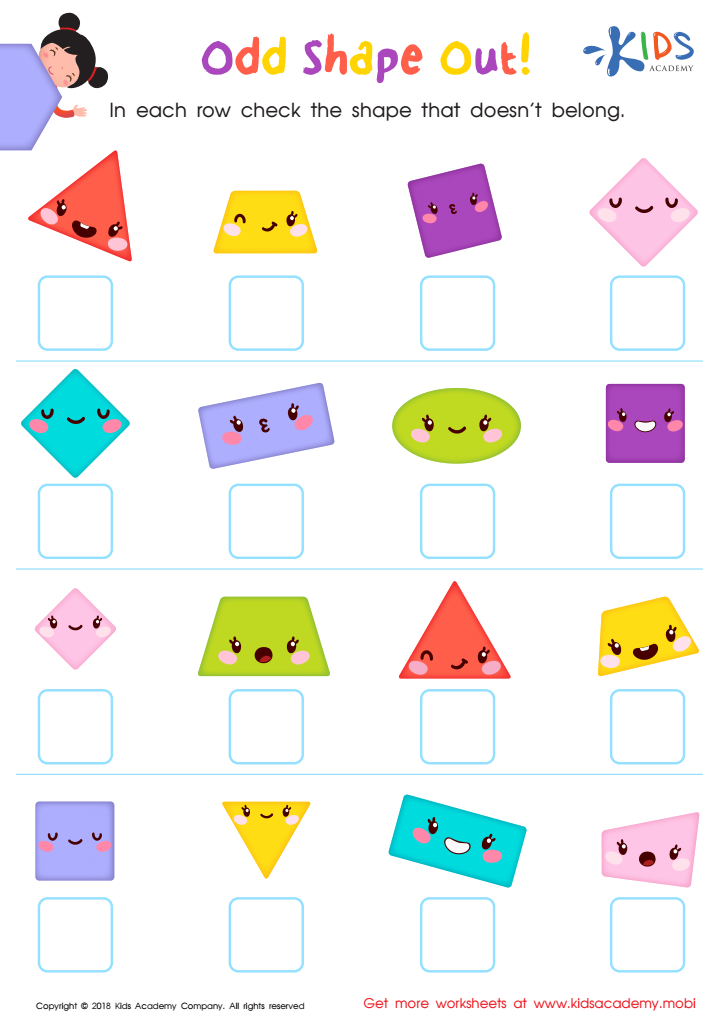
Odd Shape Out Worksheet for Grade 3
 Assign to My Students
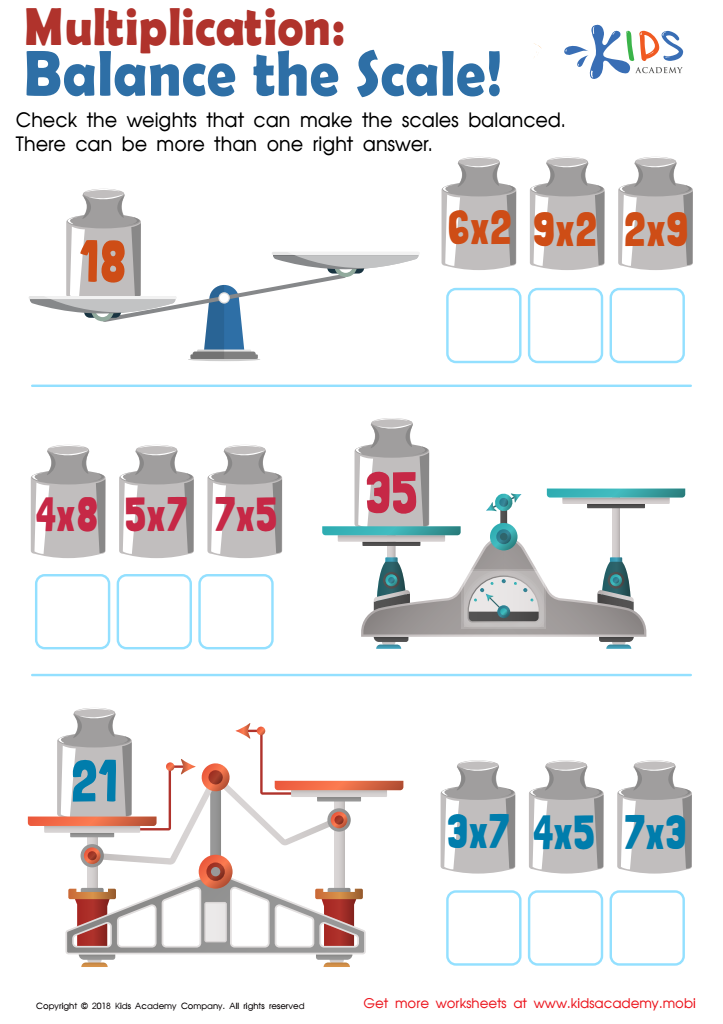
Balance the Scales Multiplication Worksheet
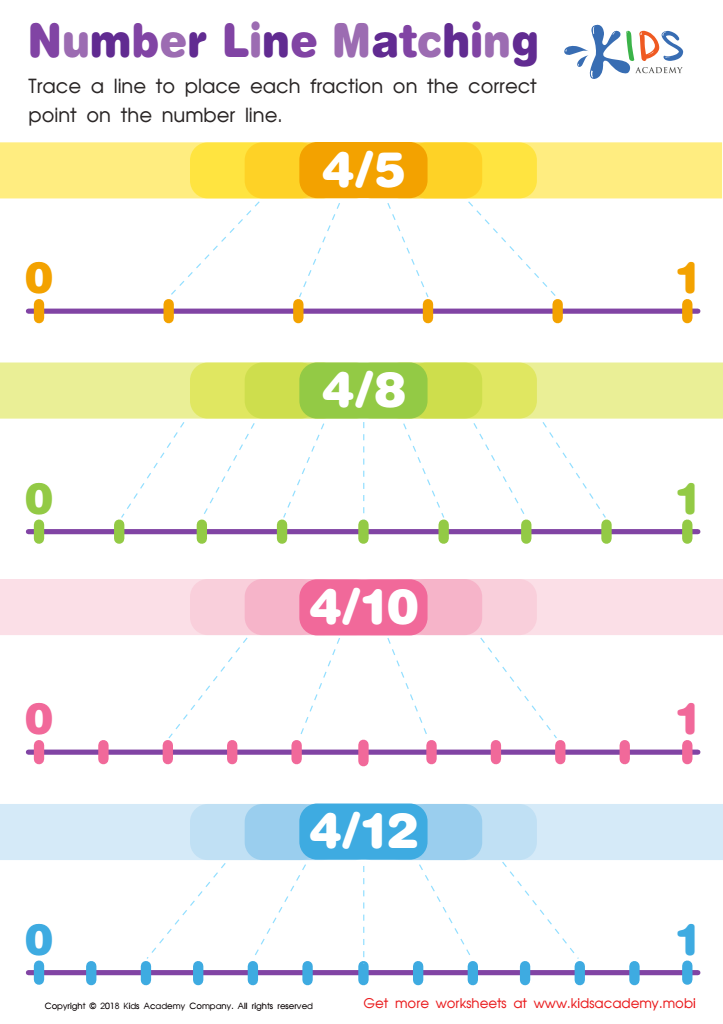
Number Line Matching Worksheet
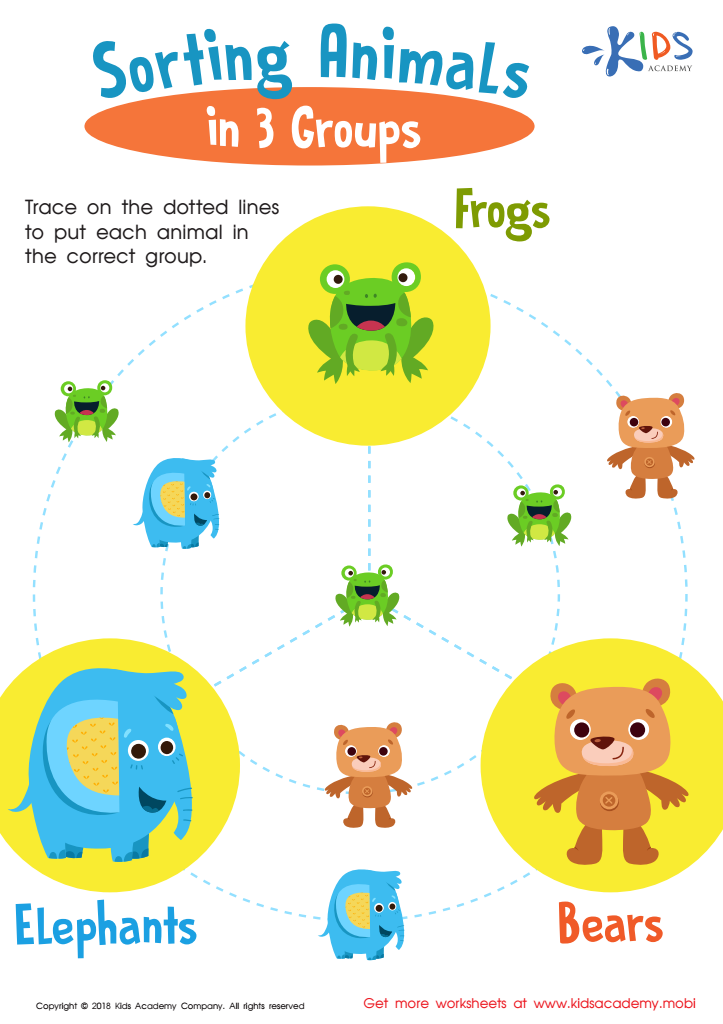
Sorting Animals in 3 Groups Worksheet
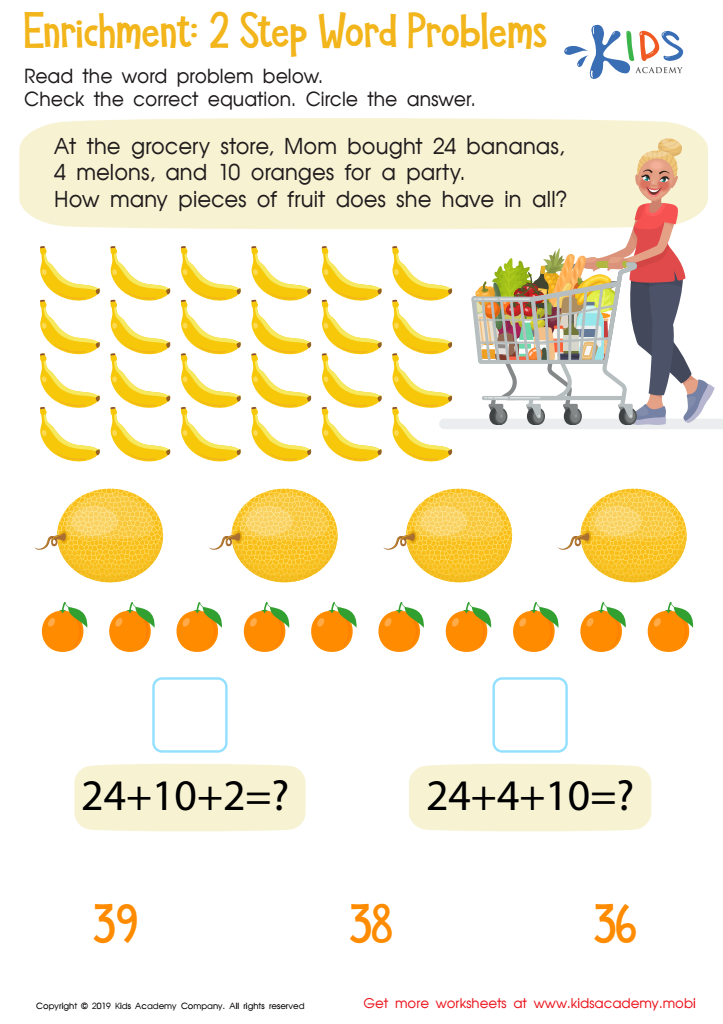
Enrichment -2 Step Word Problems Worksheet
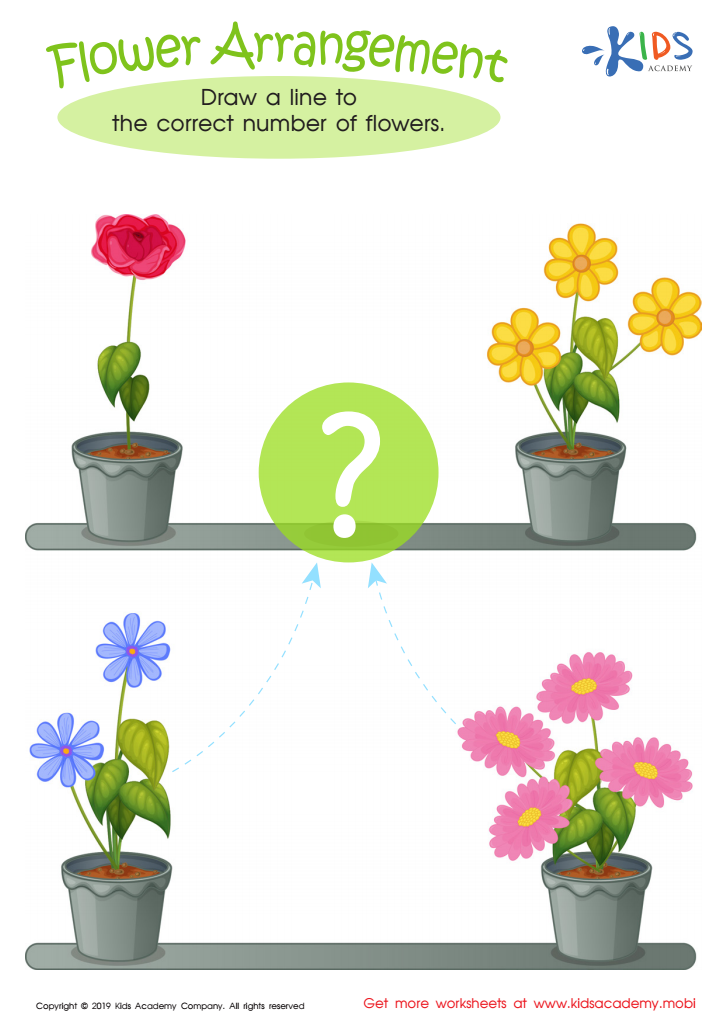
Flower Arrangement Worksheet
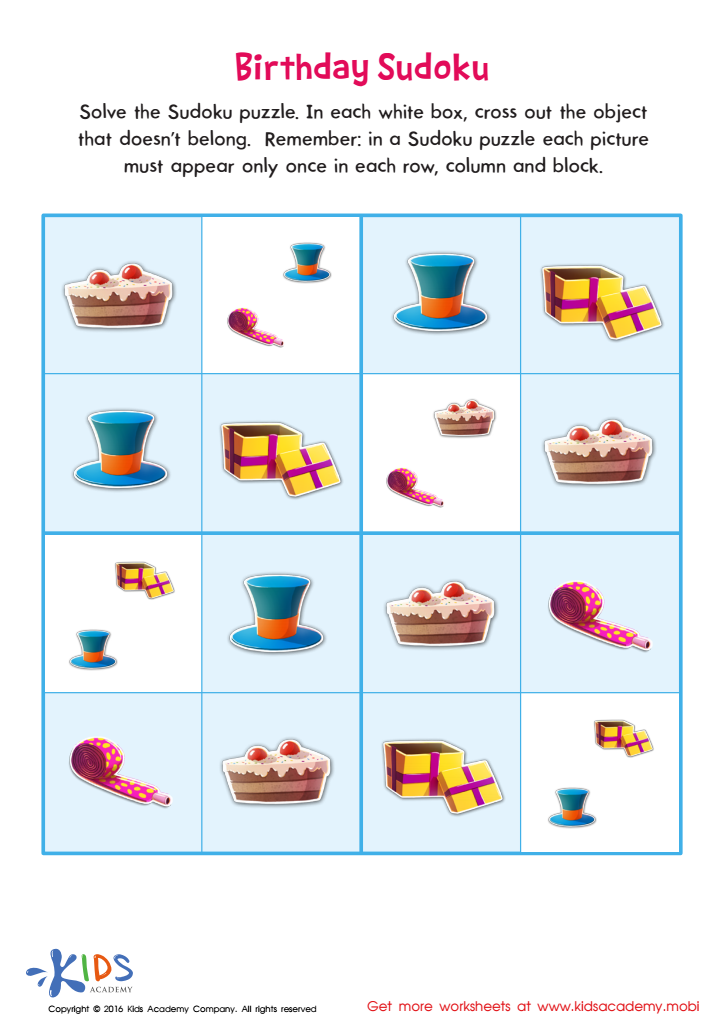
Birthday Sudoku Sorting Worksheet
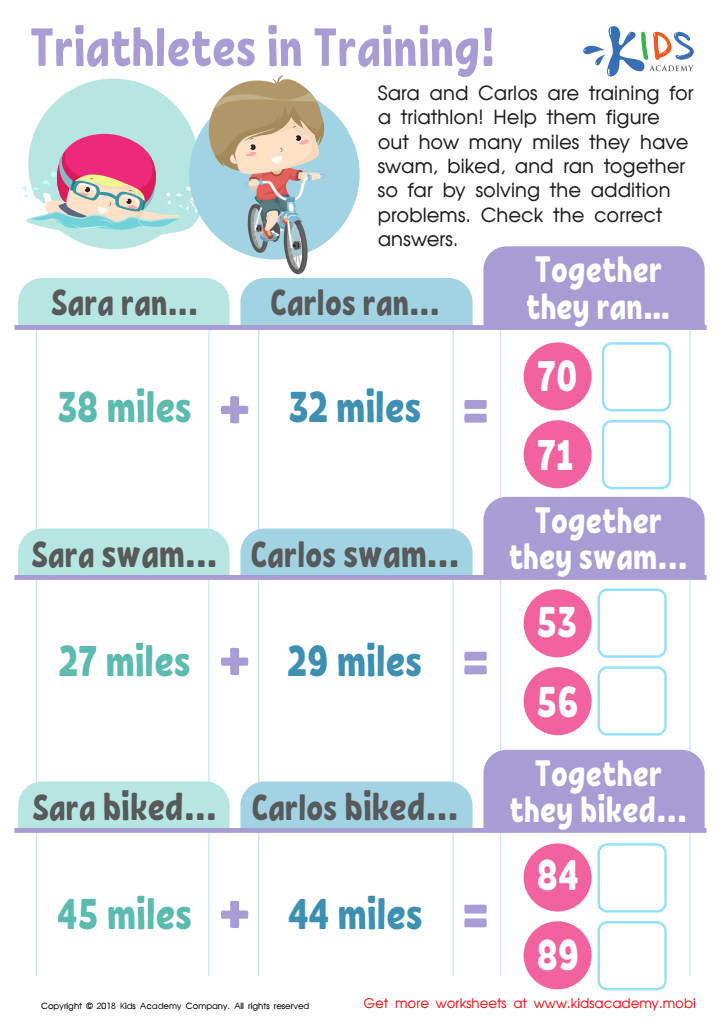
Triathletes in Training Worksheet
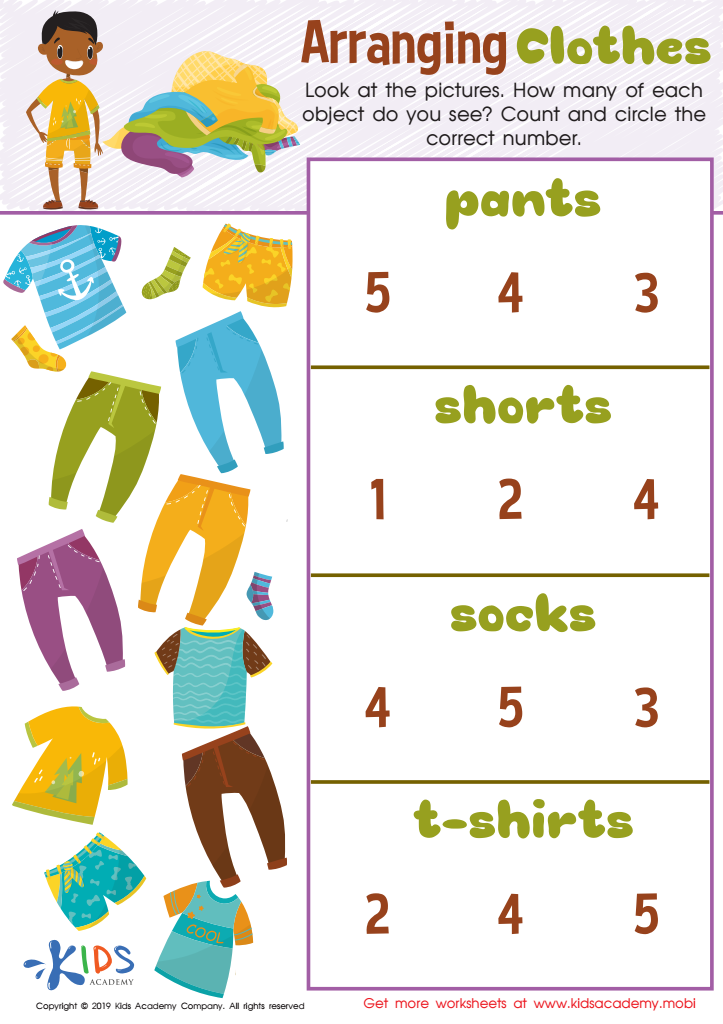
Arranging Clothes Worksheet
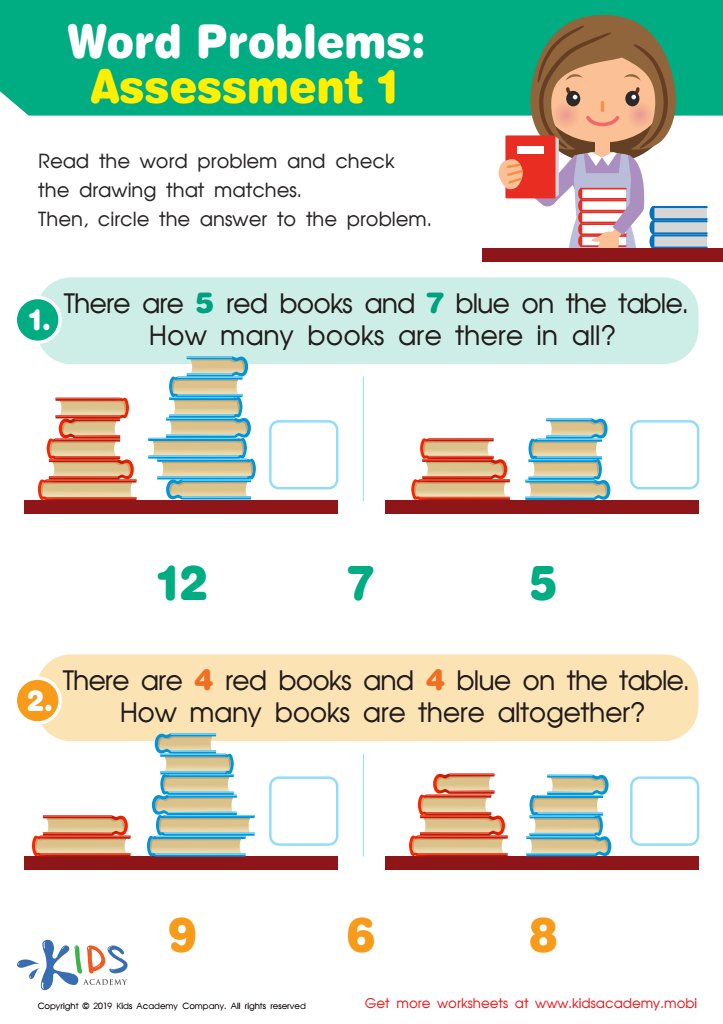
Word Problems: Assessment 1 Worksheet
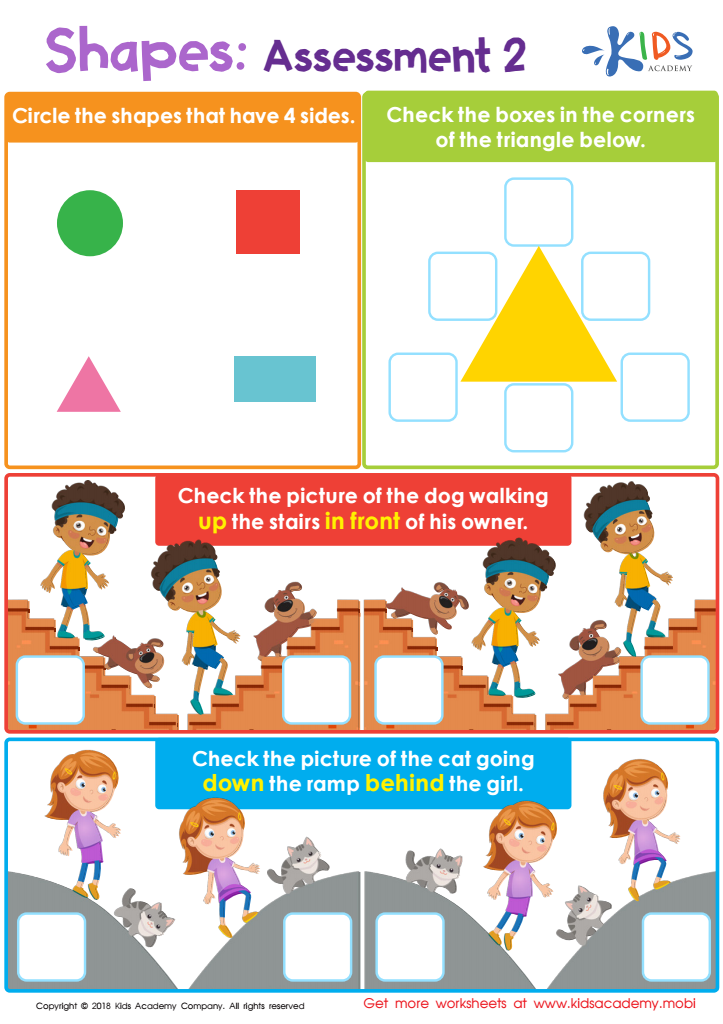
Shapes: Assessment 2 Worksheet
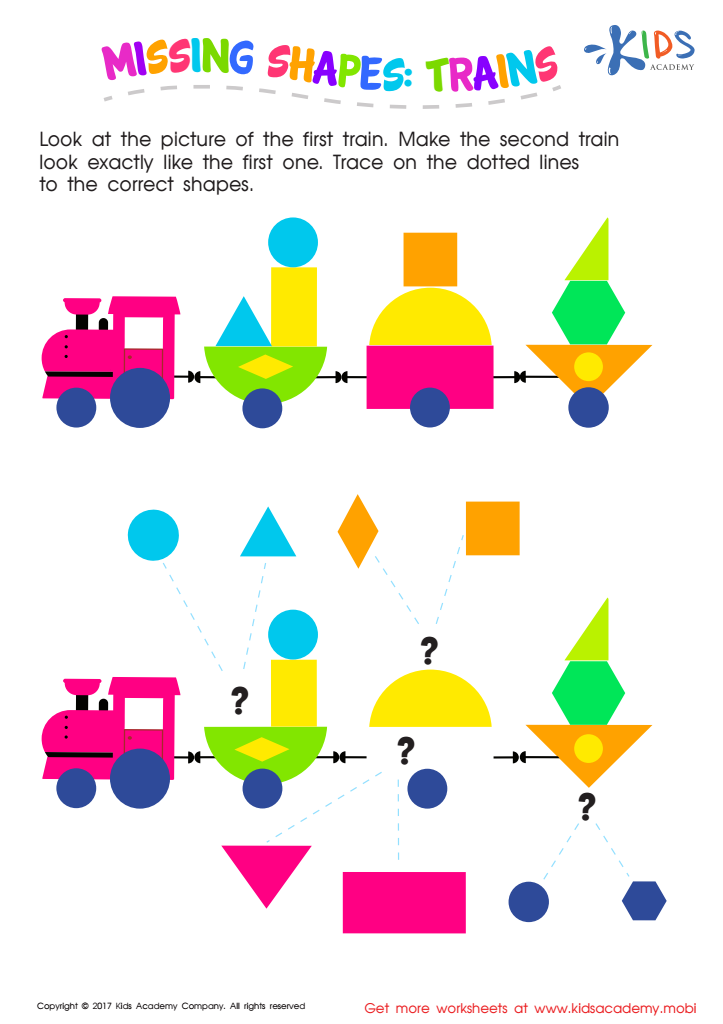
Missing Shapes: Trains Worksheet
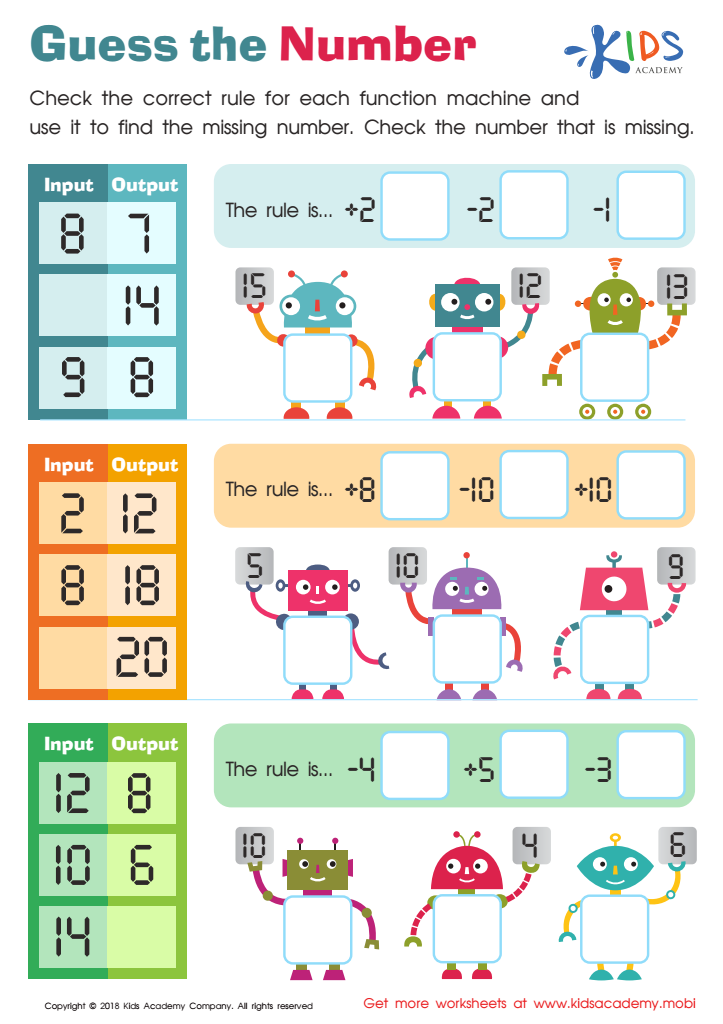
Guess the Number Worksheet
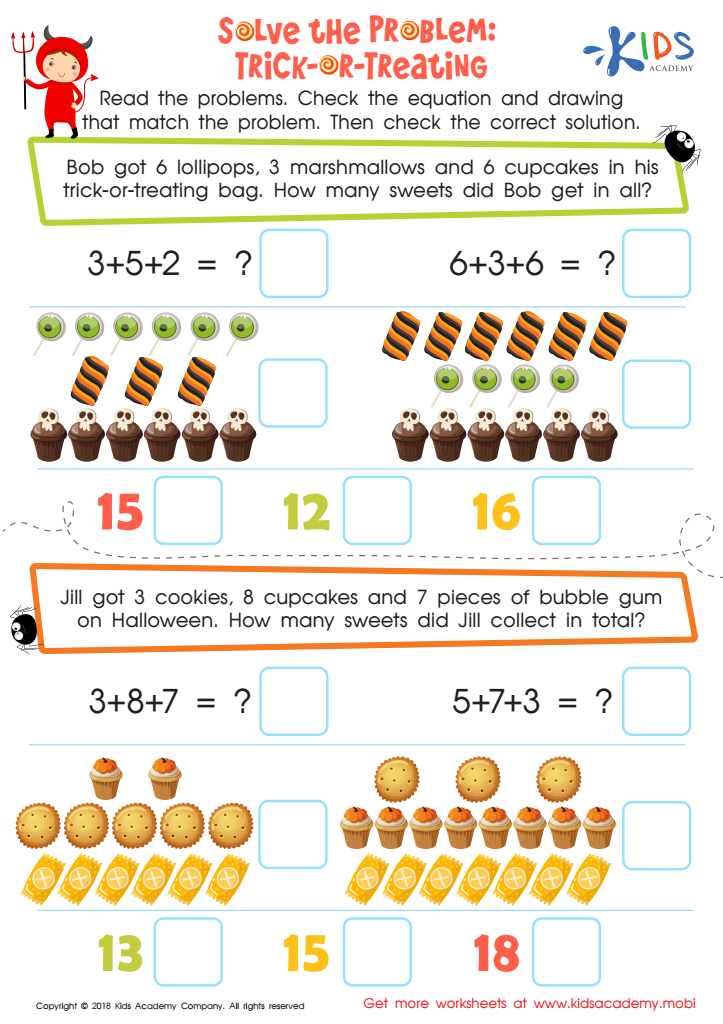
Solve the Problem: Trick–or–treating Worksheet
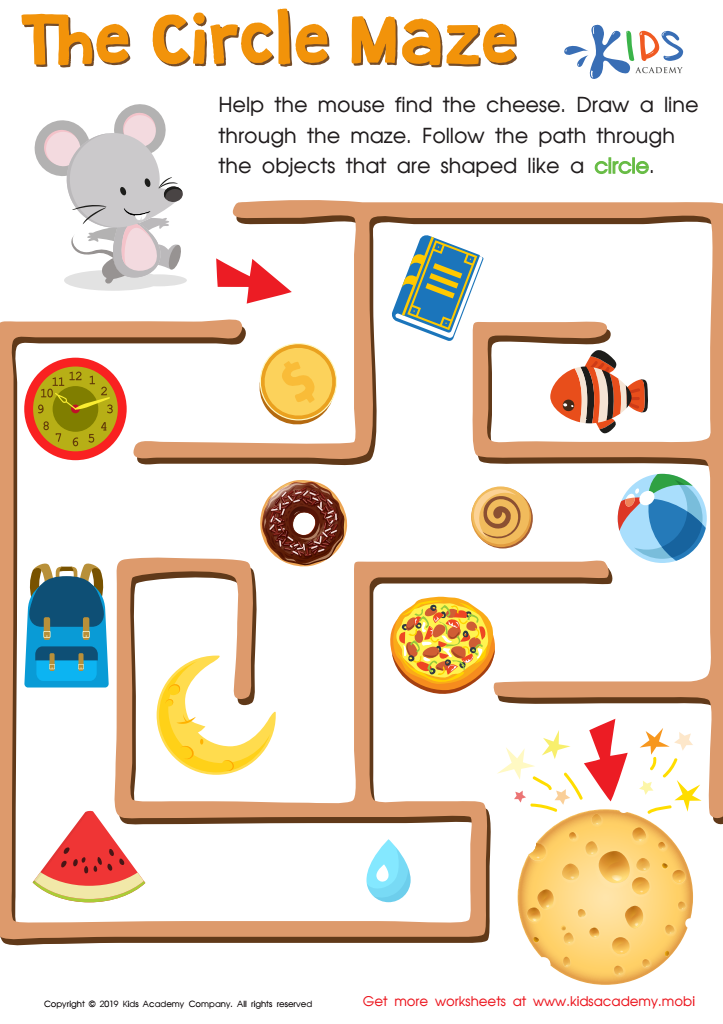
The Circle Maze Worksheet
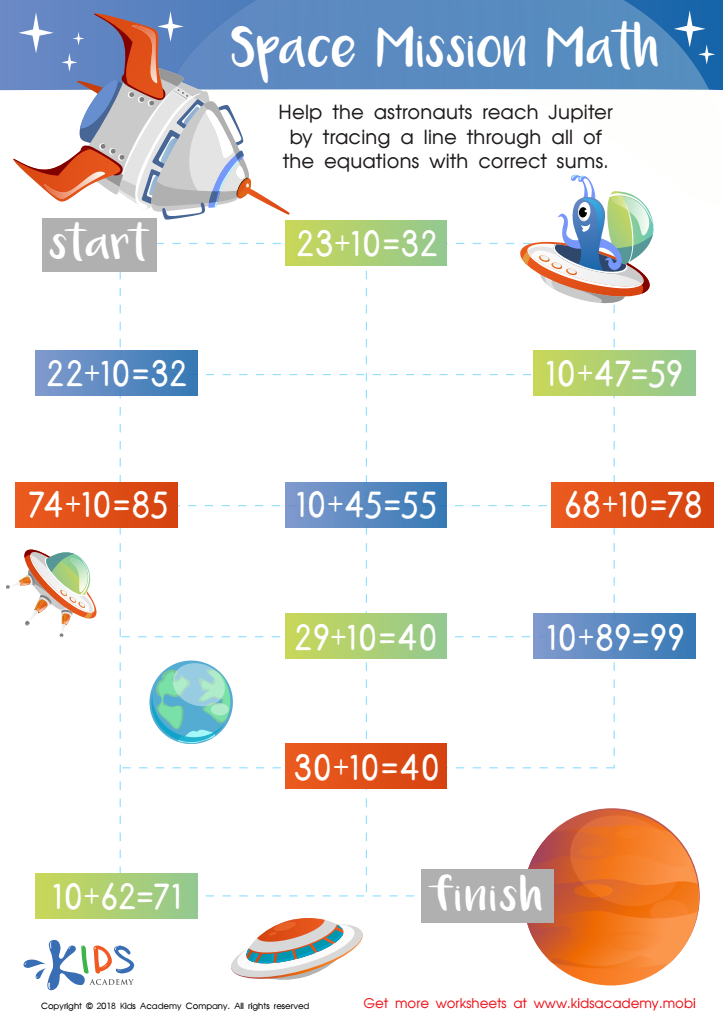
Space Mission Math Worksheet
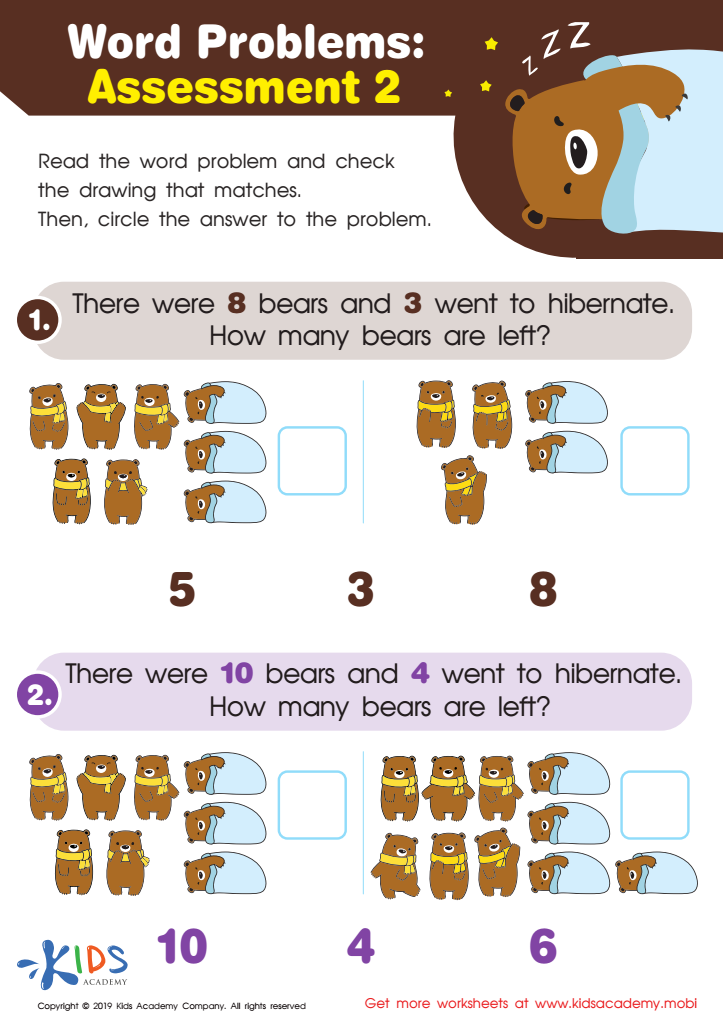
Word Problems: Assessment 2 Worksheet
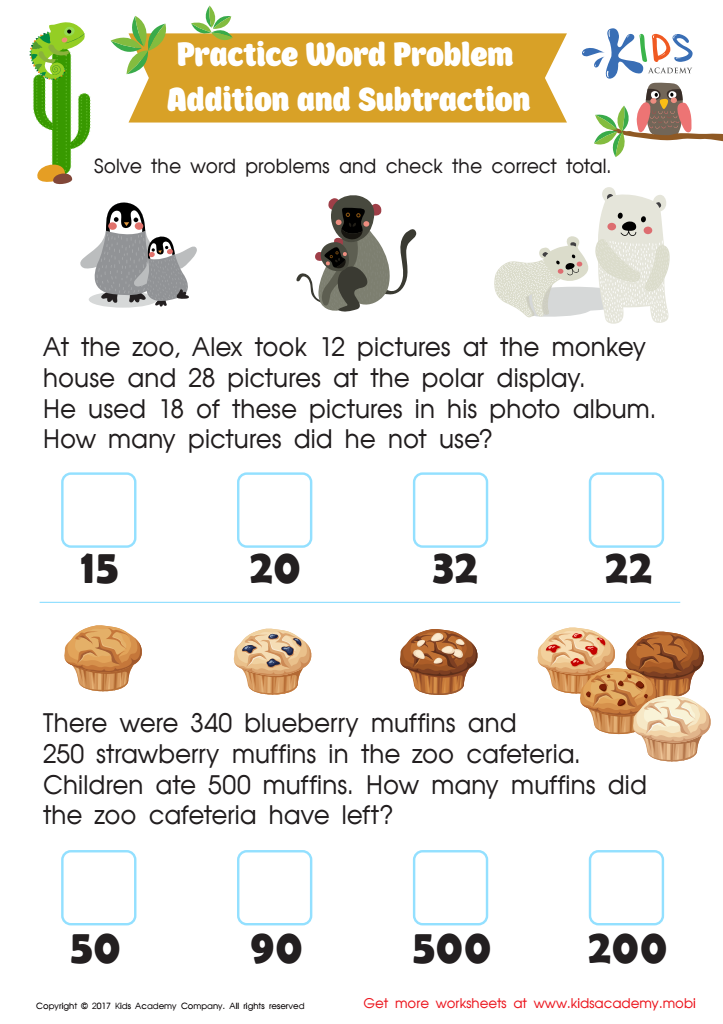
Addition and Subtraction: Word Problems Worksheet
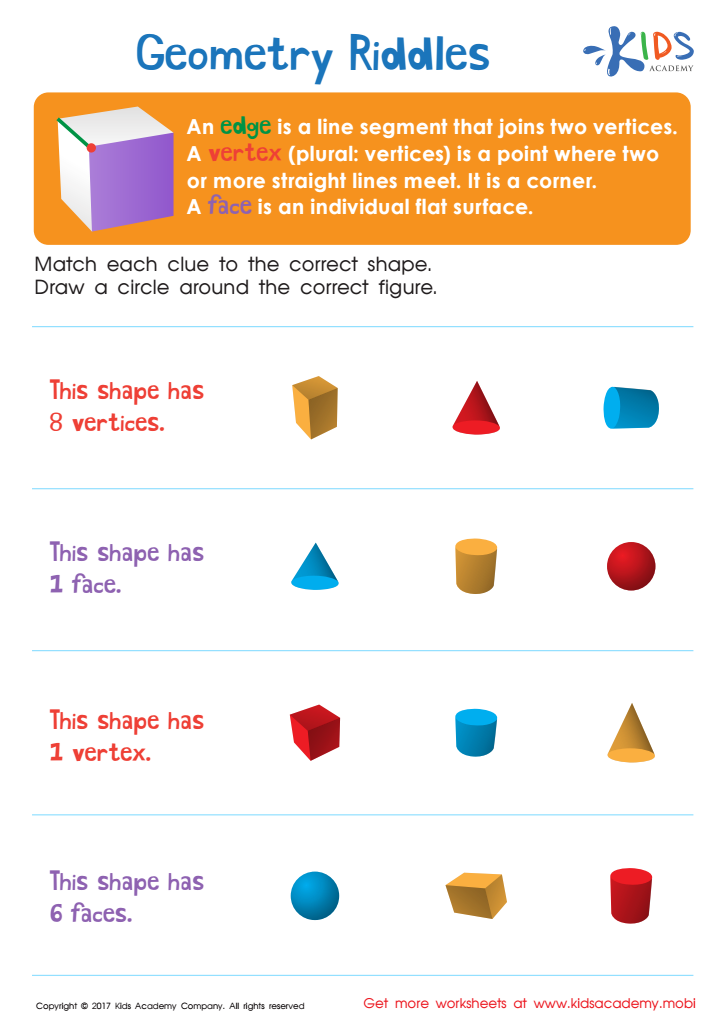
Geometry Riddles Printable
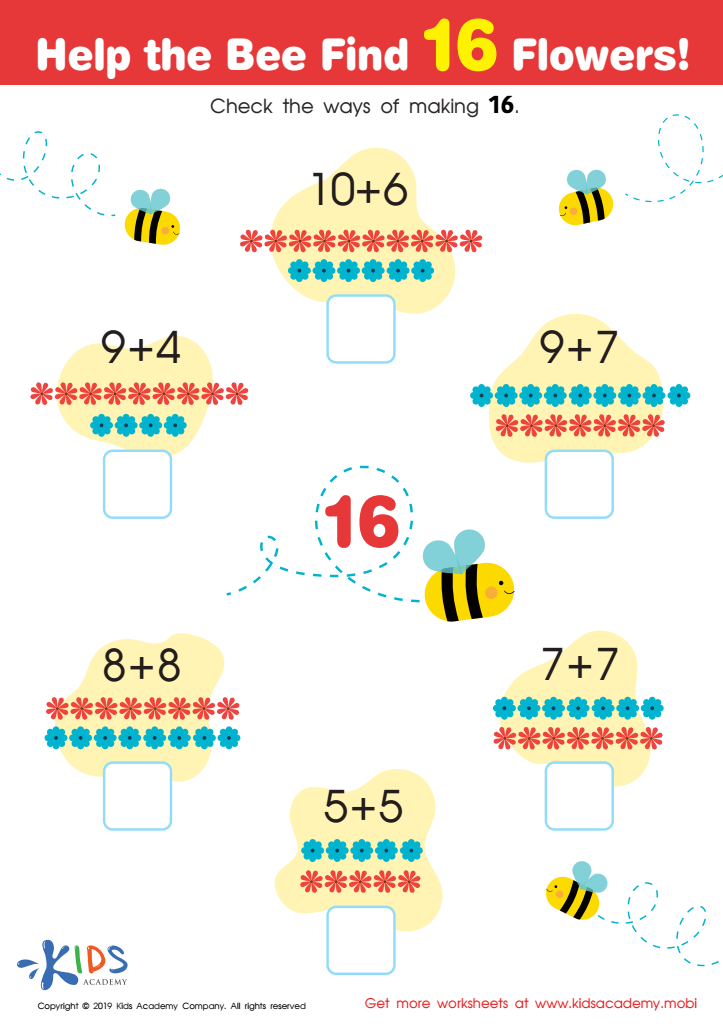
Help the Bee Find 16 Flowers Worksheet







Logical reasoning in math for children aged 6-8 is crucial for their cognitive development and academic success. During this formative stage, children are not just learning basic arithmetic; they are beginning to develop the critical thinking skills that will serve as the foundation for future problem-solving in all subjects. Engaging in logical reasoning exercises helps children enhance their ability to analyze patterns, make connections, and apply concepts to real-life situations.
Parents and teachers should prioritize logical reasoning math because it encourages perseverance and creativity when tackling challenges. By participating in activities that involve mazes, puzzles, or problem-solving scenarios, children learn to approach problems methodically and devise multiple strategies to find solutions. This engagement fosters a growth mindset, teaching children that making mistakes is a natural part of learning and that persistence pays off.
Moreover, strong logical reasoning skills can lead to improved performance not just in math but also in reading comprehension and scientific inquiry. These abilities contribute to a well-rounded academic foundation, preparing children for more complex concepts in later grades. Involvement in logical reasoning encourages both individual and collaborative learning, enabling children to articulate their thought processes and understand diverse perspectives while building social skills.








