Visual discrimination Math Worksheets for Ages 6-8
16 filtered results
-
From - To
Enhance your child's mathematical skills with our engaging Visual Discrimination Math Worksheets designed specifically for ages 6-8. These interactive worksheets help young learners sharpen their ability to recognize differences and similarities, critical for developing problem-solving skills. Each activity encourages visual perception through fun, age-appropriate exercises that make learning enjoyable. From identifying shapes and patterns to solving simple math problems, our worksheets foster both concentration and analytical thinking. Ideal for homeschooling or classroom use, these resources support foundational math concepts in a creative way, ensuring your child is well-prepared for future academic success. Explore our collection and make math fun today!
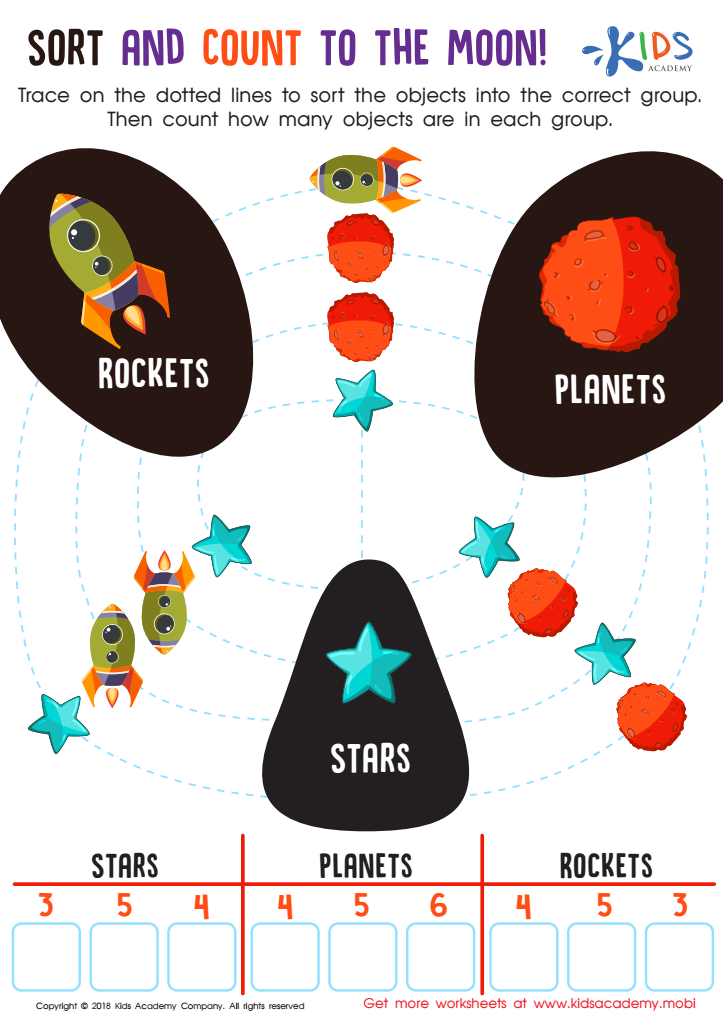
Sort and Count to the Moon Worksheet
 Assign to My Students
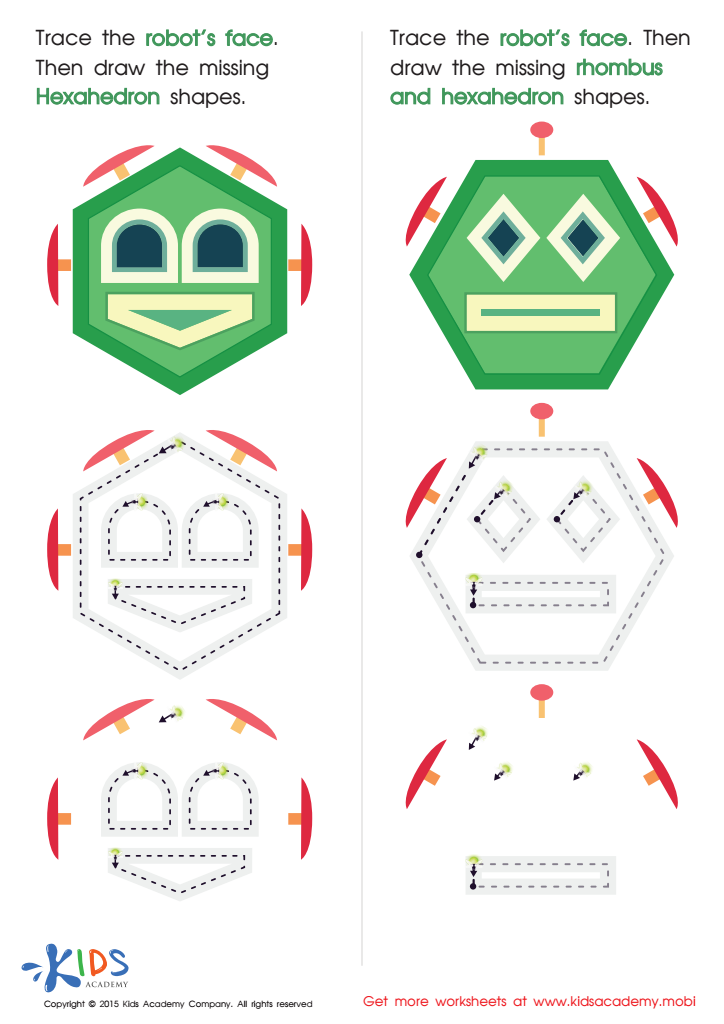
Practice Drawing Hexahedrons And a Rhombus Worksheet
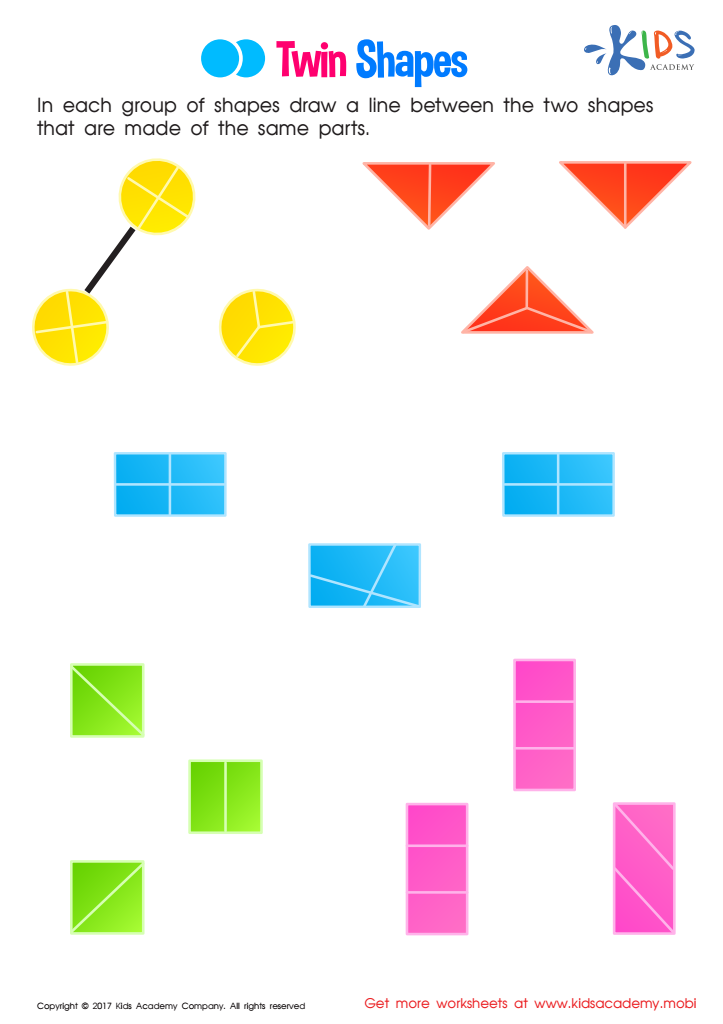
Twin Shapes Worksheet
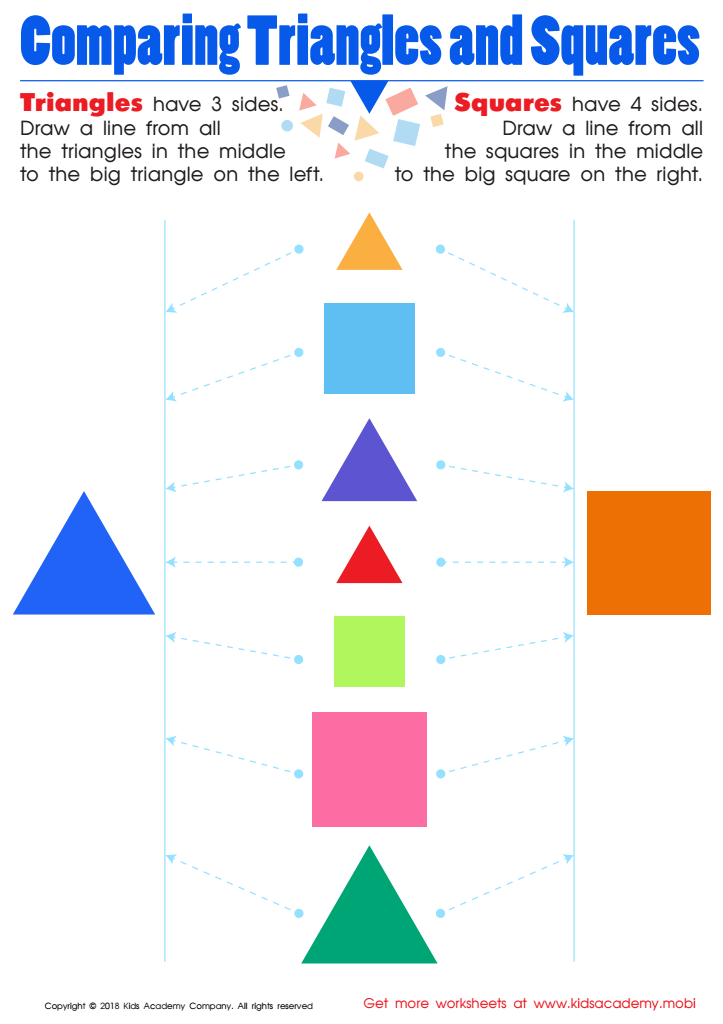
Comparing Triangles Squares Worksheet
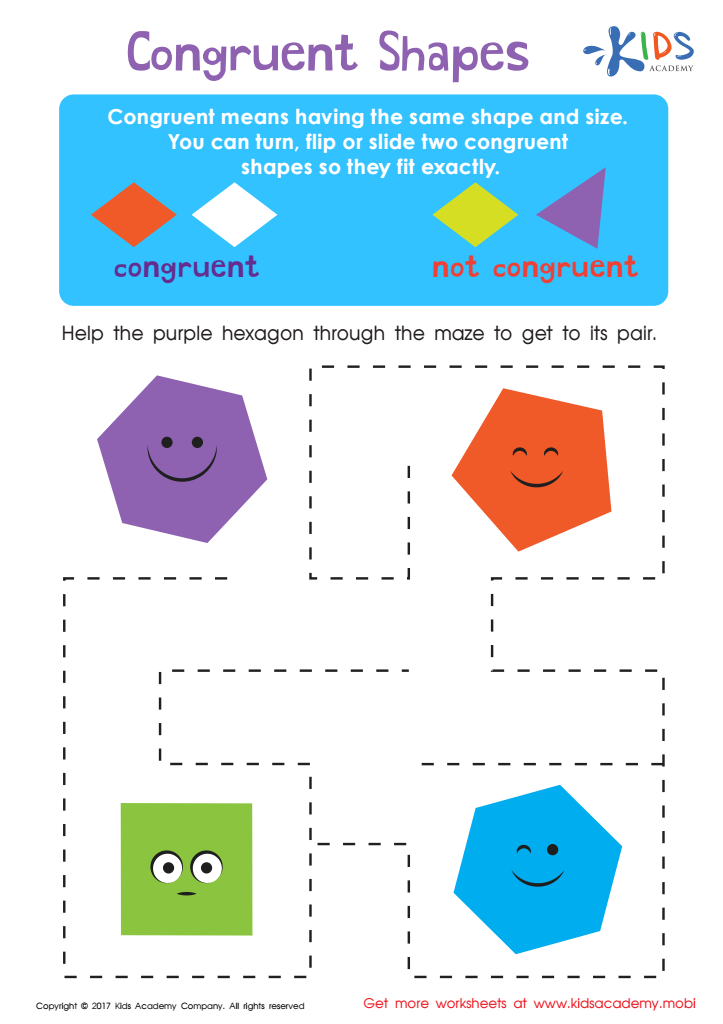
Congruent Shapes Worksheet
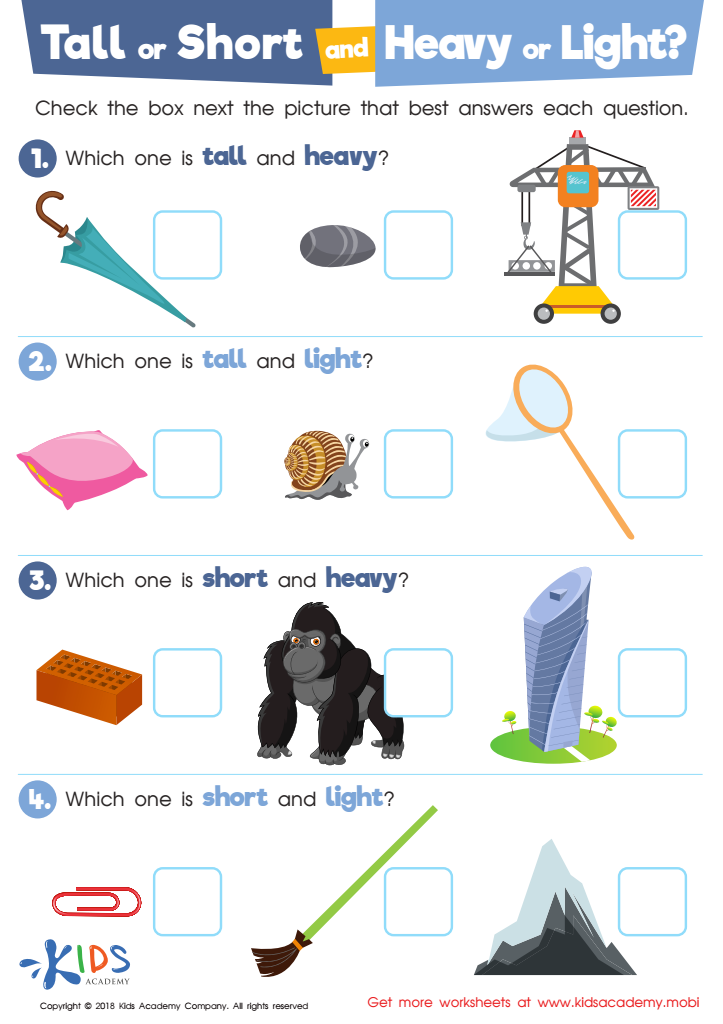
Tall or Short and Heavy or Light? Worksheet
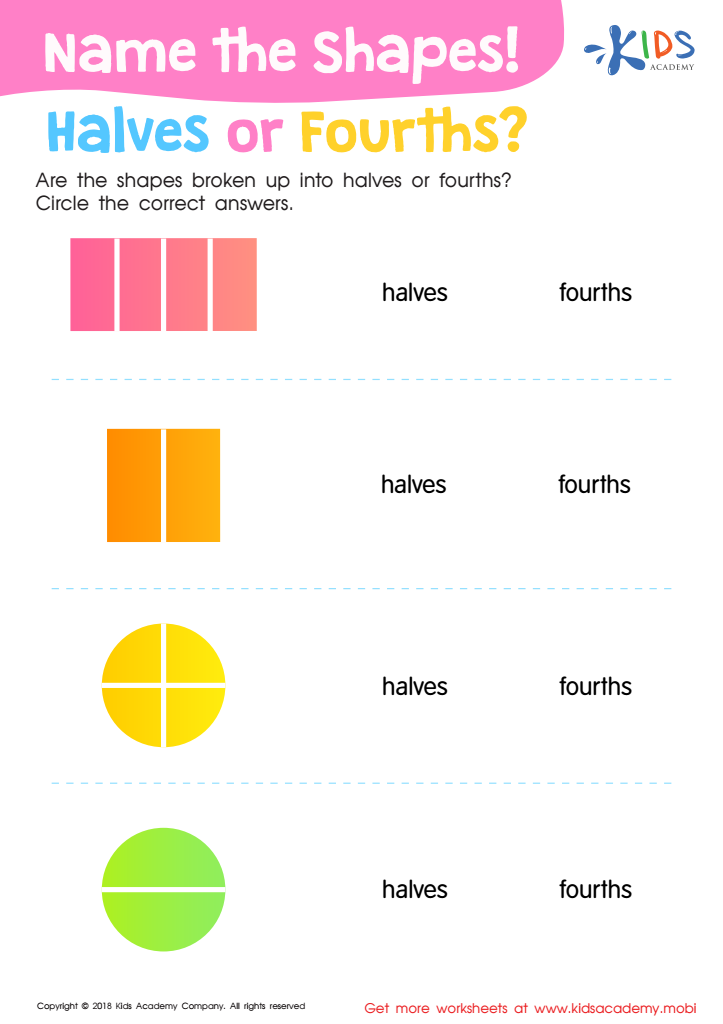
Name the Shapes Halves or Fourths? Worksheet
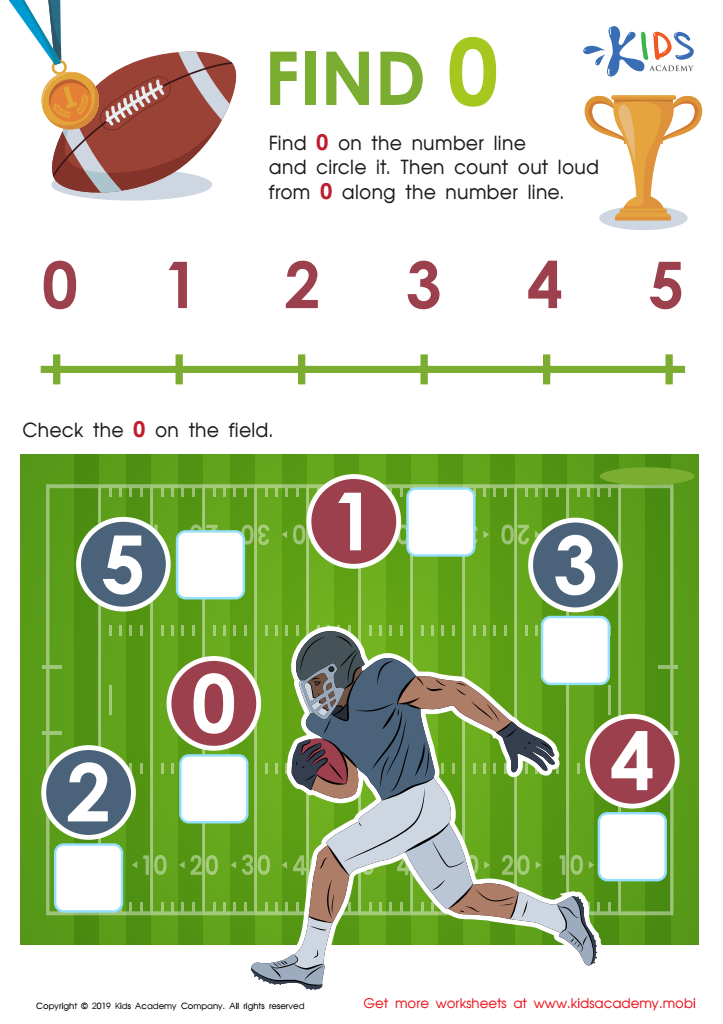
Find 0 Worksheet
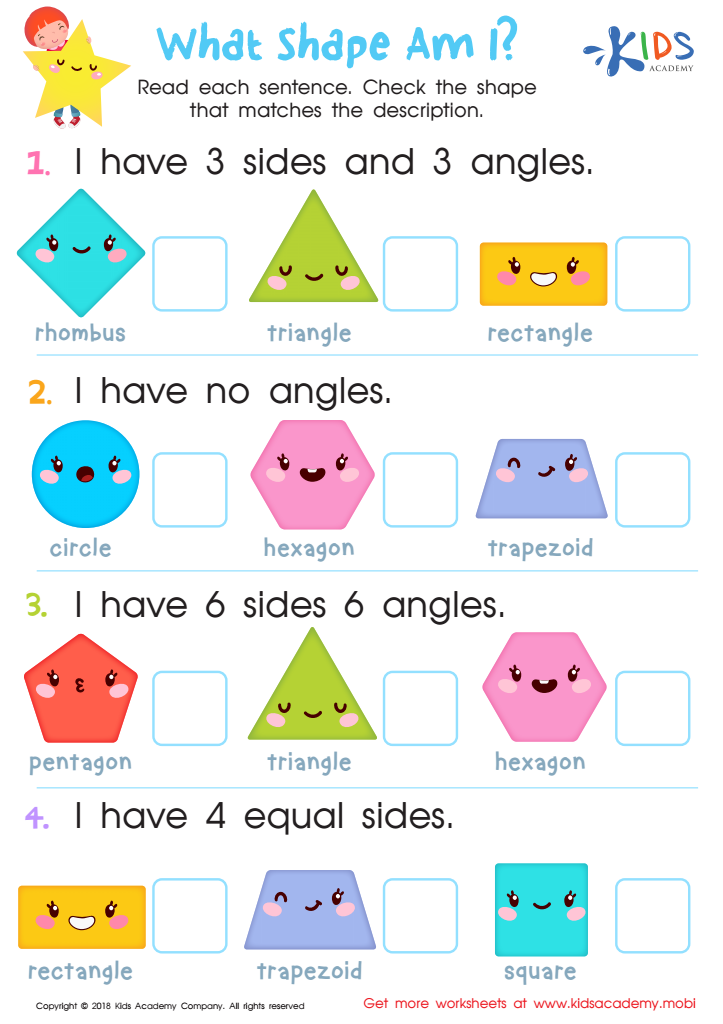
What Shape Am I? Worksheet
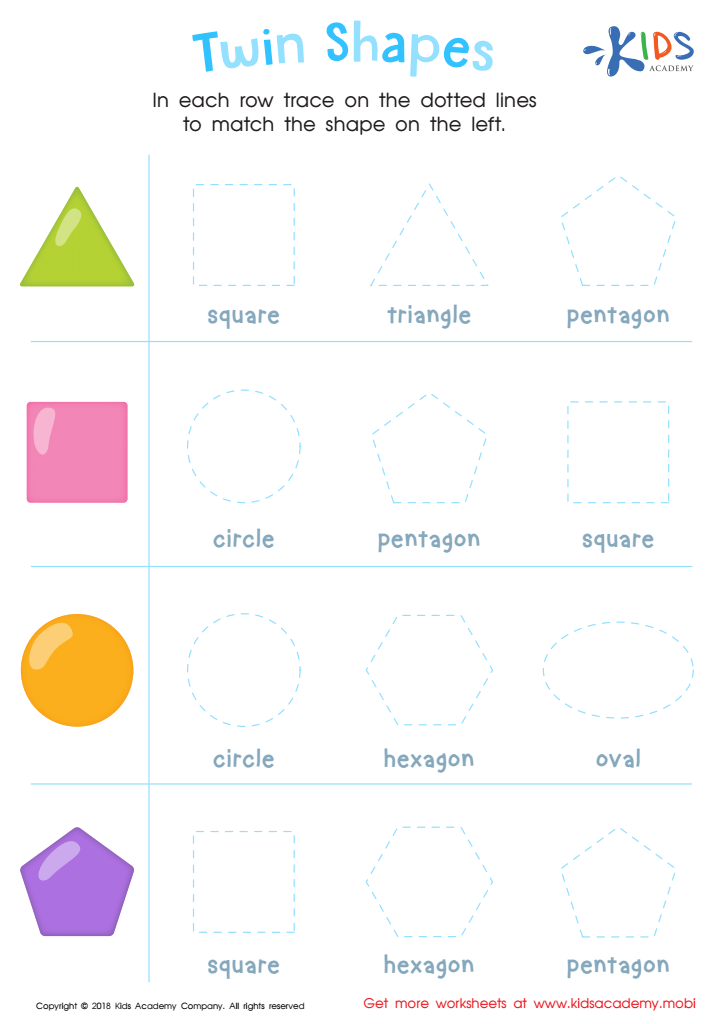
Twin Shapes Dot-to-Dot Worksheet
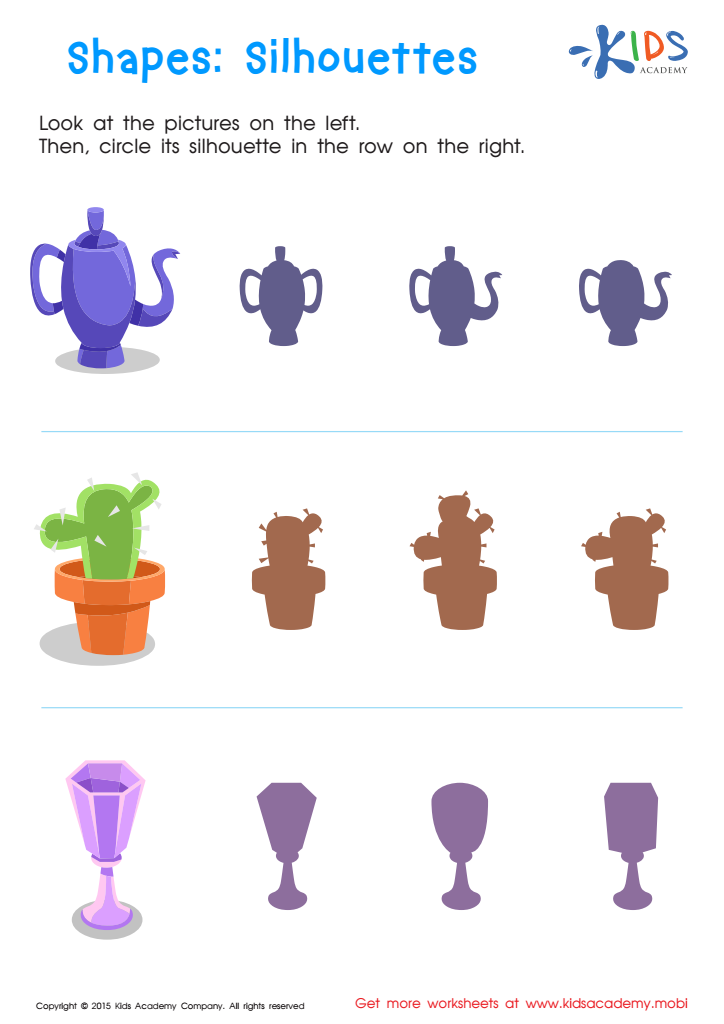
Silhouettes – Shapes Worksheet


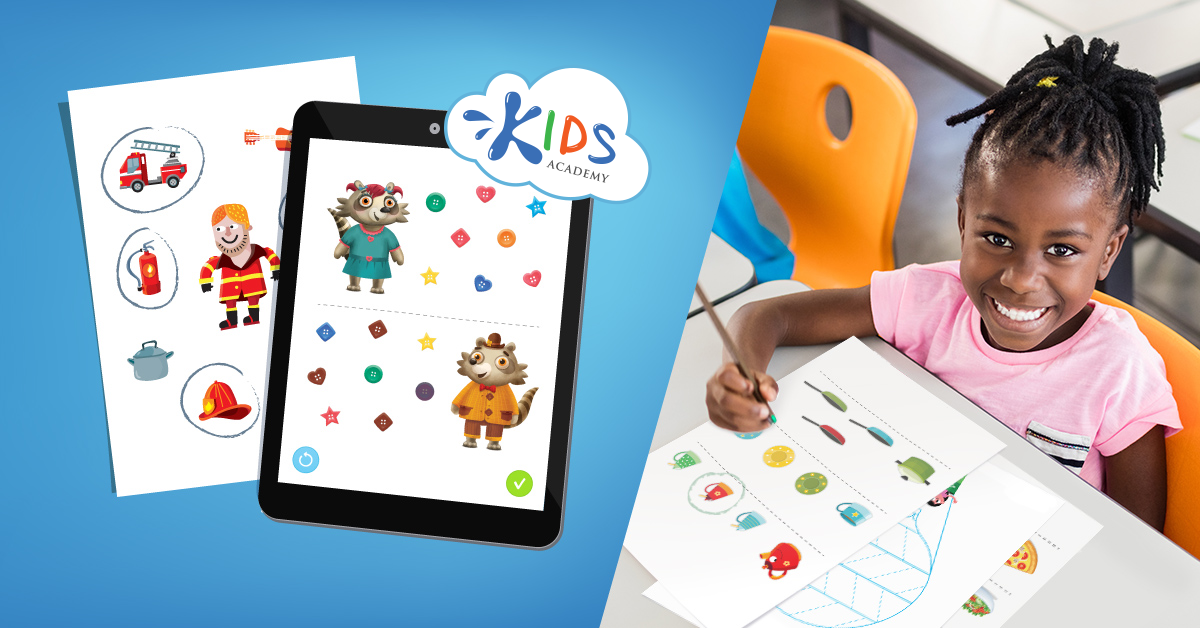




Visual discrimination is a crucial skill in early mathematical development for children ages 6-8. It involves the ability to distinguish between different shapes, sizes, colors, and patterns, which aids in understanding mathematical concepts. Parents and teachers should prioritize this skill because it lays the foundation for more complex mathematical thinking.
Children in this age group are beginning to encounter basic arithmetic operations and geometric shapes. Strong visual discrimination skills allow them to differentiate between similar objects, such as distinguishing a square from a rectangle, which is vital when learning about area and perimeter. Moreover, visual discrimination aids in problem-solving and critical thinking, encouraging children to analyze and interpret information.
Additionally, building visual discrimination can enhance reading skills and overall cognitive development. As children learn to recognize patterns, they start to develop their ability to make predictions and connections in math and beyond. Recognizing this skill's importance can help parents and teachers create engaging activities—like puzzles, sorting games, or art projects—that strengthen visual discrimination in a fun way.
By nurturing visual discrimination, parents and teachers not only enhance children's mathematical capabilities but also foster a love for learning that can have lasting benefits.








