Number Sequencing Matching Worksheets for Ages 6-8
4 filtered results
-
From - To
Enhance your child's number sequencing skills with our engaging Number Sequencing Matching Worksheets, designed specifically for ages 6-8. These worksheets help young learners develop essential math proficiency by recognizing order in numbers, improving their cognitive abilities, and boosting their confidence. With a variety of fun, interactive exercises, children can practice connecting numerical sequences in an enjoyable way. Crafted by education experts, these printables are ideal for home practice or classroom use, making learning an exciting adventure. Explore our collection today and watch your child thrive in their mathematical journey while building a solid foundation for future success!
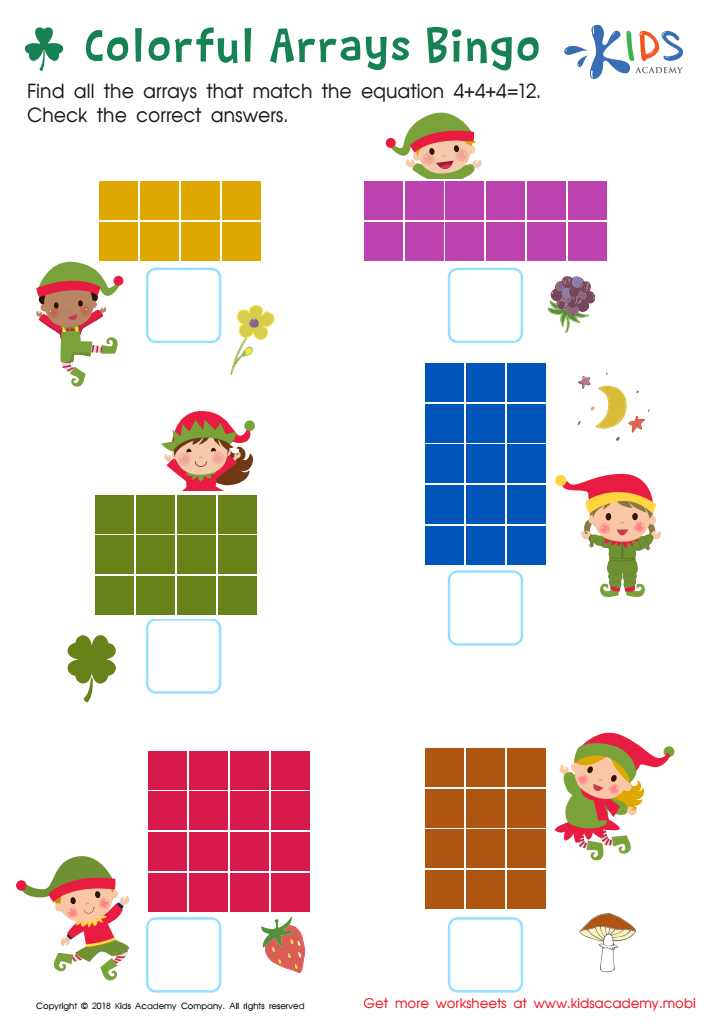
Colorful Arrays Bingo Worksheet
 Assign to My Students
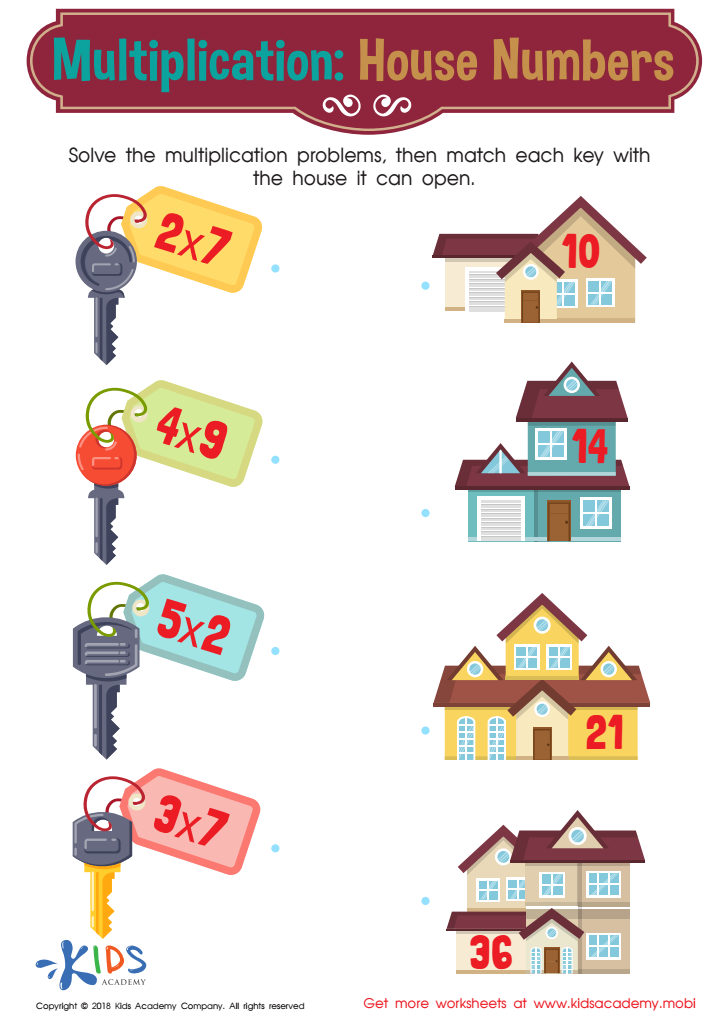
House Numbers Worksheet
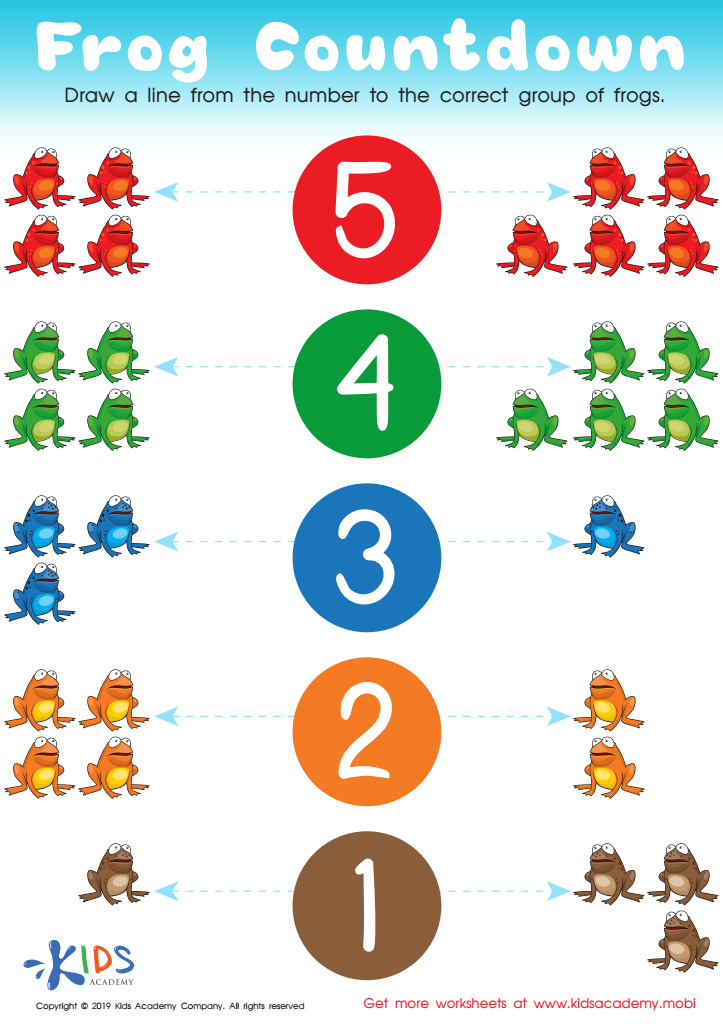
Frog Countdown Worksheet
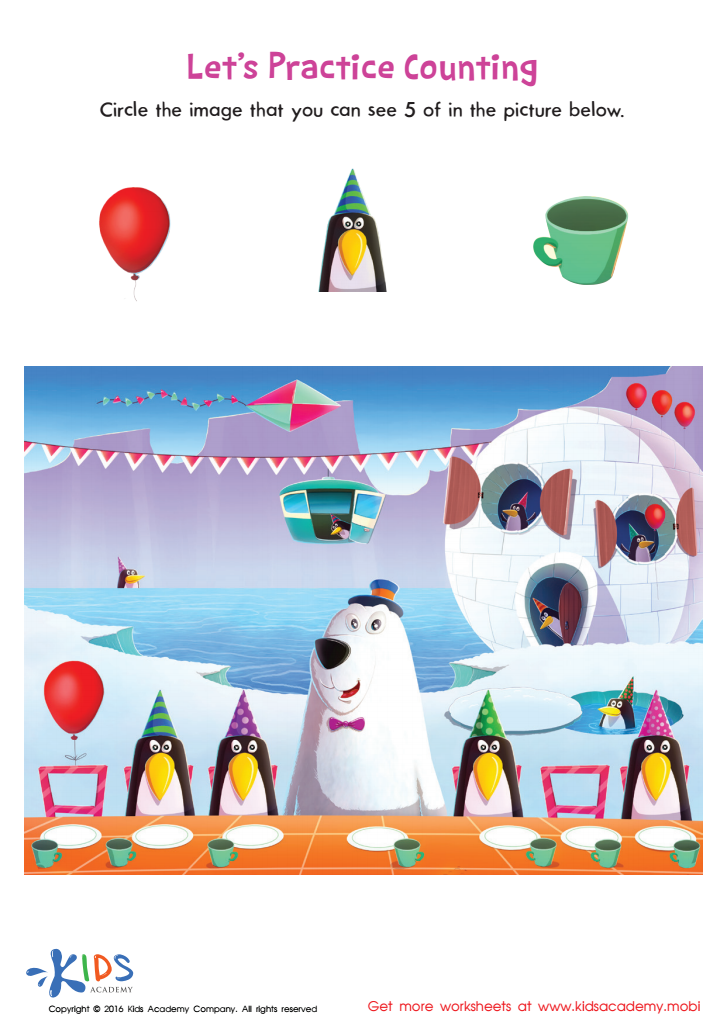
Counting Worksheet: Let's Practice Counting




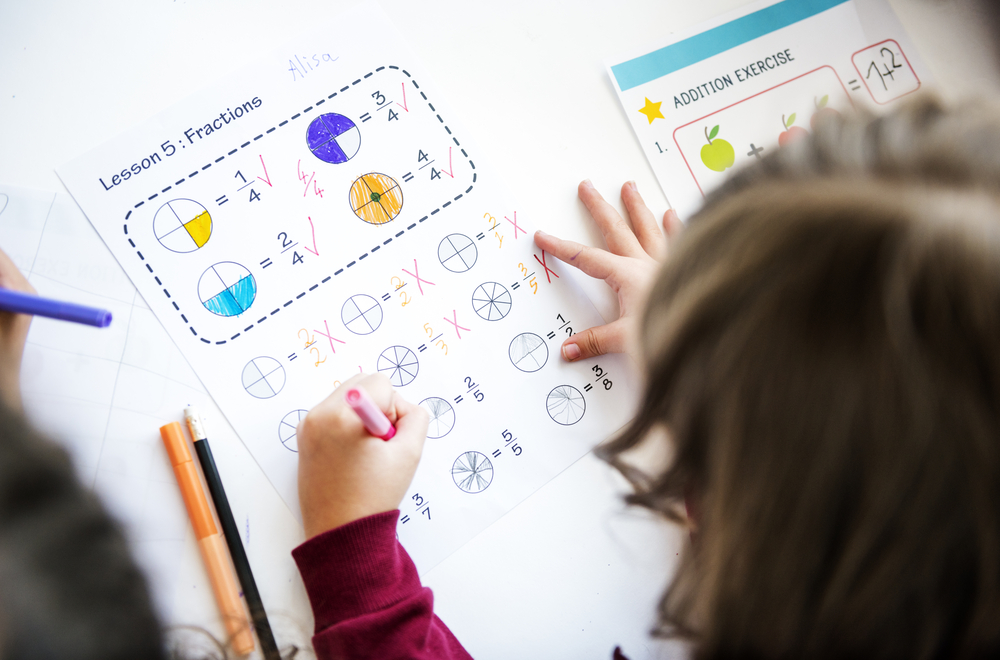



Number sequencing and matching are foundational skills for children aged 6 to 8 that significantly impact their mathematical development and overall cognitive abilities. Mastering these skills enables students to recognize patterns, understand numerical relationships, and develop problem-solving capabilities.
When children engage in number sequencing, they learn to arrange numbers in order, which fosters critical thinking and enhances their ability to grasp more complex mathematical concepts such as addition, subtraction, and even multiplication later on. Matching activities not only reinforce numeral recognition but also help children make connections between quantities and their numeric representations.
Both skills are pivotal for building confidence in math. When parents and teachers prioritize these activities, they equip children with essential tools for academic success. Hands-on, play-based learning approaches can also enhance retention and interest in math, making the learning experience enjoyable.
Moreover, developing strong sequencing and matching abilities aids in improving overall cognitive functions, which can be transferred to other subjects, such as reading and science. In a world increasingly reliant on technology and data, instilling a firm grasp of these basic skills is vital for future learning and adaptability. Therefore, parents and educators should actively engage children in these developmental tasks.








