Vocabulary enhancement Matching Worksheets for Ages 6-8
5 filtered results
-
From - To
Enhance your child's vocabulary with our engaging Vocabulary Enhancement Matching Worksheets designed specifically for ages 6-8. These interactive worksheets are a fantastic way to improve language skills through fun and educational matching games that pair words with their definitions or related images. Each activity challenges young learners, helping them expand their vocabulary and develop critical thinking abilities. Perfect for classroom use or homeschooling, these worksheets cover various themes to keep your child's interest piqued and encourage continual learning. Boost your child's confidence in language arts with Kids Academy’s expertly crafted resources for early education success.
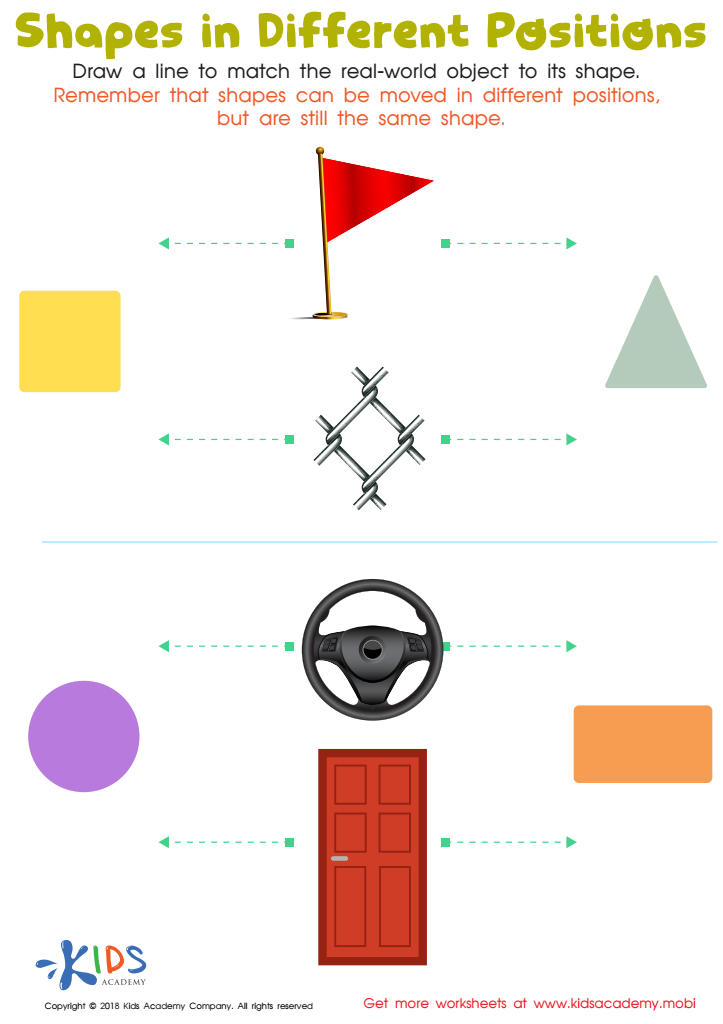
Shapes in Different Positions Worksheet
 Assign to My Students
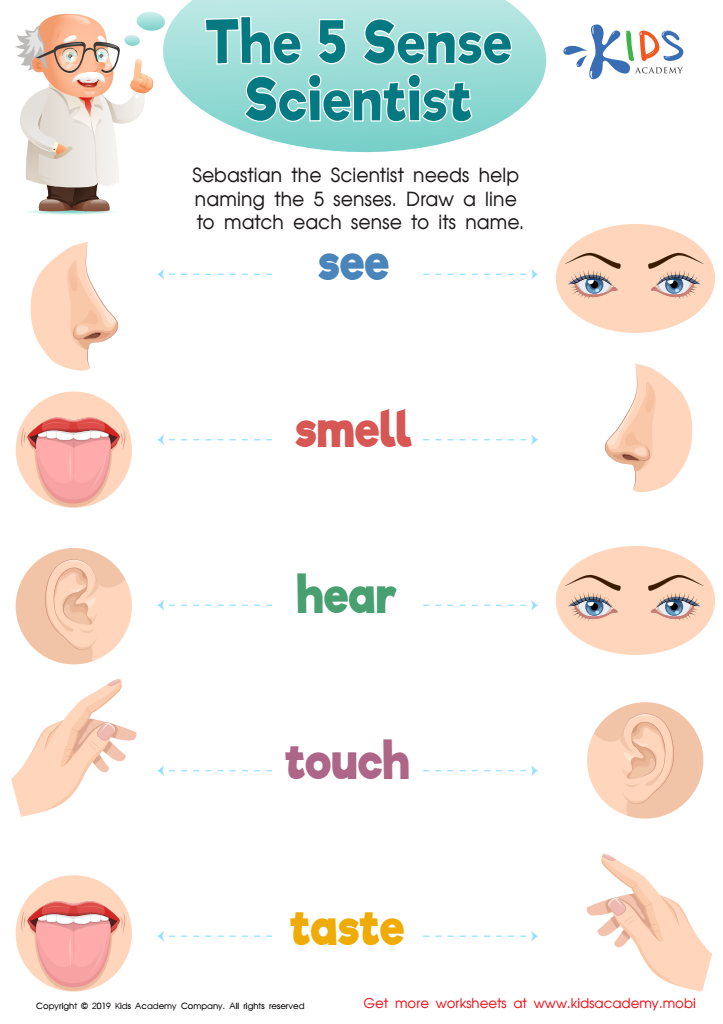
The 5 Sense Scientist Worksheet
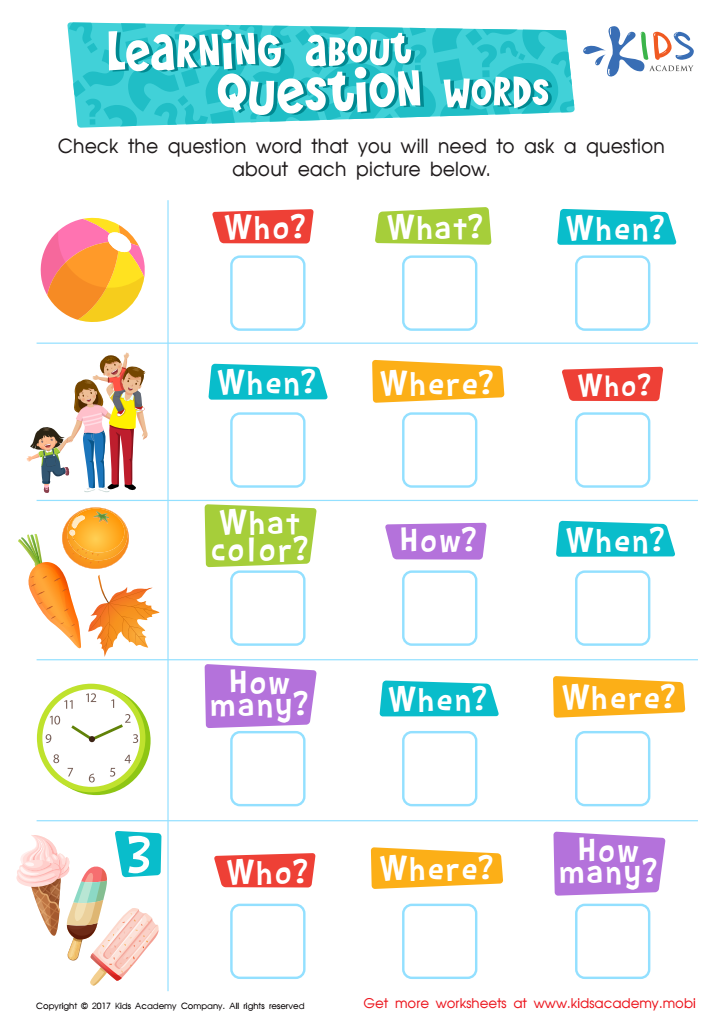
Learning about Question Words Worksheet
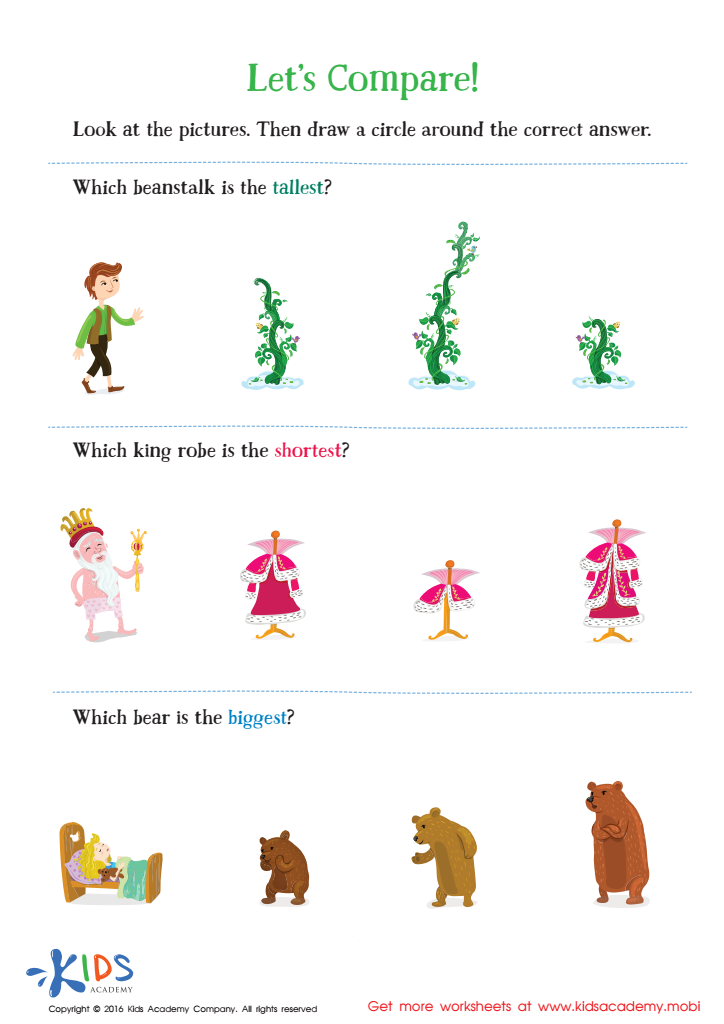
Fairy Tale Worksheet: Let's Compare
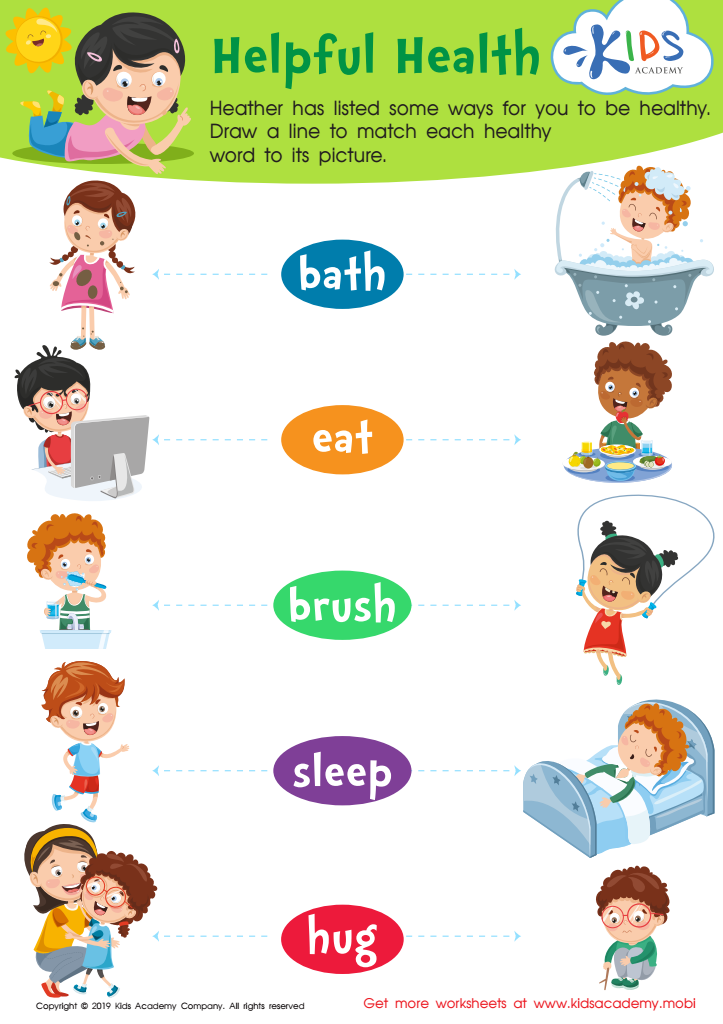
Helpful Health Worksheet







Vocabulary enhancement is a vital component of language development in children aged 6-8, and parents or teachers should care deeply about it for several compelling reasons. At this stage, children are rapidly acquiring new words and language structures, which form the foundation for future academic success and effective communication.
First, a robust vocabulary directly impacts reading comprehension. As children encounter new words while reading, a richer vocabulary helps them understand and interpret the text more accurately, fostering a love for reading and learning. When they can grasp meanings effortlessly, they are more likely to stay engaged and motivated.
Second, developing a strong vocabulary enhances children's overall communication skills. With an expansive vocabulary, children can express their thoughts, questions, and emotions more clearly and confidently. This ability is particularly crucial in social settings, where effective communication fosters friendship, cooperation, and positive interactions.
Third, vocabulary growth supports cognitive development. Learning new words helps children expand their understanding of the world, organize thoughts more logically, and improve problem-solving skills. It also stimulates curiosity and a desire for knowledge, encouraging lifelong learning.
Matching games are particularly effective for vocabulary enhancement because they make learning fun and interactive, ensuring children remain interested while reinforcing their word knowledge through repetition and association. Thus, prioritizing vocabulary enhancement equips children with essential skills for their educational journey and beyond.








