Addition Practice Building Vocabulary Worksheets for Ages 6-8
8 filtered results
-
From - To
Enhance your child's mathematical and vocabulary skills with our Addition Practice Building Vocabulary Worksheets designed for ages 6-8. These engaging worksheets combine fun with learning, providing young learners with the opportunity to practice addition while expanding their word knowledge. Each activity is crafted to make math enjoyable, promoting confidence and fluency in addition. Children will solve problems involving numbers and associated words, making connections between written language and numerical concepts. Perfect for classrooms or at-home learning, our worksheets foster a solid foundation in basic math and vocabulary, crucial for future academic success. Download yours today and watch your child thrive!
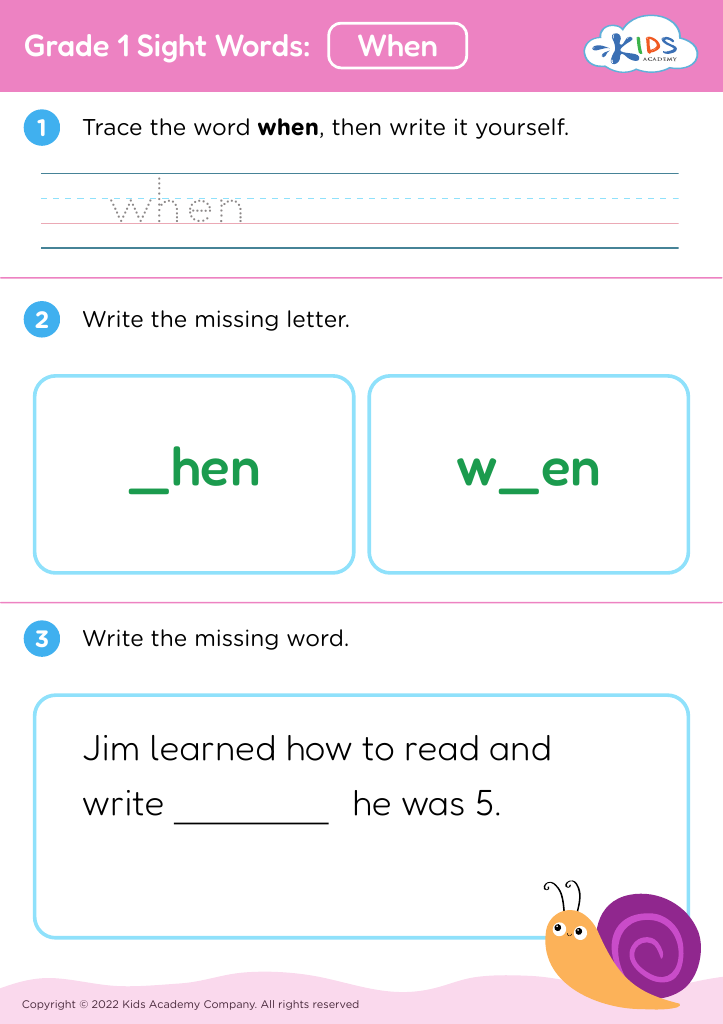











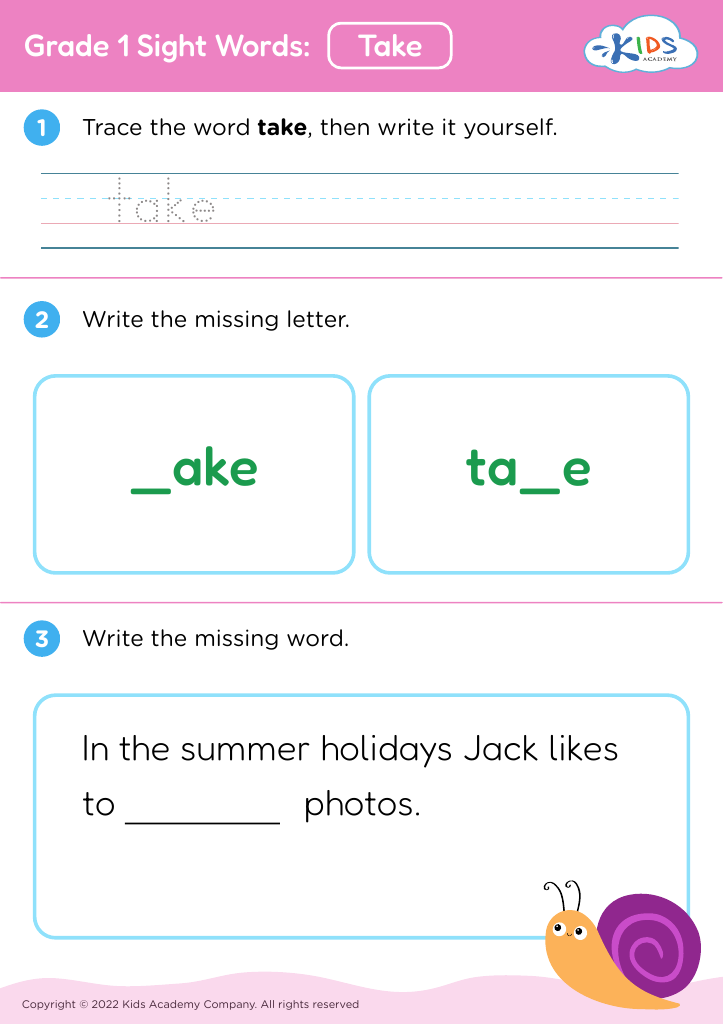
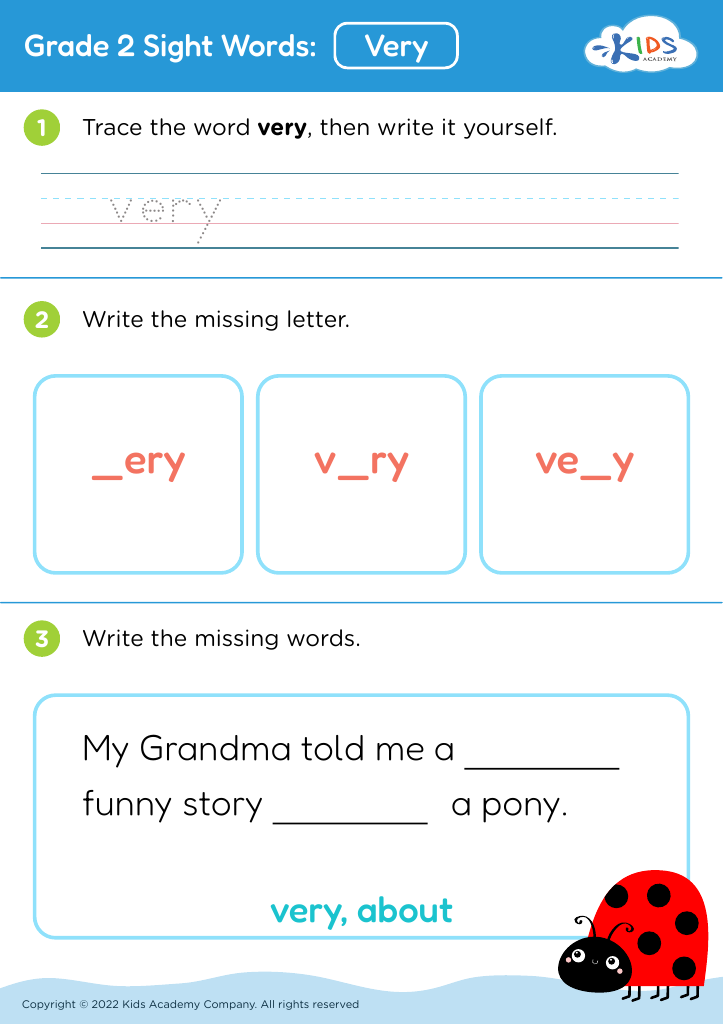
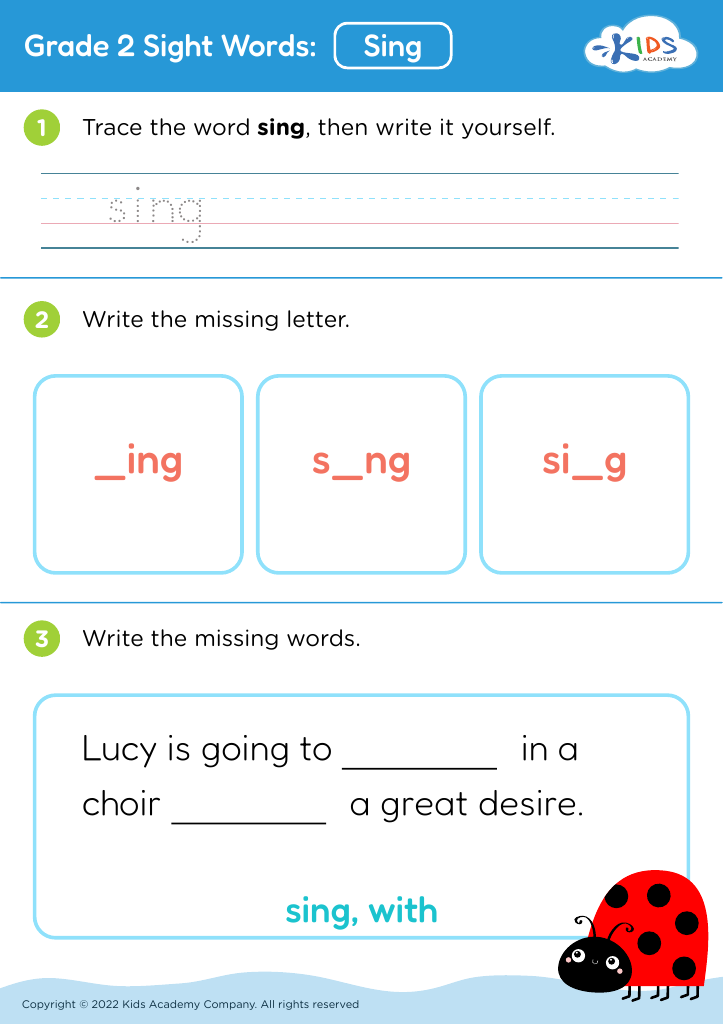
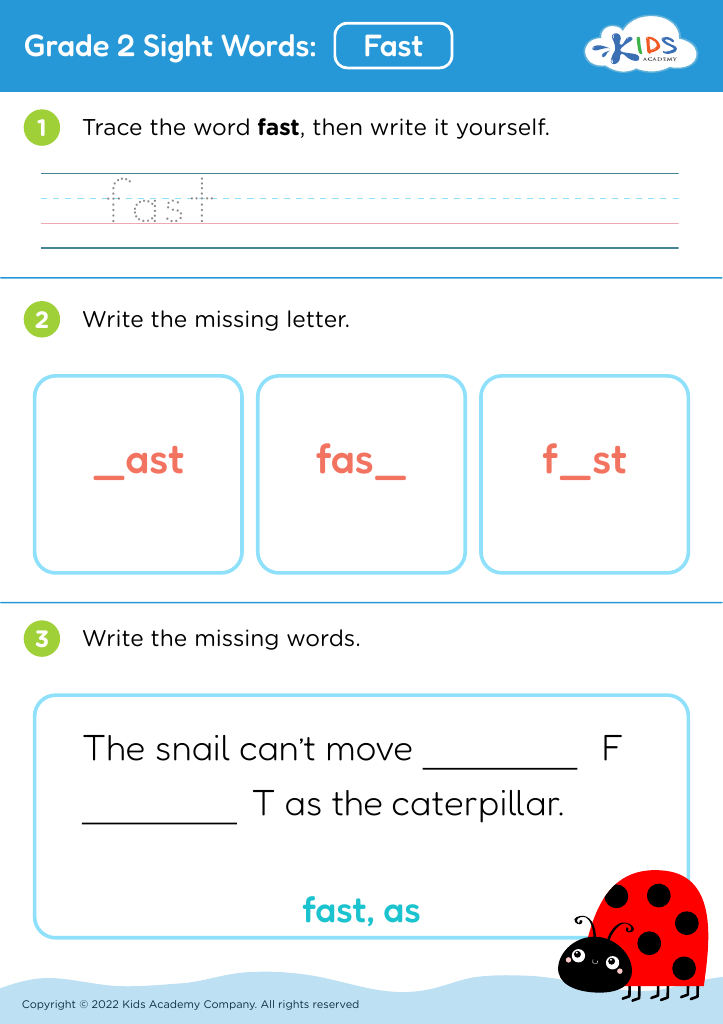
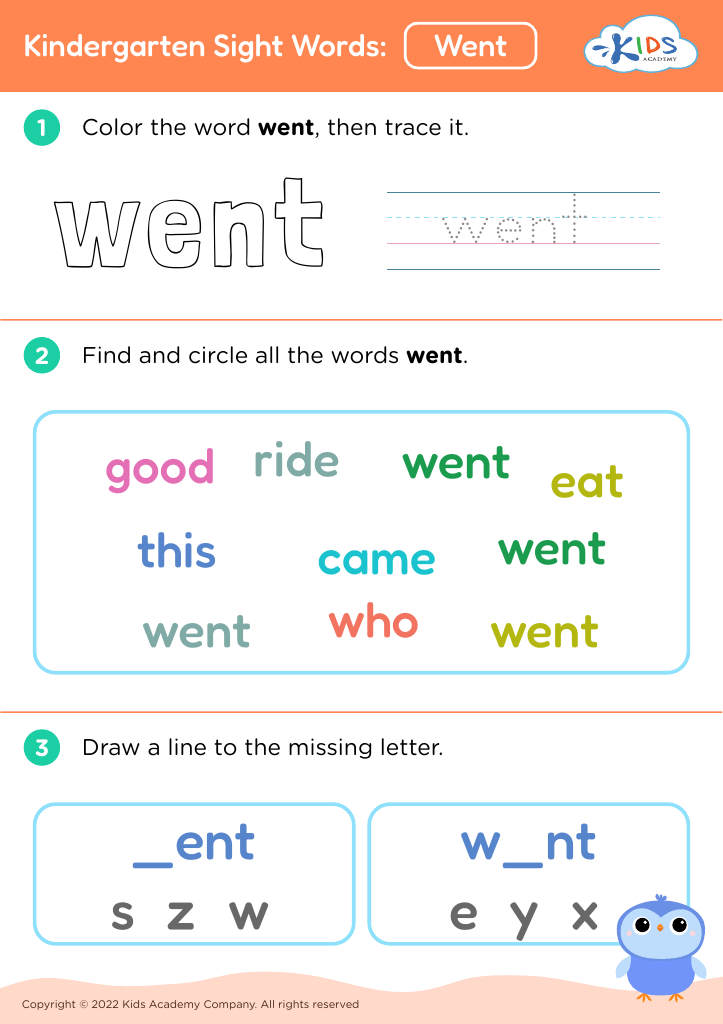
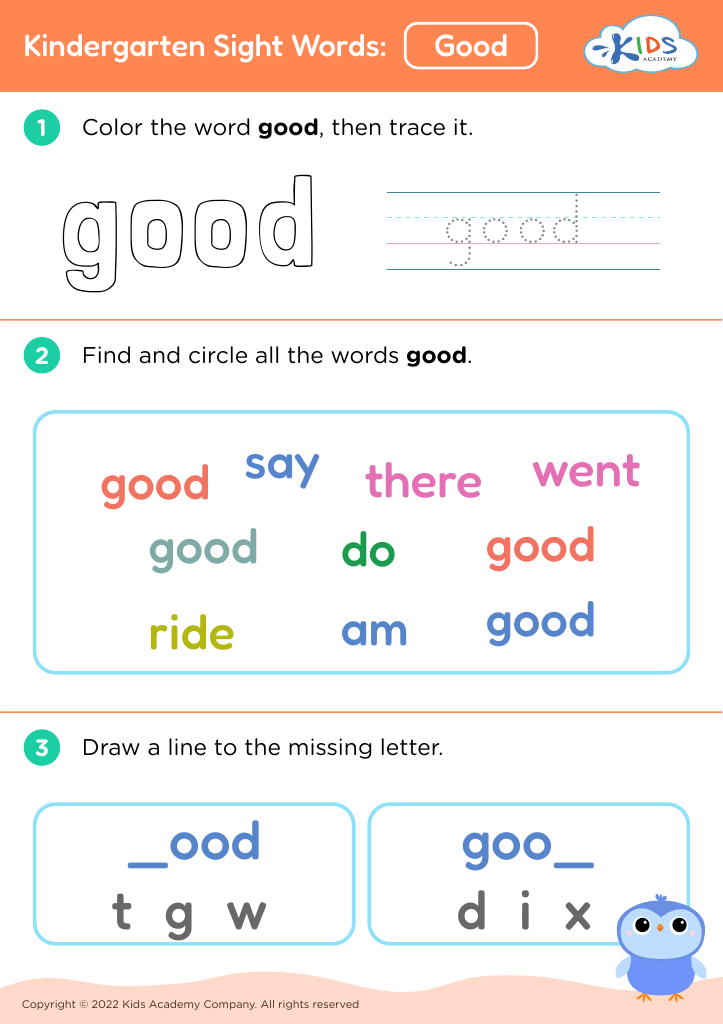
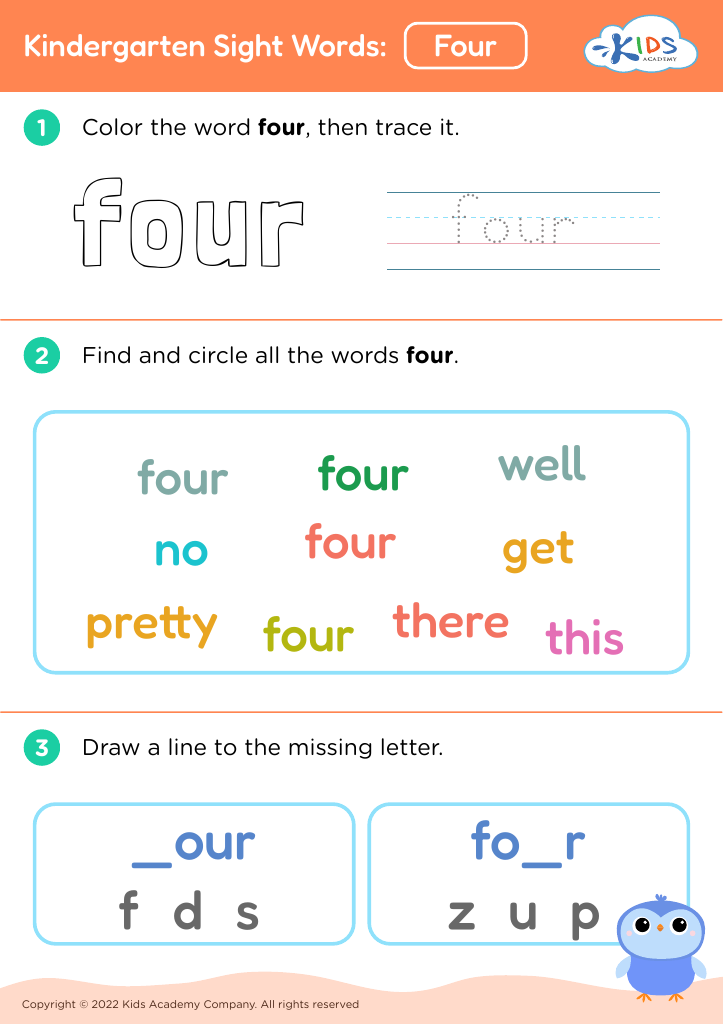








Parents and teachers should prioritize addition practice and vocabulary building for children aged 6-8 because these foundational skills are crucial for academic success and cognitive development. At this age, children are in a critical phase of enhancing their mathematical understanding and linguistic capabilities.
Addition practice helps children develop numerical fluency, which is essential for more complex math concepts they will encounter later. Regular practice not only reinforces understanding but also builds confidence in their mathematical abilities. Additionally, a strong grasp of vocabulary related to mathematics, such as "sum," "plus," and "addend," enables children to comprehend instructions, word problems, and discussions around math.
Moreover, integrating vocabulary building with addition practice encourages holistic learning. It nurtures critical thinking and enhances communication skills, vital for sharing ideas and collaborating with peers. Furthermore, a strong vocabulary supports literacy development, creating a bridge between math and language arts.
Fostering both mathematical fluency and vocabulary enhances cognitive processing and encourages a lifelong love for learning. Ultimately, parents and teachers serve as vital support systems to guide children through this pivotal stage, equipping them with vital skills for future academic pursuits.








