Addition skills Reading Worksheets for Ages 6-8
3 filtered results
-
From - To
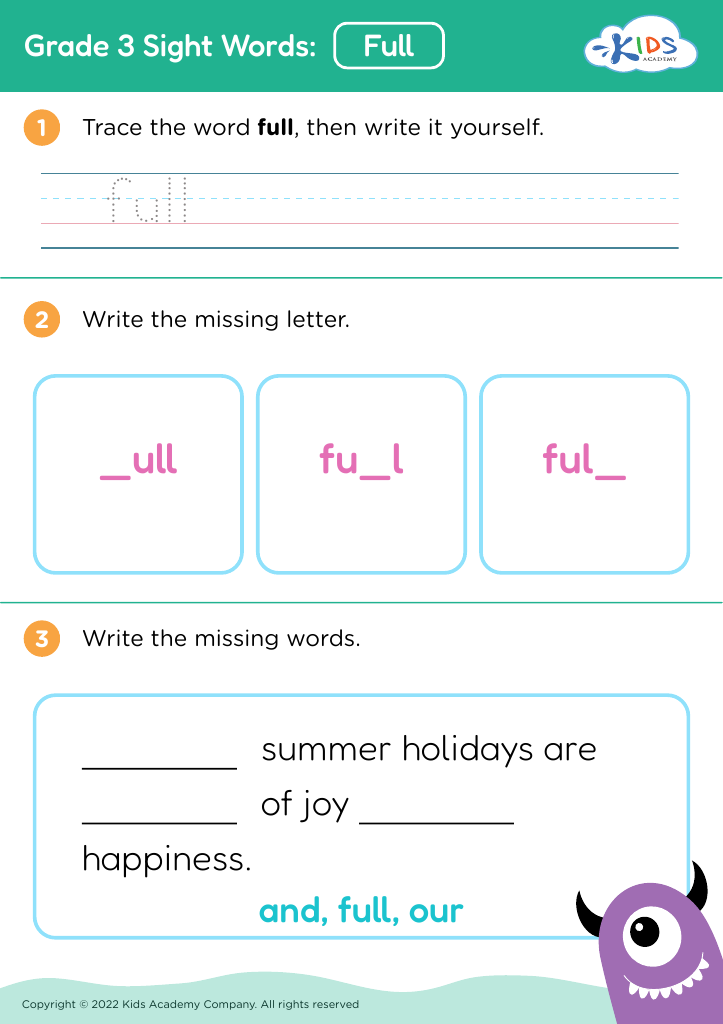
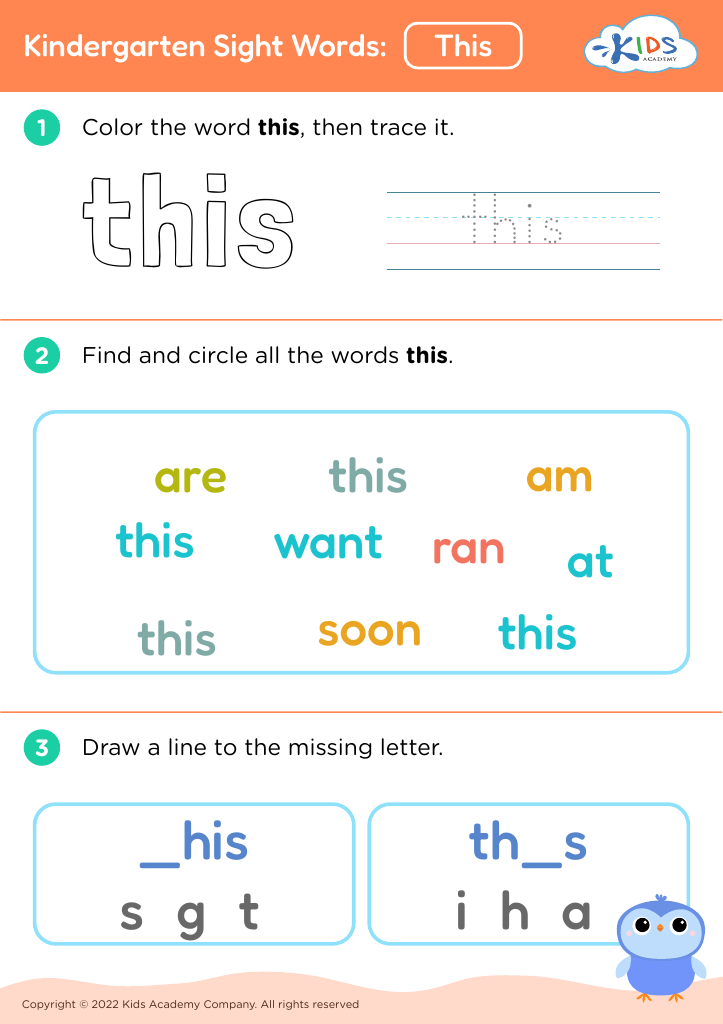
Enhance your child's reading and math abilities with our "Addition Skills Reading Worksheets" designed for ages 6-8. These engaging resources aim to make learning fun by integrating addition practice with reading comprehension. Each worksheet encourages kids to solve addition problems while reading relevant contexts, enhancing their critical thinking and analytical skills. Tailored to meet early learning standards, our worksheets support young learners in refining both their mathematical concepts and reading proficiency. With colorful visuals and interactive activities, children will enjoy mastering addition skills, setting a strong foundation for future success. Explore our collection today to support your child's educational journey!
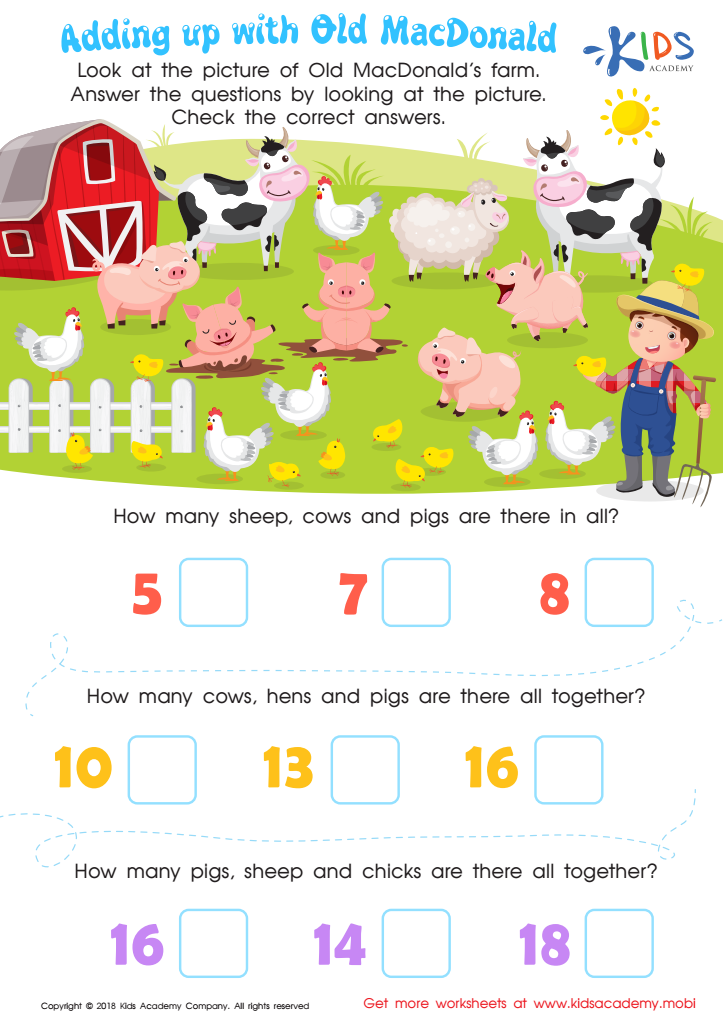
Adding Up with Old MacDonald Worksheet
 Assign to My Students


.jpg)





Parents and teachers should care about addition skills for children ages 6-8 because these foundational math abilities directly impact children's overall academic success and cognitive development. At this age, children are forming essential cognitive and critical thinking skills that will support their learning in math and various subjects. Mastering basic addition not only boosts their confidence but also creates a solid base for more complex concepts like subtraction, multiplication, and problem-solving.
Additionally, improving addition skills helps children develop a sense of number sense, allowing them to recognize patterns, reason logically, and make connections between different mathematical operations. This is crucial as they encounter real-world applications of math in daily life, such as budgeting allowances or measuring ingredients for cooking.
Socially, strong addition skills can enhance classroom participation, fostering collaboration and teamwork during group activities. It also minimizes math anxiety, empowering students to approach challenges fearlessly. Both parents and teachers play vital roles in creating engaging and supportive learning environments, helping children understand the relevance of addition in their lives. In short, nurturing addition skills from ages 6-8 establishes a strong mathematical foundation that enables lifelong learning and equips children for future educational challenges.








