Color Identification Reading Worksheets for Ages 6-8
11 filtered results
-
From - To
Discover our Color Identification Reading Worksheets designed specifically for children ages 6-8! These engaging worksheets aim to enhance your child’s reading skills while helping them recognize and understand colors. Perfect for home or classroom use, the activities encourage young learners to identify different colors through fun, interactive exercises. With a variety of activities that include matching, coloring, and reading comprehension, your child will build essential vocabulary and reading confidence. Encourage a love for learning as they explore colorful illustrations and concepts. Help your child thrive in early literacy with our easy-to-use, printable resources today!
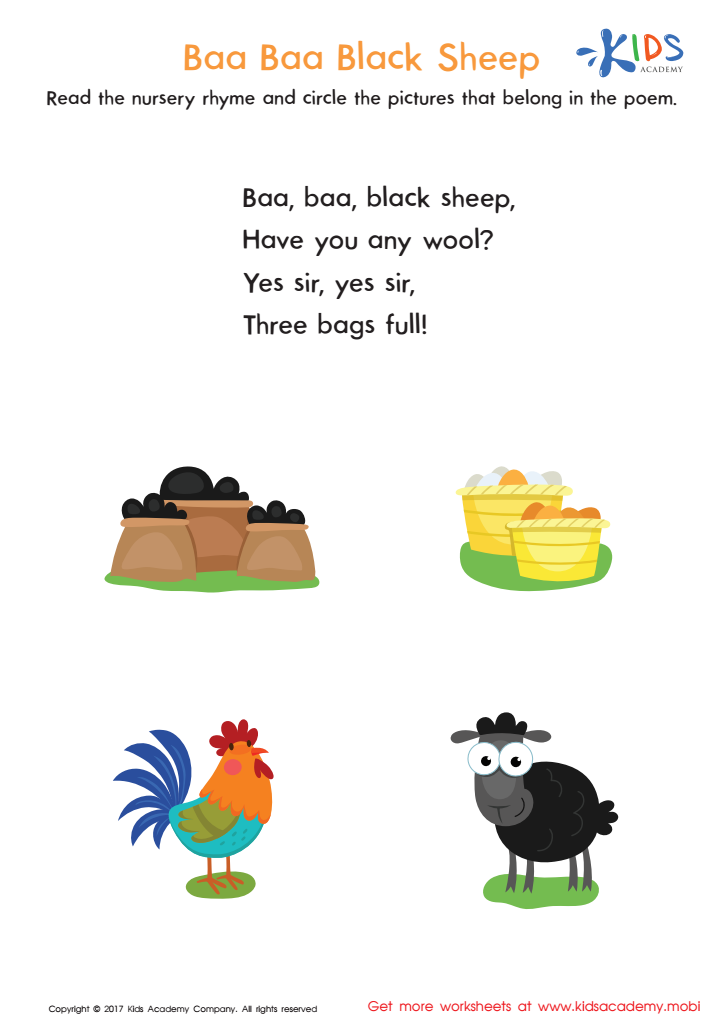
Baa Baa Black Sheep Printable
 Assign to My Students
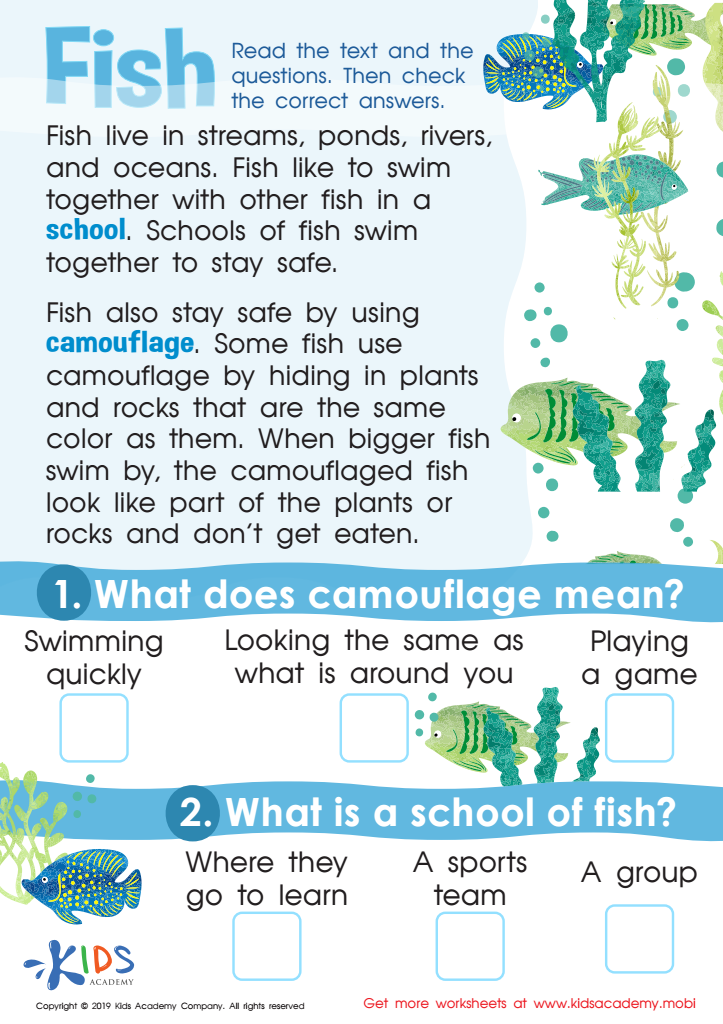
Fish Worksheet
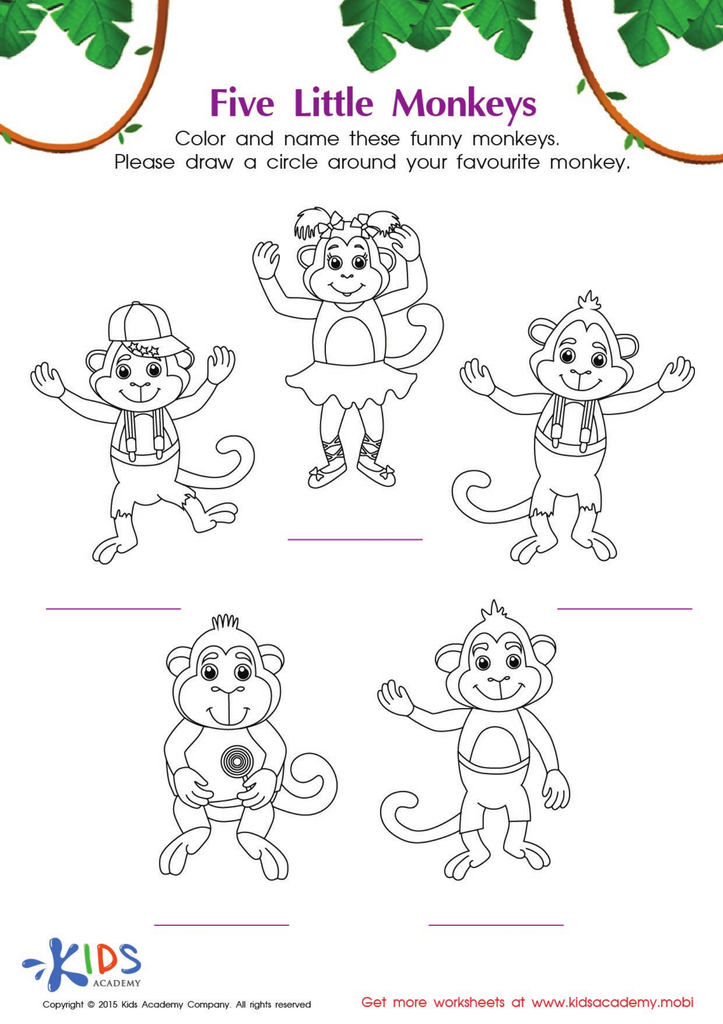
The Five Little Monkeys Coloring Worksheet
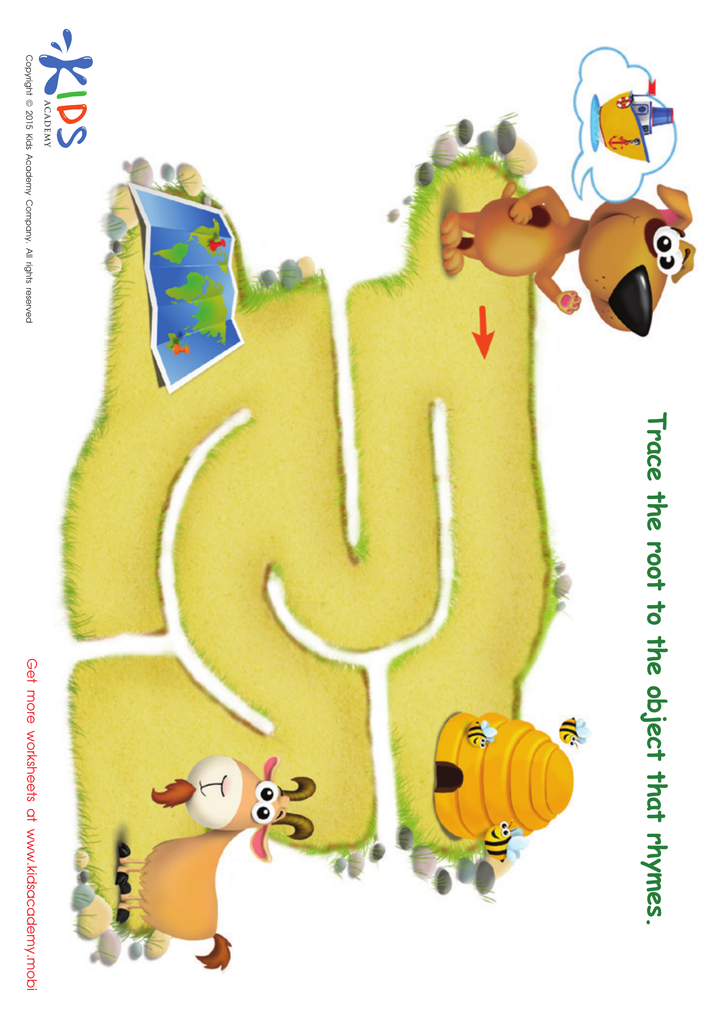
Boat Rhyming Words Worksheet
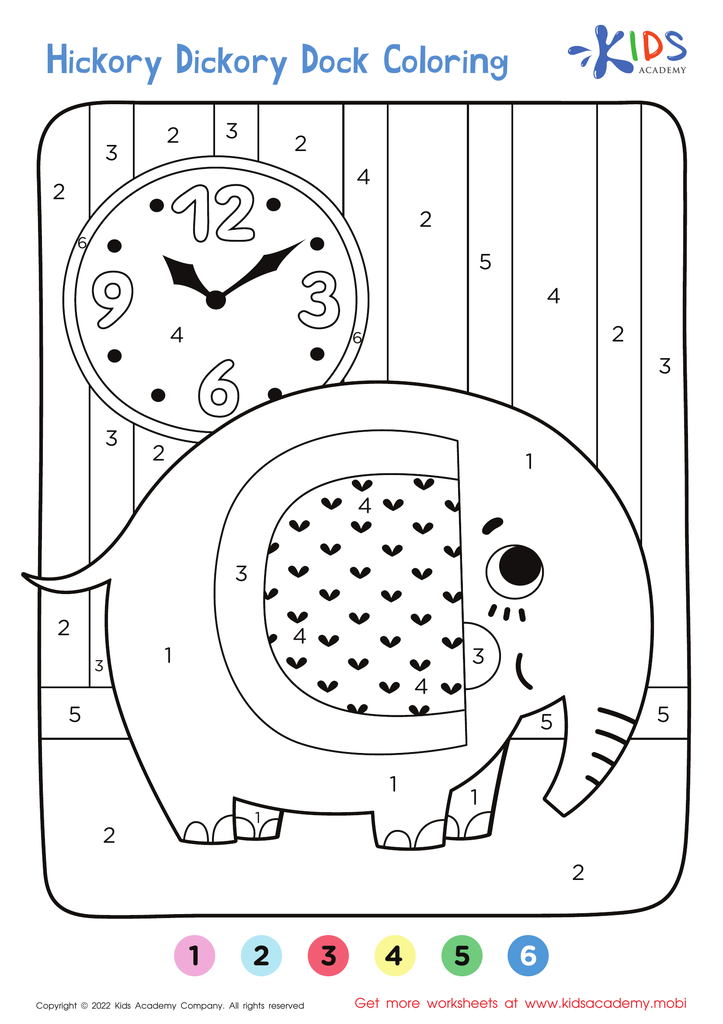
Hickory Dickory Dock – Coloring by Numbers
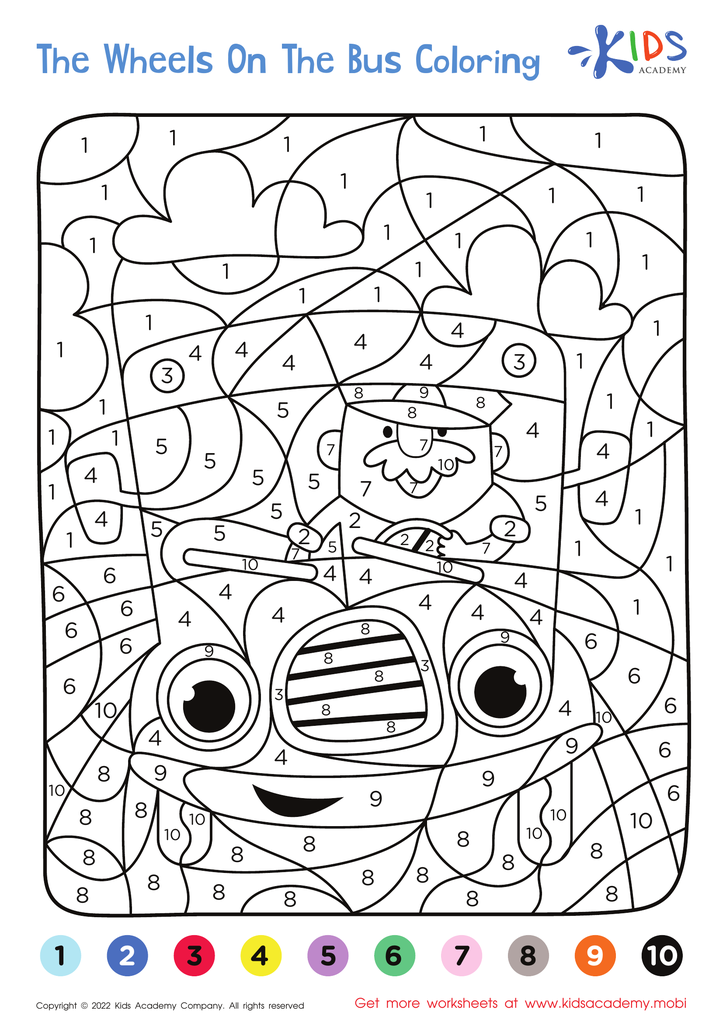
Wheels on the Bus – Coloring by Numbers
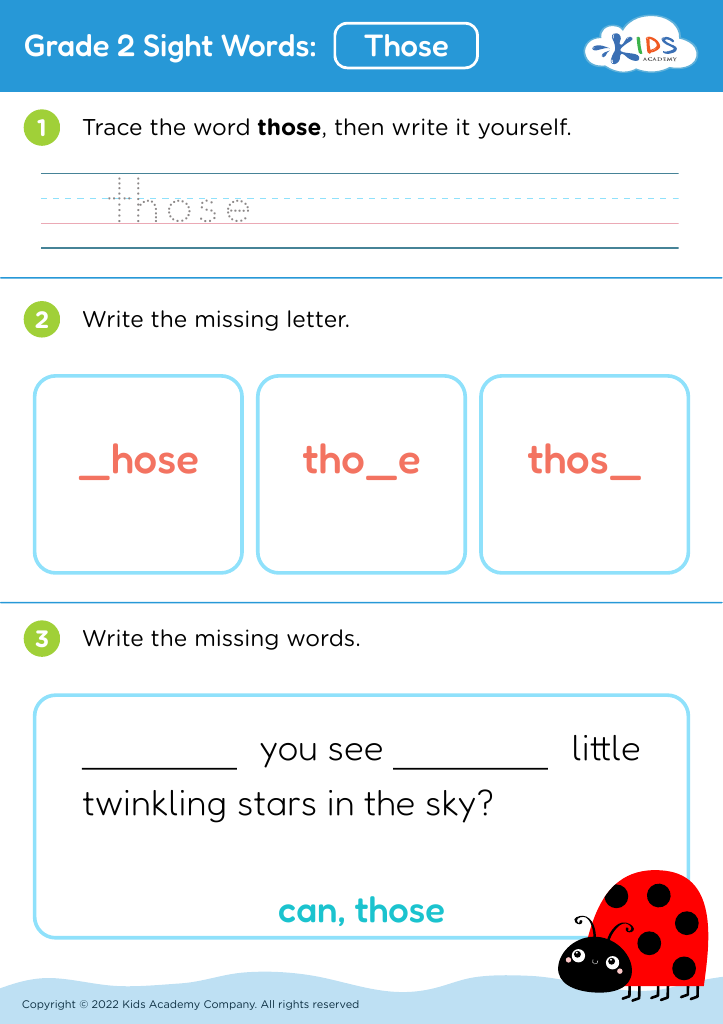
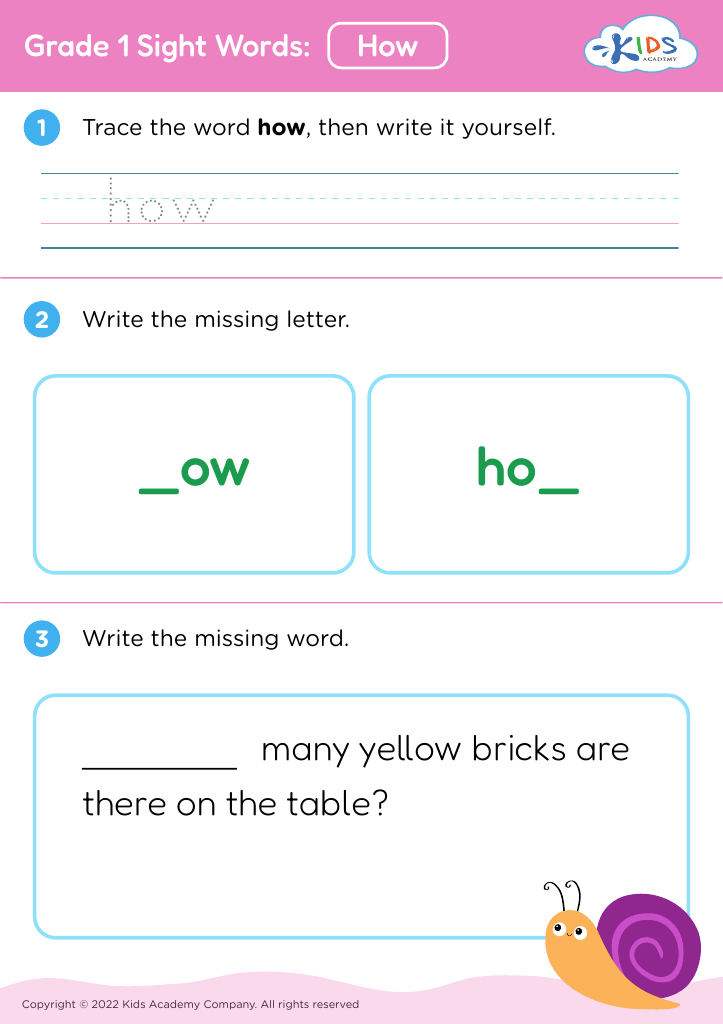
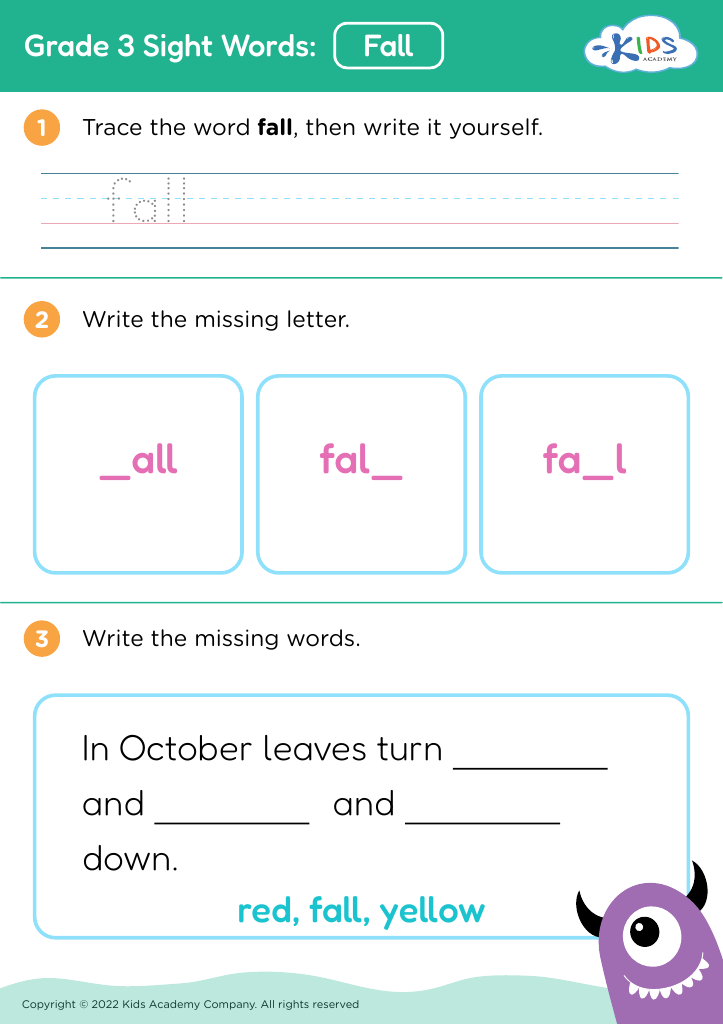
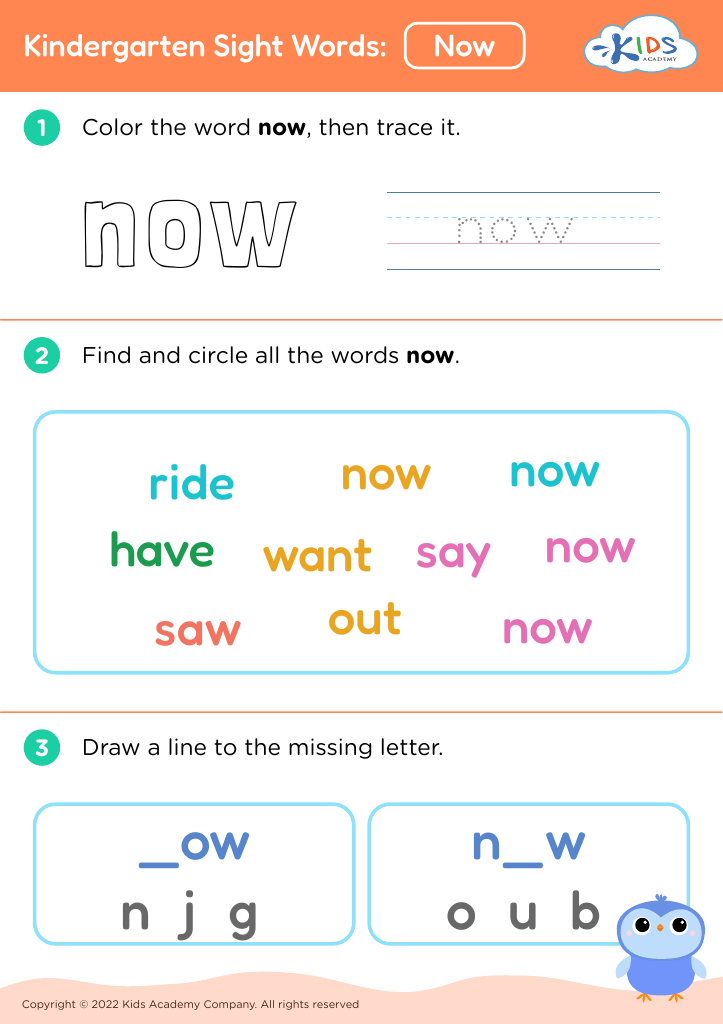
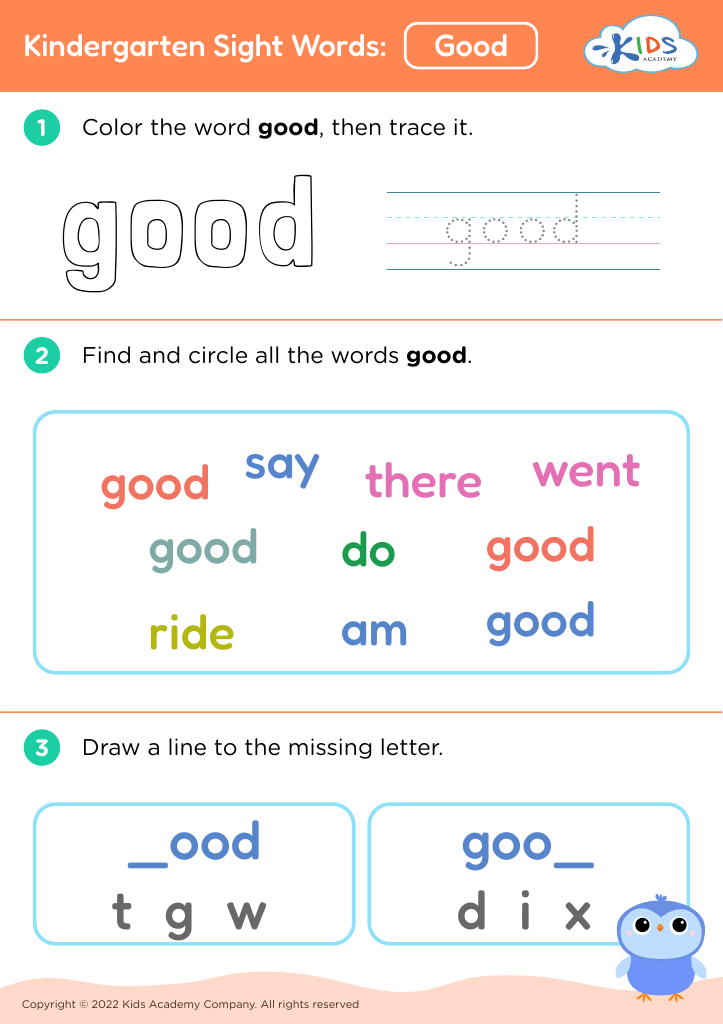





.jpg)


Color Identification is a crucial aspect of early childhood education for ages 6-8, as it serves as a foundational skill that supports overall cognitive development and literacy. First, recognizing colors enhances a child's observational skills and understanding of the world around them, which is essential for forming concepts in various subjects, including art and science.
Additionally, color identification plays a significant role in reading and language development. When children learn to associate colors with words, pictures, and emotions, they enhance their vocabulary and comprehension skills. This early exposure helps in reading fluency, making it easier for children to engage with texts and comprehend the narrative or information being presented.
Furthermore, teachers and parents should care about color identification as it aids in fostering creativity and self-expression. Activities involving colors, like drawing or crafting, encourage imaginative thinking while building fine motor skills. Engaging with colors can also promote social interaction, as children often work in groups or pairs when participating in related activities, encouraging teamwork and communication.
Ultimately, by prioritizing color identification, parents and teachers create an enriching environment that promotes cognitive, emotional, and social development, setting the stage for more complex learning in later stages.








