Color recognition Reading Worksheets for Ages 6-8 - Page 2
28 filtered results
-
From - To
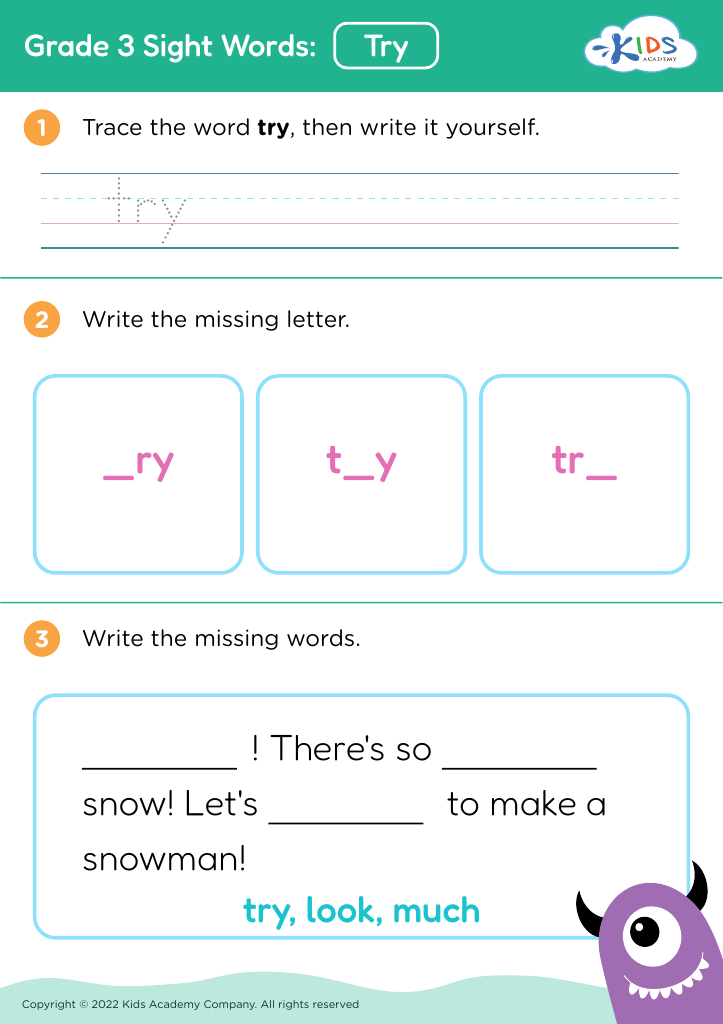
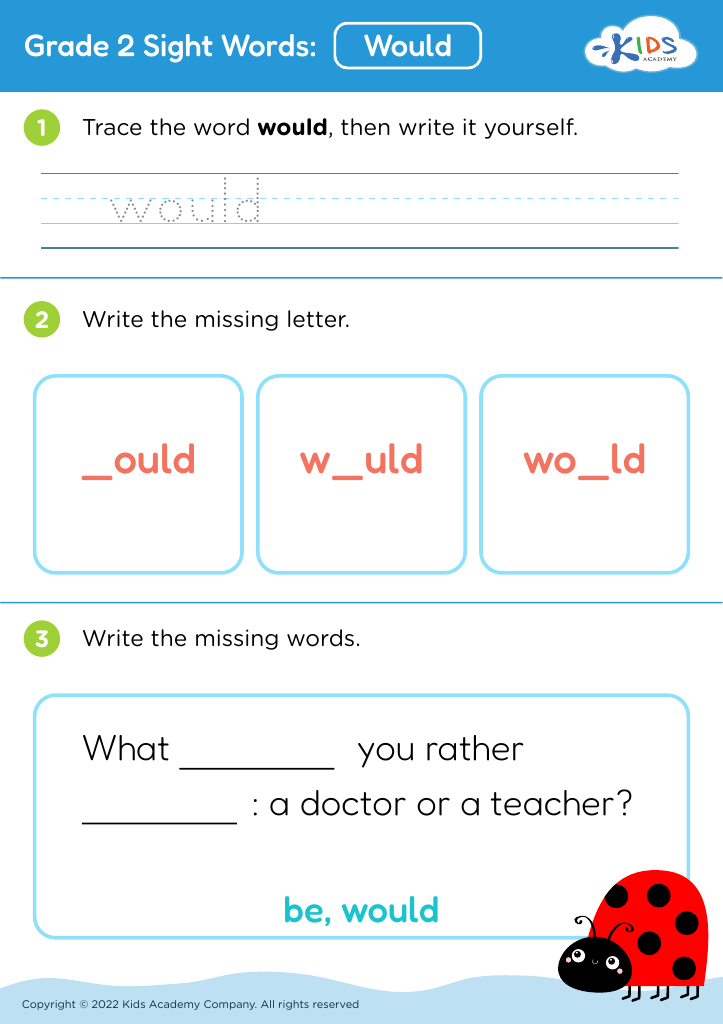
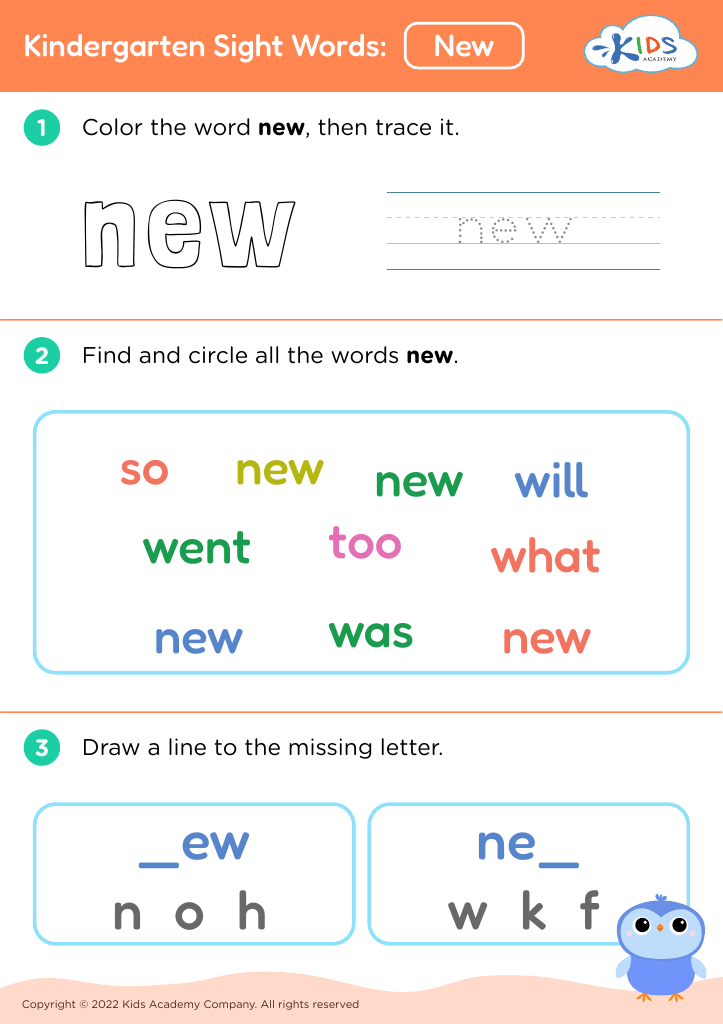
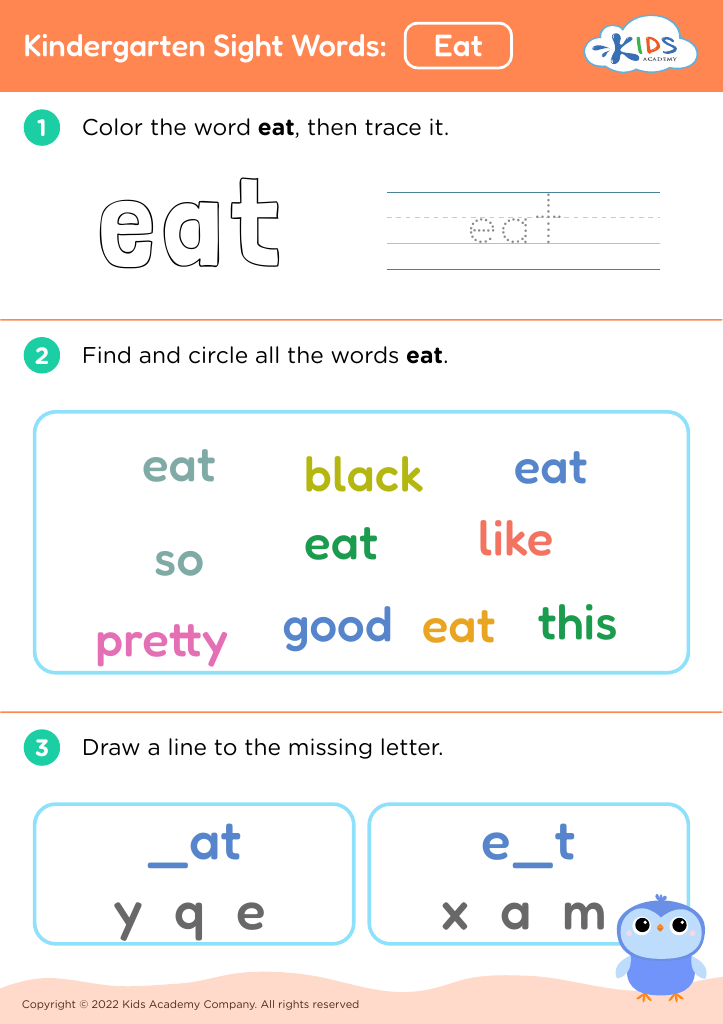



.jpg)


Color recognition is a foundational skill that serves as a critical building block for early literacy development in children aged 6-8. For parents and teachers, understanding the importance of color recognition can enhance educational strategies and foster a richer learning environment.
Firstly, color recognition aids in language development. As children learn to identify and name colors, they expand their vocabulary and improve their descriptive skills, enhancing their overall communication abilities. Furthermore, associating colors with letters and words can lead to more effective reading strategies. For instance, vibrant illustrations in children's books often use colors to convey emotions or themes, encouraging young readers to make connections between what they see and what they read.
Secondly, color recognition supports cognitive skills, including memory and categorization. Children use colors to group objects, labels, and scenes, thereby improving their ability to recall and organize information. This skill is especially beneficial when they learn to categorize words by their initial sounds or phonetic patterns.
In summary, emphasizing color recognition helps foster literacy, expand vocabulary, and enhance cognitive development, making it an essential focus for parents and teachers in nurturing proficient readers at this crucial developmental stage.








