Filters

58 filtered results

Clear all filters
Favorites
With answer key
Interactive

58 filtered results

Difficulty Level

Grade


Check out this FREE Trial Lesson on Reading for age 6-8!

Answer Questions About Key Details in a Story

Favorites
With answer key
Interactive
  • 6-8
  • Critical Thinking
  • Reading
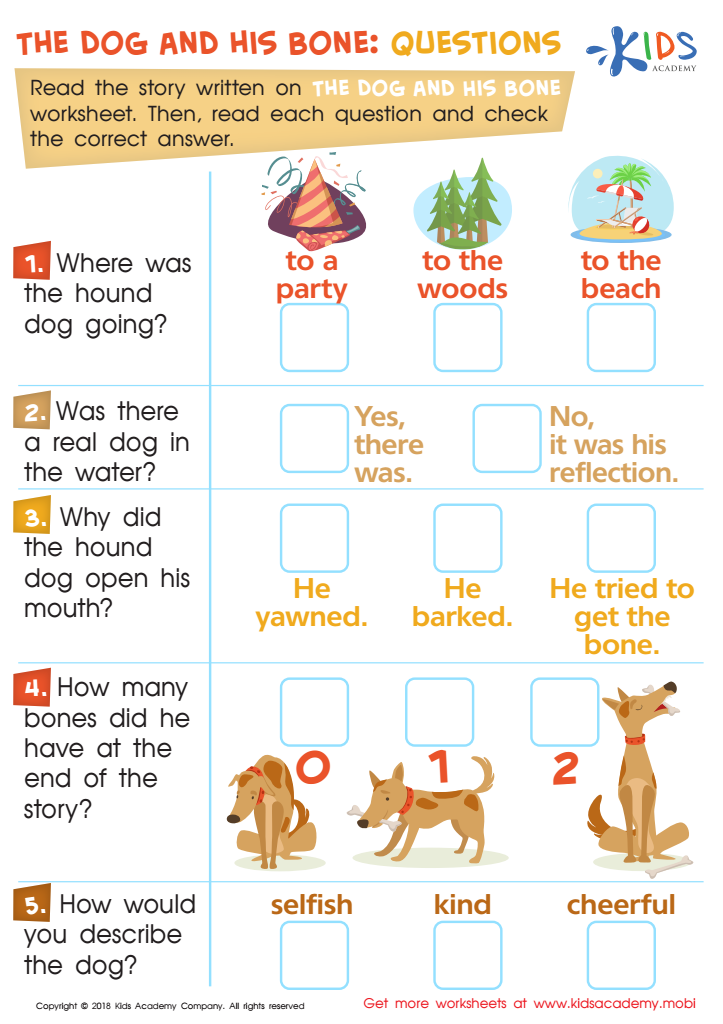
The Dog and His Bone: Questions Worksheet

The Dog and His Bone: Questions Worksheet

Read the story of The Dog and His Bone to your child and help them understand it. Have them read it aloud if possible. Then, read the five questions on the worksheet and guide them to select the correct answers.
The Dog and His Bone: Questions Worksheet
Worksheet
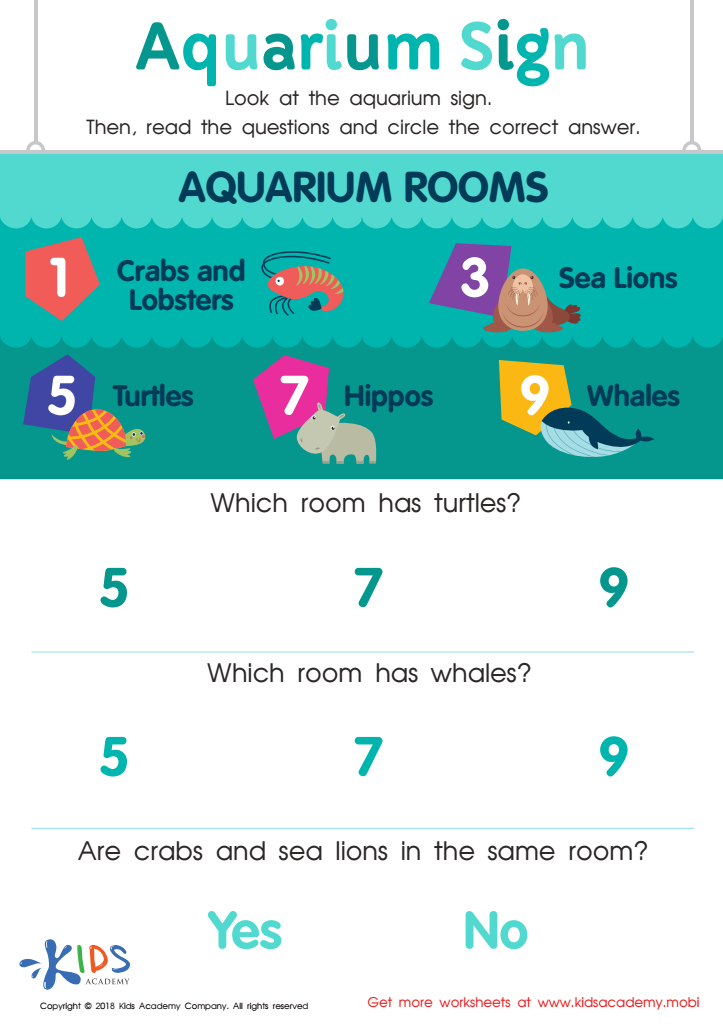
Assessment: Aquarium Sign Worksheet

Assessment: Aquarium Sign Worksheet

Take your kids to an aquarium and marvel at the sea creatures! Help them identify the animals they see, and ask them which one is their favorite. Look at the aquarium sign and point to each creature. Ask your kids the questions and help them circle the right answer.
Assessment: Aquarium Sign Worksheet
Worksheet
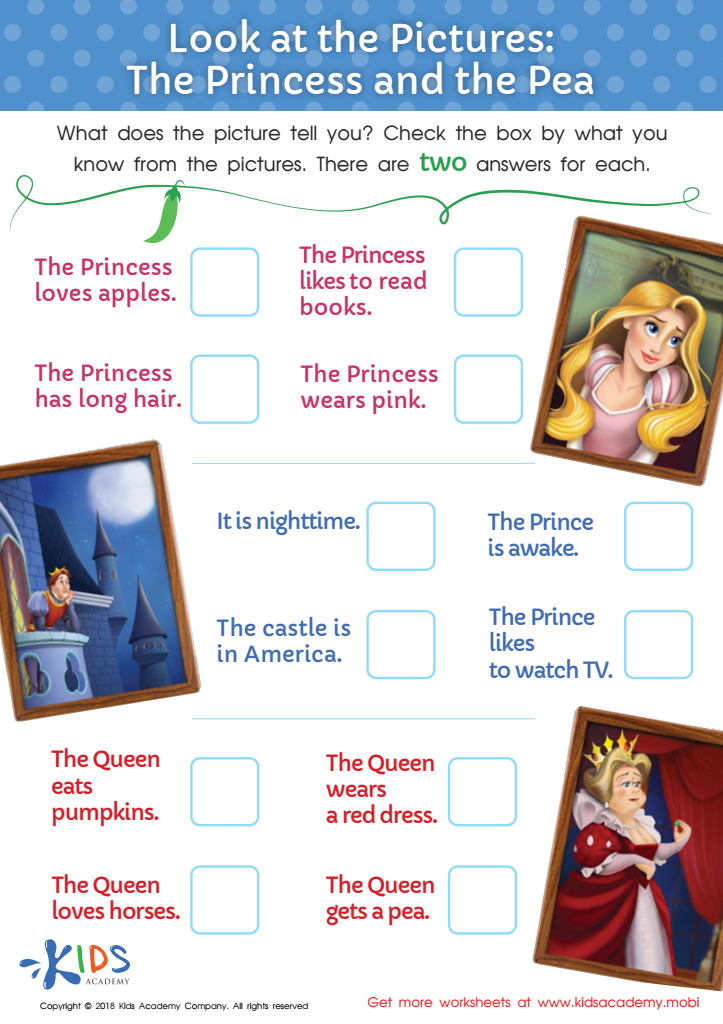
Look at the Pictures: The Princess and the Pea Worksheet
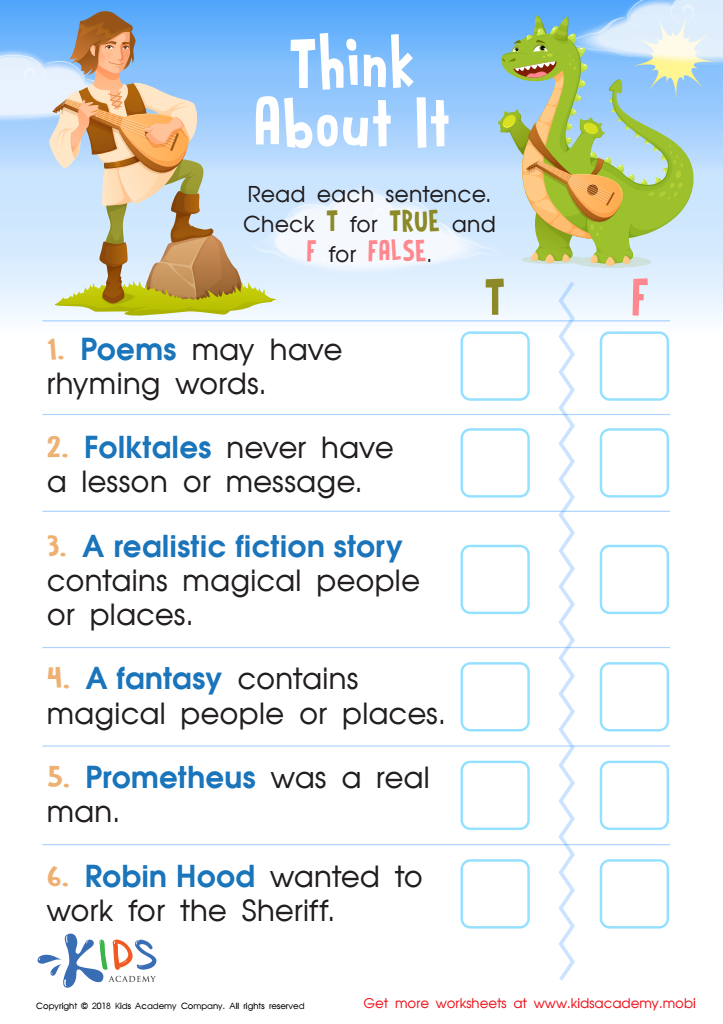

Look at the Pictures: The Princess and the Pea Worksheet

Early readers can benefit from picture clues to understand stories and text. Looking at images helps them learn the meaning of words and comprehend events. Use this worksheet on The Princess and the Pea to let students observe and learn from the pictures. It's a great way to help them comprehend early reading materials.
Look at the Pictures: The Princess and the Pea Worksheet
Worksheet
Think About It: Assessment Worksheet
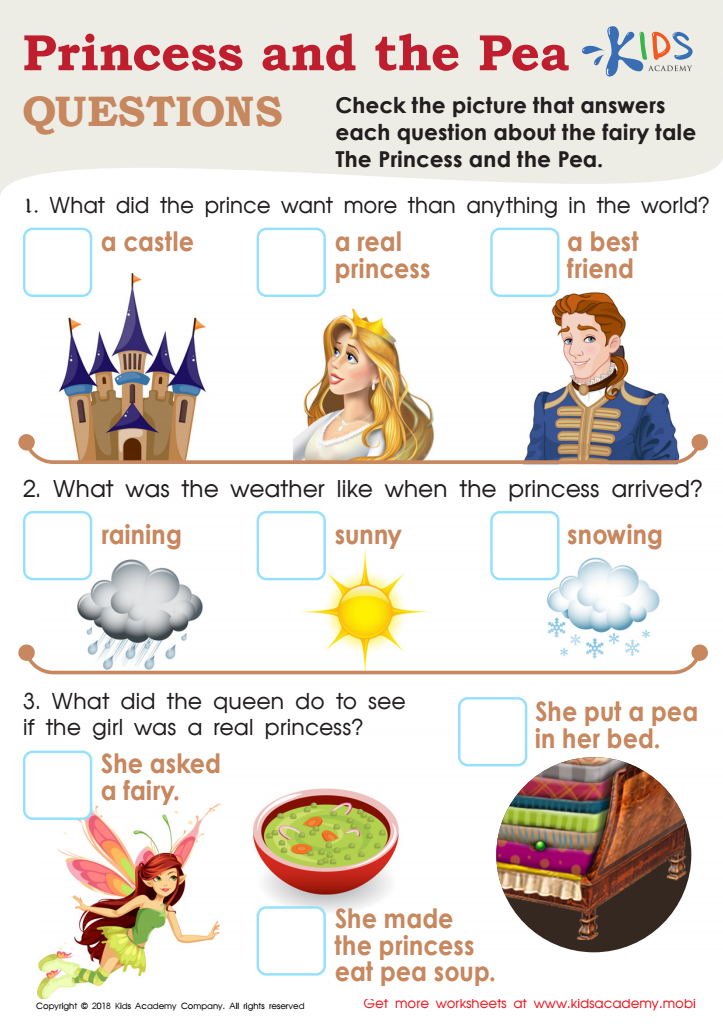

Think About It: Assessment Worksheet

Reading is a fun and important way to learn. Help your students become better readers with this simple yet colorful worksheet. Read each sentence aloud, then have them read it by themselves. Ask them to check T for True and F for False. It's a great way to practice their reading skills!
Think About It: Assessment Worksheet
Worksheet
Princess and the Pea Questions Worksheet
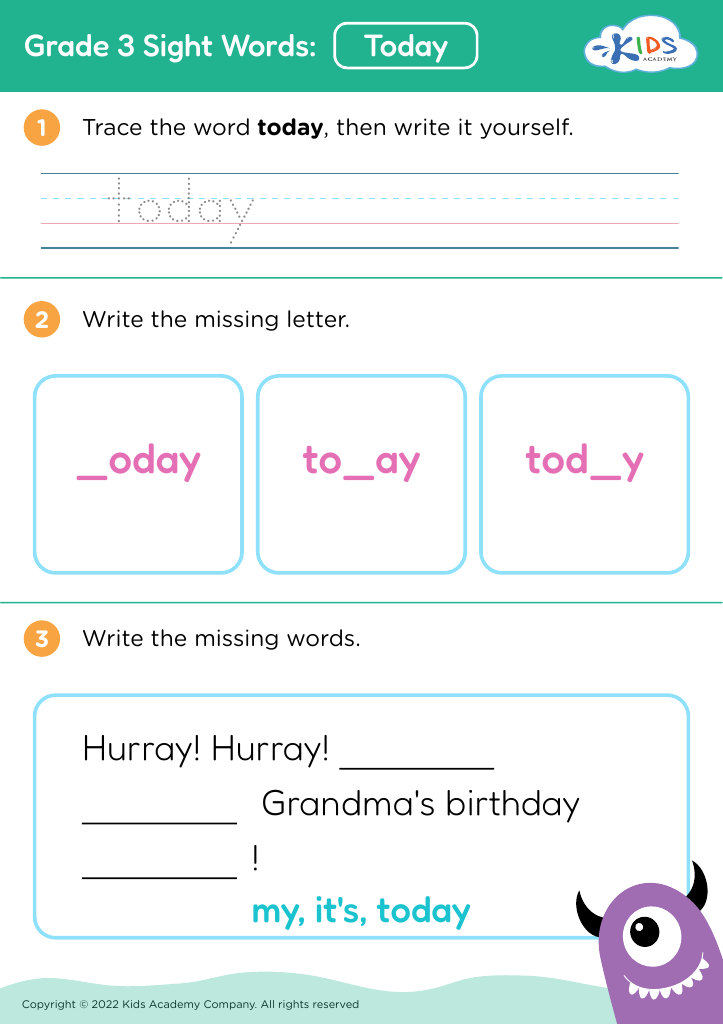
Princess and the Pea Questions Worksheet
Your kid knows The Princess and the Pea inside-out? Test their knowledge with this worksheet. Ask your little one to read the questions and match each one to the picture. It's a fun way to see just how much attention they've paid to their bedtime story.
Princess and the Pea Questions Worksheet
Worksheet
Grade 3 Sight Words: Today

Grade 3 Sight Words: Today

Grade 3 Sight Words: Today
Worksheet
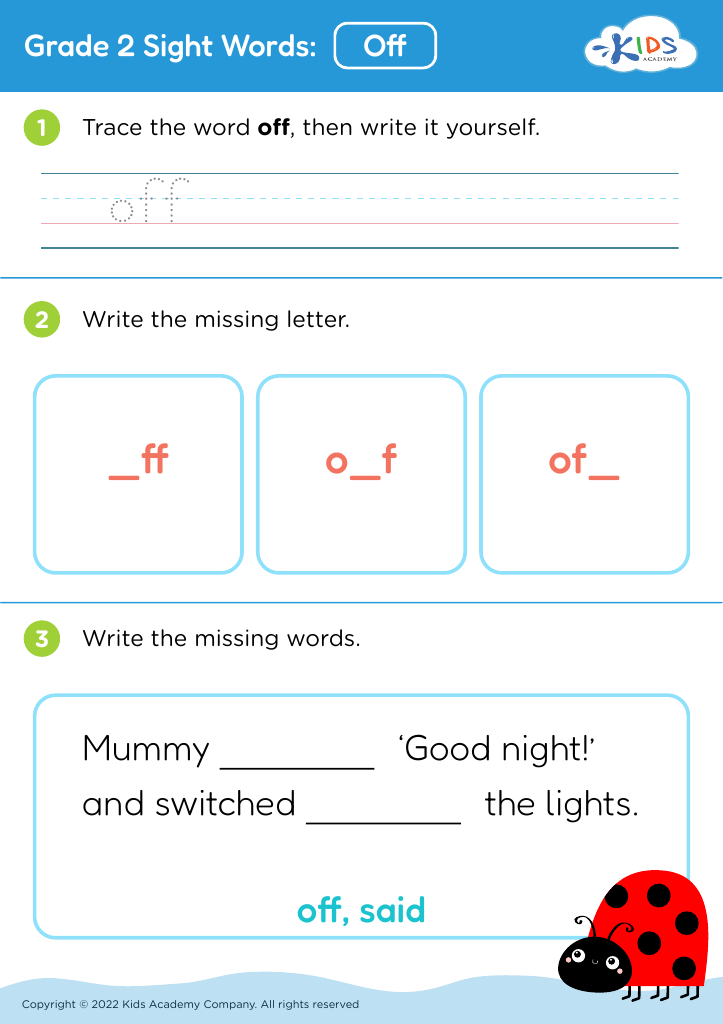
Grade 2 Sight Words: Off

Grade 2 Sight Words: Off

Grade 2 Sight Words: Off
Worksheet
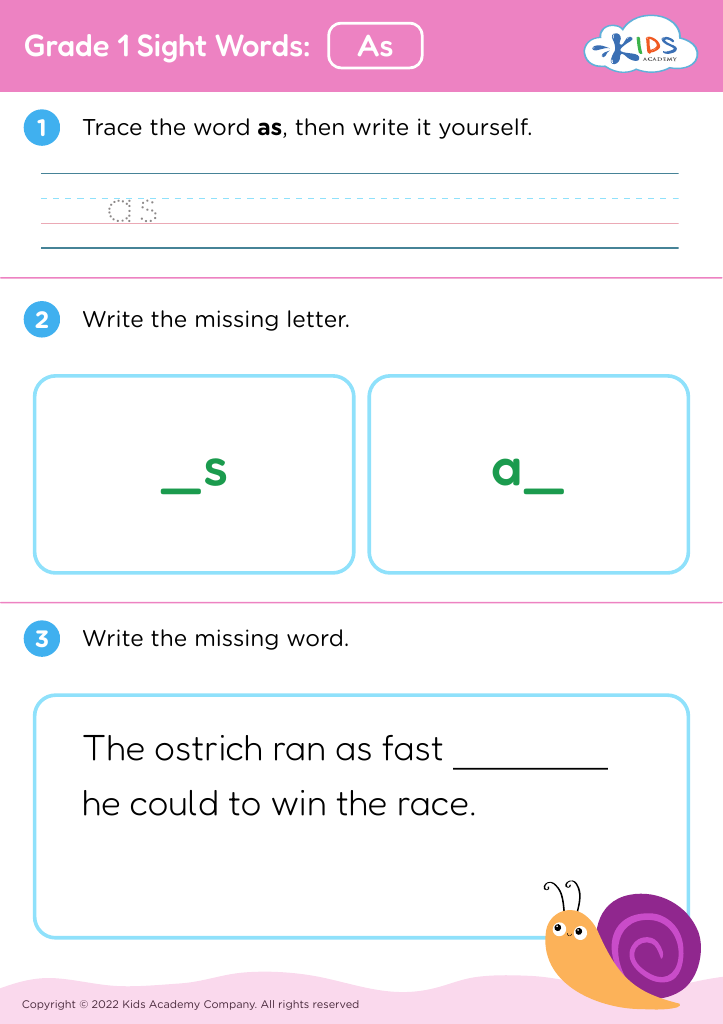
Grade 1 Sight Words: As

Grade 1 Sight Words: As

Grade 1 Sight Words: As
Worksheet
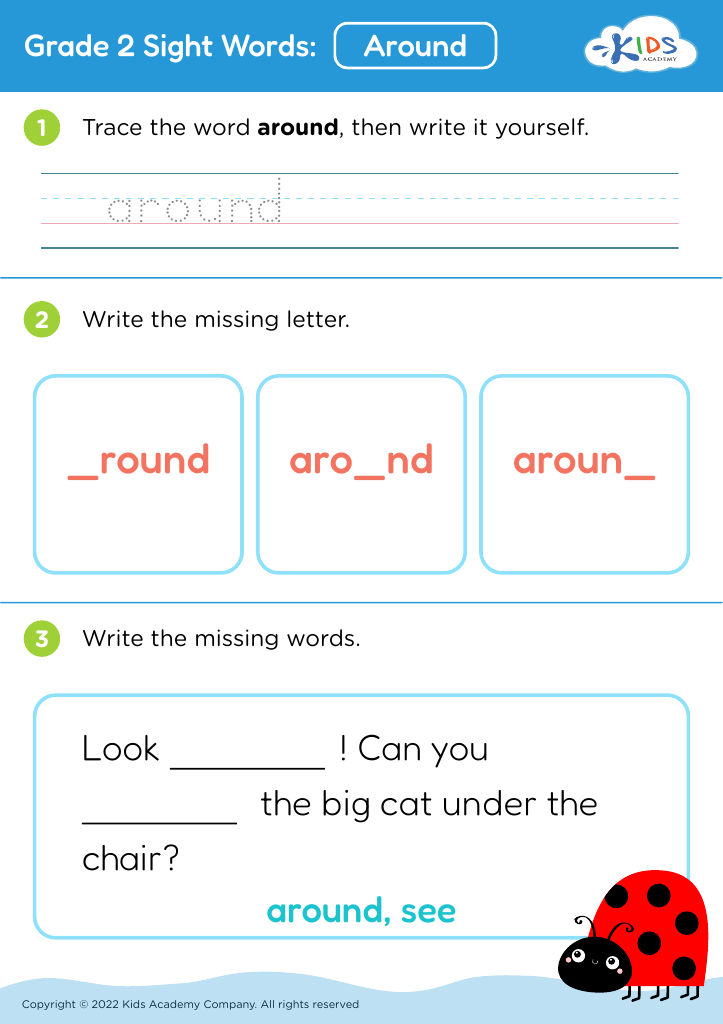
Grade 2 Sight Words: Around

Grade 2 Sight Words: Around

Grade 2 Sight Words: Around
Worksheet
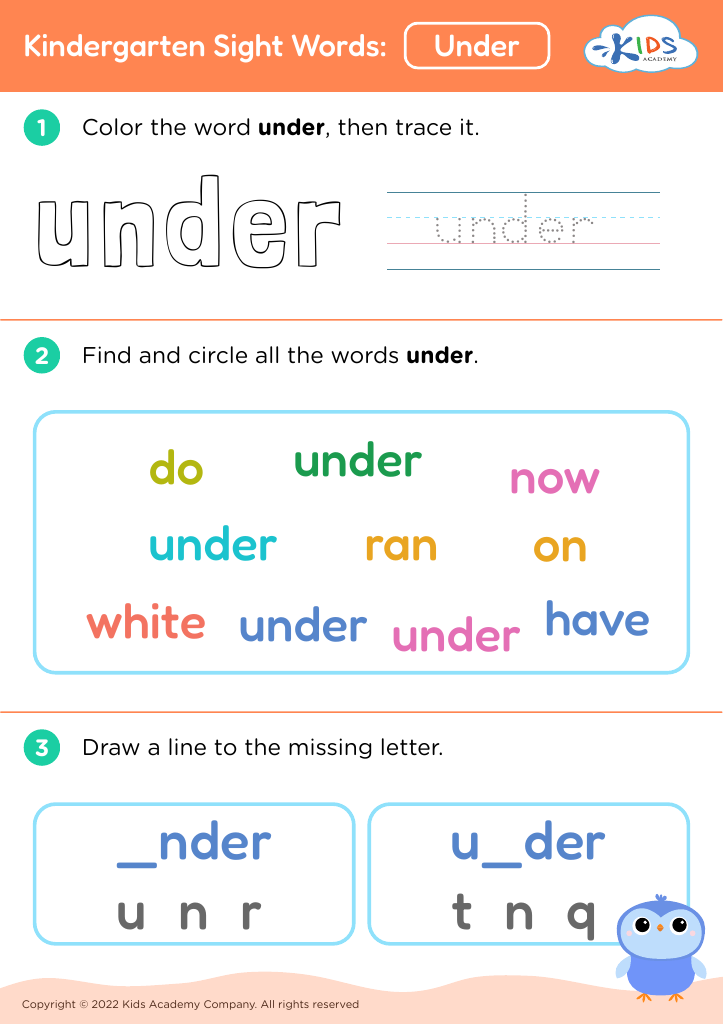
Kindergarten Sight Words: Under

Kindergarten Sight Words: Under

Kindergarten Sight Words: Under
Worksheet


... 2 3

Critical thinking reading is essential for children aged 6 to 8 for several reasons. At this developmental stage, children are transitioning from learning to read to reading to learn. Incorporating critical thinking skills into reading helps them not only to comprehend the text but also to evaluate, analyze, and synthesize information. This lays a strong foundation for lifelike problem-solving and decision-making.

Engaging in critical thinking reading encourages kids to ask questions, express their opinions, and make connections between the text and their own experiences. It fosters curiosity, helping them dive deeper into a story, understand characters’ motives, and recognize underlying themes. This practice not only enhances their comprehension abilities but also nurtures empathy and social understanding as they consider different perspectives.

Moreover, critical thinking reading equips children with tools they need in a rapidly changing world. As they learn to navigate diverse viewpoints and think independently, they develop confidence in their own voices. For parents and teachers, cultivating these skills is crucial, as it prepares children for academic success and helps them become informed, responsible citizens in an increasingly complex society. Emphasizing critical thinking at an early age shapes lifelong learners capable of contributing positively to their communities.