Improve vocabulary Reading Worksheets for Ages 6-8
5 filtered results
-
From - To
Enhance your child's vocabulary with our engaging reading worksheets designed specifically for ages 6-8! These thoughtfully crafted activities focus on key language skills, helping young learners expand their word knowledge in a fun and interactive way. Each worksheet features age-appropriate texts and exercises that encourage critical thinking and comprehension, fostering a love for reading. Ideal for home or classroom use, these resources ensure that children not only enjoy learning but also build a strong foundation in communication. Explore our collection today and watch your child thrive as they develop essential vocabulary skills for lifelong success!
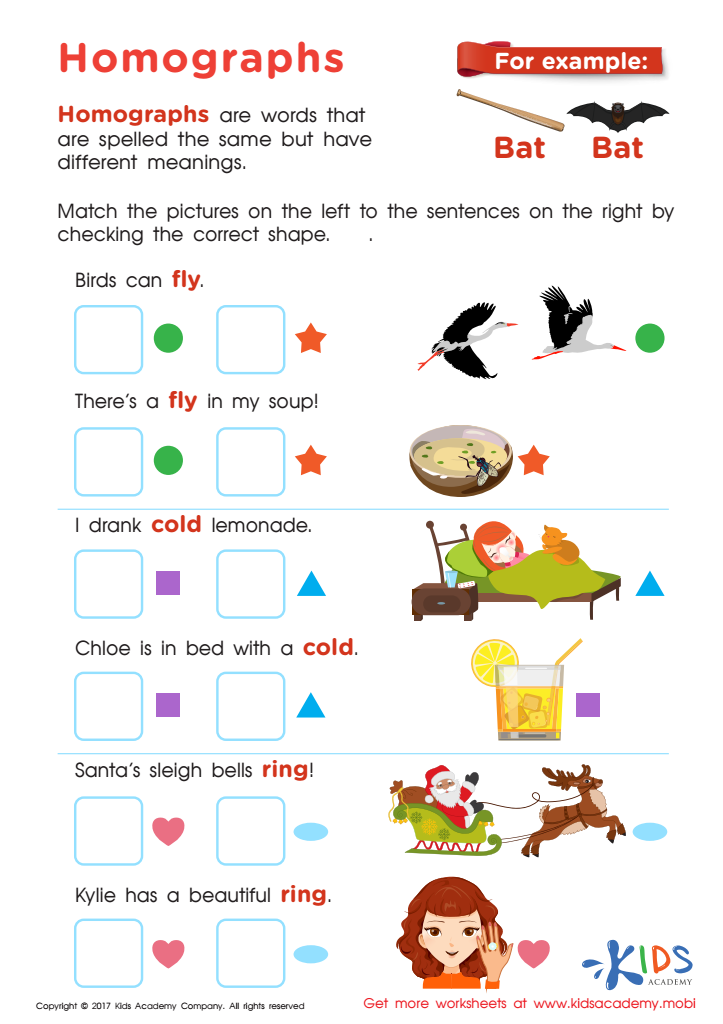
Homographs Free Printable Worksheet
 Assign to My Students
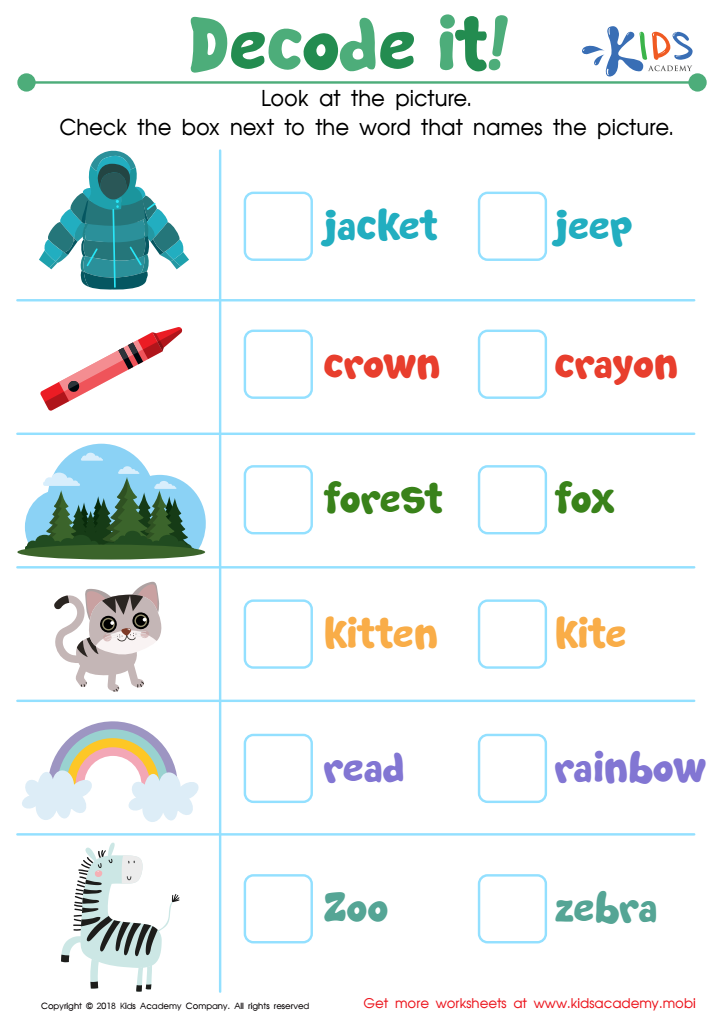
Reading: Decode It Worksheet
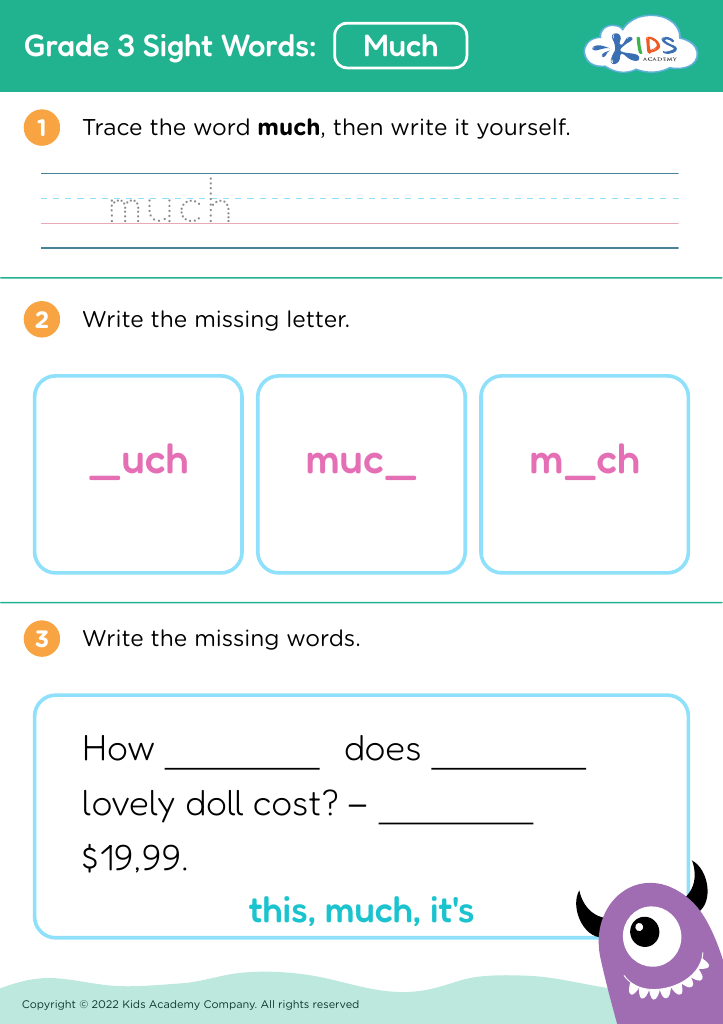
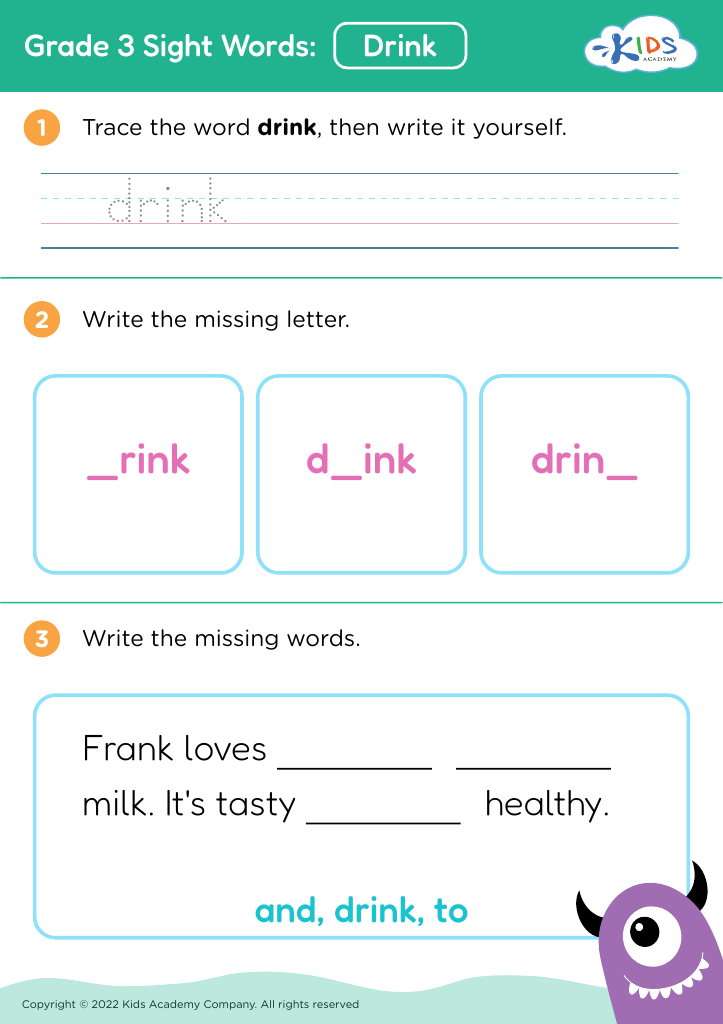
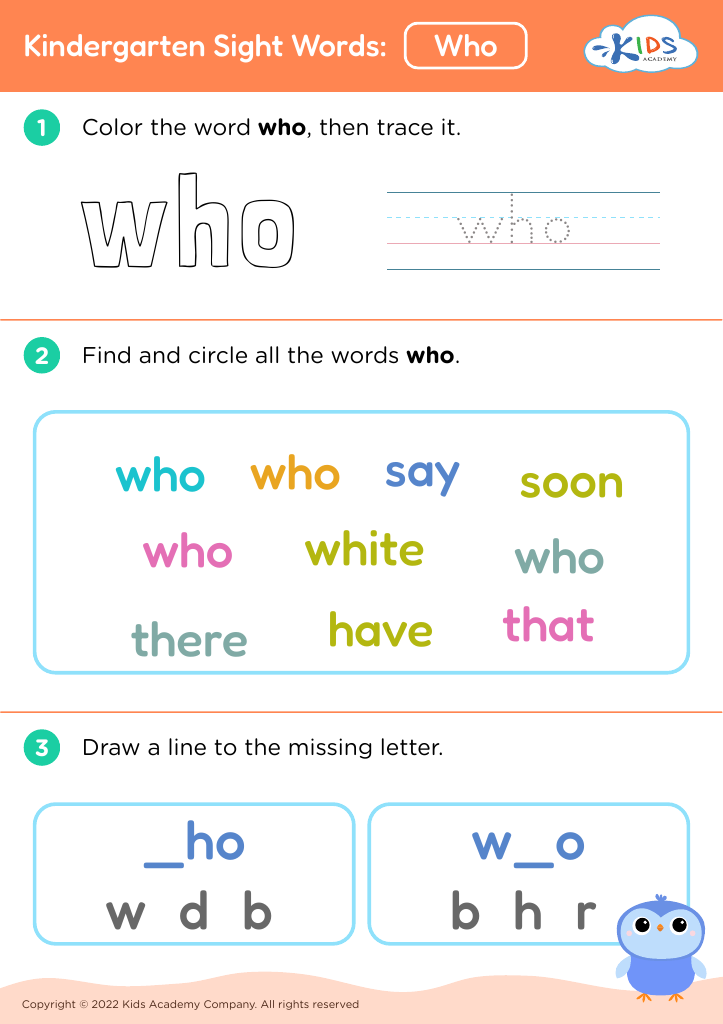





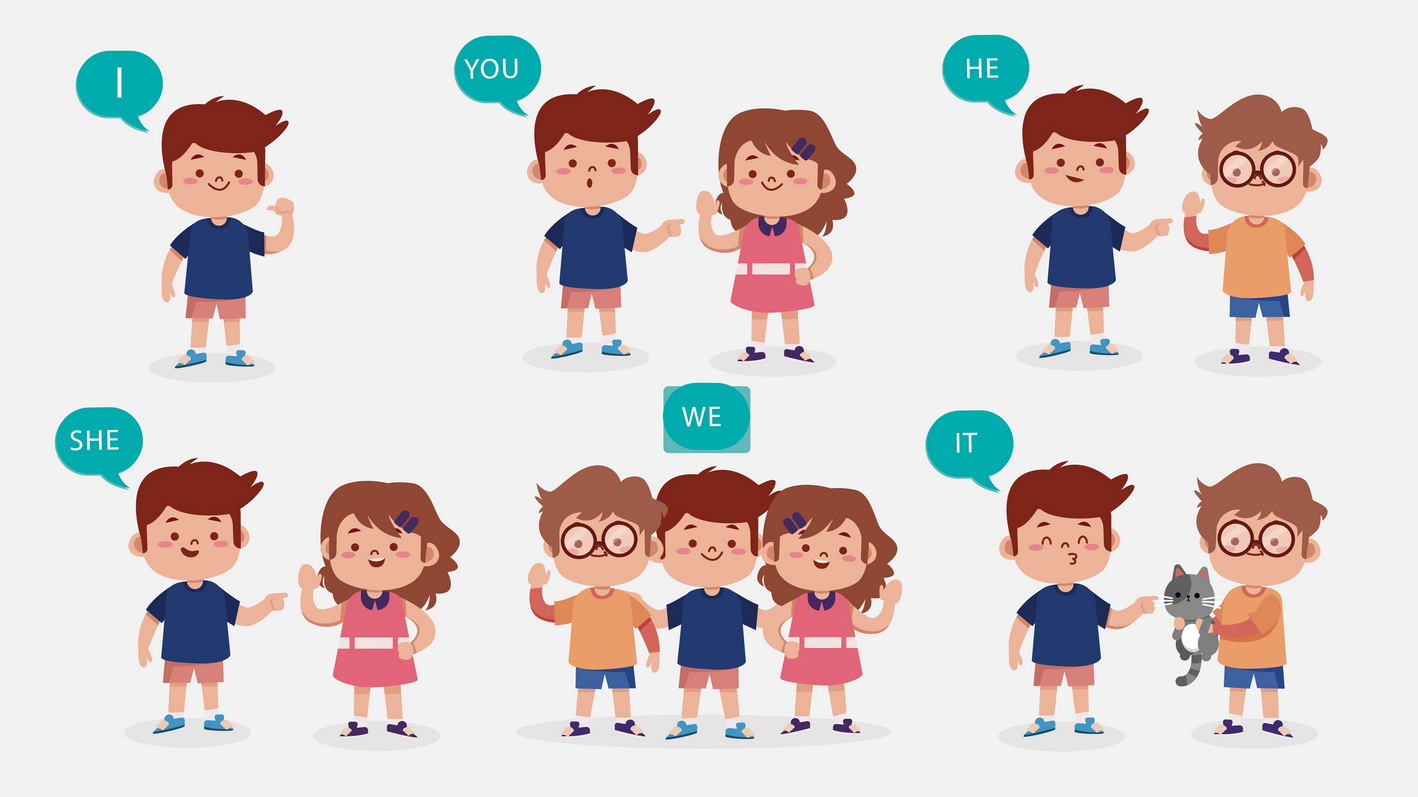


Improving vocabulary in children aged 6-8 is essential for their overall literacy development and academic success. During these formative years, children are rapidly expanding their language skills, which directly impacts their reading comprehension and communication abilities. A rich vocabulary helps children understand and interpret the texts they encounter, meaning they can better engage with stories, lessons, and informational content.
Furthermore, a strong vocabulary boosts children's confidence in expressing themselves, fostering a love for reading and learning. By regularly introducing new words, parents and teachers create a stimulating educational environment that encourages curiosity and exploration.
Enhanced vocabulary also supports critical thinking skills, as children learn to make connections between words and concepts, improving their ability to articulate ideas and ask questions. This foundational knowledge will prove invaluable as they progress through school and encounter increasingly complex material.
Finally, investing early in vocabulary development lays the groundwork for lifelong learning. The ability to express oneself clearly is essential for personal, social, and professional success. Therefore, both parents and teachers play a crucial role in nurturing vocabulary growth, equipping children with the tools they need to thrive in an ever-evolving world.








