Spelling practice Reading Worksheets for Ages 6-8 - Page 3
50 filtered results
-
From - To
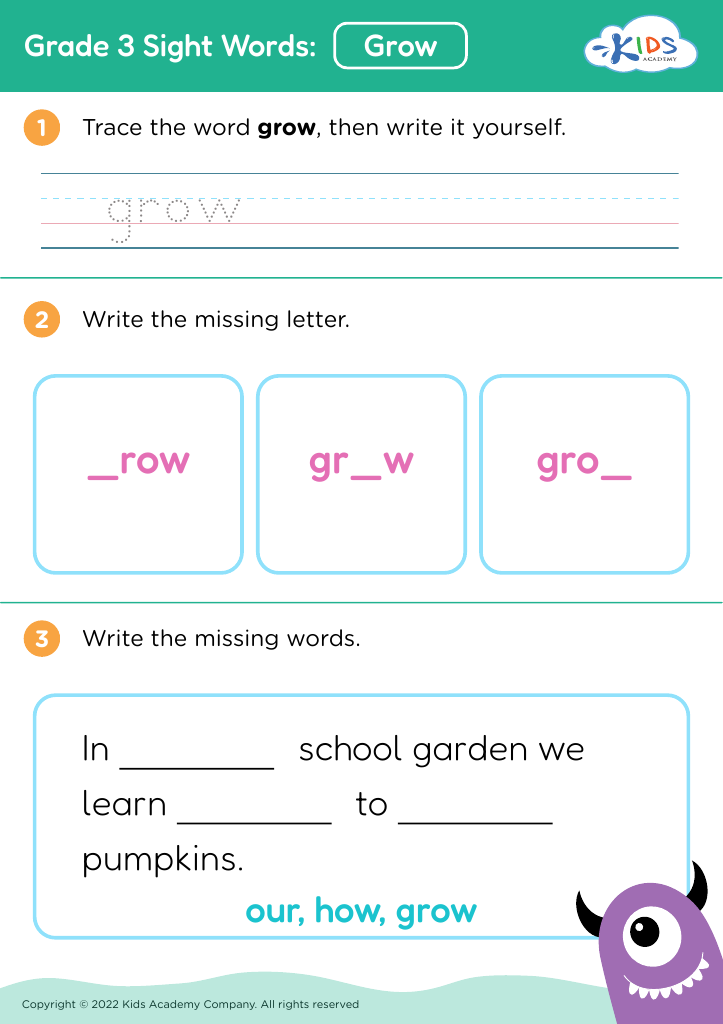
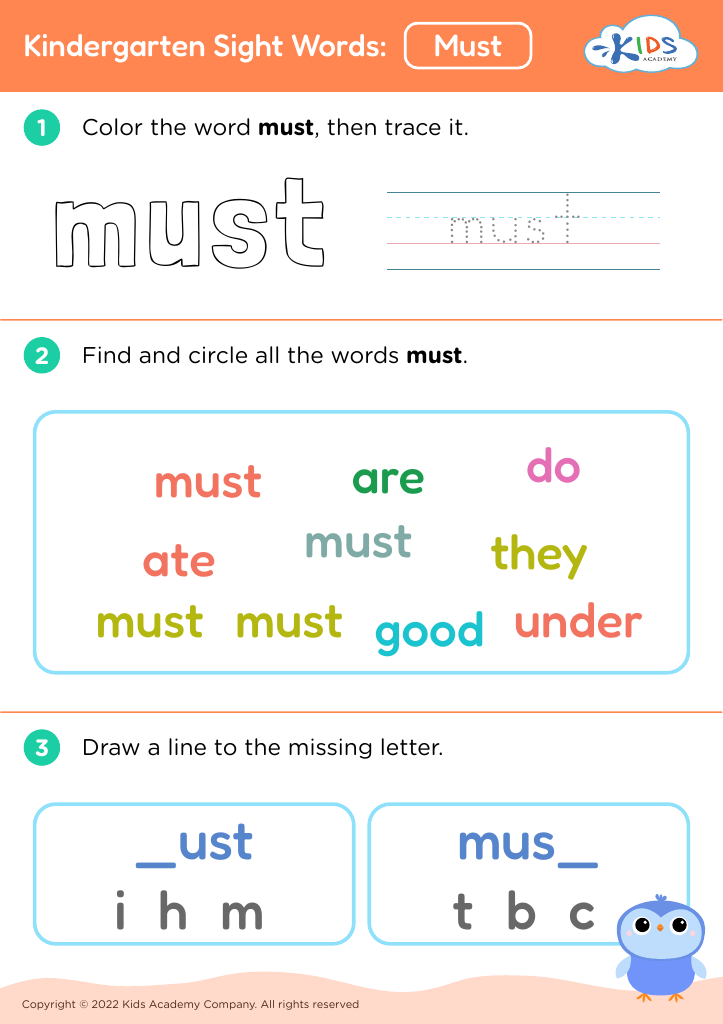








Spelling practice and reading comprehension are crucial components of early childhood education, particularly for children aged 6-8. At this stage, children are in the foundational years of their learning journey, where they develop essential literacy skills that will support their future academic success and lifelong learning.
Firstly, strong spelling abilities contribute to effective written communication. By learning how to spell correctly, children can articulate their thoughts and ideas more clearly and accurately. This helps prevent misunderstandings and boosts their confidence in both academic and social interactions.
Secondly, spelling practice enhances reading skills. When children learn to spell, they become more aware of phonics—the relationship between sounds and their corresponding letters. This phonemic awareness is a cornerstone for decoding new words, which in turn makes reading more accessible and less frustrating. As children become proficient readers, they gain more enjoyment from reading, fostering a lifelong love for books and continuous learning.
Moreover, early reading skills are linked to better school performance across all subjects. Comprehending written instructions and solving word problems in math, for example, require strong literacy skills. As a result, investing time in spelling practice and reading can set a child on a path to educational achievement and positively impact their overall development and self-esteem. Parents and teachers play a key role in encouraging and supporting these practices, thereby laying a solid foundation for children's future success.








