Subtraction practice Reading Worksheets for Ages 6-8
5 filtered results
-
From - To
Enhance your child's math skills with our engaging Subtraction Practice Reading Worksheets designed for ages 6-8! These worksheets not only focus on subtraction exercises but also integrate reading comprehension to create a holistic learning experience. Young learners will enjoy interactive activities that build their understanding of subtraction concepts within fun stories and scenarios. Aligned with educational standards, our materials promote critical thinking and problem-solving skills. Perfect for classroom use or at-home practice, these worksheets support foundational math education while instilling a love for learning. Give your child the tools they need to succeed in math with our exciting subtraction practice worksheets!
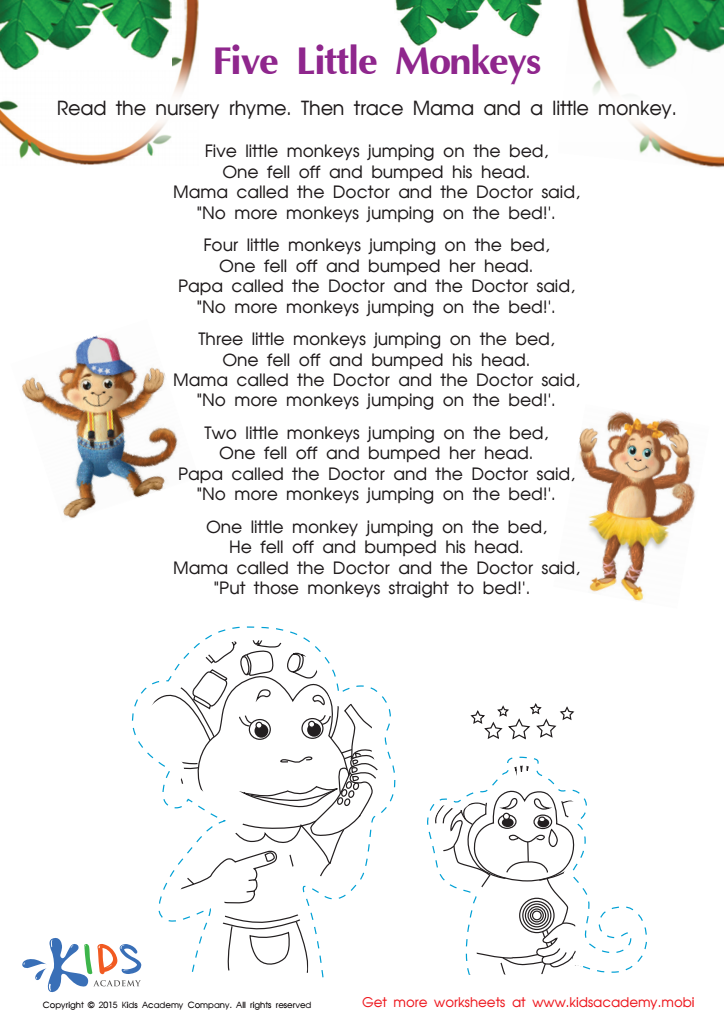
The Five Little Monkeys Nursery Rhyme Worksheet
 Assign to My Students
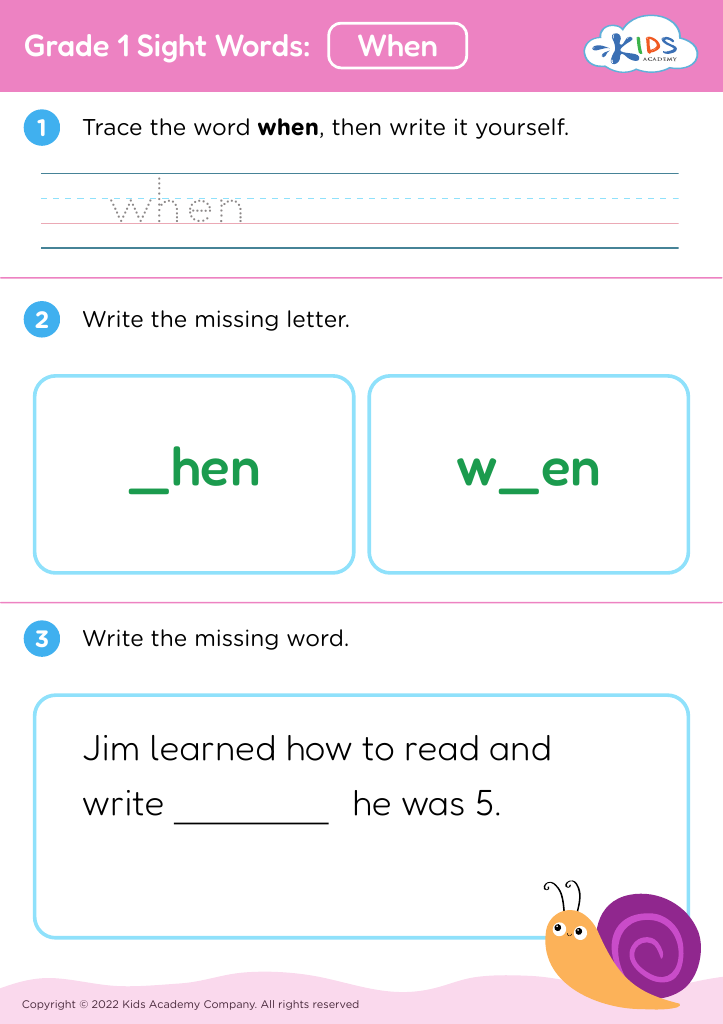
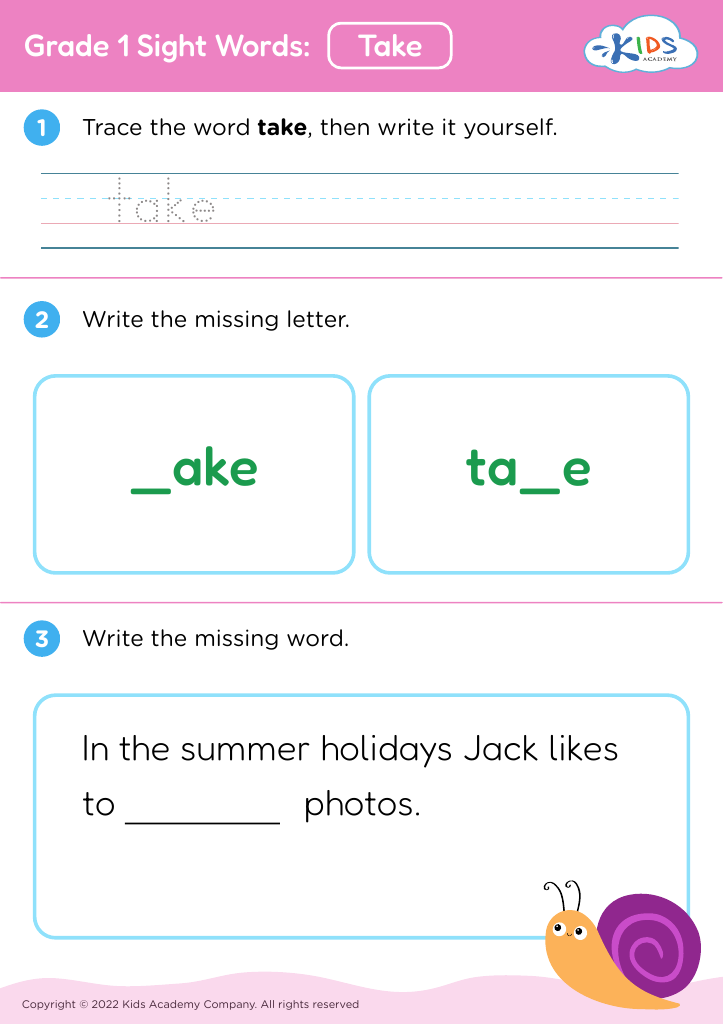
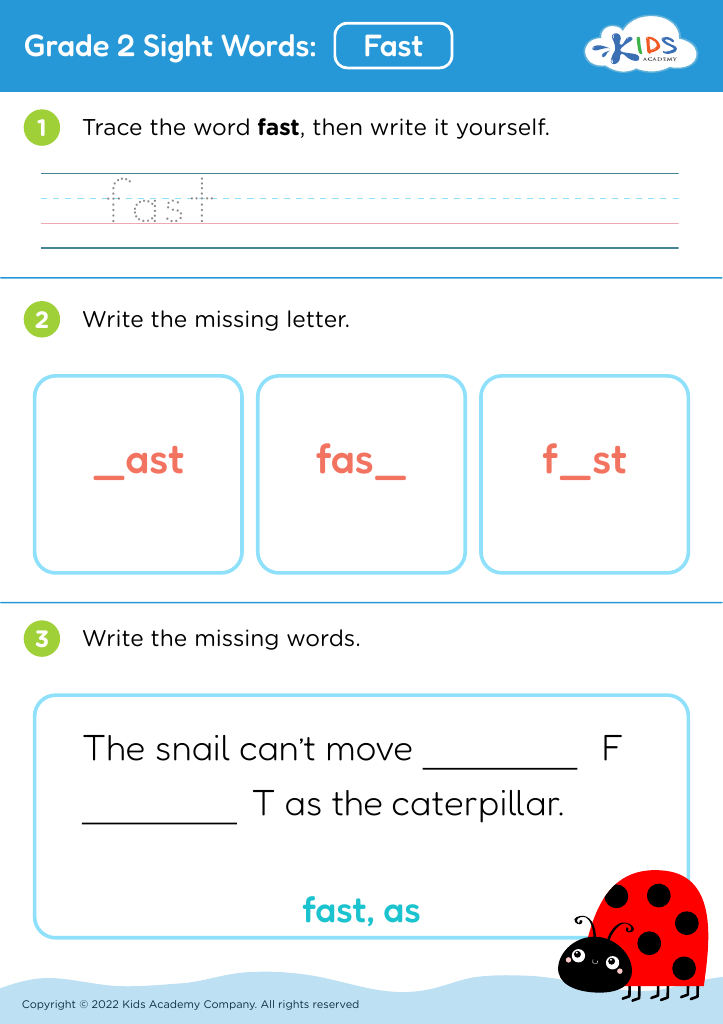







Subtraction practice is a crucial aspect of early education for children aged 6 to 8. At this stage, students enhance their foundational math skills, crucial for their overall academic success. Mastering subtraction helps students develop critical thinking and problem-solving abilities. When children engage in subtraction activities, they comprehend not just the mechanics of the operation but also the underlying concepts of number relationships, which serve as building blocks for more advanced mathematics.
Moreover, regular subtraction practice fosters confidence and independence in young learners. As they gain proficiency, children become more willing to tackle challenging problems. This growth positively impacts their attitude toward learning and enhances their classroom participation.
For parents and teachers, promoting subtraction through various engaging activities—like games or practical applications—encourages a fun, meaningful learning experience. It creates opportunities for discussing everyday scenarios where subtraction is applicable, thereby connecting math to real life.
Furthermore, diligent practice can identify areas where a child may struggle, allowing for timely interventions. By investing in subtraction practice, parents and teachers collaboratively equip children with essential skills that will benefit them in higher grades and beyond, ensuring they maintain a strong mathematical foundation.








