Understanding Sequences Reading Worksheets for Ages 6-8
3 filtered results
-
From - To
Welcome to our "Understanding Sequences Reading Worksheets" designed for children ages 6-8! These engaging worksheets help young learners develop critical reading skills by focusing on the concept of sequence — an essential building block for comprehension. Explore a variety of fun activities that encourage kids to arrange events, follow story progressions, and enhance their ability to grasp narrative structures. Each worksheet is thoughtfully crafted to captivate young minds and foster a love for reading. Perfect for home or classroom use, our resources ensure that children not only learn but also enjoy the journey of understanding sequences in stories!
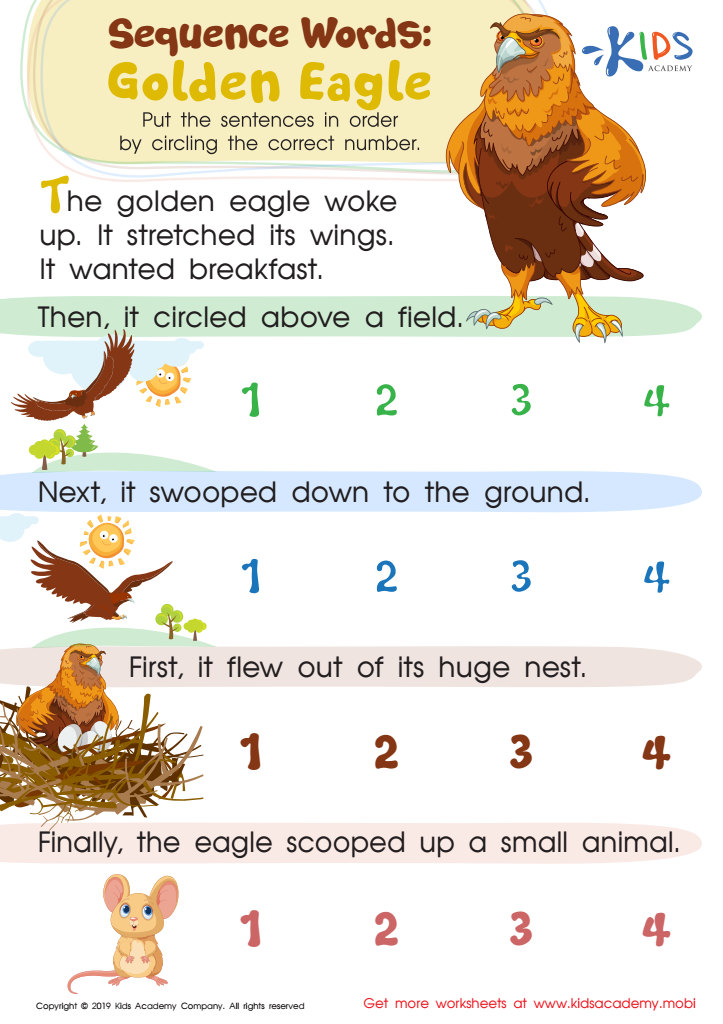
Sequence Word Eagle Worksheet
 Assign to My Students
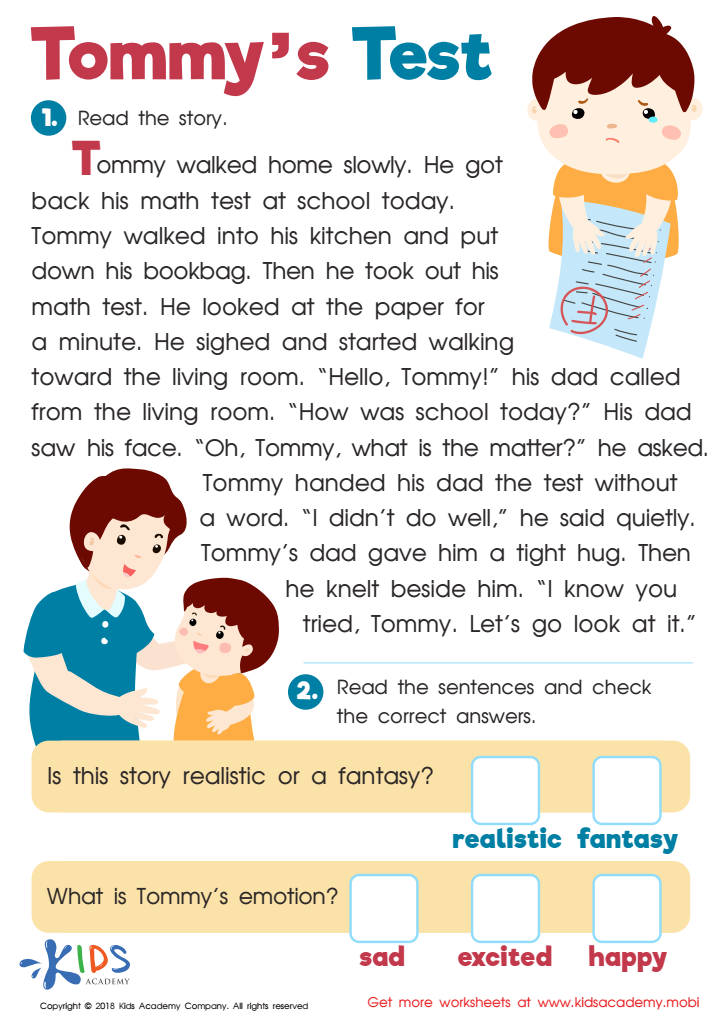
Tommys Test Worksheet
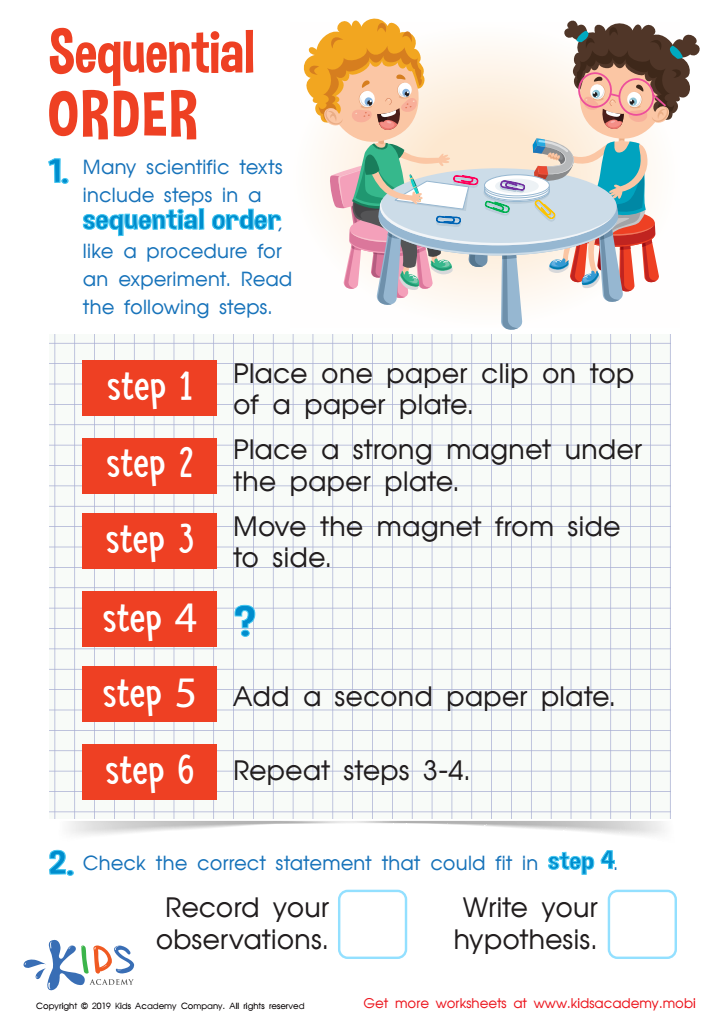
Sequencential Order Worksheet



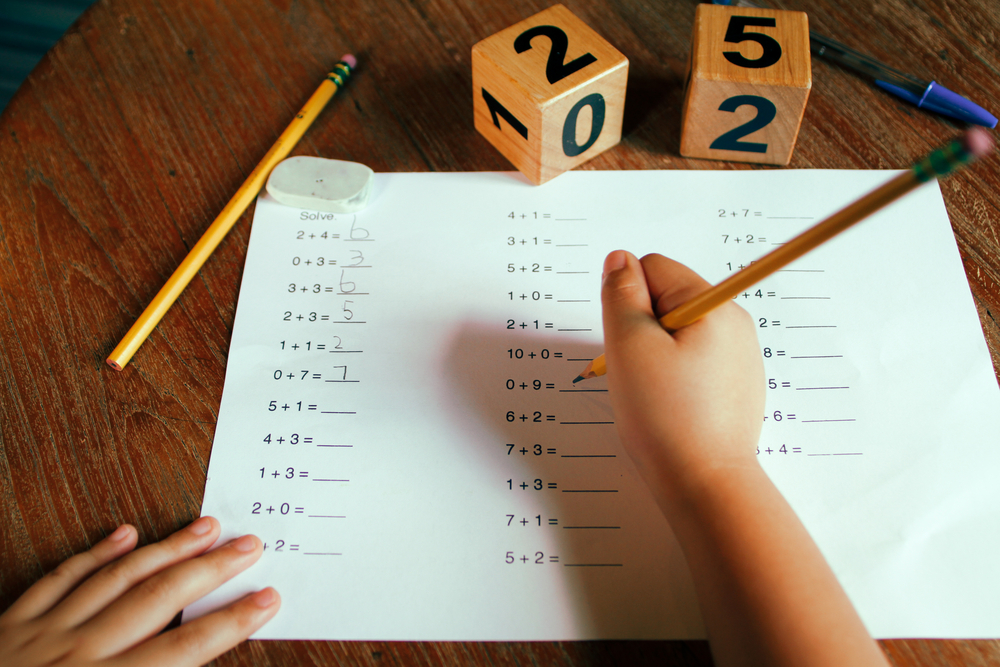



Understanding sequences in reading is crucial for children aged 6-8, as it lays the foundation for their overall literacy development. At this stage, children begin to grasp more complex storytelling components, including the order of events, cause and effect relationships, and character progression. Recognizing sequences helps them understand narratives more deeply, enhancing comprehension and critical thinking skills.
For parents and teachers, fostering sequence understanding aids in improving children's writing skills. As students learn to organize their thoughts and ideas logically, they become better storytellers, which is vital for academic success across all subjects.
Moreover, to promote vocabulary development, children encounter contextually relevant words that are linked through a sequence, fostering a richer language experience. It also encourages engagement and discussion about the text, as children can predict what might happen next or recall previous chapters or sections based on the sequence established.
Additionally, comprehension strategies grounded in sequences help children retain information, which is crucial for future learning. Supporting children in understanding sequences thus builds not only their reading abilities but also their ability to connect ideas, think critically, and confidently express themselves, which are essential skills for lifelong learning.








