Rhyming skills development Rhyming Words Worksheets for Ages 6-8
3 filtered results
-
From - To
Enhance your child's reading and language skills with our Rhyming Words Worksheets, specially designed for ages 6-8. These engaging activities promote rhyming skills development through fun exercises that stimulate creativity and vocabulary growth. By recognizing patterns and sounds in language, children not only improve their phonemic awareness but also gain confidence in their reading abilities. Our worksheets feature an array of playful and educational tasks, including matching, filling in the blanks, and identifying rhymes. Help your little ones explore the joys of language while preparing them for future reading success with our expertly crafted rhyming resources!
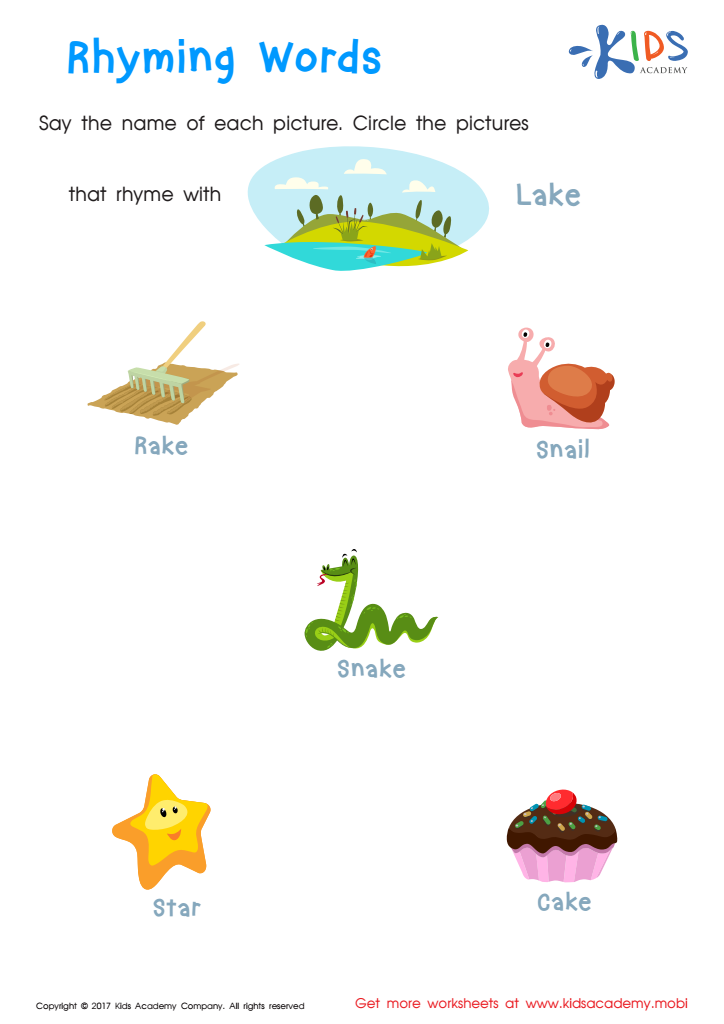
Rhyming Words Rhyming Worksheet
 Assign to My Students
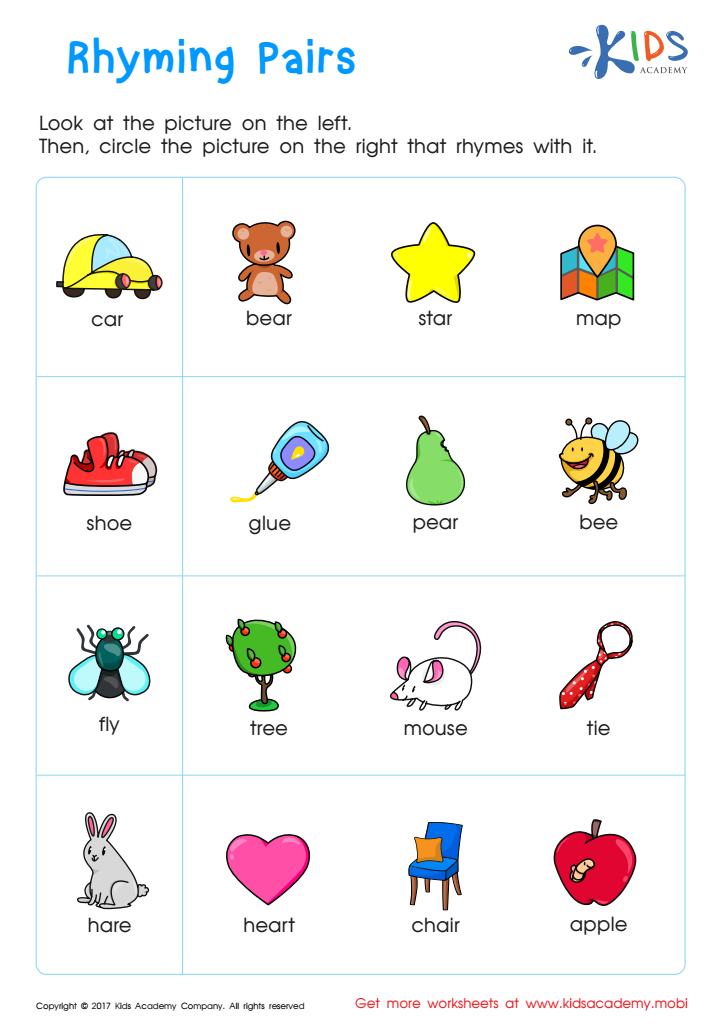
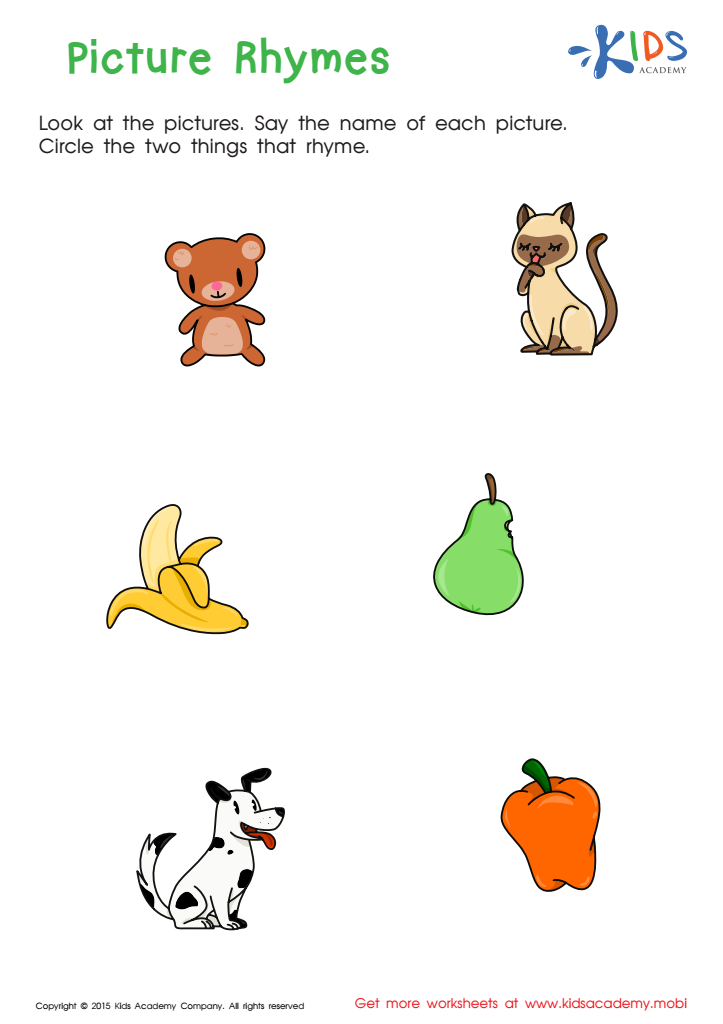
First Words: Picture Rhymes Worksheet




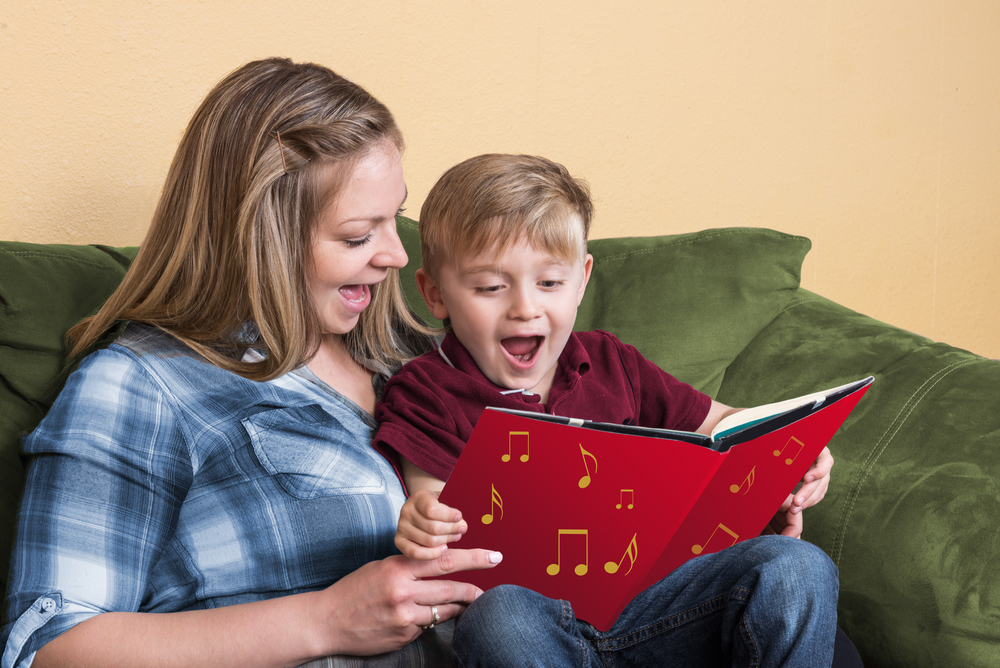

Rhyming skills are crucial for children ages 6-8 as they form the foundation for literacy development. At this age, children are refining their reading and writing skills, and engaging with rhymes can enhance their phonemic awareness—an essential skill for decoding words. Through rhyming, children learn to recognize sounds and patterns in words, which facilitates reading fluency and comprehension.
Moreover, rhyming words help improve vocabulary. When children explore rhymes, they discover new words and concepts, facilitating language enrichment. Rhyming also encourages curriculum connections across subjects, such as math (through patterns) and music (through rhythm), making learning inter-disciplinary and enjoyable.
Beyond academic benefits, rhyming activities are also spirited and promote social skills. Group games and songs involving rhyme foster teamwork and communication among children. Parents and teachers also find that rhyming sparks creativity—children often wish to create their own rhymes, allowing for imaginative expression.
In summary, prioritizing the development of rhyming skills enhances reading readiness, builds vocabulary, nurtures creative thinking, and fosters social bonds, making it an essential focus for educators and parents focused on holistic childhood development.








