Animal recognition Science Worksheets for Ages 6-8
5 filtered results
-
From - To
Explore the fascinating world of Animal Recognition with our engaging Science Worksheets designed specifically for children ages 6 to 8. These interactive worksheets introduce young learners to a variety of animals through fun activities that enhance their observation and critical thinking skills. Students will enjoy identifying animals by their characteristics, matching them with their habitats, and discovering interesting facts. With colorful illustrations and age-appropriate content, these worksheets make learning about the animal kingdom exciting and accessible. Perfect for classroom or home practice, our Animal Recognition Worksheets help nurture curiosity and support foundational science knowledge in early learners.
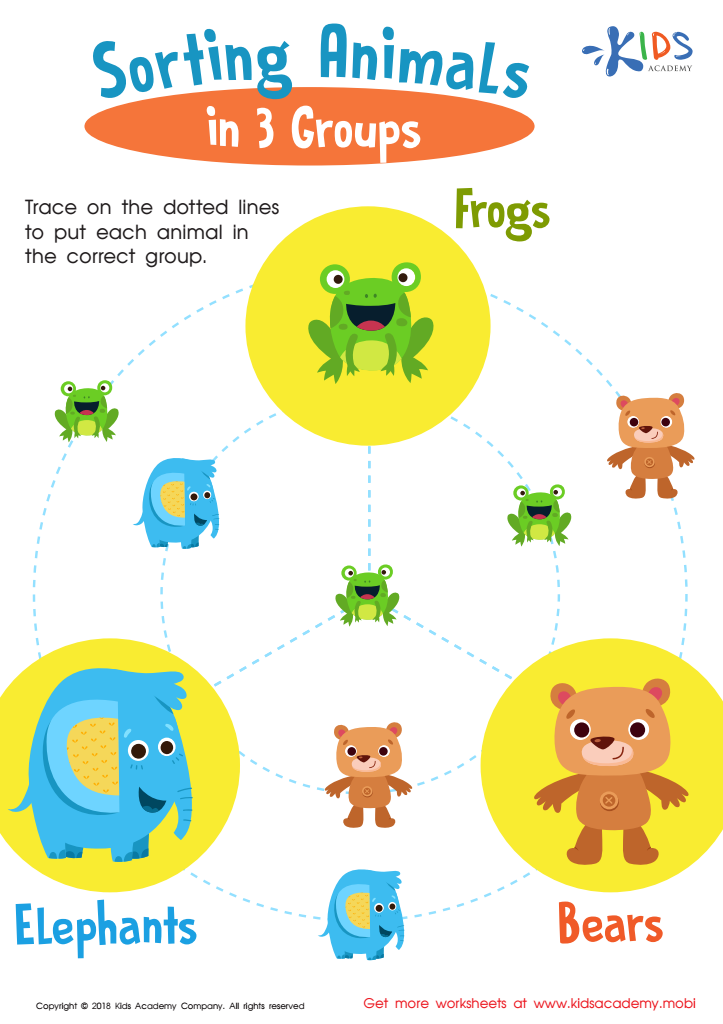
Sorting Animals in 3 Groups Worksheet
 Assign to My Students
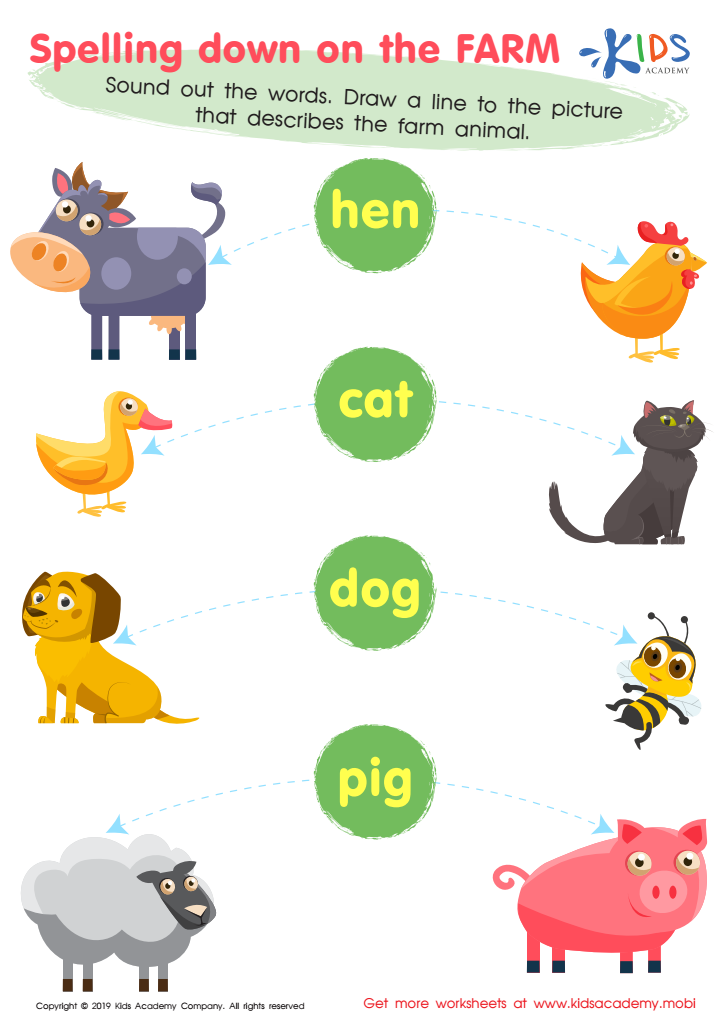
Spelling Down on the Farm Worksheet
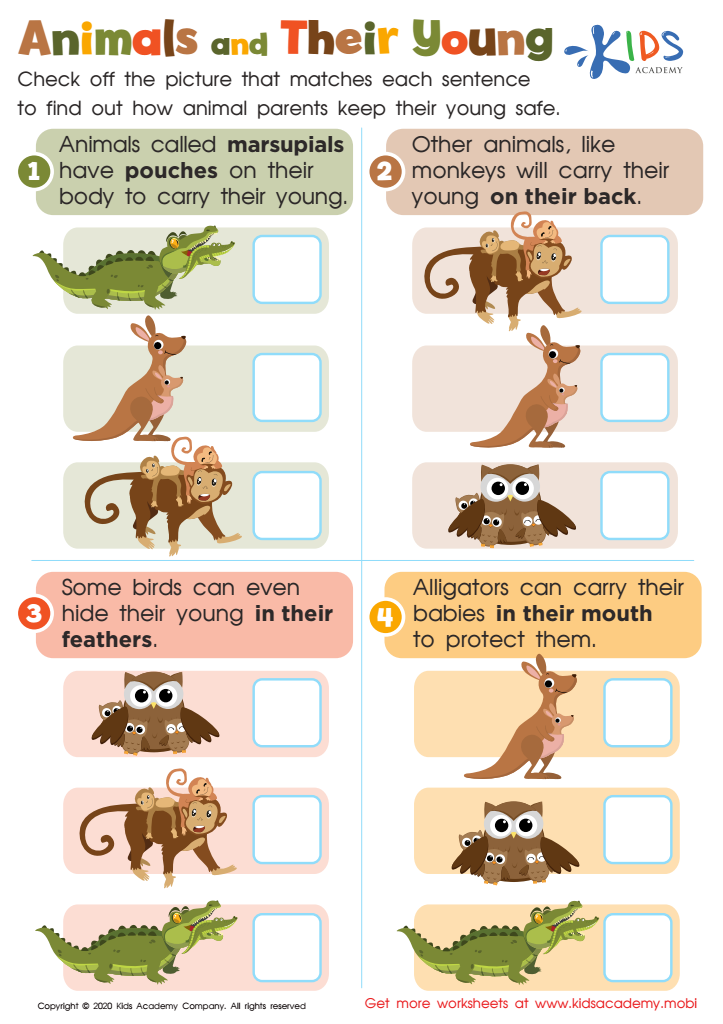
Animals and Their Young Worksheet
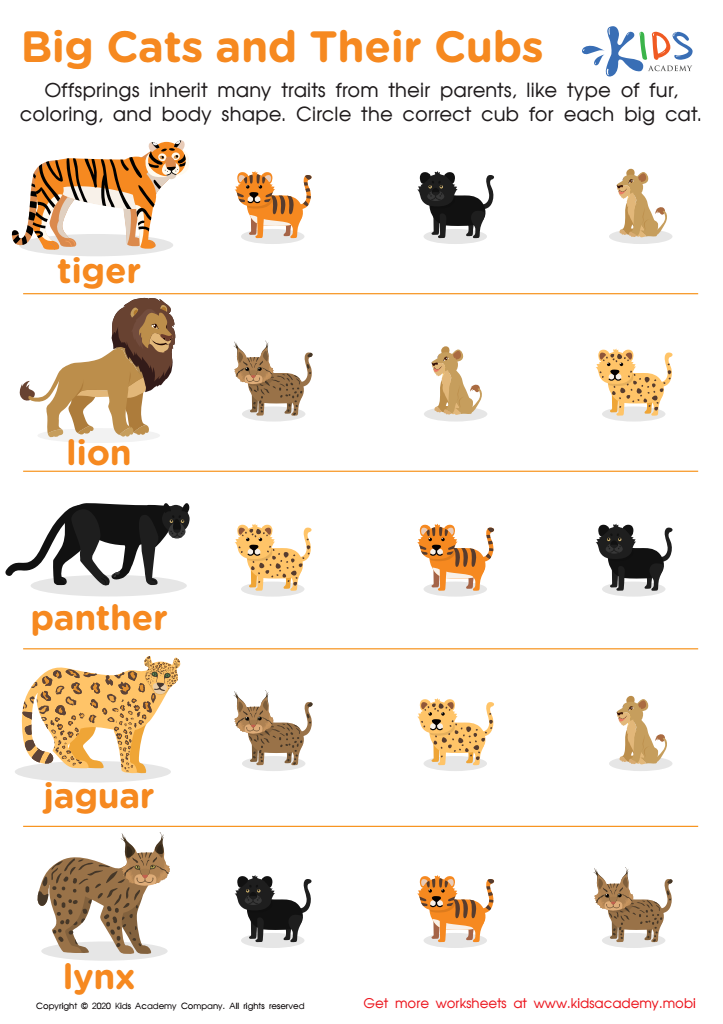
Big Cats and Their Cubs Worksheet







.jpg)
Animal recognition science is an essential theme for children ages 6-8, fostering curiosity and connection to the natural world. Parents and teachers should prioritize this area of study for several reasons.
Firstly, early exposure to animal recognition enhances children's observational skills. Learning to identify various species, including their habitats and behaviors, encourages critical thinking and attentive observation, which are foundational skills for academic success.
Additionally, understanding animals fosters empathy. Kids learn to appreciate diversity in the animal kingdom, which translates into valuing differences in people. This emotional connection builds compassion and responsibility towards living beings and the environment.
Moreover, integrating animal recognition into the curriculum can bolster STEM (Science, Technology, Engineering, Mathematics) learning. Interactive activities, like observing animals in context or using technology for research, engage students practically, making the learning process enjoyable and relatable.
Lastly, awareness of local wildlife can promote environmental stewardship. Children learn the importance of biodiversity, conservation efforts, and the impact of human activity on animal ecosystems.
In summary, animal recognition science not only enriches academic knowledge but also nurtures emotional intelligence and responsibility in young learners, laying the foundation for informed, empathetic, and environmentally-conscious citizens.







