Classification skills Science Worksheets for Ages 6-8
5 filtered results
-
From - To
Welcome to our "Classification Skills Science Worksheets" for ages 6-8, designed to spark curiosity and enhance understanding of the natural world. These engaging worksheets focus on teaching young learners how to categorize and classify various organisms, objects, and concepts effectively. With colorful visuals and age-appropriate activities, kids will develop critical thinking skills as they explore differences and similarities in living things and inanimate objects. Our worksheets promote active learning through fun exercises, fostering a love for science and discovery. Perfect for classrooms or at home, these resources will help children build foundational skills in observation, analysis, and organization. Dive in and explore!
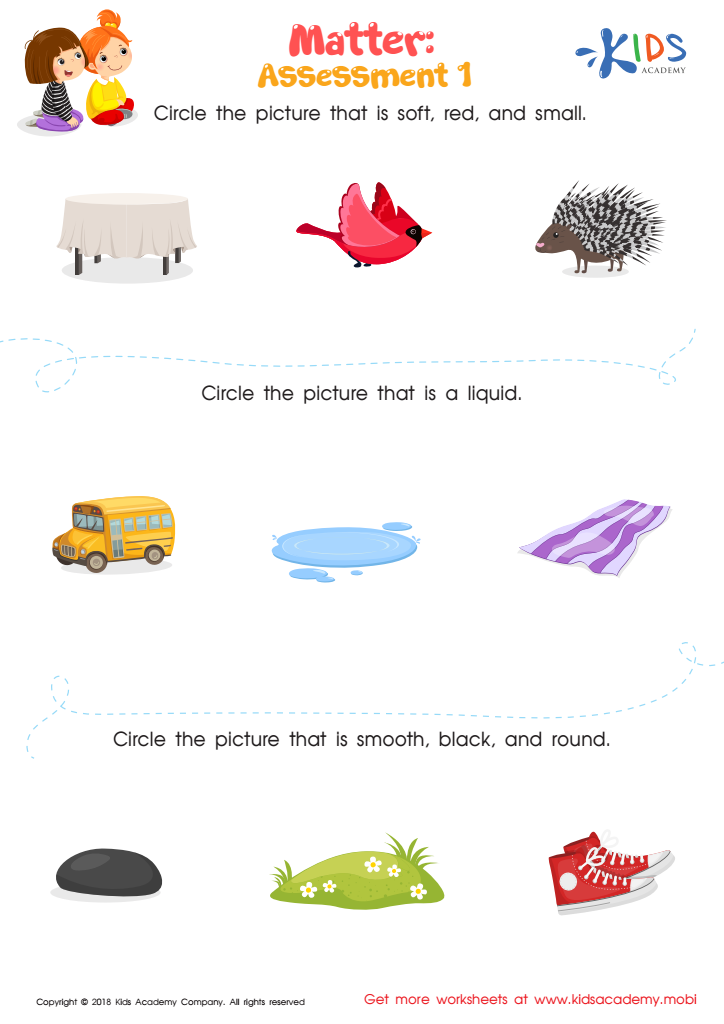
Matter: Assessment 1 Worksheet
 Assign to My Students
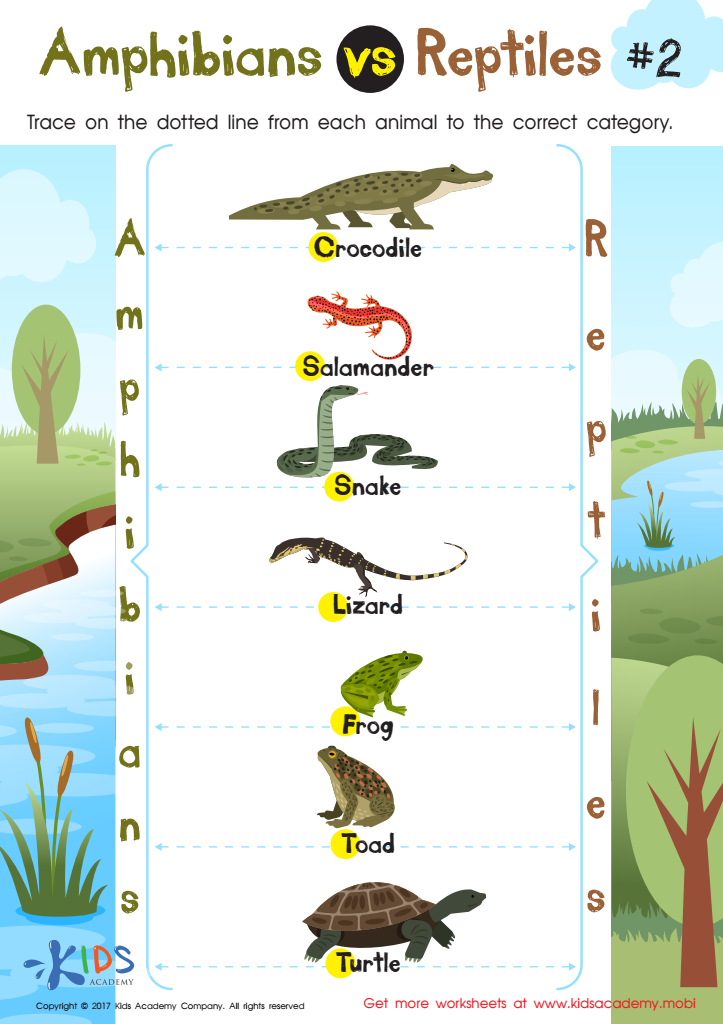
Amphibians vs Reptiles Worksheet for 3rd Grade
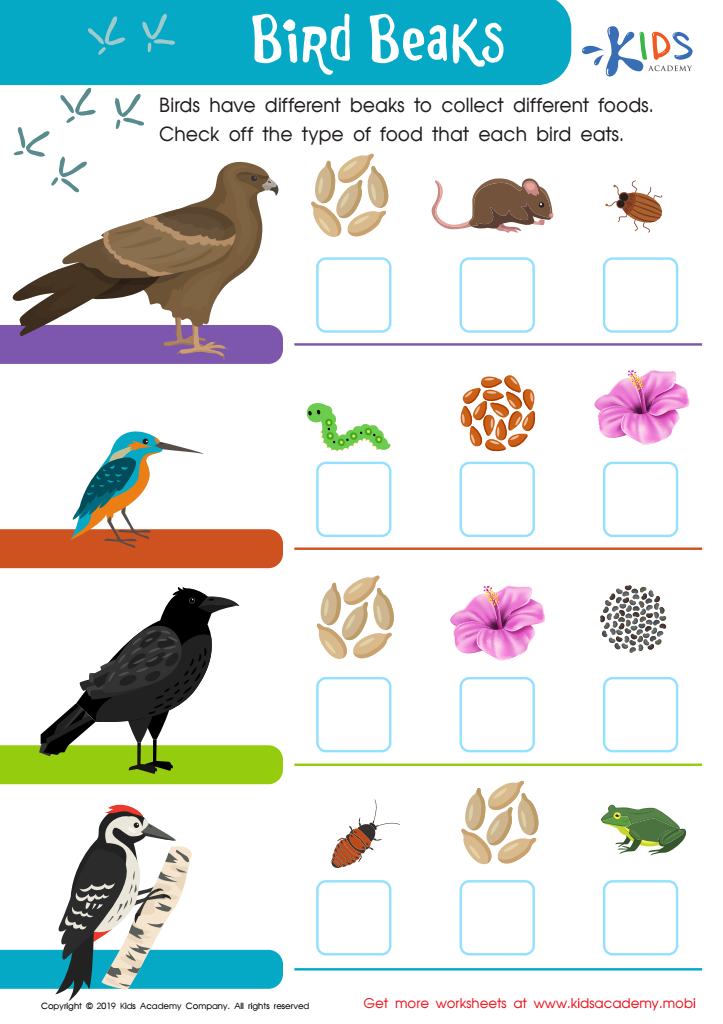
Bird Beaks Worksheet
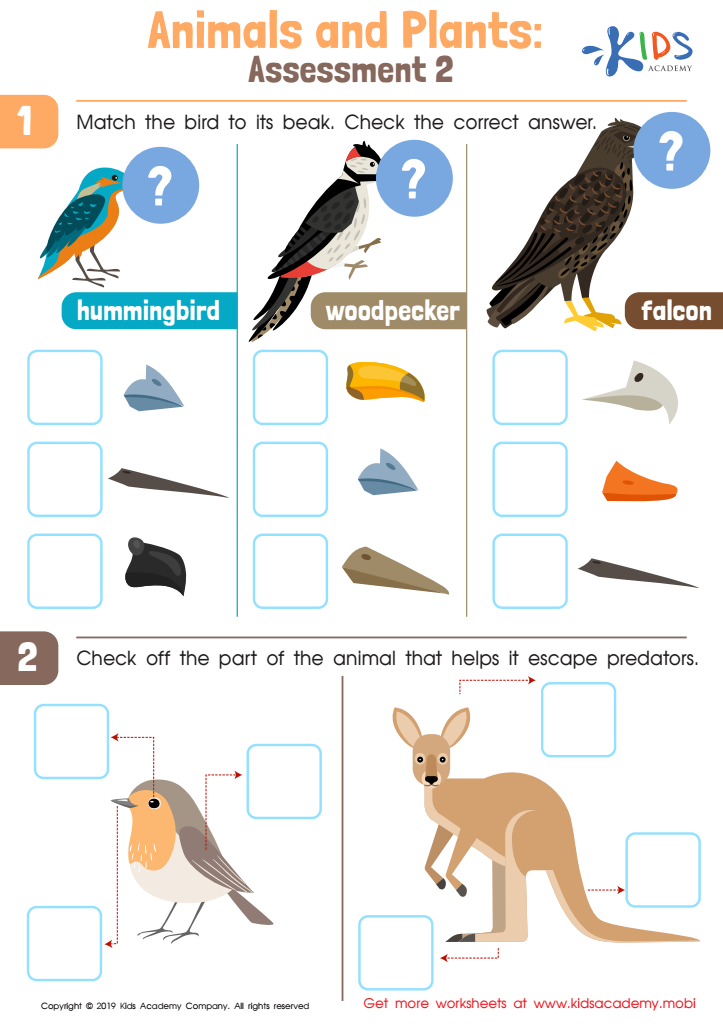
Animals and Plants: Assessment 2 Worksheet
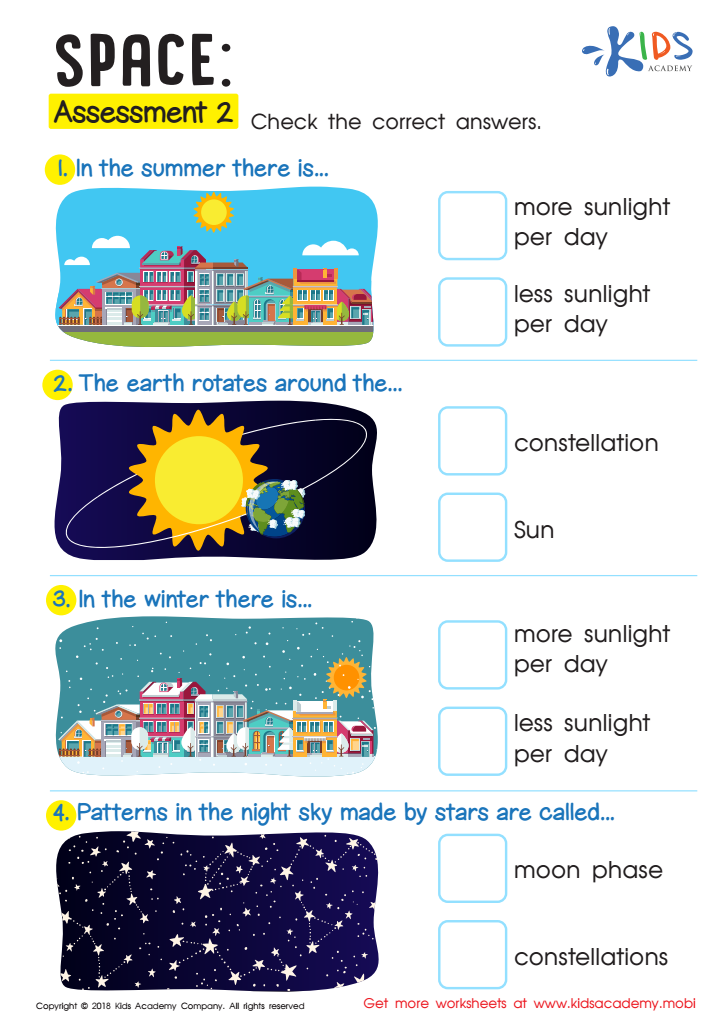
Space: Assessment 2 Worksheet





Classification skills are crucial for children aged 6-8 as they lay the foundation for critical thinking and scientific reasoning. At this age, children are naturally curious and eager to explore the world around them. Teaching them how to categorize objects, organisms, and information helps sharpen their observation skills and encourages a systematic approach to learning.
By engaging with classification, children learn to identify similarities and differences, which enhances their cognitive development. For example, distinguishing between different types of plants or animals encourages them to think logically and enhances their understanding of biology and the environment.
Furthermore, classification is a fundamental aspect of STEM subjects. It supports the development of analytical skills necessary for future academic success. When children classify, they not only learn about the subjects themselves but also develop skills in organization and data analysis, which are essential in all areas of life.
Parents and teachers should emphasize classification skills as they foster a child's natural curiosity, promote deeper understanding, and prepare them for future learning. Developing these skills early on cultivates a love for science and exploration, instilling a sense of wonder about the world that can last a lifetime.







