
Developing critical thinking Science Worksheets for Ages 6-8
3 filtered results
Difficulty Level
Grade
Age
-
From - To
Subject
Activity
Standards
Harness the power of scientific inquiry with our "Developing Critical Thinking Science Worksheets" designed for children ages 6-8. These engaging printable worksheets are crafted to foster curiosity and enhance problem-solving skills. Each activity encourages young minds to ask questions, make predictions, and analyze information methodically. With a variety of interactive experiments, observation exercises, and logical puzzles, our worksheets provide hands-on learning experiences that are both educational and fun. Perfect for classroom use or at-home enrichment, these resources support foundational science skills while promoting independent thinking and a love for discovery. Empower your child’s learning journey today!
Favorites
With answer key
Interactive
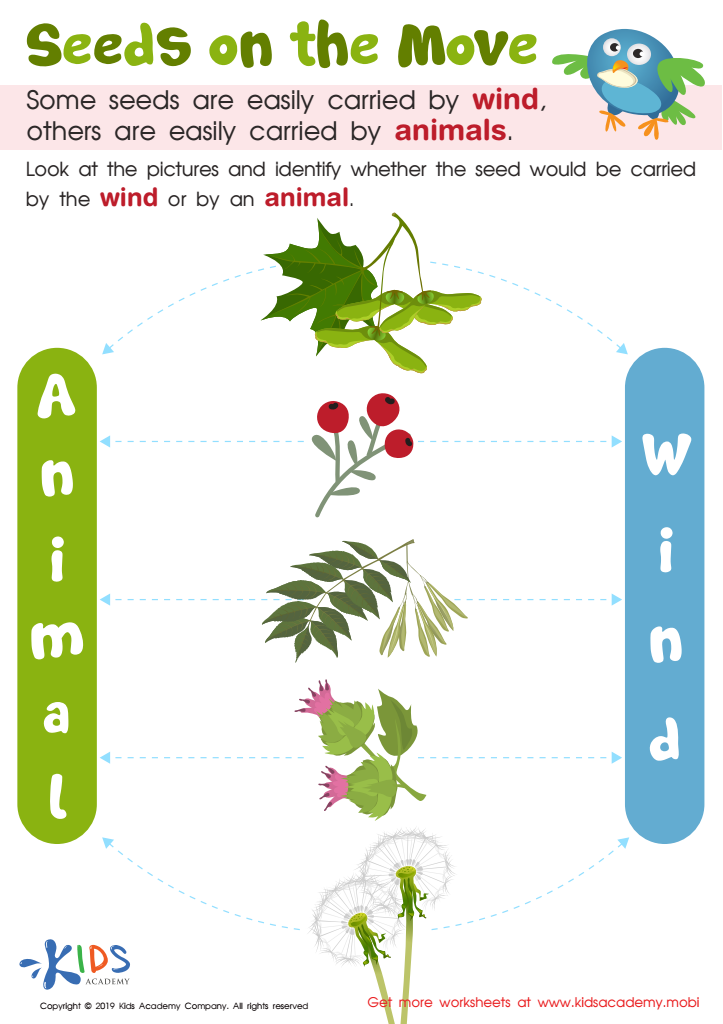
Seeds on the Move Worksheet
Help students understand the concept of spreading seeds with this fun traceable worksheet. Discuss the pictures, and see if they can identify whether the seed is carried by the wind or an animal. Explain how seeds can travel from place to place without human help, and how this helps them grow in new locations.
 Assign to My Students
Seeds on the Move Worksheet
Worksheet
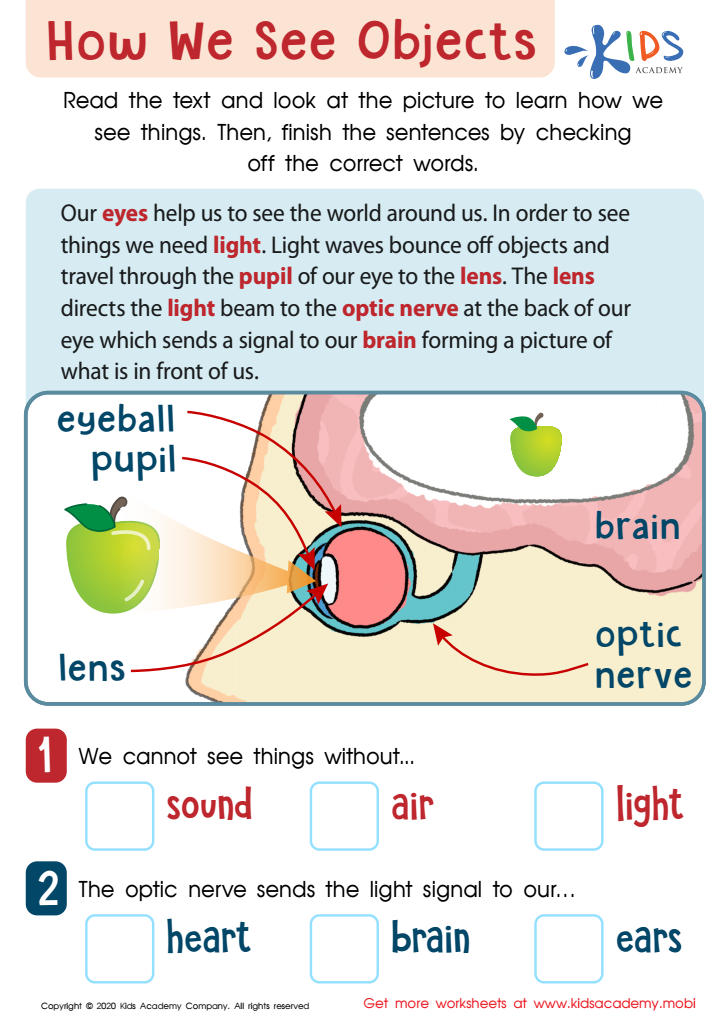
How We See Objects Worksheet
Remind your students of our five senses! This worksheet will teach them more about sight: read/listen to the text, look at pictures, then help them complete sentences. Check off the right words!
How We See Objects Worksheet
Worksheet
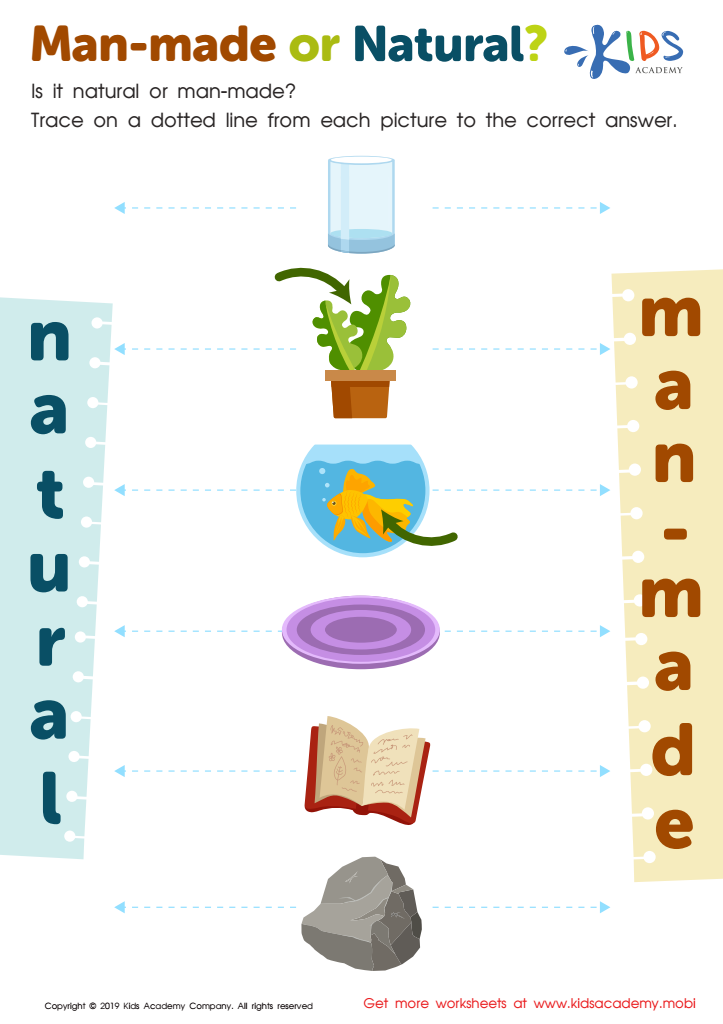
Man-Made or Natural? Worksheet
Ask your students to name natural and man-made objects. Check the worksheet to help them identify the objects, then trace the dotted line to determine if it's natural or man-made.
Man-Made or Natural? Worksheet
Worksheet
Learning Skills
Join Kids Academy for Free
Who is primarily going to use this learning content?






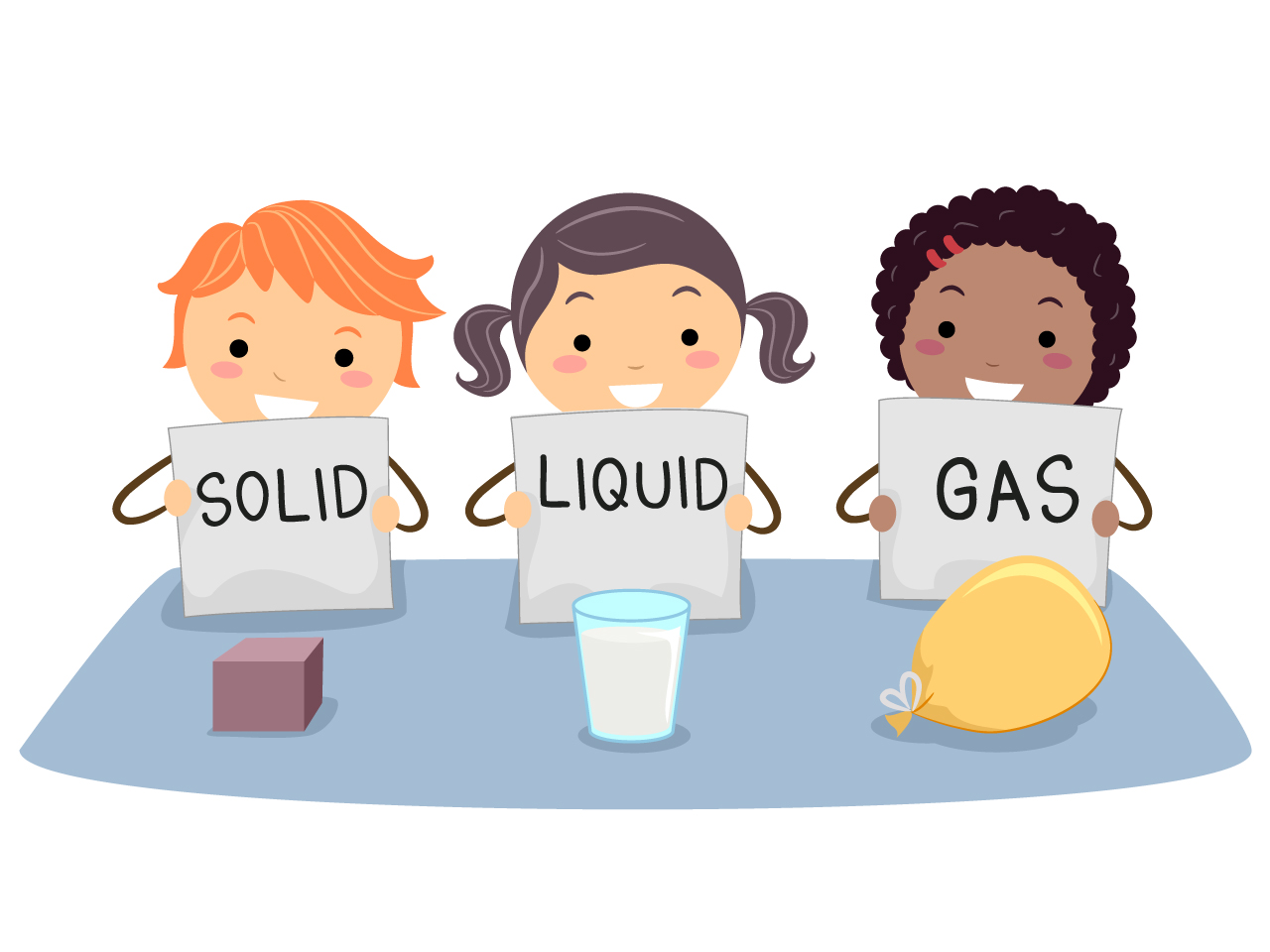
Developing critical thinking in science for children aged 6-8 is essential for laying the groundwork for future learning, personal growth, and problem-solving skills. At this young age, children are naturally curious, and fostering critical thinking helps channel that curiosity into meaningful inquiry. Teaching them how to question, analyze, and draw conclusions deepens their understanding of the world and encourages a lifelong love of learning.
Critical thinking in science involves observing phenomena, asking questions, conducting experiments, and drawing conclusions based on evidence. These skills are fundamental not just to science but to everyday decision-making. When young children learn to think critically, they become more independent thinkers who can handle complex problems and make informed decisions.
Additionally, early exposure to scientific thinking helps children develop important academic skills, such as literacy and numeracy. Through hands-on experiments and investigations, they enhance fine motor skills, vocabulary, and mathematical understanding.
Parents and teachers play a crucial role in encouraging this development by providing a supportive environment that values questions and exploration. By emphasizing the process over the correct answers, adults can nurture an appetite for discovery.
In summary, fostering critical thinking in science for young children is vital for their intellectual development, personal growth, and ability to navigate an increasingly complex world.







