Following instructions Science Worksheets for Ages 6-8
4 filtered results
-
From - To
Welcome to our Following Instructions Science Worksheets for Ages 6-8! Designed to enhance critical thinking and comprehension skills, these engaging activities foster young learners' ability to follow detailed directions in scientific contexts. Perfect for both classroom and at-home learning, each worksheet guides children through fun experiments and interactive exercises that promote curiosity and hands-on exploration. As they learn to interpret instructions clearly, students will gain confidence in their ability to tackle science concepts. Empower your child’s learning journey with our thoughtfully crafted worksheets, making science exploration enjoyable and informative. Start nurturing the scientists of tomorrow today!
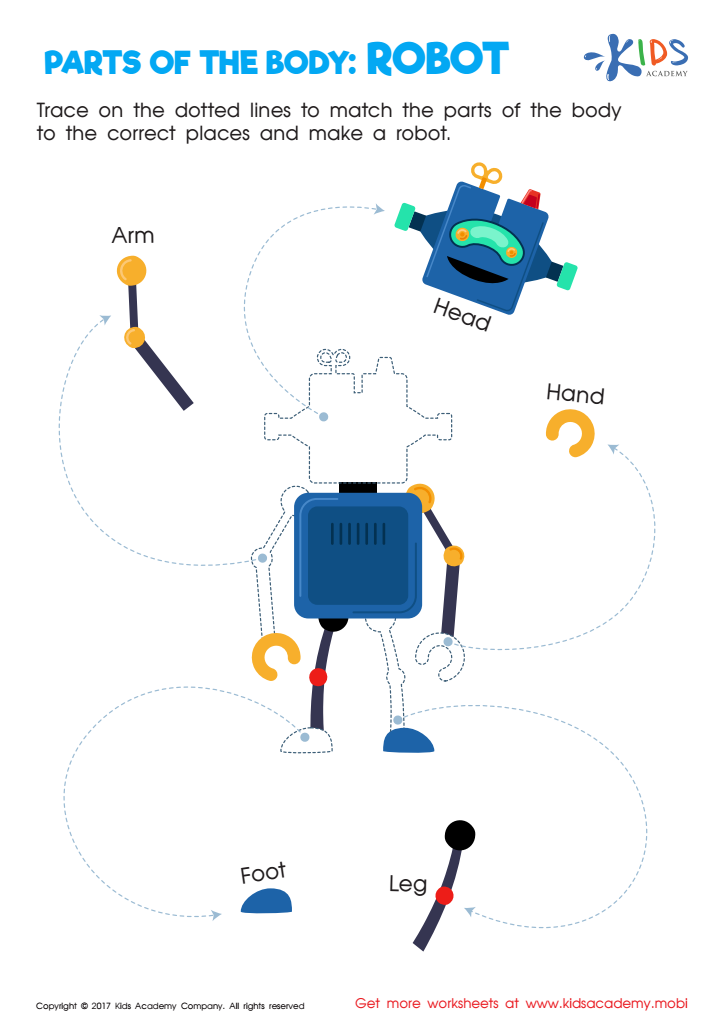
Robot Printable
 Assign to My Students
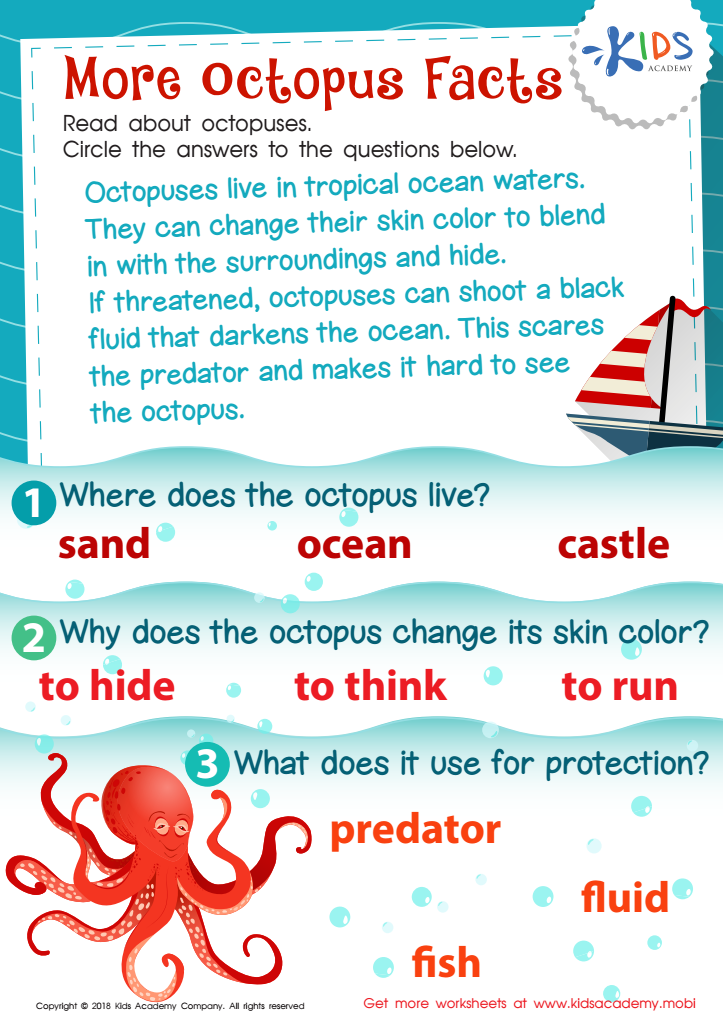
More Octopus Facts Worksheet
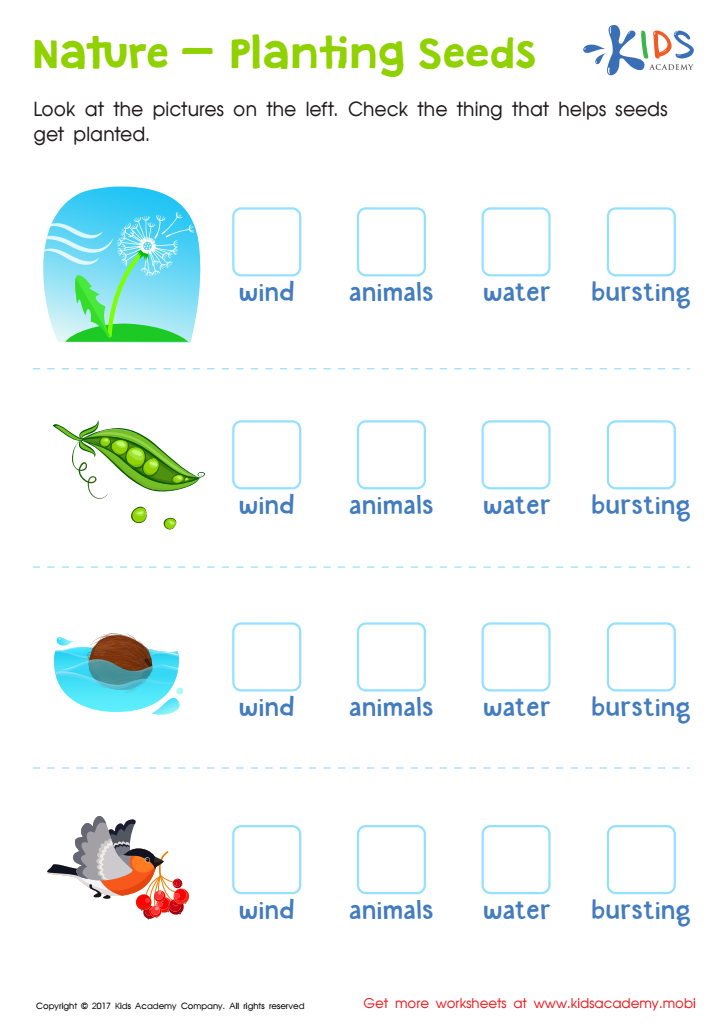
Nature Planting Seeds Worksheet
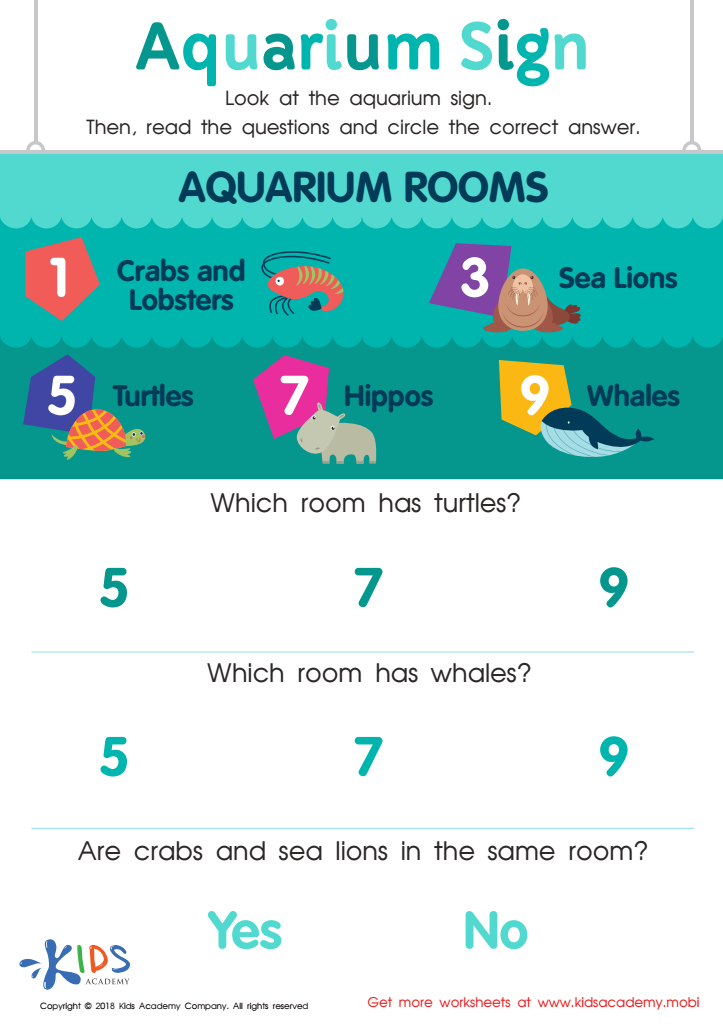
Assessment: Aquarium Sign Worksheet






Following instructions in science is crucial for children aged 6-8, as it lays the foundation for effective learning and critical thinking. At this age, children are naturally curious about the world around them, and engaging in science experiments helps them explore their interests creatively. When parents and teachers emphasize the importance of following instructions, they cultivate essential skills in young learners.
First, adhering to instructions promotes safety during experiments, ensuring children understand and respect safety protocols. Second, it teaches them the sequential nature of the scientific method—hypothesis, experimentation, observation, and conclusion—allowing them to grasp how complex ideas are discovered systematically. Moreover, following directions enhances their attention span, patience, and ability to complete tasks, important skills for all areas of learning.
Additionally, success in experiments boosts children’s confidence and motivation. When they see the results of their careful adherence to instructions, it reinforces positive learning behaviors and curiosity. Ultimately, encouraging children to follow instructions in science not only leads to better understanding and retention of knowledge but also prepares them to tackle challenges with a logical approach throughout their educational journey. Parents and teachers play a vital role in this developmental process by providing supportive environments where science learning can thrive.







