Animal recognition Plants and Animals Worksheets for Ages 6-8
5 filtered results
-
From - To
Discover our engaging "Animal Recognition: Plants and Animals Worksheets" designed for kids ages 6-8. These worksheets are perfect for introducing young learners to the fascinating world of animals, helping them distinguish between various species and understand their characteristics. Featuring vibrant illustrations and age-appropriate activities, these printables encourage early scientific exploration and observational skills. With fun exercises such as matching, labeling, and identification games, children will enhance their learning skills while nurturing a love for nature. Perfect for classroom use or at-home learning, our resources make science enjoyable and interactive, fostering curiosity about the animal kingdom!
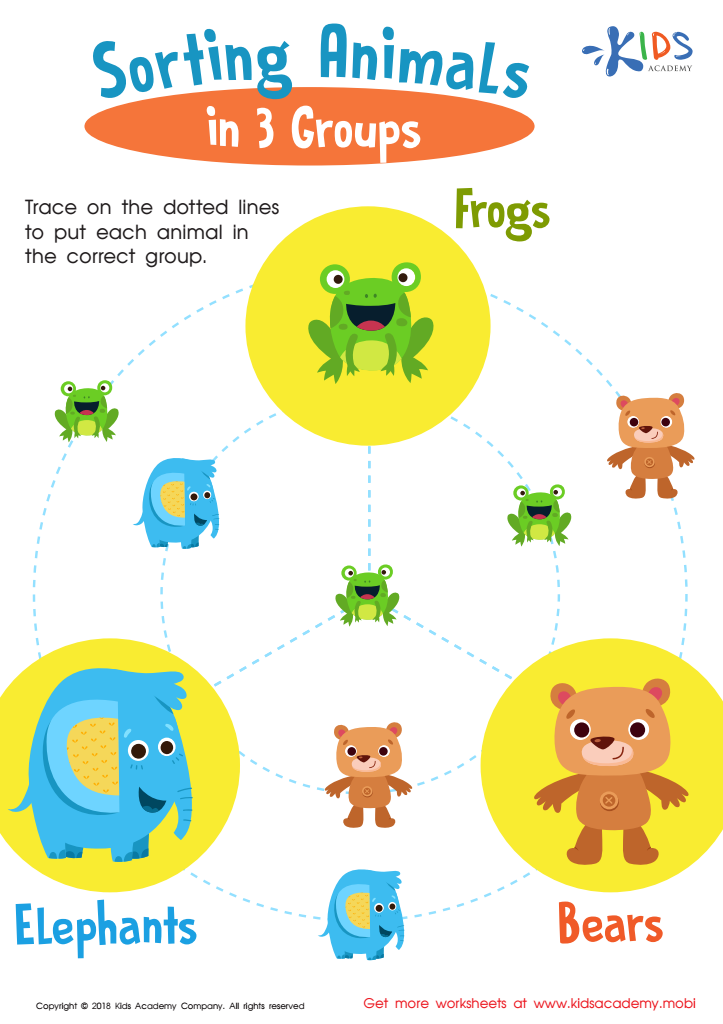
Sorting Animals in 3 Groups Worksheet
 Assign to My Students

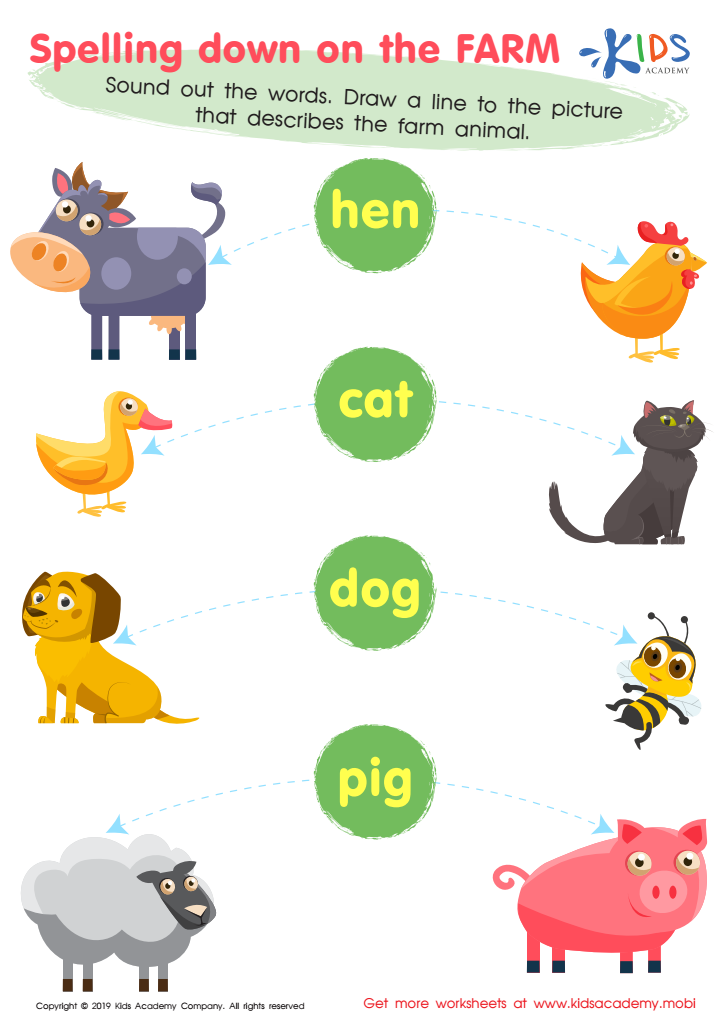
Spelling Down on the Farm Worksheet
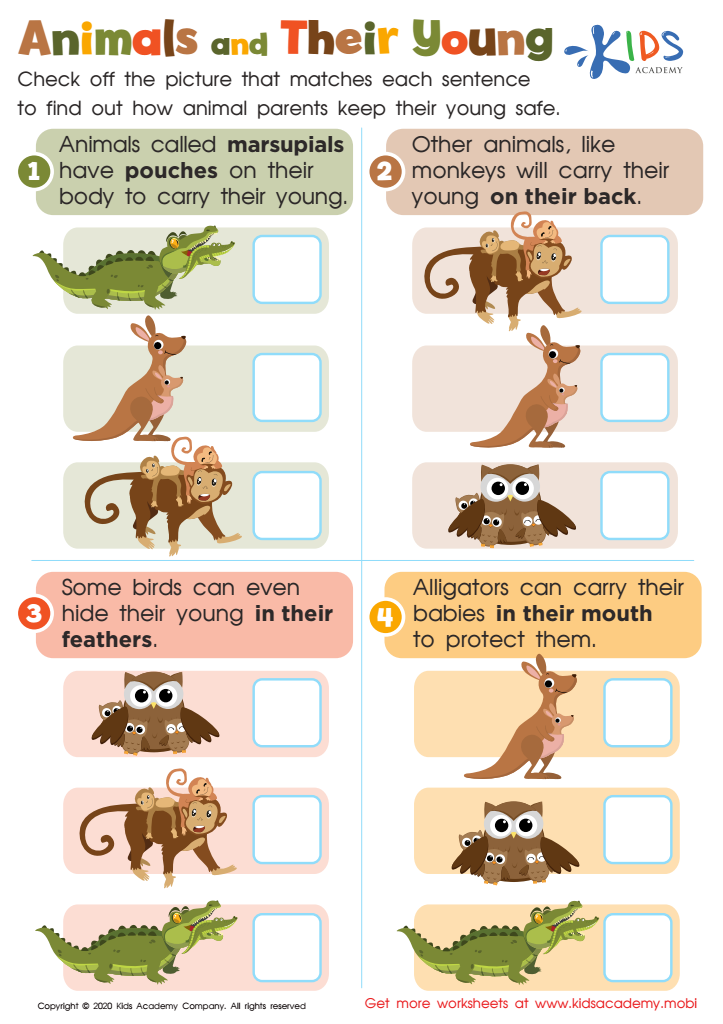
Animals and Their Young Worksheet
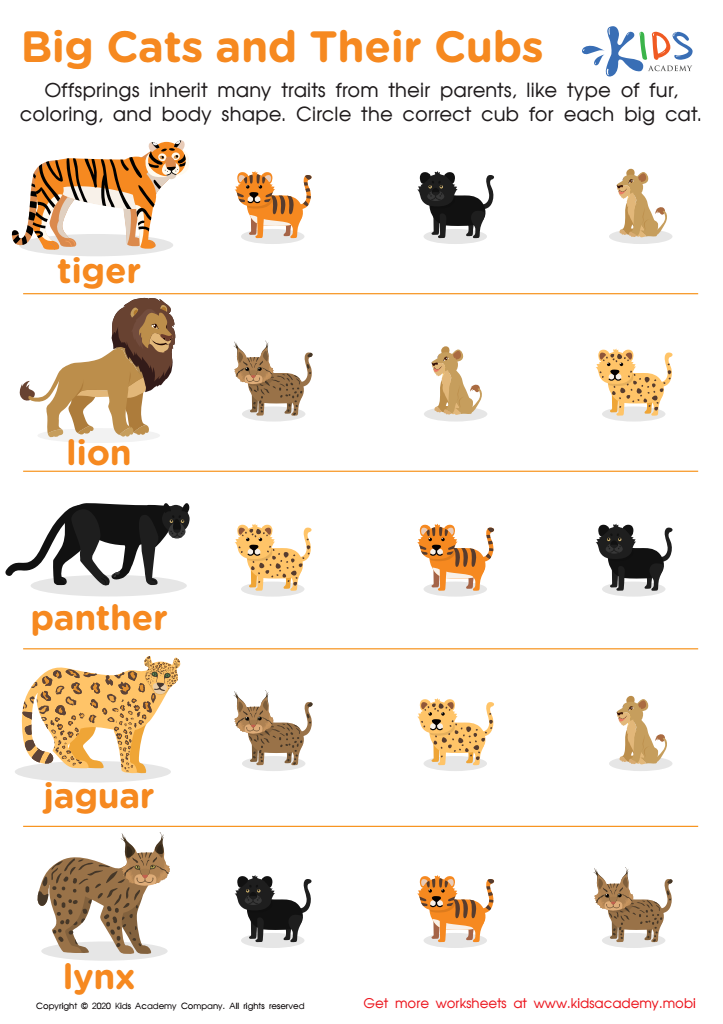
Big Cats and Their Cubs Worksheet
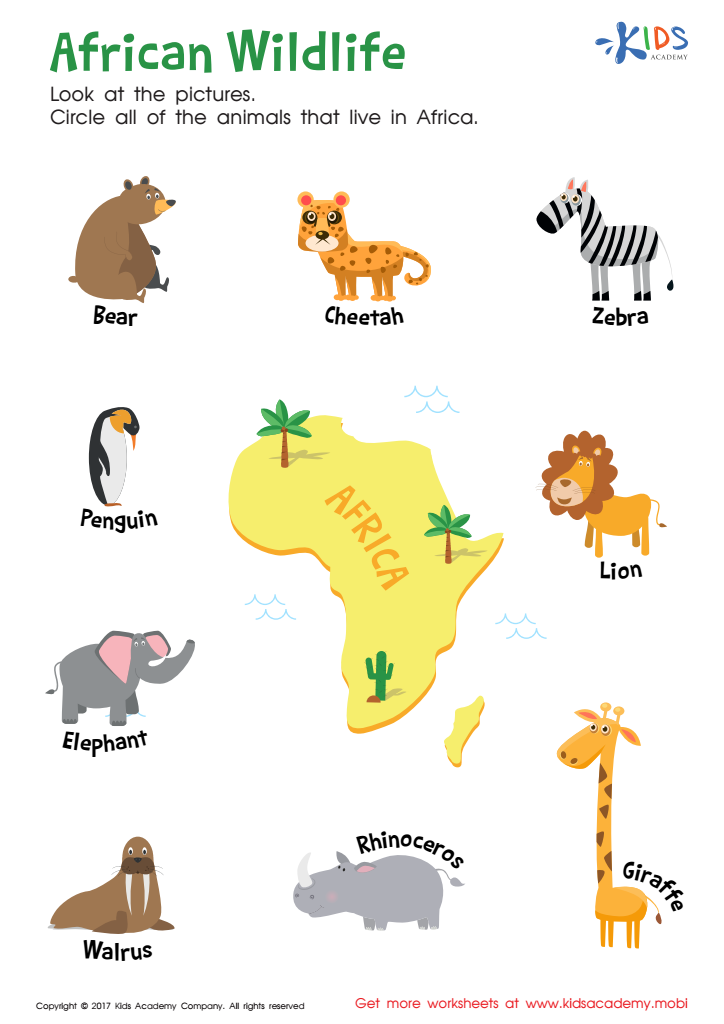


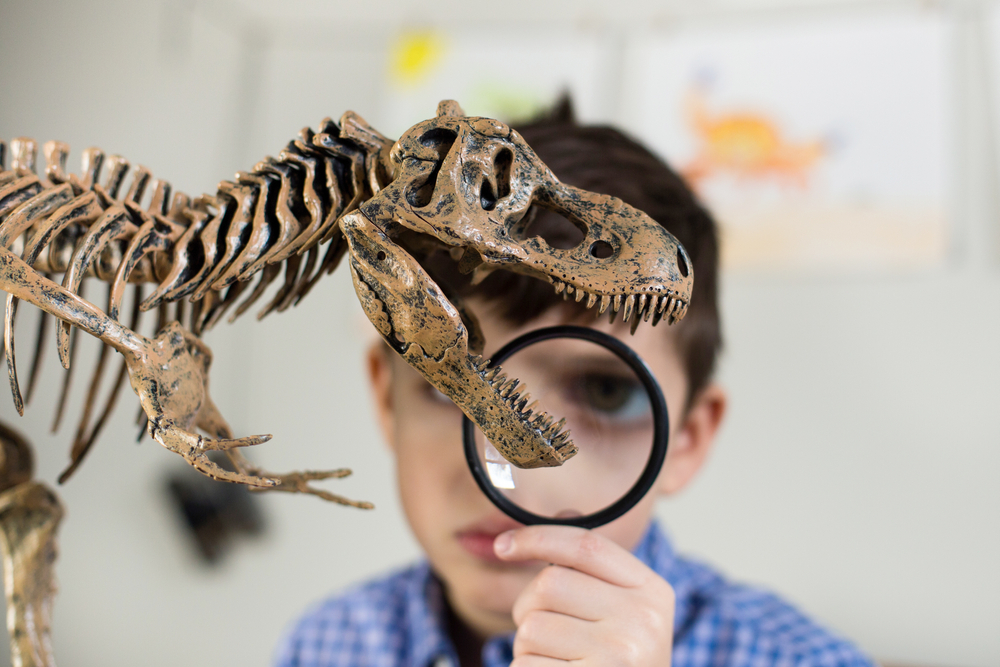




Understanding animal recognition and the identification of plants and animals is vital for children aged 6-8 as it nurtures their curiosity about the natural world. At this age, children are naturally inquisitive and eager to explore their environment. Teaching them about different species fosters a sense of wonder, encourages outdoor exploration, and enhances their observational skills.
Incorporating lessons on plants and animals helps children develop an appreciation for biodiversity and the ecosystems in which these organisms coexist. This knowledge is essential for instilling a sense of responsibility regarding environmental stewardship, which is crucial for the future sustenance of our planet.
Moreover, recognizing animals and plants contributes to cognitive development. It enhances vocabulary, promotes critical thinking, and introduces basic scientific concepts. Additionally, such lessons can also facilitate important conversations about habitats, food chains, and the mutual relationships within ecosystems.
For parents and teachers, encouraging this recognition not only supports academic learning but also promotes emotional growth through empathy towards living creatures. Ultimately, understanding the interdependence within nature cultivates responsible, well-rounded individuals, equipping young learners with knowledge that will benefit them throughout their lives.








